Andong Travel Guide: Legendary and Unforgettable K-Drama Filming Locations from Mr. Sunshine
A story the drama borrowed from real places 🎬🌿
Some filming locations are exact.
Others are gently stitched together by storytelling.
Mr. Sunshine does exactly that in Andong—quietly, beautifully, without drawing attention to the seams.
This guide adds the missing layer—the part you only notice once you stand there yourself.
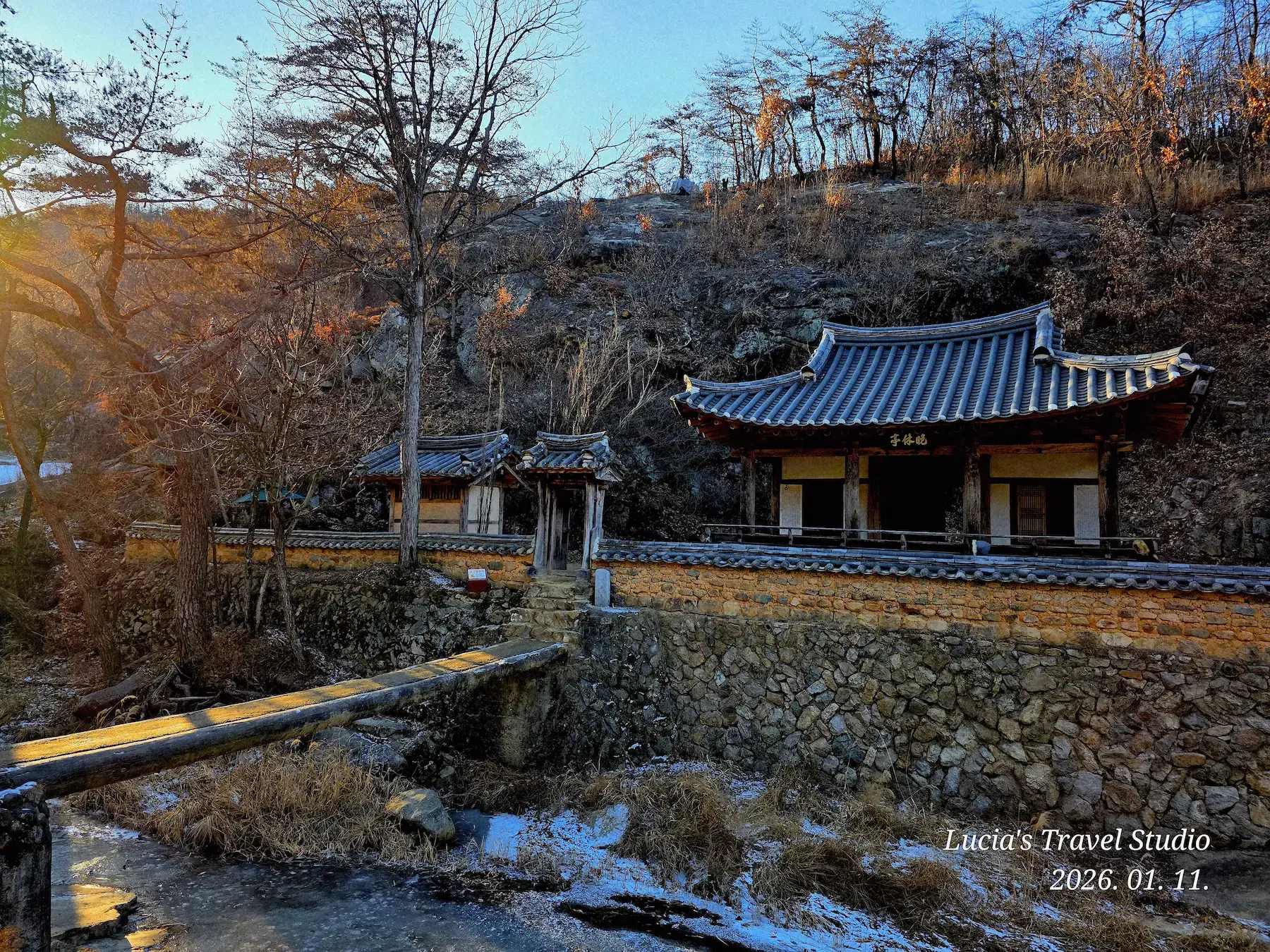
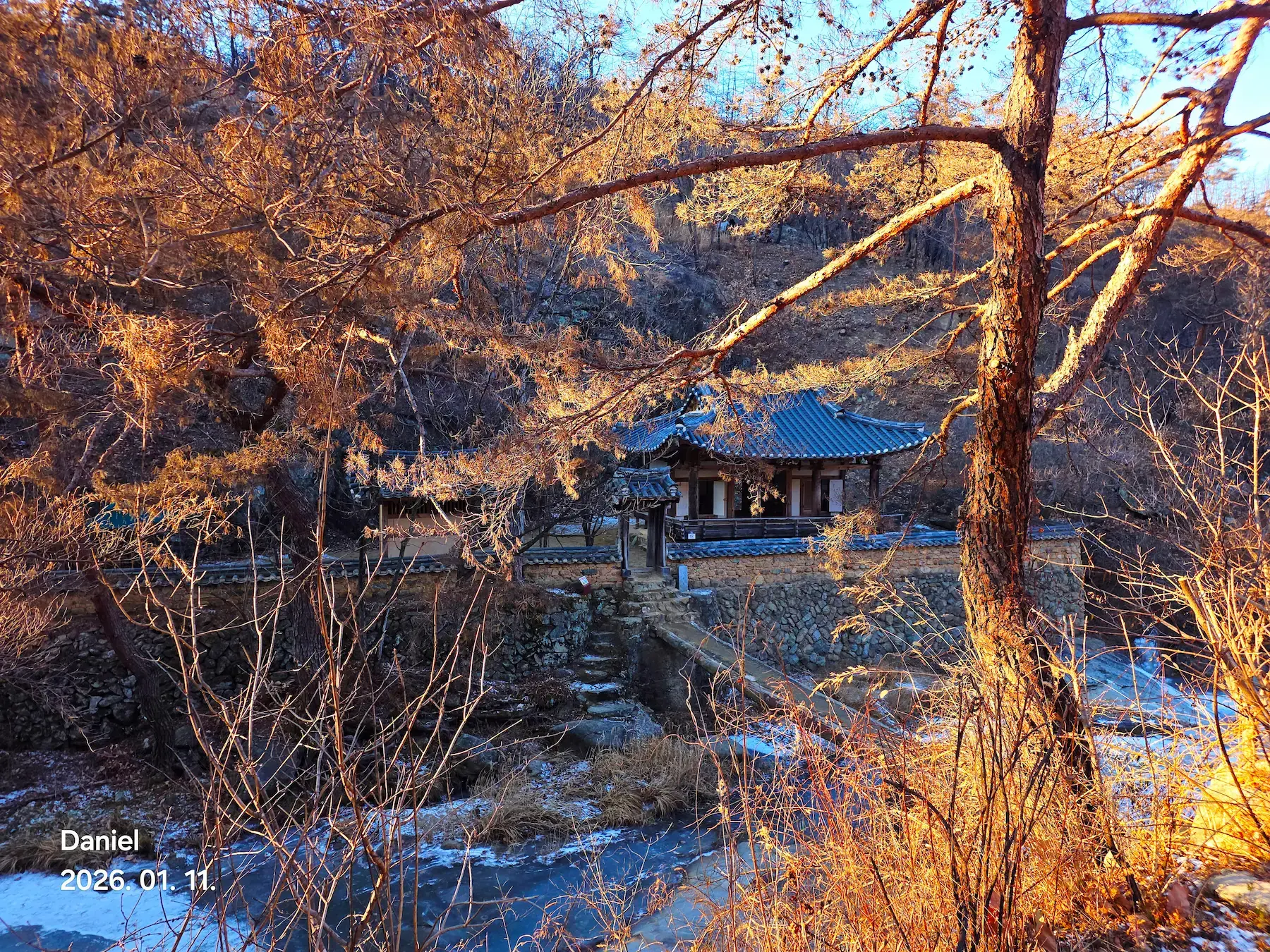
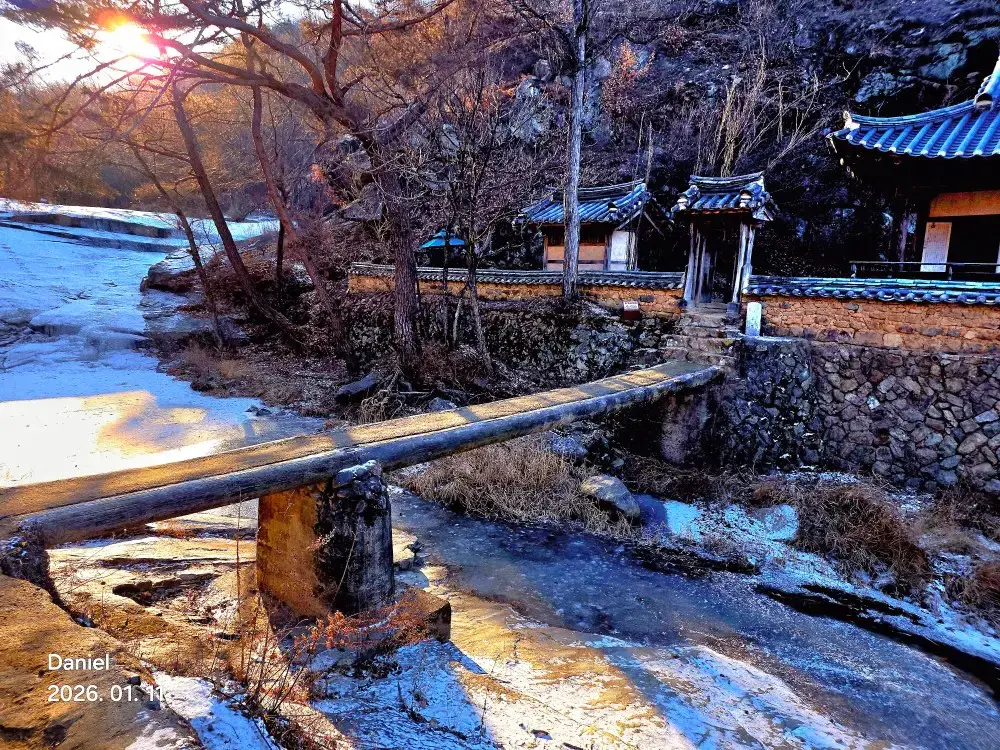
Manhyujeong Pavilion (晩休亭) 🌲
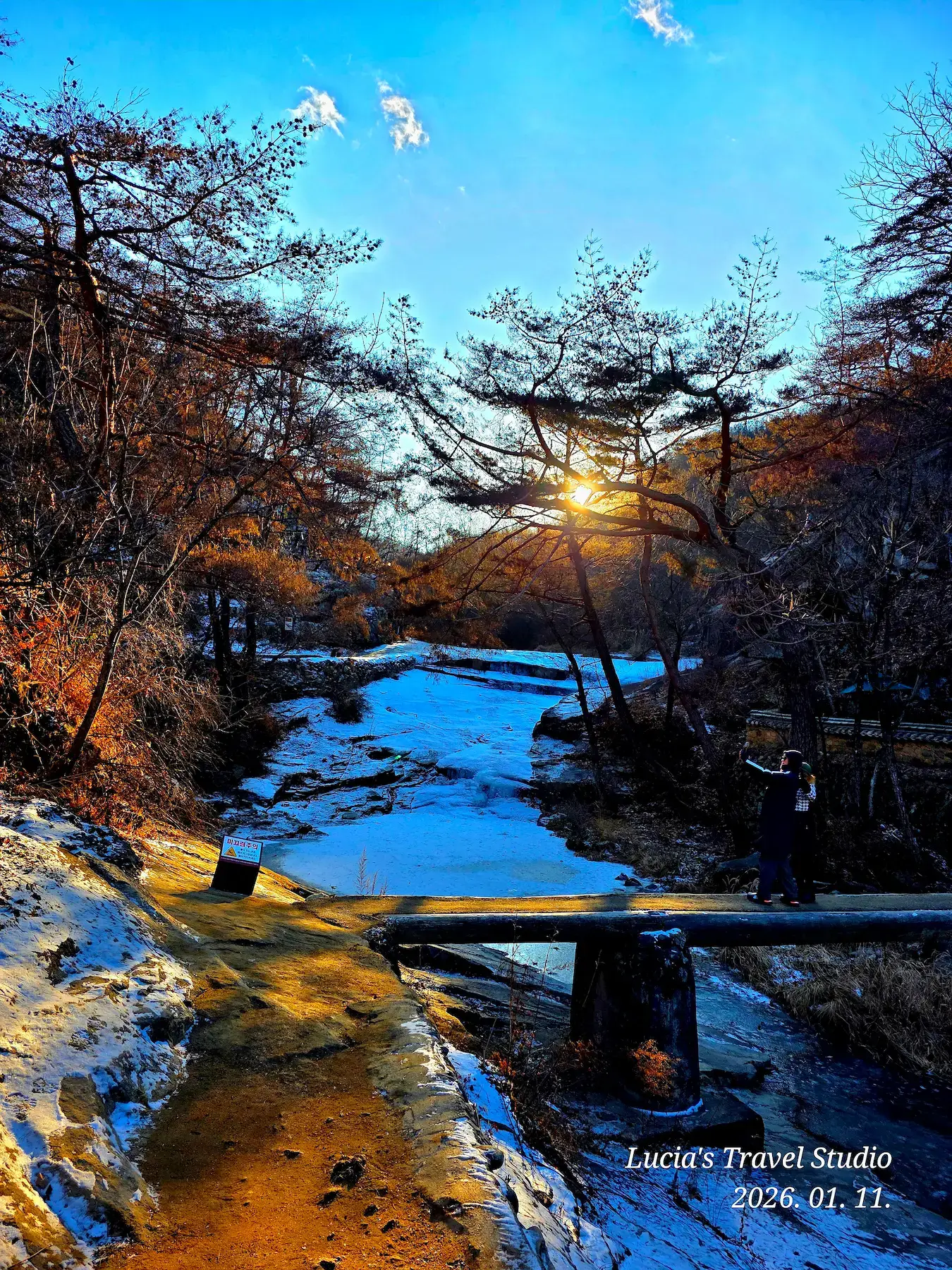



Address
42 Mukgyehari-gil, Gilan-myeon, Andong-si, Gyeongsangbuk-do, South Korea
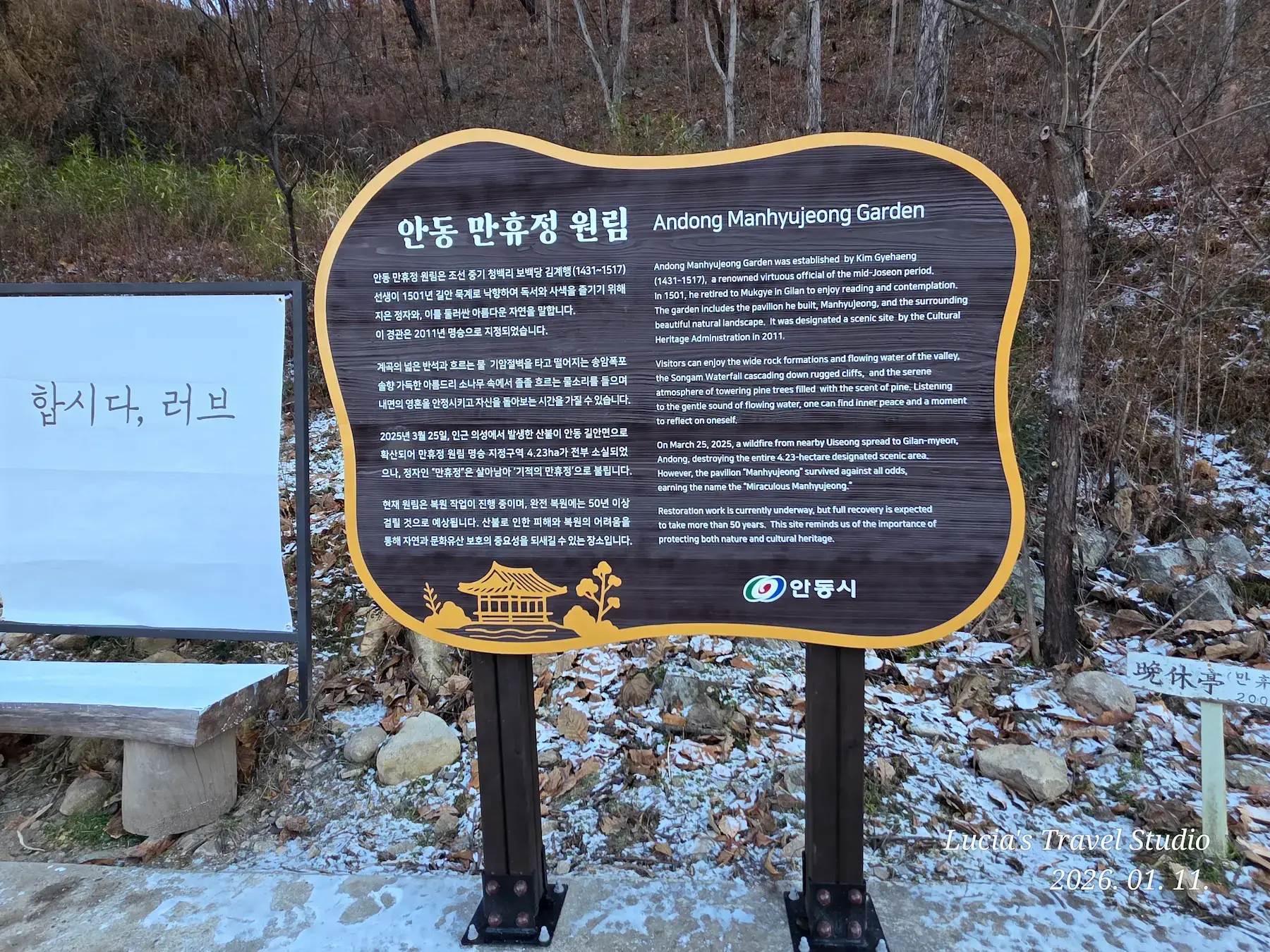
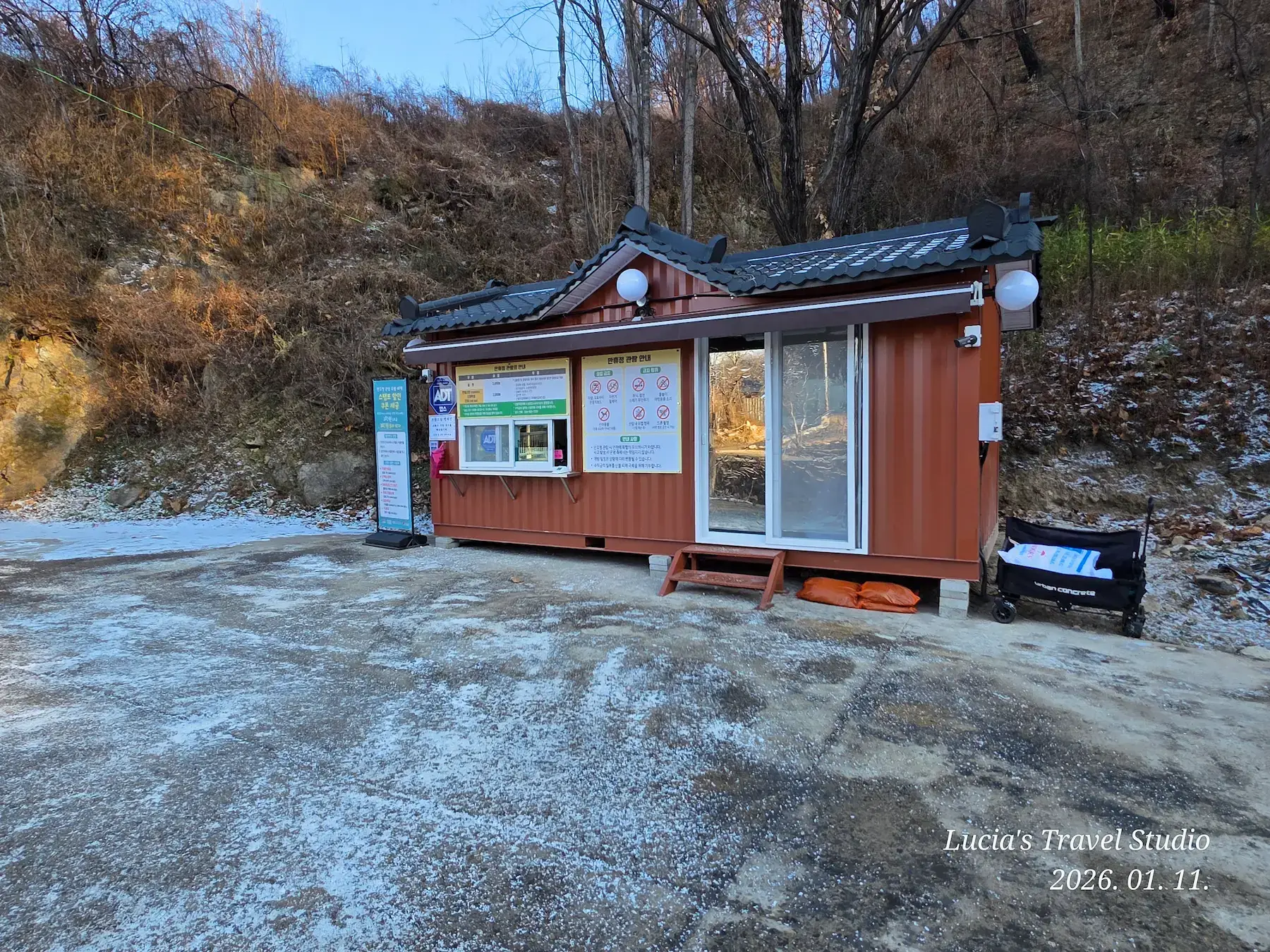


🚗 Getting There & Parking
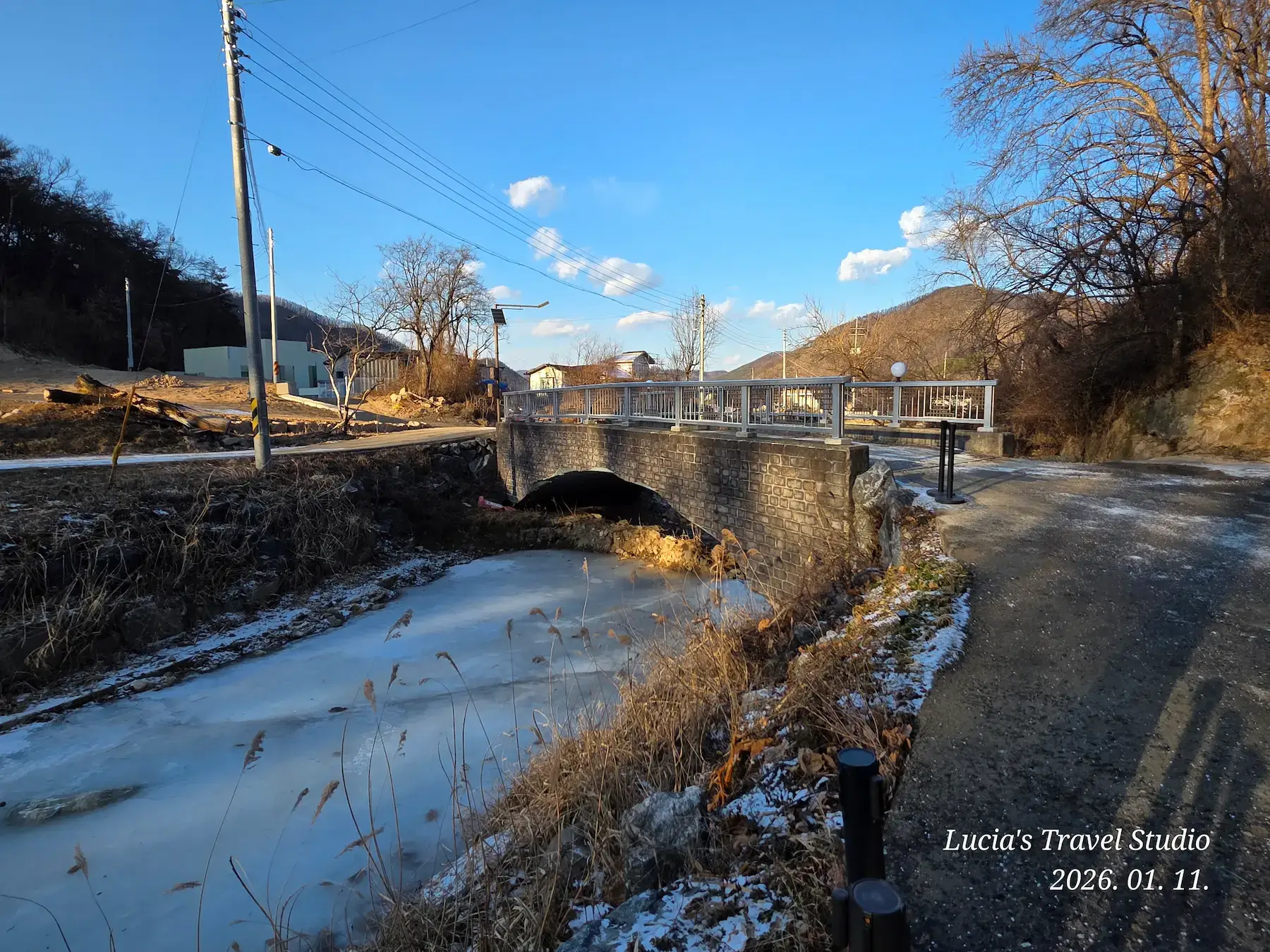
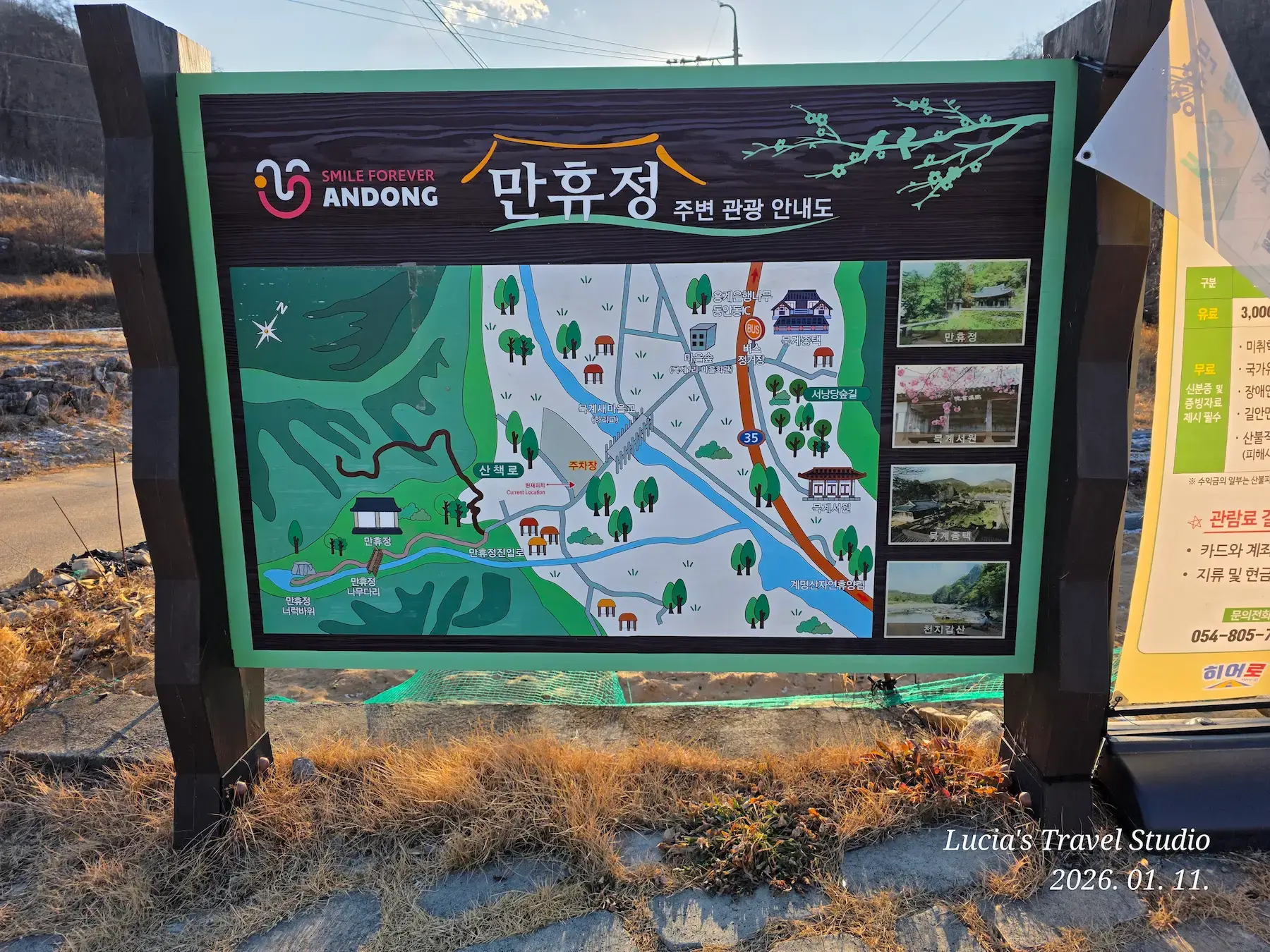
Parking is located before entering the village
Search “Manhyujeong Temporary Parking Lot” on your navigation app
There is no parking at the village entrance or near the information center
⏰ Opening Hours
Wednesday–Sunday: 10:00 AM – 5:00 PM
Closed: Every Monday and Tuesday
💰 Admission Fees
Adults: 3,000 KRW
🏛️ History & Architecture
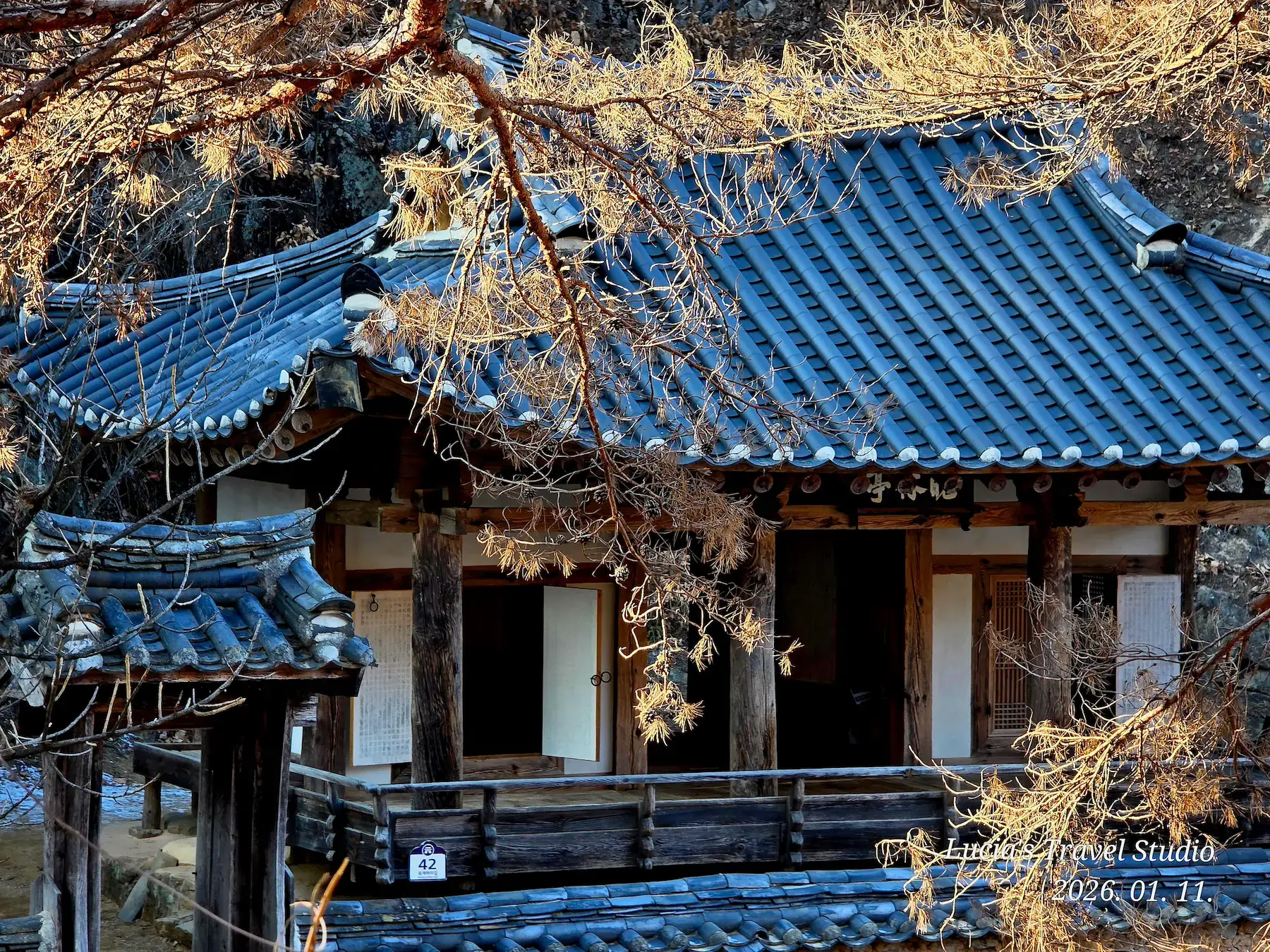
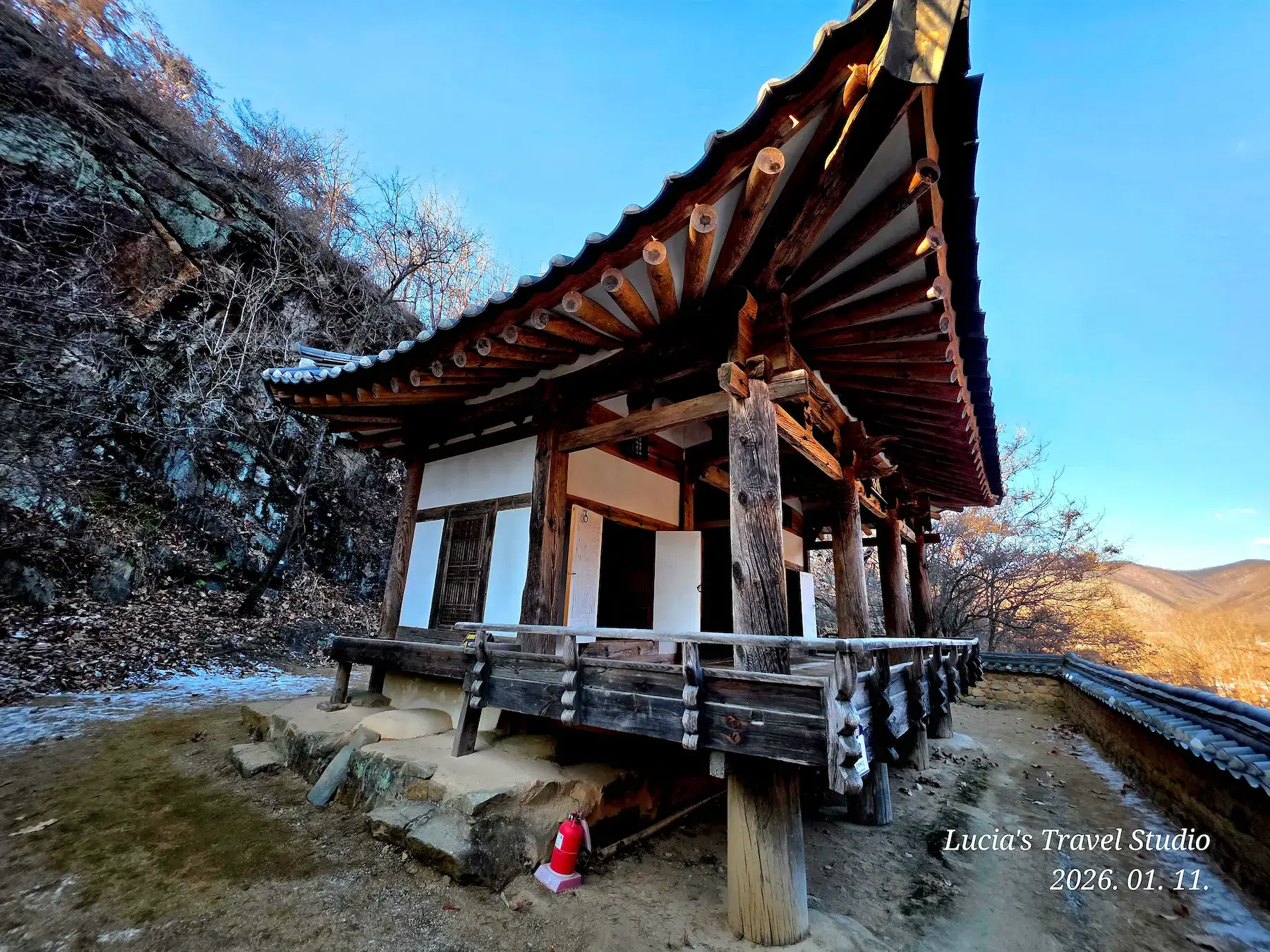
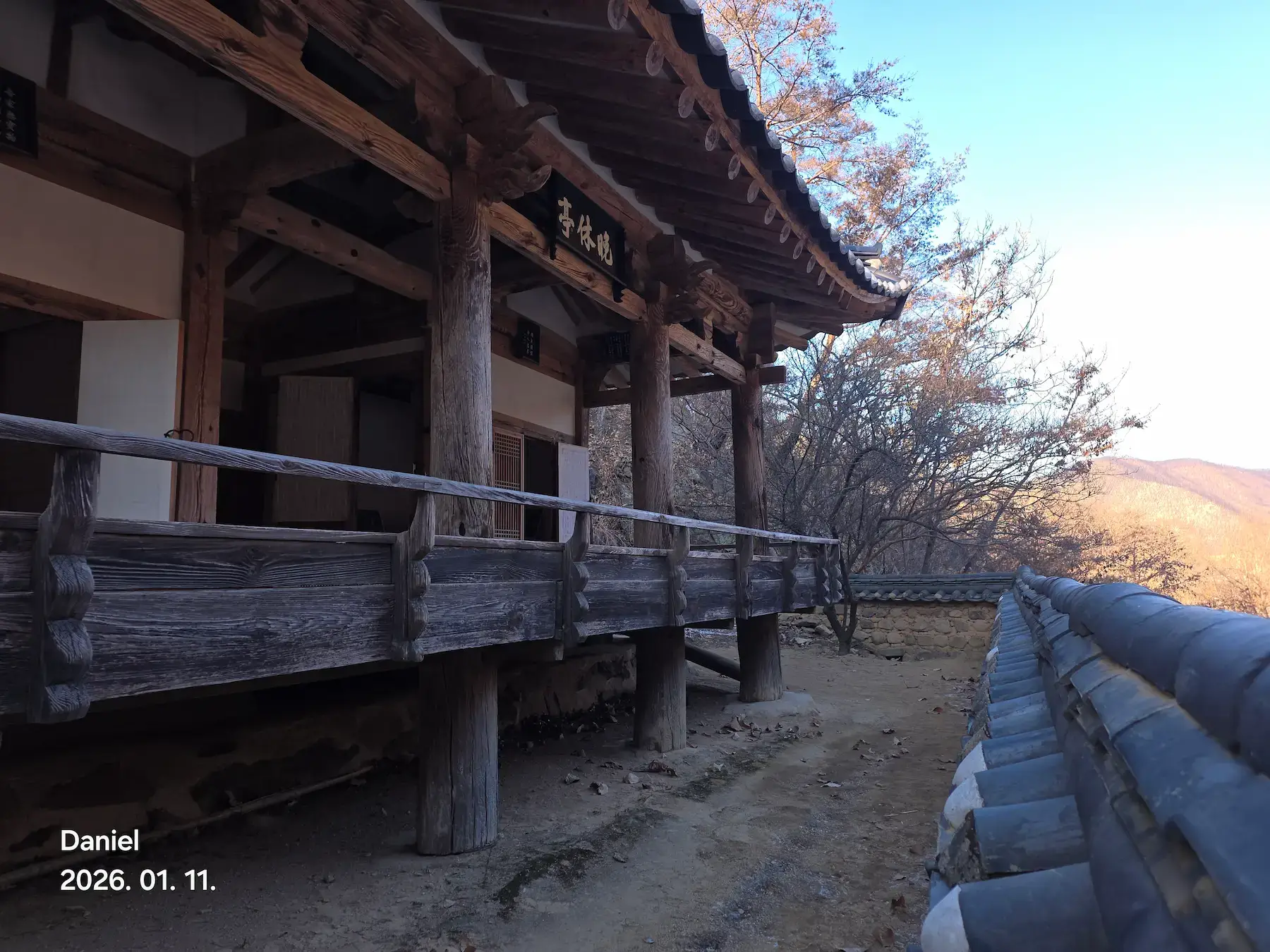
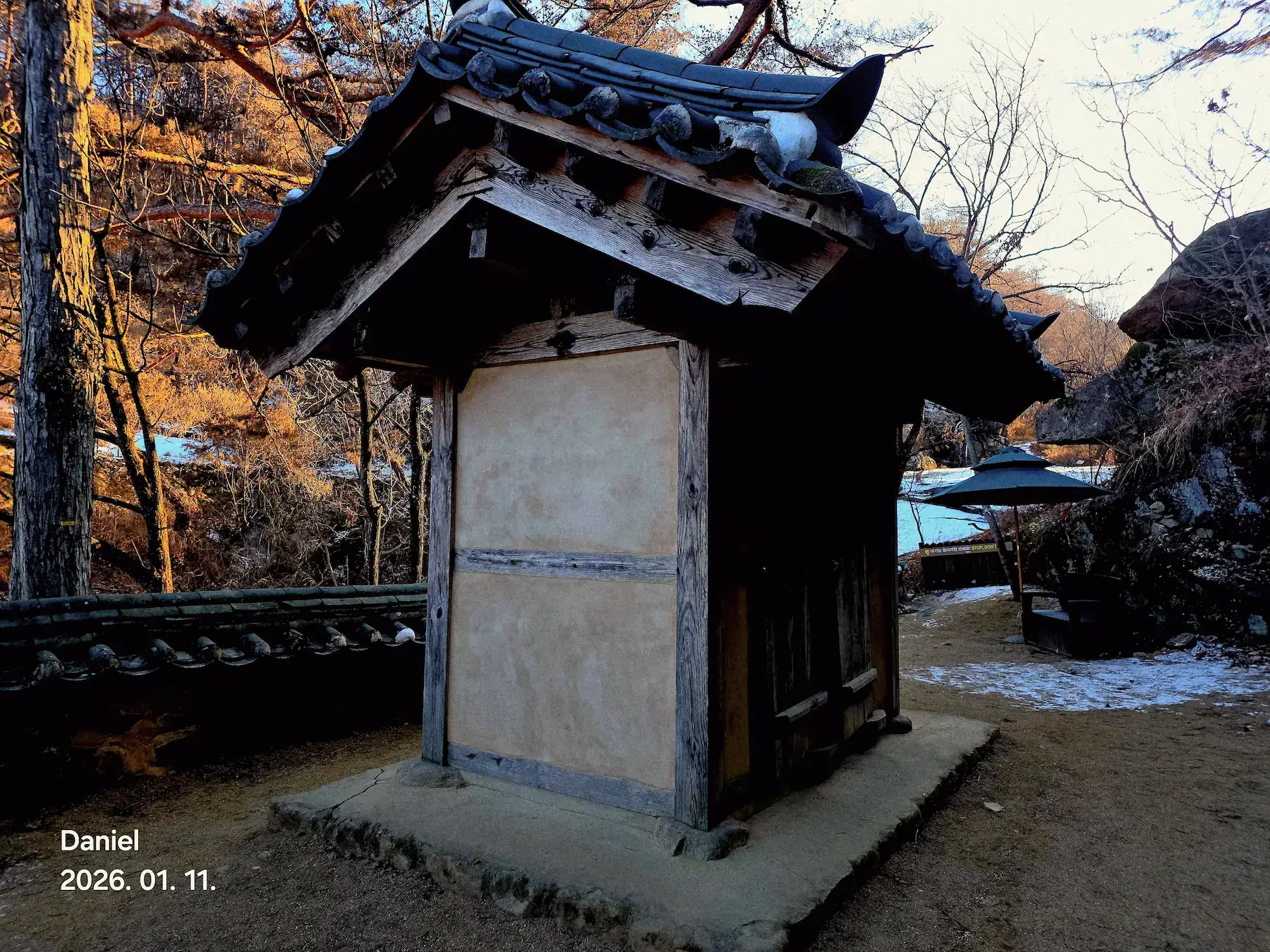
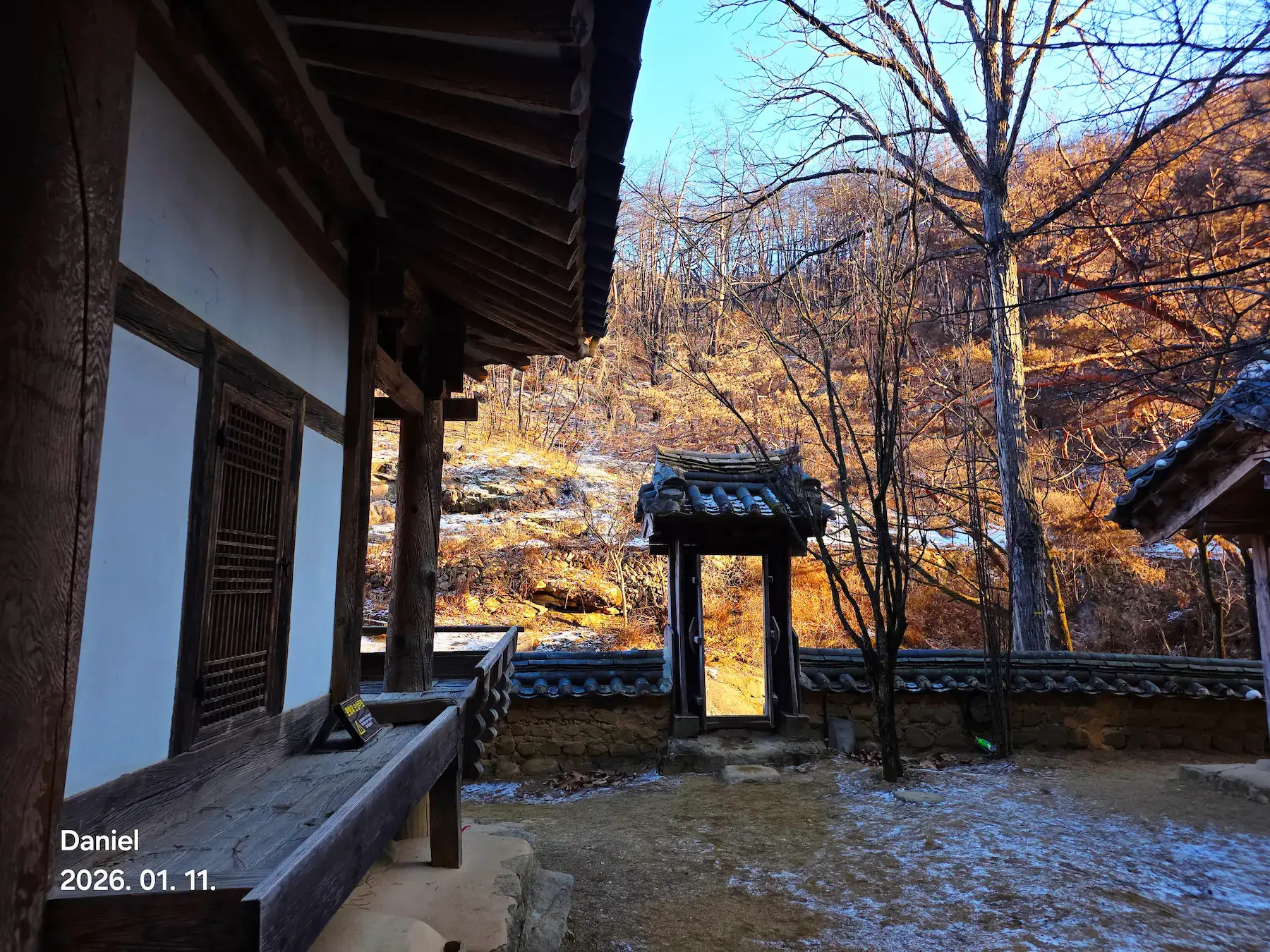
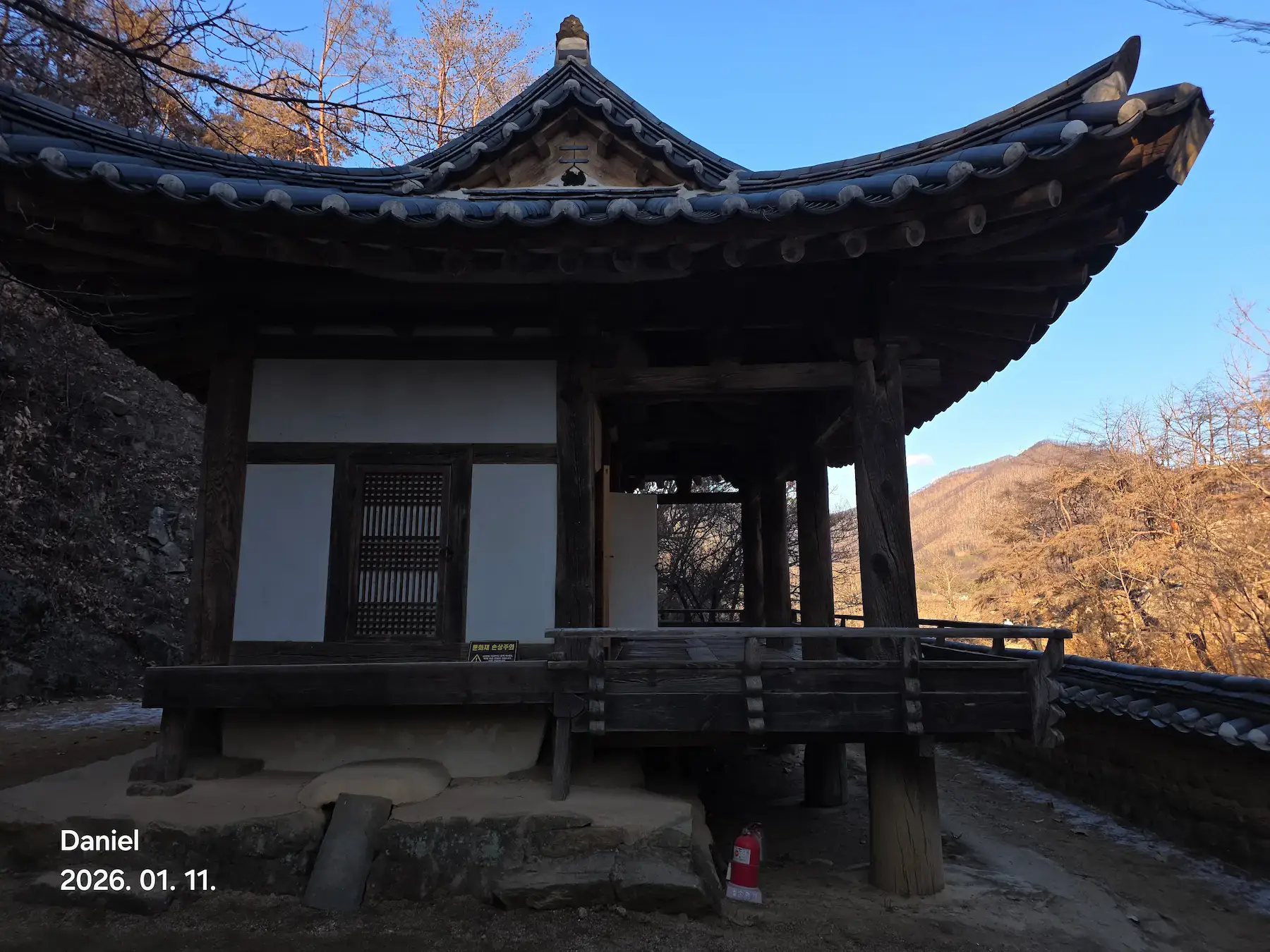
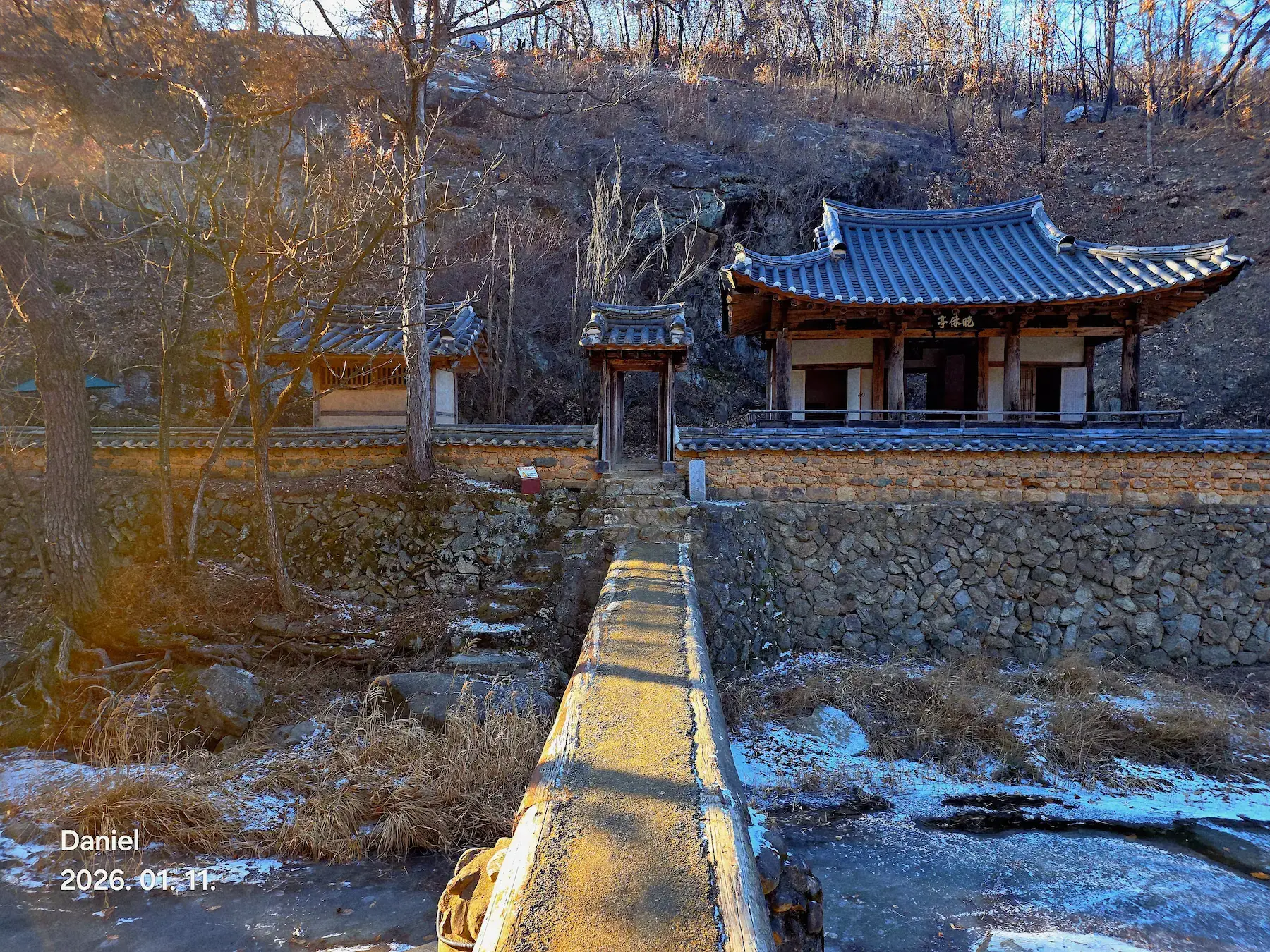
Built in the early Joseon period (1500s) by scholar Kim Gyehaeng,
also known as Bobekdang, after retiring to his hometownKim Gyehaeng is remembered for his belief that
“the only true treasure is integrity”
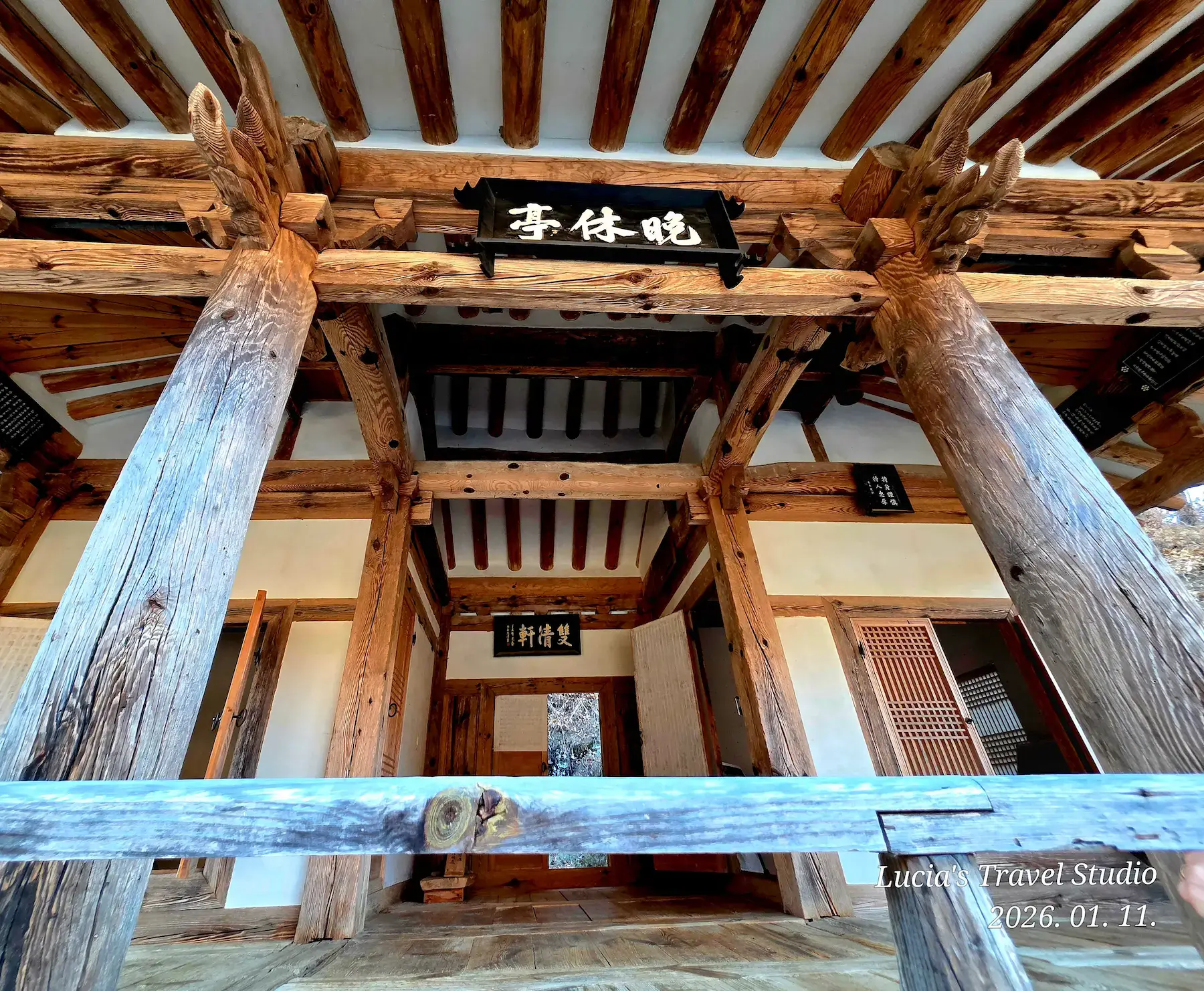
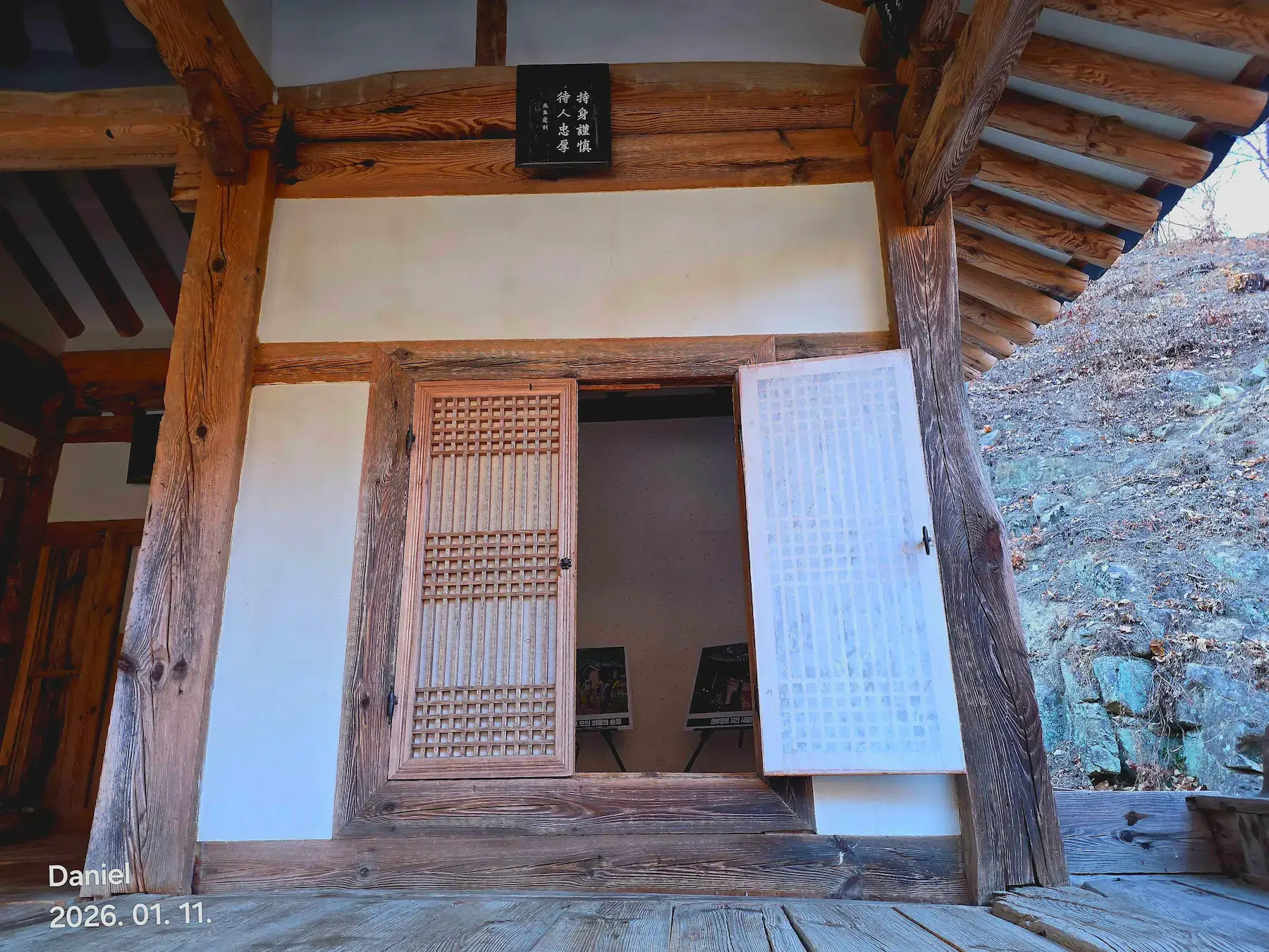
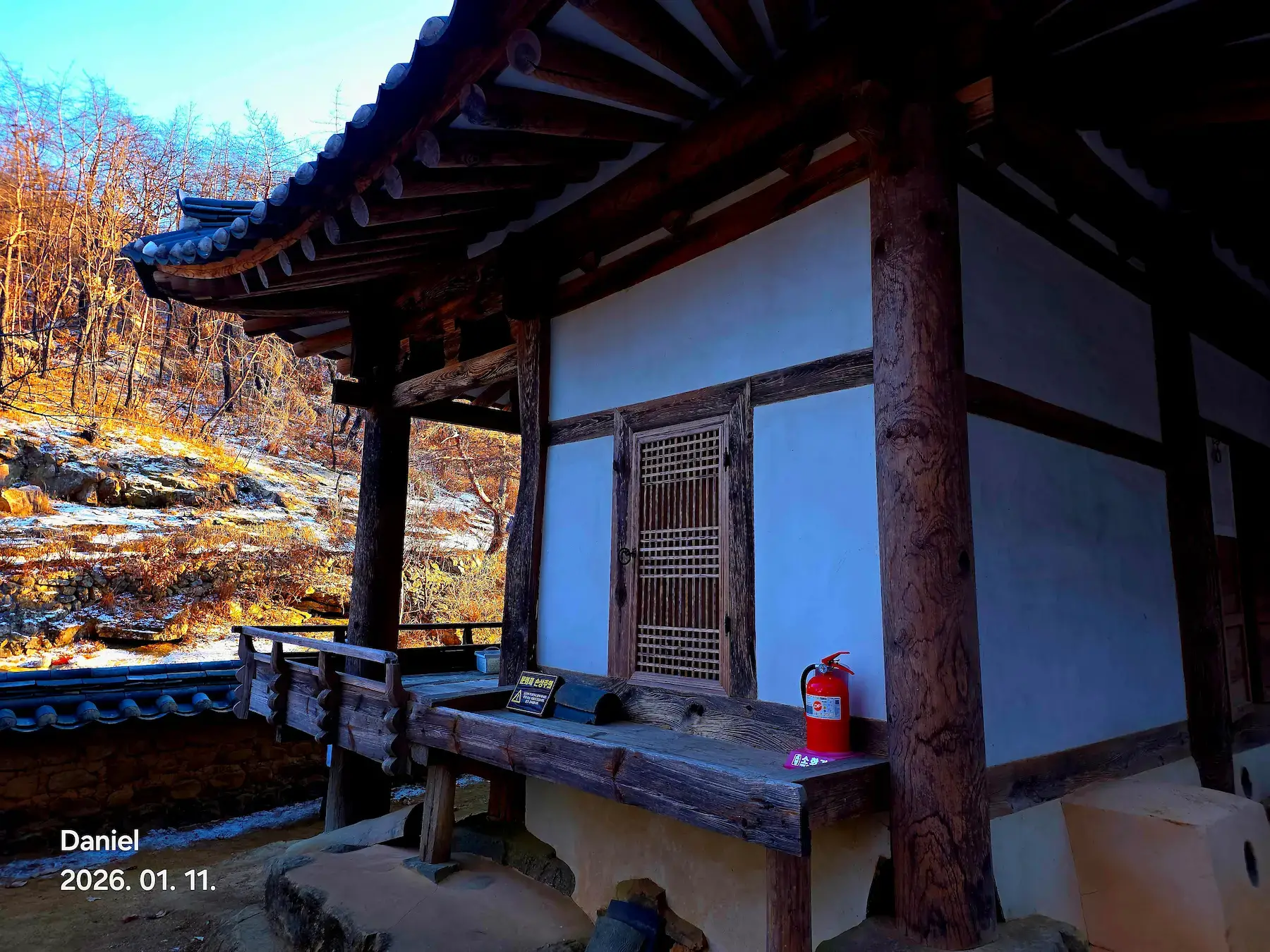
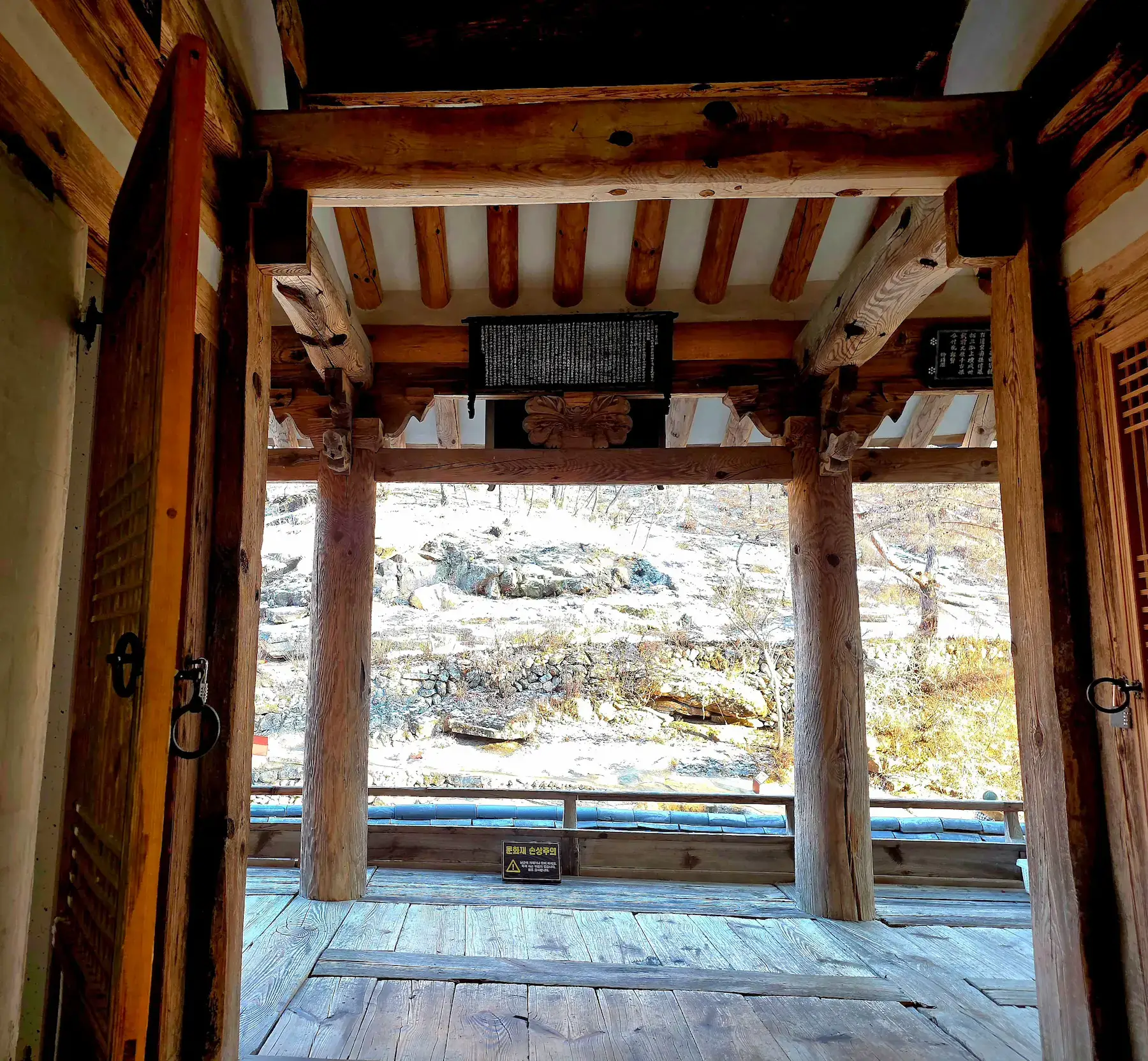
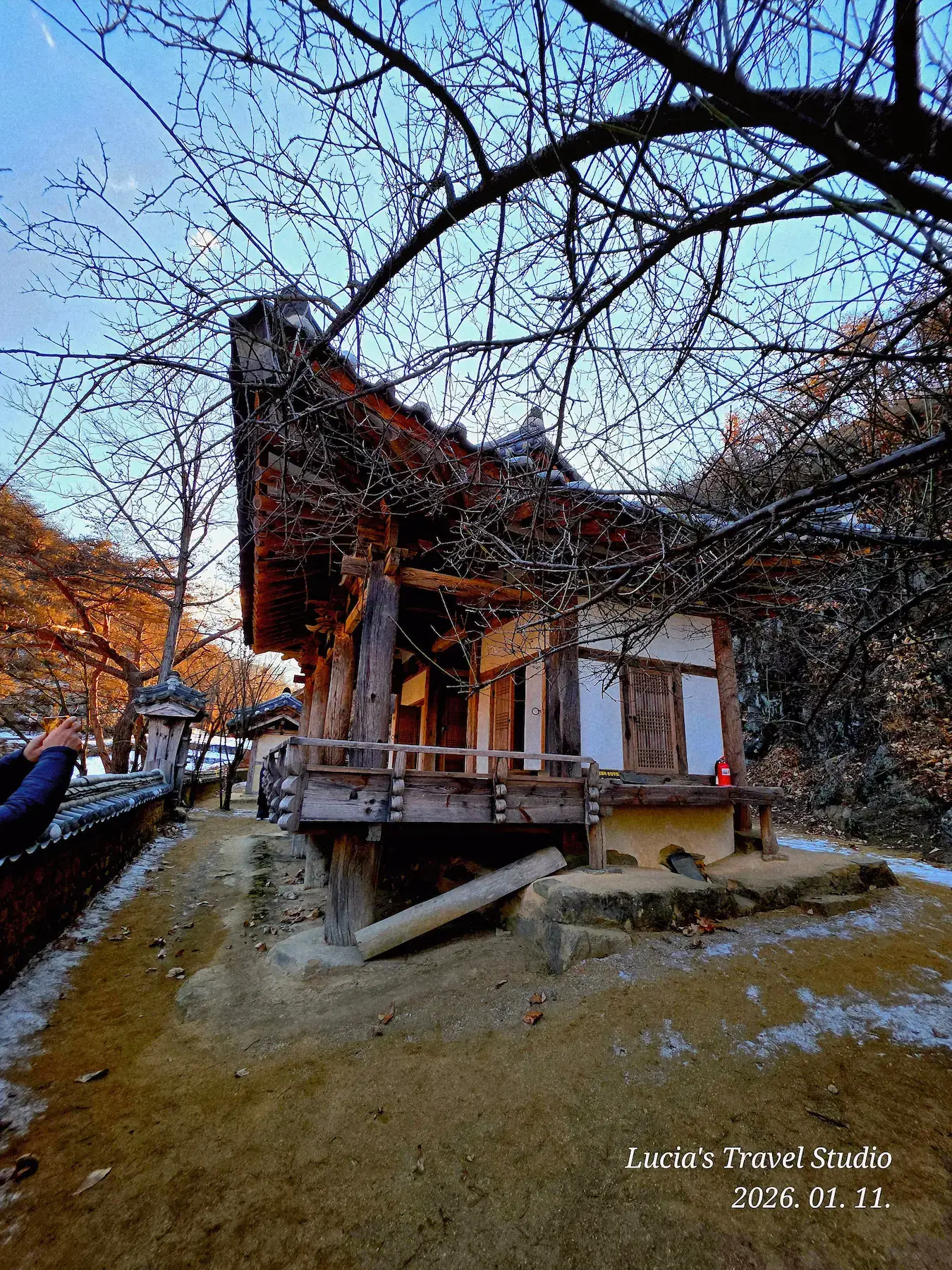
Pavilion layout: 3 bays at the front, 2 bays on the side
The front is fully open in a raised wooden hall (numaru) style,
offering unobstructed views of the surrounding landscapeOndol-heated rooms on both sides were used for study and scholarly pursuits
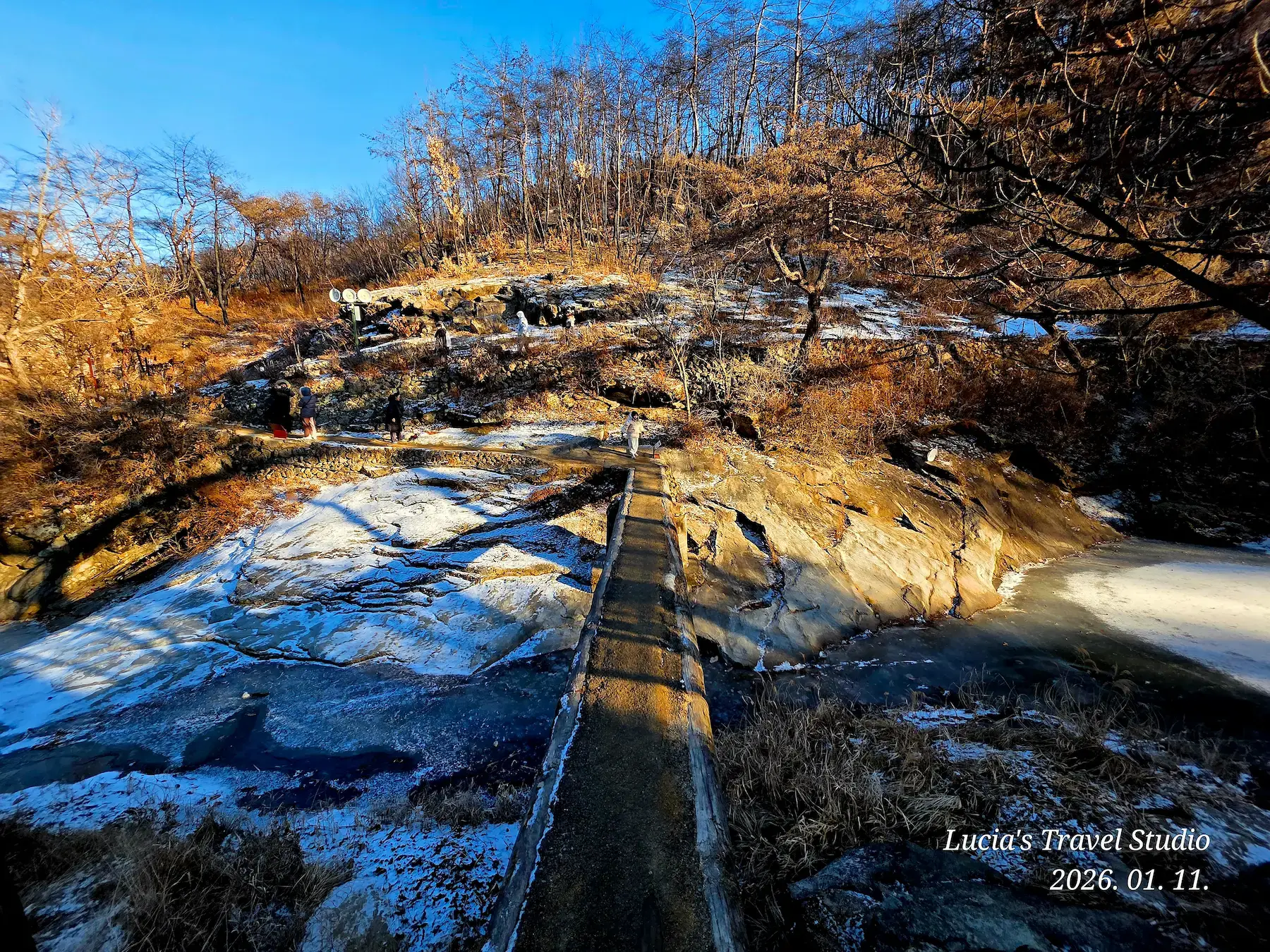
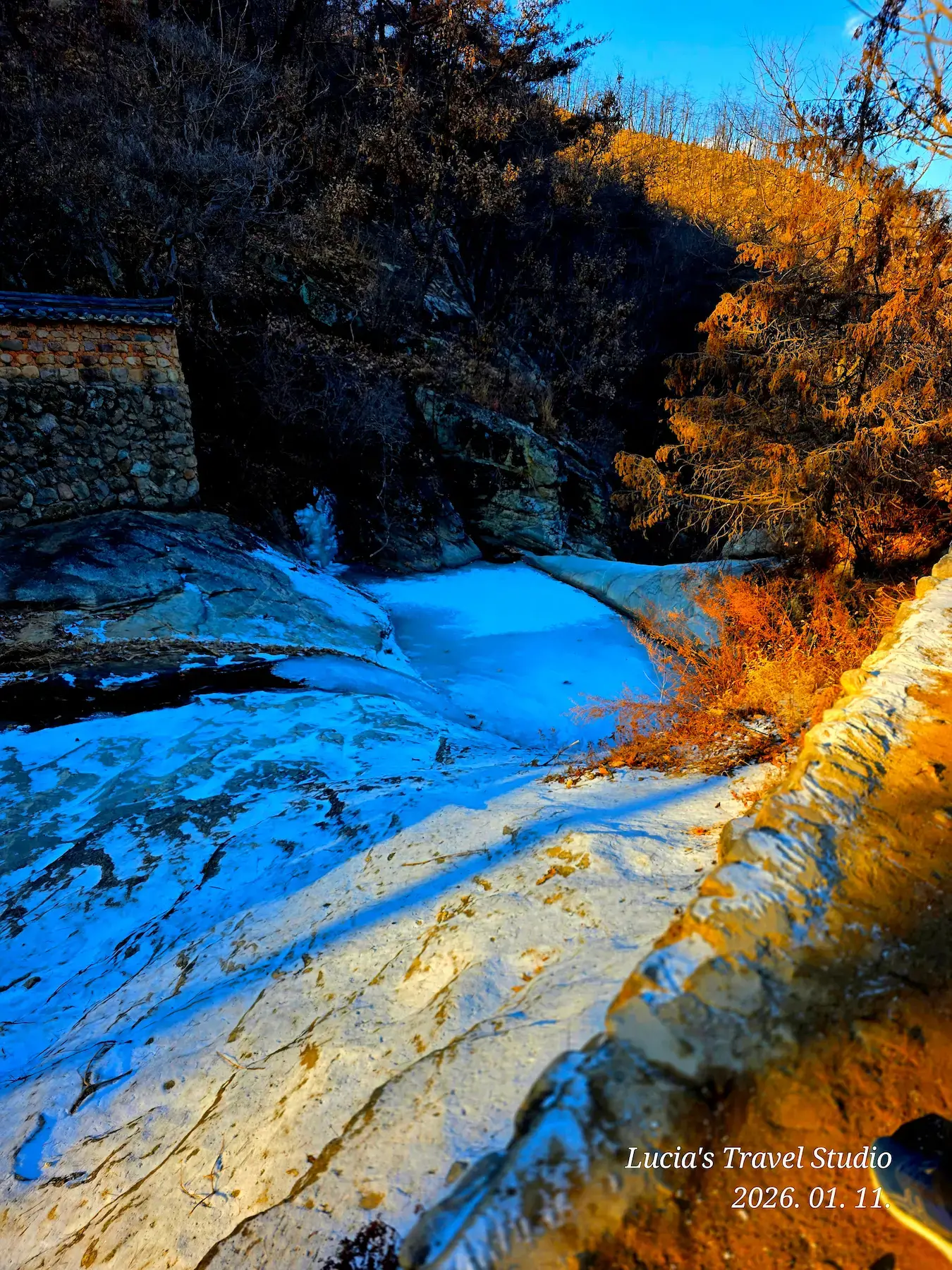
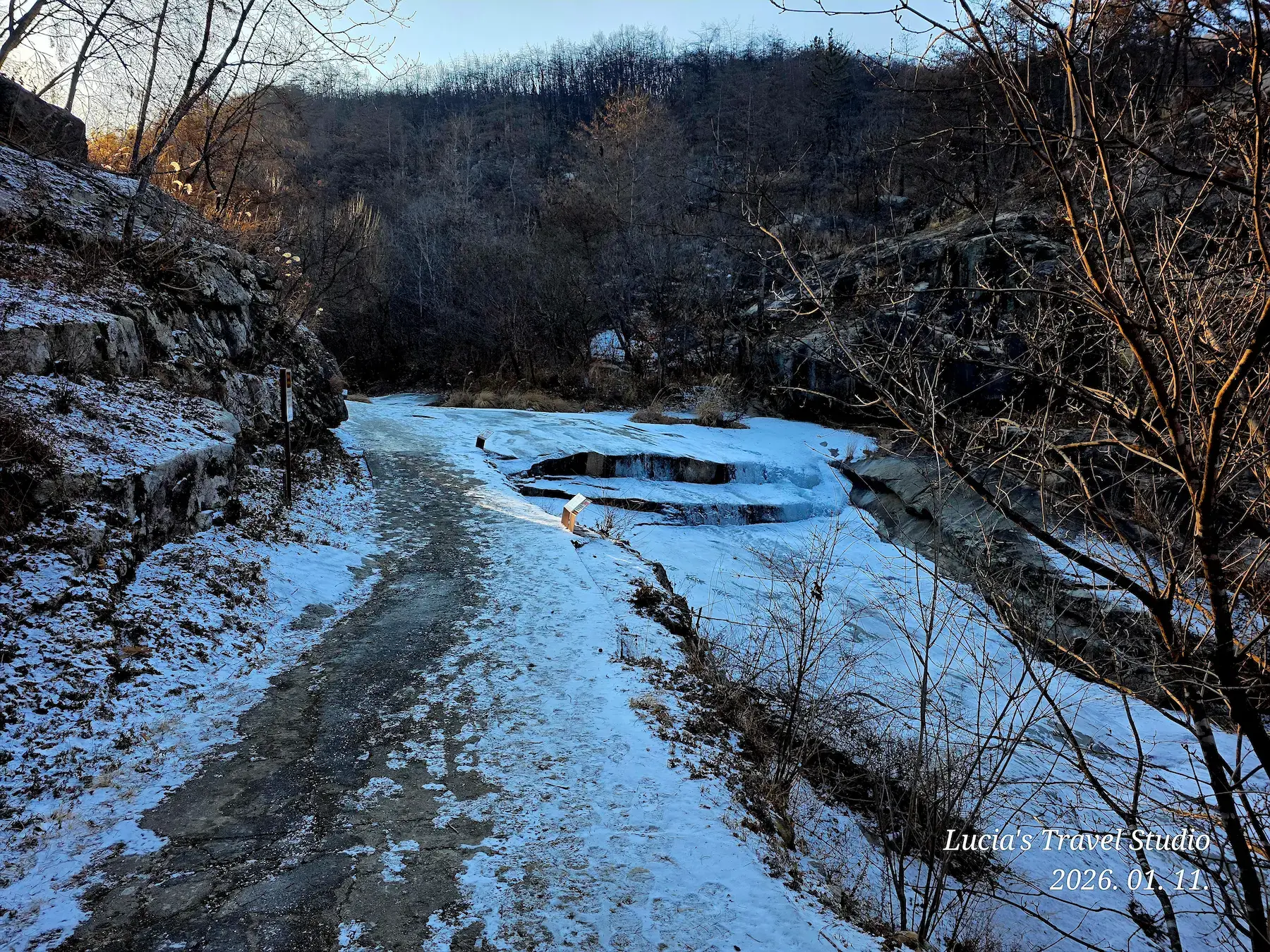
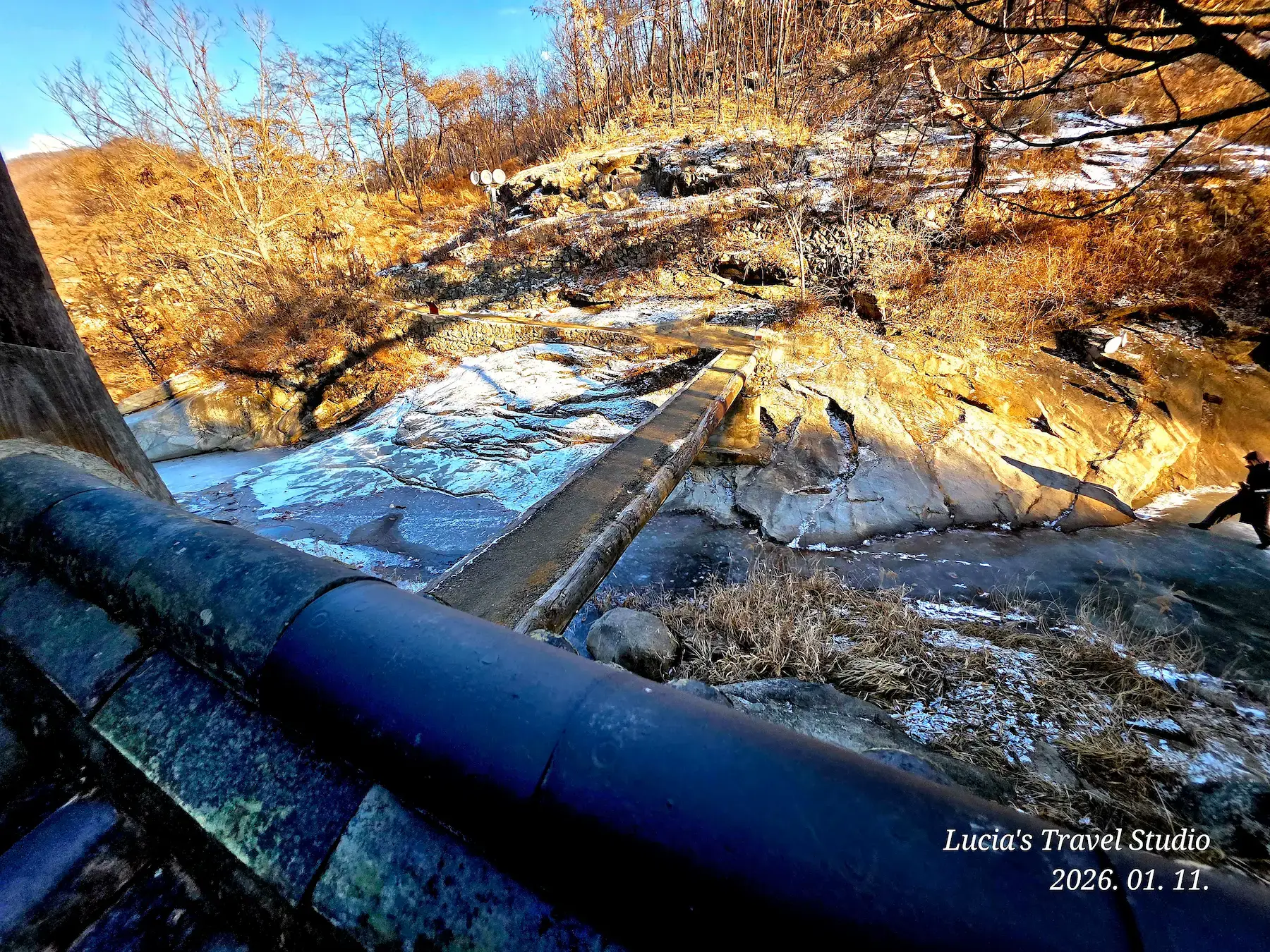
Below the pavilion, Songam Waterfall flows gently,
while wind and water move freely through the space,
and the wide rock bed below forms a natural courtyard
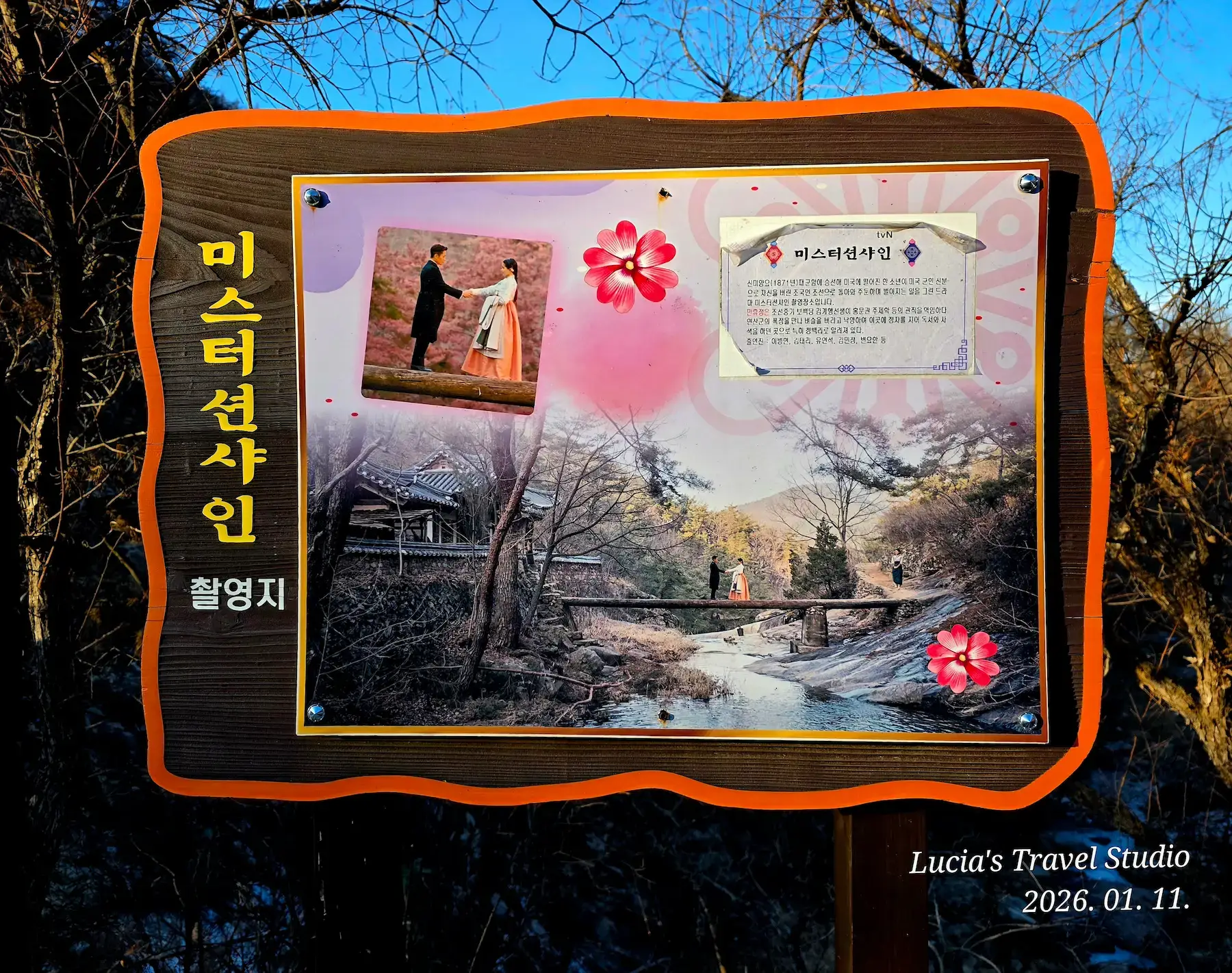
🎬 In Mr. Sunshine
Manhyujeong carries two identities.
On screen, it is portrayed as the site of
Hwang Eunsan’s potter’s kiln—
a place tied to fire, craftsmanship, and quiet resistance.
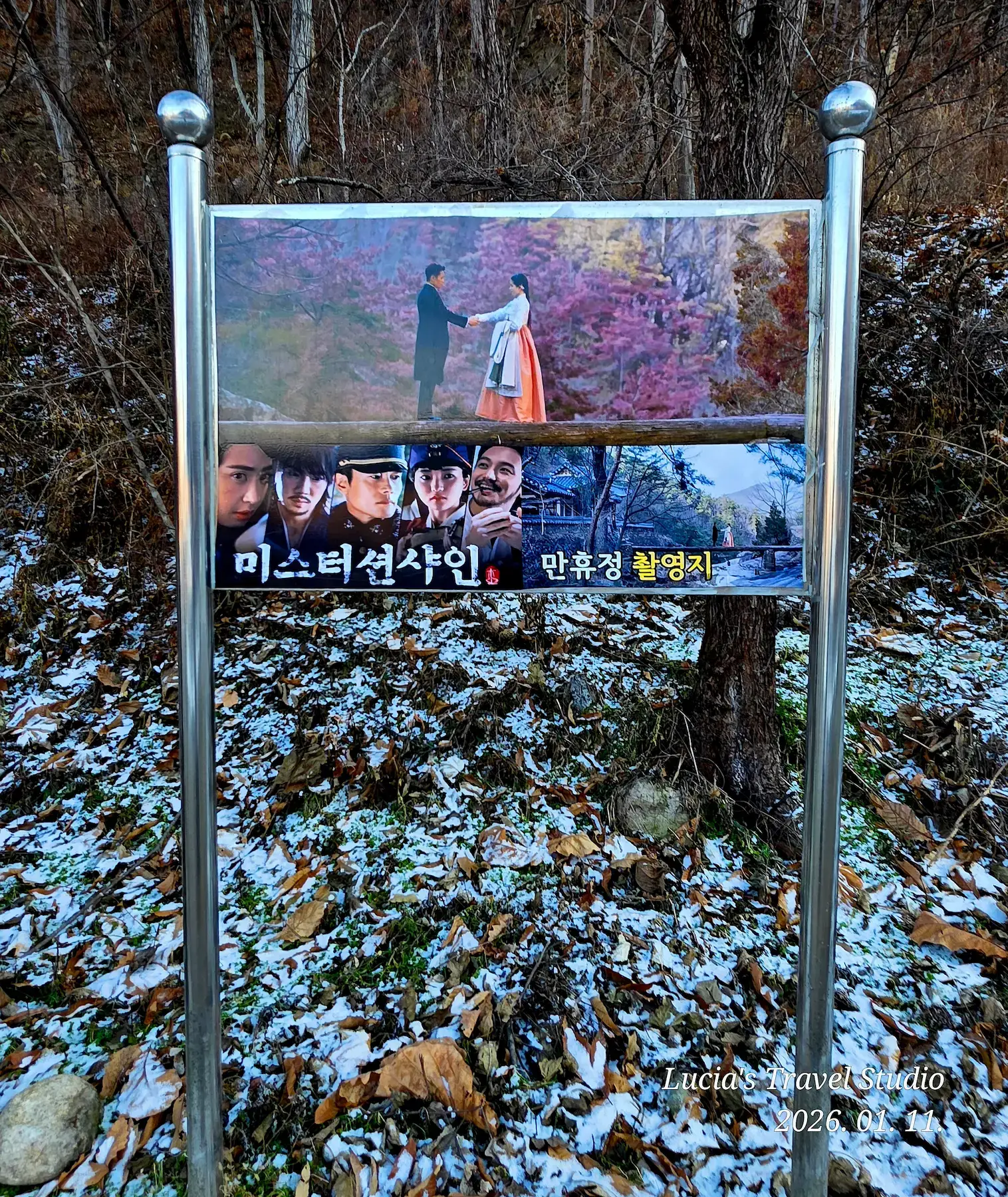
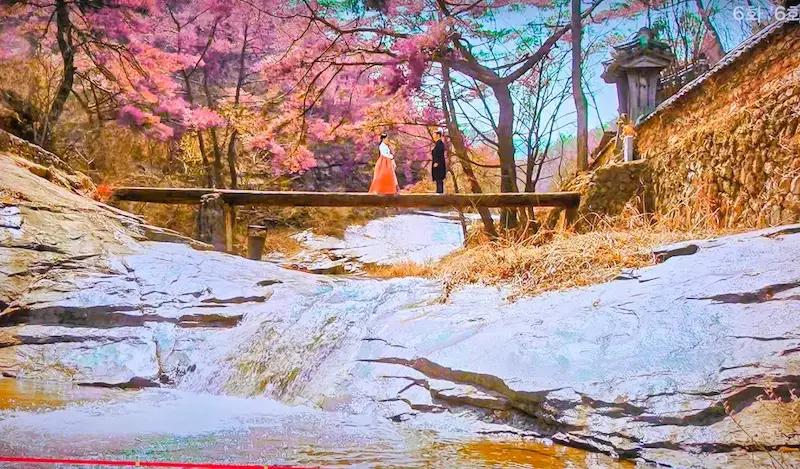
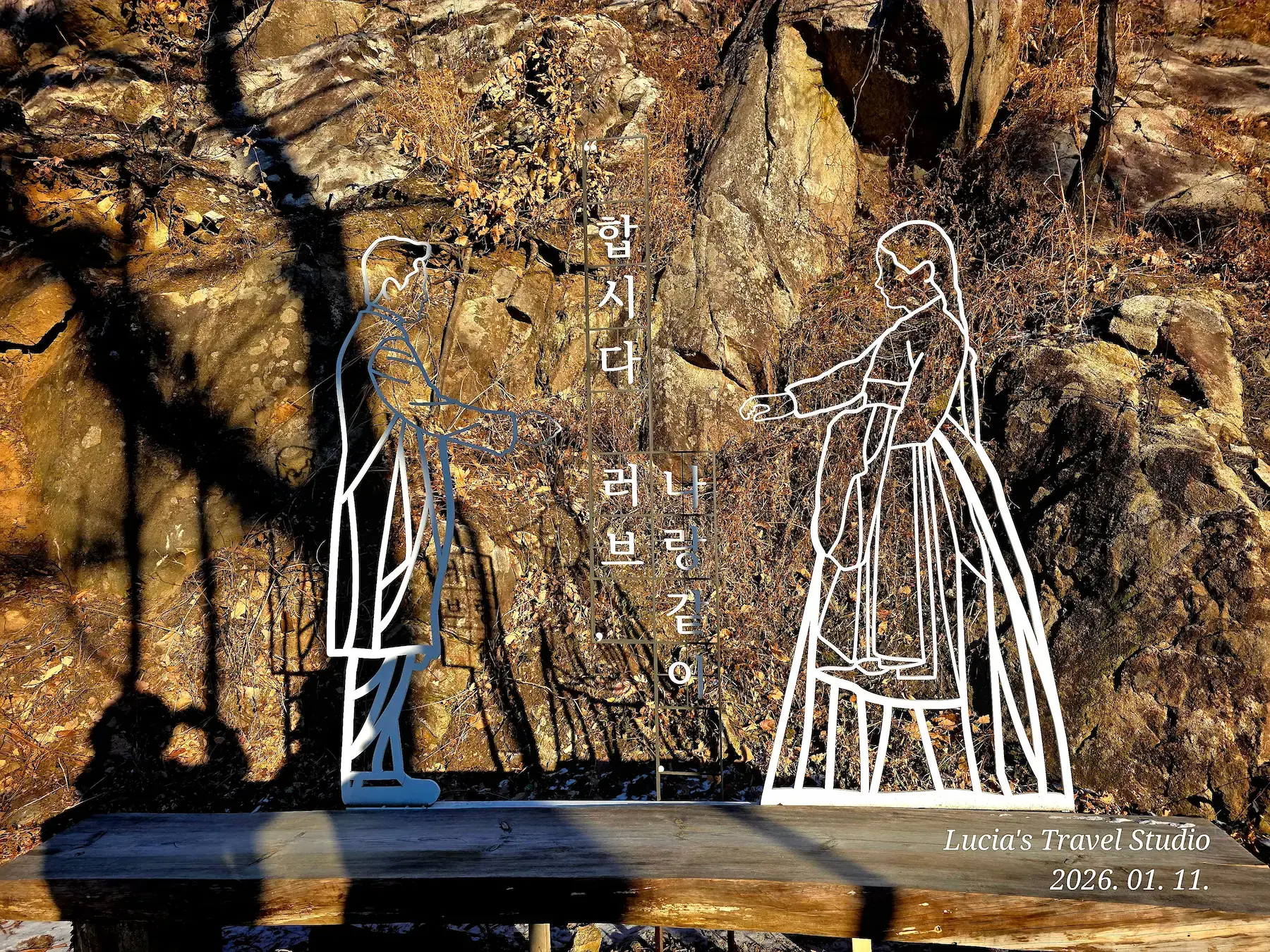
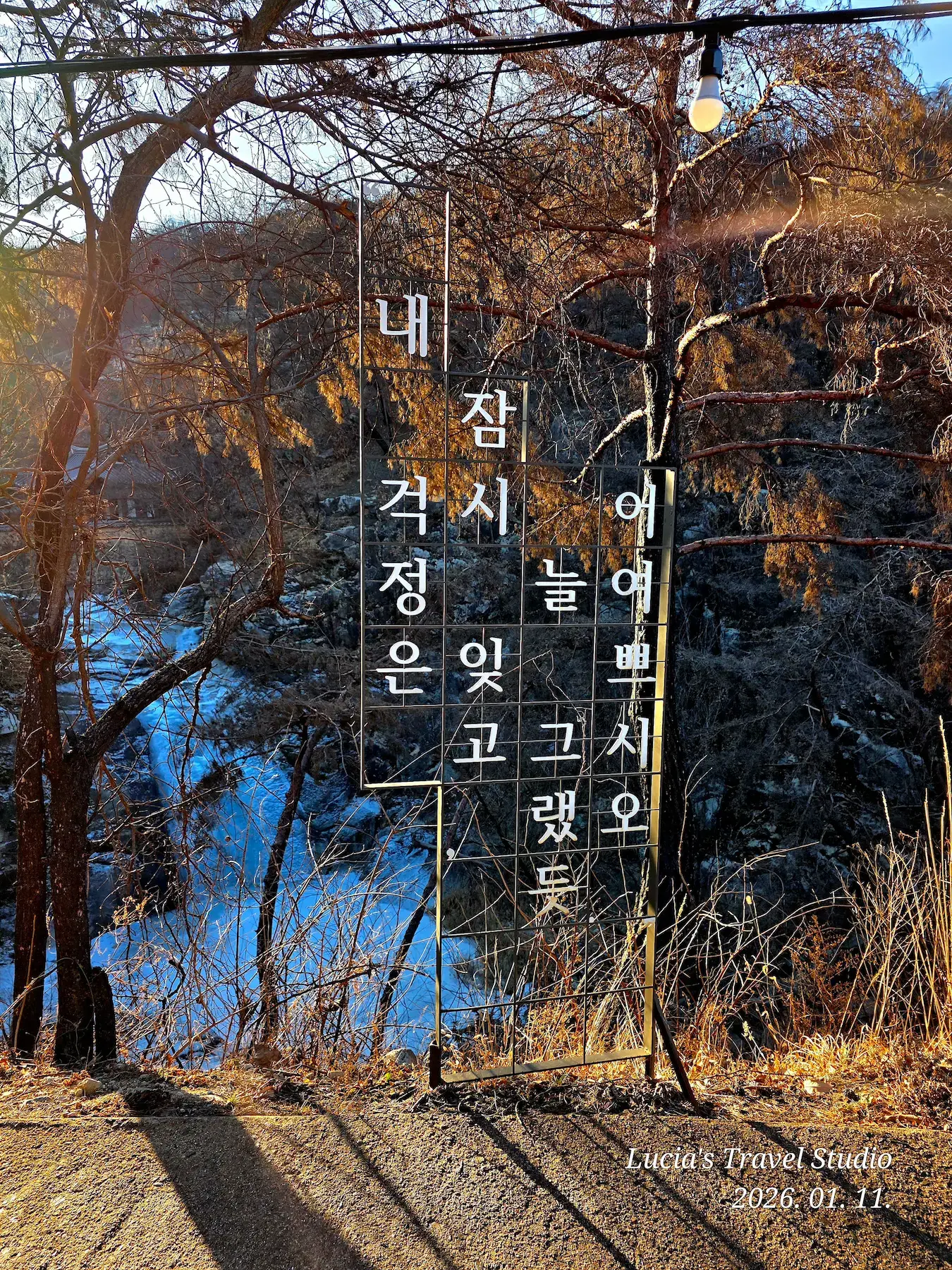
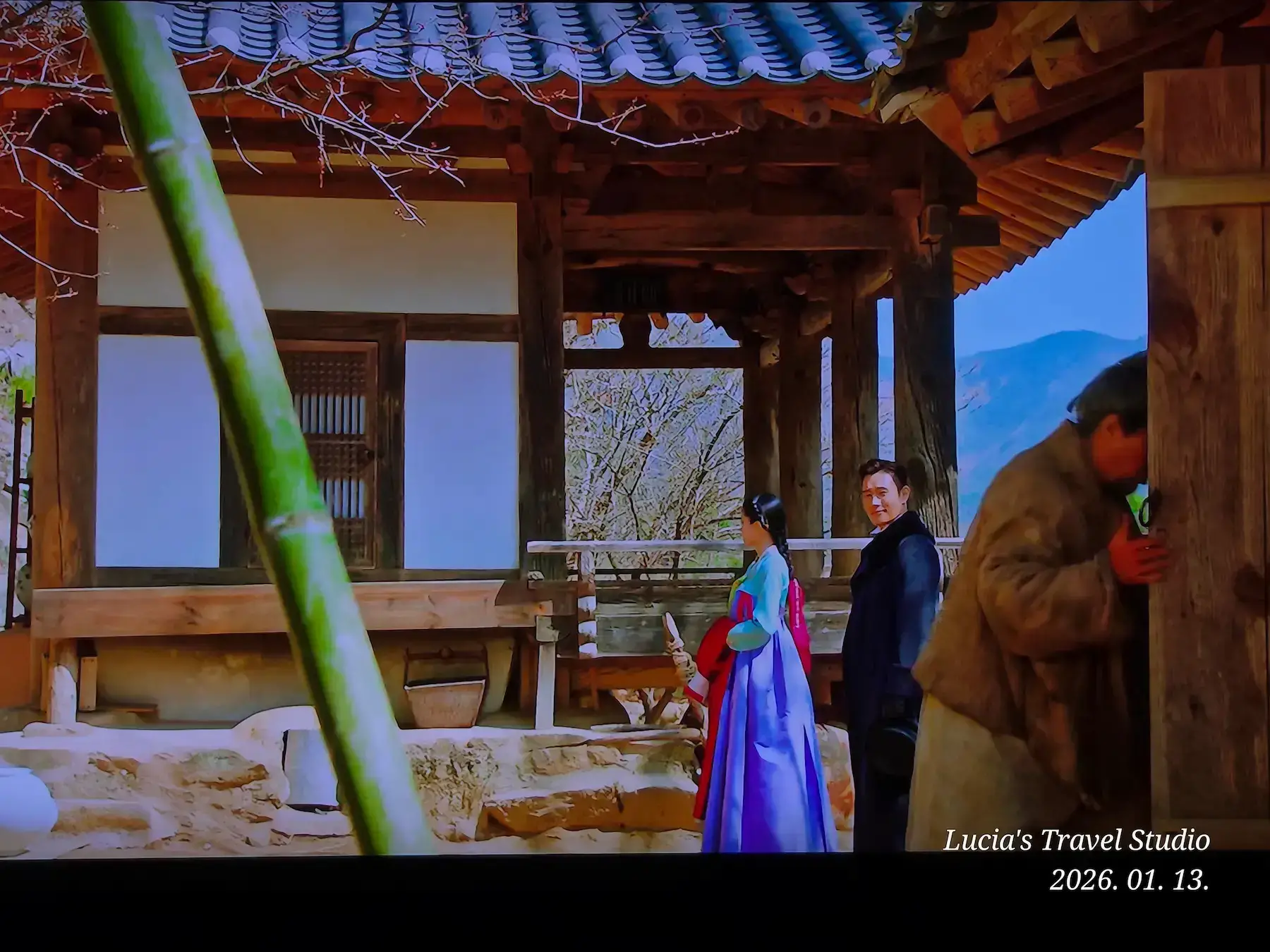
It is also where Ae-shin and Eugene Choi vow to love each other,
standing face to face on the narrow wooden bridge: “Let’s do it, love. Together.”
As if the world beyond the forest had quietly fallen away.
🎞 A fictional kiln, a real pavilion—one place holding both truth and imagination.
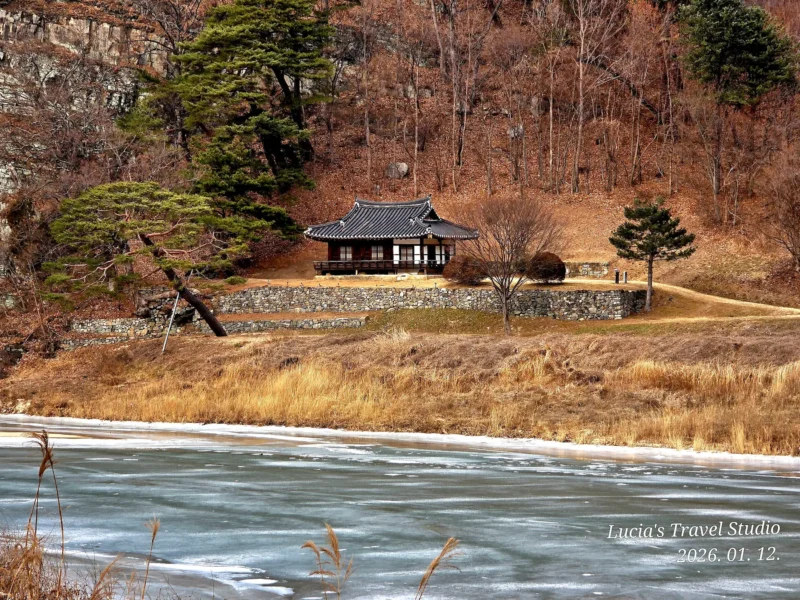
Gosan Pavilion (孤山亭) 🚣♀️
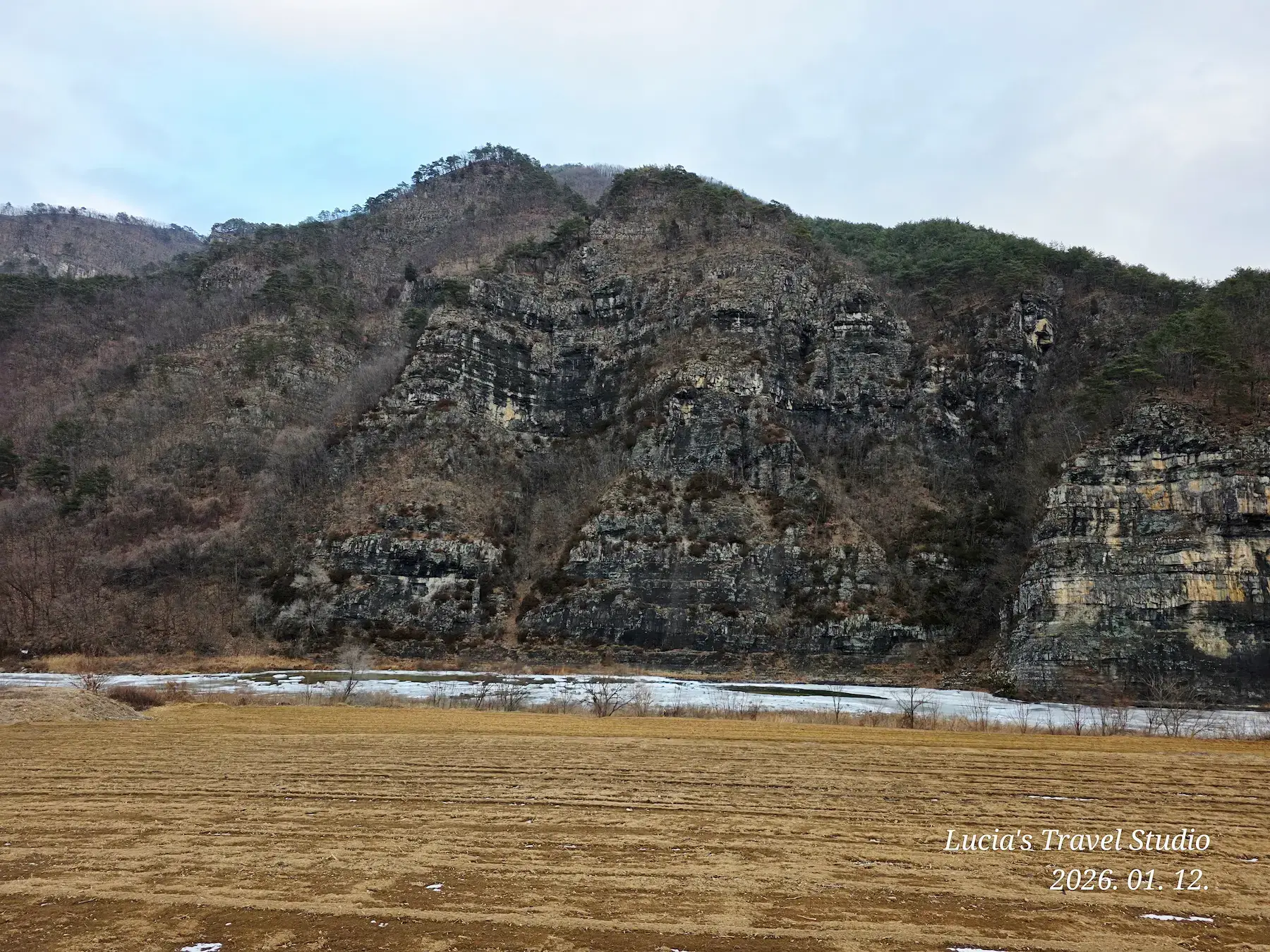
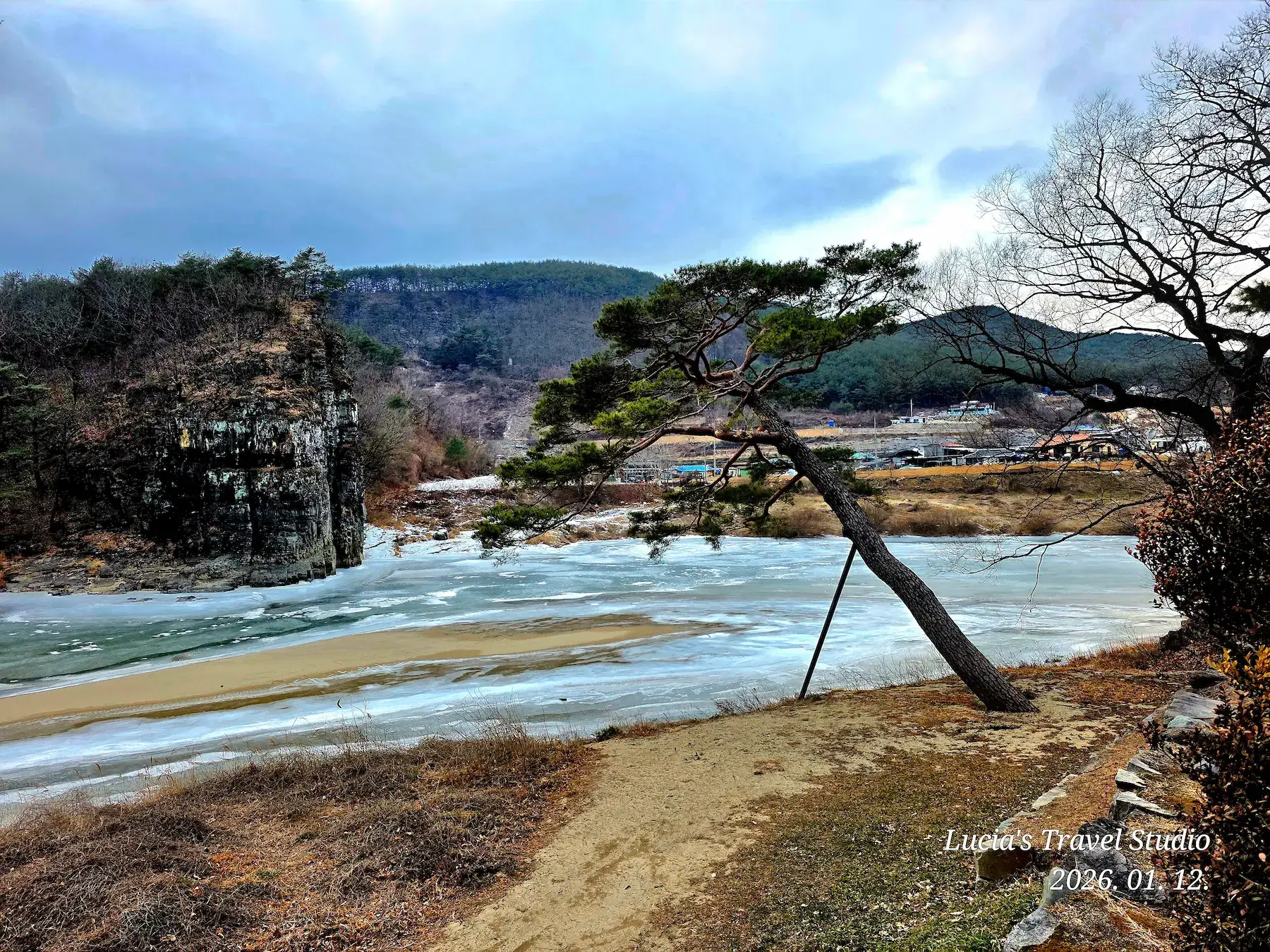
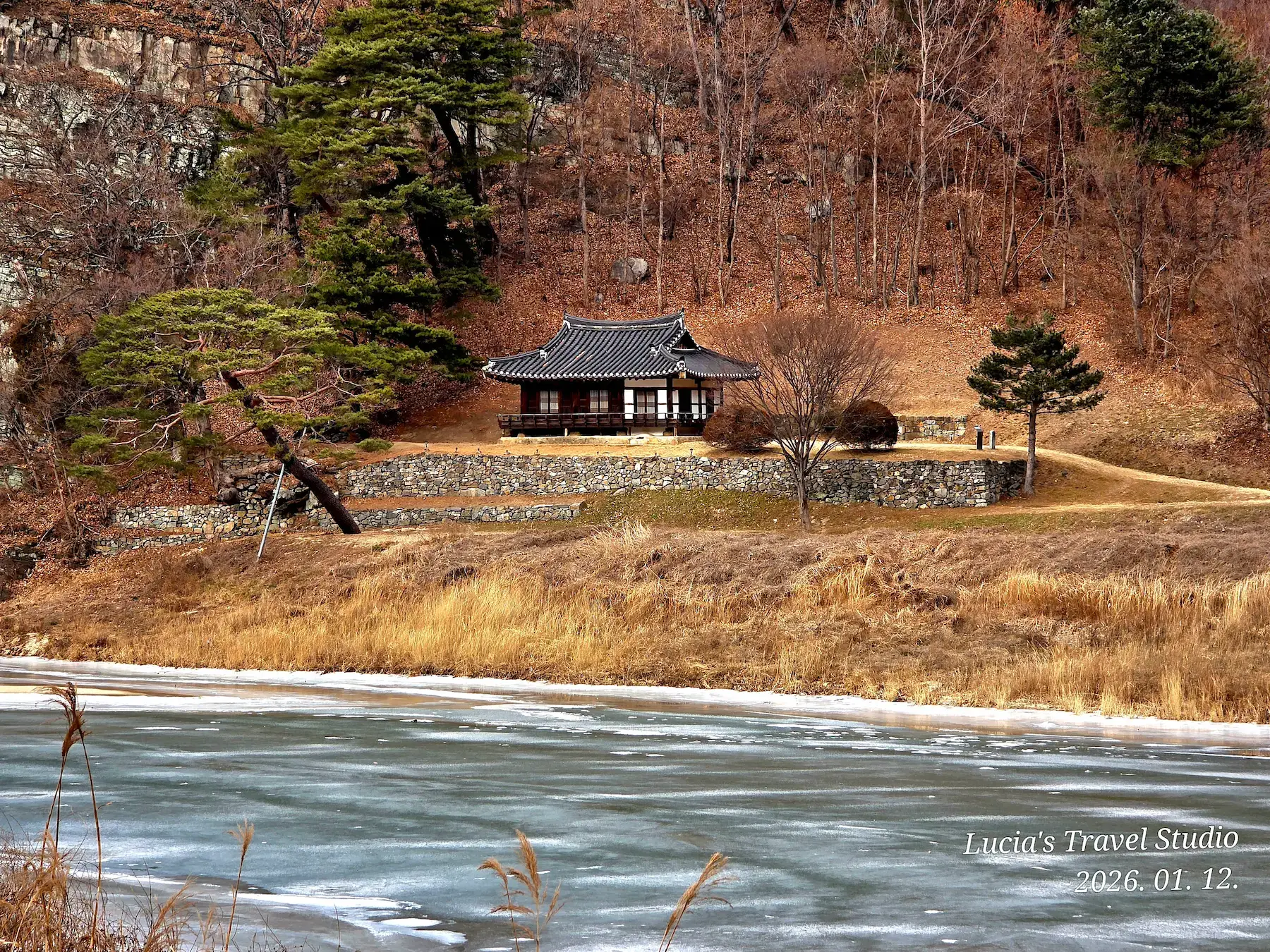
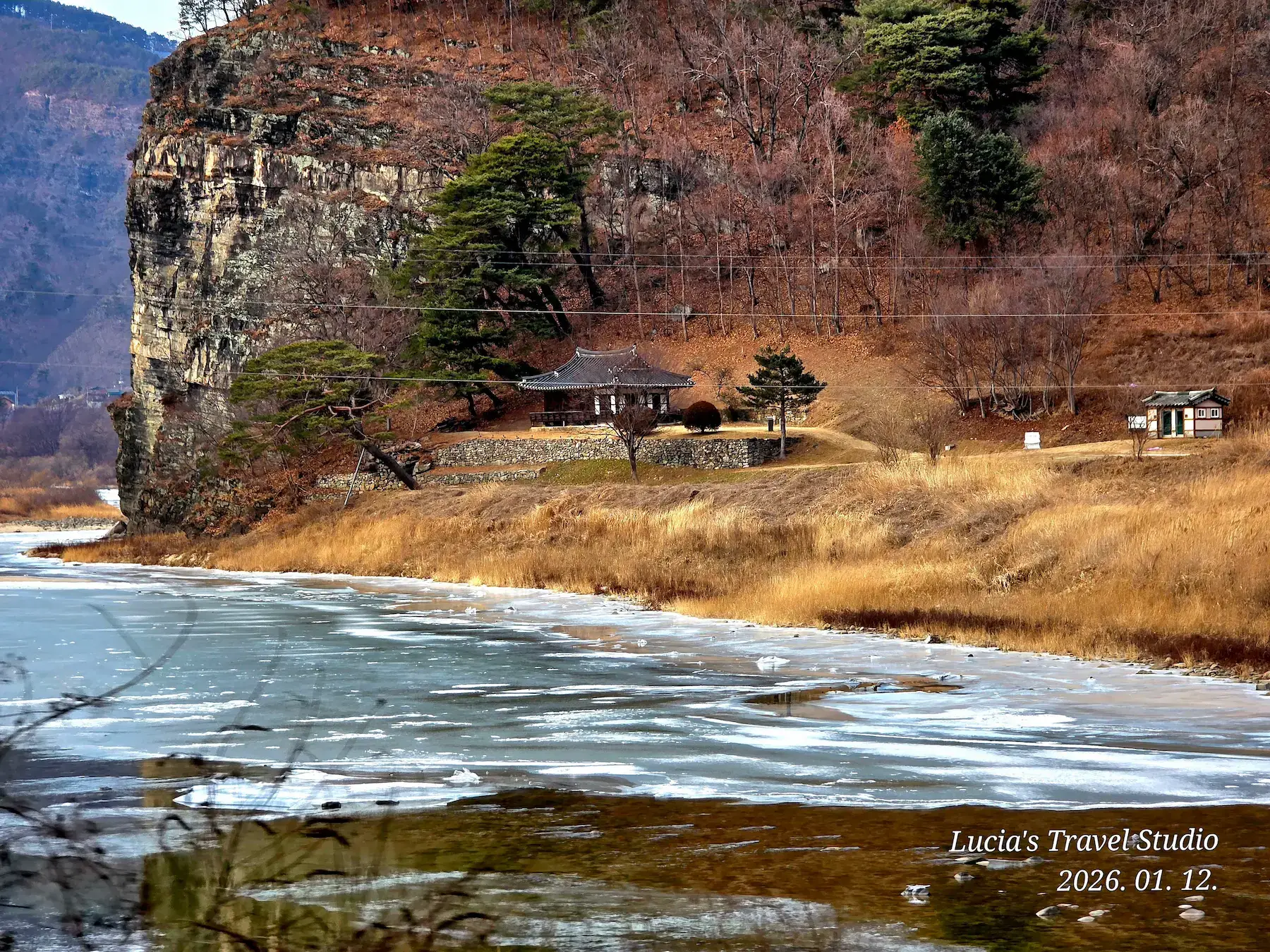
Passing Dosan Seowon, Yekki Village, and the winding stretches of the Nakdong River in the northeast of Andong,
the road gradually narrows as you head deeper into the mountains.
Soon, you turn onto a small path where a swift stream cuts across the way— and across the water, Gosan Pavilion comes quietly into view.
There are no fixed opening hours and no admission fee.
The pavilion simply waits, open to anyone who arrives.
If Manhyujeong feels like a secret,
Gosan Pavilion feels like a wide-open breath.
🏛️ History & Architecture
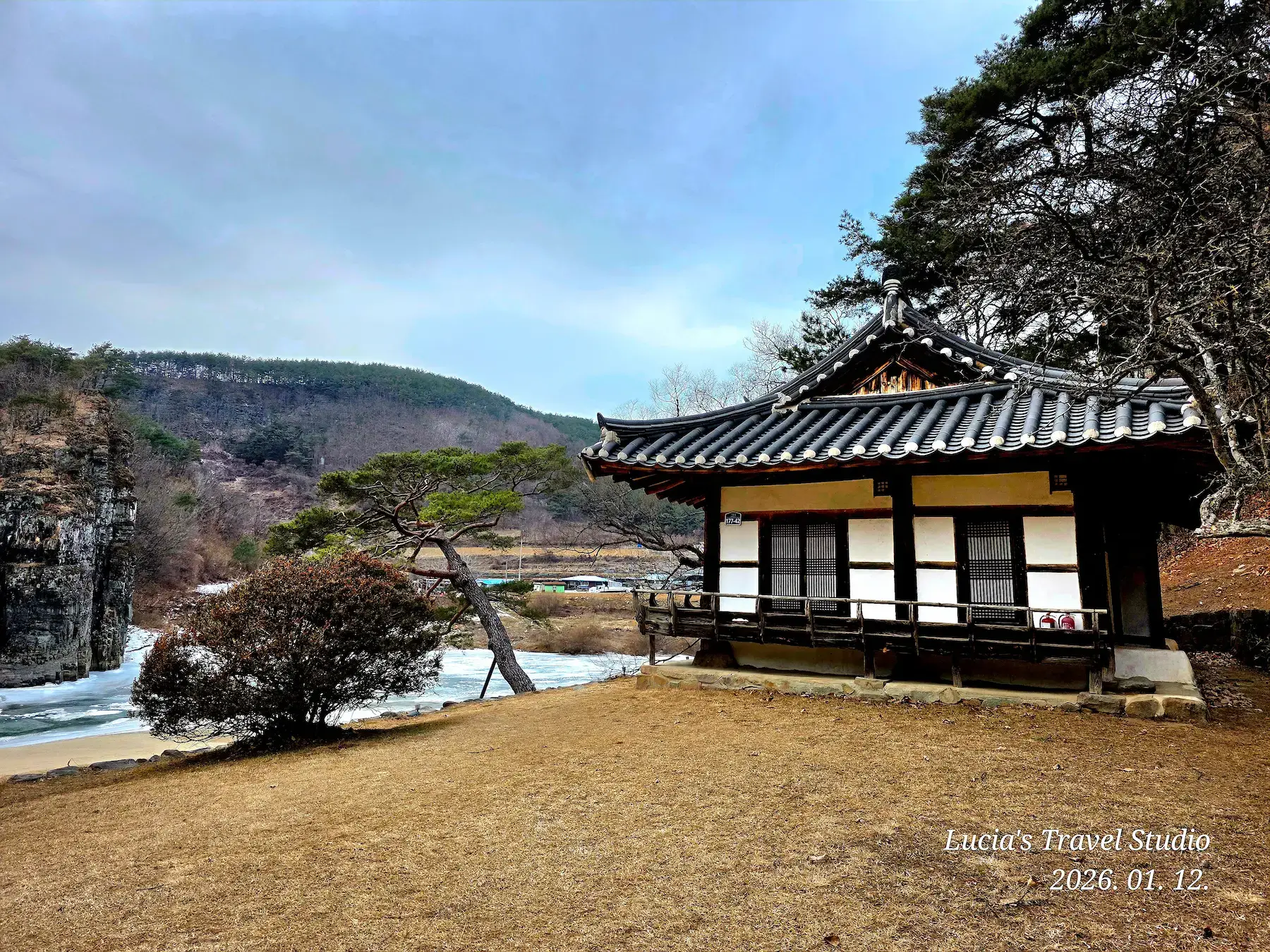
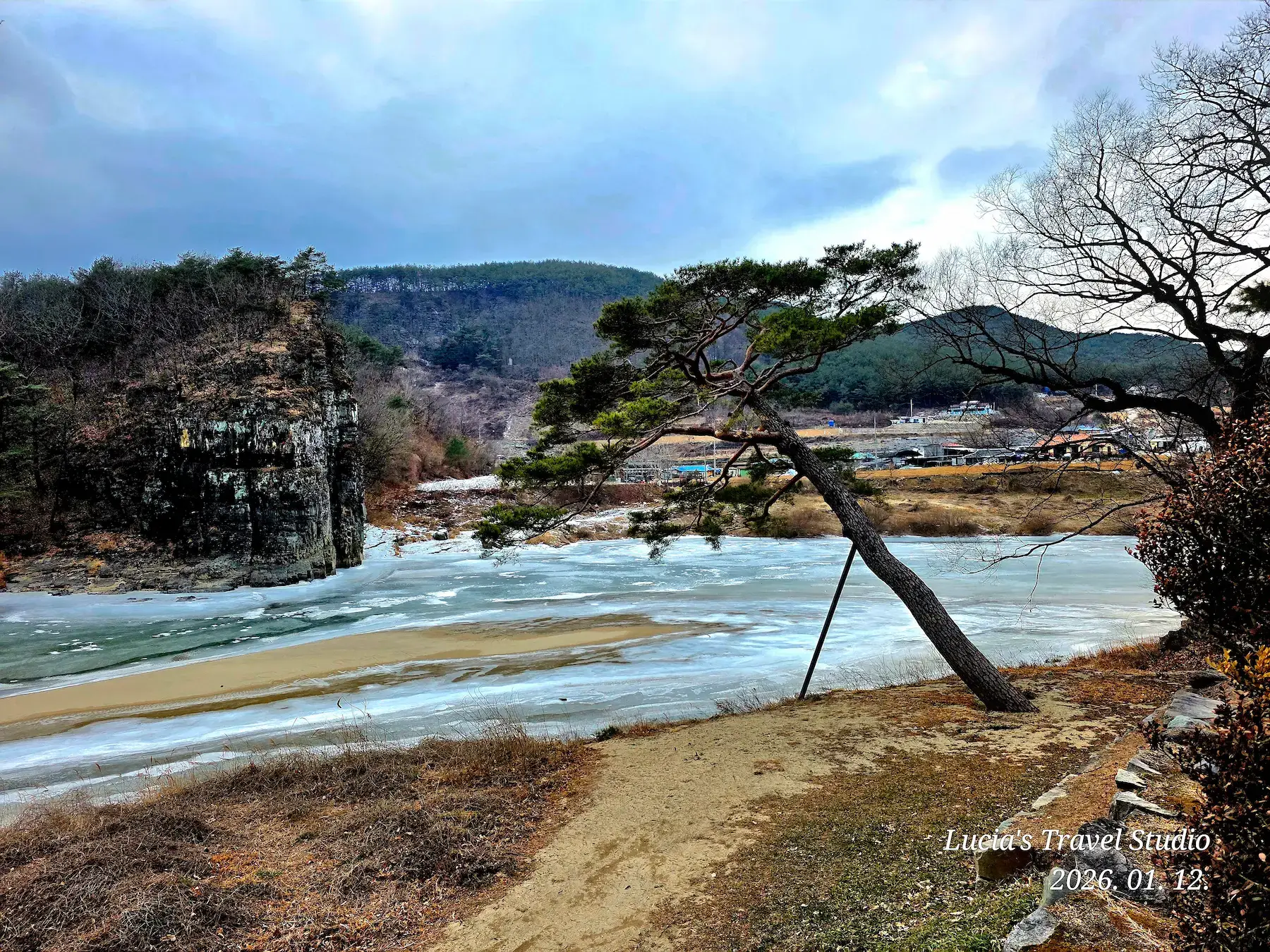
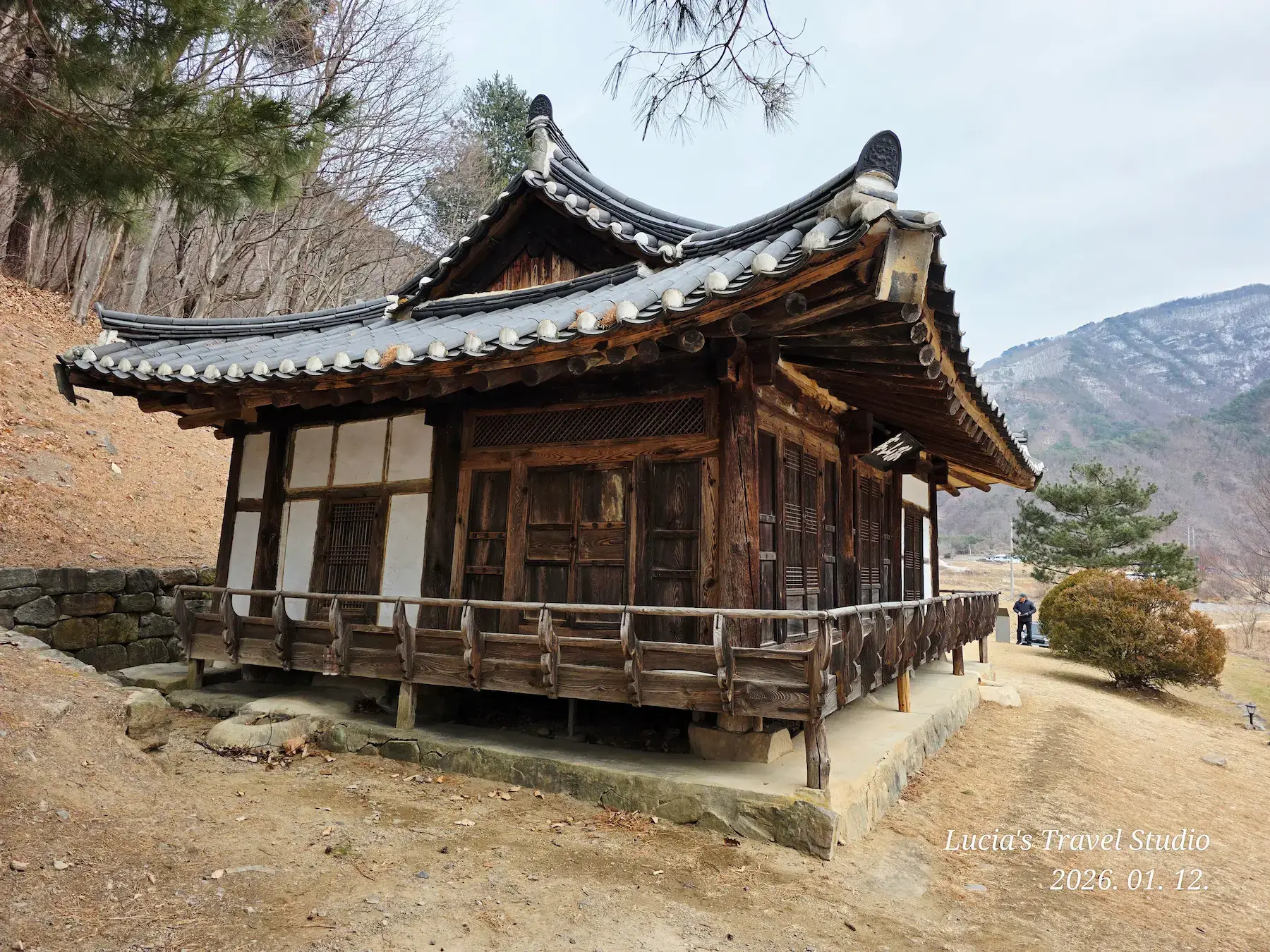
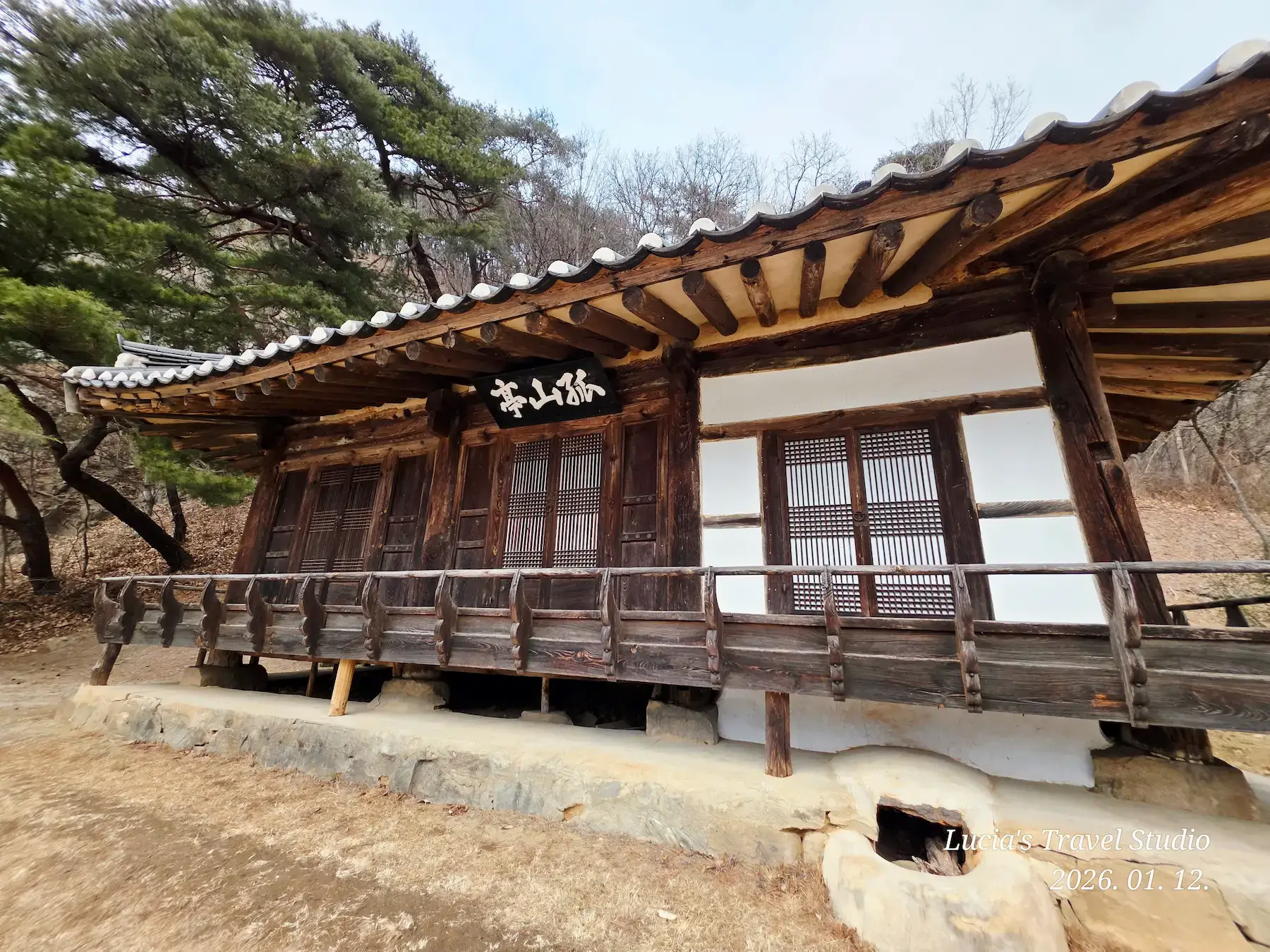
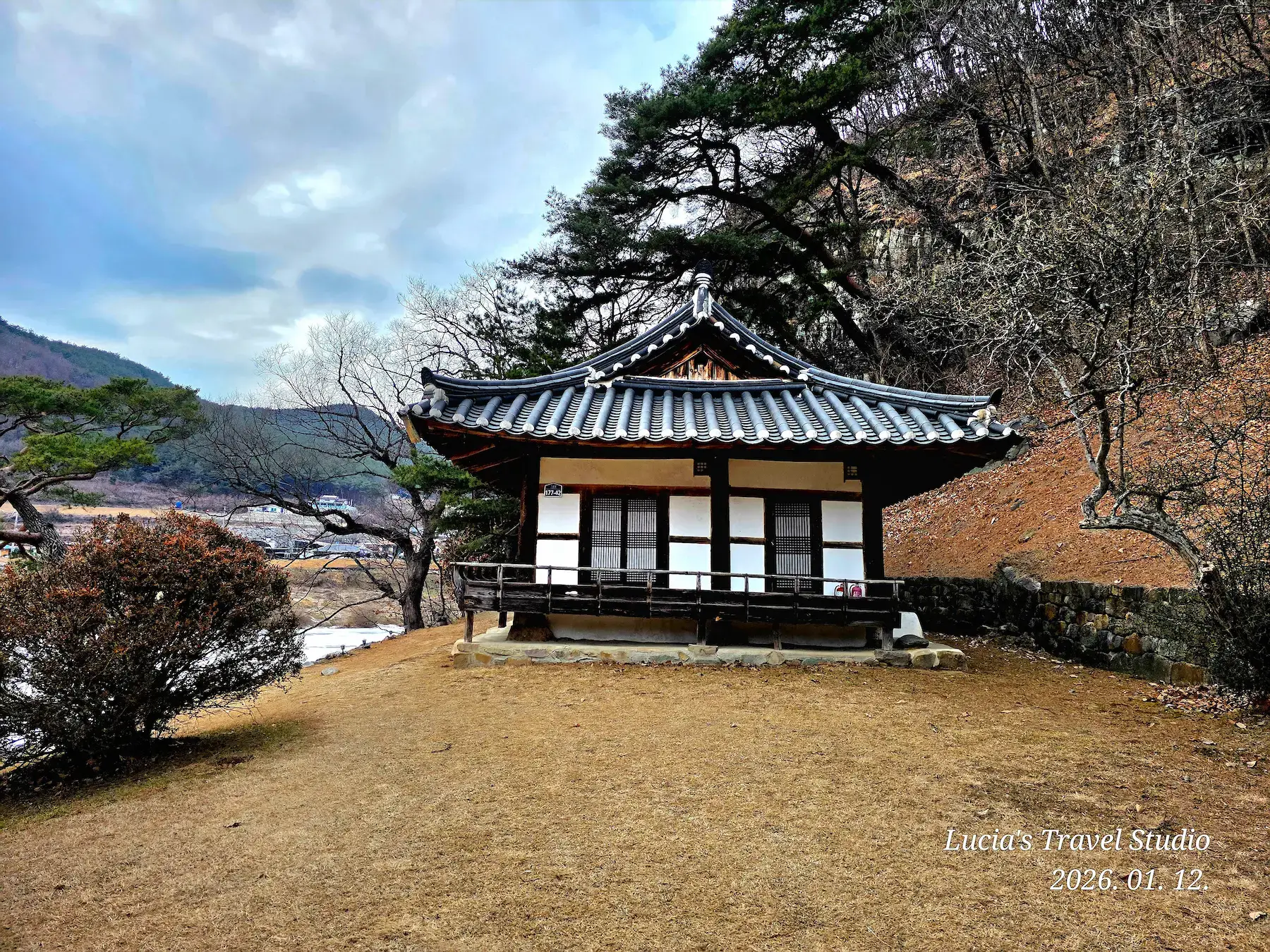
Built in 1564 by Geum Nan-su, a Joseon-era civil official and righteous army leader
Originally intended as a place for study and reflection
Later admired by the Confucian scholar Yi Hwang (Toegye),
who praised the scenery here as
“a path that leads straight into a painting”
The pavilion itself is modest, almost restrained.
But the landscape in front of it is unforgettable— a solitary mountain rising beyond the river,
sheer cliffs folding around the water like a painted screen.
A small traditional-style restroom remains nearby, though most visitors quietly choose not to use it.
(A gentle, practical note 🤍)
Here, nothing competes with the view.
Everything simply frames it.
🎬 In Mr. Sunshine
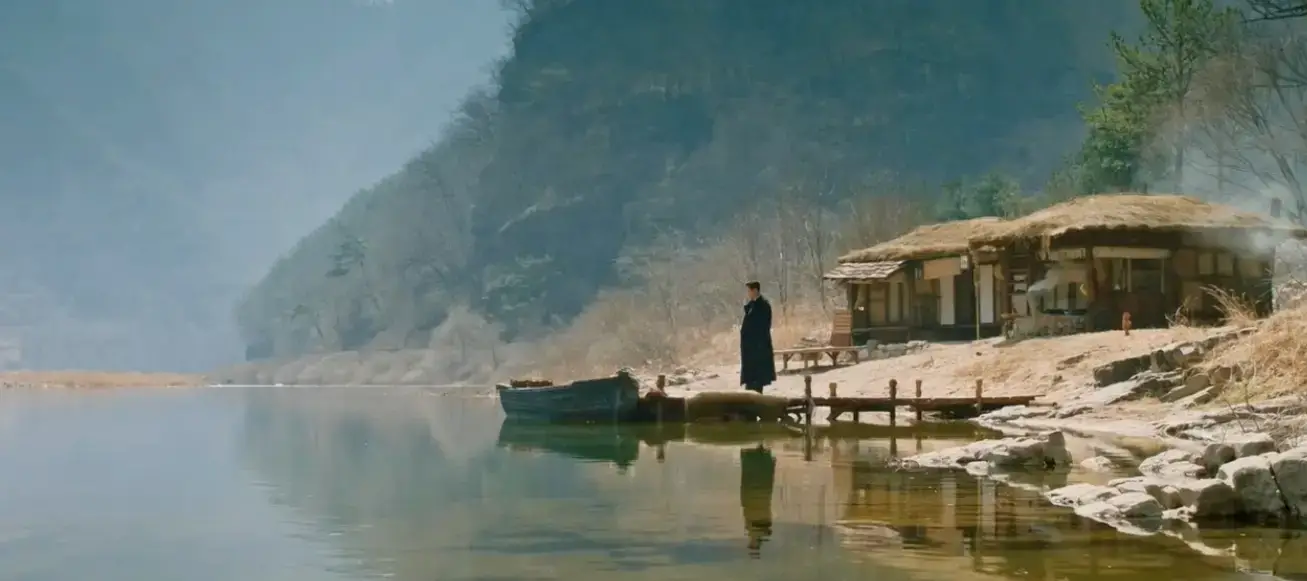
In the drama, this riverside becomes a space of quiet emotion.
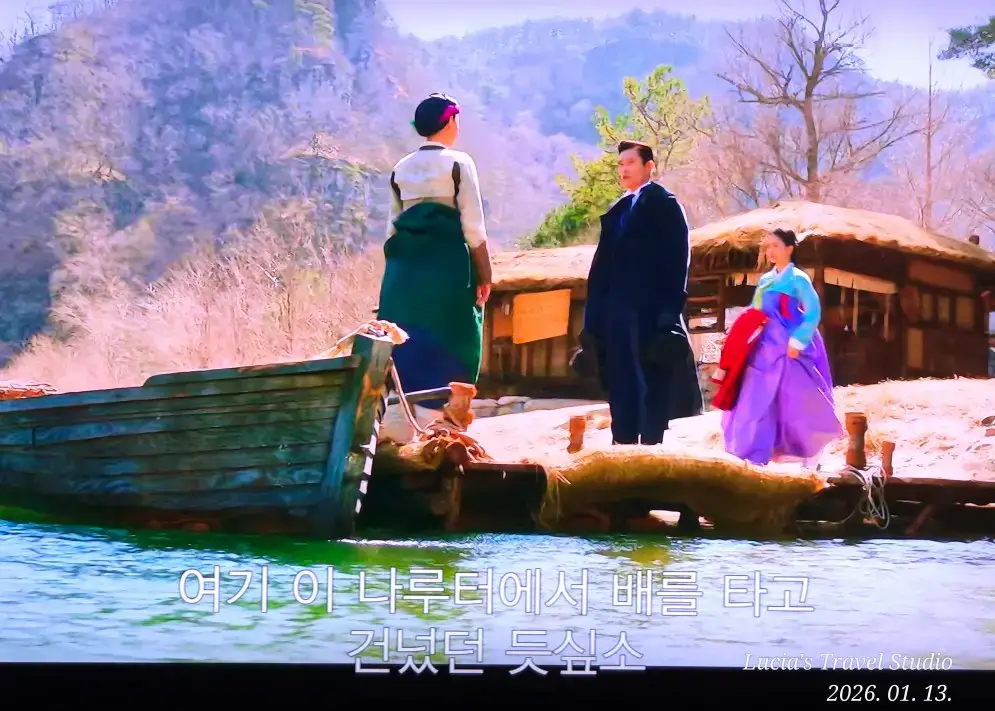
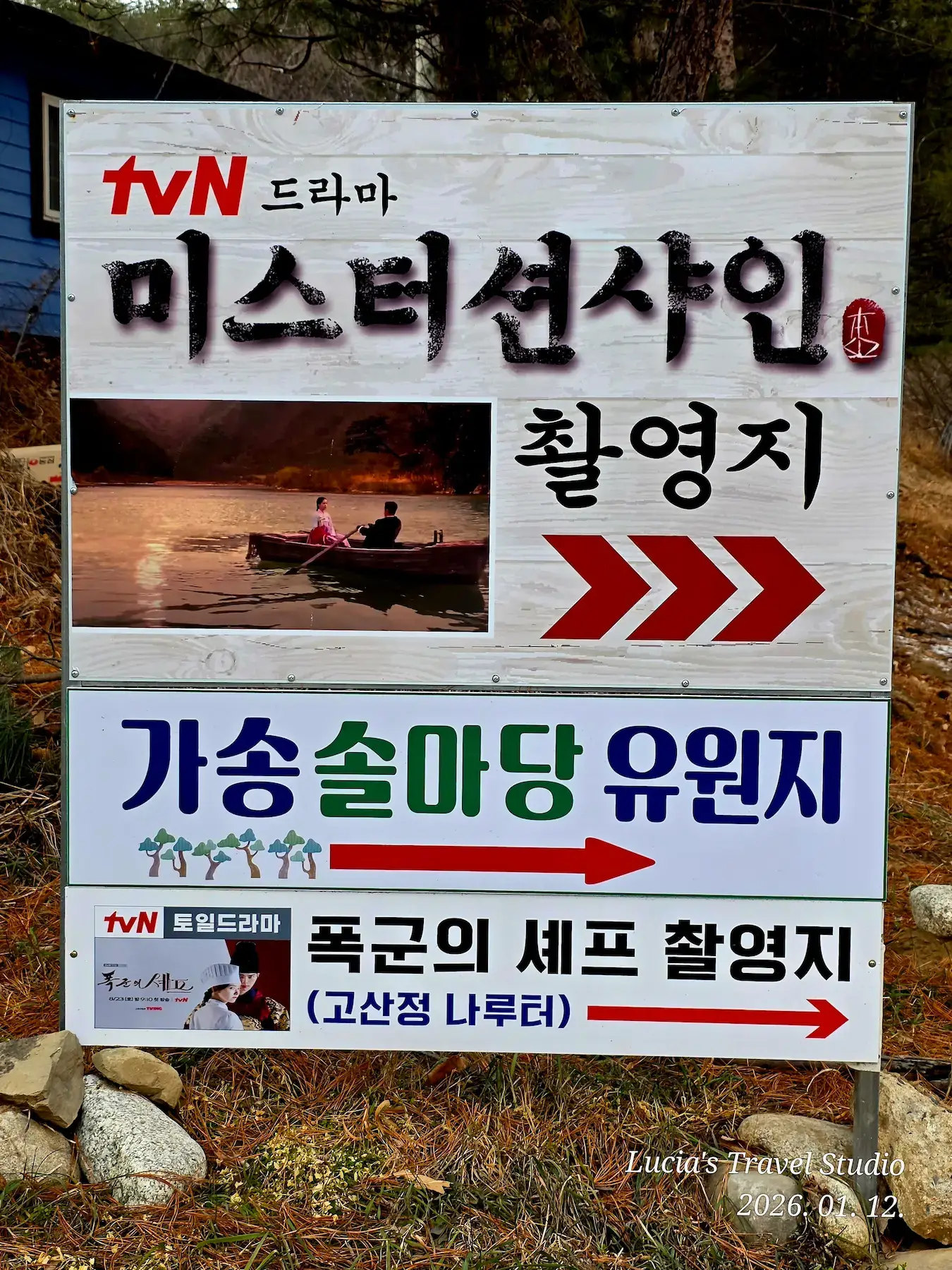

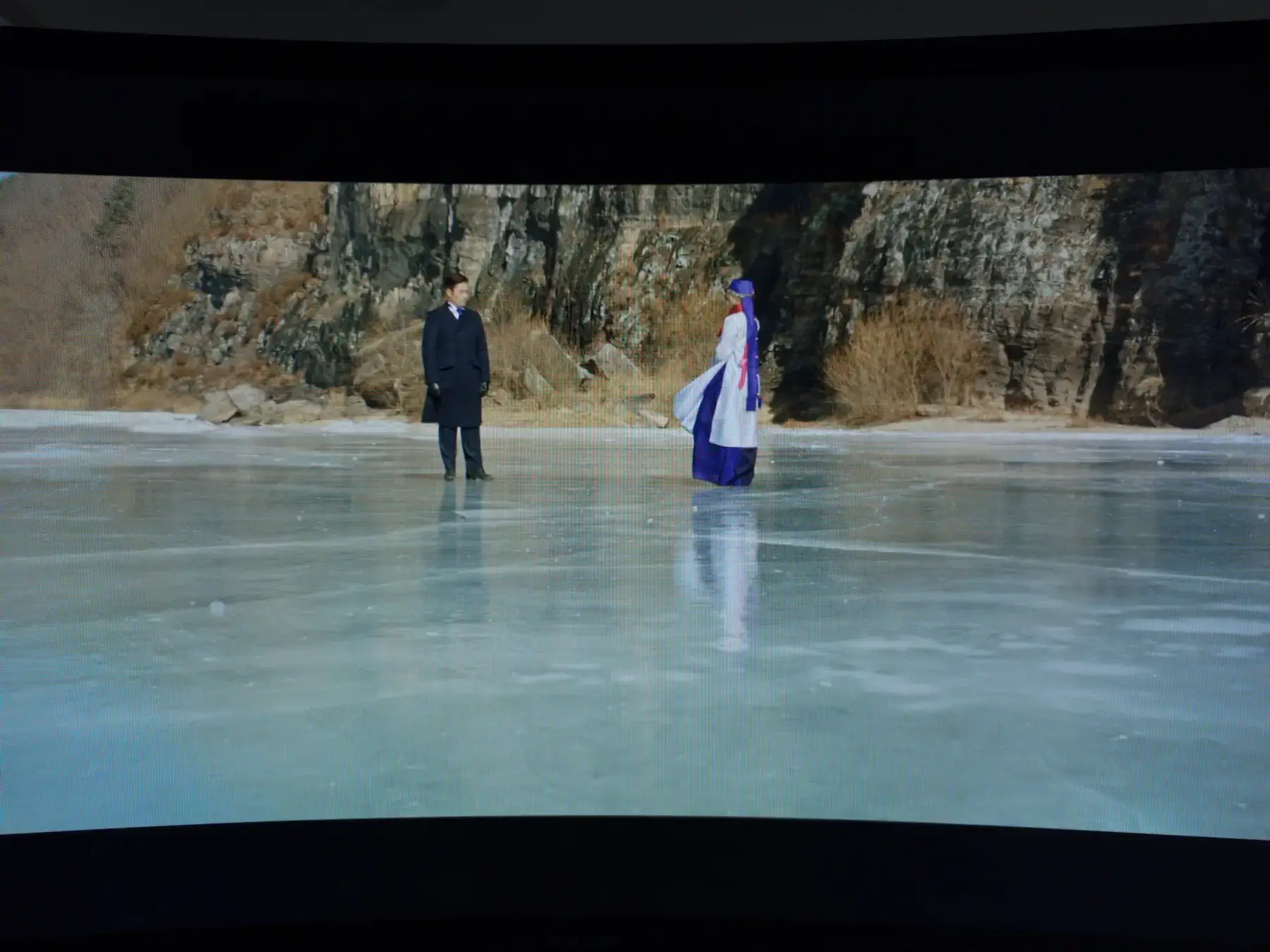
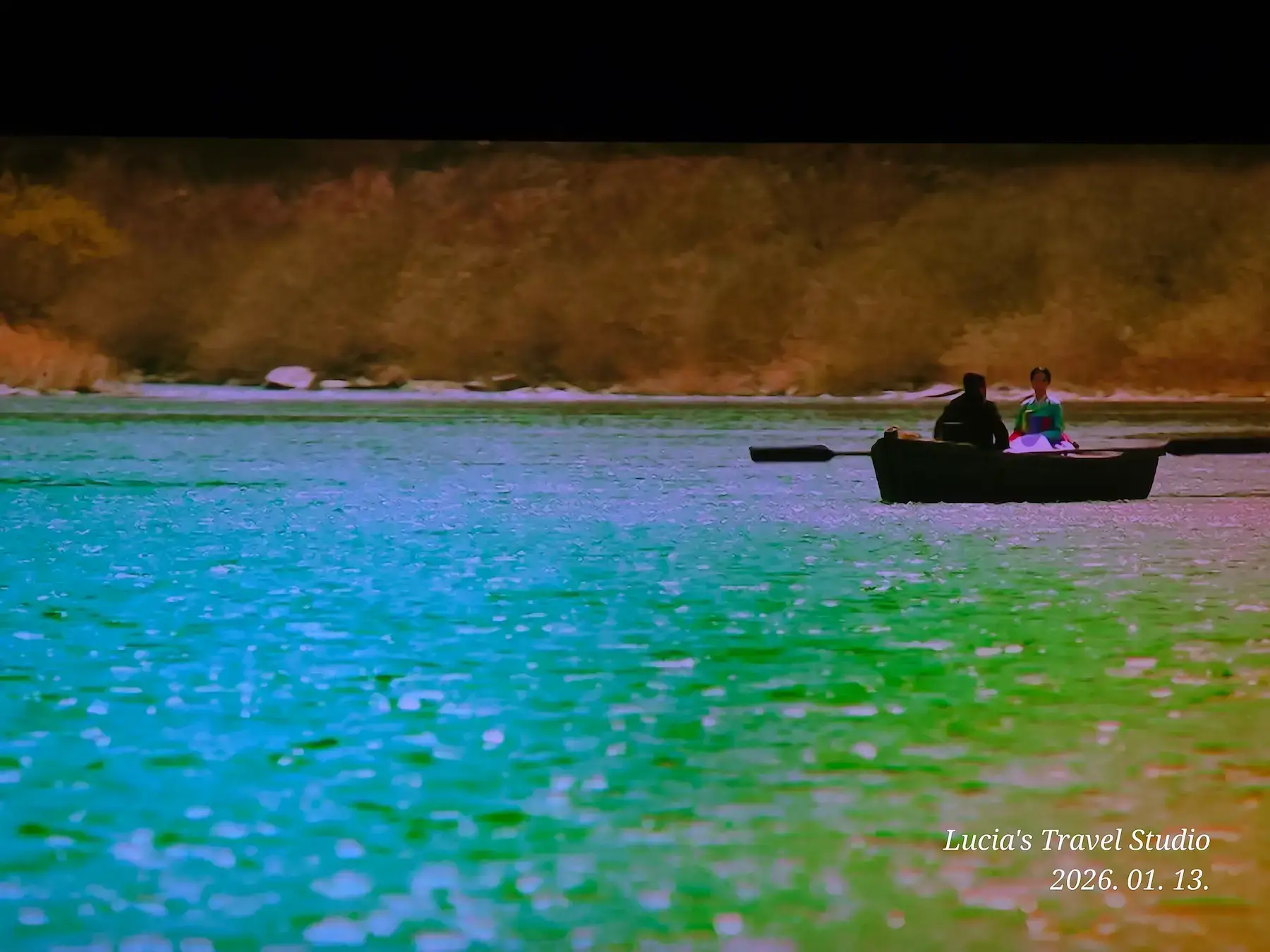
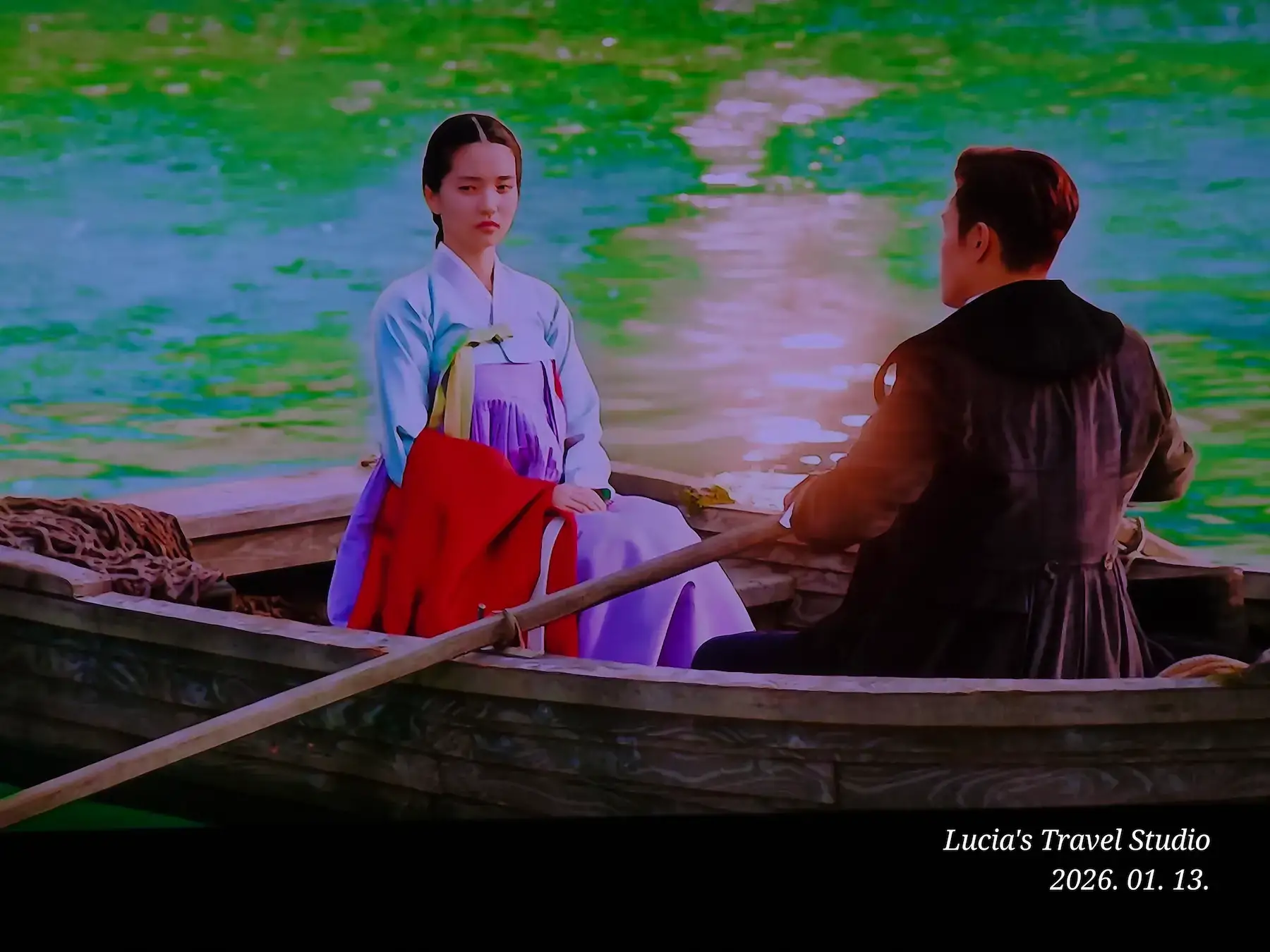
Ae-shin and Eugene Choi ride a boat together,
their relationship lingering between restraint and longing—
no declarations, just glances, water, and time.
At the time of filming, a tavern and a ferry dock stood directly across from Gosan Pavilion.
Today, those structures are no longer there.
Here is a detail many viewers never notice:
In the drama, taking the boat from this dock leads to Hwang Eunsan’s potter’s kiln.
In reality, that kiln site is Manhyujeong, located elsewhere in Andong.
For emotional flow, the drama compresses geography, weaving two real places—Manhyujeong and Gosan Pavilion—
into a single cinematic route.
🌊 On screen, they are neighbors. In real life, they are chapters.
Woryeonggyo Bridge (月映橋) 🌙
Not a filming site— but a perfect ending.
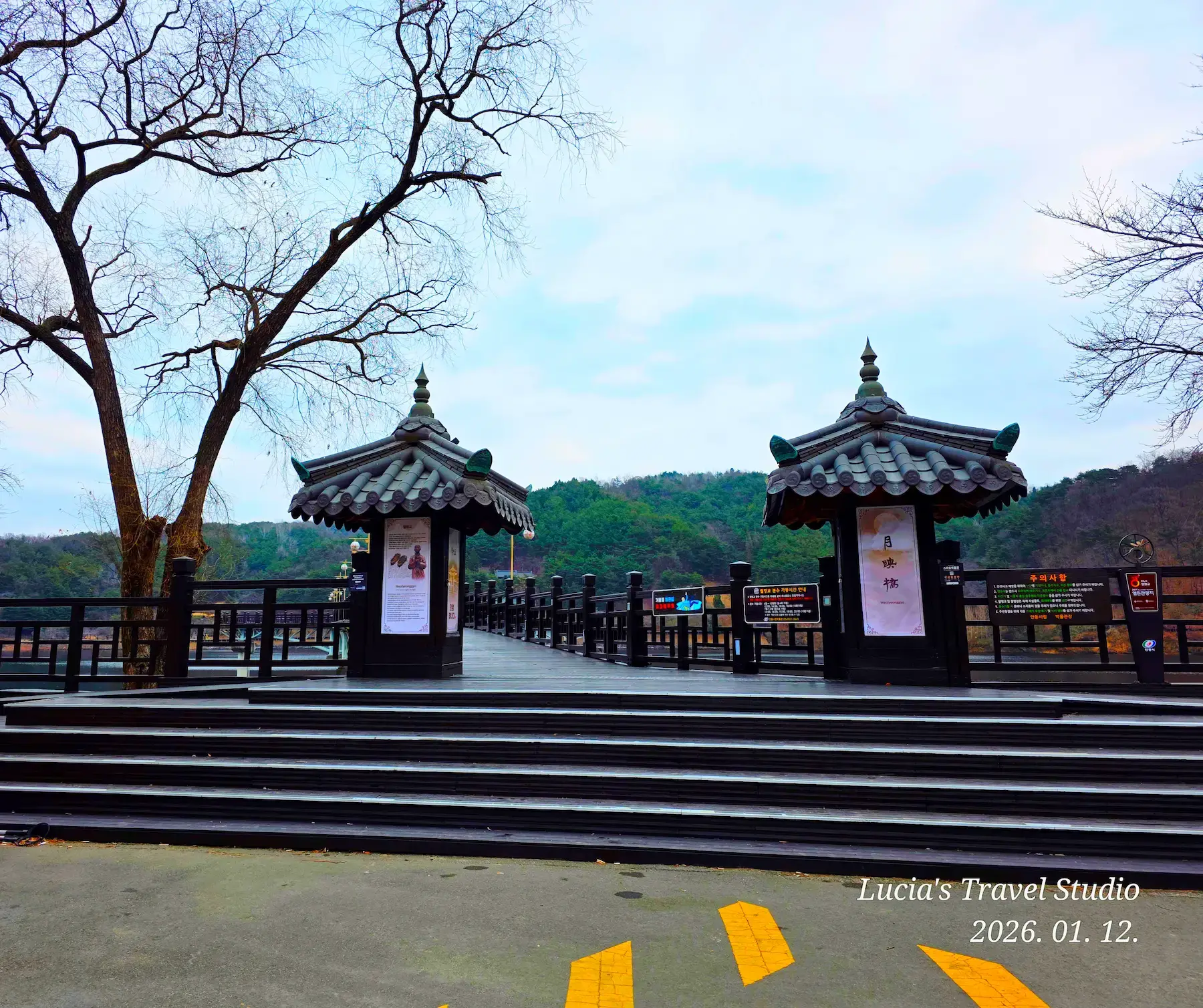
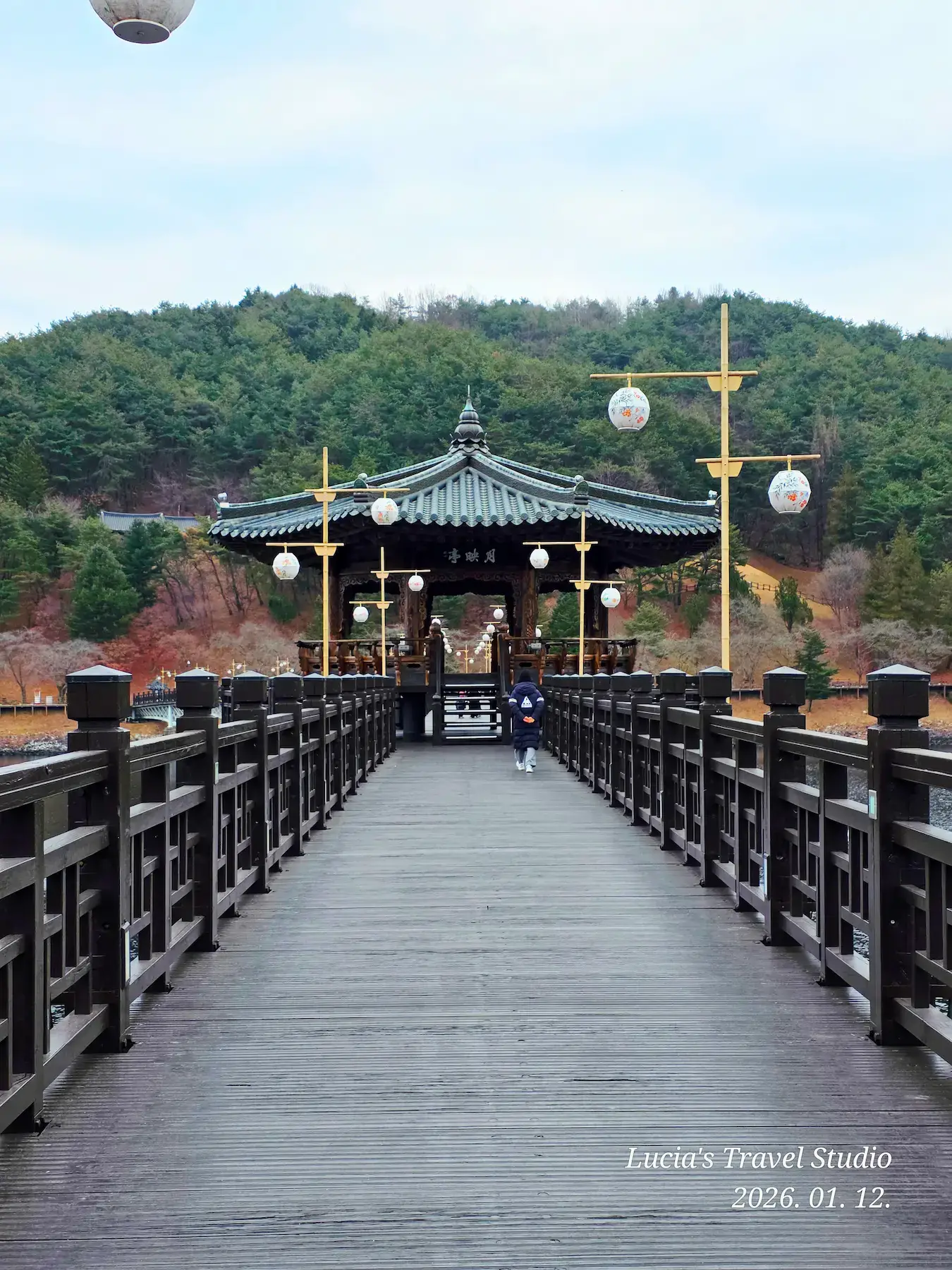
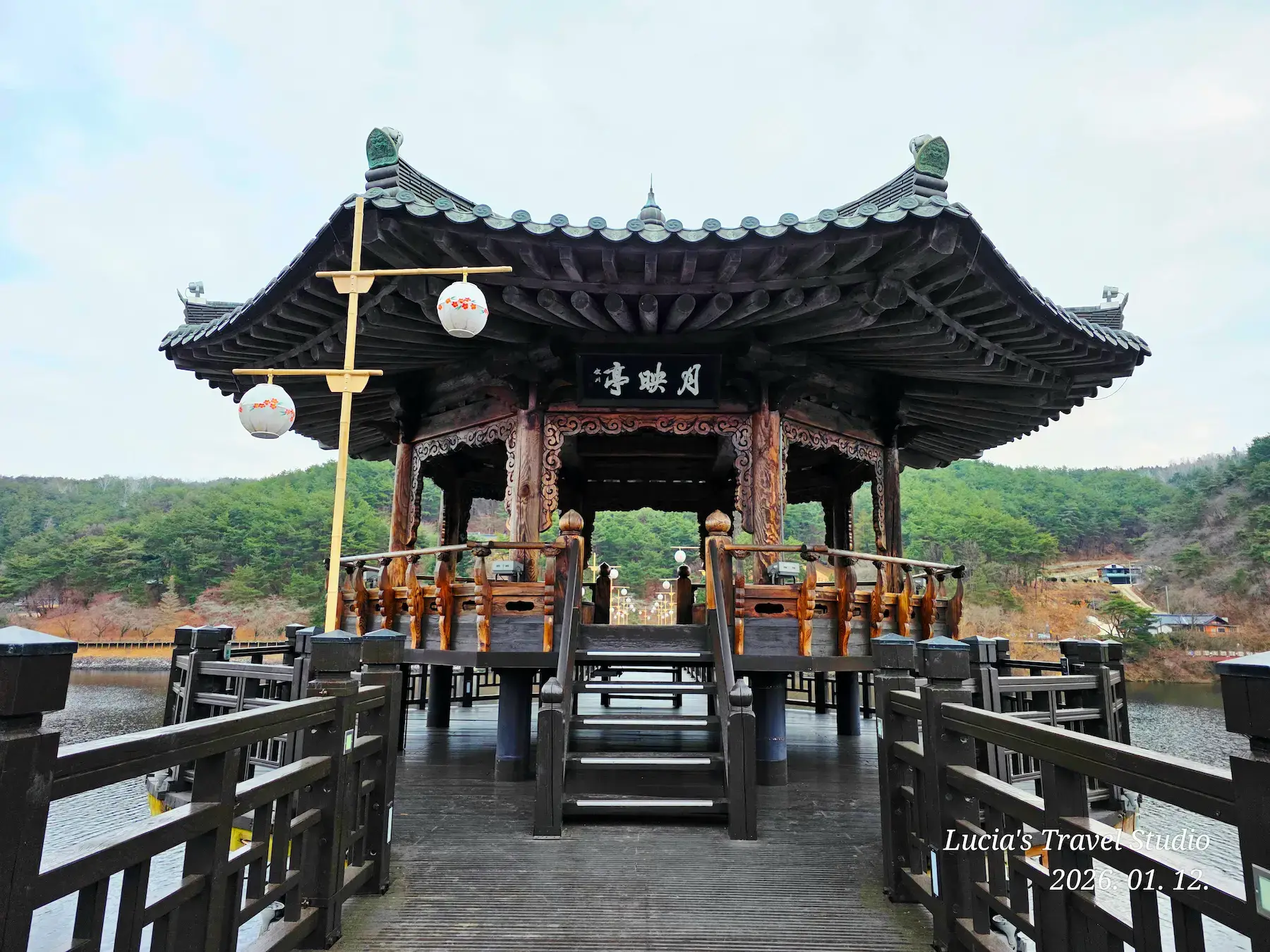
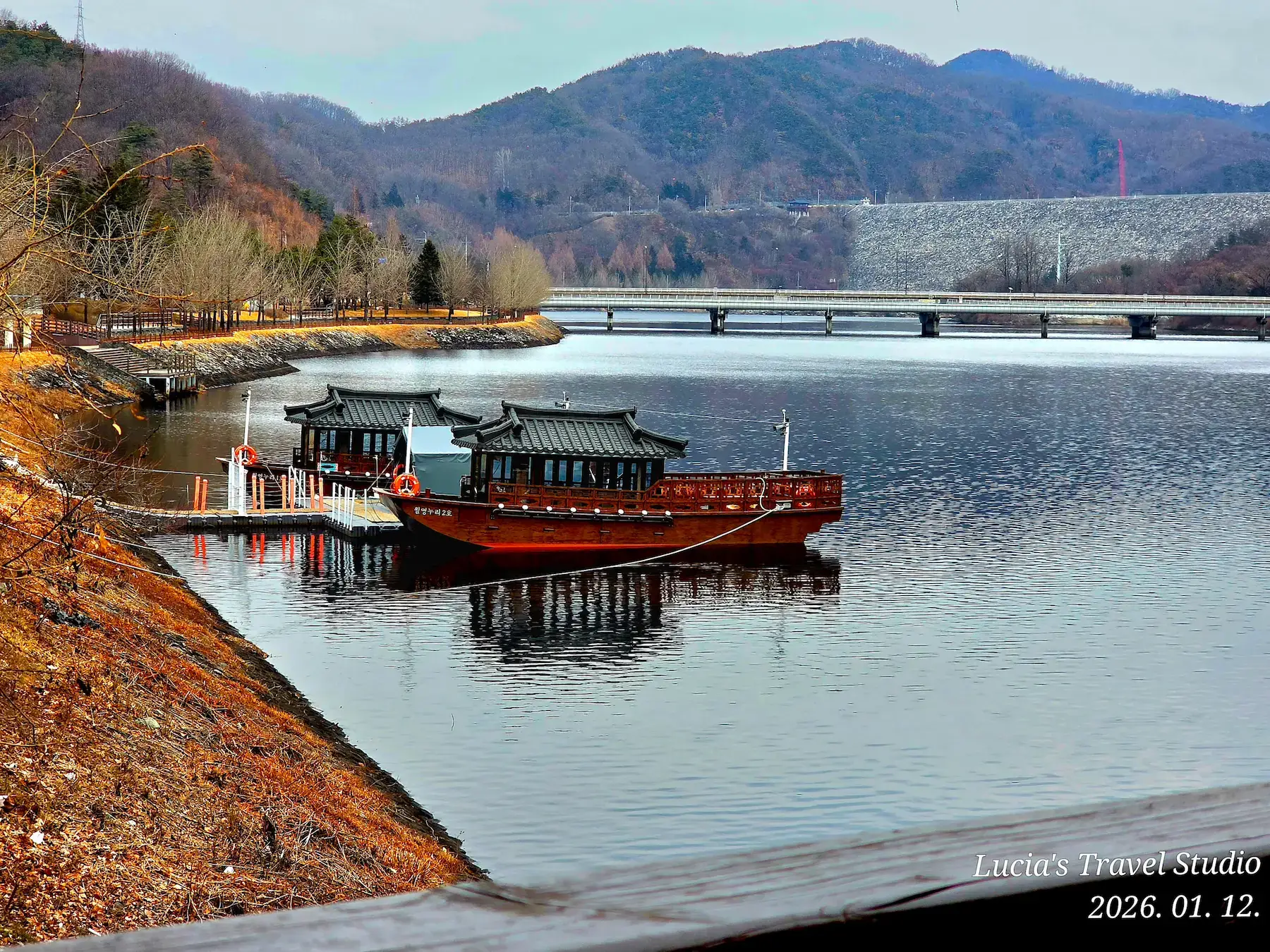
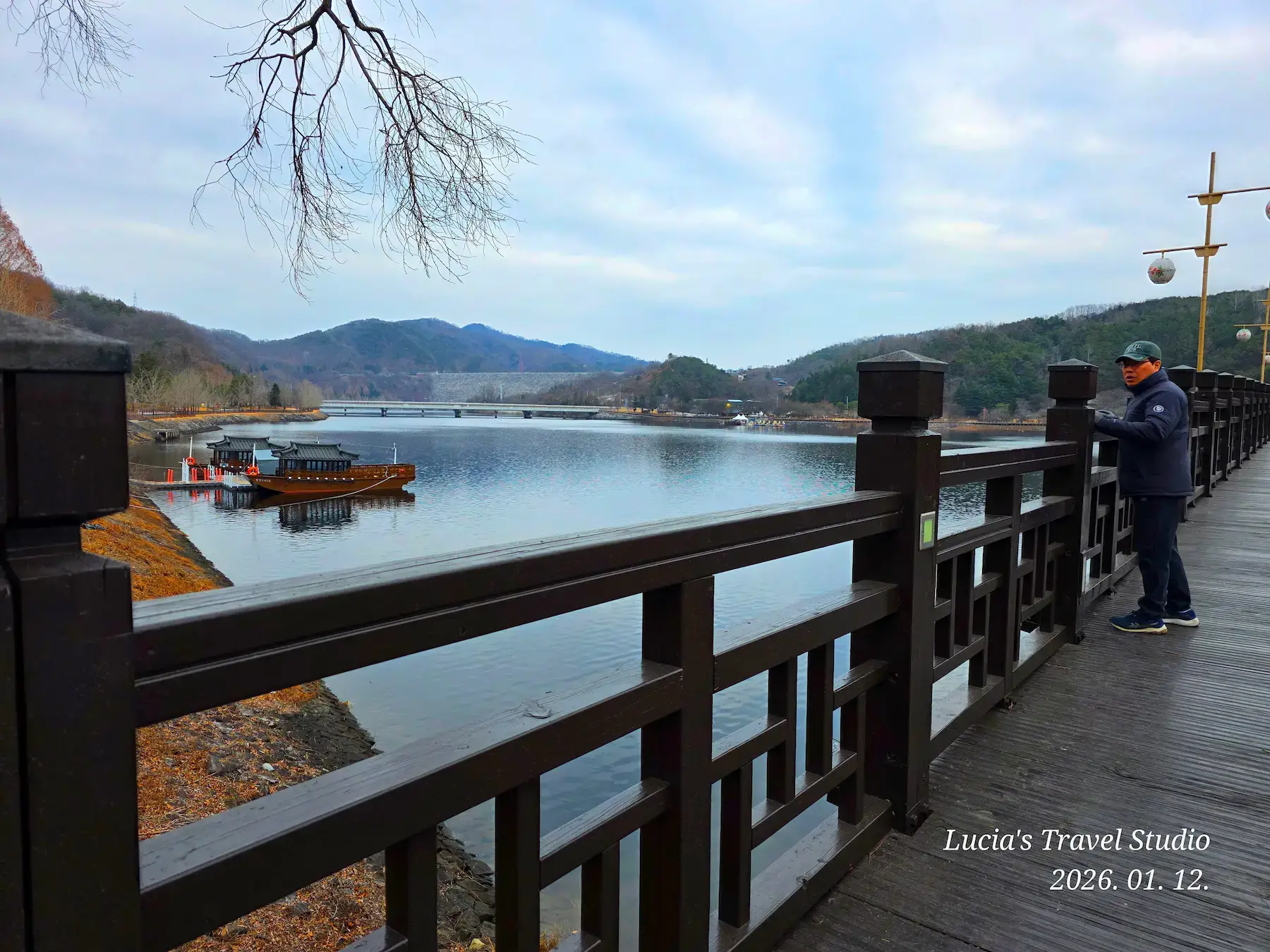
After forests and rivers, Woryeonggyo gently brings you back into the present.
The bridge curves across the water, inspired by mituri, traditional shoes woven from devotion.
It honors the story of Won-i’s mother, who cut her own hair to make shoes for her late husband.
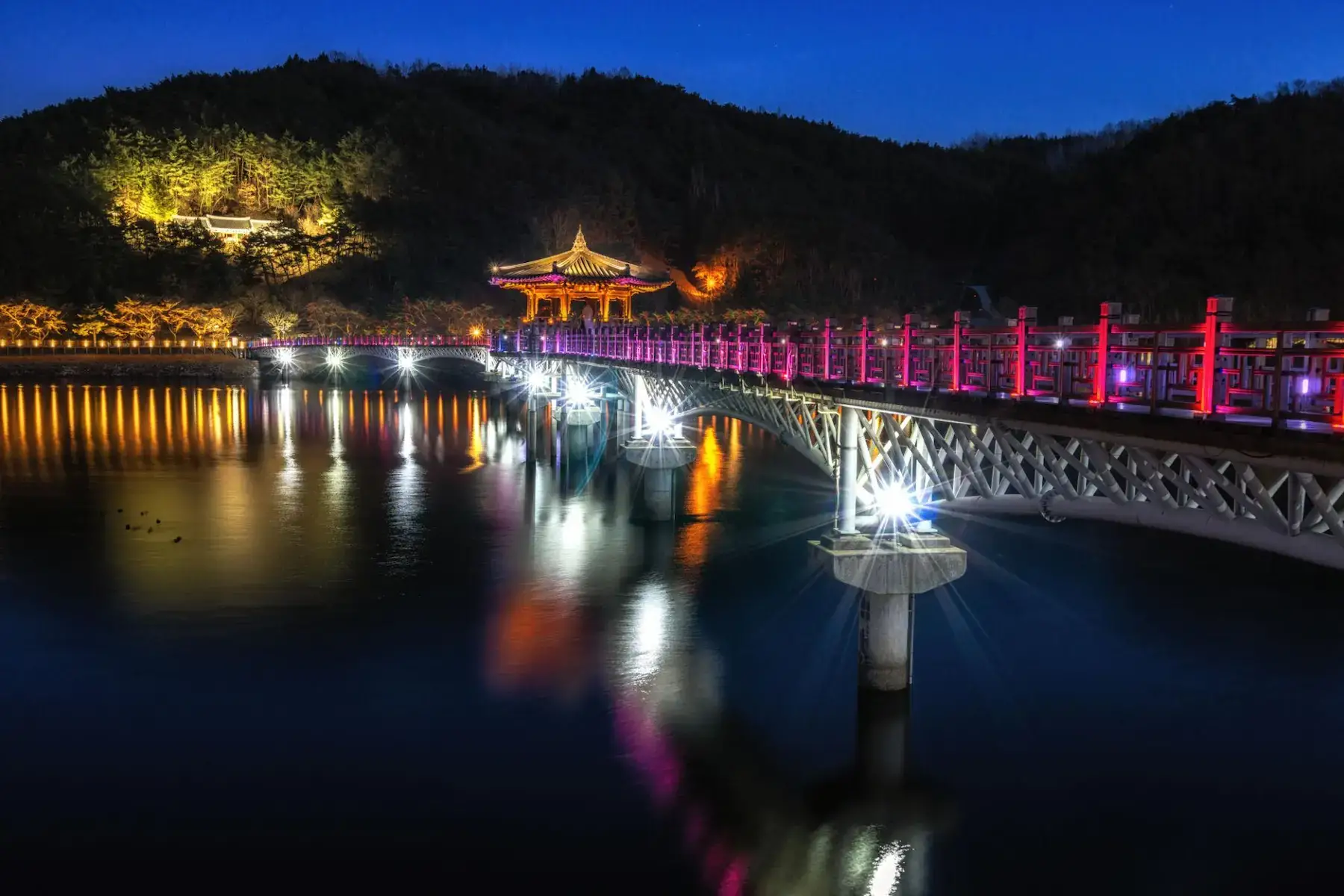
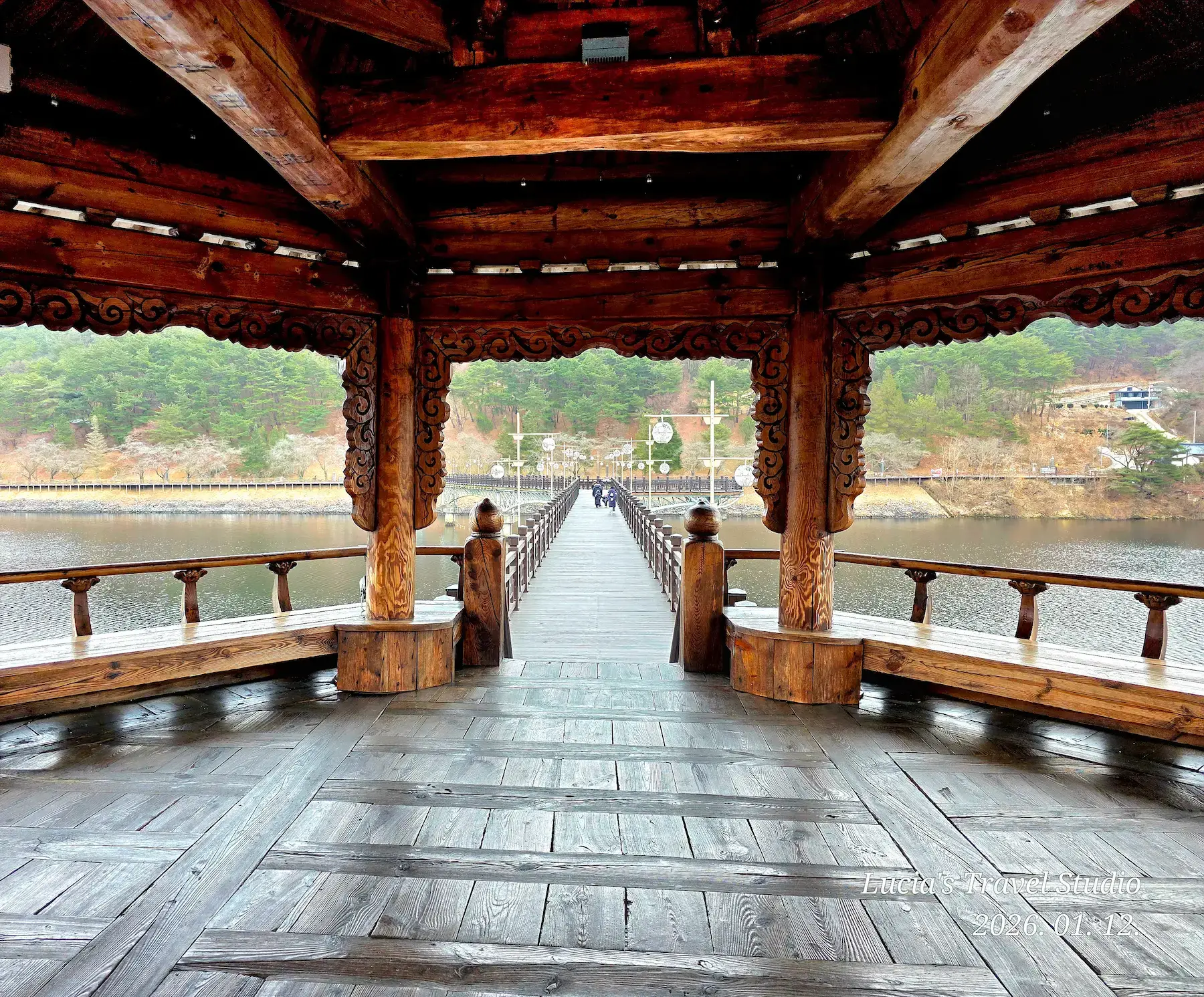
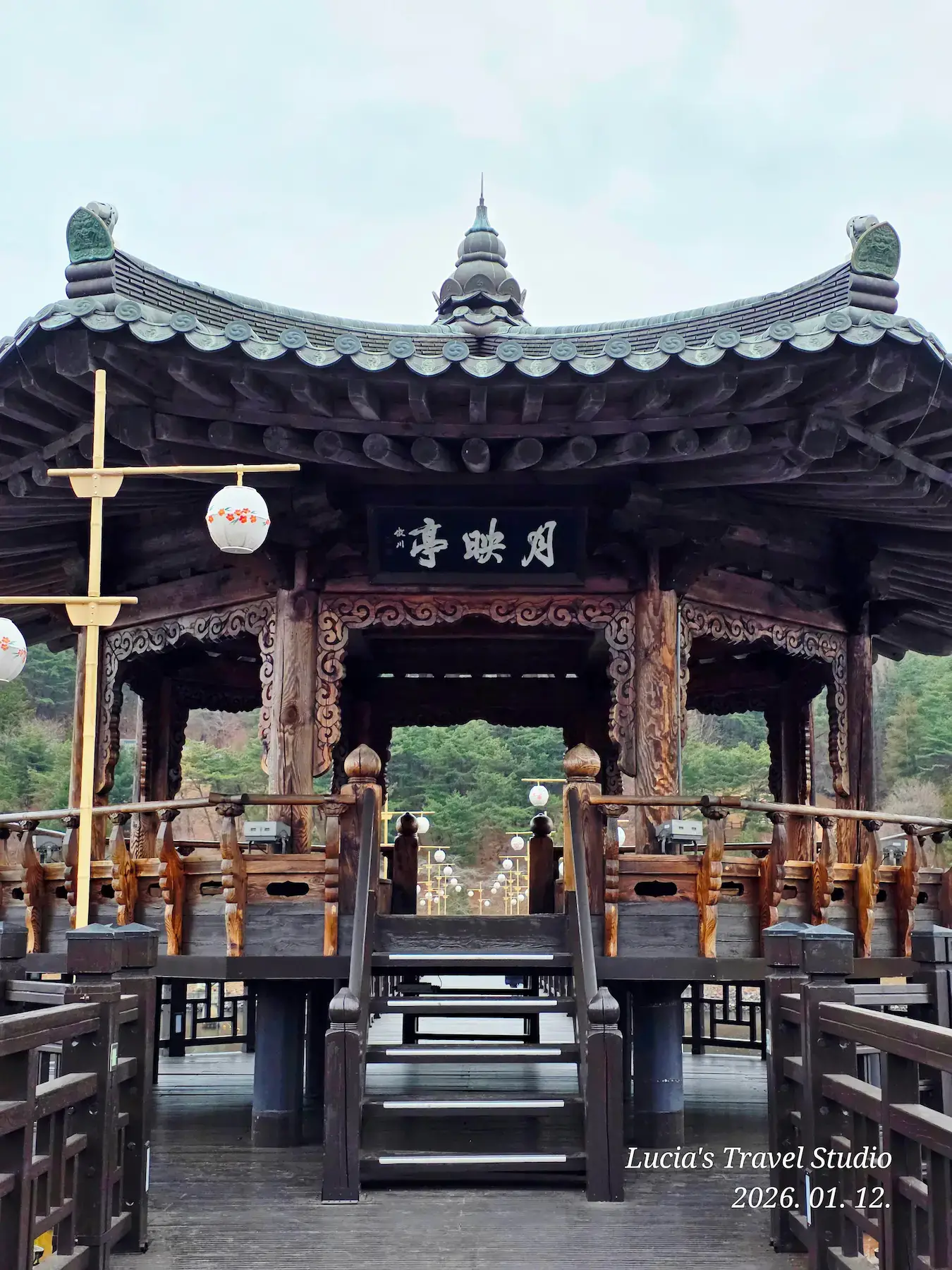
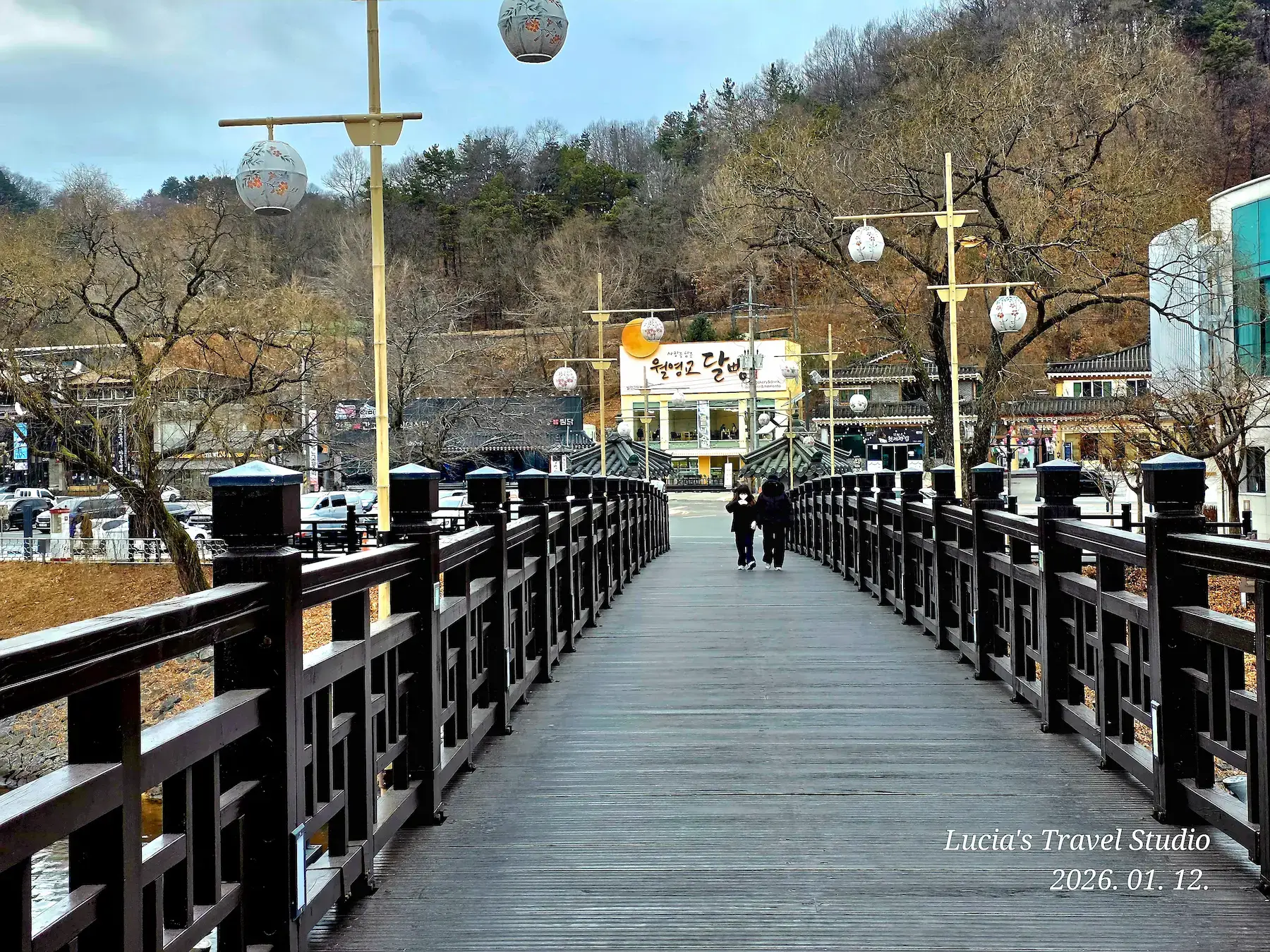
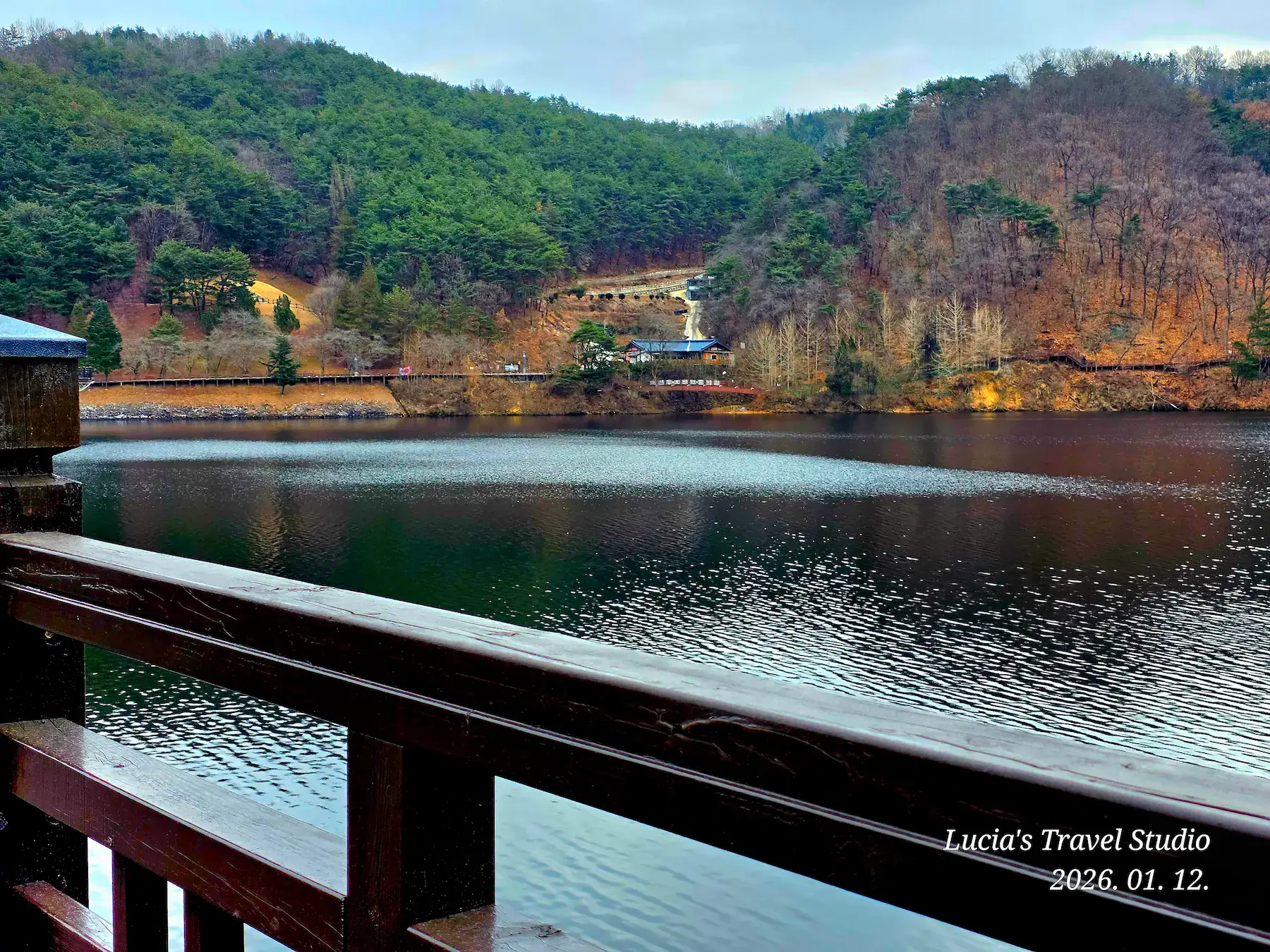
At night, the bridge glows.
Moonlight trembles on the river.
And everything you saw during the day seems to settle quietly inside you.
🌙 Some stories don’t need actors. They already happened.
🍚 A Soft Landing — Dinner After the Walk
Cross Woryeonggyo Bridge slowly.
Let the night air cool you down.
Then eat.

Heotjesabap at Kkachi Gumeongjip (까치구멍집)
A ceremonial-style meal, served without ceremony.
Warm, grounding, unmistakably Andong.
🍚 The kind of food that quietly says:
you’ve walked enough today.
Andong’s food deserves its own chapter—coming up in the next post.
 About This Journey
 About This Journey
This post is the ninth entry in my six-day winter journey through Gyeongnam & Gyeongbuk—
a trip shaped by coastal landscapes, lived-in history, and a slower, more reflective rhythm of travel.
Start of the journey — Sancheong
Namhae (Entries 2–3)
Tongyeong (Entries 4–5)
Bongha Village (Entry 6)
Democracy, citizenship, and memory
Pyeongsan Bookstore (Entry 7)
A former president’s quiet dream
Andong Hahoe Village (Entry 8)
Andong Hahoe Village Guide 2026: A Remarkable And Timeless Journey Into Korea’s Living Past
Full itinerary
https://enko.co.kr/korea-winter-trip/