Andong Hahoe Village: Where Korea’s Past Still Lives
Andong Hahoe Village is more than a “pretty hanok village.”
It is a living historical space where people have continuously lived for over 600 years.
As you walk through the village, it’s not just the scenery that stands out—but the way the village is run.
That, more than anything, is what makes Hahoe decisively different from any recreated folk village. I
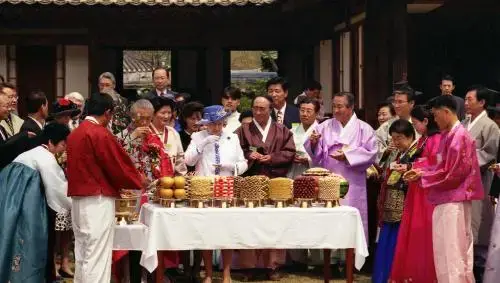
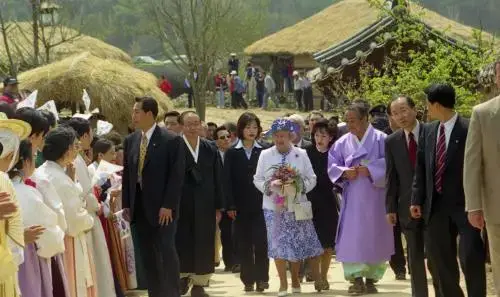
t’s the kind of place even Queen Elizabeth II quietly visited—less as a tourist, and more as a witness to living tradition.
🧭 1. Visitor Guide — Getting to Andong Hahoe Village
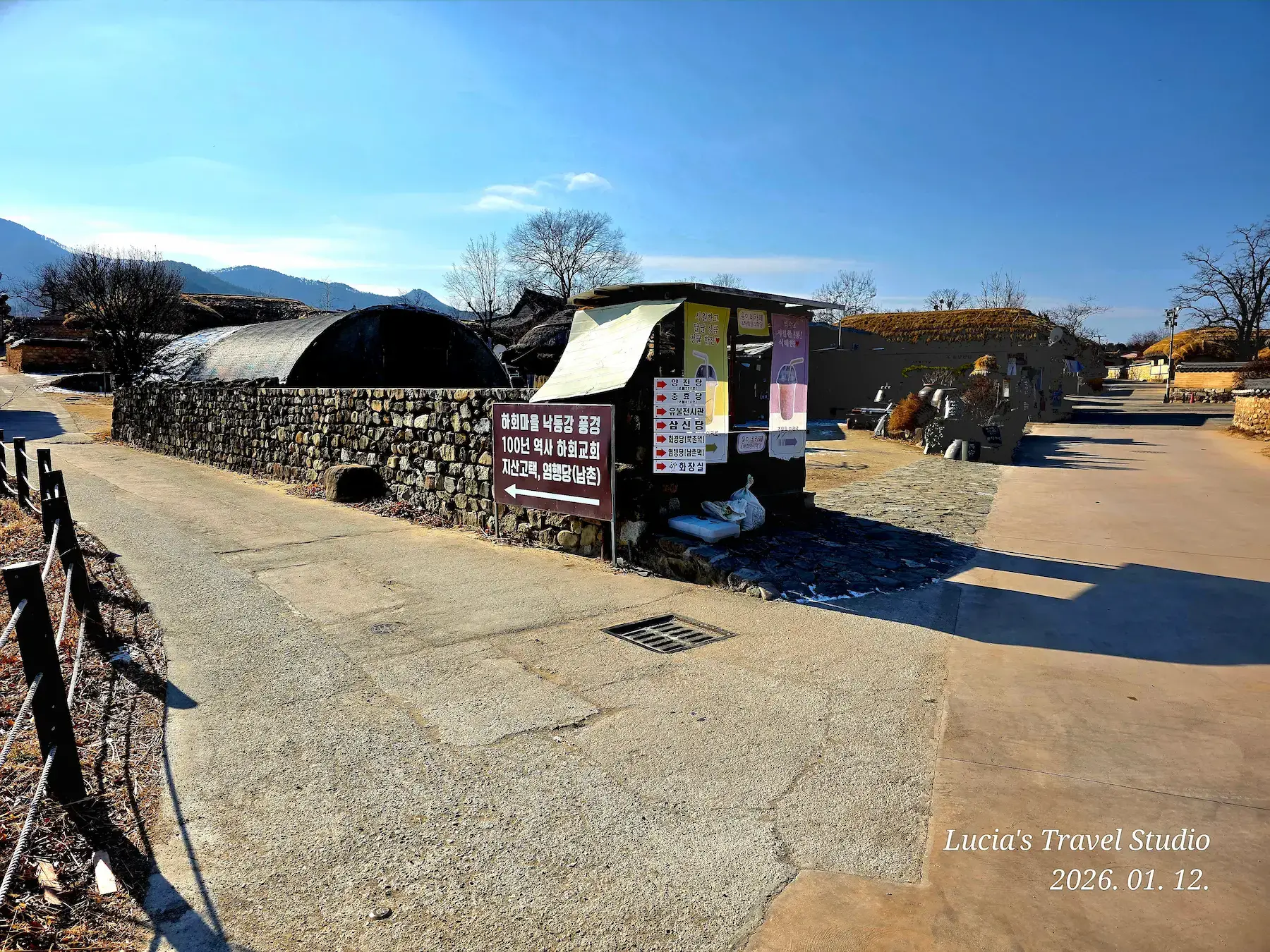
To preserve the village, private vehicles are not allowed inside Andong Hahoe Village.
Visitors must park outside and take a short shuttle bus to the village entrance.
Here’s the step-by-step process.
🚗 1) Parking & Nearby Facilities
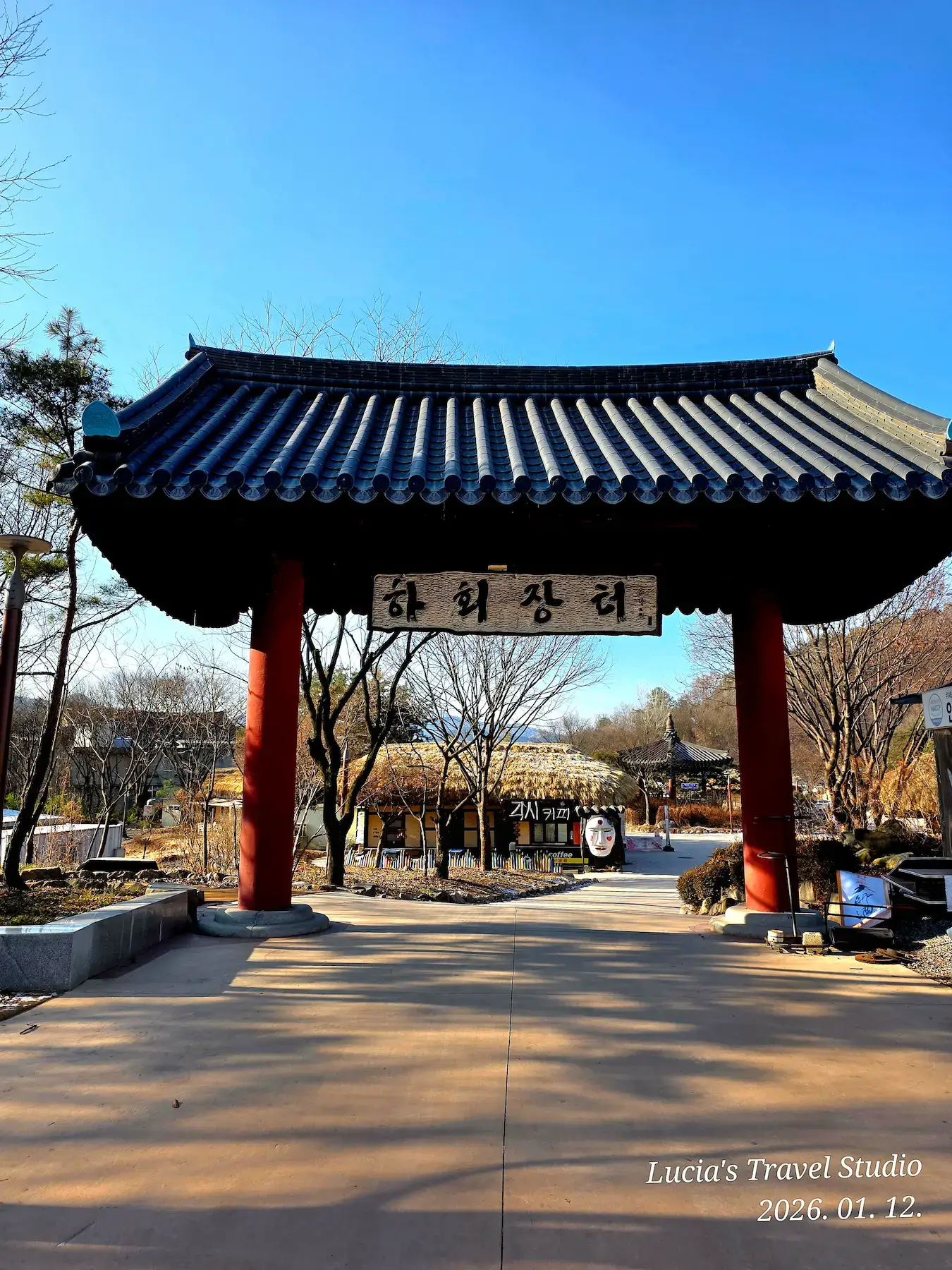
Hahoe Village Public Parking Lot
This is where you leave your car and begin your visit.
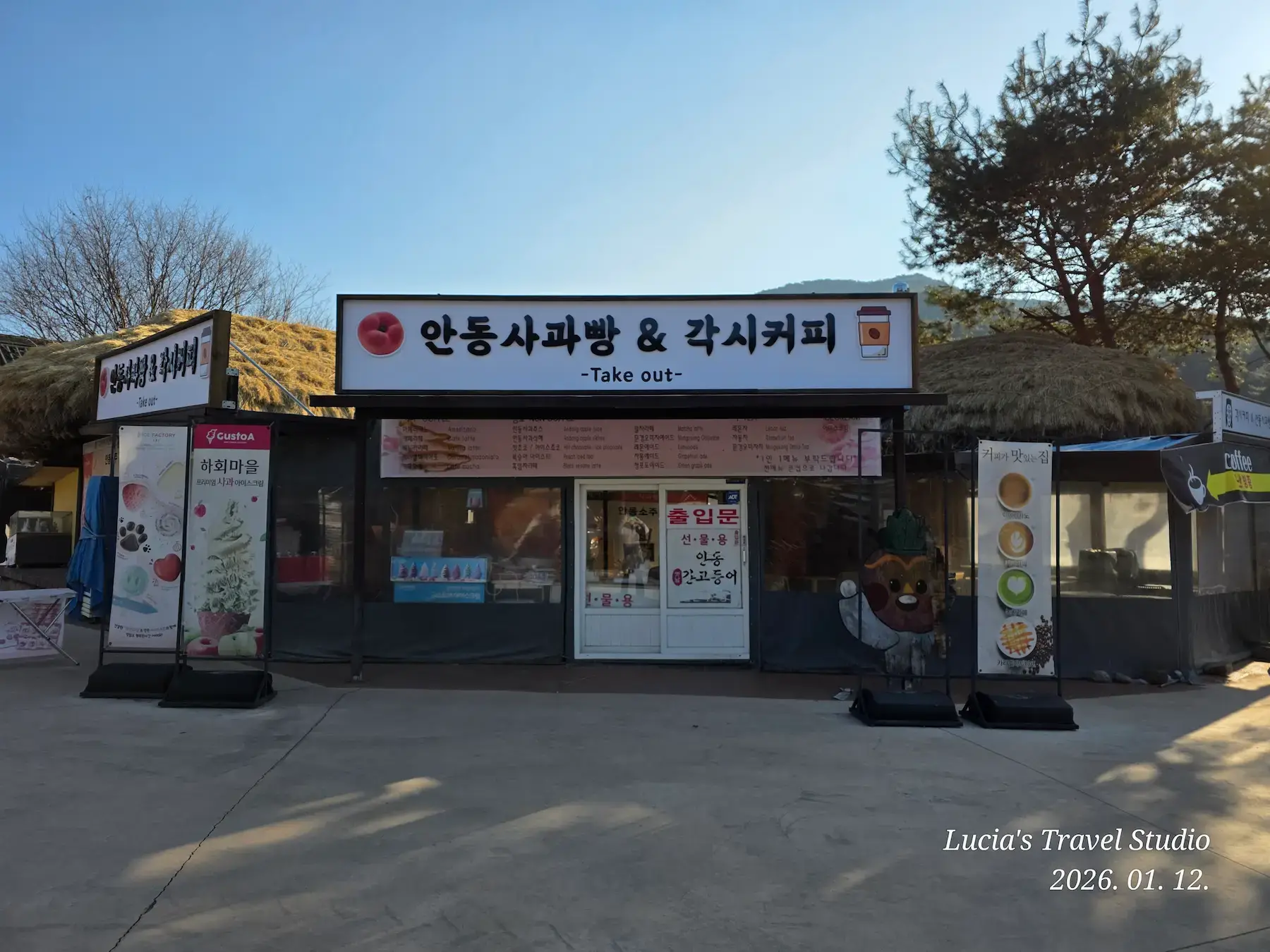
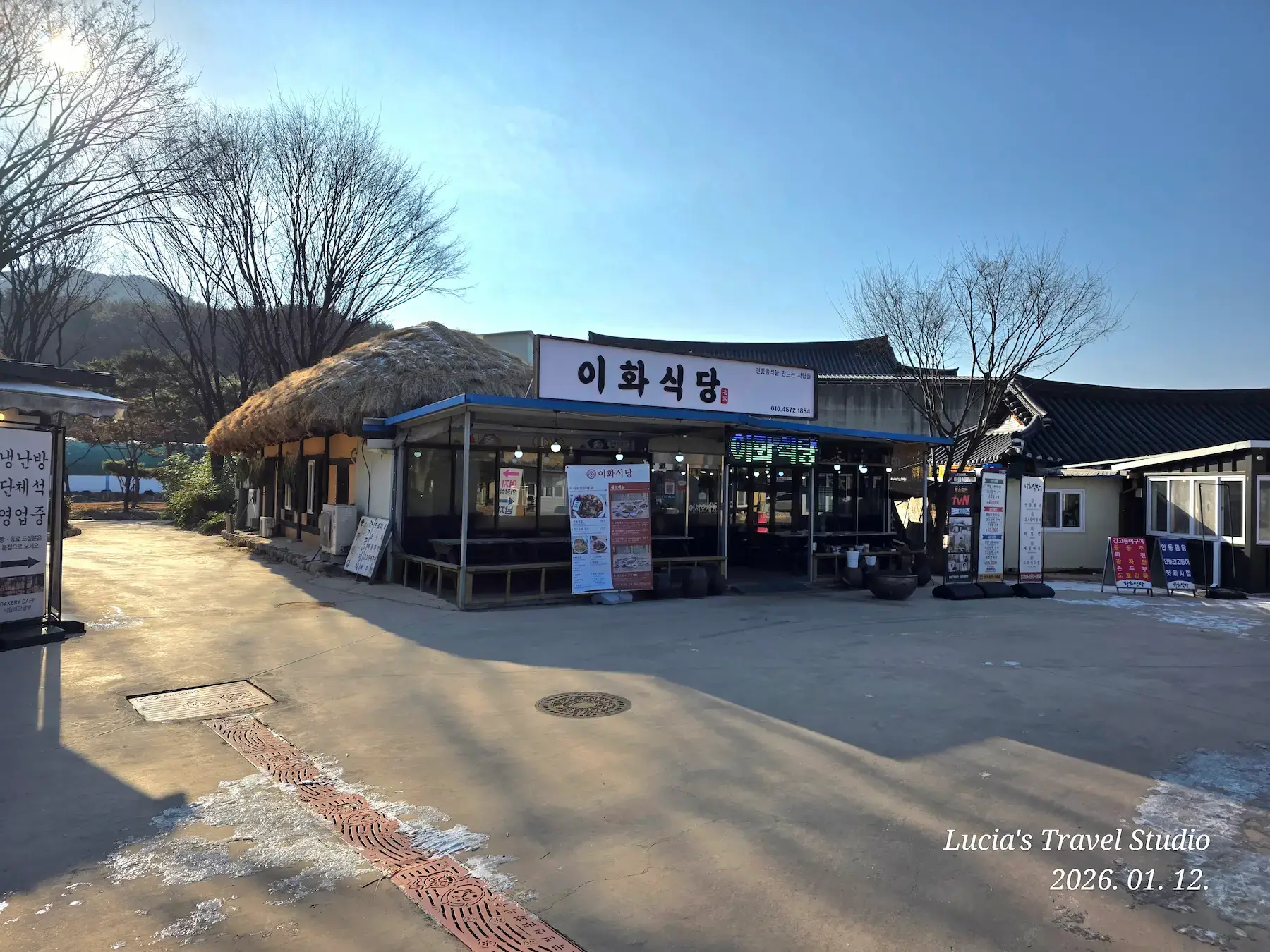
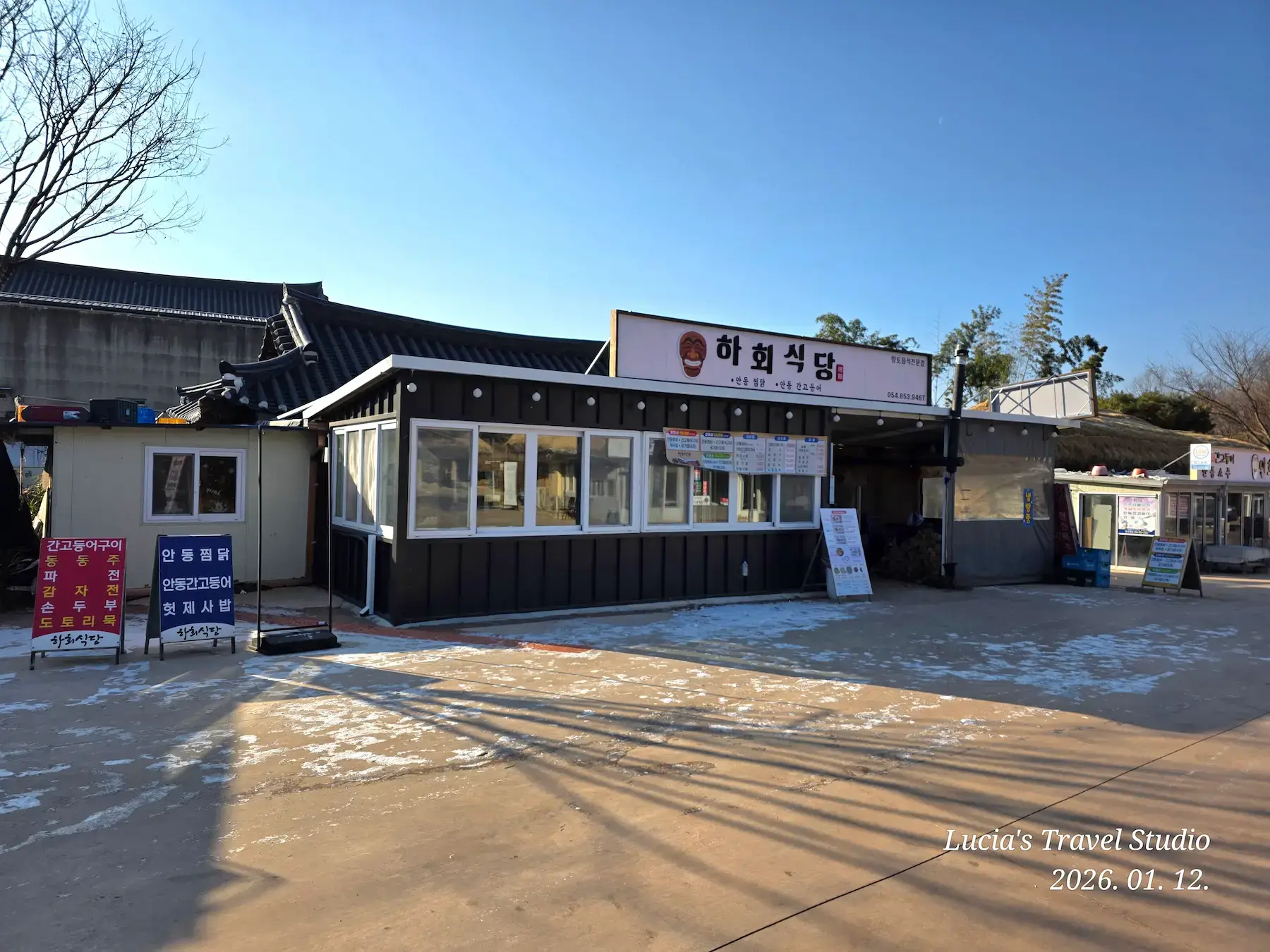
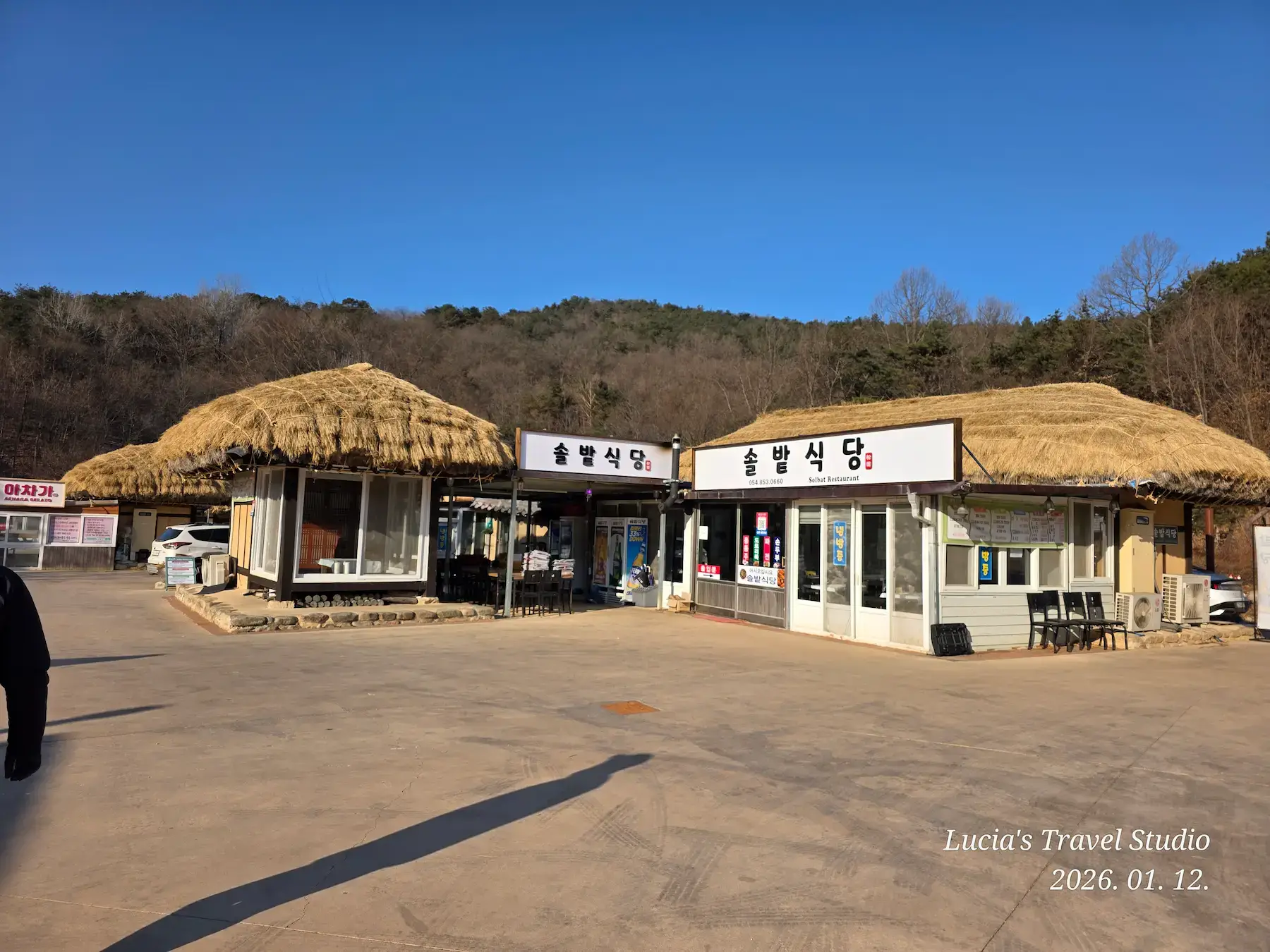
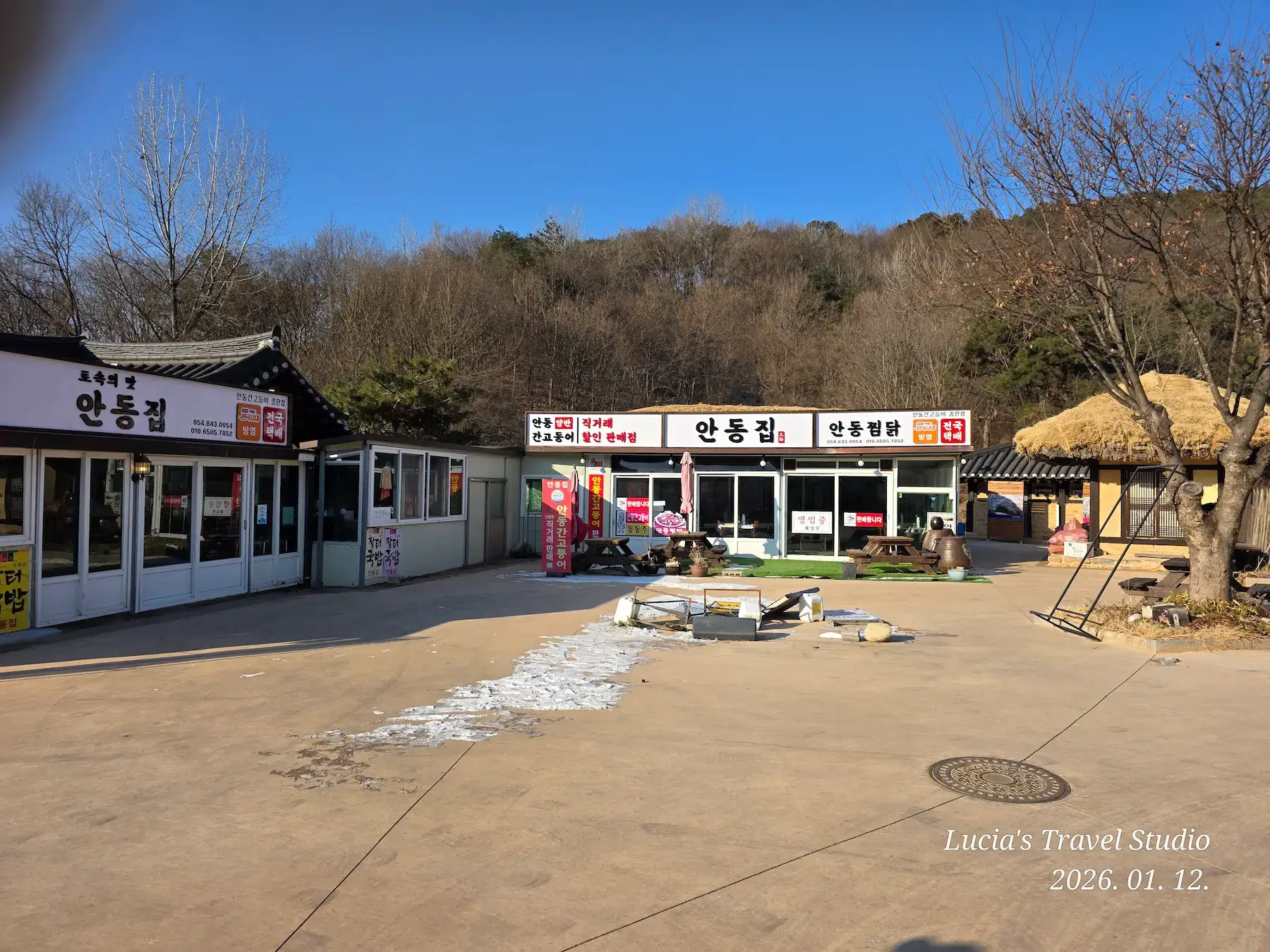



Hahoe Market
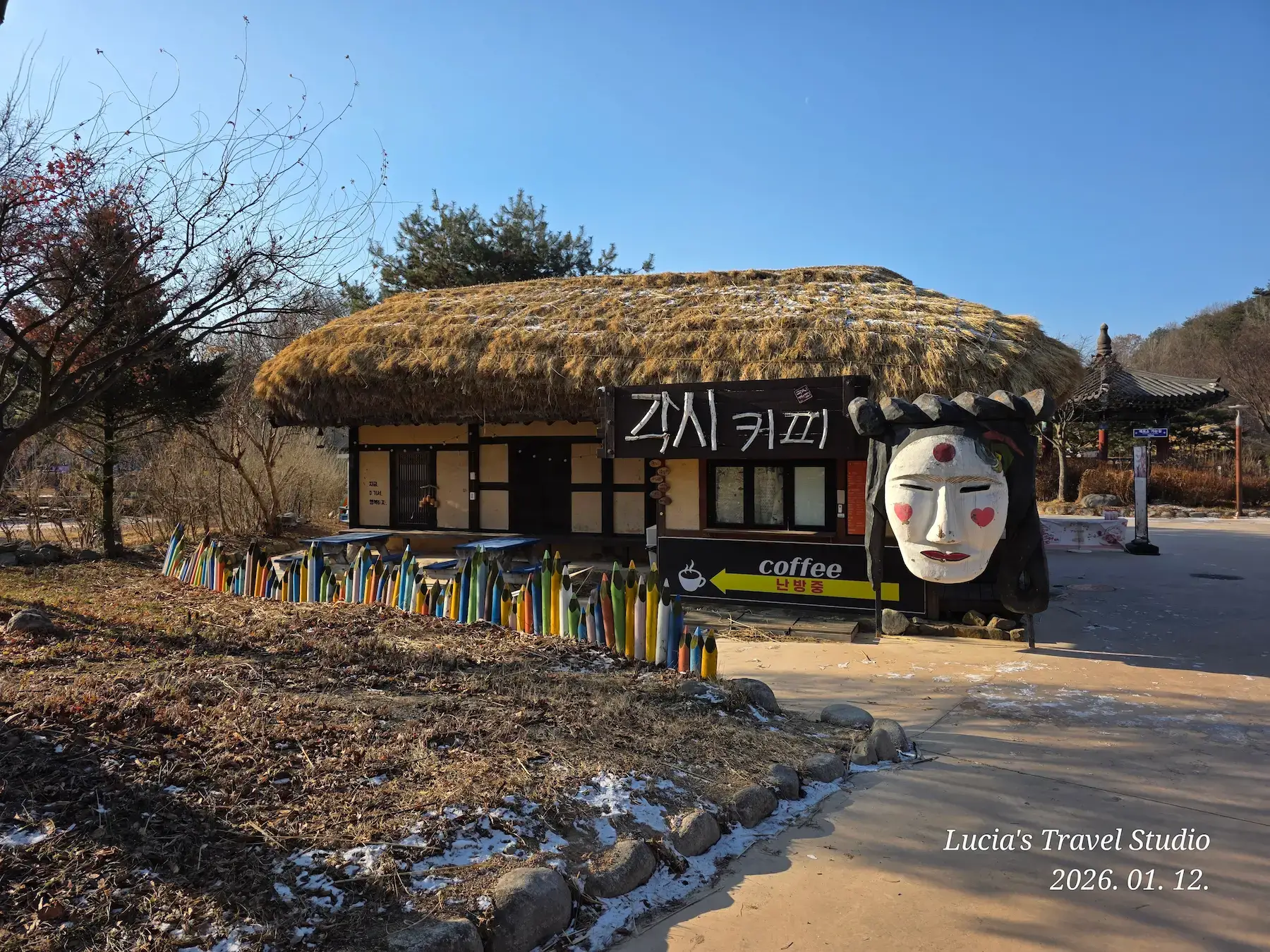
Located right next to the parking area, with restaurants and souvenir shops.
It’s best to eat here before or after entering the village.
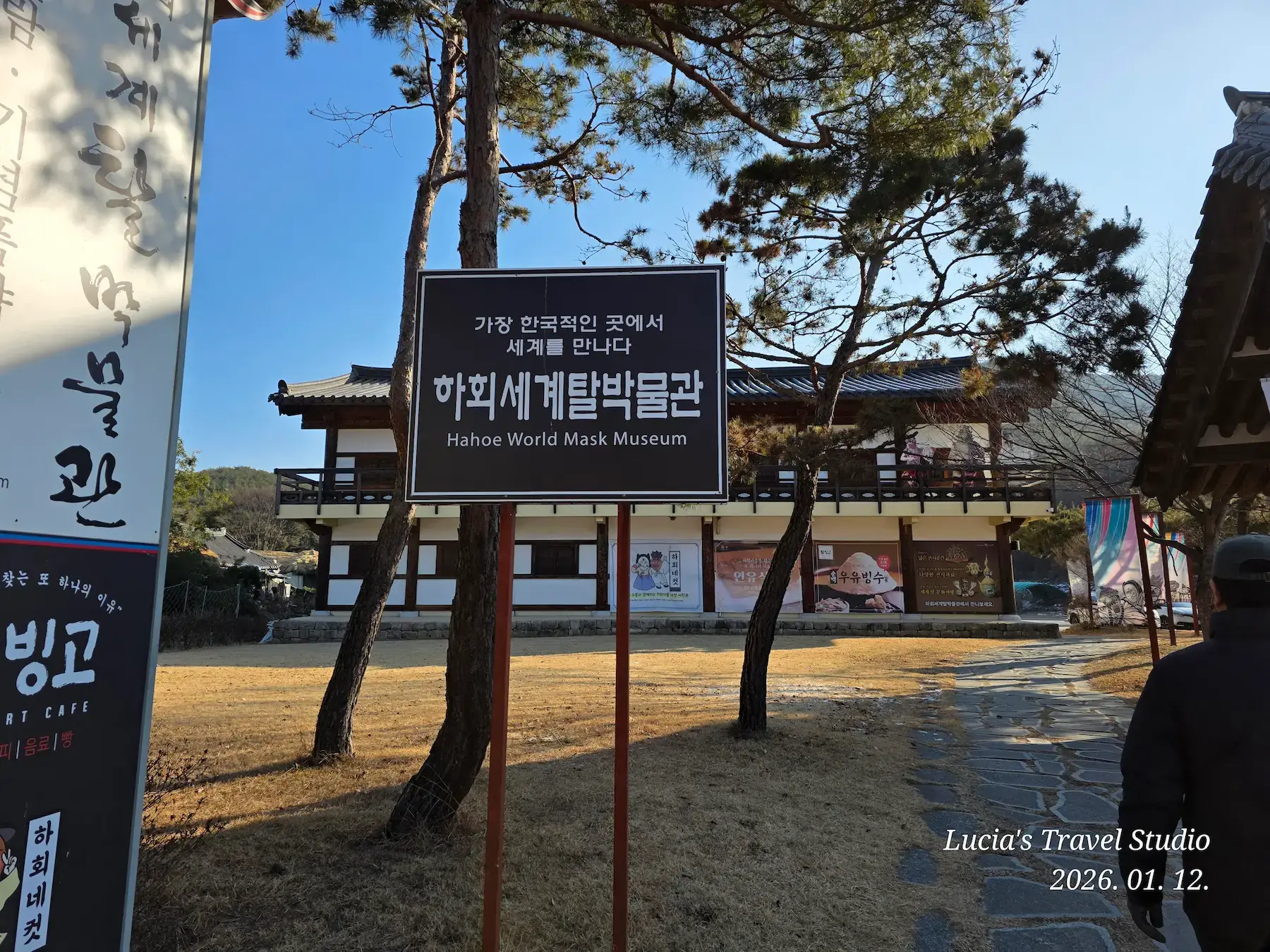
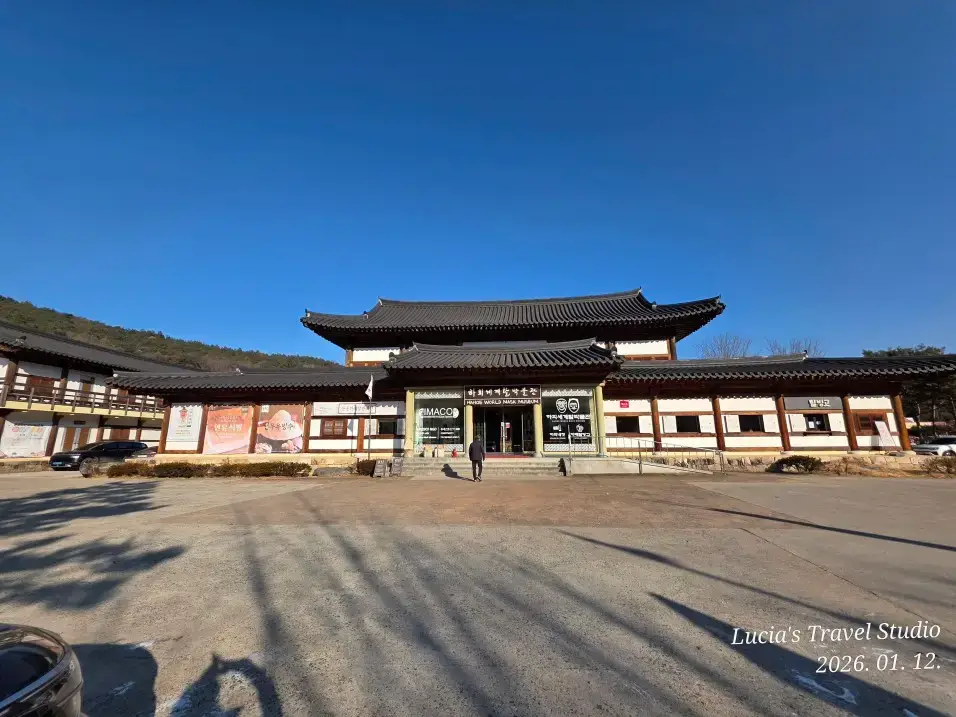

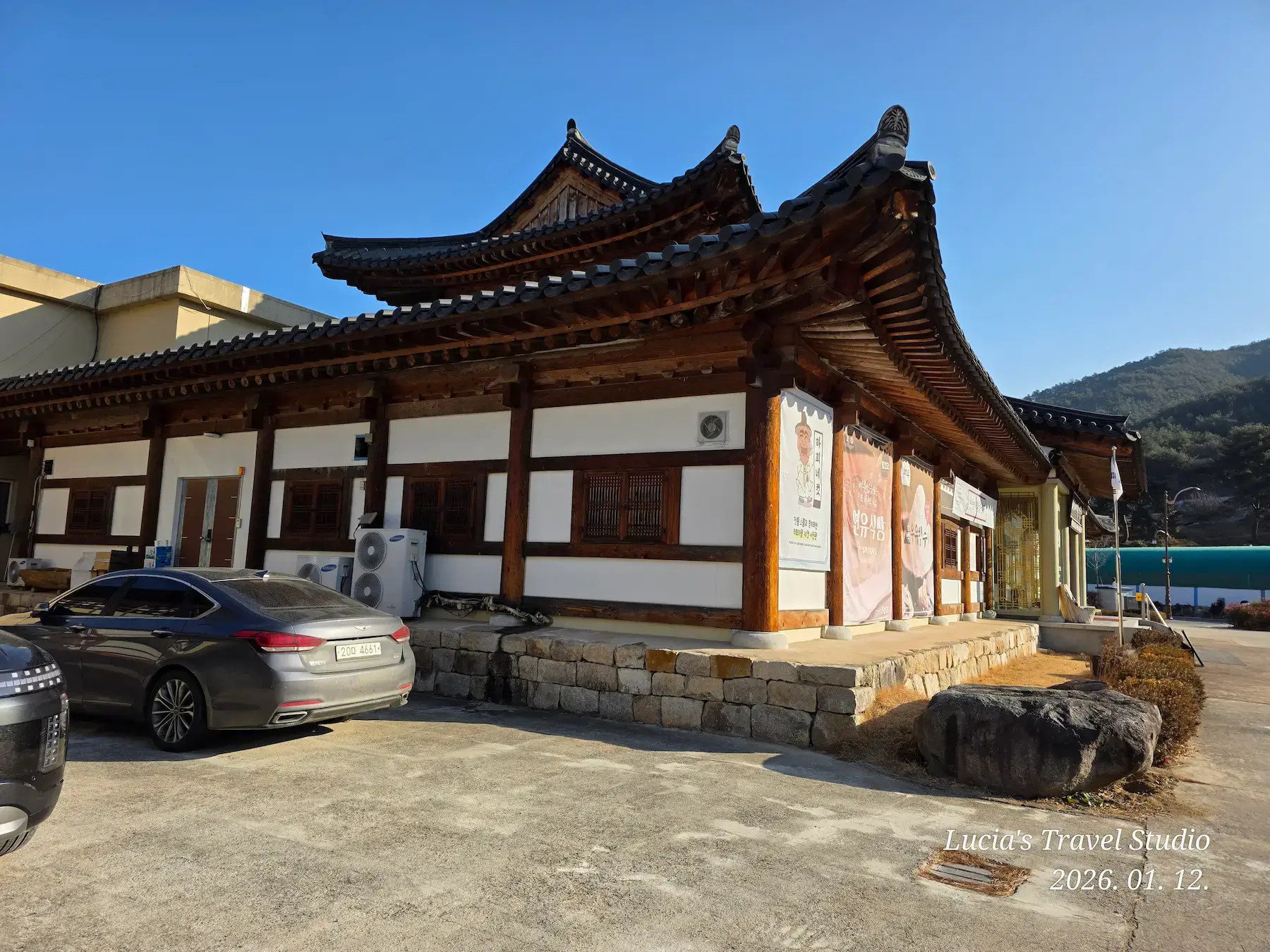


Hahoe World Mask Museum
Along the path to the ticket office.
A good stop either before entering the village or on your way back.
(Hours: 9:30 AM – 6:00 PM)
🎟️ 2) Tickets & Shuttle Bus

Ticket Office
After passing Hahoe Market, walk uphill briefly to reach the ticket booth.
Purchase your admission ticket here.

Shuttle Bus Stop
Located right next to the ticket office.Route: Ticket Office (Parking Area) ↔ Village Entrance
Fare: Included in the admission ticket (free)
Ride Time: About 1–2 minutes
Walking Alternative: About 15 minutes (1.2 km)
The shuttle is not just convenient—it’s part of how Hahoe protects daily village life.
🚶 3) Arrival at the Village Entrance
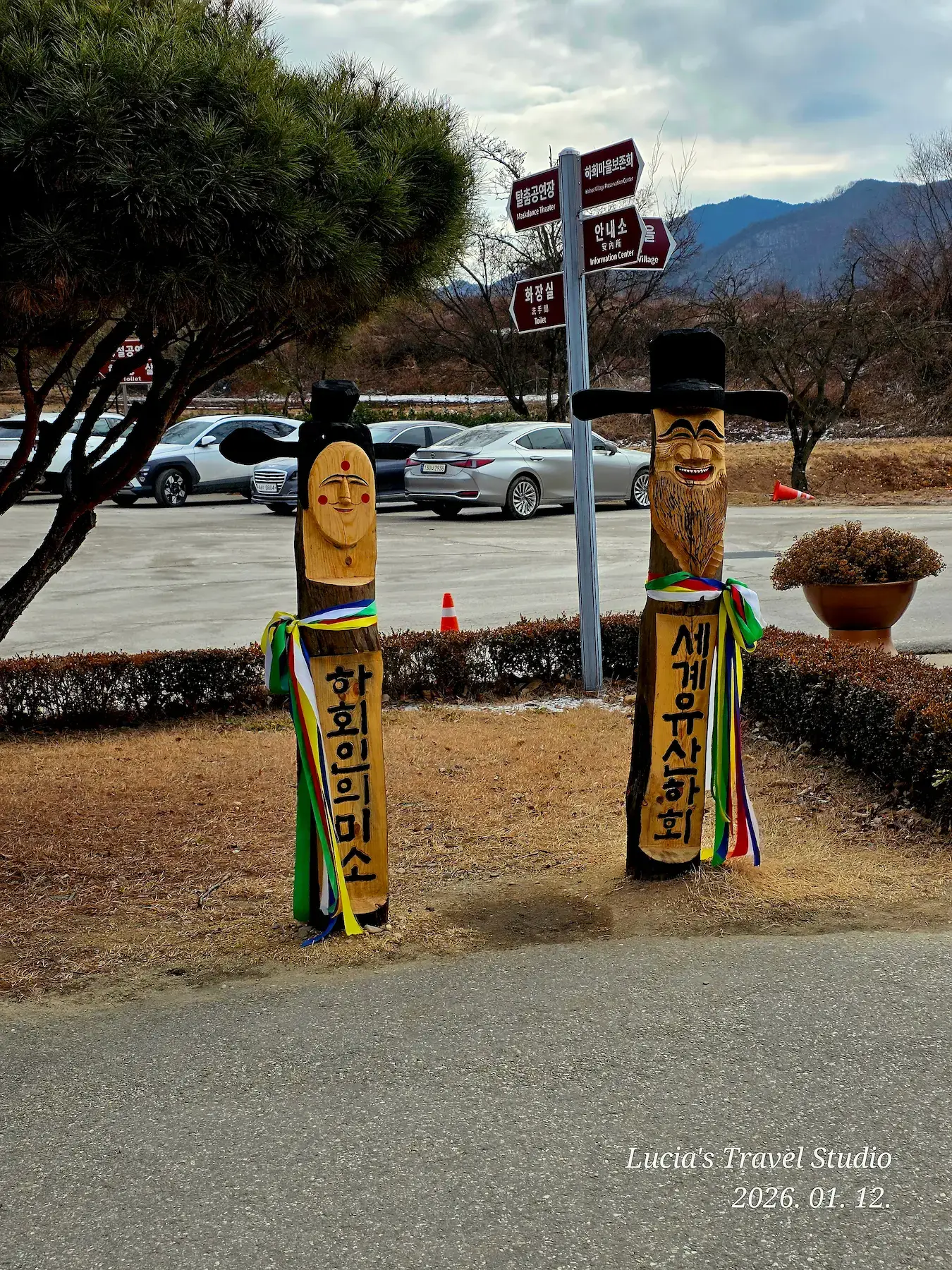
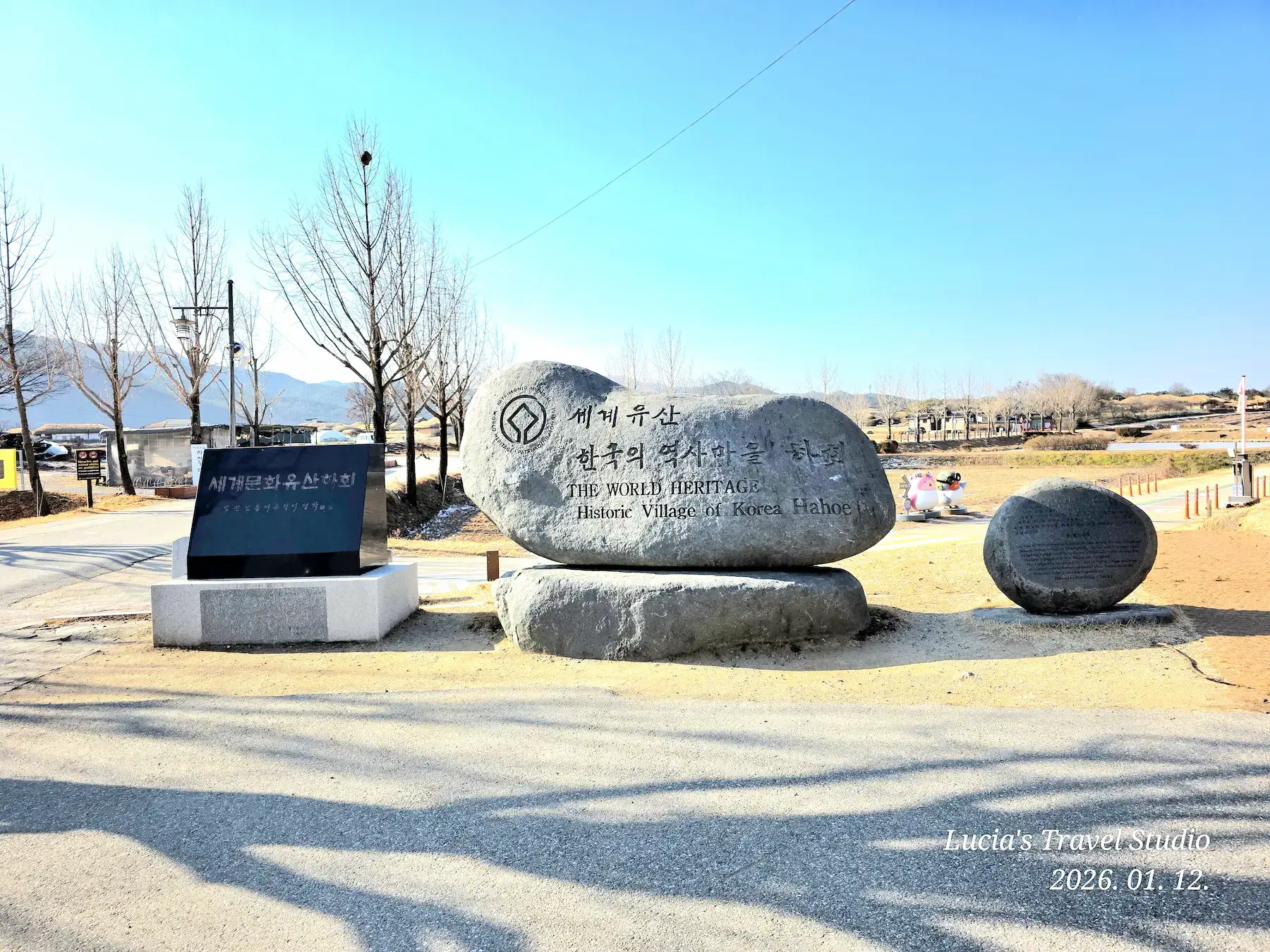
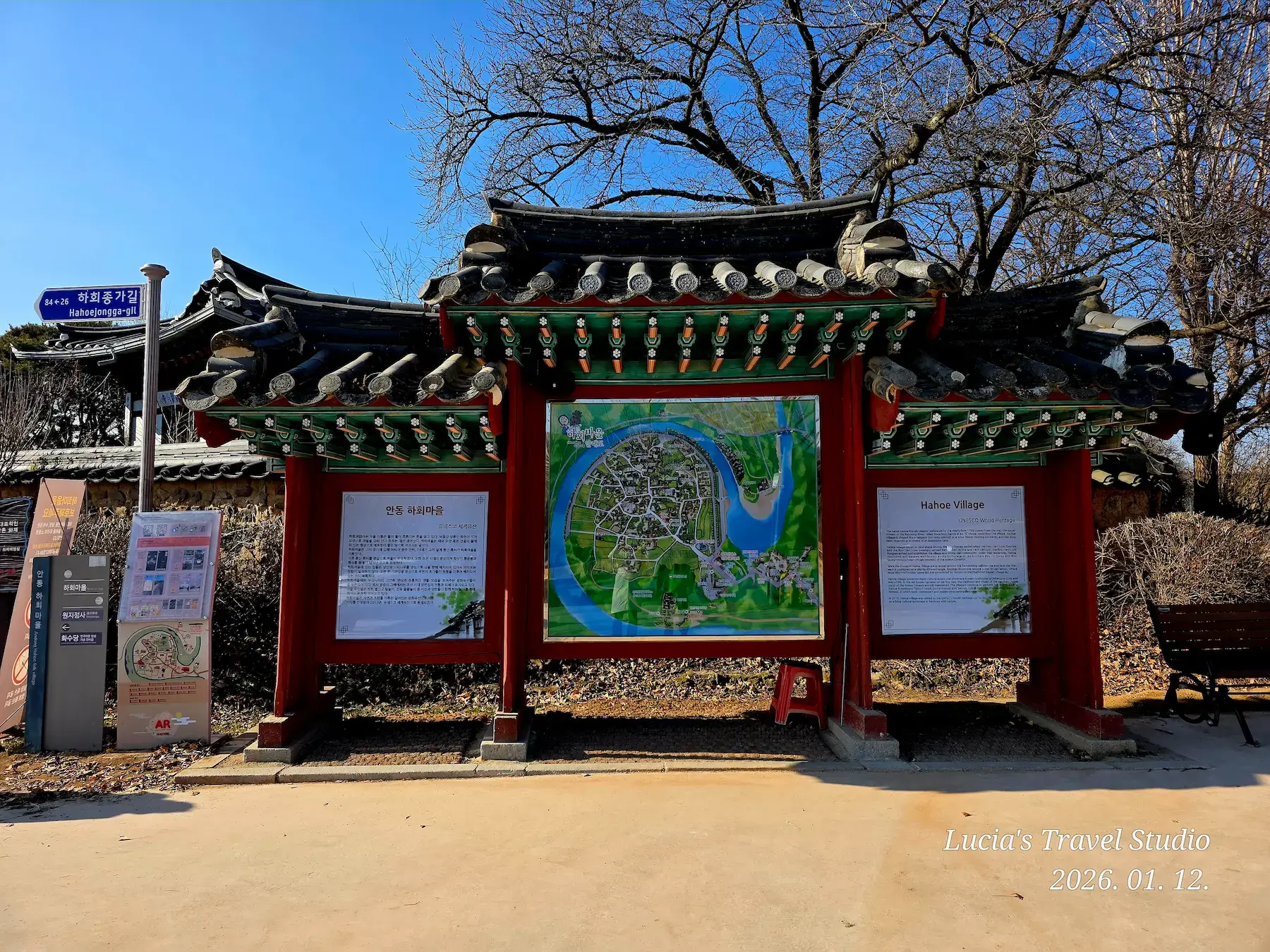
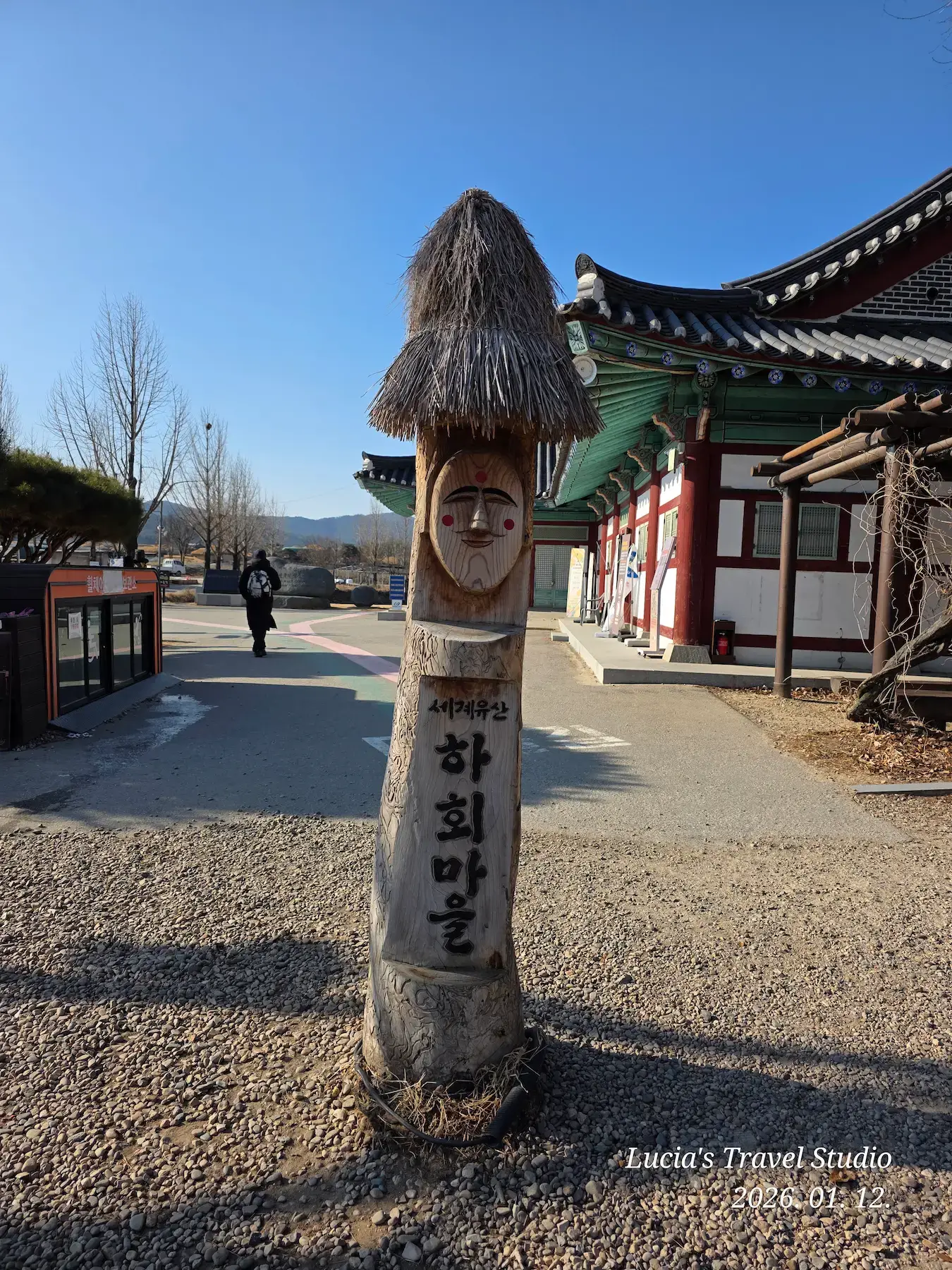
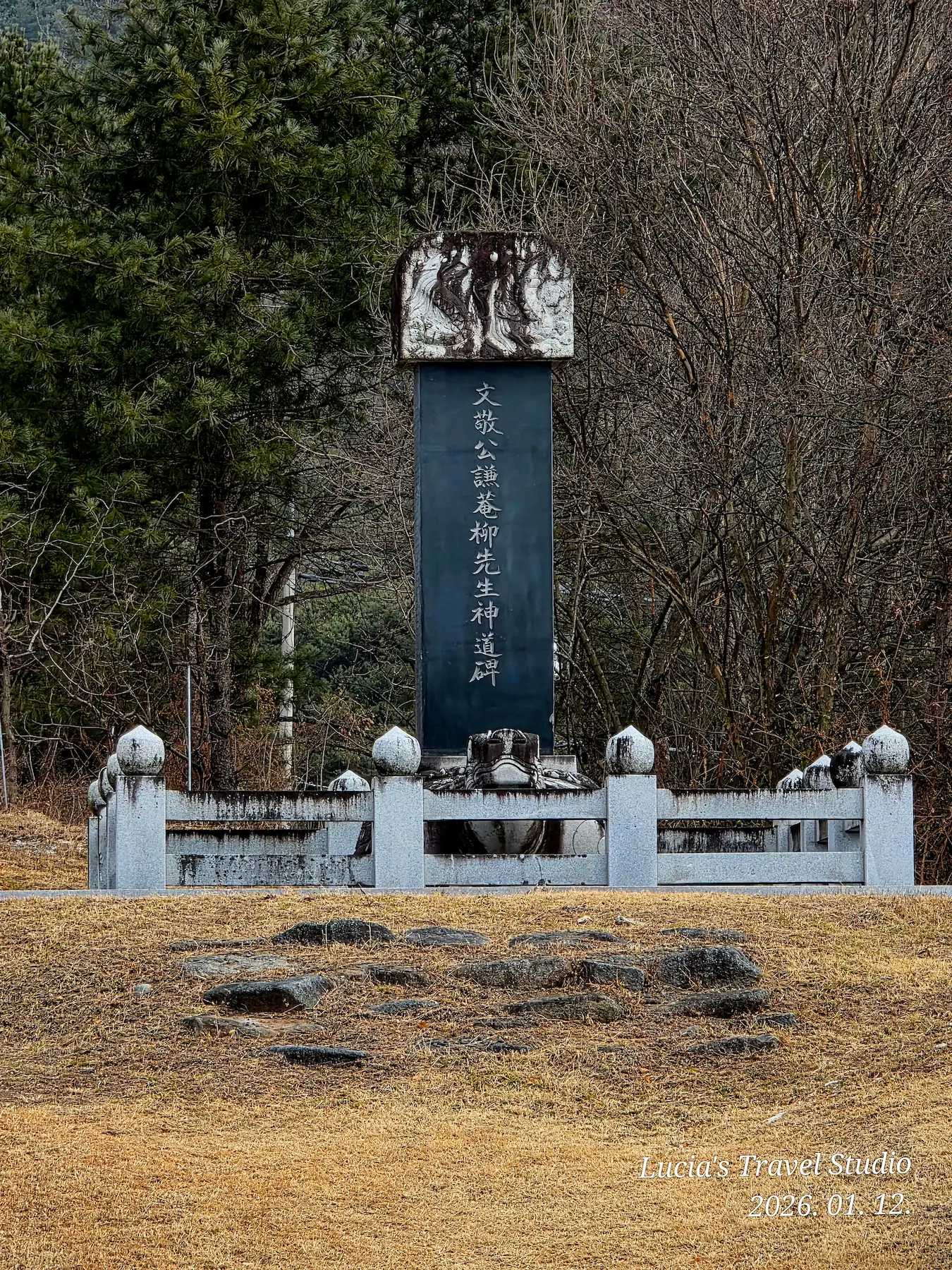
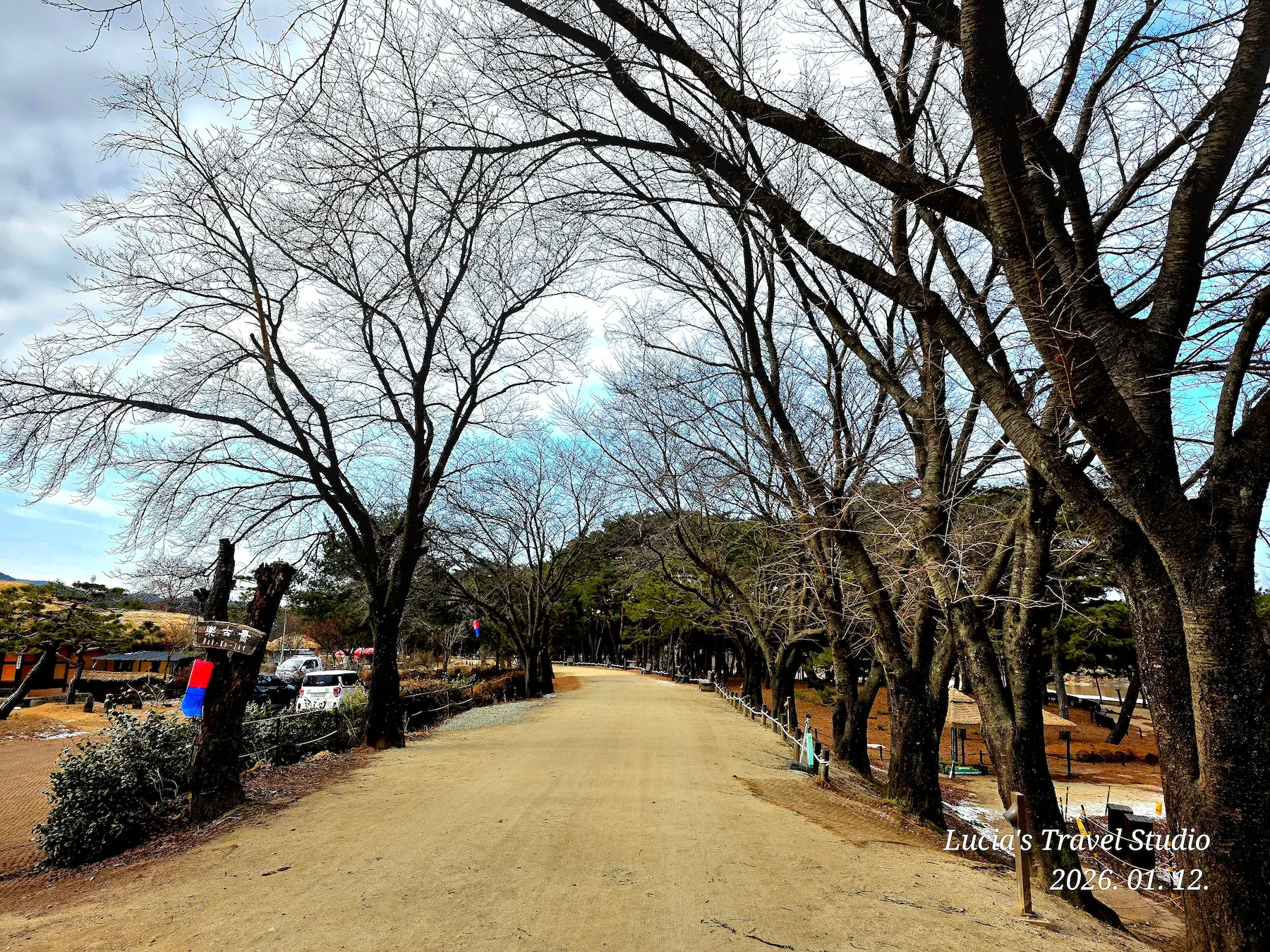
Once you step off the shuttle bus, you arrive at the official entrance to Andong Hahoe Village.
From here, the village unfolds on foot: traditional houses, waga, Soseul Daemun, and quiet residential paths.
This slow entry sets the tone— you are not entering an exhibit, but a place where people still live.
🕰️ 2. The History of Hahoe — Who Lived Here, and How It Endured
Early settlement:
In the Goryeo period, the Heo and Ahn clans settled here first.Formation of a clan village:
From the early Joseon era, the Pungsan Ryu clan took root, forming a classic
jipseongchon (single-clan village).Notable figures:
Scholar-official Ryu Seong-ryong, Prime Minister during the Japanese invasions of Korea (Imjin War, 1592–1598).
The village’s quiet dignity comes from the “time—and values”—these people left behind.
In 1999, Queen Elizabeth II visited Hahoe—an understated moment that quietly confirmed what locals already knew: this village isn’t a display.
🌊 3. Name, Feng Shui, and Layout — Why It’s Called “Hahoe”

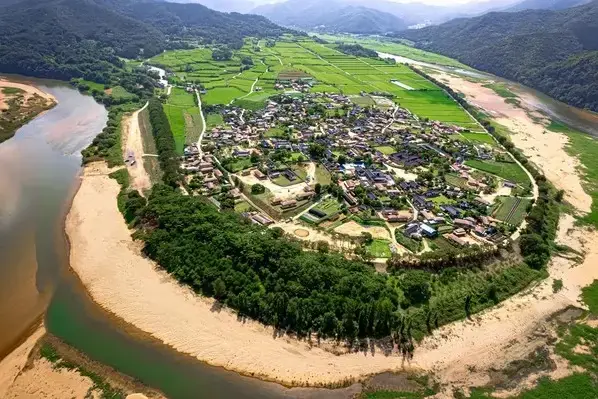
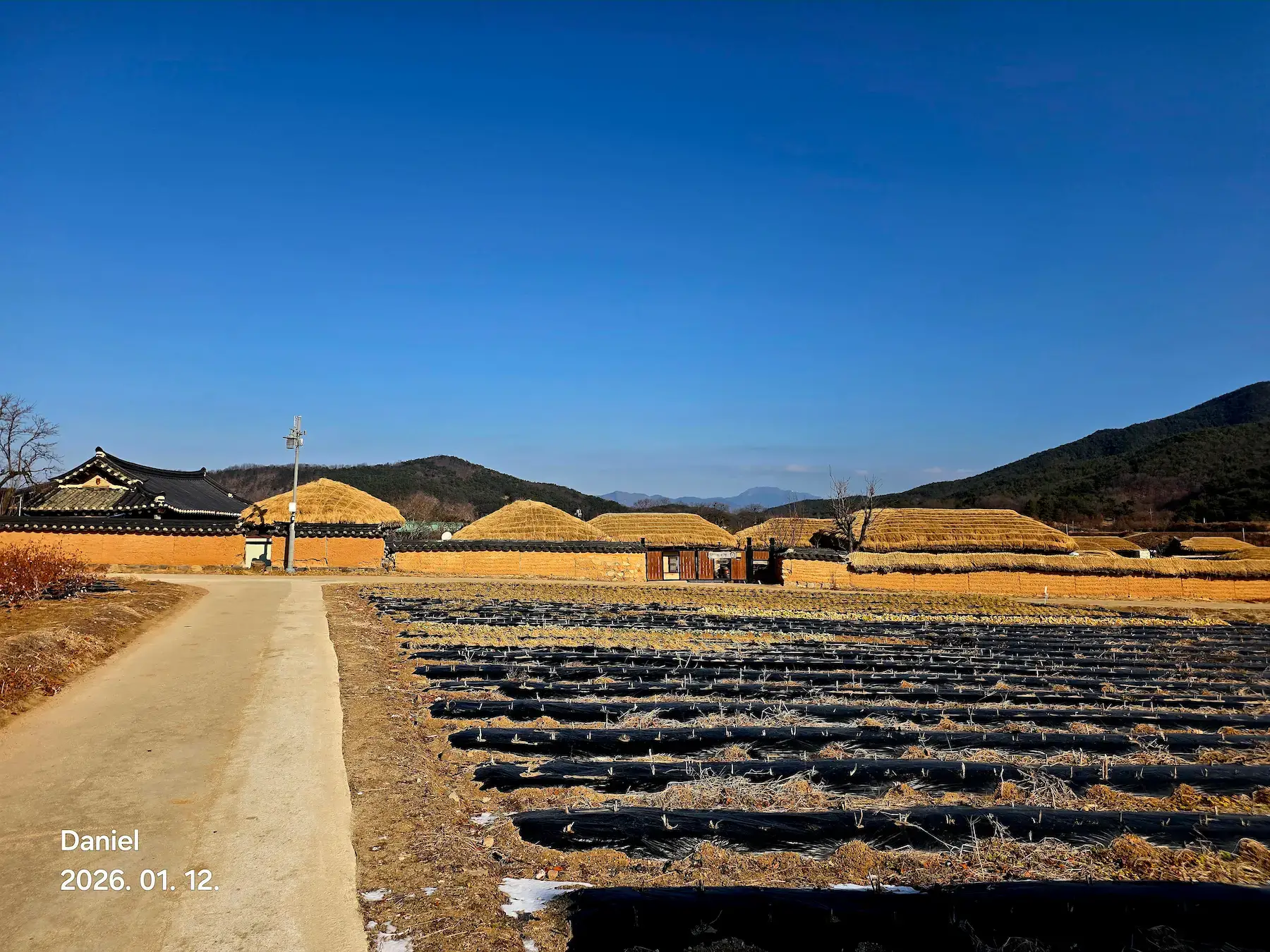
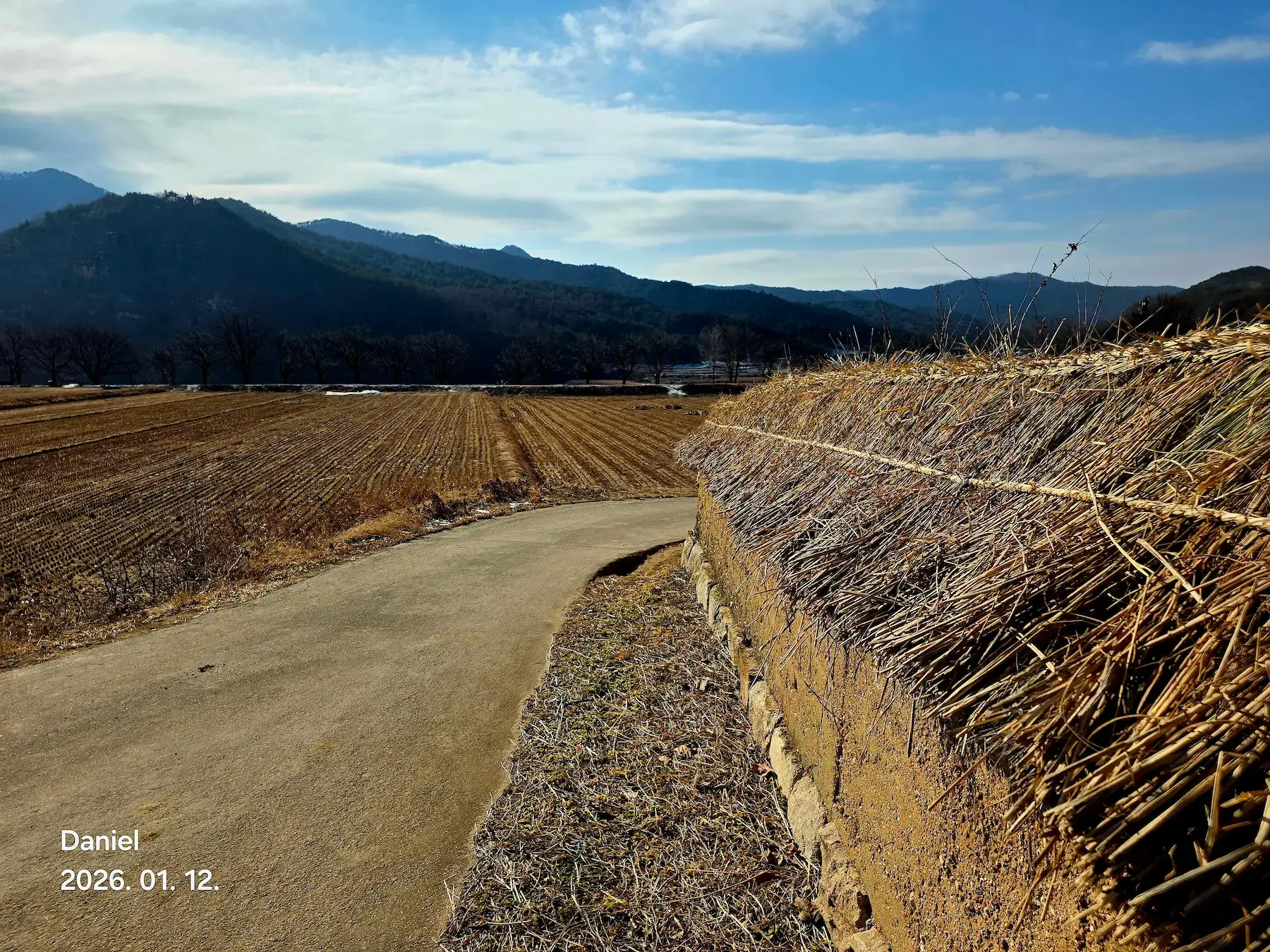
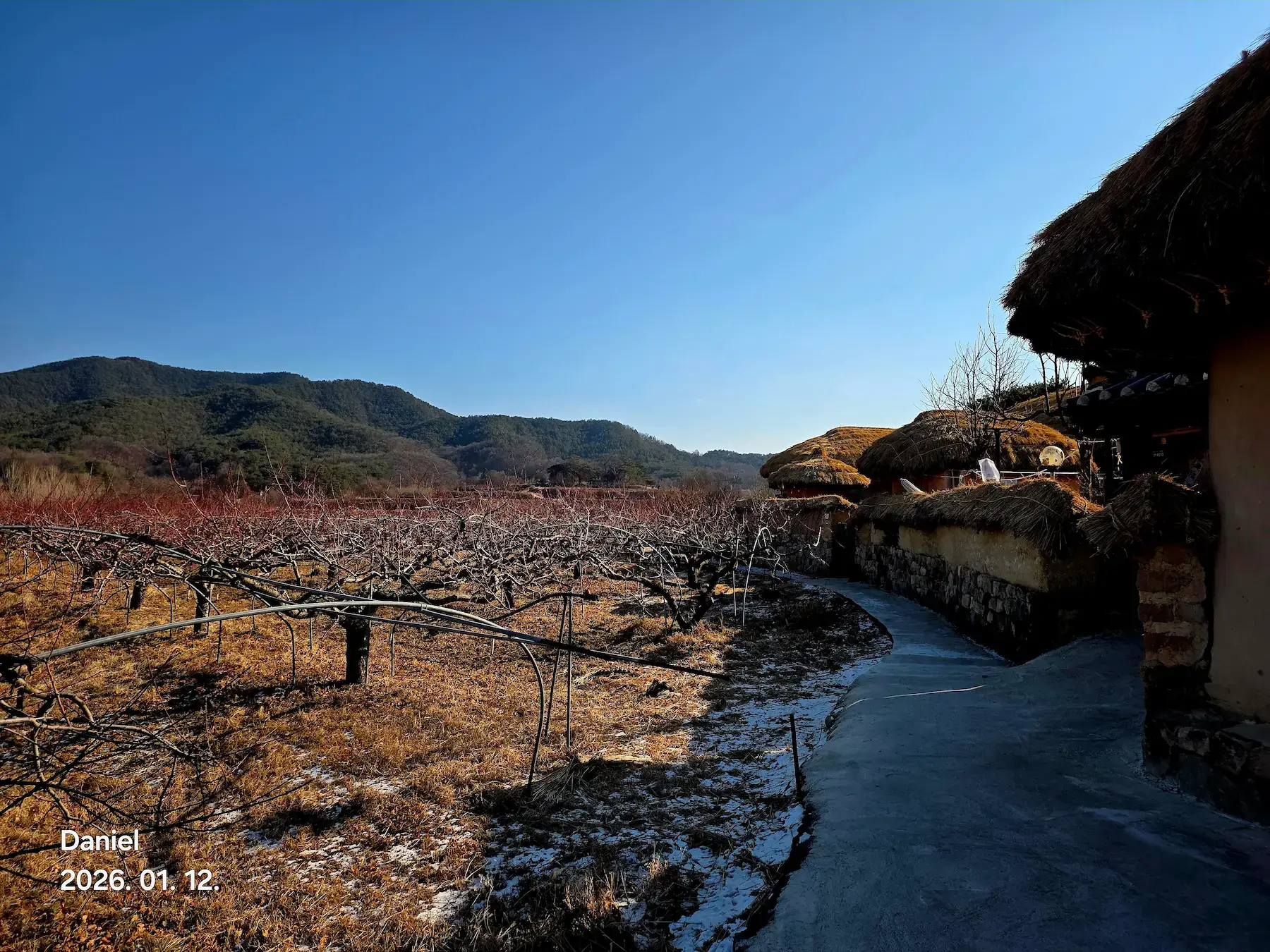
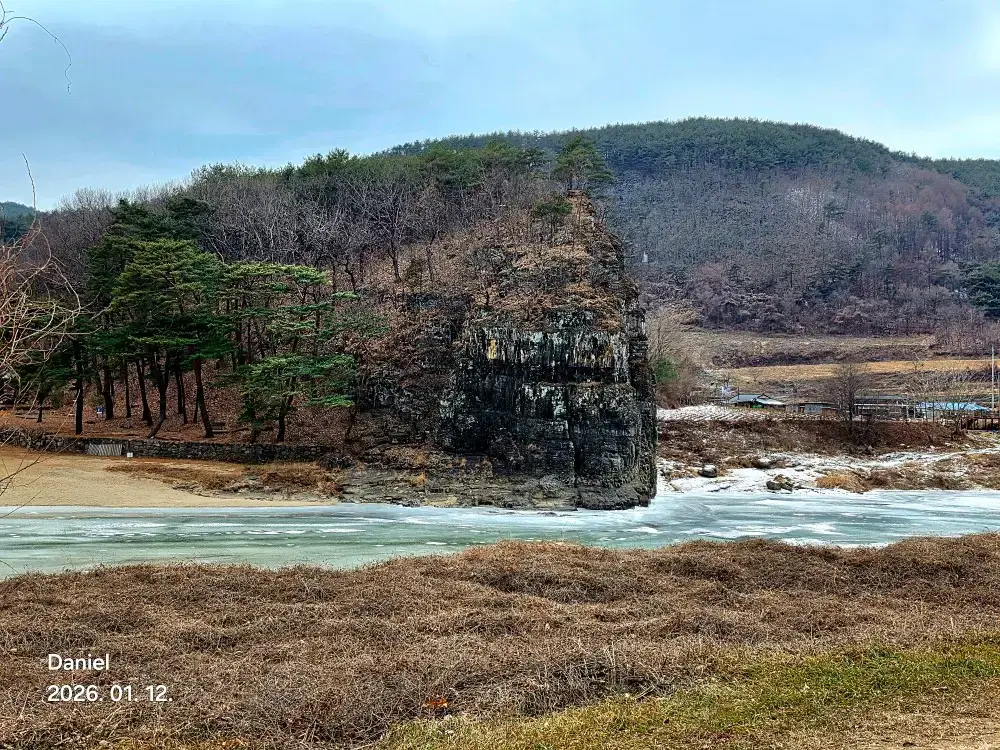
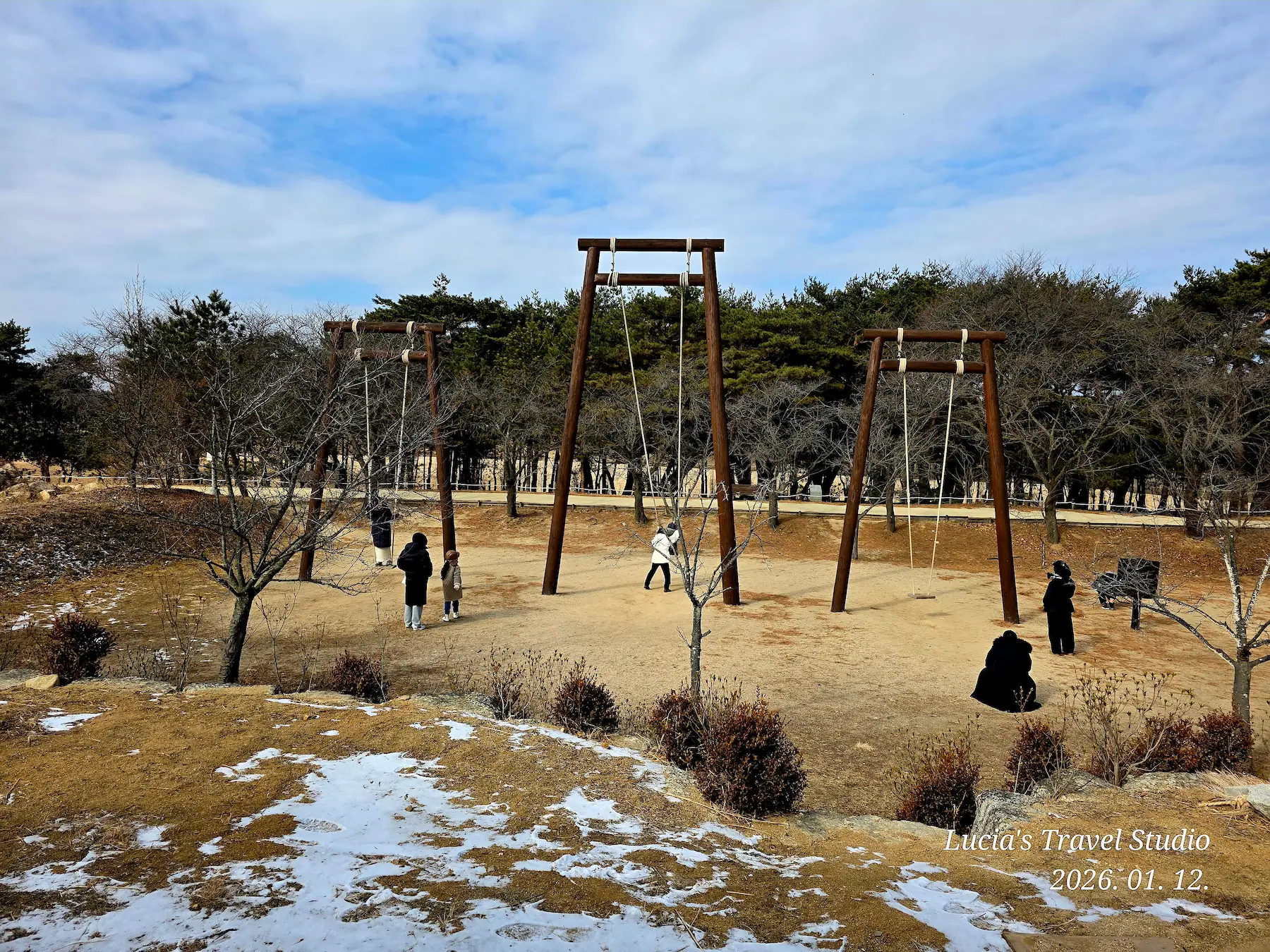
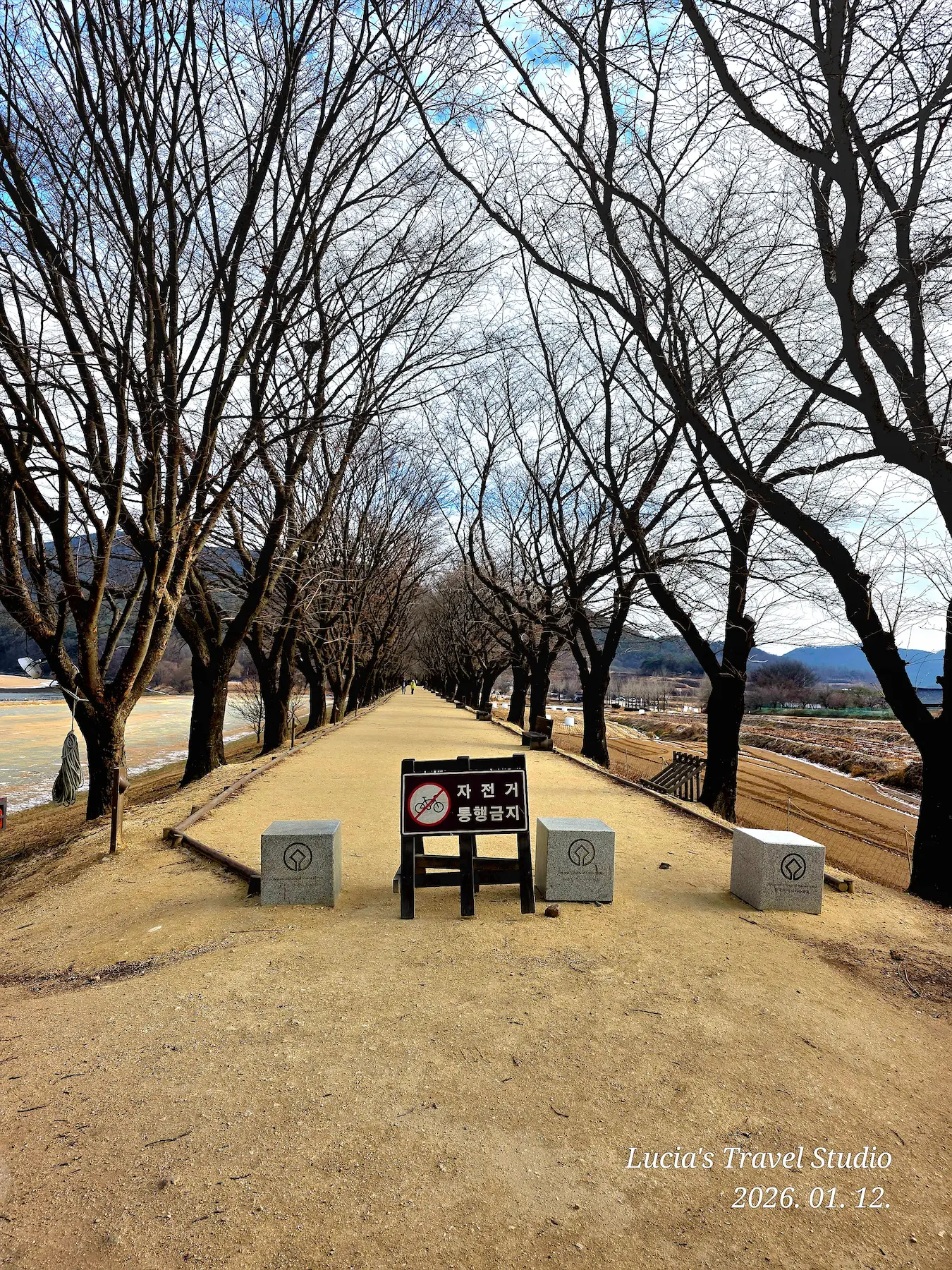
A Village Embraced by the Nakdong River
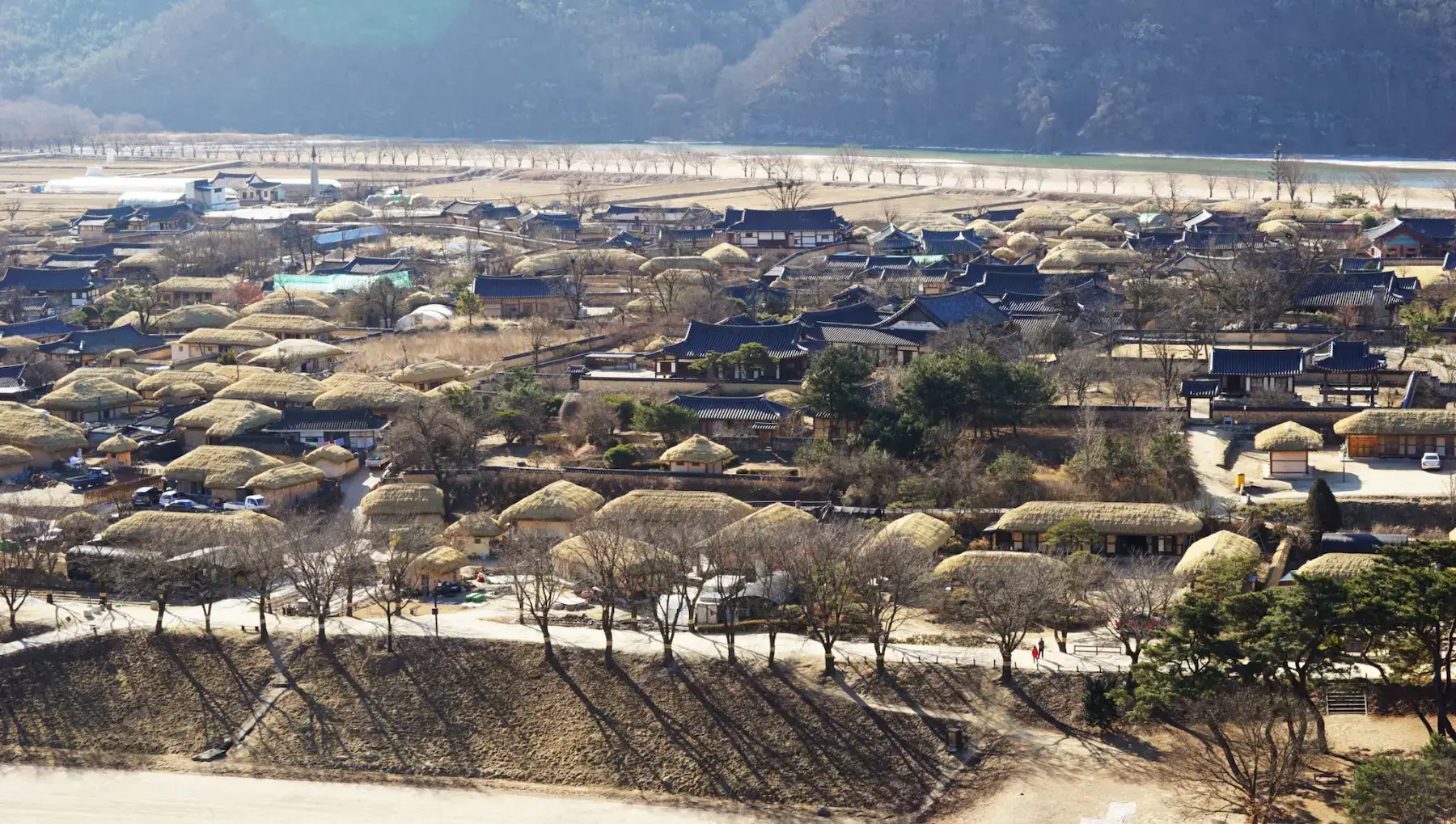
“Hahoe (河回)” means “the river curves around the village.”
The Nakdong River flows in a gentle S-shape, wrapping the village like an embrace.Traditionally, it was also called Muldoeri-dong—
“the water-turning village.
4. 🏘️ Waga, Soseul Daemun, and Choga — Social Order Written in Architecture
In Andong’s traditional villages, architecture does more than shape space—it communicates hierarchy.
This order is most clearly expressed through the relationship between
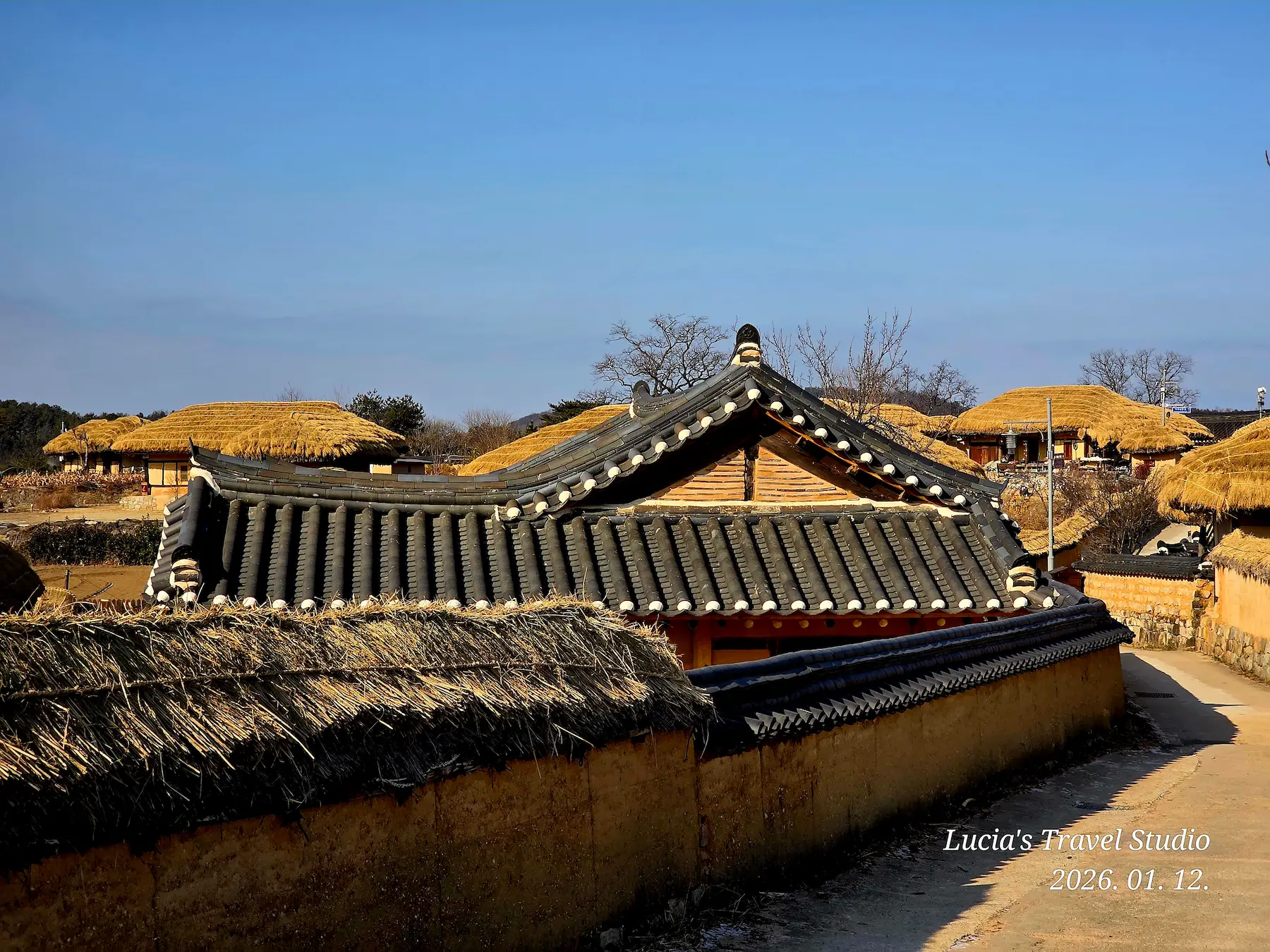
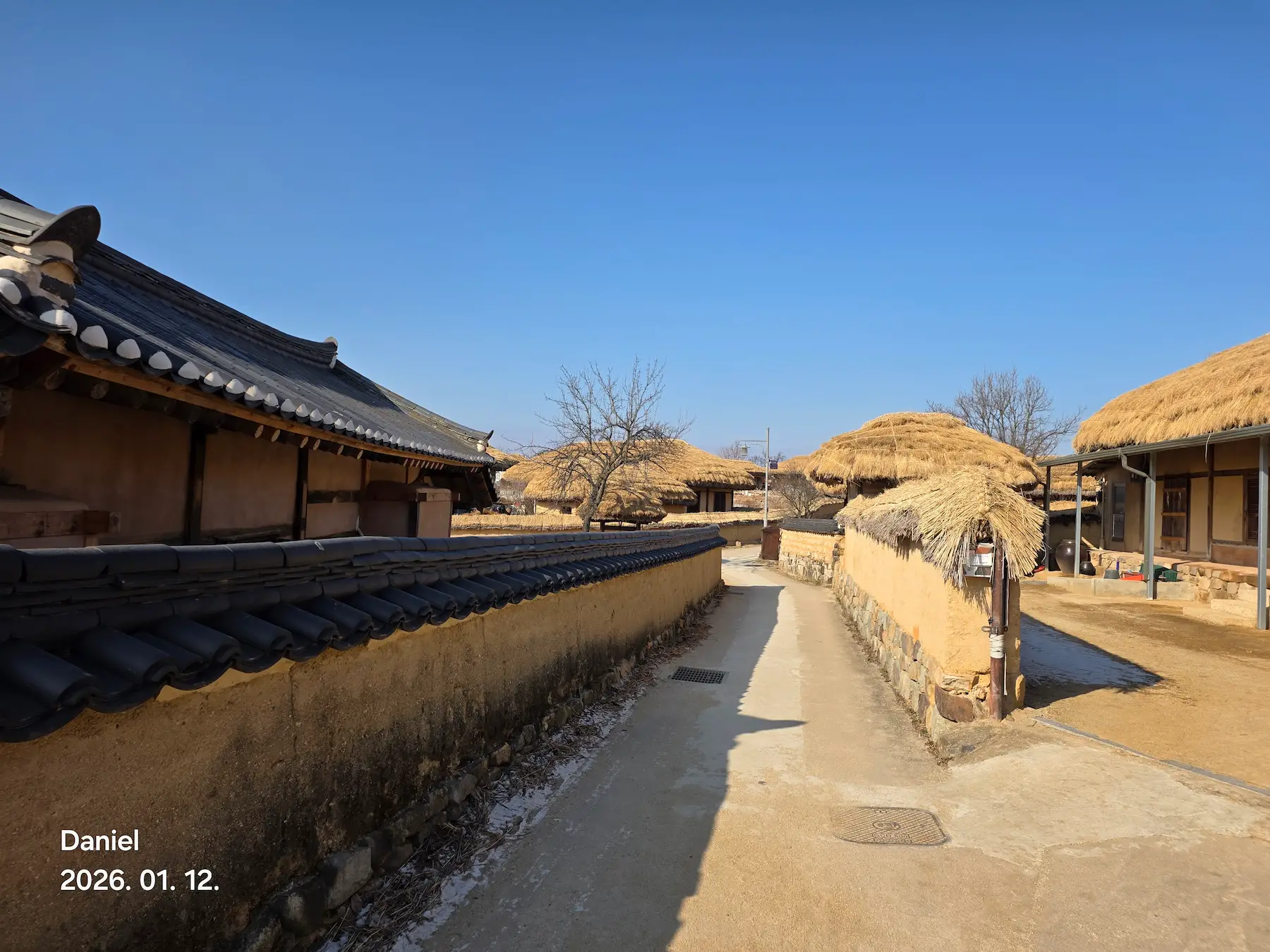
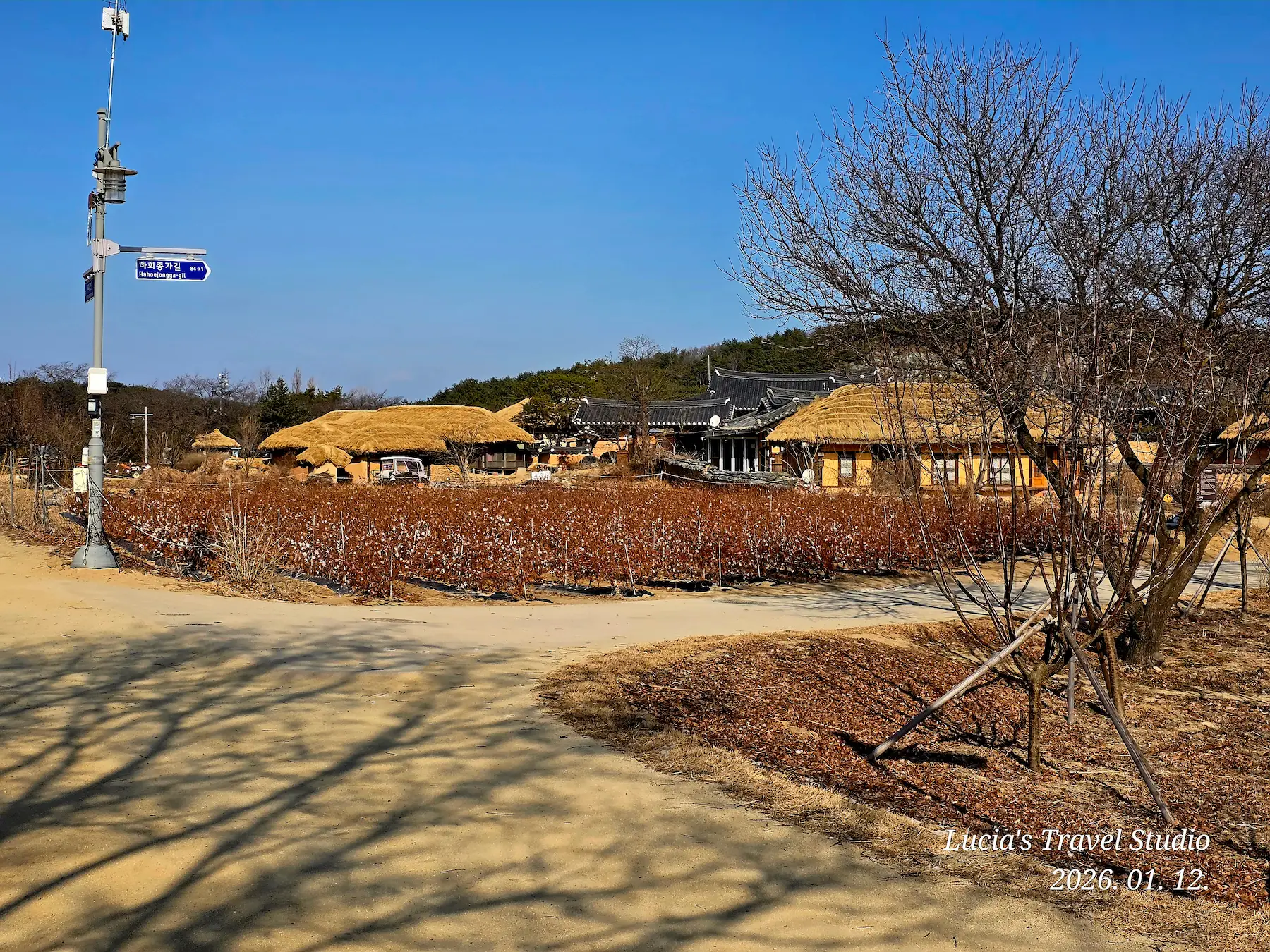
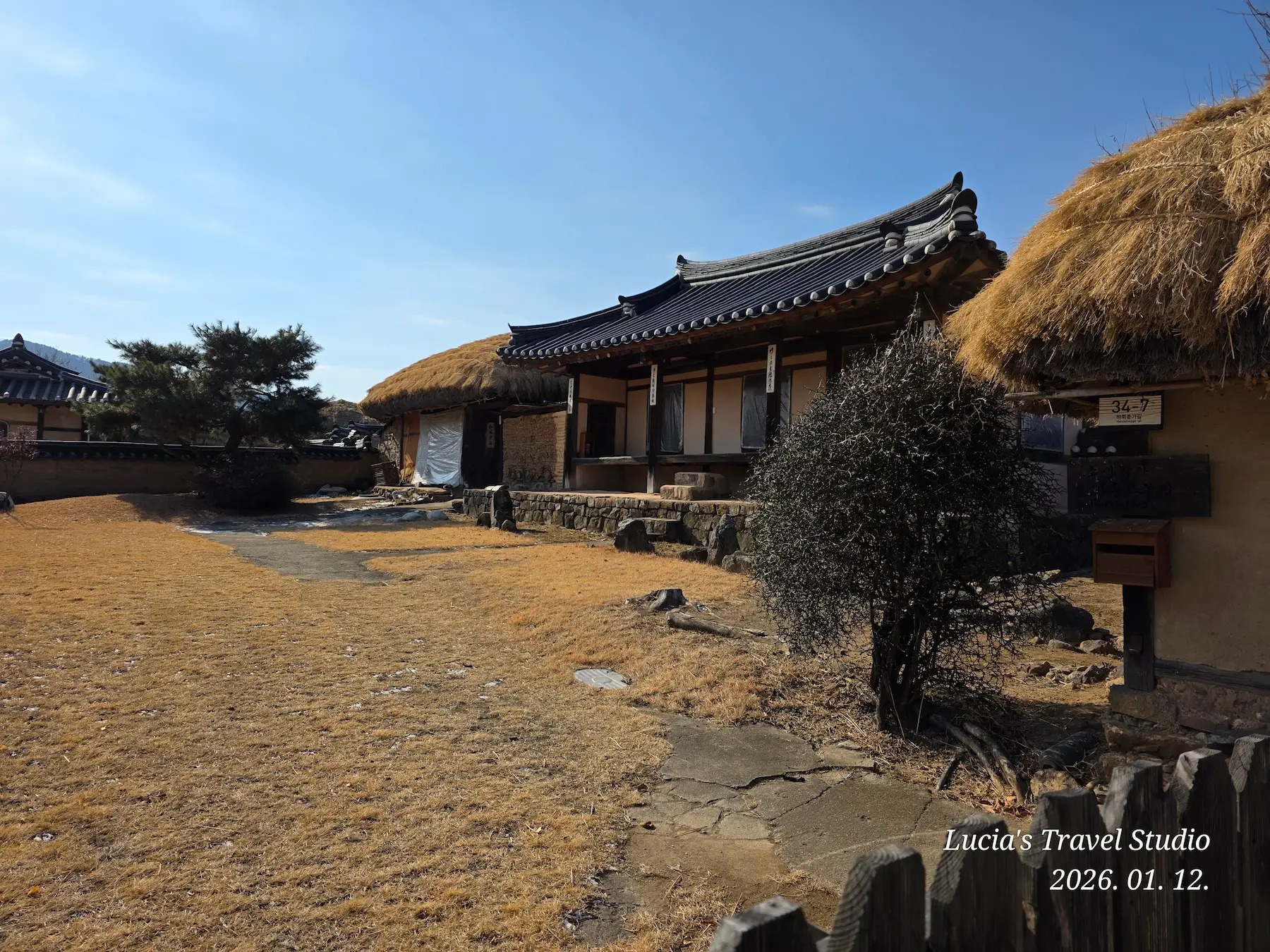
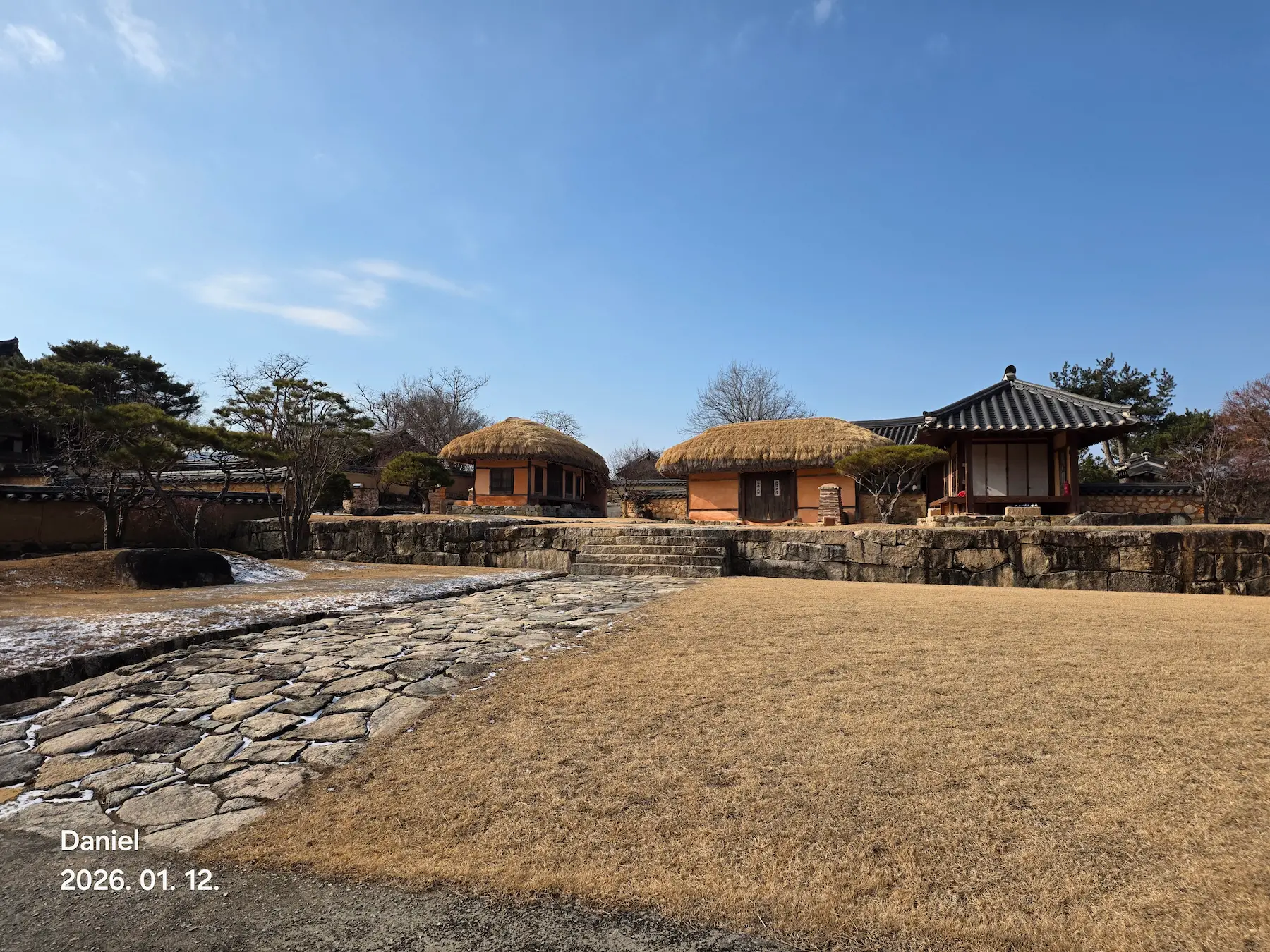
waga (tiled-roof houses) and choga (thatched-roof houses).
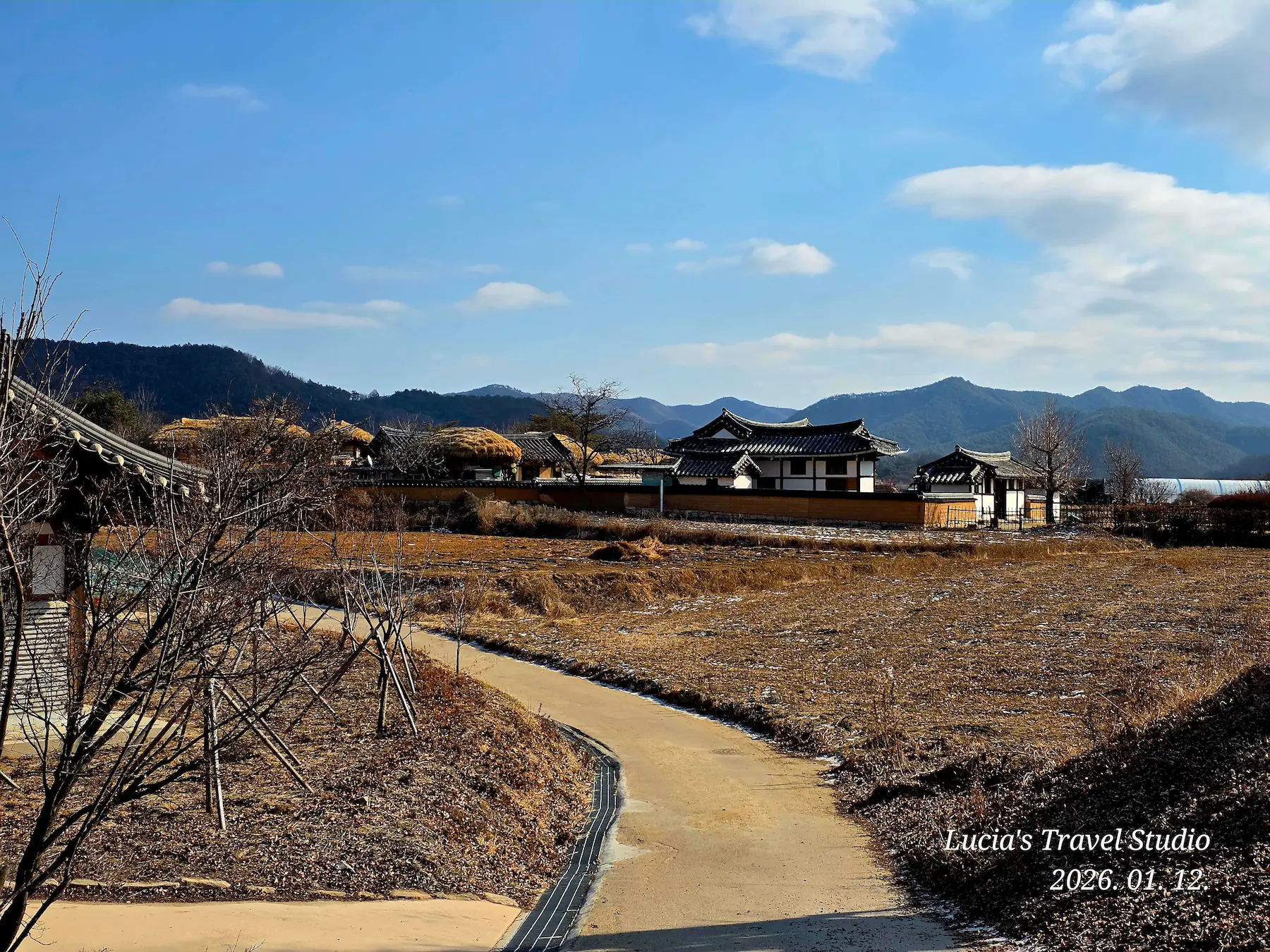
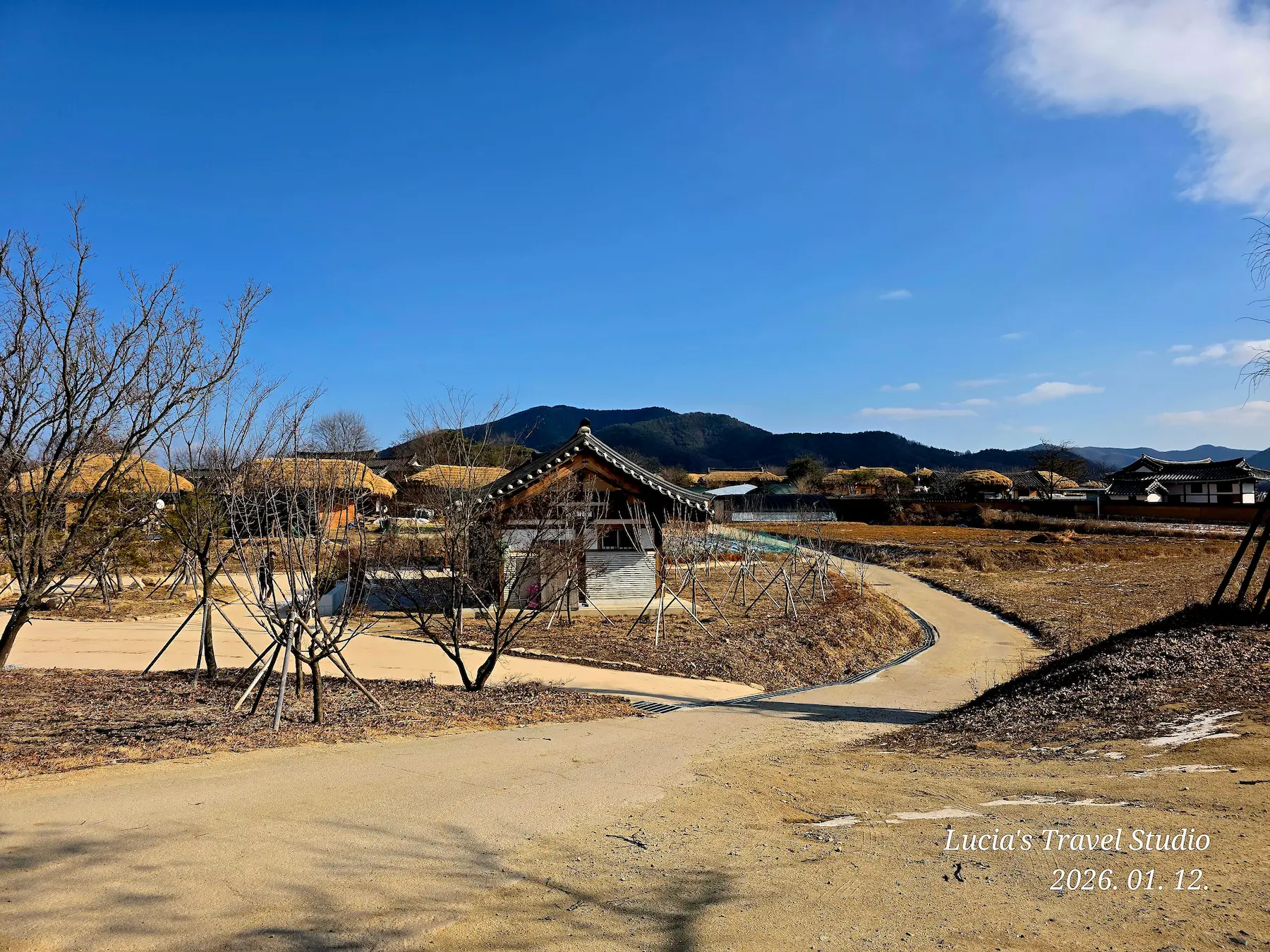
1)🏠 Waga (Tiled-Roof Houses) — The Yangban Houses of Hahoe
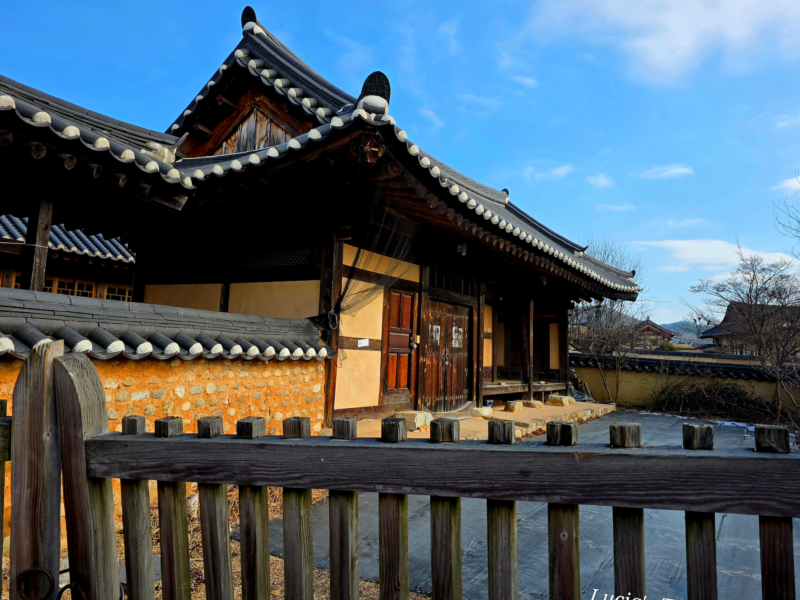
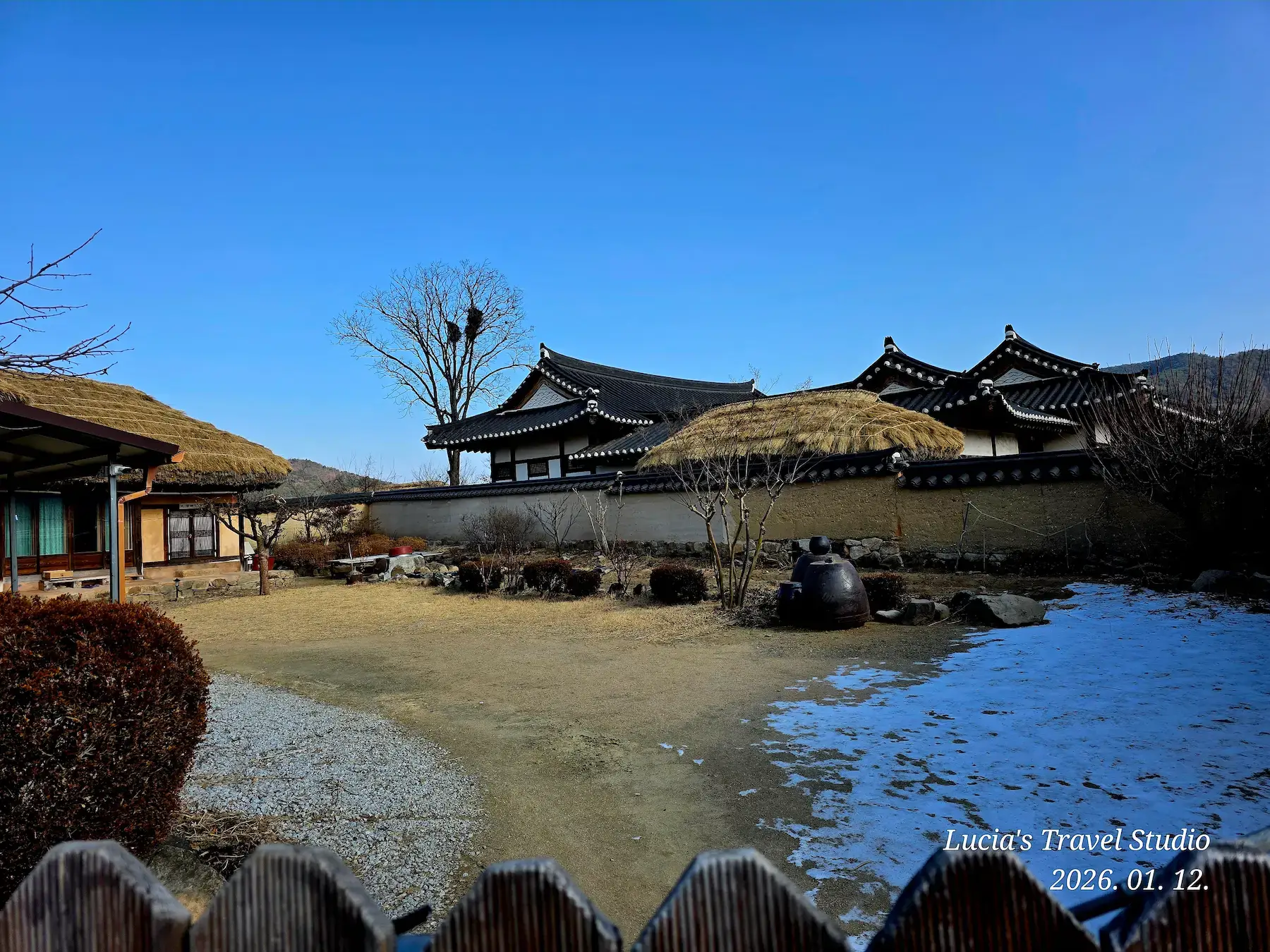
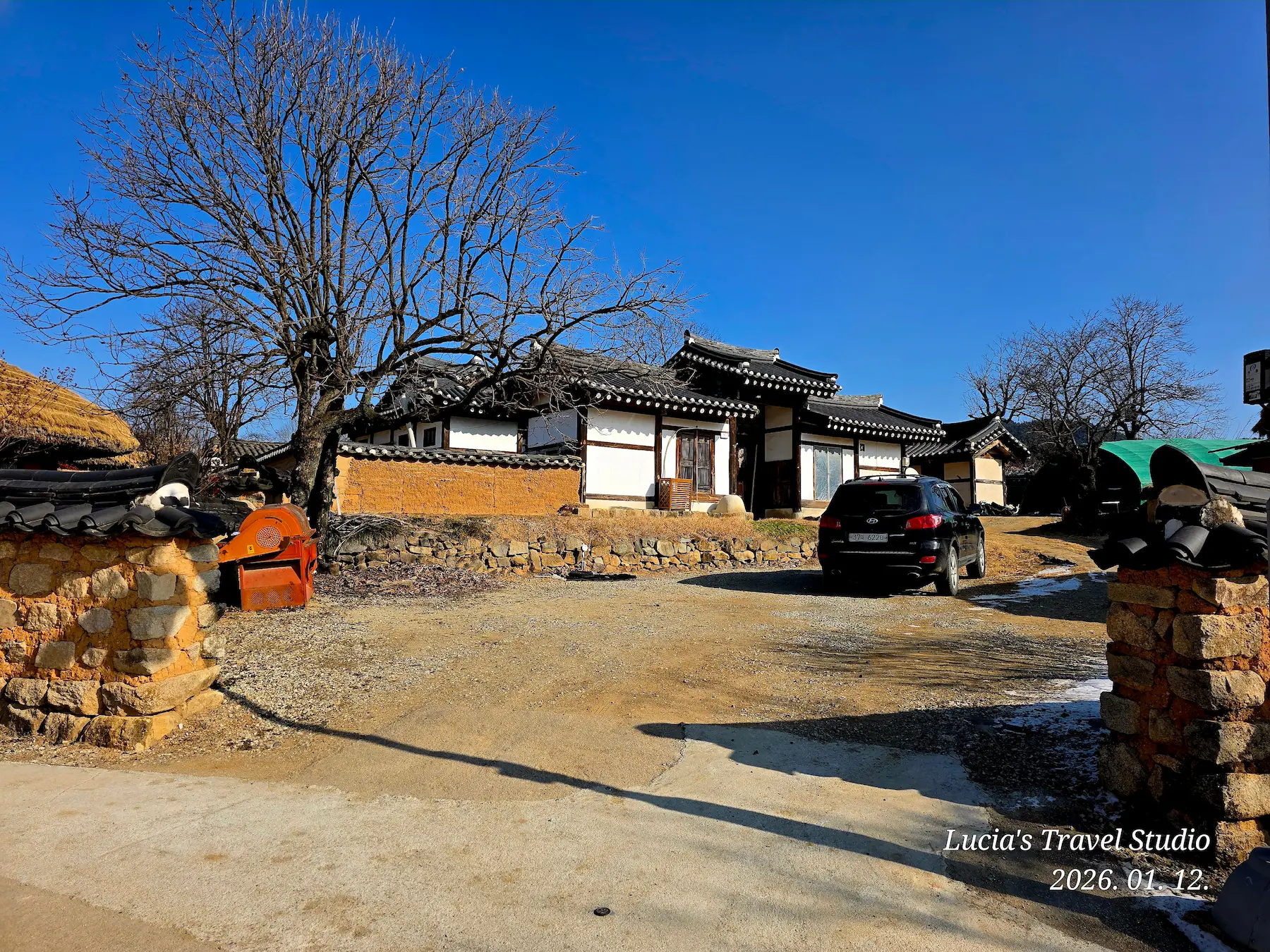
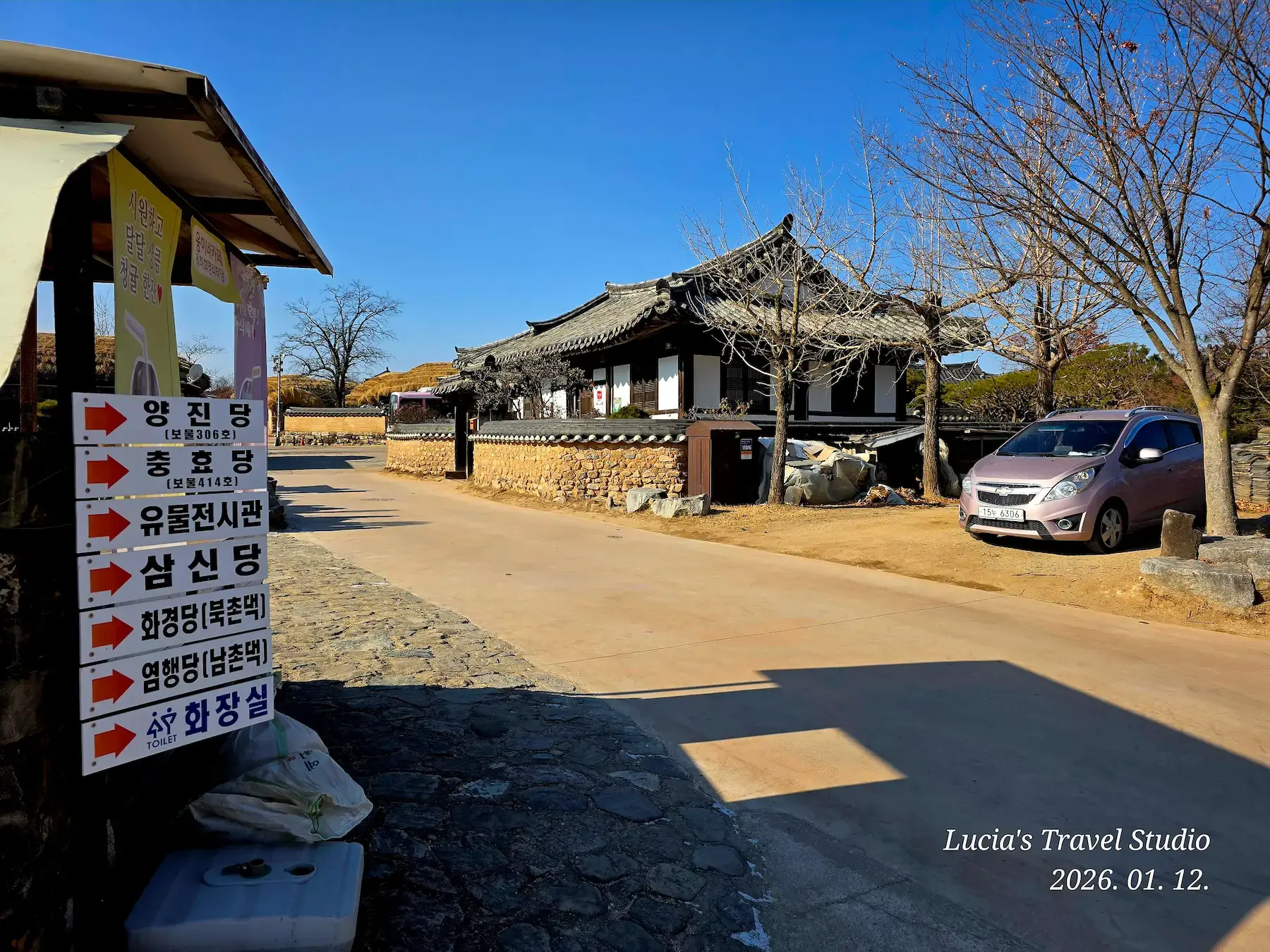
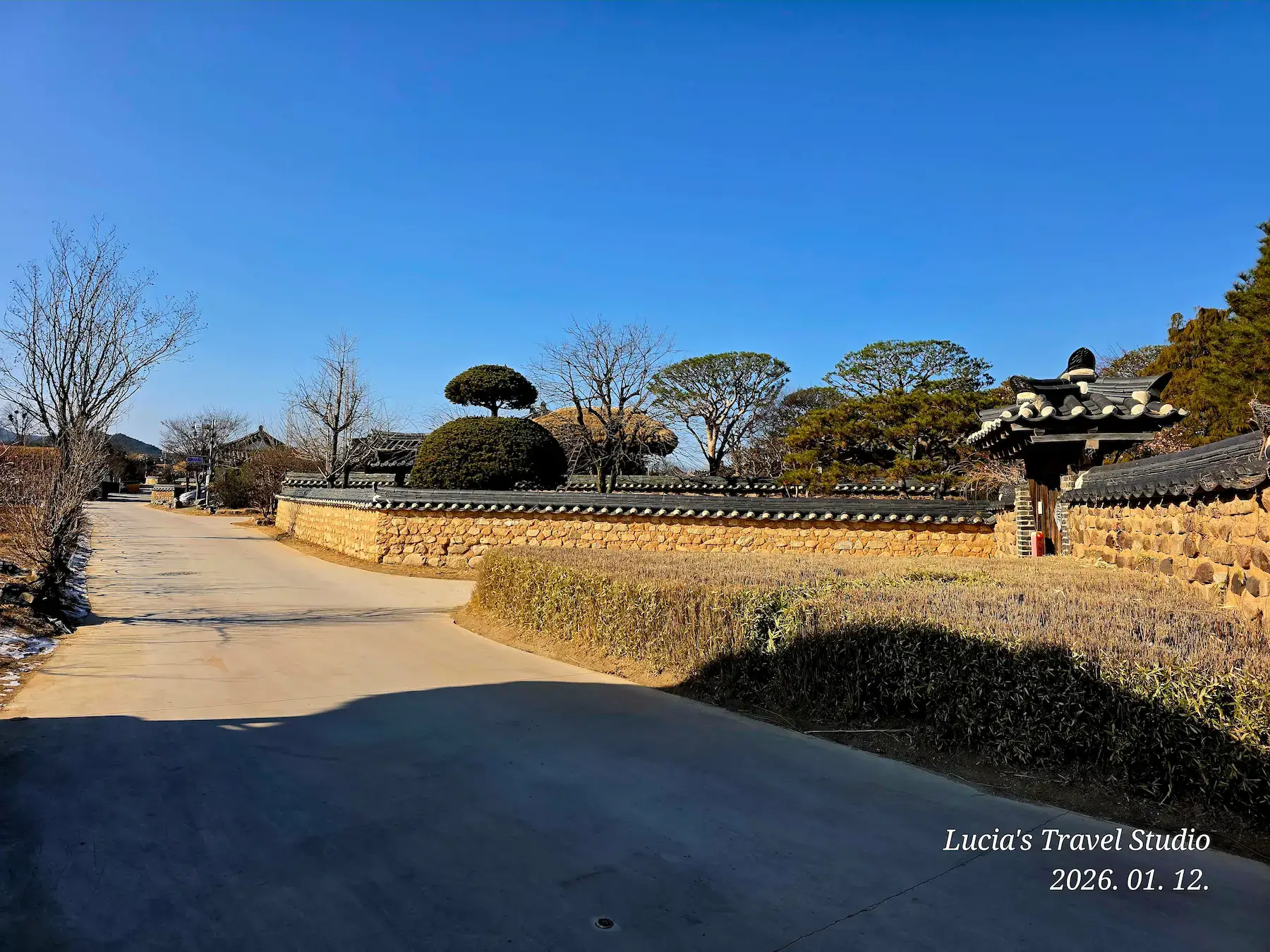
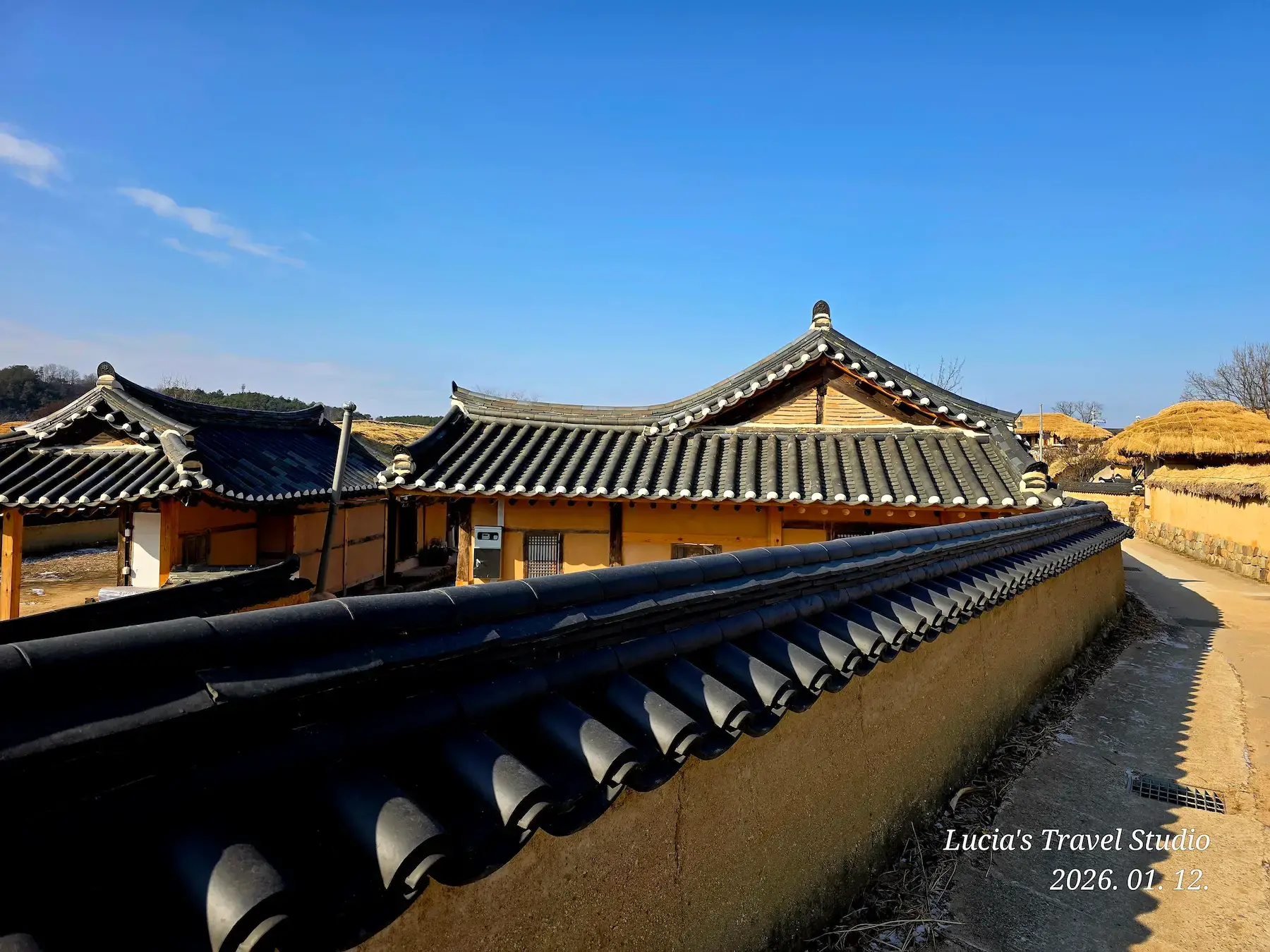
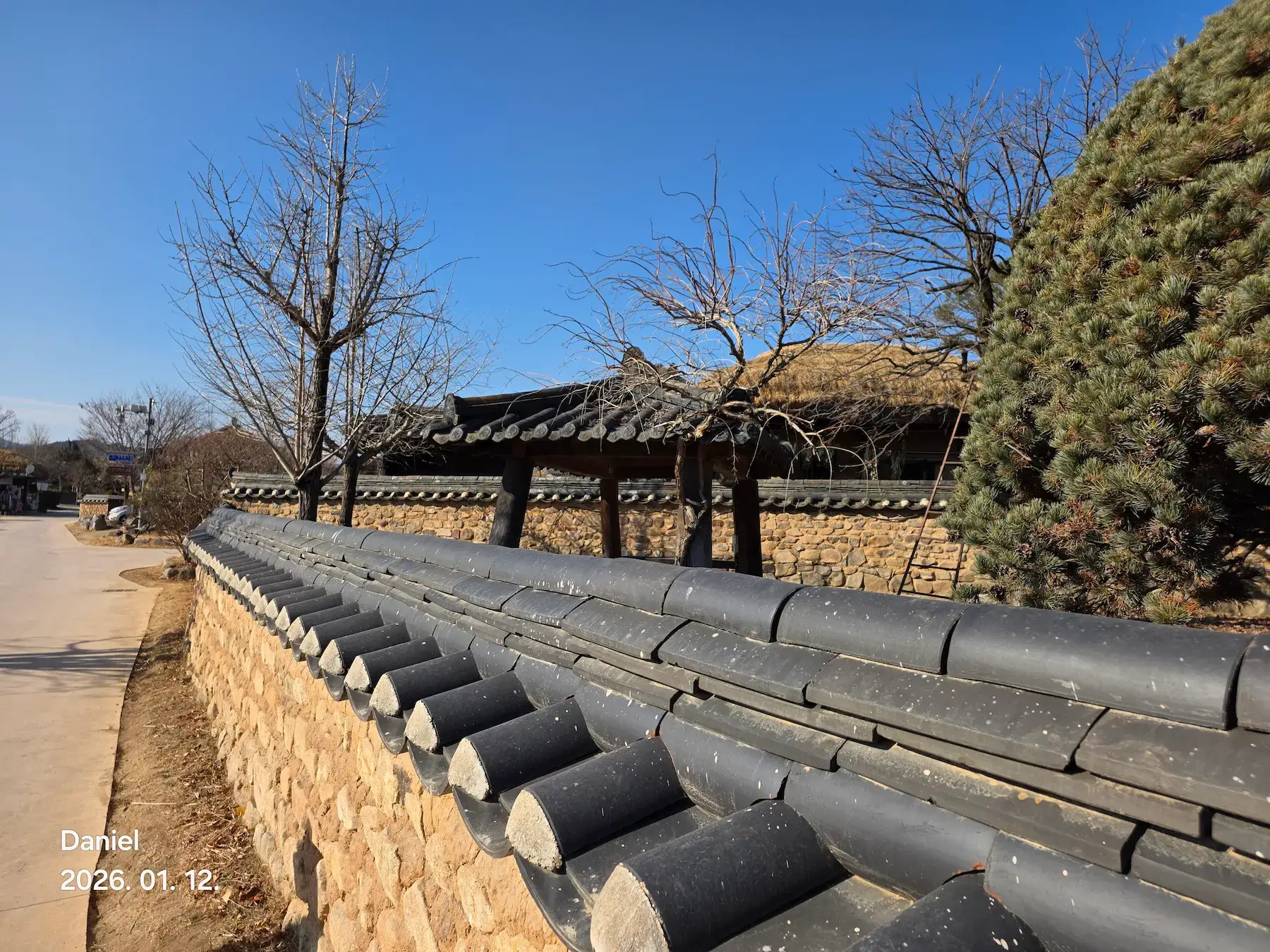
The waga, or tiled-roof houses, form the architectural and social core of Hahoe Village.
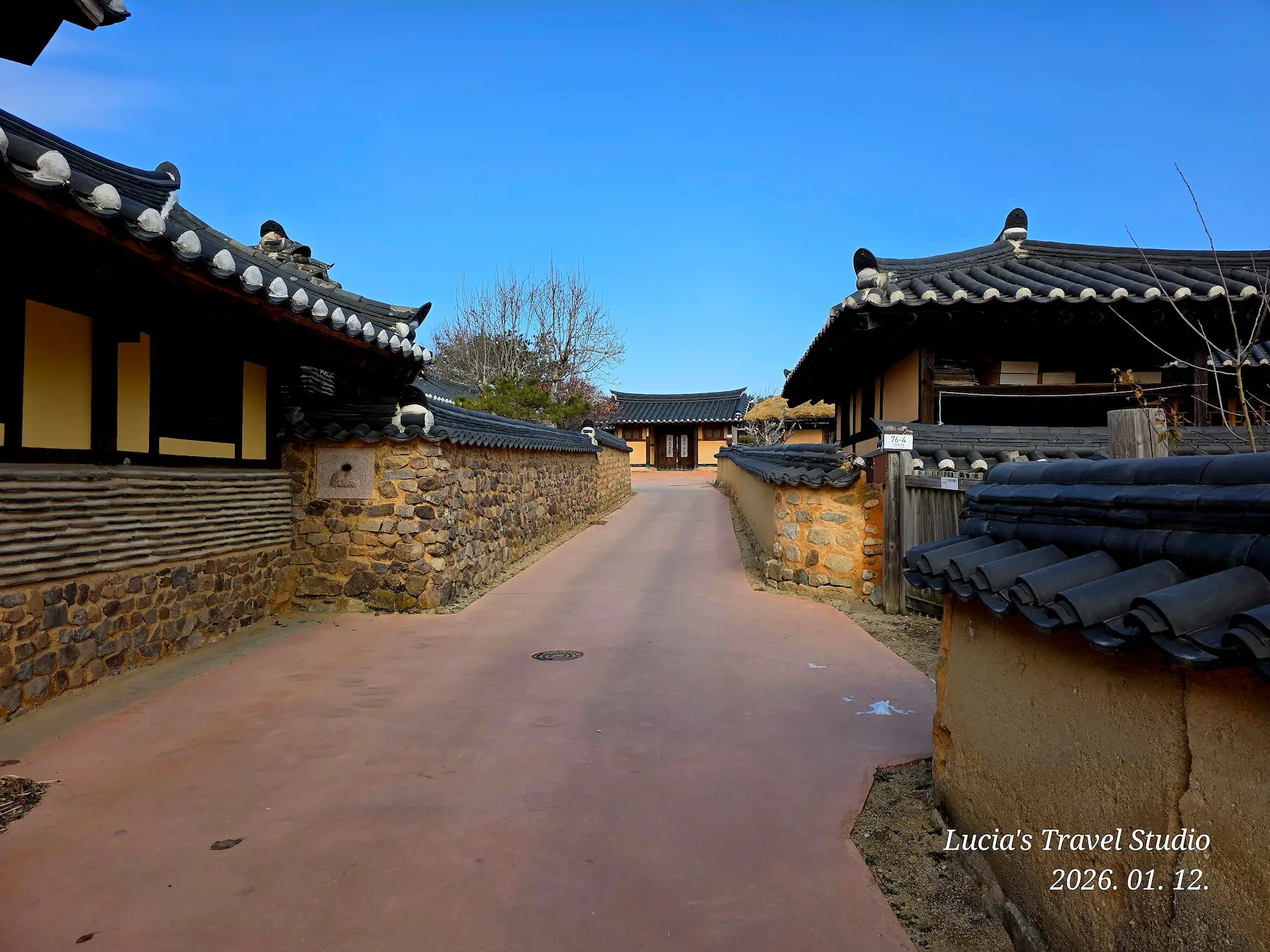
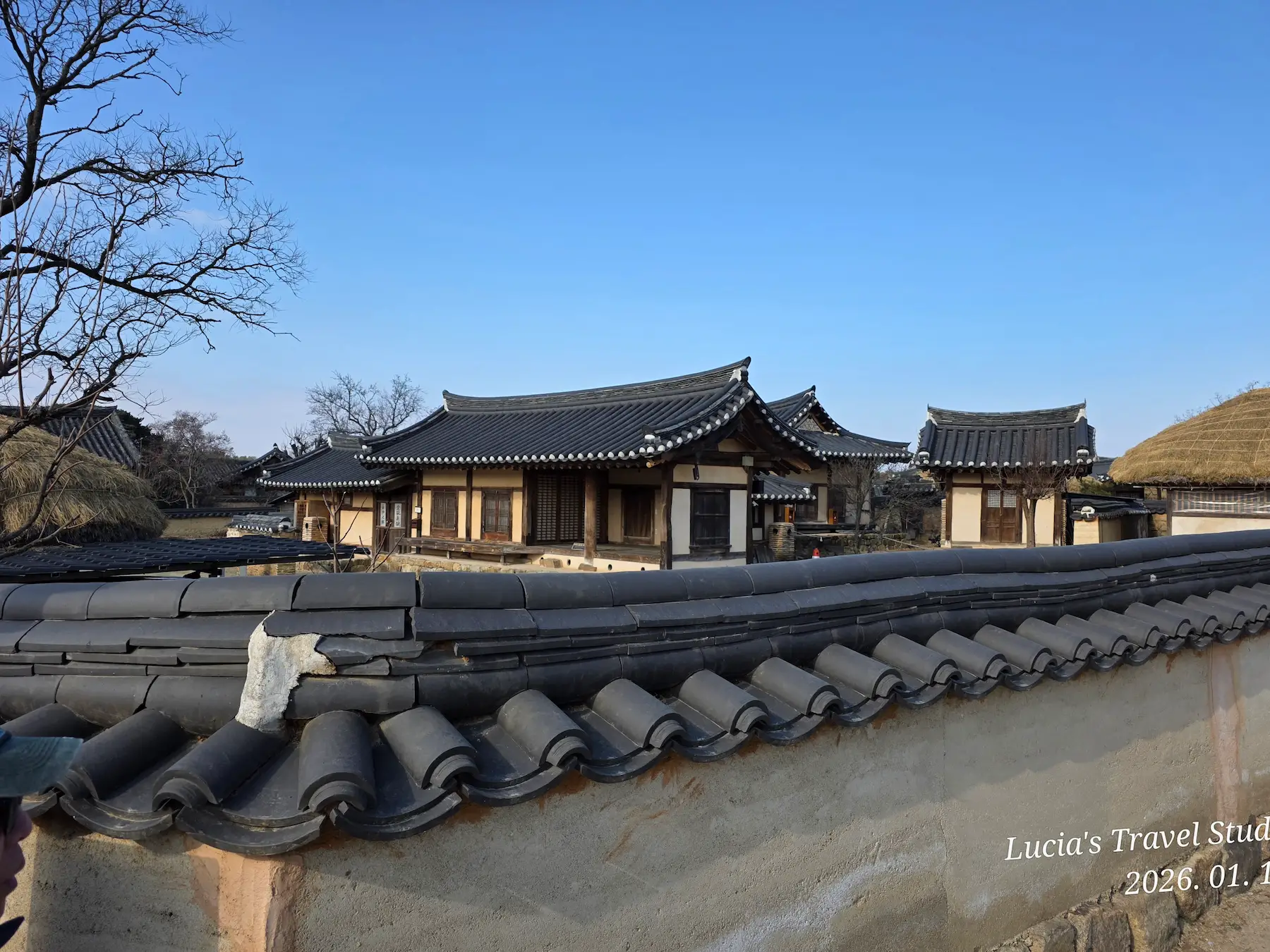
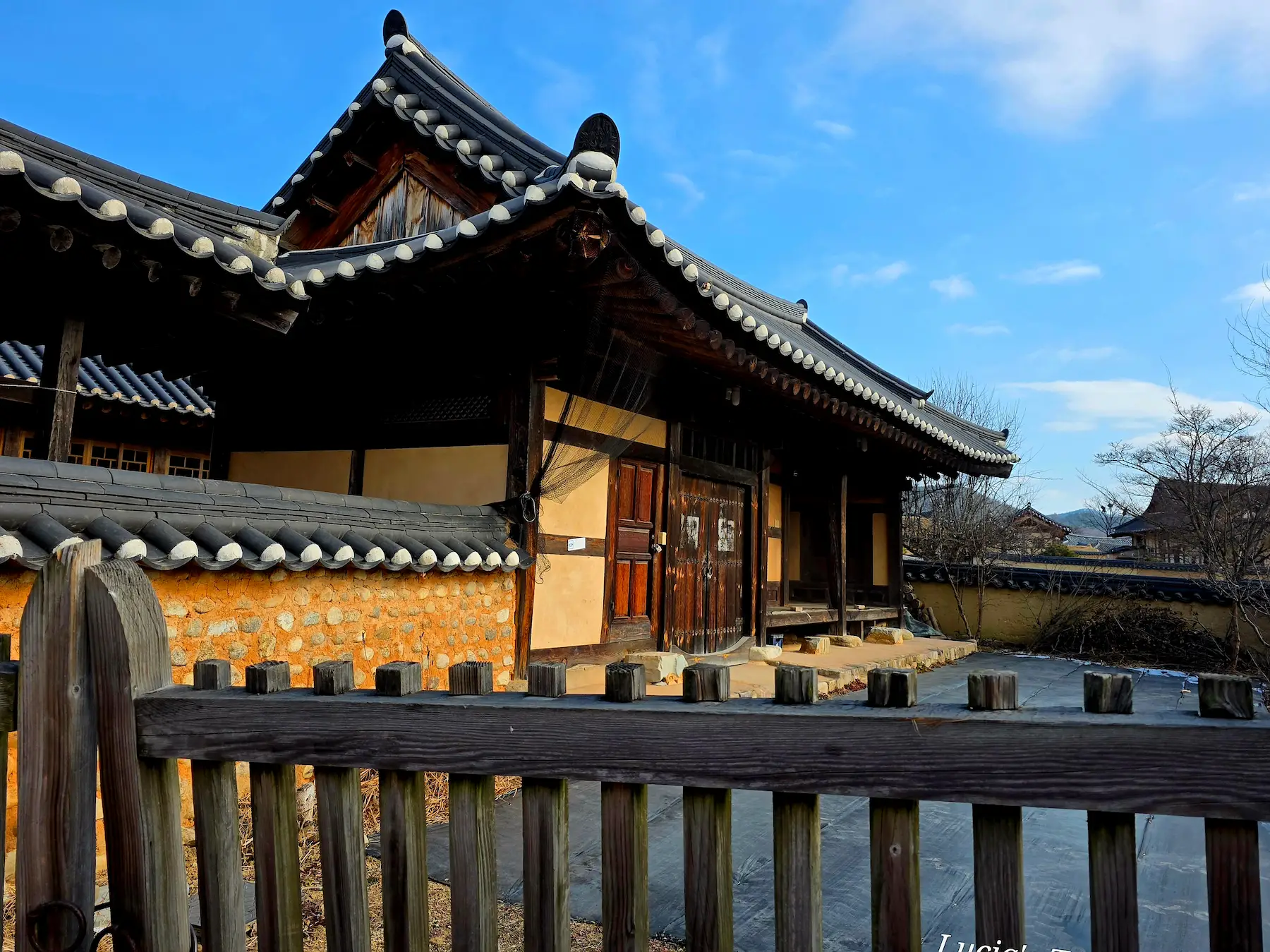
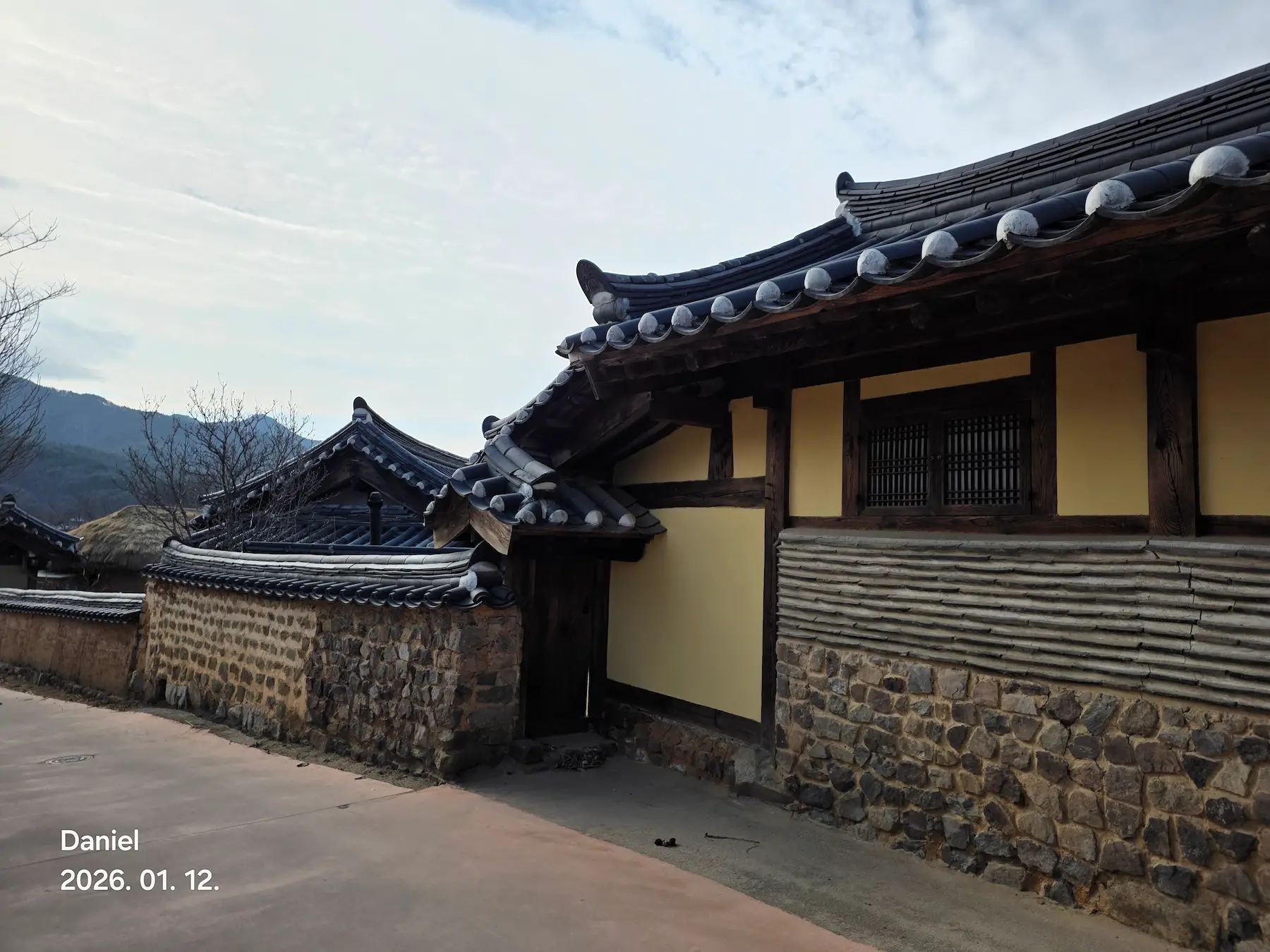
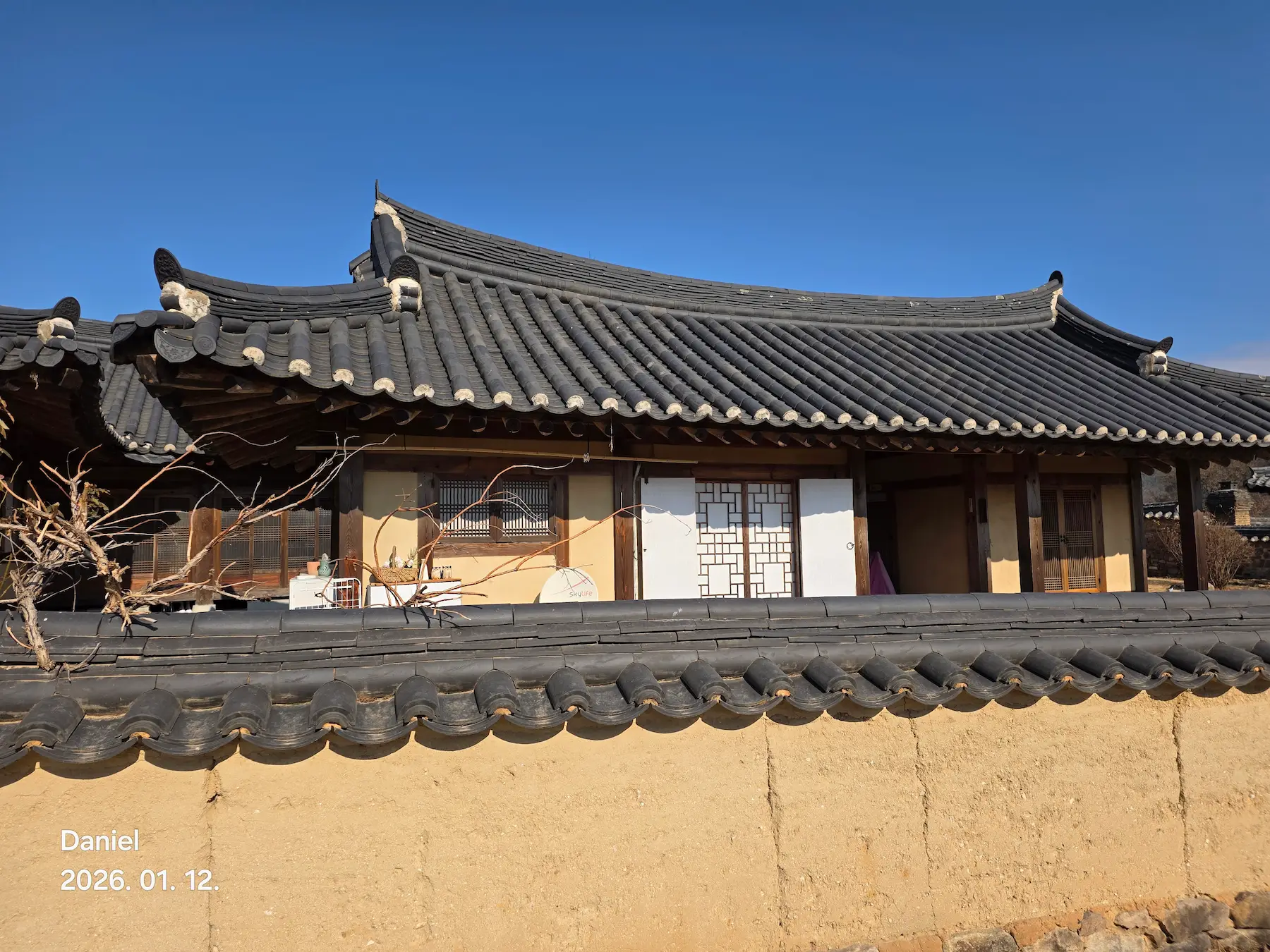
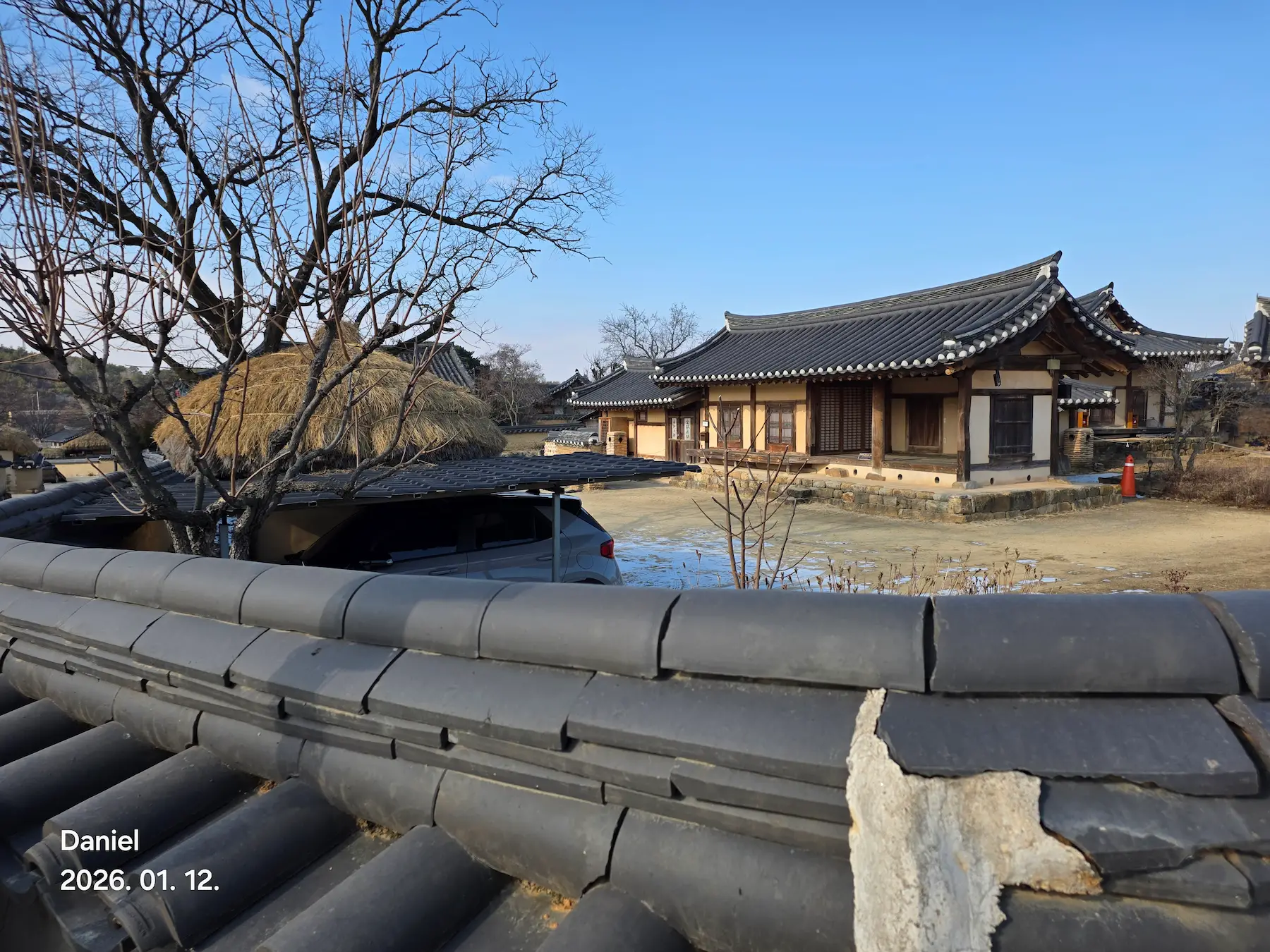
These were not ordinary residences, but the head houses of the Pungsan Ryu clan,
where authority, lineage, and responsibility converged.
The tiled-roof waga of Hahoe—including Chunghyodang, Yangjindang, Yangodang, and Banyeonjeongsa—
quietly anchor the village’s social order.
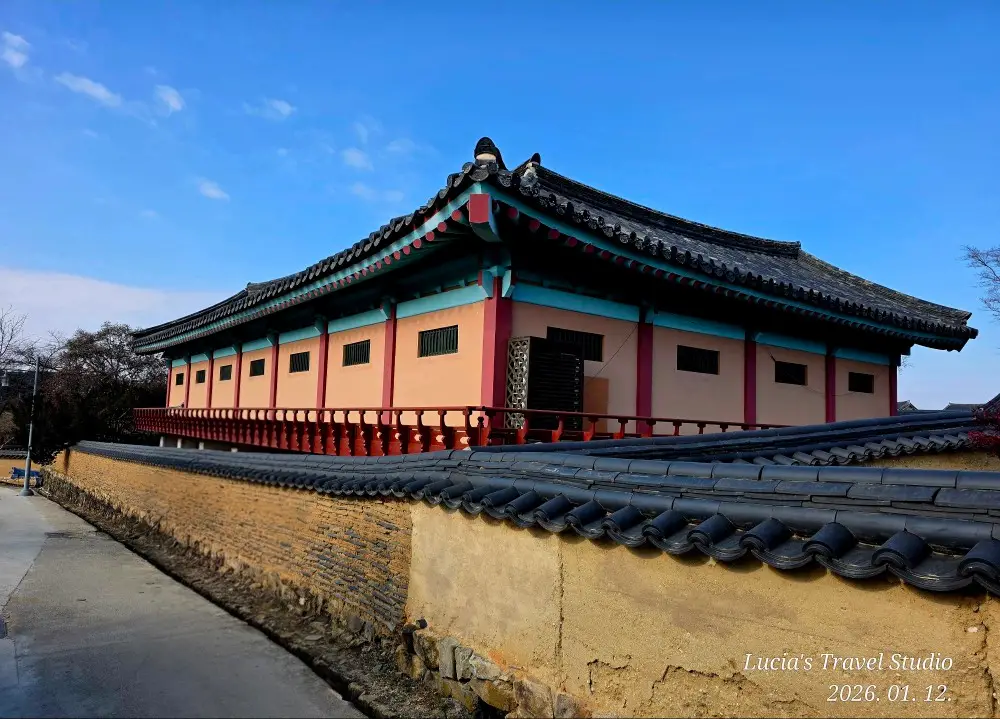
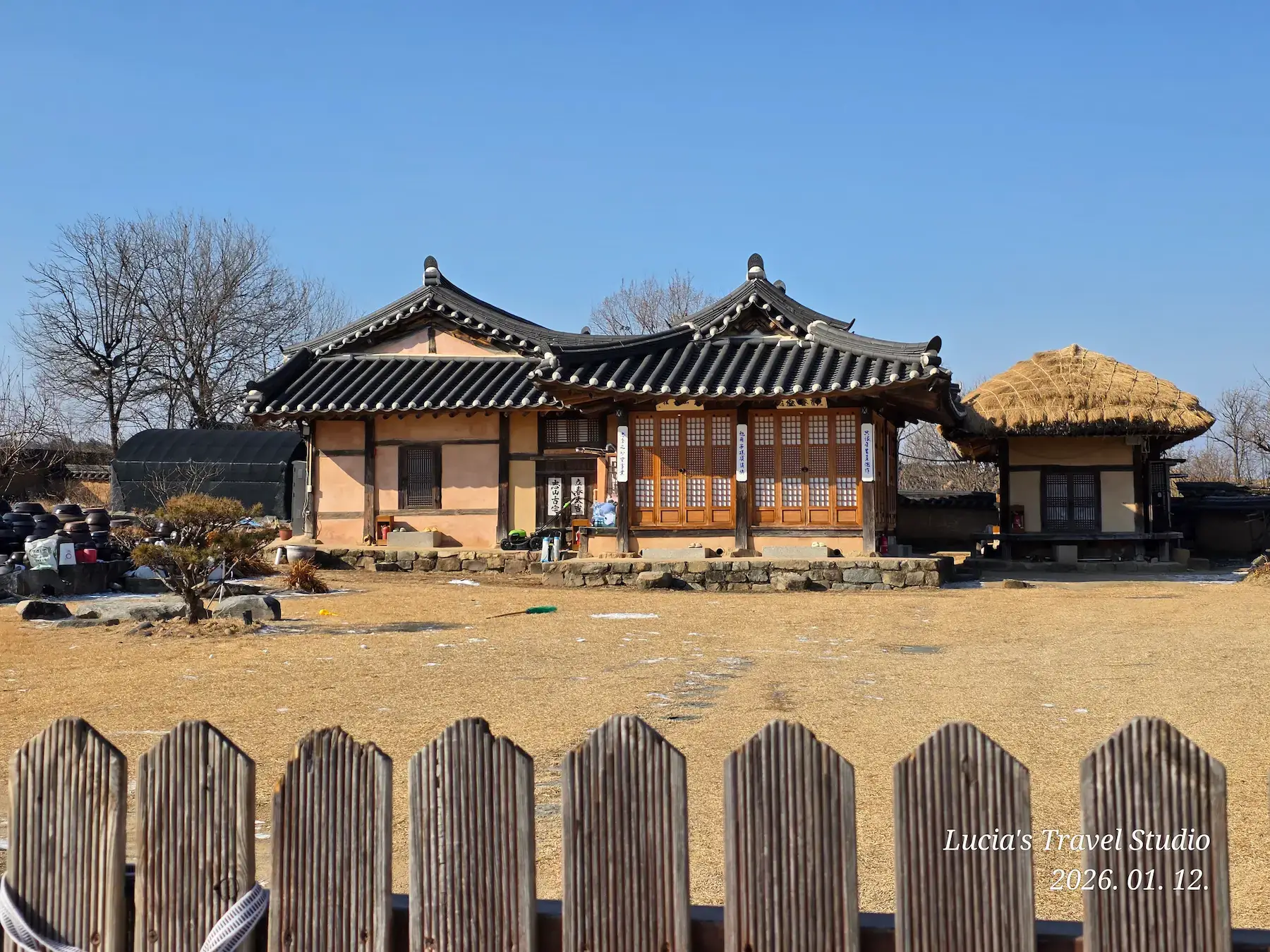
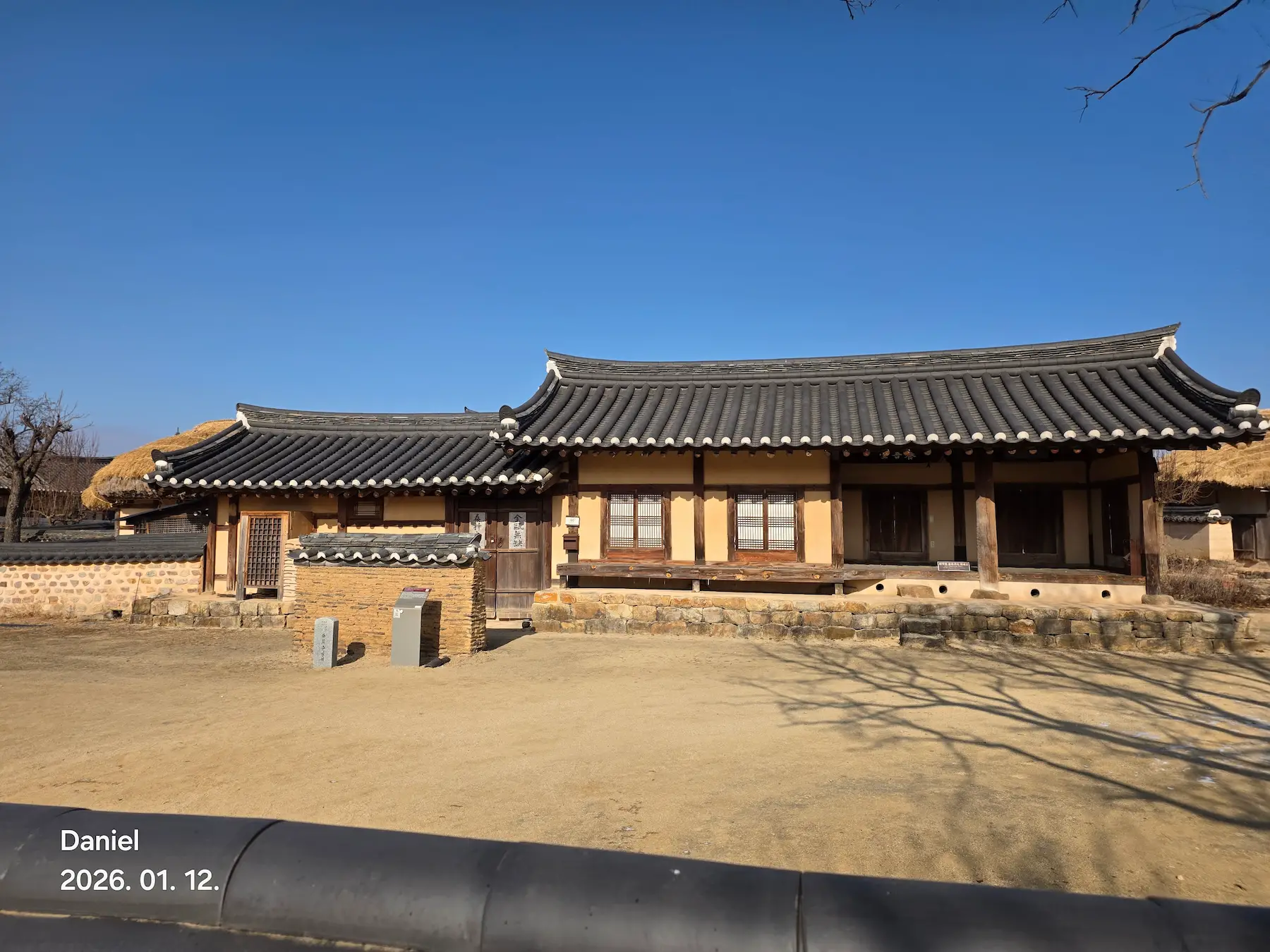
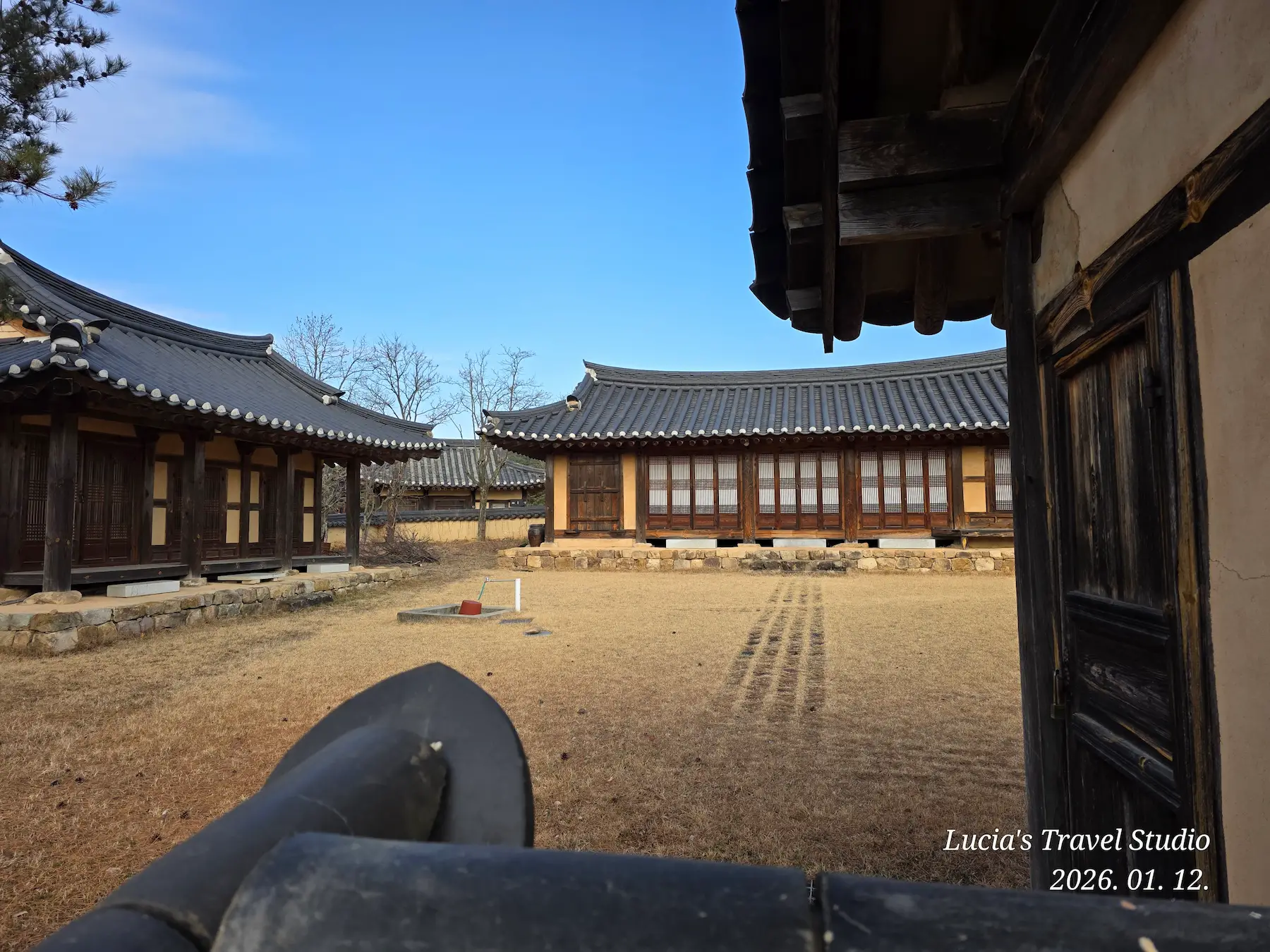
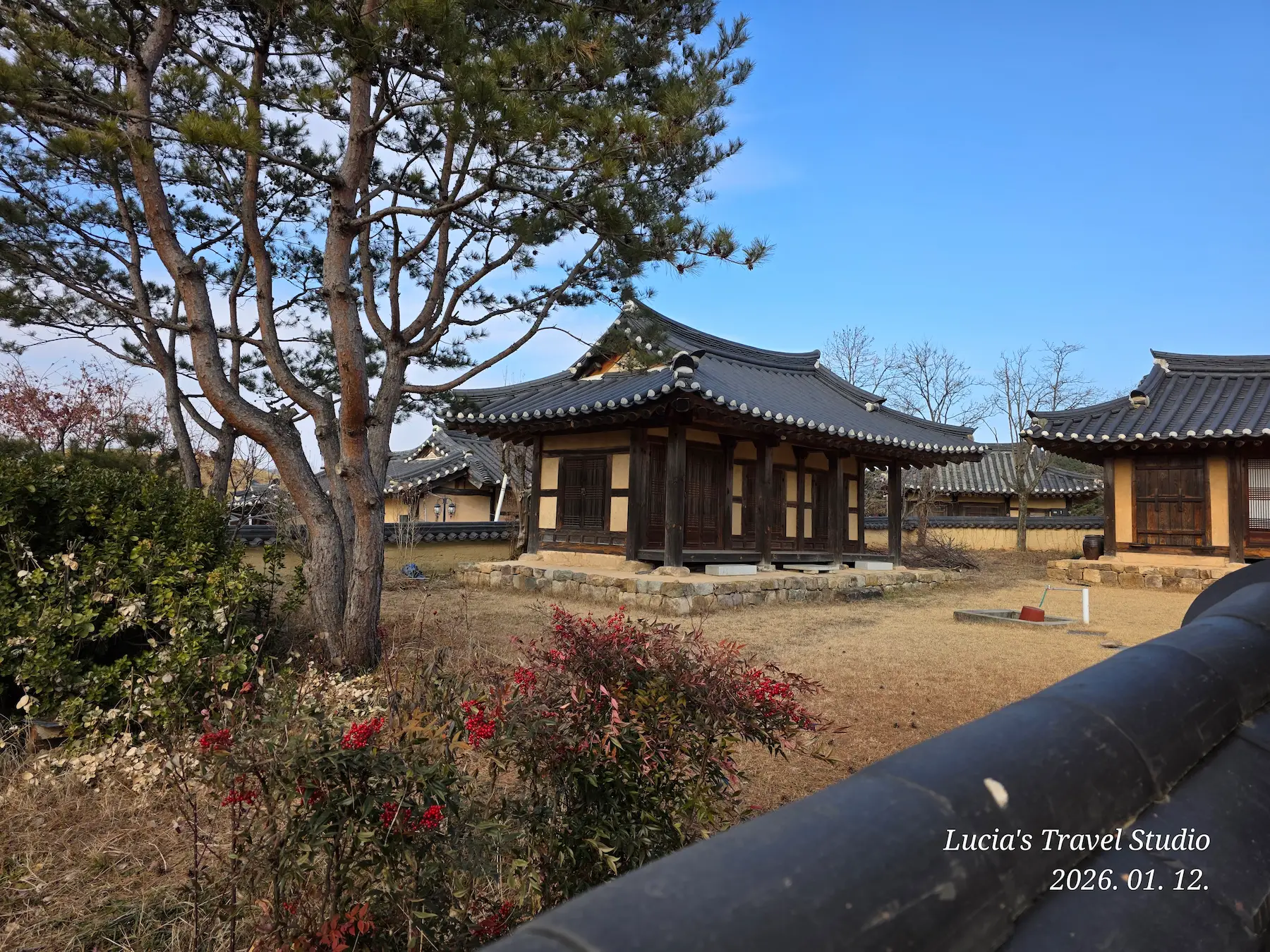
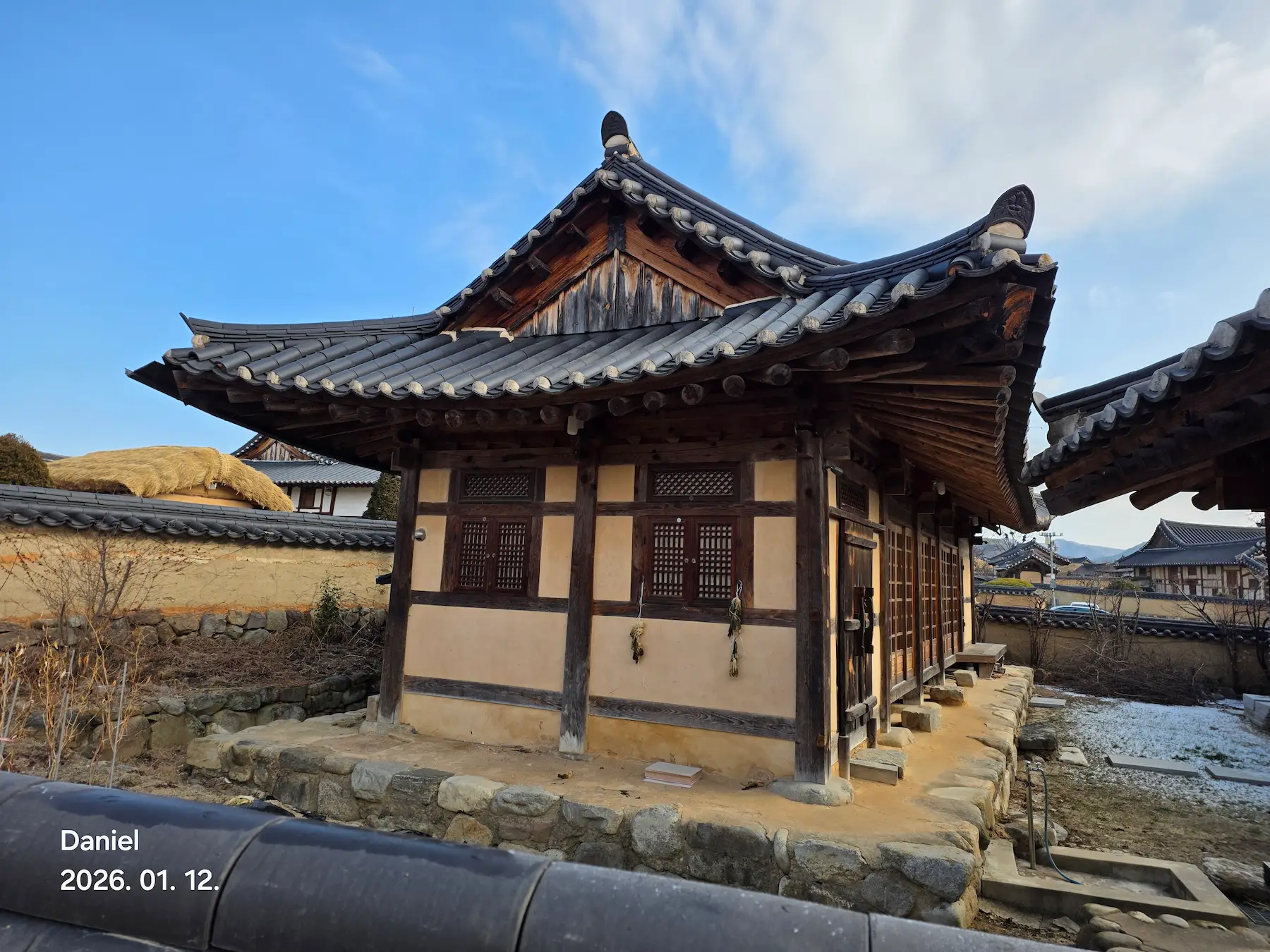
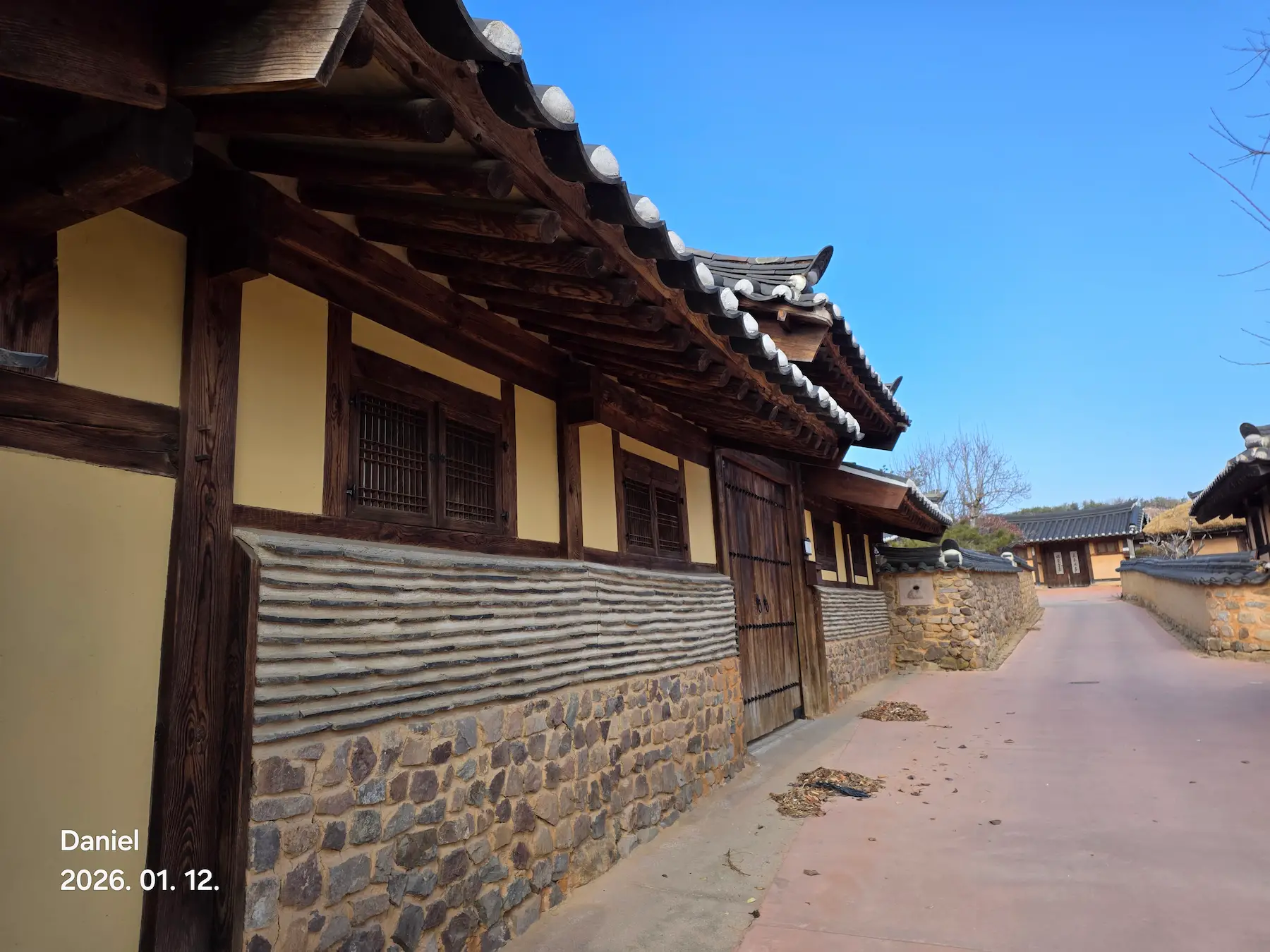
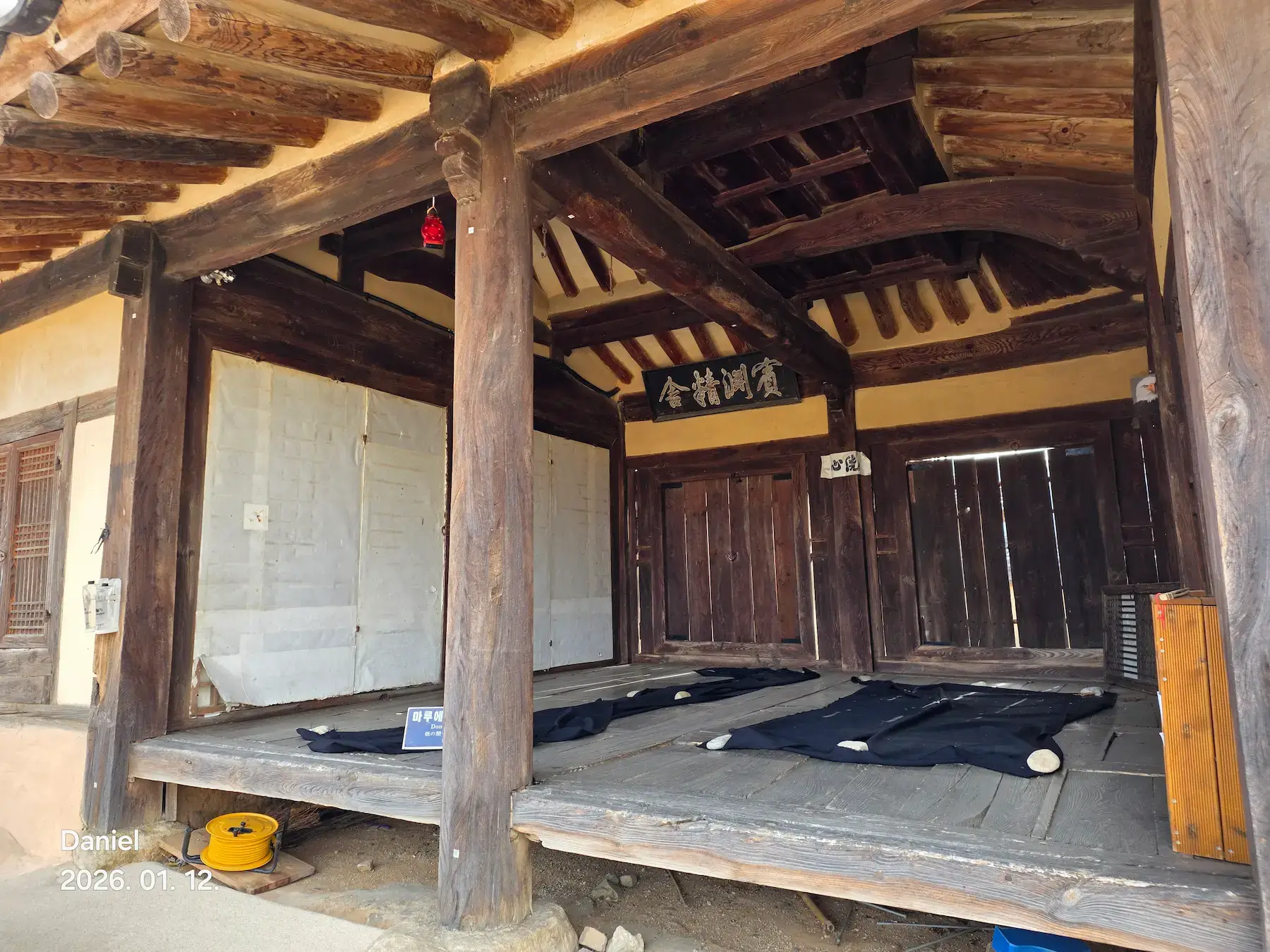
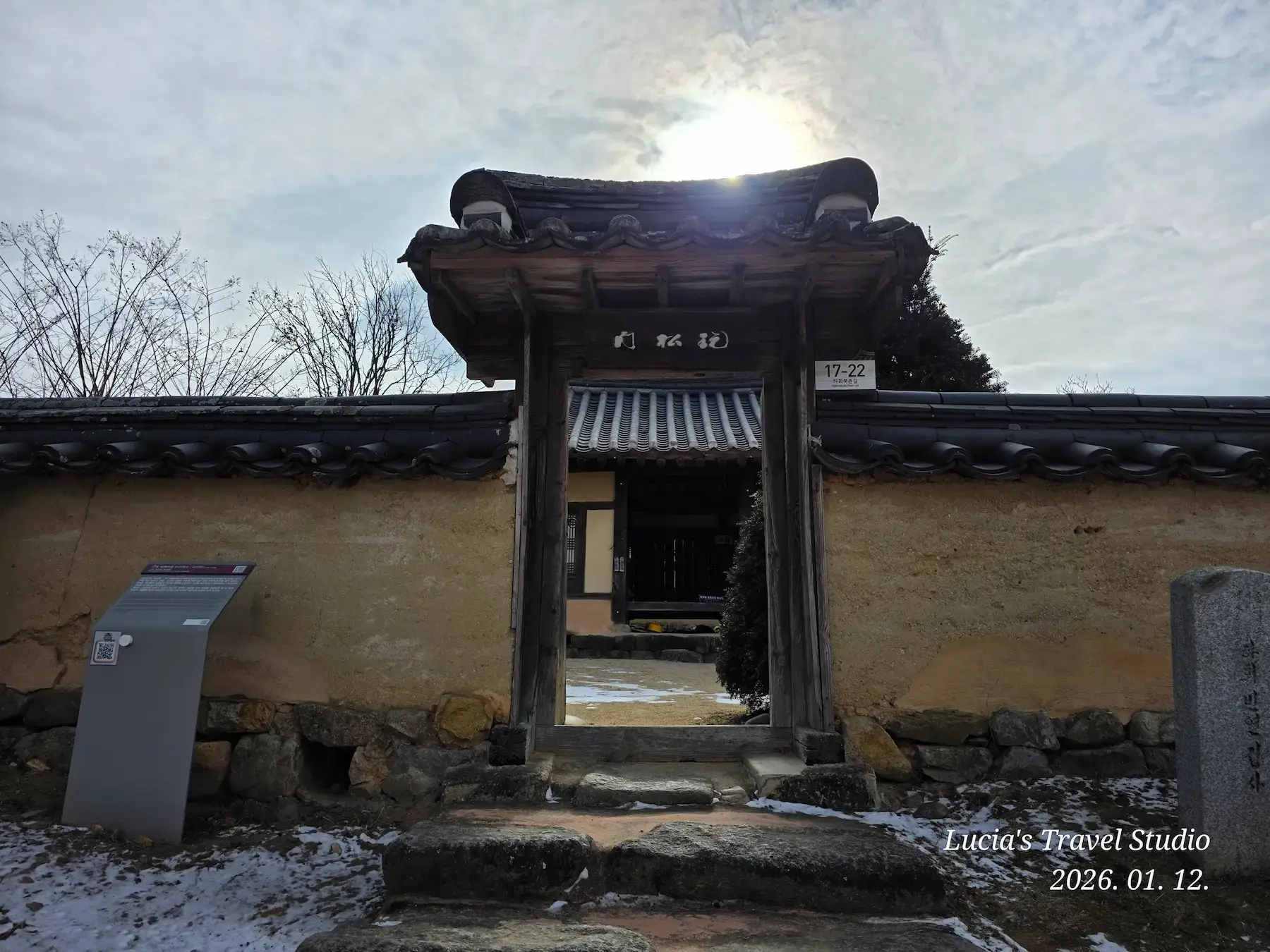
Each house carries its own history, but together they function as a single system:
the waga, where Joseon values were lived, not displayed.
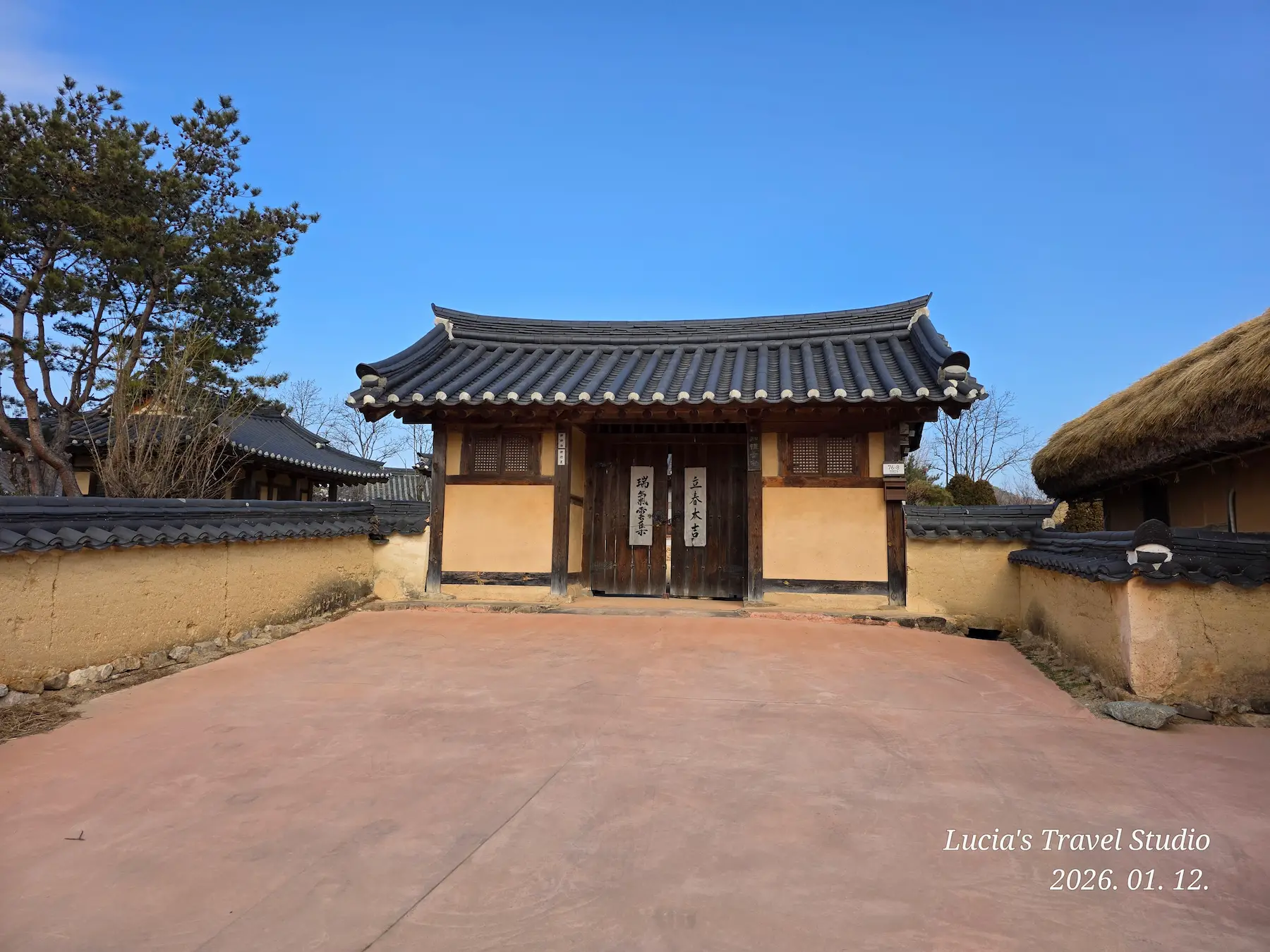
2)🚪 Soseul Daemun (Raised Entrance Gate)
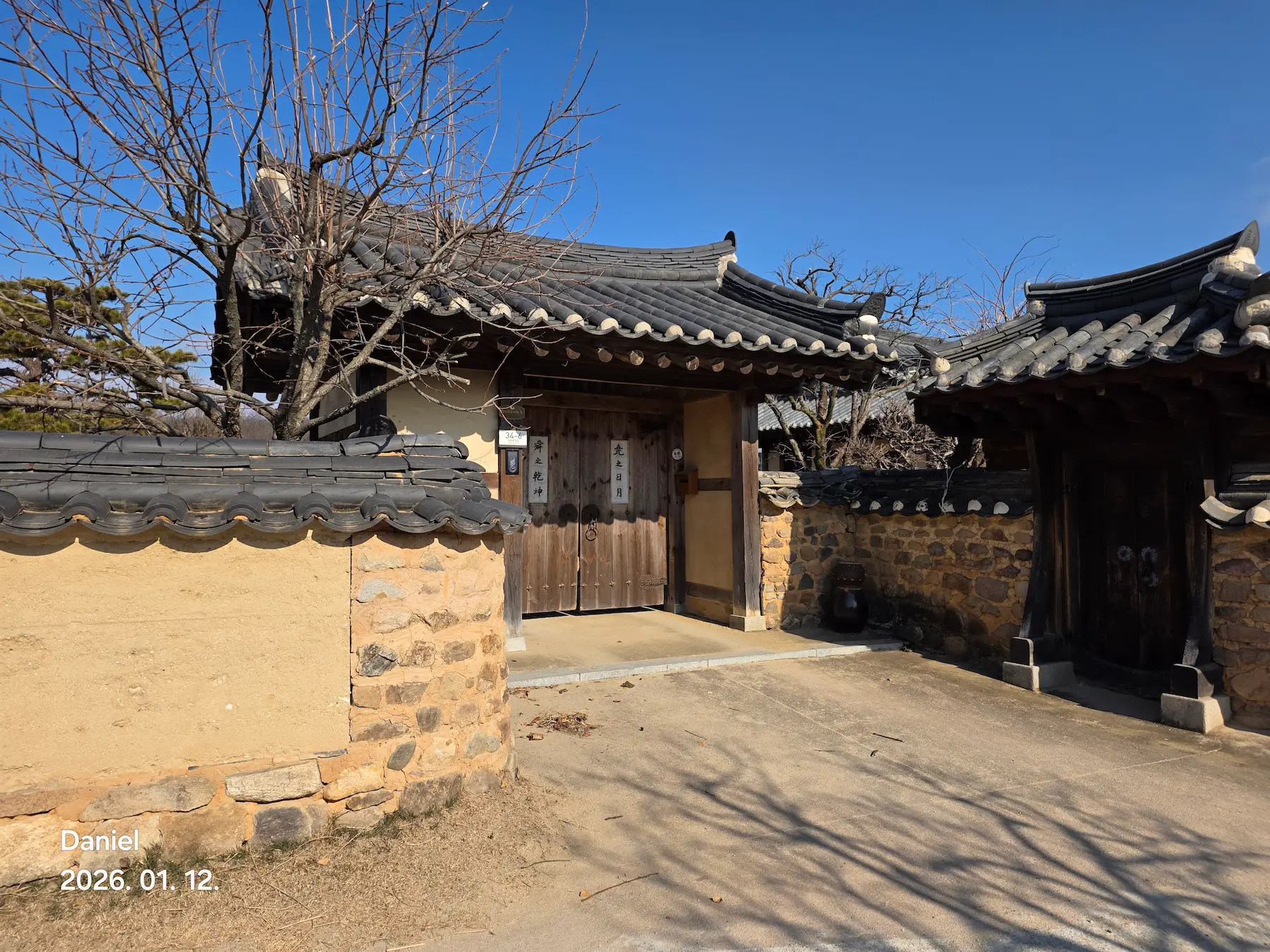
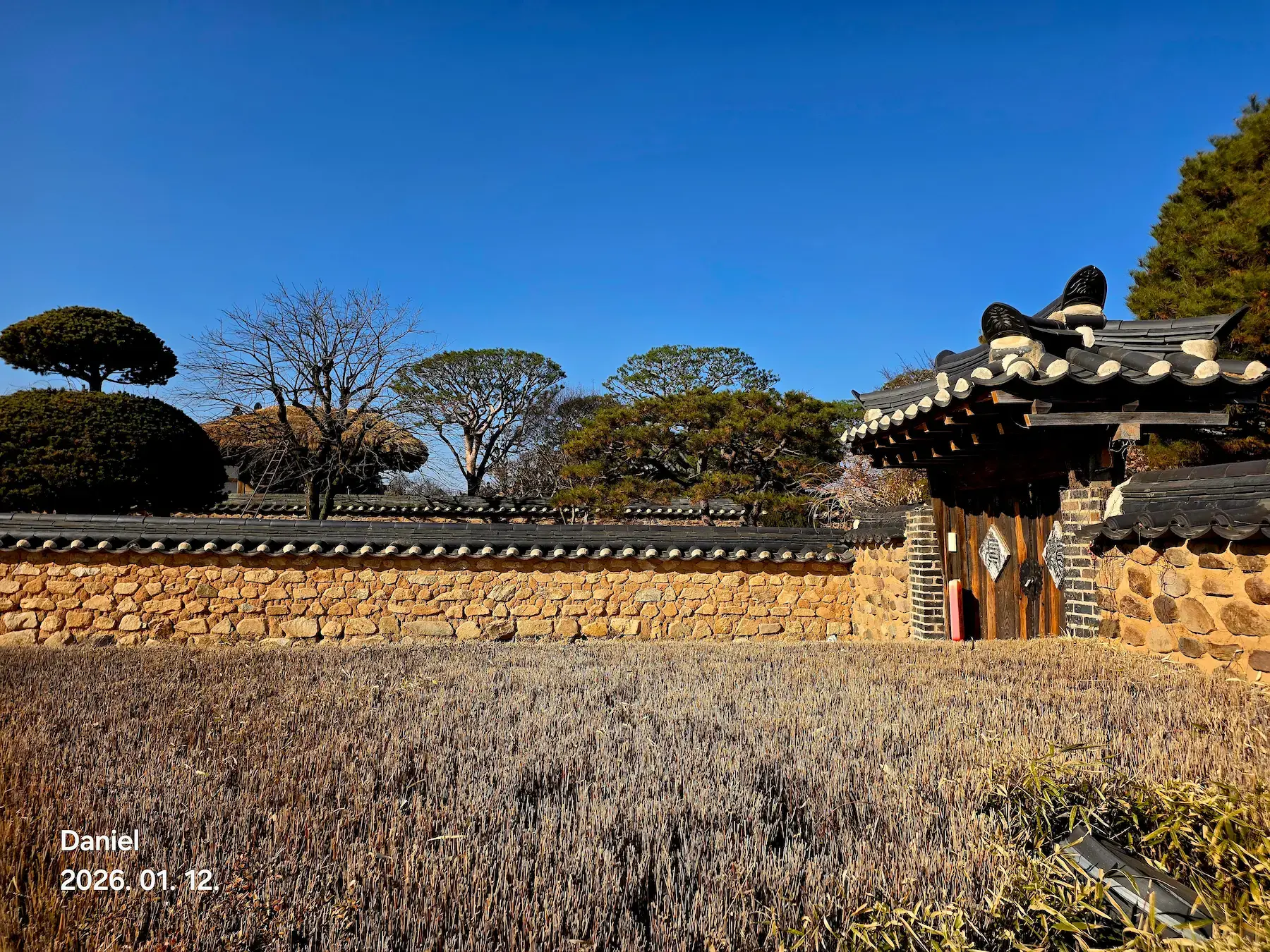
Marking the entrance to many waga is the Soseul Daemun.
Soseul means “raised” or “soaring”
Daemun means “main gate”
Unlike a flat gate, the roof of a Soseul Daemun rises above
the adjacent servants’ quarters (haengrangchae).
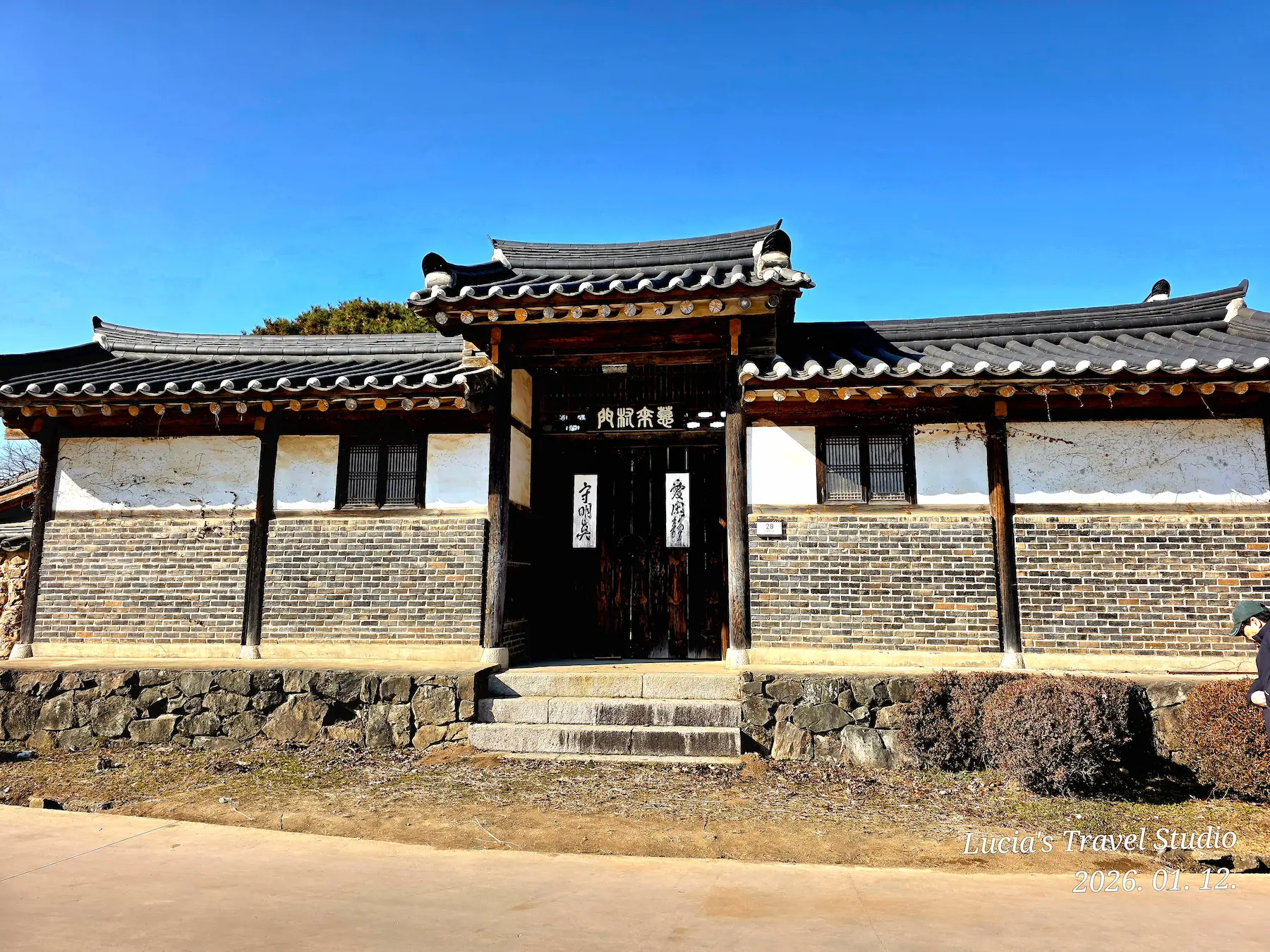
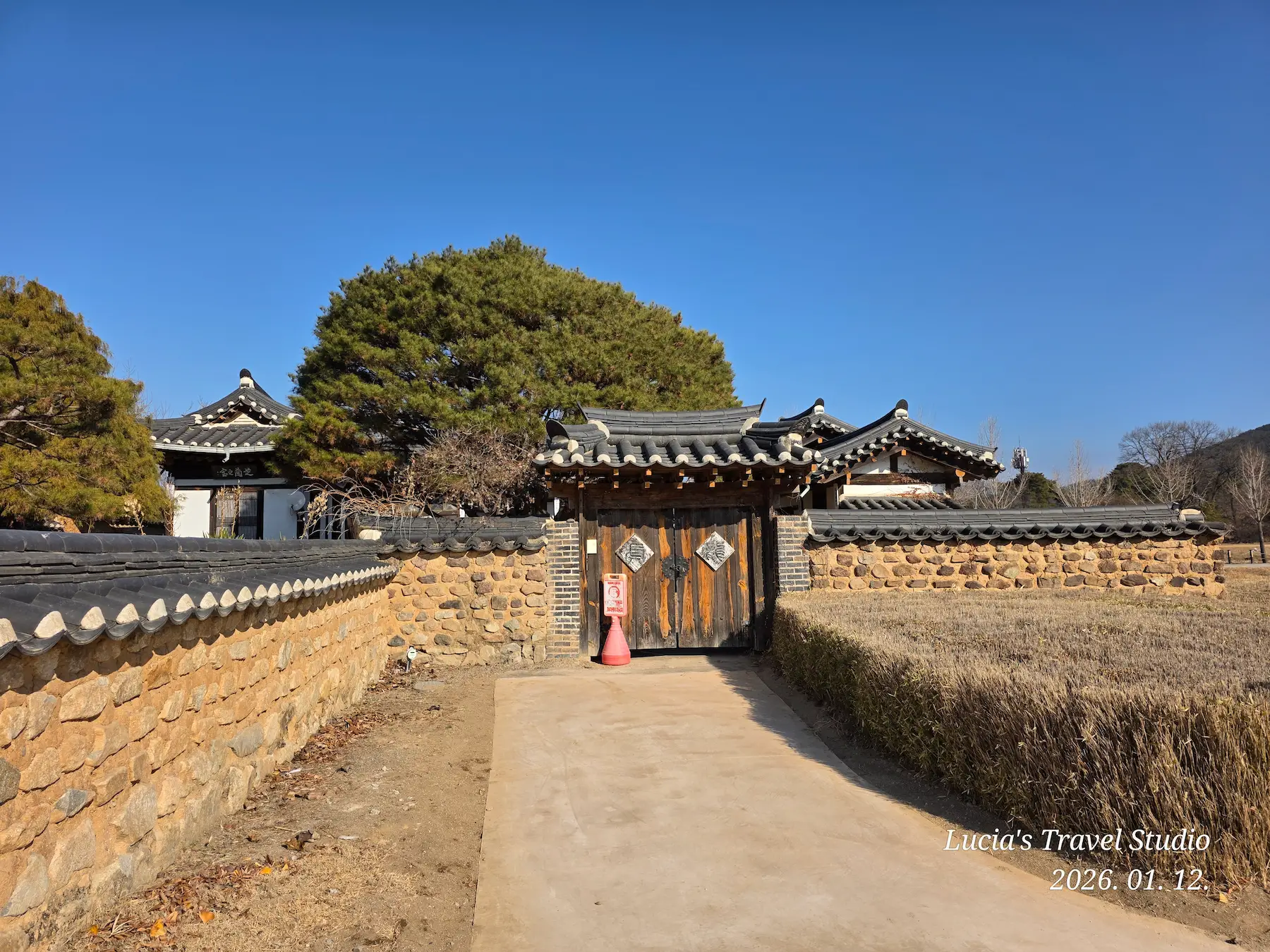
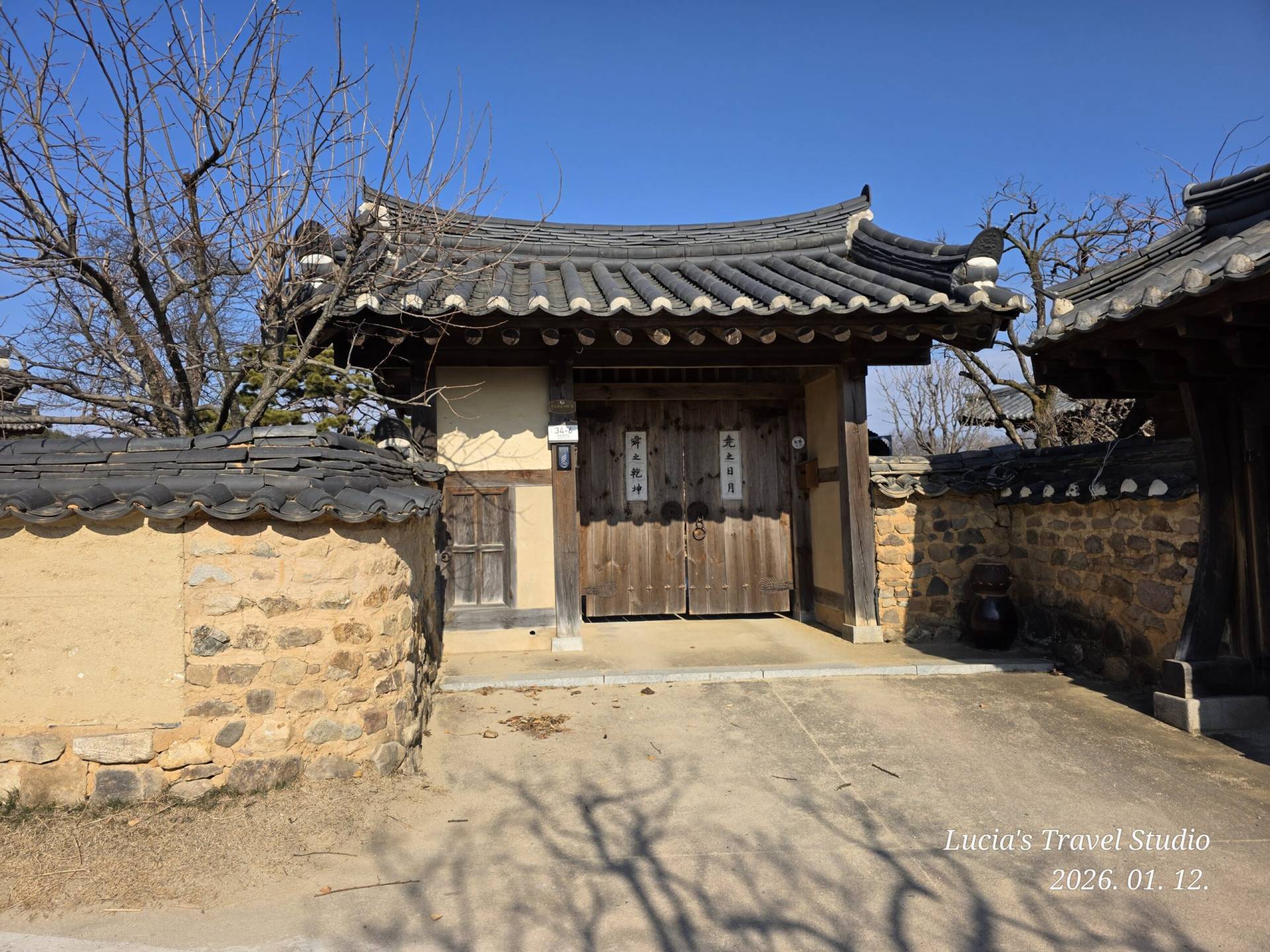
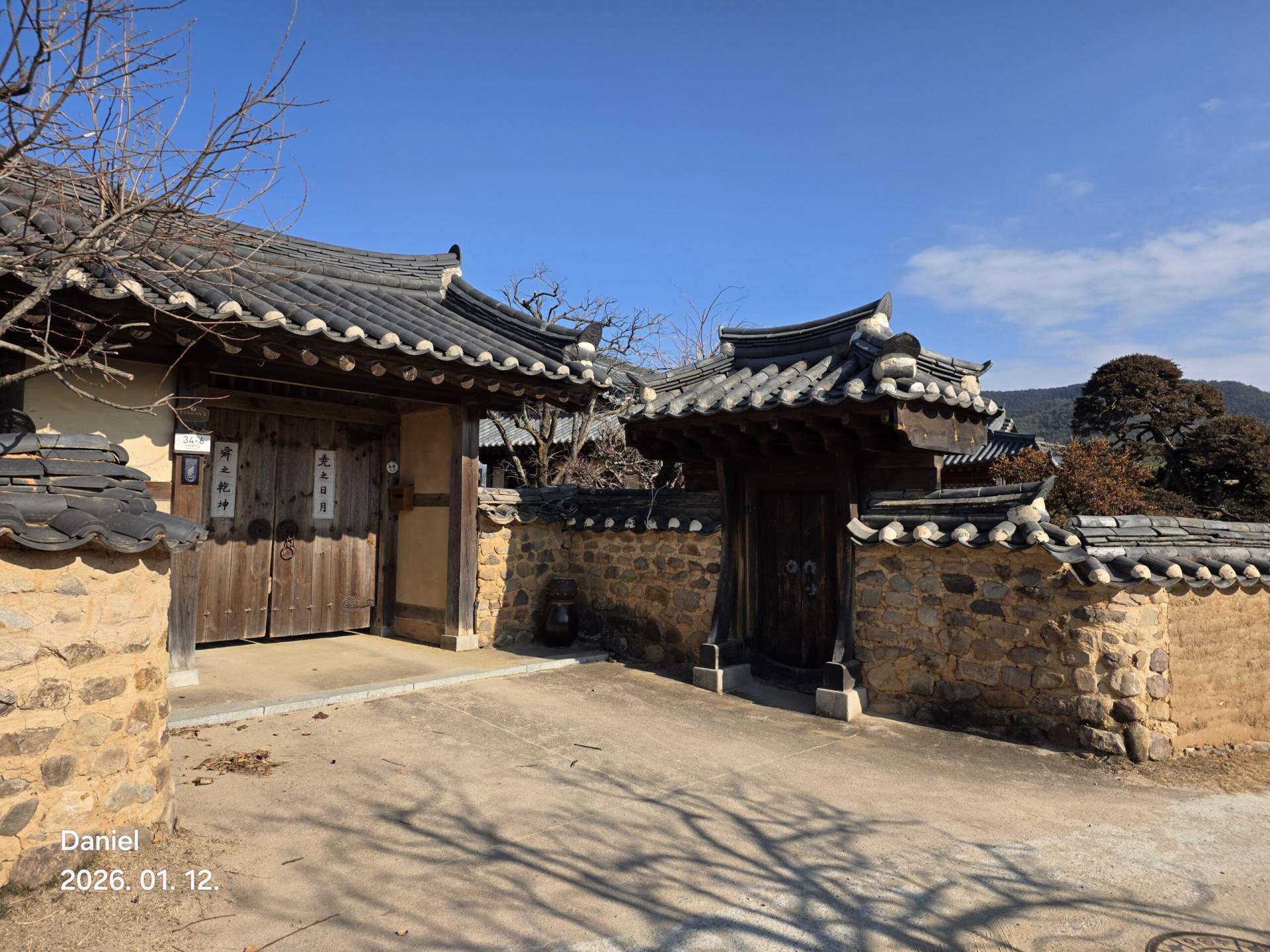
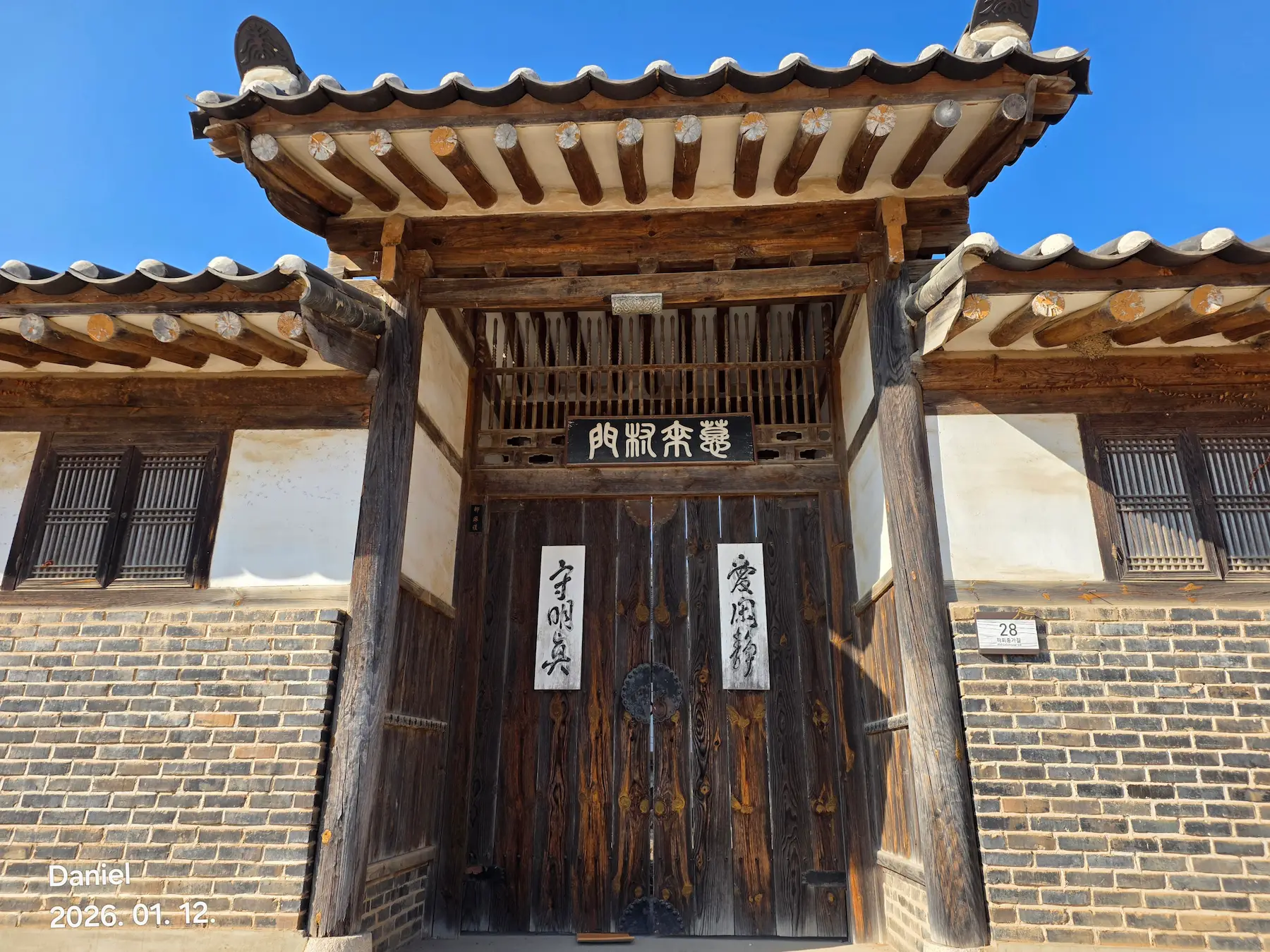
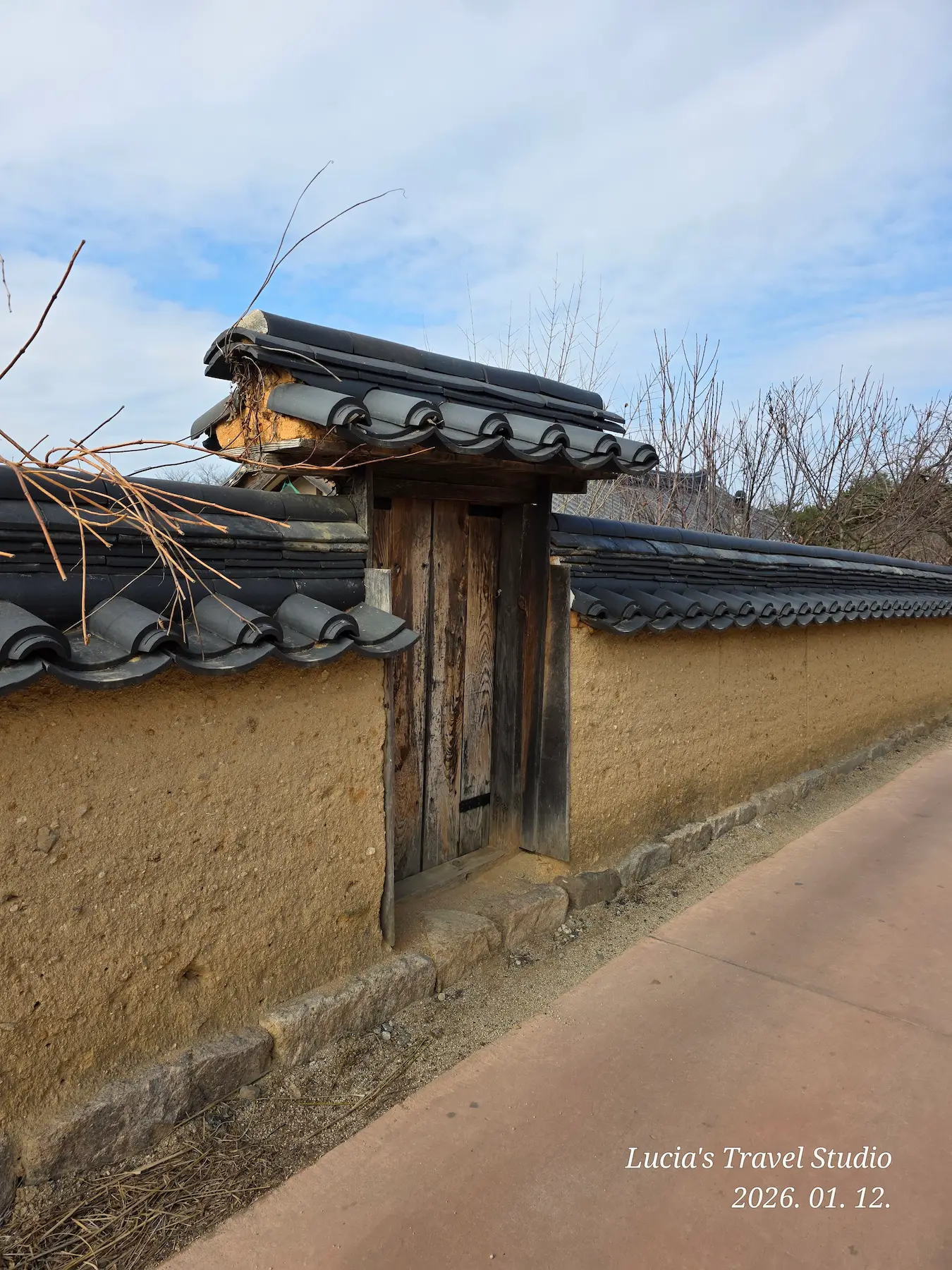
Its meaning was immediate:
Status and authority
In the Joseon period, gate height reflected social rank.
A Soseul Daemun signaled a household of high-ranking officials or prominent yangban lineage.Practical function
Officials often traveled on horseback or in sedan chairs (palanquins).
The raised roof allowed them to pass through without dismounting or lowering their heads.Architectural presence
The stepped roofline adds rhythm and dignity, breaking the monotony of long outer walls.
Before a word was spoken, the gate had already explained who lived inside.
3)🌾 Choga (Thatched-Roof Houses)
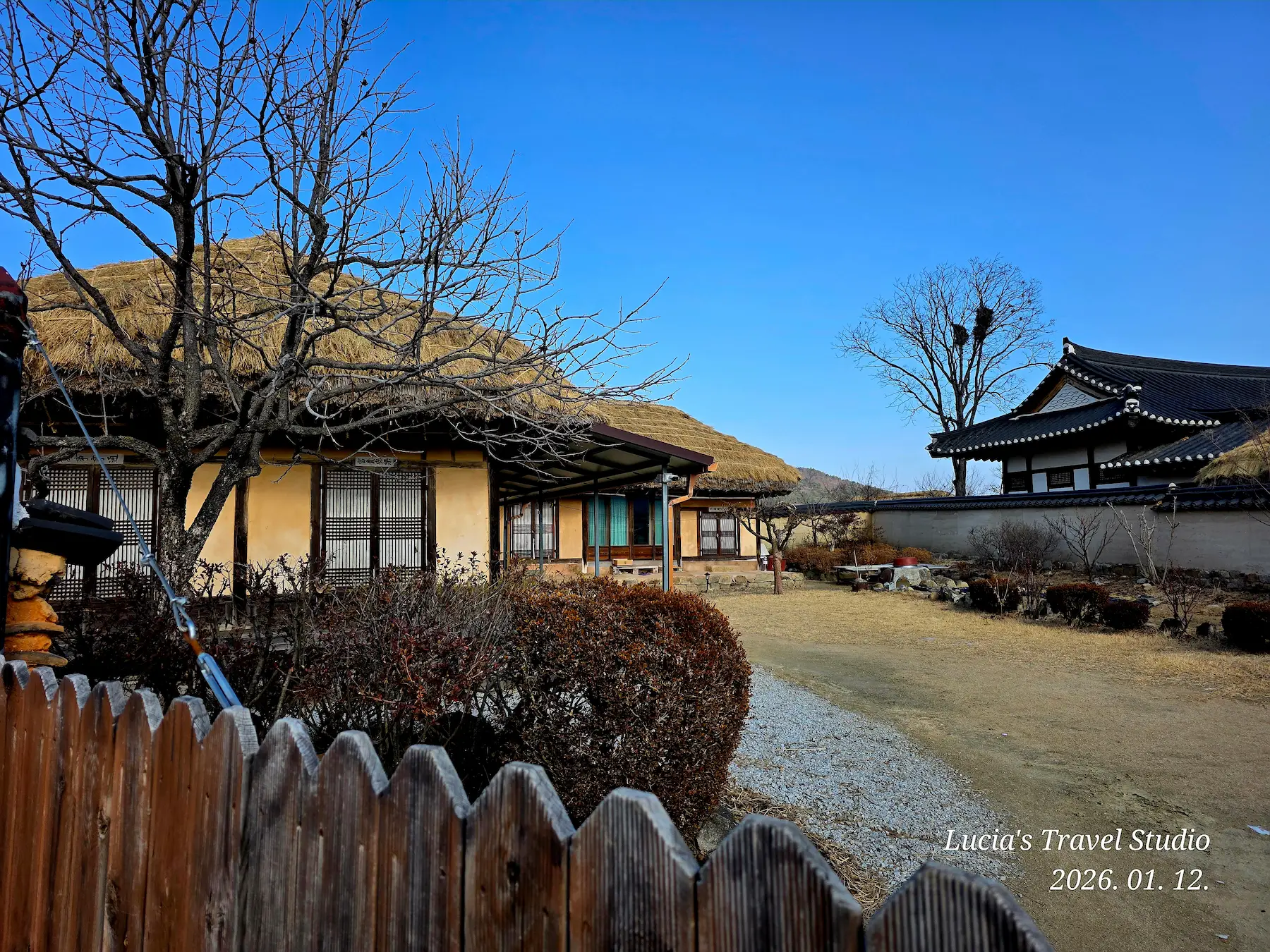
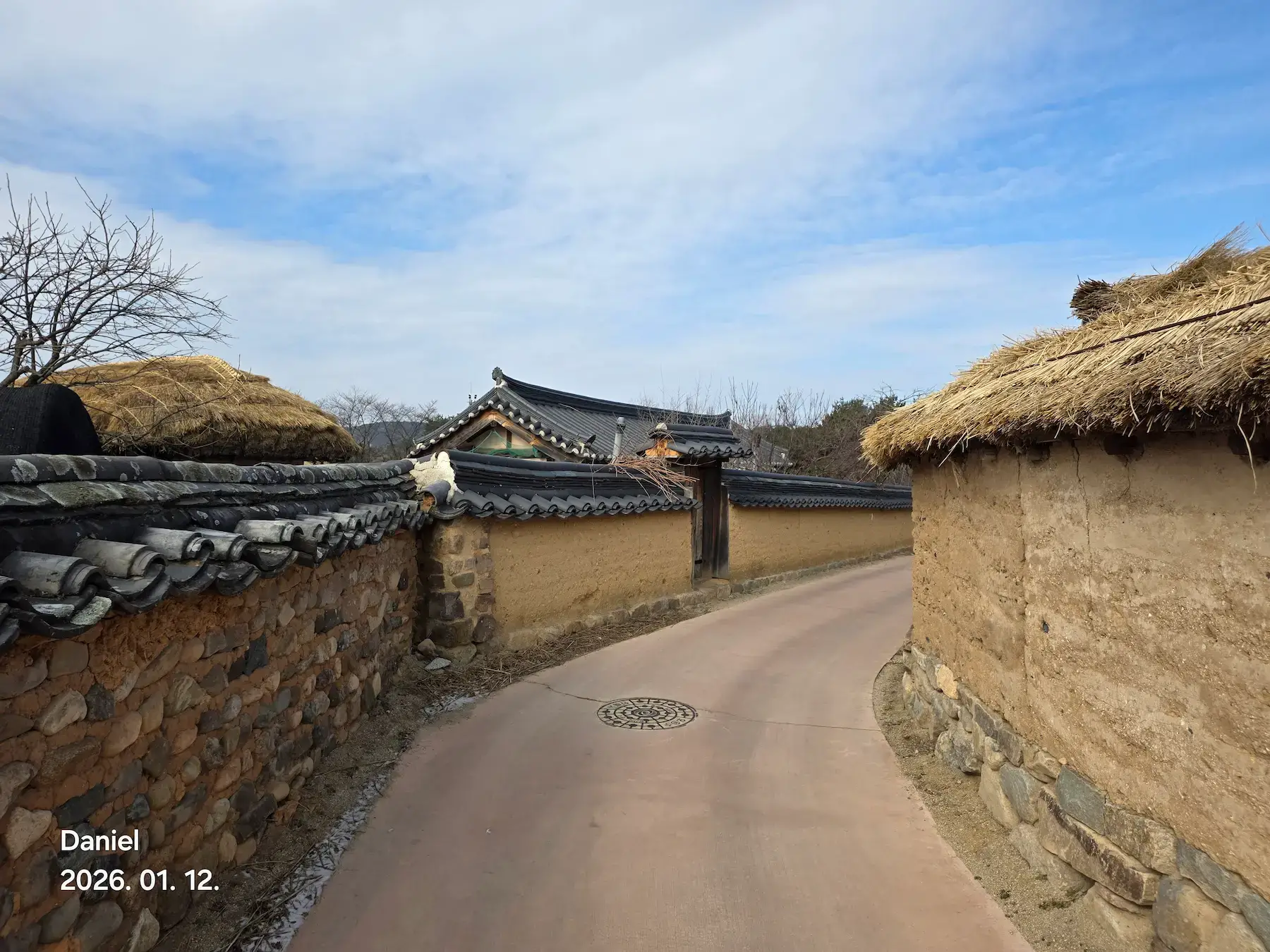
Surrounding the waga are the choga,
simple thatched-roof houses where common villagers lived.
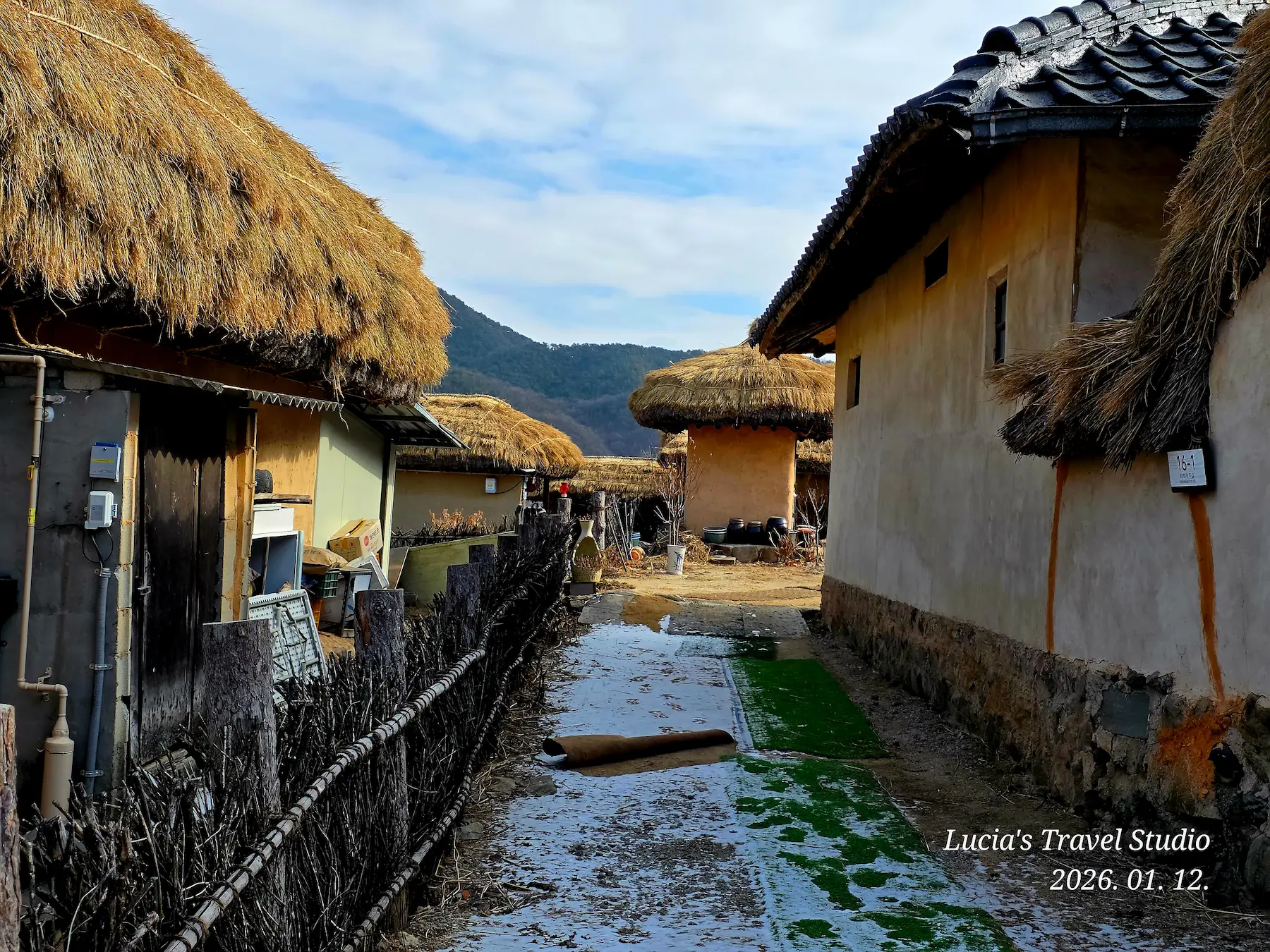
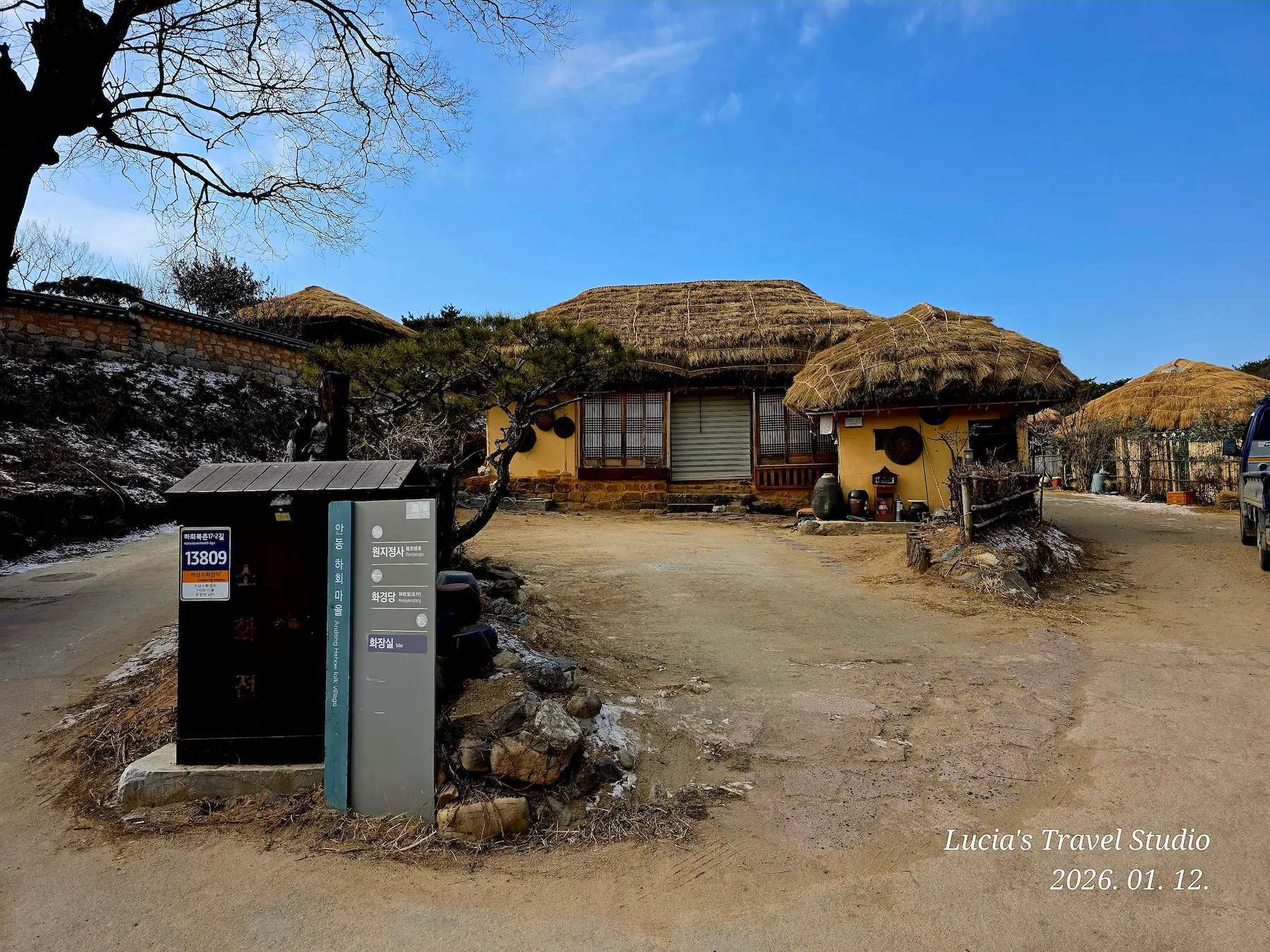
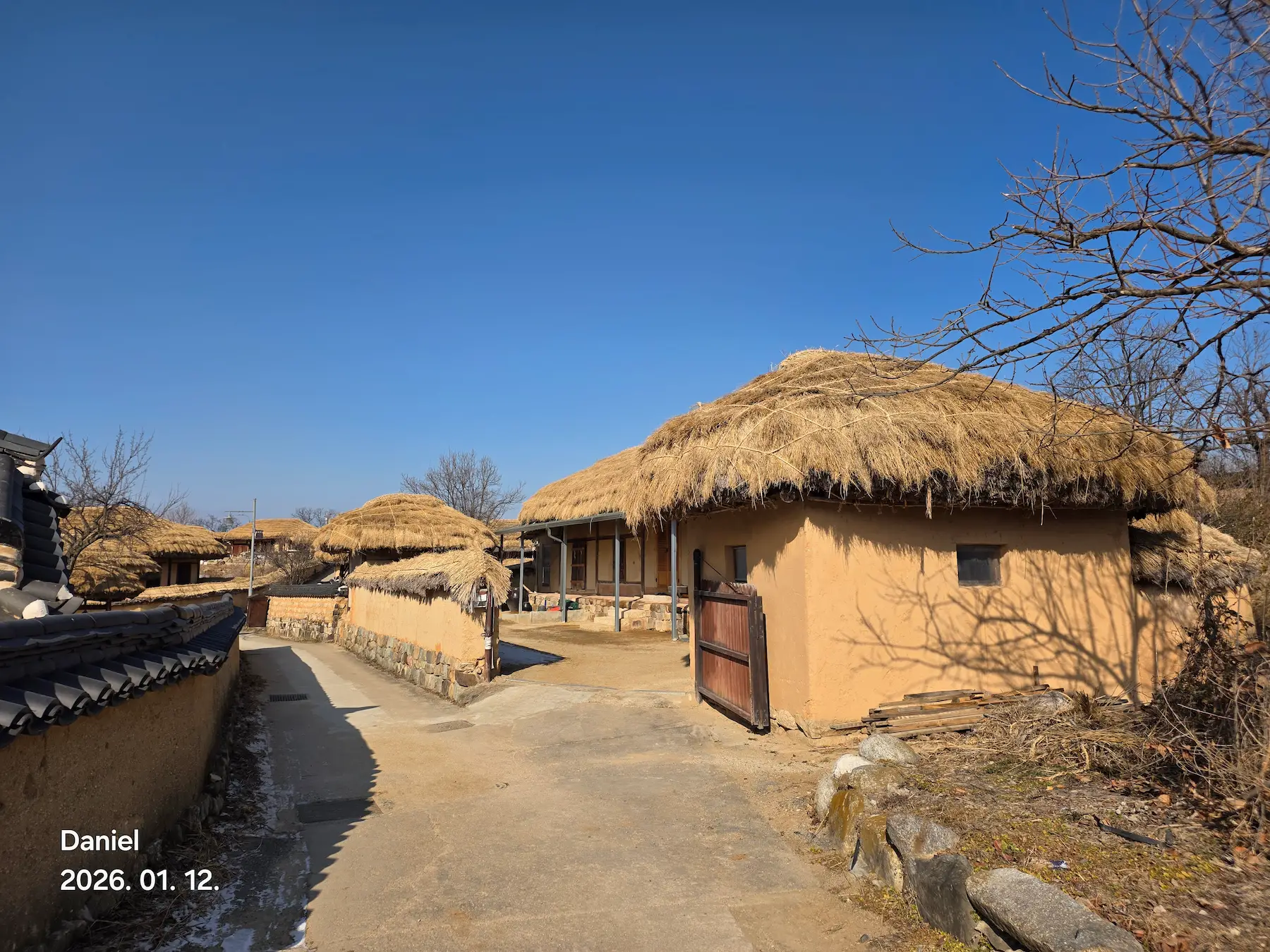
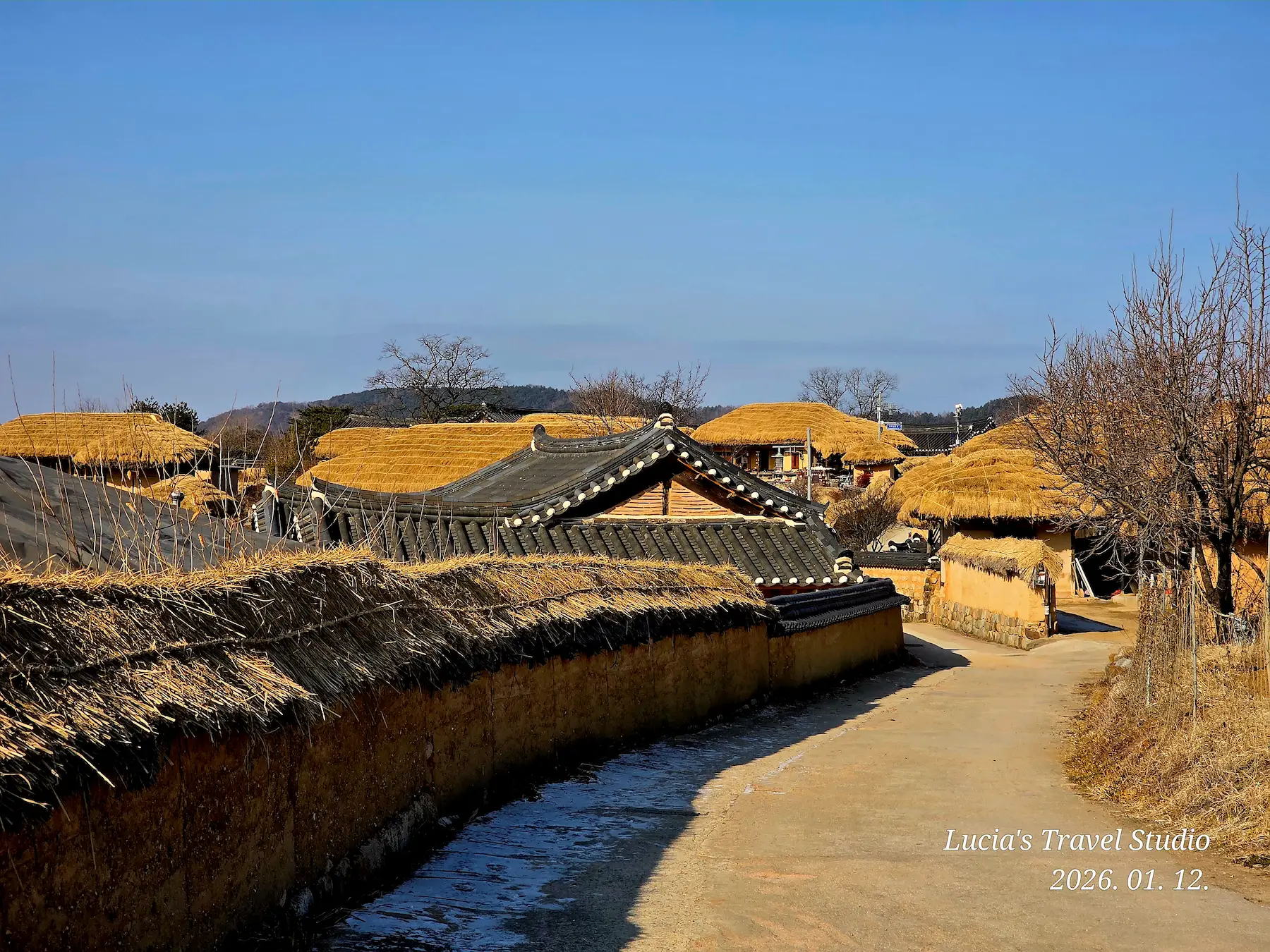
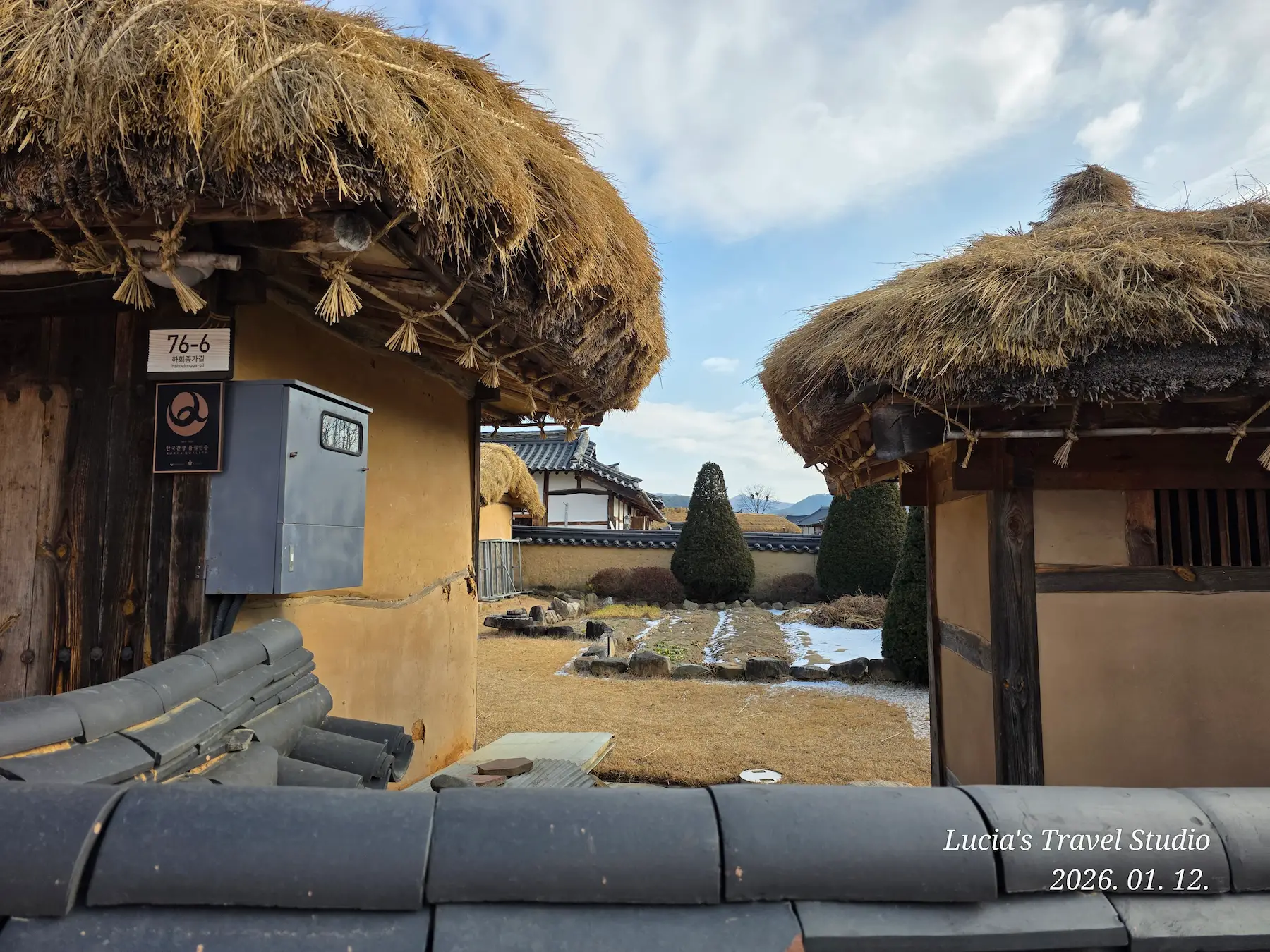
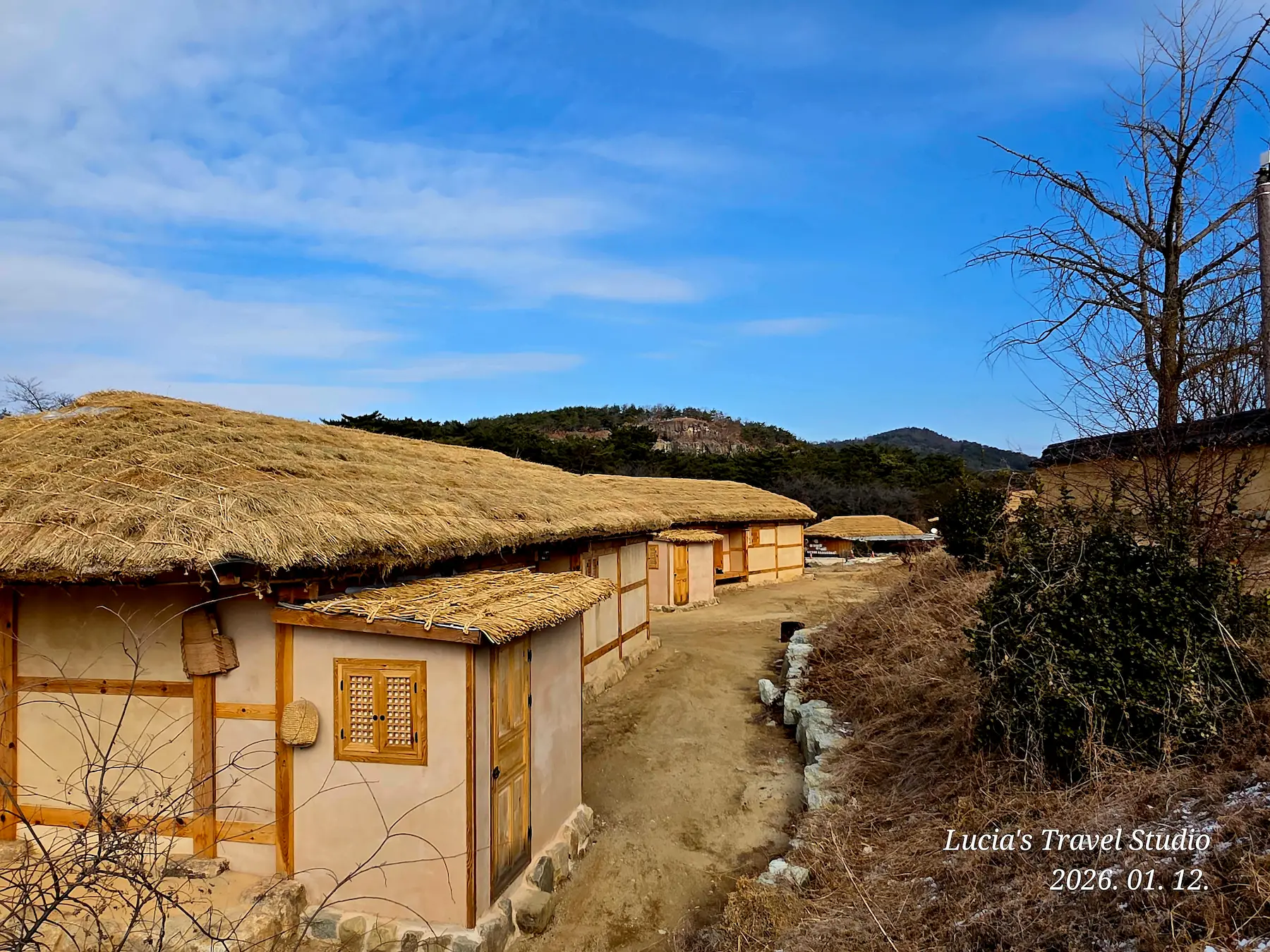
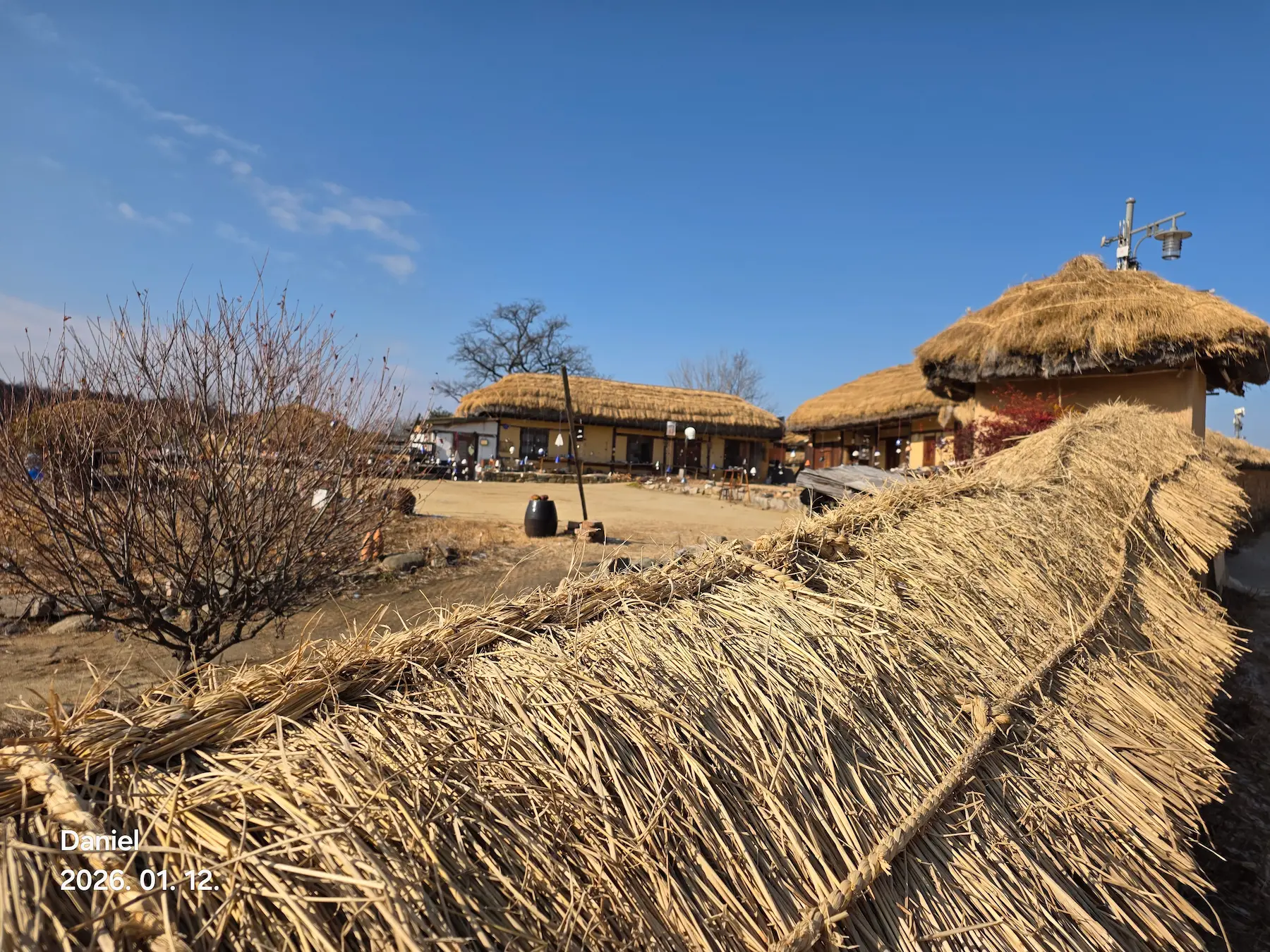
Lower in height and modest in form, they reflect lives shaped by labor rather than lineage.
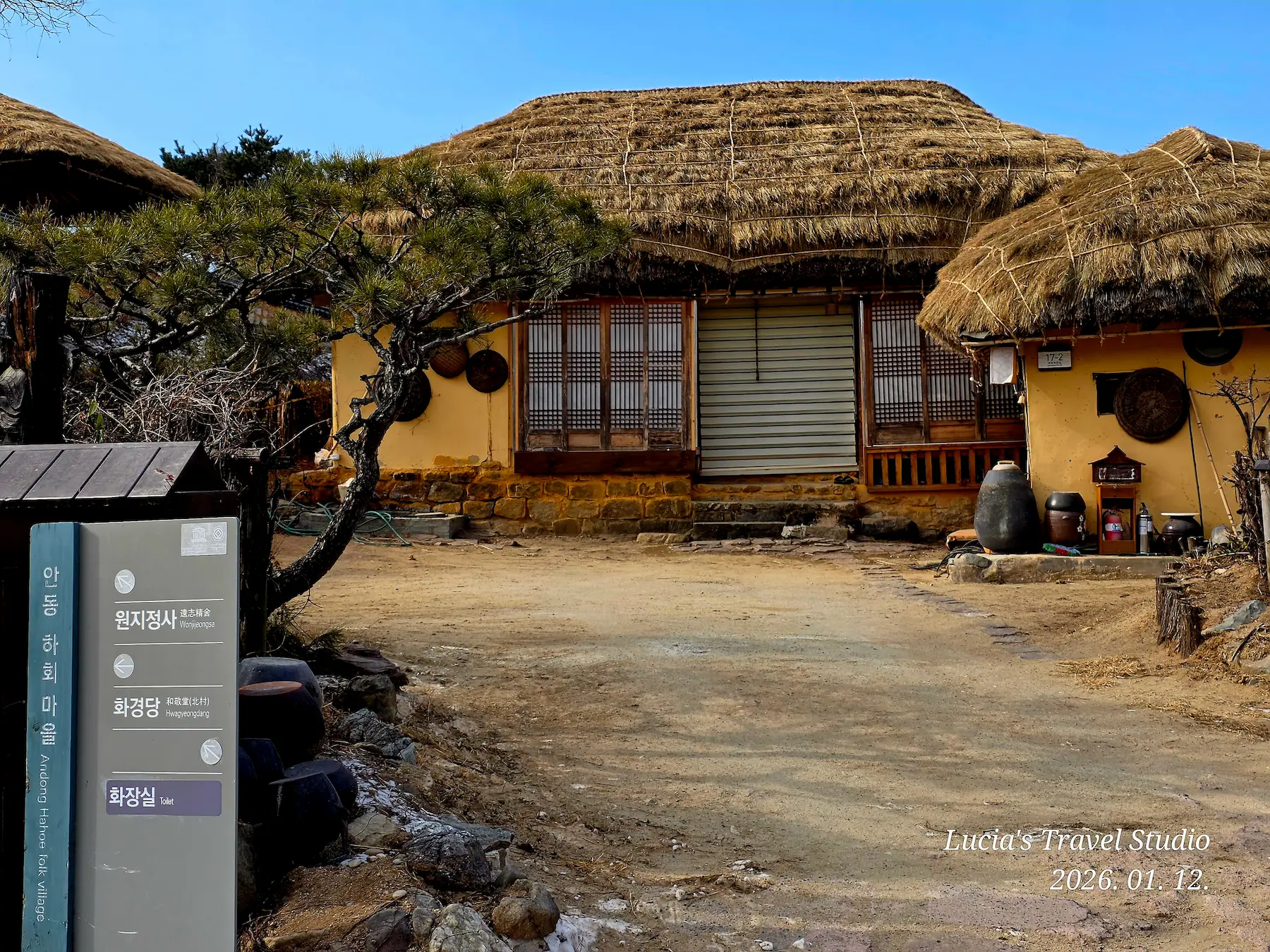
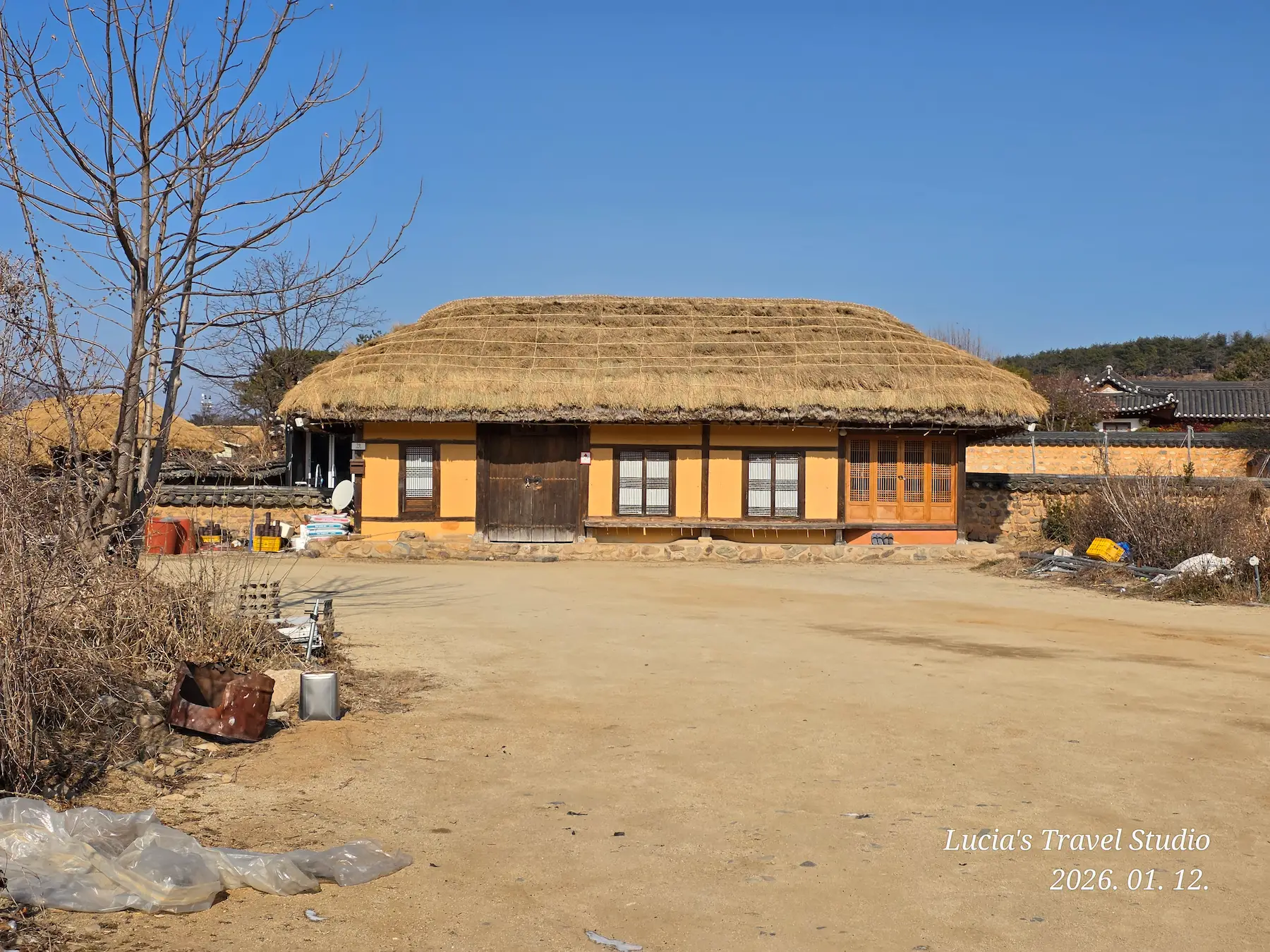
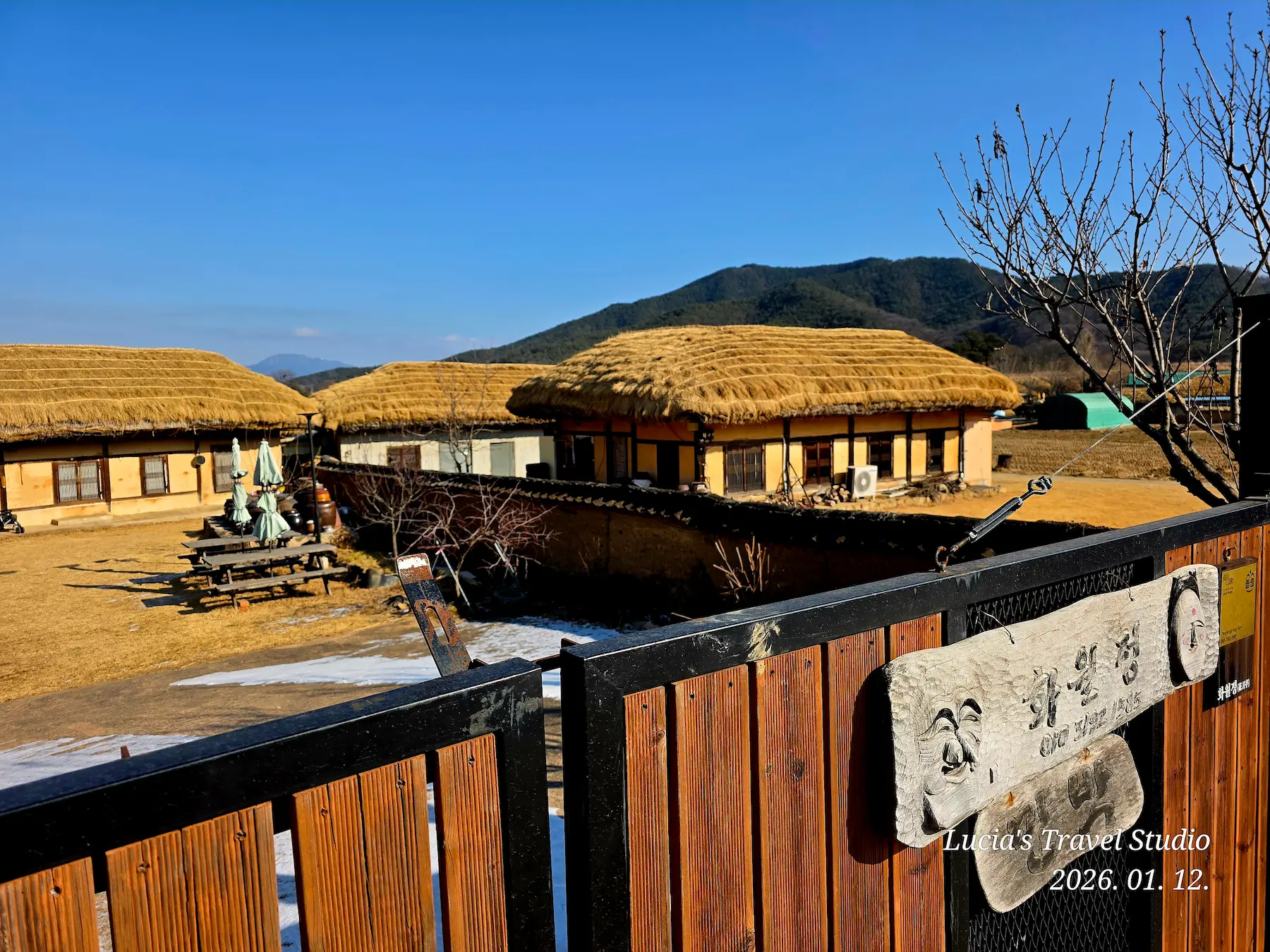
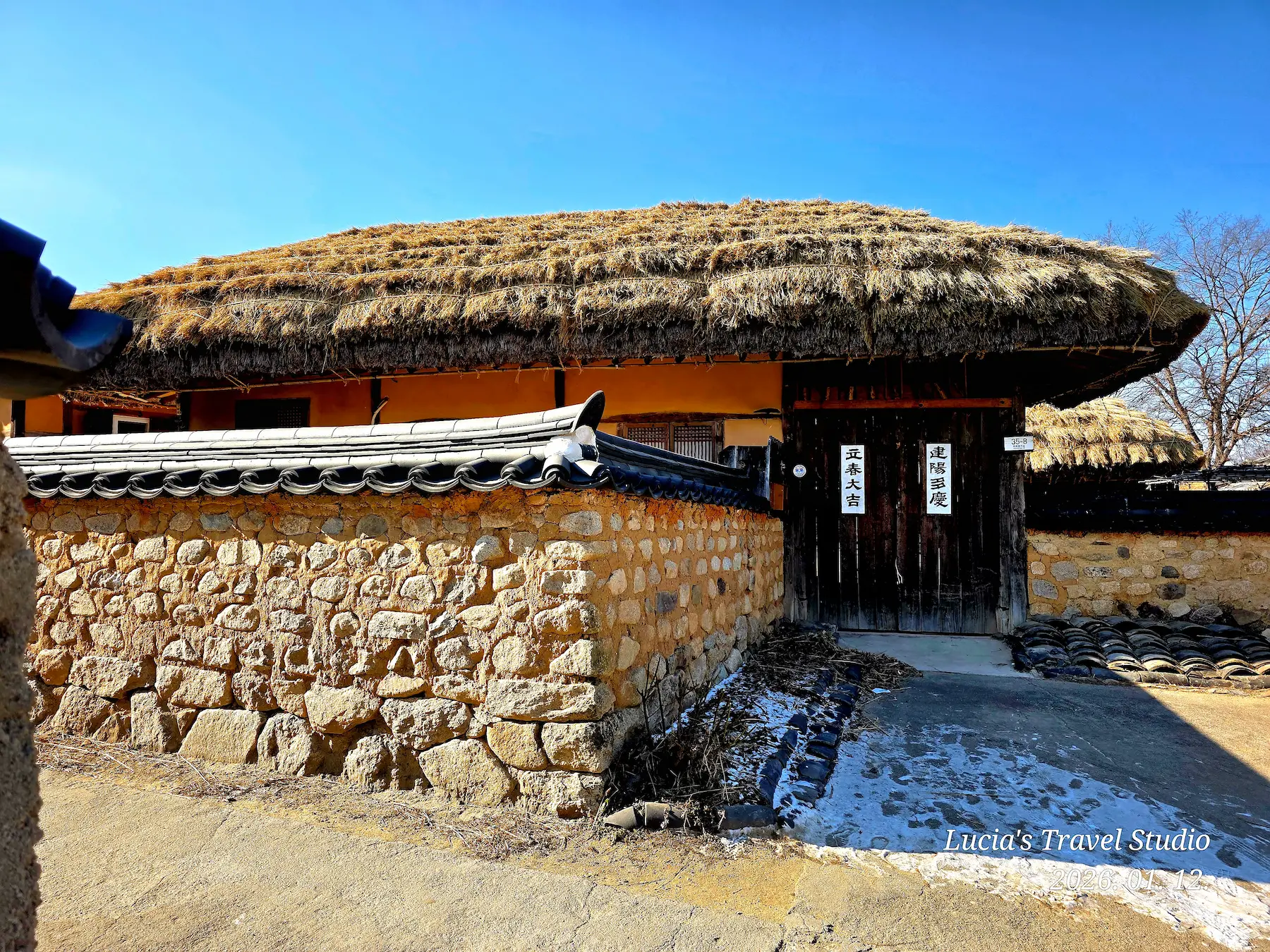
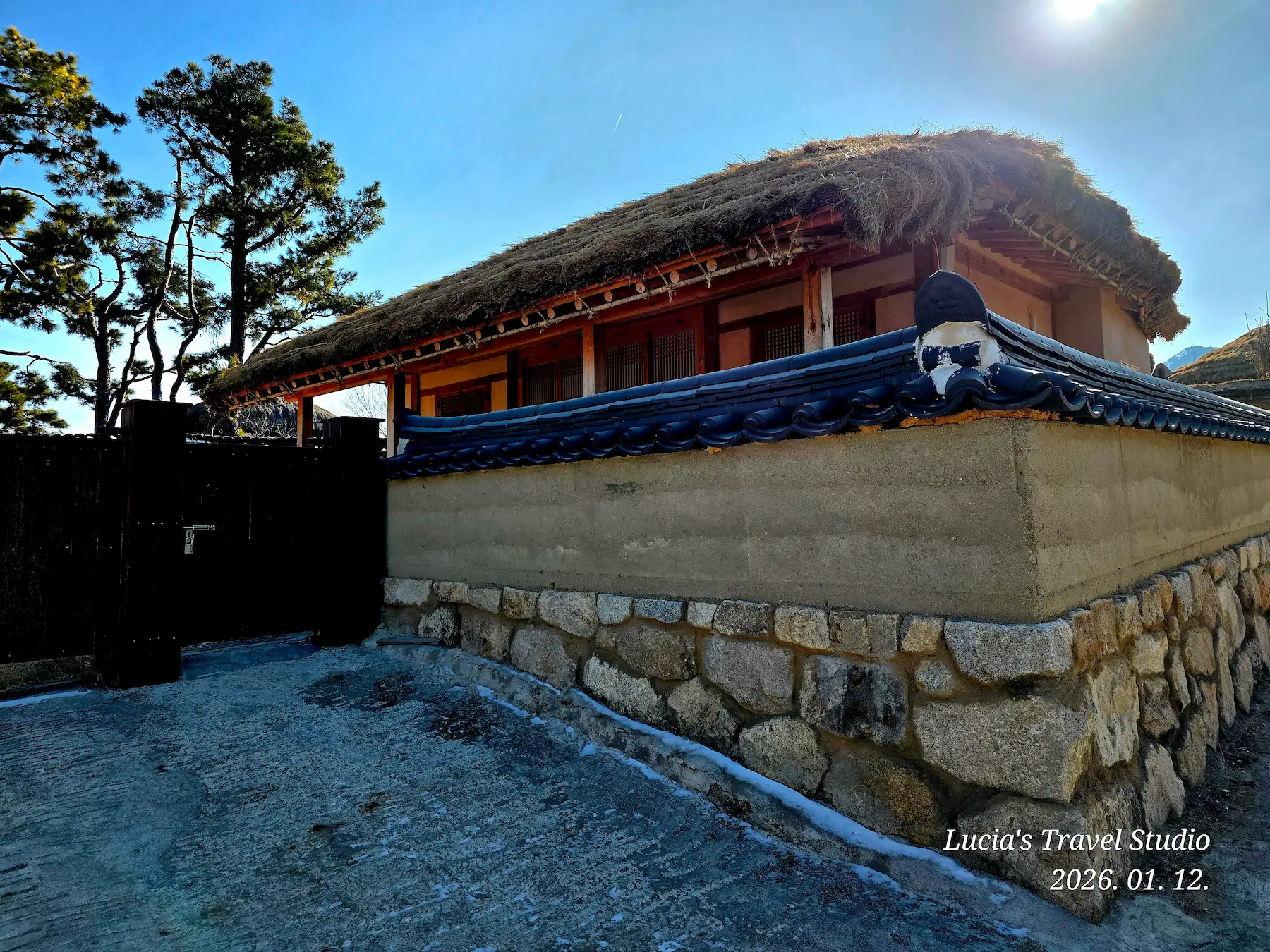
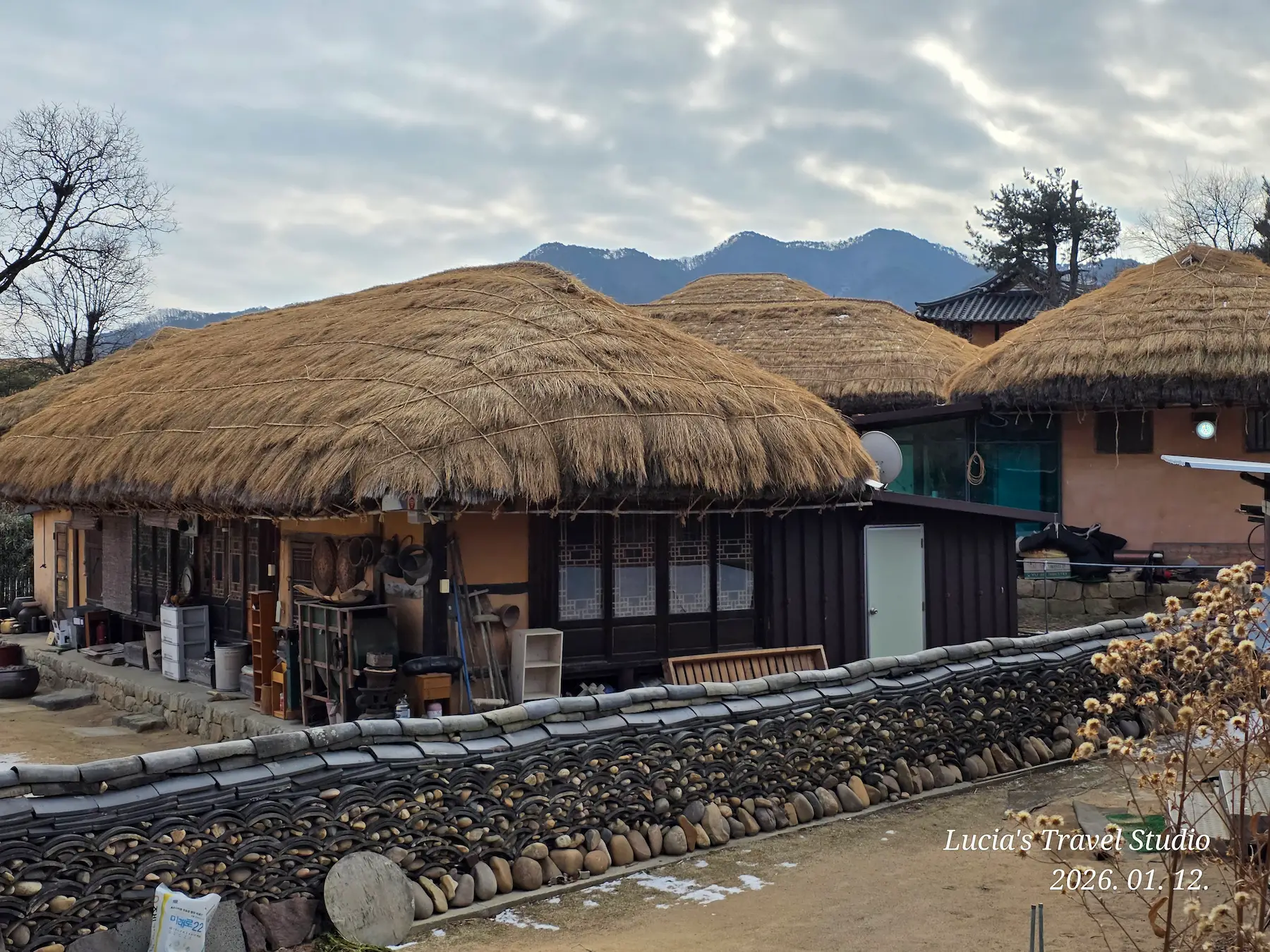
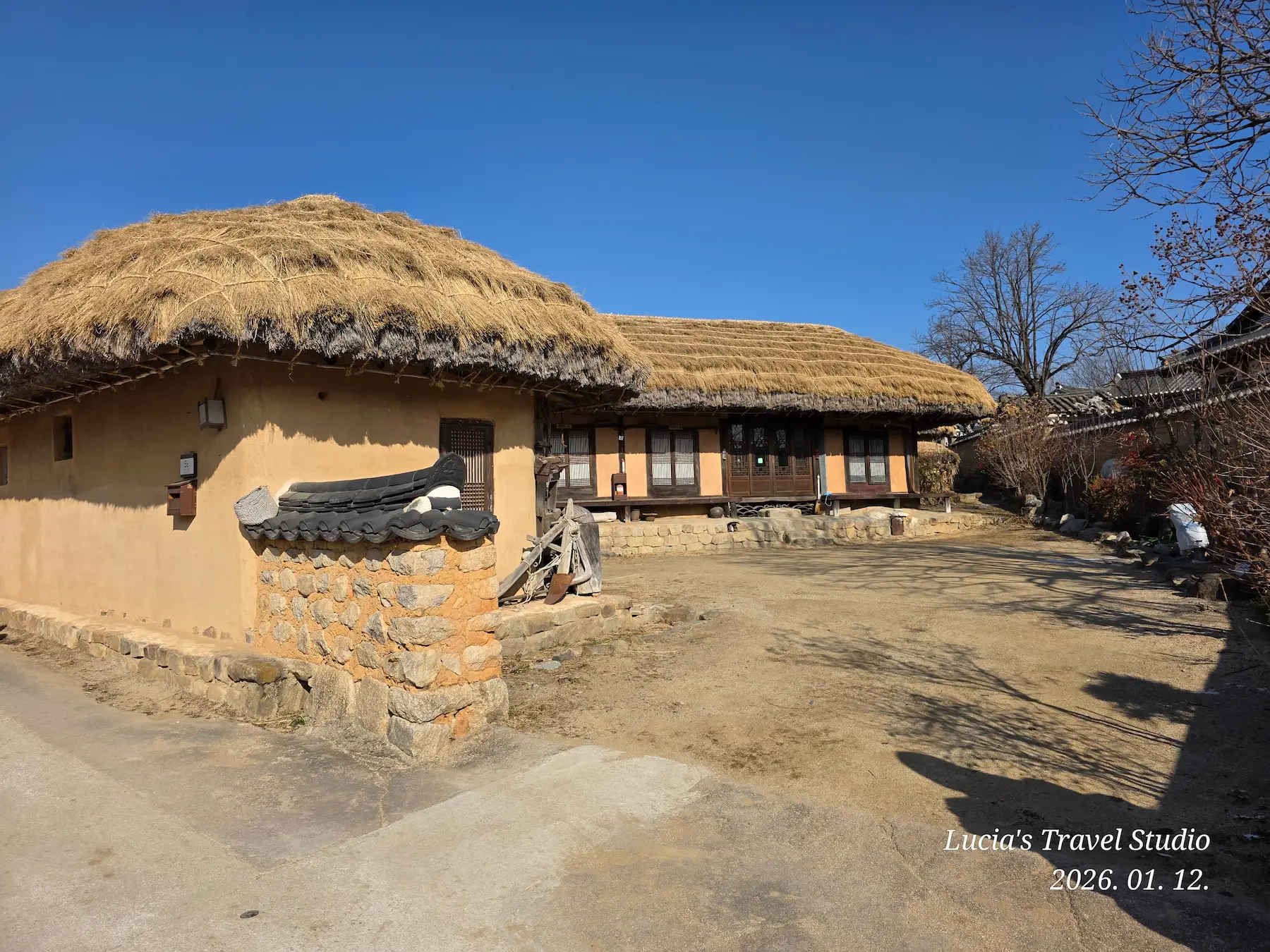
Their placement around the waga makes social hierarchy visible without explanation.
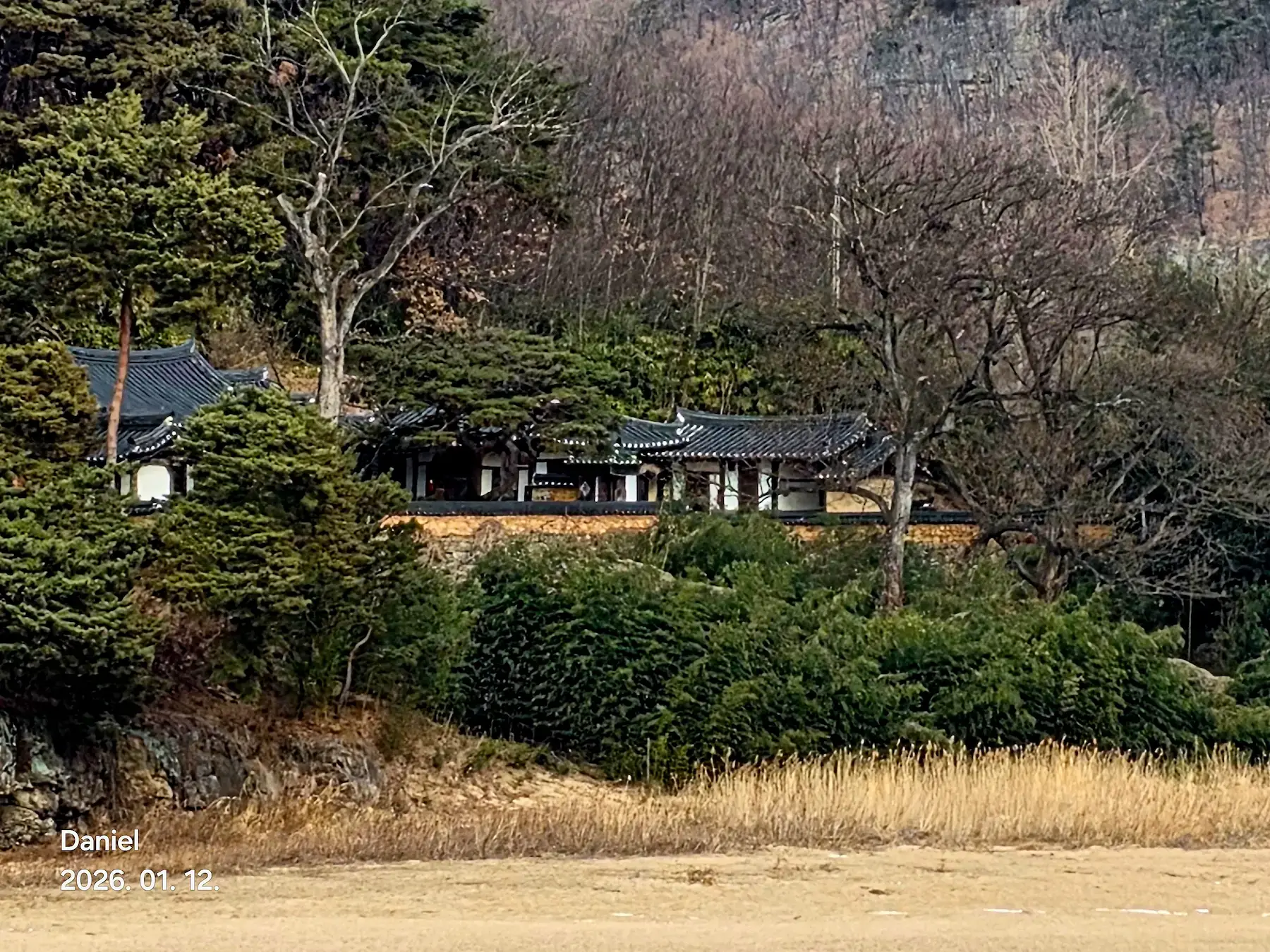
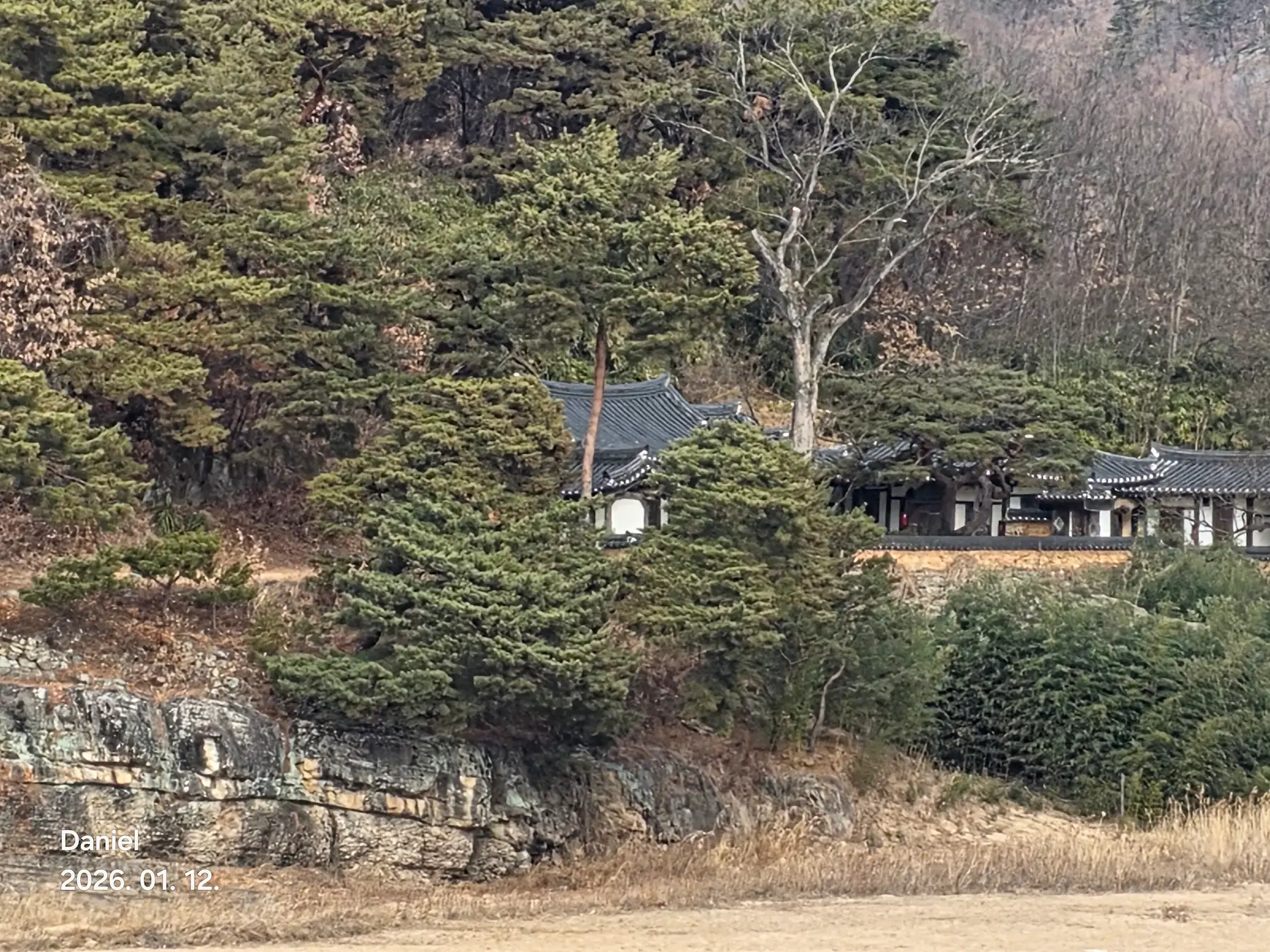
🌲 5. Mansongjeong & Buyongdae — Landscapes that Calm Wind and Energy
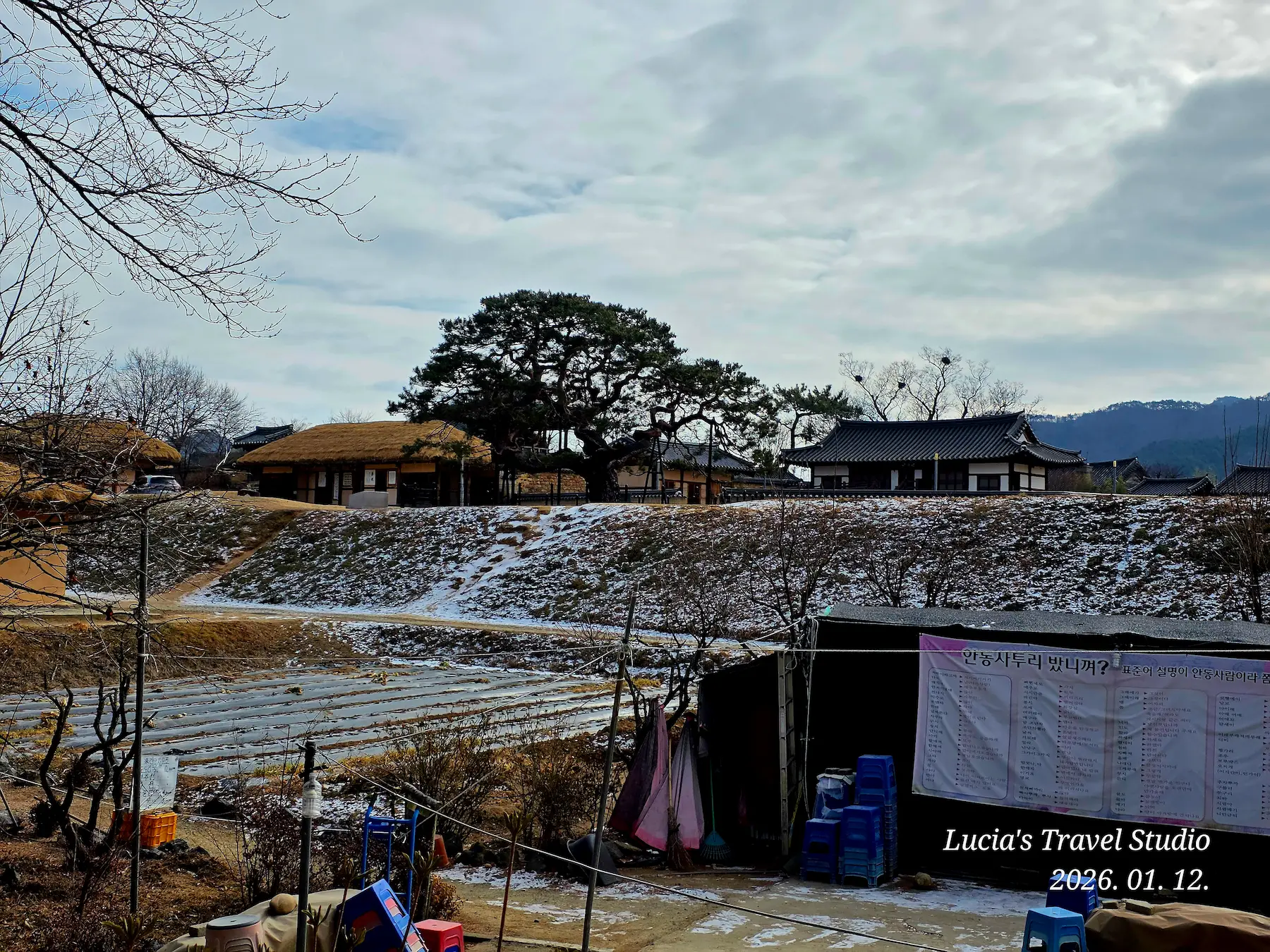
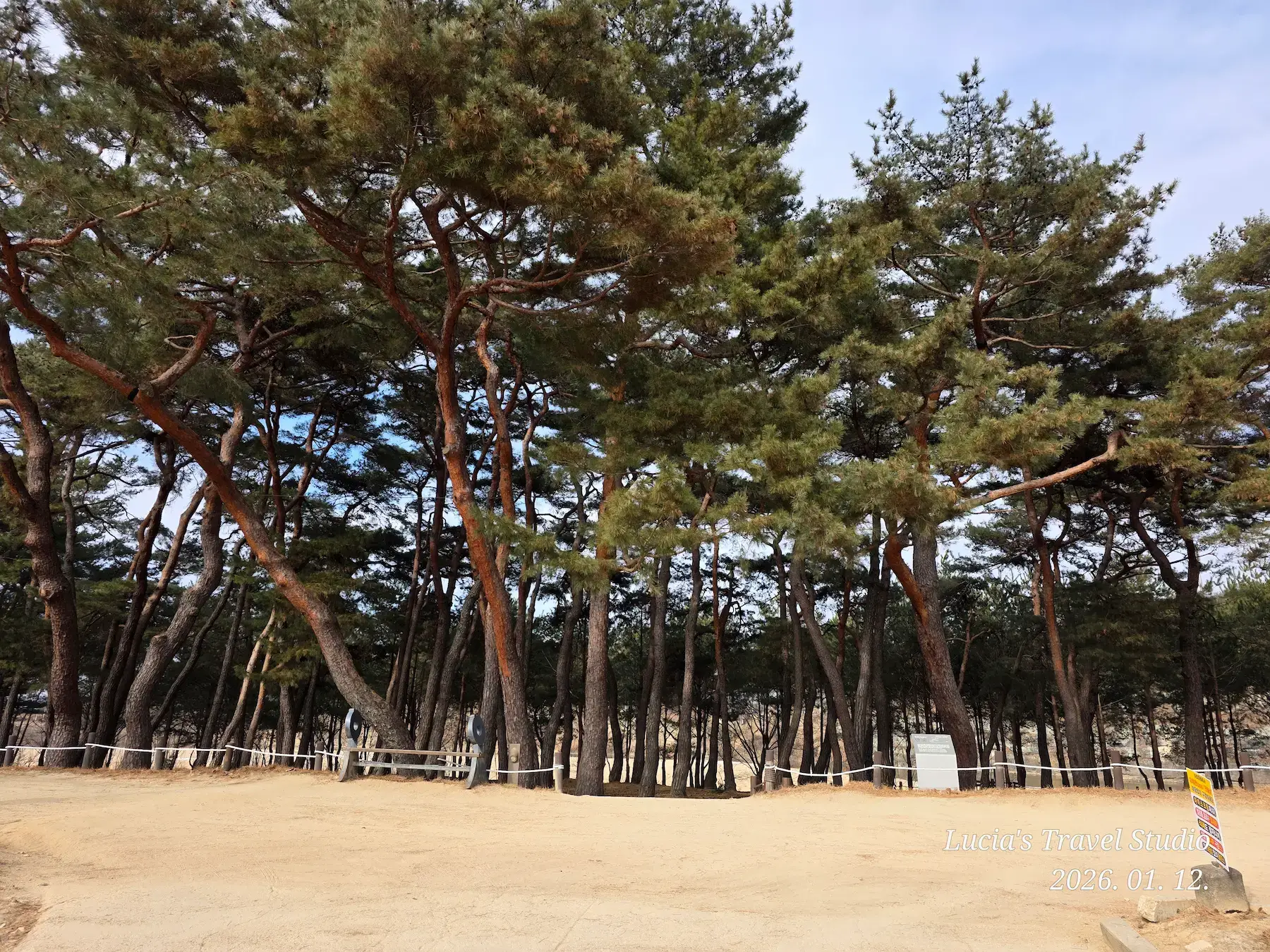
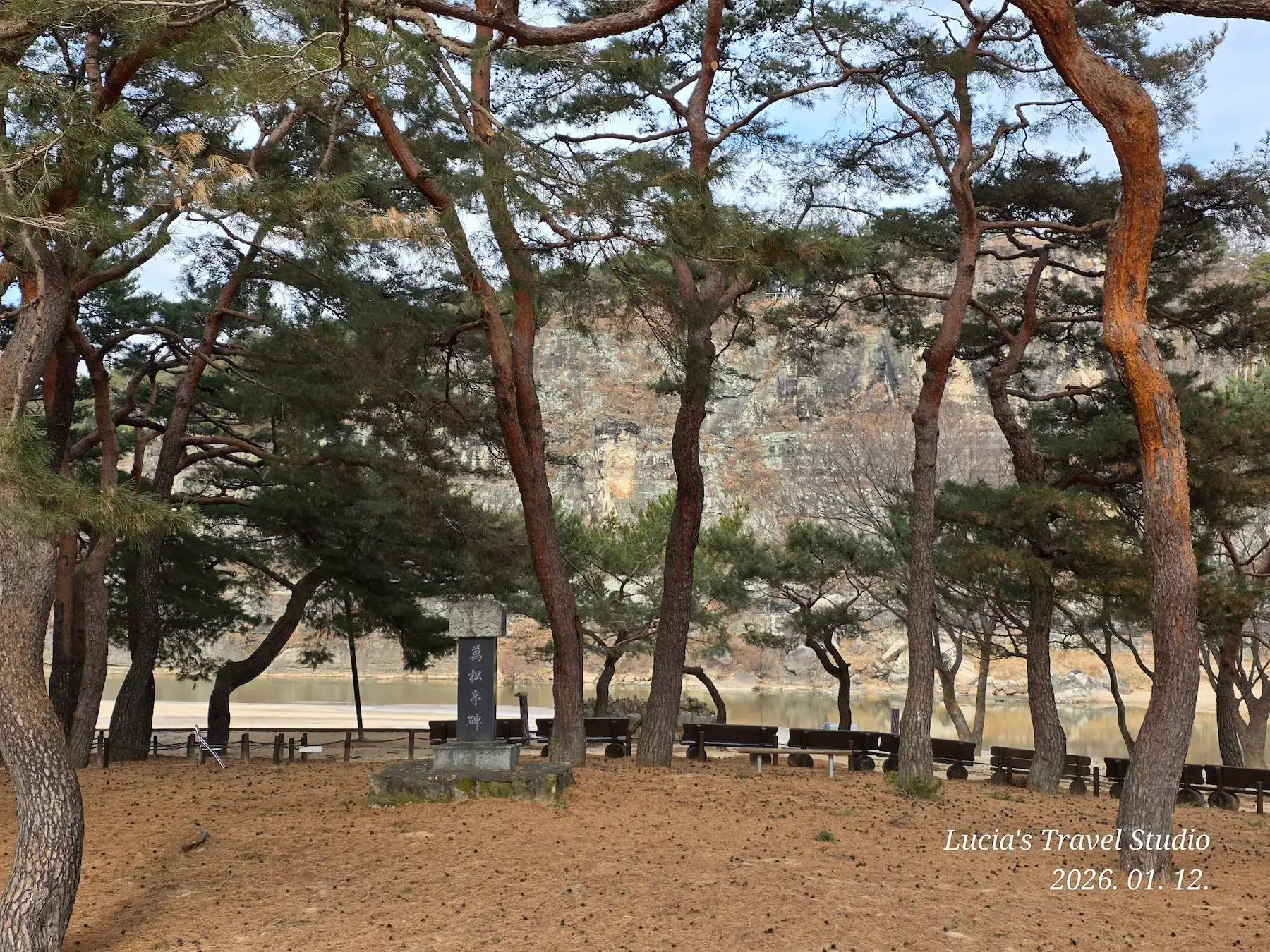
Mansongjeong (Natural Monument No. 473)
A pine forest planted by Ryu Un-ryong to balance the village’s western energy—
a classic biborim (protective forest).
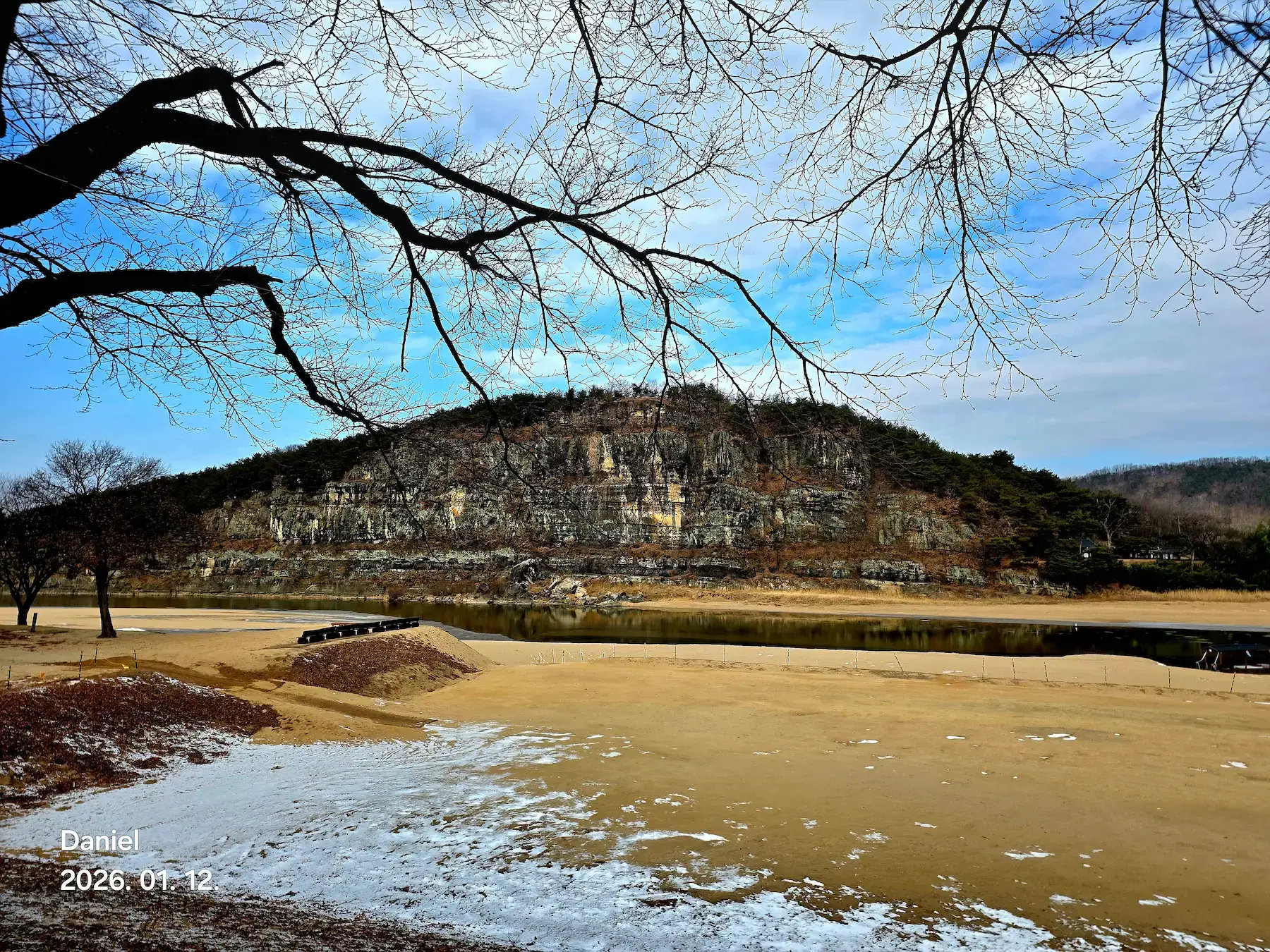
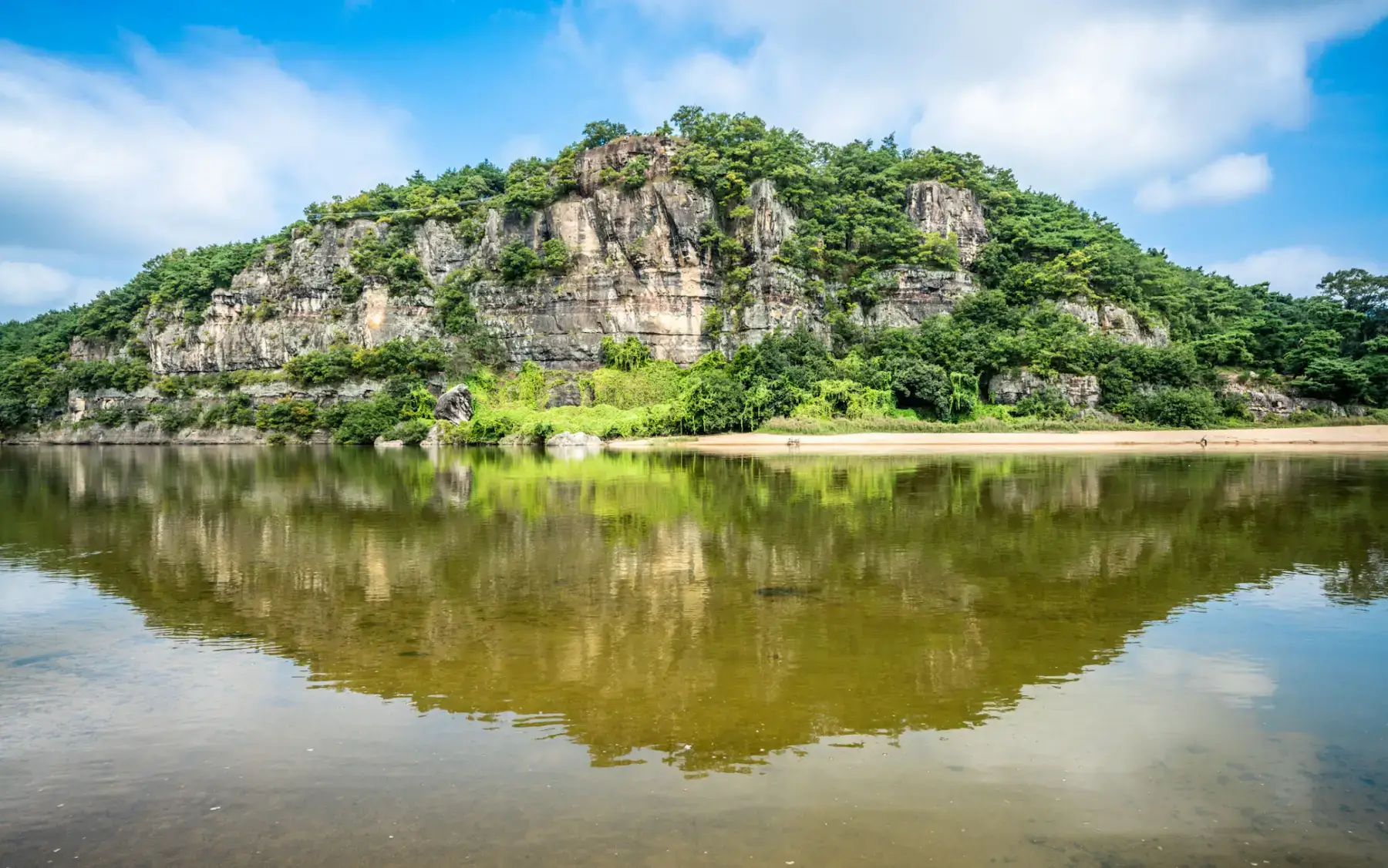
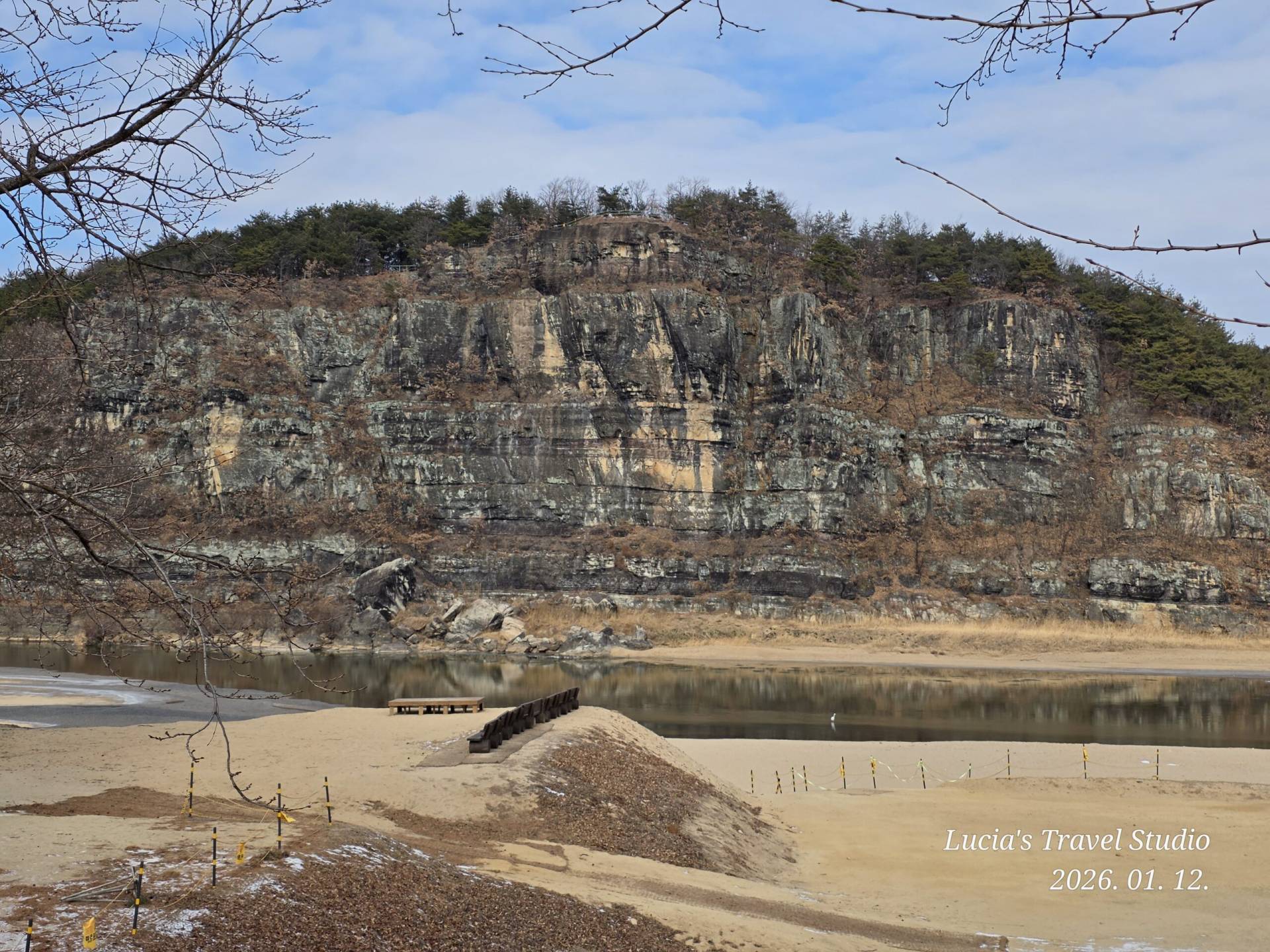
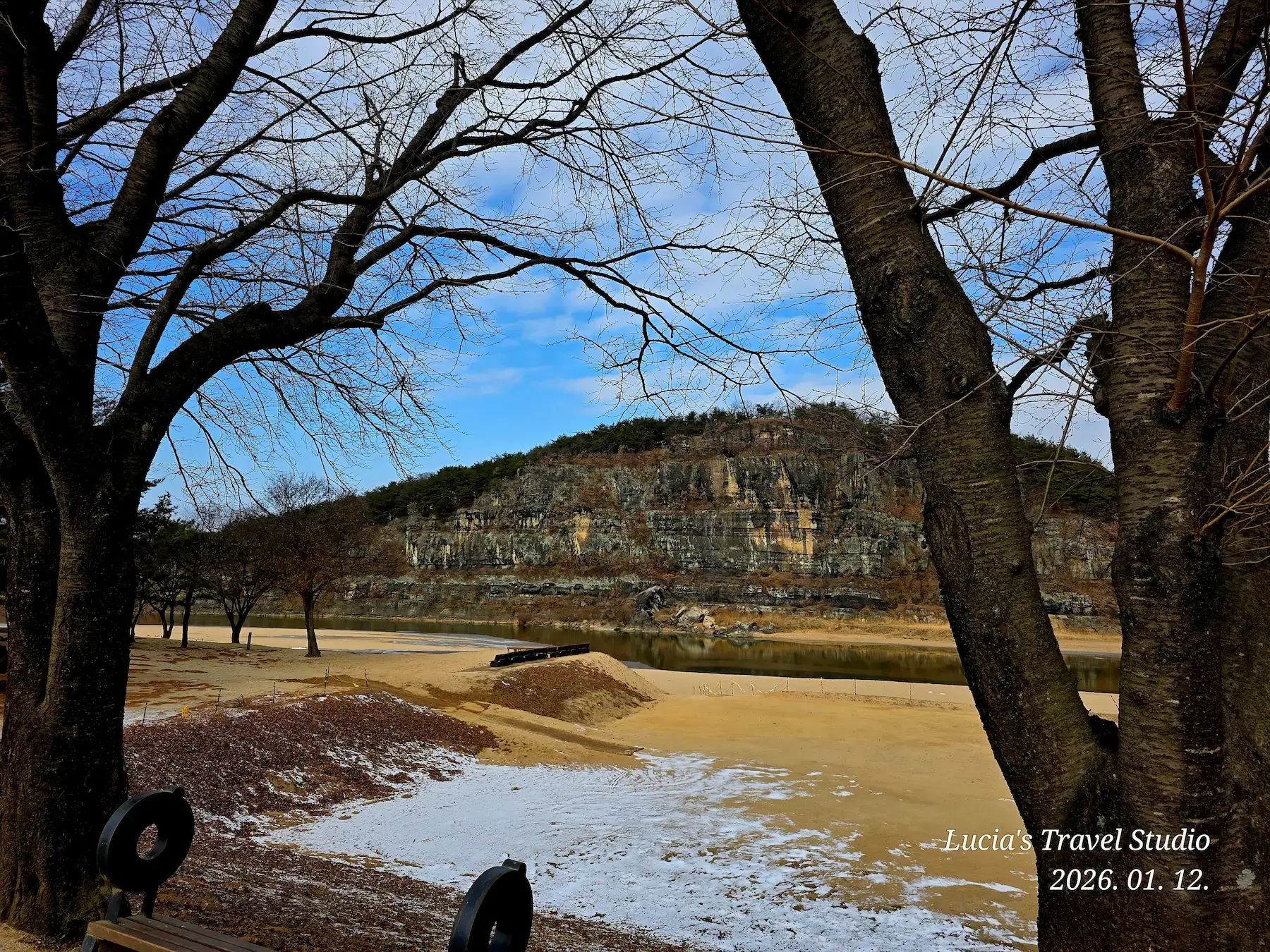
Buyongdae & the Seonyu Fire Rope Festival 🔥
Around lunar July, burning rope lights travel from the cliff to the forest.
Boats drift. Poems are written.
Flames float on water—and night becomes a performance.
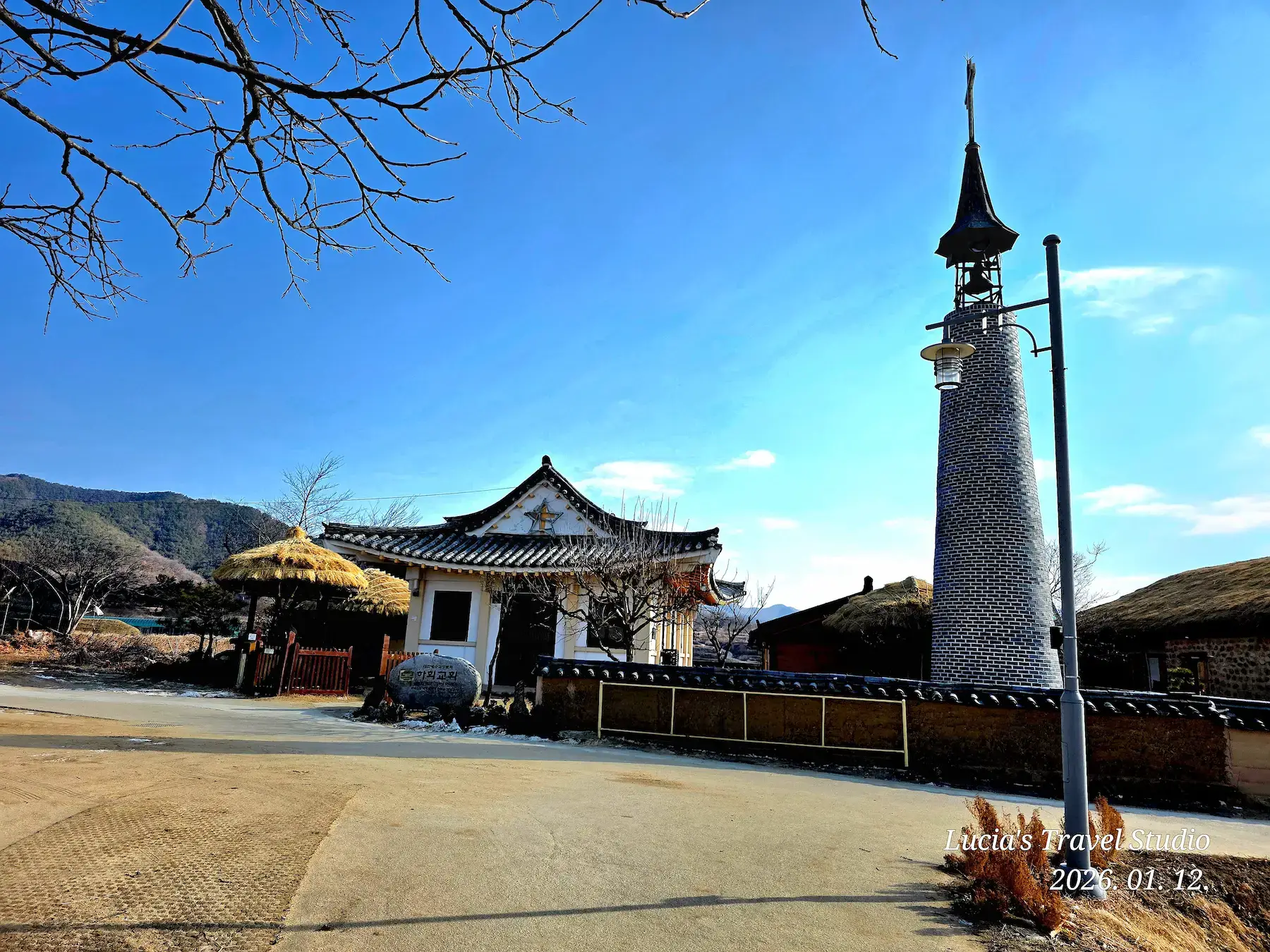
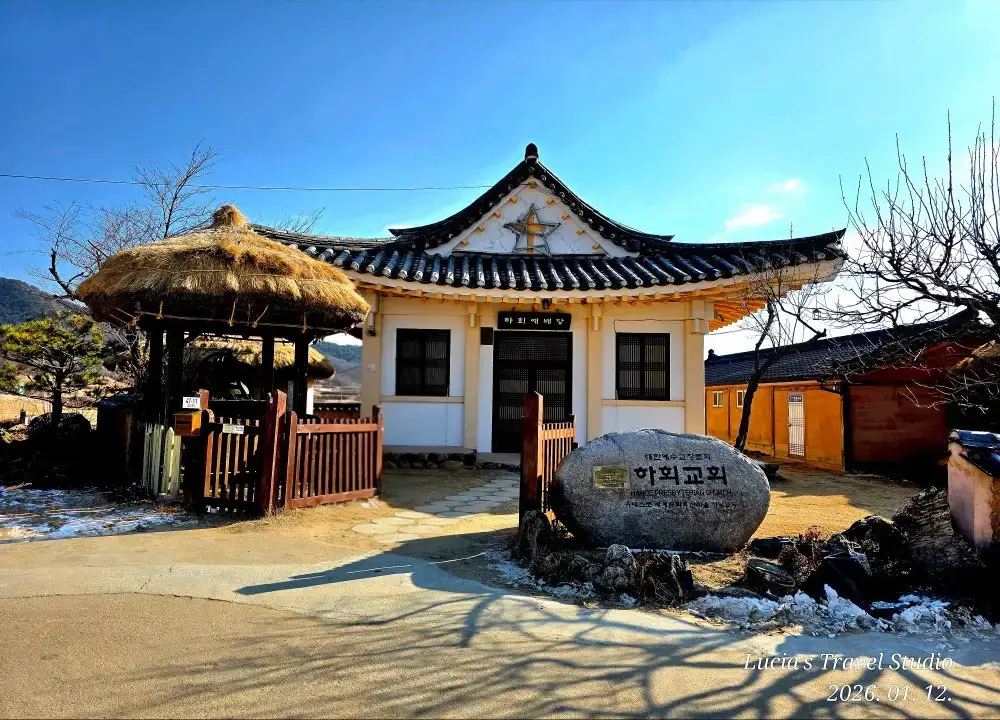
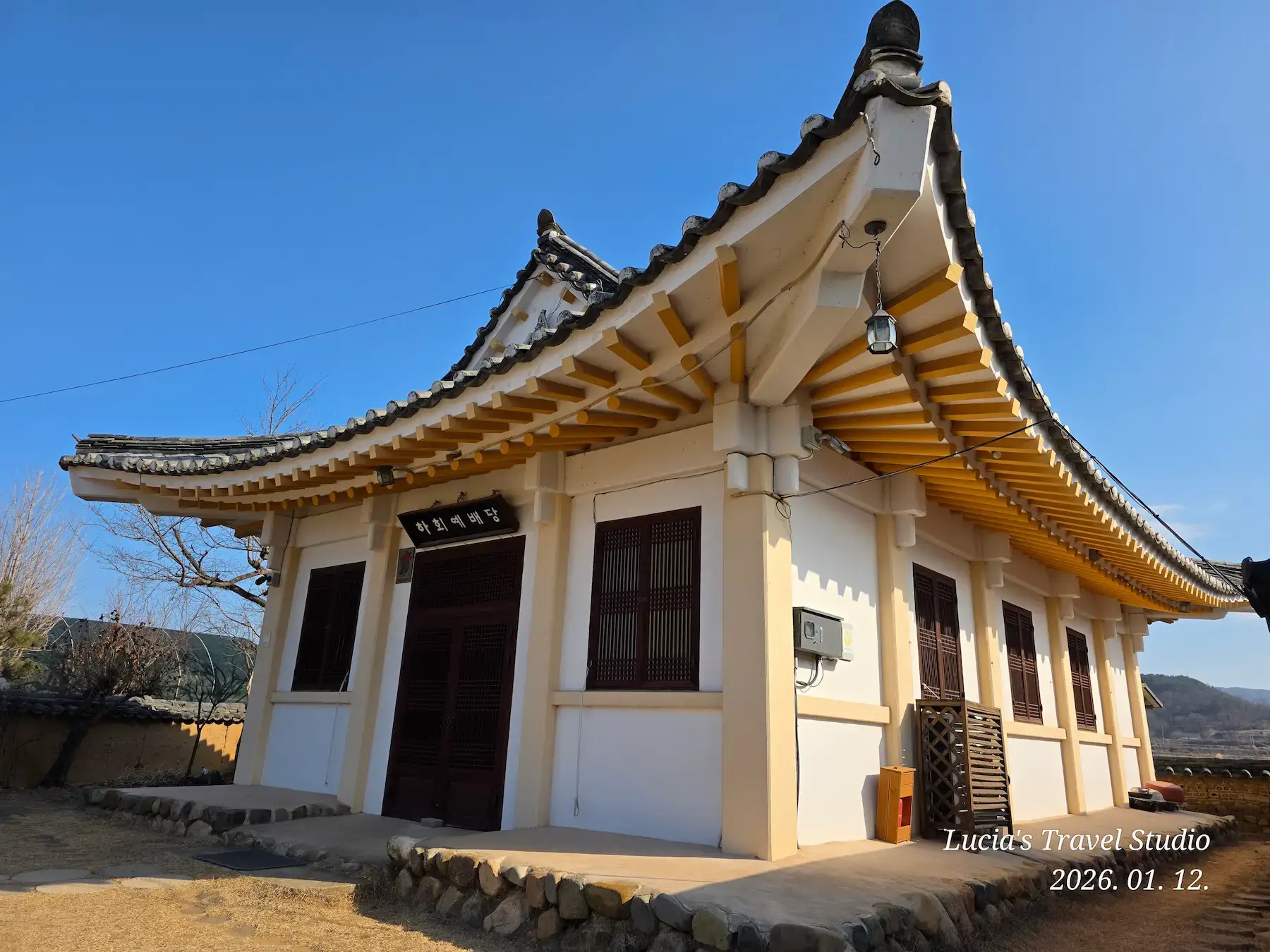
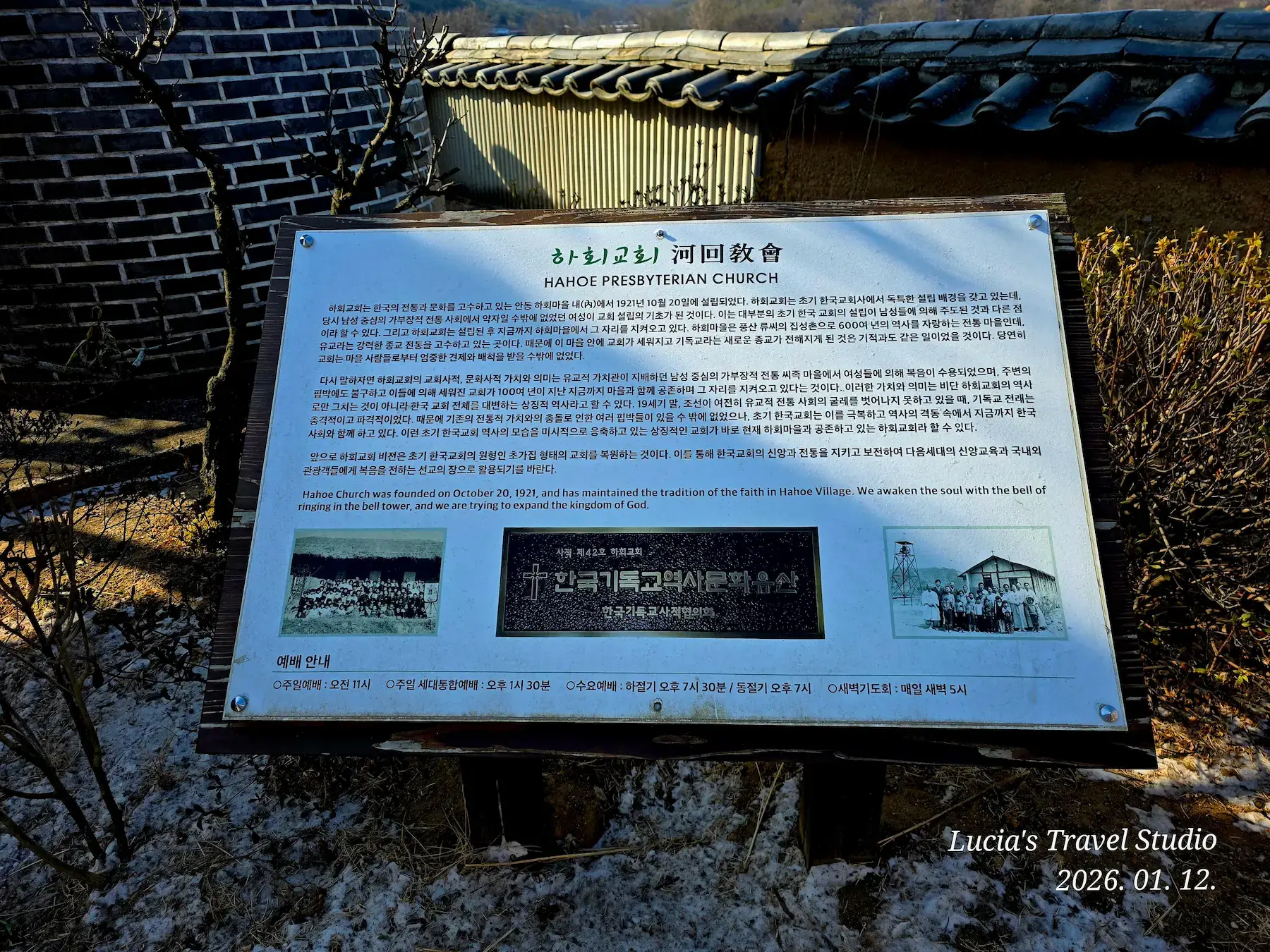
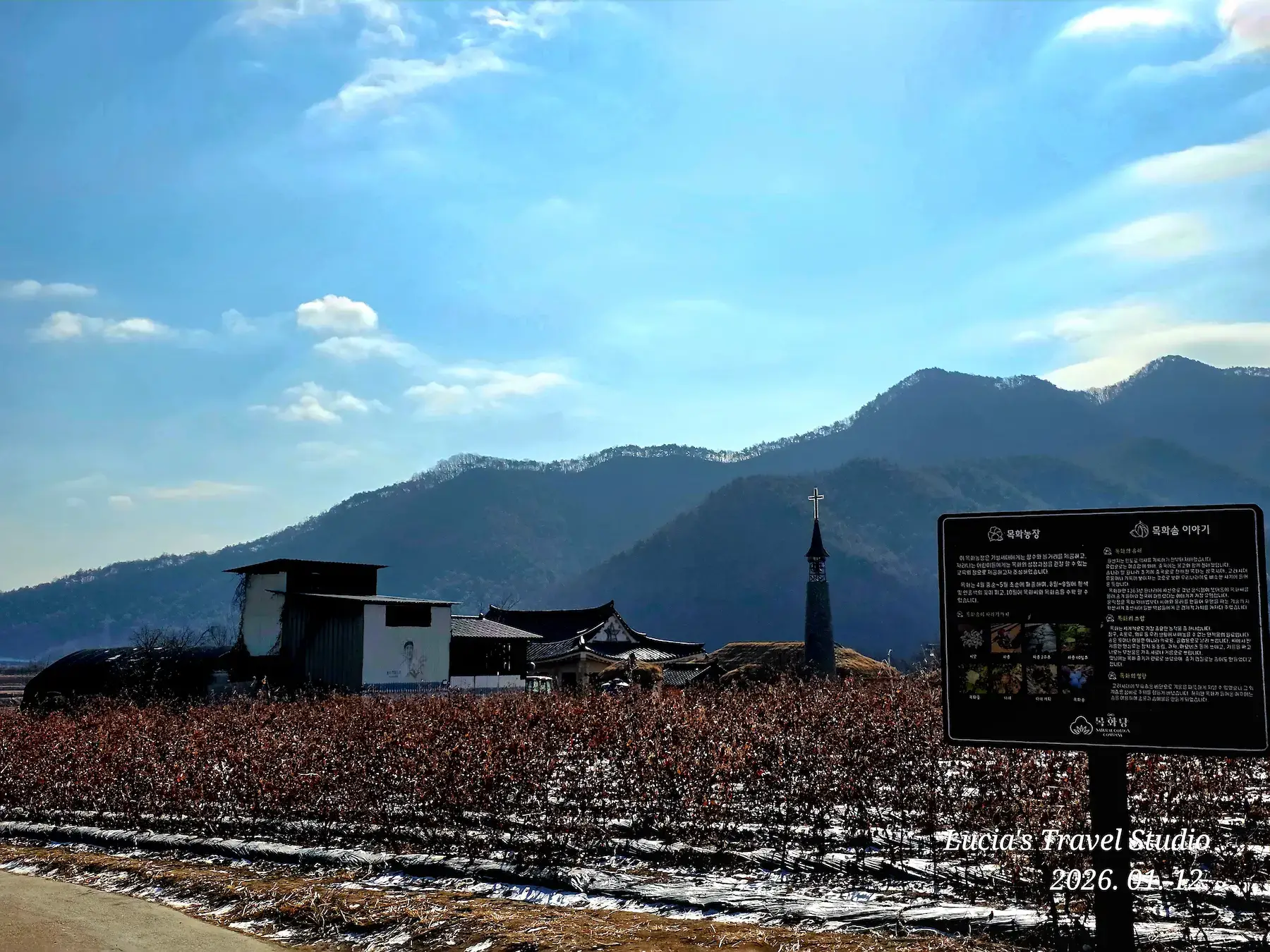
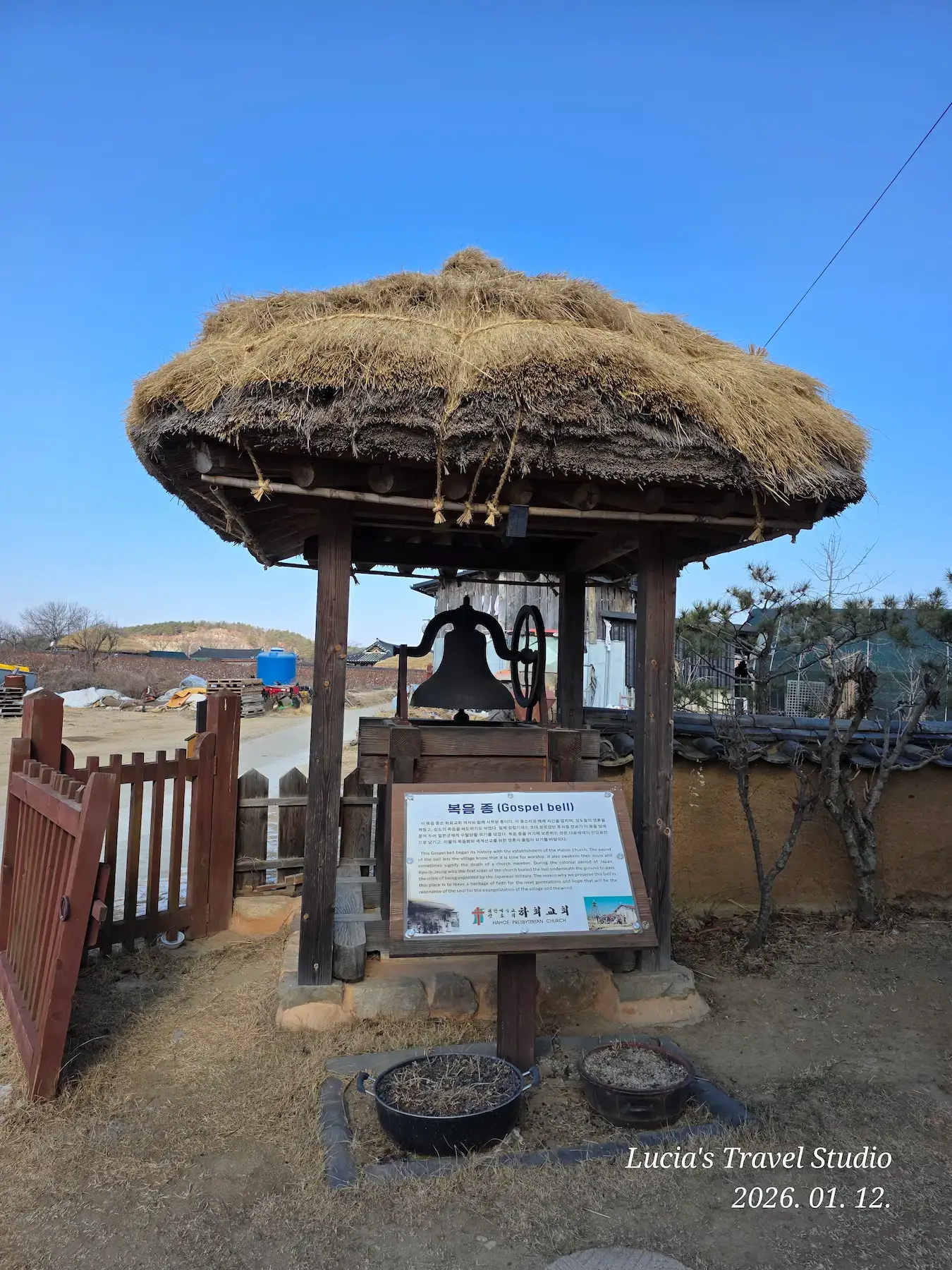
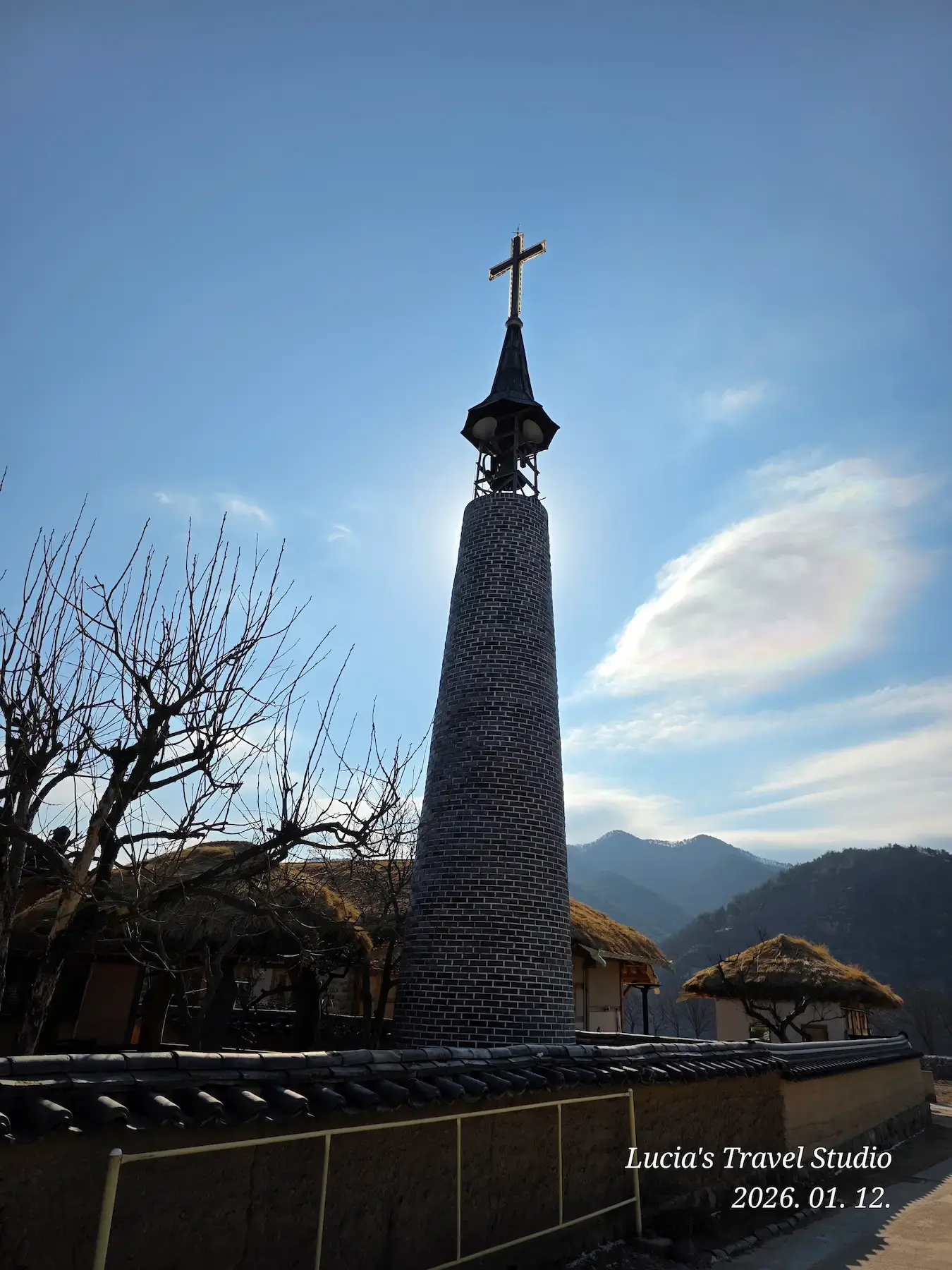
⛪ 6. Coexistence Within Tradition — Hahoe Church and That Sky
On one edge of the village stands Hahoe Church, founded in 1921.
A church inside a Confucian clan village is unexpected— even more so because women played a central role in spreading the faith here.
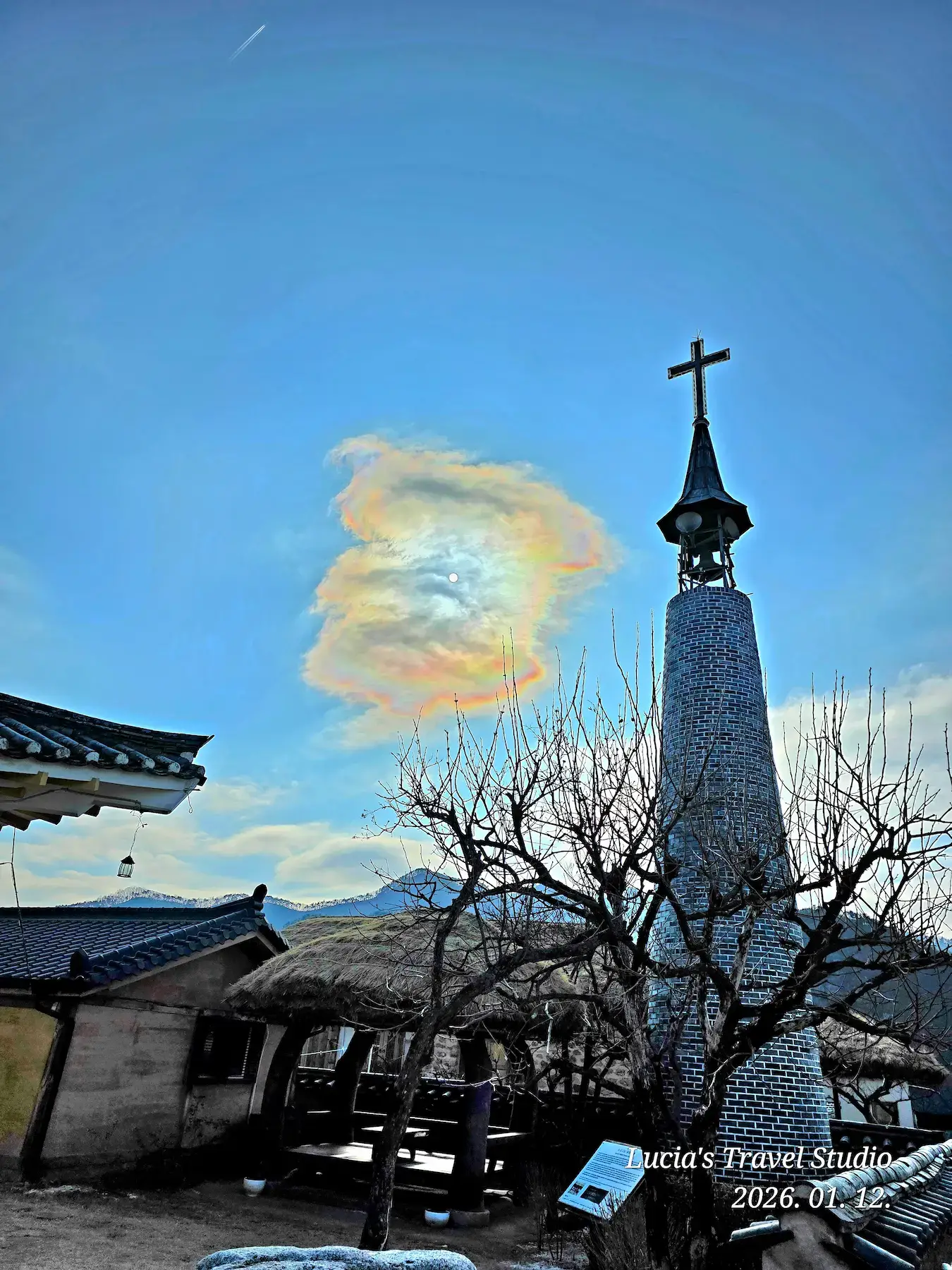
And just as we were passing by, the sun appeared wrapped in rainbow-tinted clouds 🌈
The sky slipped briefly into mystery mode—and right then, so did the heart.
In local belief, clouds like this are said to carry good fortune.
Consider this a quiet wish—for luck, wherever this story finds you.
🚶 7. “A Little Inconvenient… and That’s Why It’s Hahoe”
At Ung-ine Cafe, a hanok café that also offers fortune readings, the owner spoke candidly about village life:
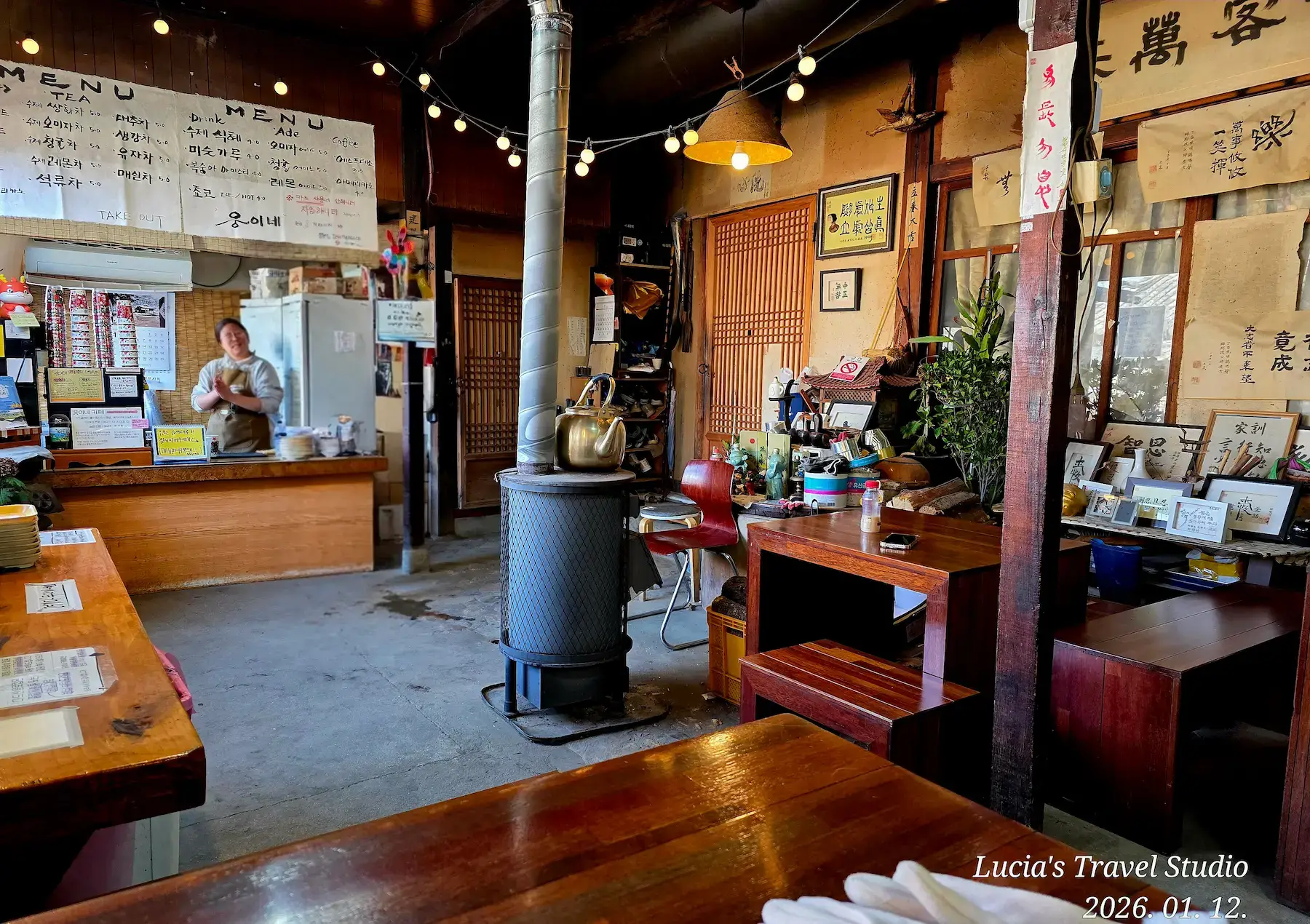
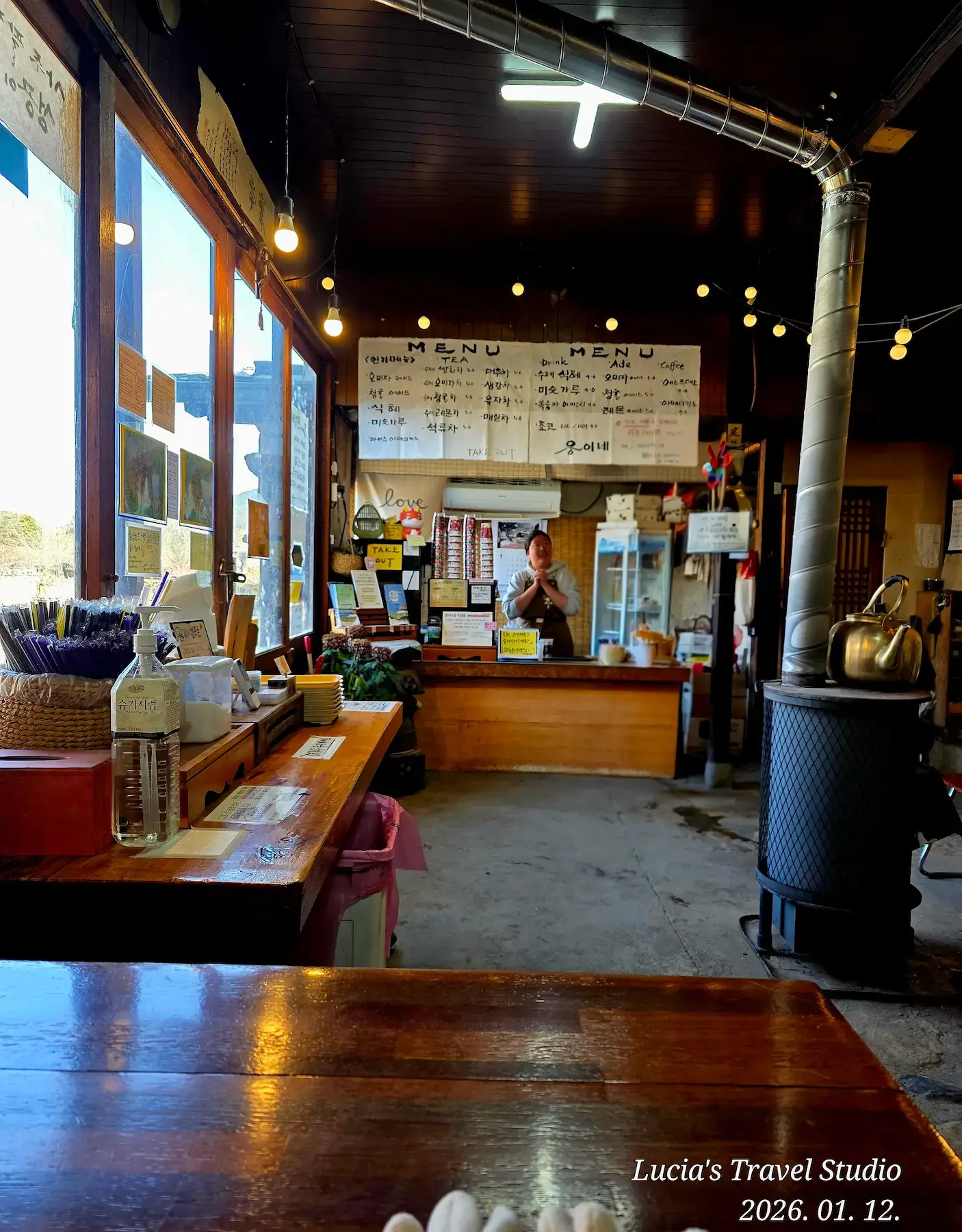
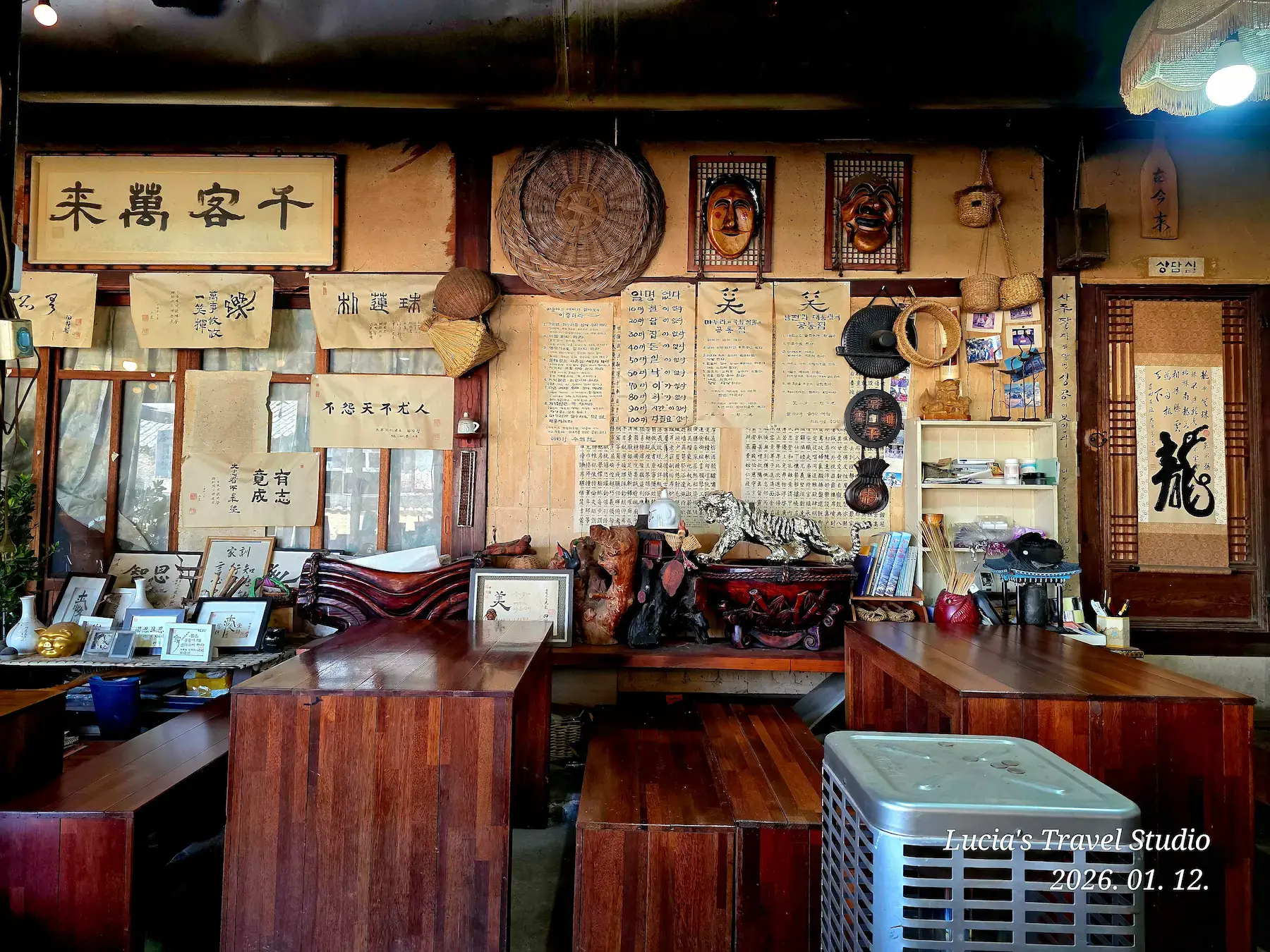
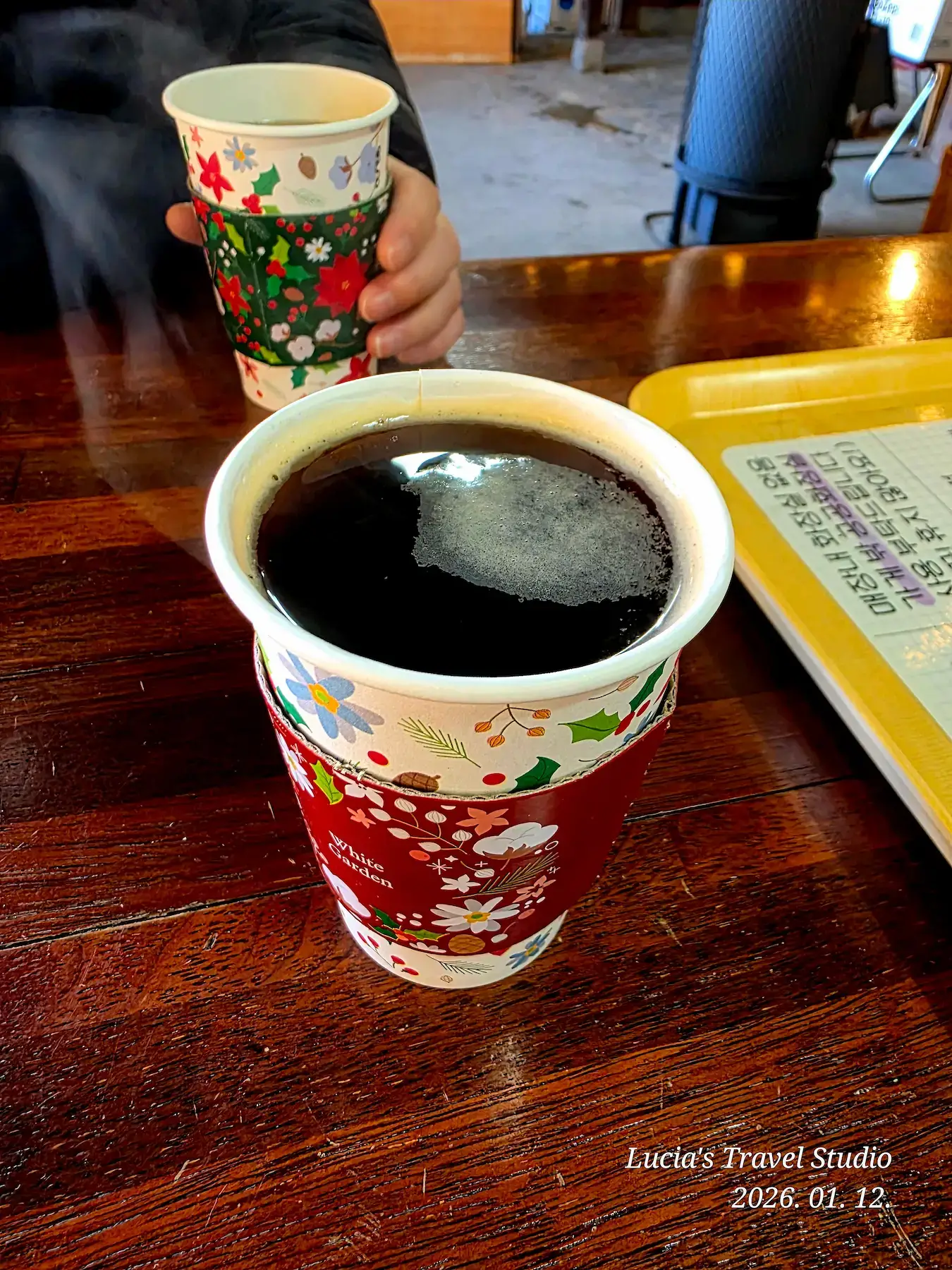
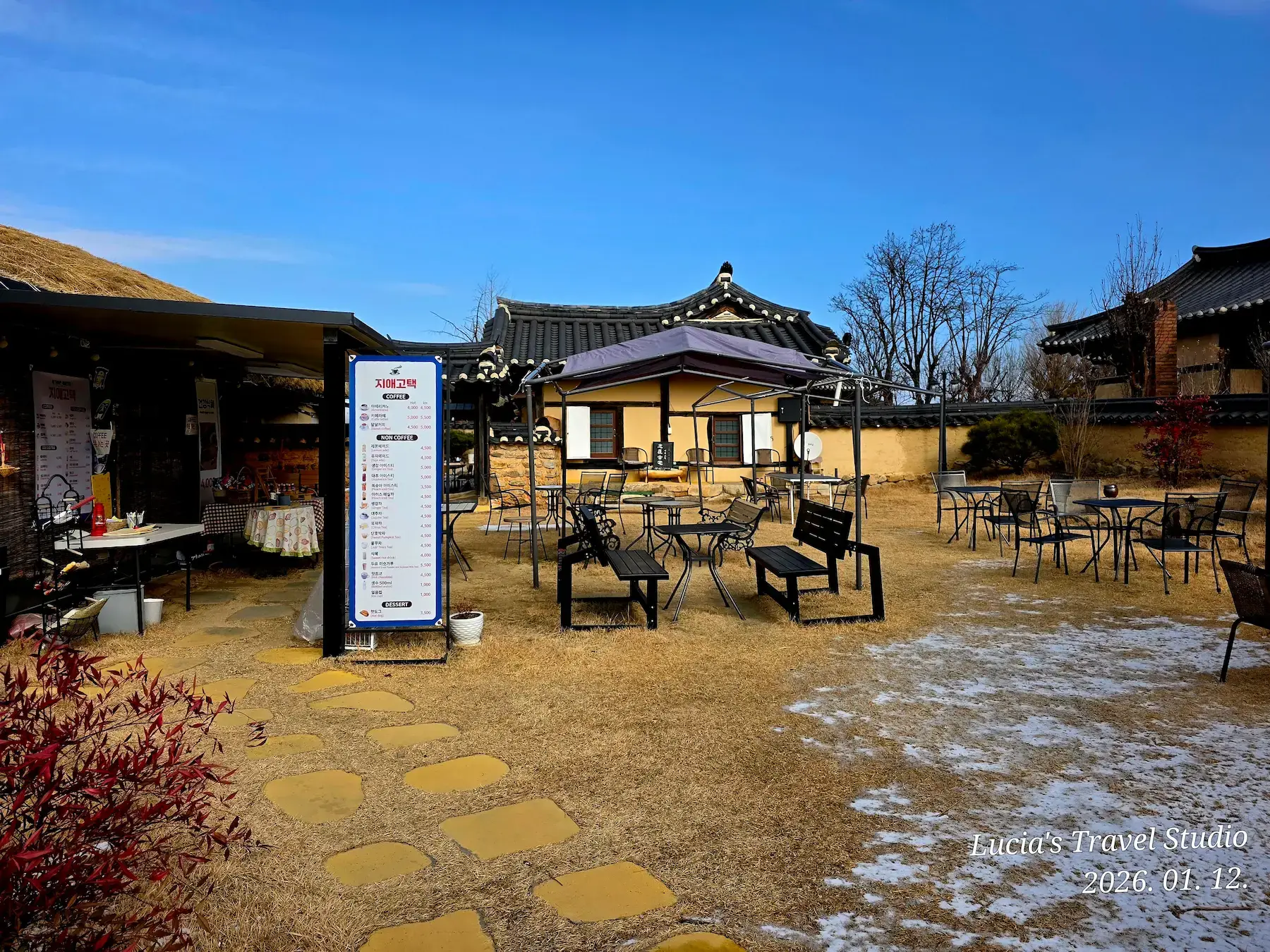
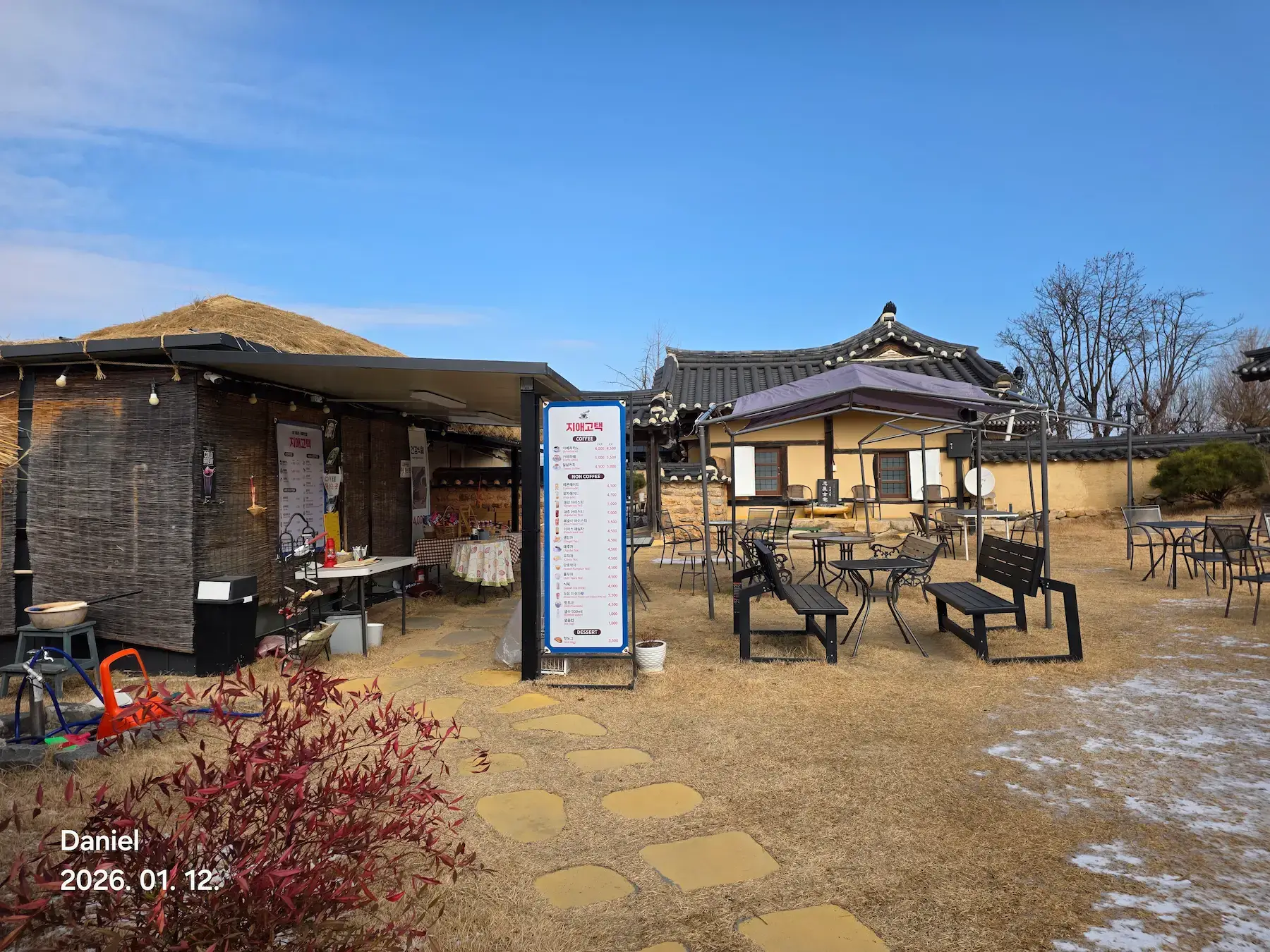


Young people are leaving; empty houses are increasing.
Land and homes circulate only within the clan.
After UNESCO listing, repairs became strict—
making it hard to move in, even if you want to.No restaurants inside the village:
preservation and daily life come first.
Hahoe chose the way of a living village over tourist convenience.
It’s a bit inconvenient—but the atmosphere is real.
🛍️ 8. After UNESCO — The “Disappearing Restaurants”
Eateries and souvenir shops moved outside, to Hahoe Market.
The reward?
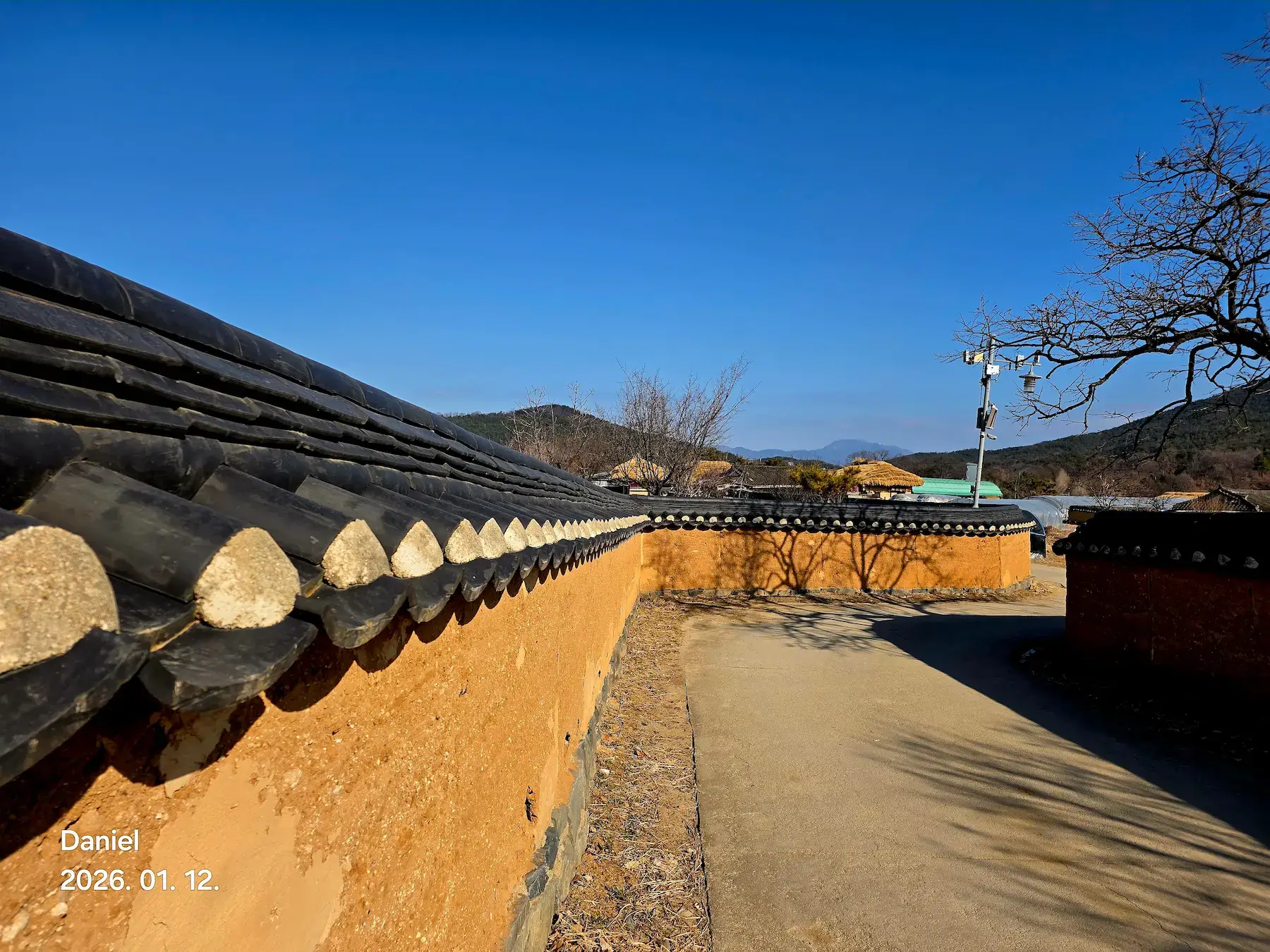
Quieter paths, fewer commercial smells,
and air that feels like time itself.
💡 Final Tip
Hahoe is not a staged folk village—it’s where people live.
If a gate asks visitors to keep out, that’s not an exhibit. That’s someone’s life.
End your visit across the river, on Buyongdae.
Looking down at Hahoe from there, you’ll quietly understand why this village
has stubbornly kept its own way—for centuries.
🚕 Private Tours (Klook)
🏯 Hanok Stays in Andong
🧳 About This Journey
This post is the eighth entry in my six-day winter journey through Gyeongnam & Gyeongbuk—
a trip shaped by coastal landscapes, lived-in history, and a slower, more reflective rhythm of travel.
📍 Start of the journey — Sancheong
📍 Namhae (Entries 2–3)
📍 Tongyeong (Entries 4–5)
📍 Bongha Village (Entry 6)
Democracy, citizenship, and memory
📍 Pyeongsan Bookstore (Entry 7)
A former president’s quiet dream
📍 Full itinerary
https://enko.co.kr/korea-winter-trip/