German Emigration Exhibition Hall (Namhae) – What the Orange Rooftops Don’t Tell You
This post is the third entry in my six-day winter journey through Gyeongnam and Gyeongbuk—a trip shaped by coastal landscapes, lived-in history, and a slower, more reflective rhythm of travel.
Start of the journey — Sancheong
Namhae (Entries 2) – Namhae German Village
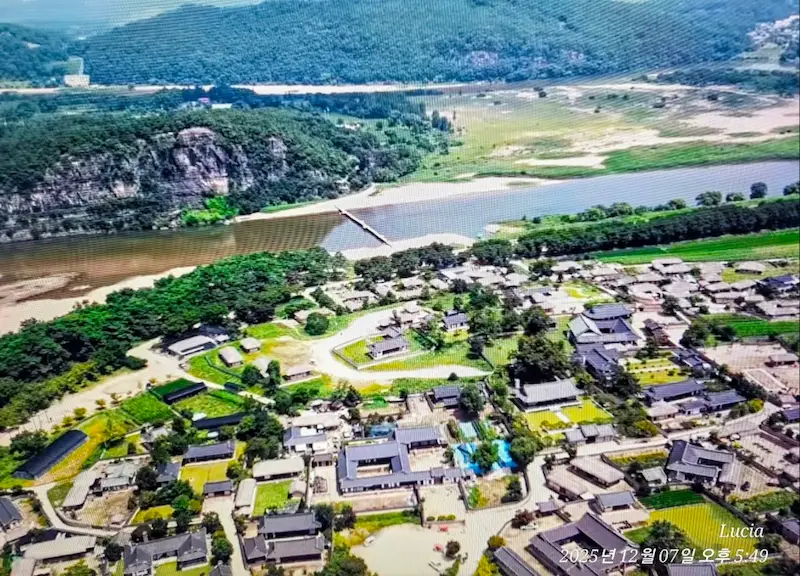
🏘️ The orange rooftops of Namhae German Village look calm and picturesque.
But this village was not created by chance.
Its origins lie in a difficult decision made in the 1960s and 1970s, when young Koreans chose to leave their homeland and head for Germany.



1. “Young People Who Left to Earn a Living” — The Beginning of Emigration
The German Emigration Exhibition Hall, located within Namhae German Village, tells the story of Korean miners and nurses who worked in Germany.
Opened on June 28, 2014, the exhibition traces their lives, sacrifices, and quiet resilience.


In the 1960s, South Korea was one of the poorest countries in the world, with a per capita income of just 76 dollars.
The nation desperately needed foreign currency, and labor agreements with Germany became one answer to survival.
The miners and nurses who left Korea kept only the bare minimum for themselves.
Most of their wages were sent back home to support their families.
Their sweat and tears would later become the seed money for Korea’s economic growth.


The videos shown in the exhibition capture not only the background of this emigration, but also the longing, hardship, and the beginning of a second chapter of life that eventually led back to Namhae.
2. 🧳 Standing Between Hope and Fear — The Moment of Departure
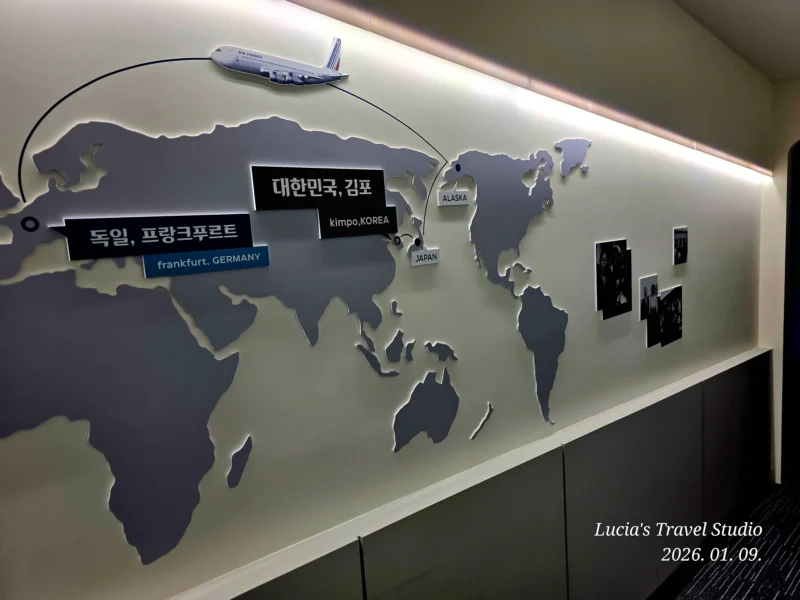
✈️ At the entrance of the German Emigration Exhibition Hall, visitors encounter a recreated scene of Gimpo Airport in the 1970s.
Passing through the terminal and boarding bridge, and stepping inside a plane bound for Germany,
one can almost feel the emotions of those who left with both hope and fear in their hearts.


📜 After the long journey, Germany appears—a land of unfamiliar language and customs.
Through immersive media art, the confusion and anxiety felt by the emigrant workers are vividly conveyed.
3. ⛏️ “Glück Auf!” — Life Beneath the Ground


Following a narrow, dark passage that leads down to a depth of 1,200 meters, the exhibition recreates the underground worksite where Korean miners labored.
The hot, confined spaces and the harsh working conditions, along with the displayed artifacts, reveal just how difficult life must have been for these workers in a foreign land.


They greeted one another with the words “Glück Auf,” a German mining phrase meaning “May you return safely.”
With those words, they endured each day— for their families, and for the future of their country.


4. 🤍 “Korea Engel” — Angels in a Foreign Land


The exhibition then moves to the stories of Korean nurses, known in Germany as “Korea Engel.”
In unfamiliar hospitals, surrounded by an unknown language and culture, they adapted through sincerity and discipline.
From cleaning bodies to handling the most difficult tasks, their dedication earned deep trust and respect.
Loneliness and homesickness were eased through handwritten letters sent back to Korea.


Photographs and diary excerpts quietly testify to lives that were no less demanding than those of the miners.
5. 🏡 Epilogue — Returning Home, Building German Village


The final section of the exhibition displays donated artifacts and records from the workers’ lives in Germany.
Their years abroad were not defined only by loneliness.
Over time, they found stability, built lives, and eventually returned to Namhae.


In the last space, titled “The Final Stop of Youth,” the story of how Namhae German Village was created unfolds.
Names of those who built the village line the walls.


As you read them one by one, you naturally find yourself stepping back outside—walking once again toward the German Village.
Inside the exhibition, voices speak one after another, each softly repeating the same line:
“We will not forget you.”
The words stay with you long after you leave.


ℹ️ Visitor Information
Admission Fee:
KRW 1,000 (Adults)
→ Inexpensive, but the exhibition offers far more value than the price suggests.Opening Hours:
9:00 AM – 6:00 PM
(Last admission at 5:30 PM)Closed:
Every Tuesday
(If Tuesday is a public holiday, the exhibition will be closed the following day.)Visitor Tip:
Be sure to watch the short documentary shown inside the exhibition.
It provides essential historical context and greatly deepens the overall experience.
Closing Reflection
After visiting the exhibition, the orange rooftops seen earlier are no longer just beautiful buildings.
They become something else entirely— a long-awaited place of rest, created by people who endured a lifetime of hardship far from home.