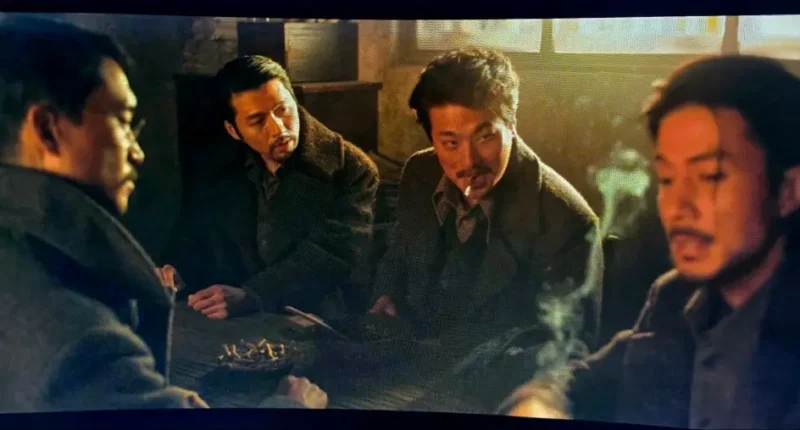
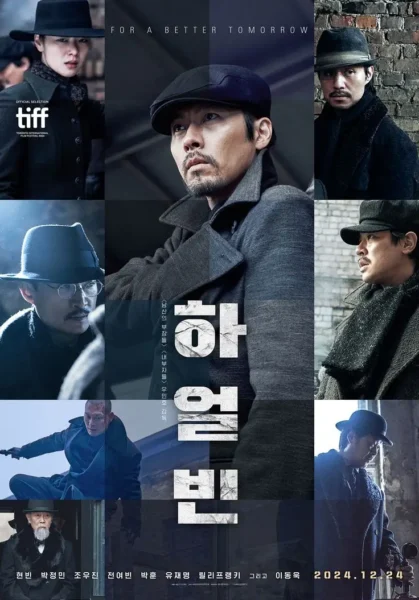
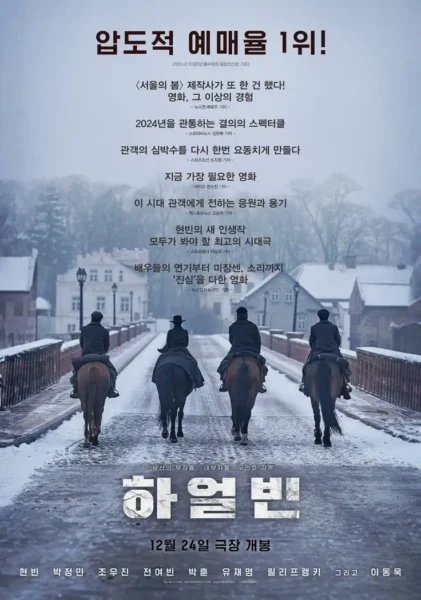
1️⃣ Harbin Movie – Introduction
On the morning of October 26, 1909, at Harbin Station in Manchuria, three gunshots echoed through the cold air.
An Jung-geun (1879 – 1910), a Korean patriot, fired his pistol at Ito Hirobumi (1841 – 1909), Japan’s Resident-General in Korea and the architect of its colonization.
That single moment transcended individual vengeance.
It became a turning point in East Asian modern history — a moral act born from a nation’s despair.
“Korea Ura ! (Long live Korea!)”
An’s shout was not only defiance; it was the conscience of a nation.
2️⃣ The Eulsa Treaty and the Shadow of Empire
After Japan’s victory in the Russo-Japanese War (1904 – 1905), it imposed the Eulsa Treaty (1905) on the Korean Empire.
The treaty stripped Korea of its diplomatic sovereignty and turned it into a Japanese protectorate.
Behind that coercion stood Ito Hirobumi, Japan’s first Resident-General in Korea.
Under the guise of “civilization” and “protection,” Ito advanced Japan’s continental ambitions —
a policy designed to dominate Manchuria, control Korea, and expand across Asia.
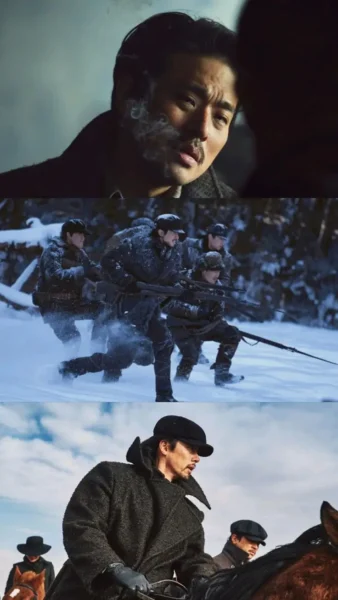
Emperor Gojong was forced to abdicate.
The Korean Imperial Army was dissolved.
Korean press and education were suppressed.
“Ito preached peace, but his peace was submission.”
— An Jung-geun’s assessment in trial records
3️⃣ An Jung-geun — Faith, Knowledge, and Resolve
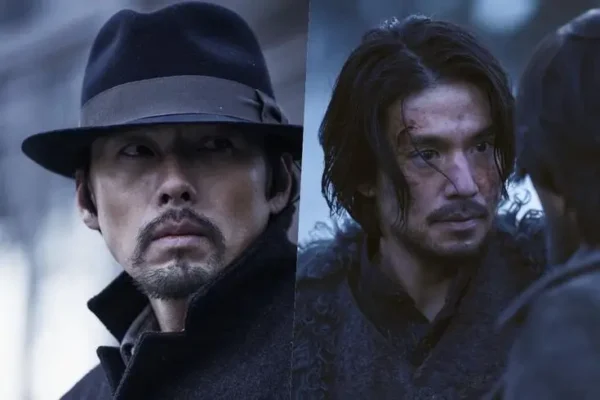
Born in Haeju, Hwanghae Province, in 1879, An grew up studying both Confucian classics and Western thought.
At sixteen, he was baptized as Thomas (Do-ma) in the Catholic Church.
He believed that education was the foundation of national strength.
In 1906 he established Samheung School (三興學校) in Hwanghae Province, teaching that “learning is the first act of independence.”
“A nation without education cannot stand.”
— An Jung-geun
When Japan forced the abdication of Emperor Gojong and disbanded Korea’s army in 1907,
An chose resistance through action.
He crossed into the Russian Far East, organized an independence army, and became its Staff Commander.
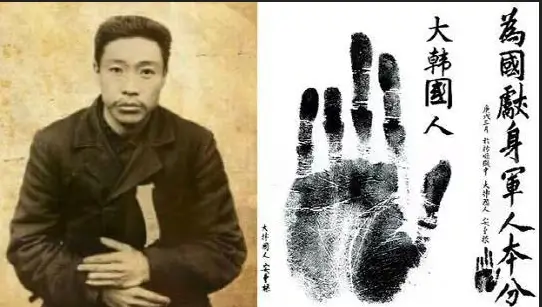
He inscribed “Great Korean Independence” in his own blood — and prepared for the decisive act at Harbin.
4️⃣ The Harbin Assassination — A Shot for Freedom
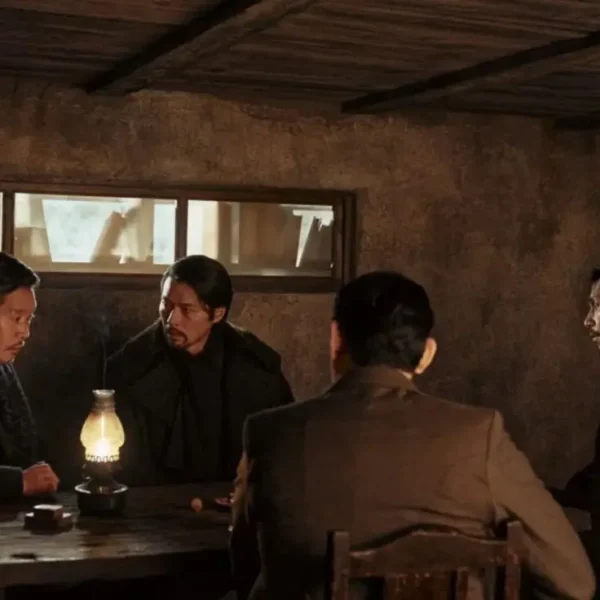
In autumn 1909, Ito Hirobumi planned to meet Russian officials in Harbin to discuss control of Manchuria.
An recognized it as the chance Heaven had granted him.
At 9:30 a.m., October 26, 1909, as Ito stepped from his train and greeted the Russian honor guard,
An drew his Browning M1900 pistol and fired three times.
Three bullets struck Ito in the chest and abdomen.
“Long live Korean independence!”
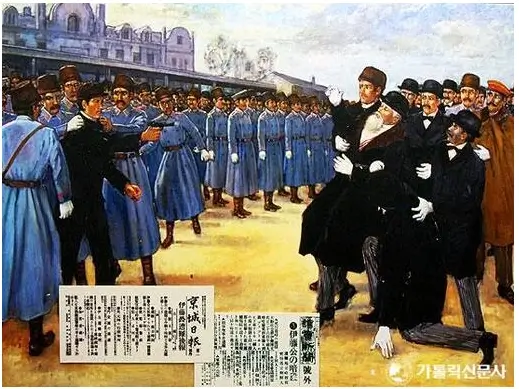
An was seized immediately by Russian guards and later handed over to Japanese authorities,
yet he showed neither fear nor regret.
“I did not kill a man;
I killed the enemy of peace in the East.”
— An Jung-geun (testimony at trial)
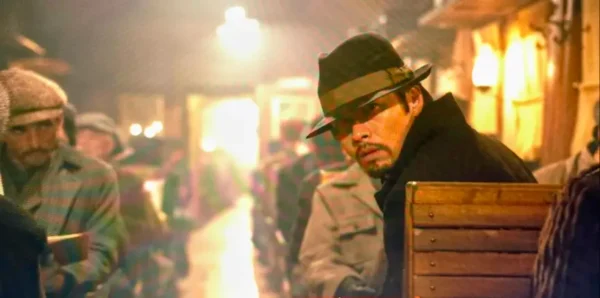
5️⃣ The Fifteen Crimes of Ito Hirobumi
During his trial, An solemnly declared that he had executed Ito as a legitimate act of war in his capacity as a Korean military commander.
He then read aloud fifteen charges, recorded later in his writings Ahn Eung-chil Ilgi and Treatise on Peace in the East.
The Fifteen Charges
The assassination of Empress Myeongseong (Queen Min).
Forcing Emperor Gojong to abdicate.
Coercing the signing of the Eulsa Treaty (1905).
Disbanding the Korean Imperial Army.
Depriving Korea of national sovereignty.
Destroying Korea’s independence.
Stripping Koreans of civil rights and freedoms.
Massacring innocent civilians.
Suppressing the press, education, and speech.
Looting Korea’s treasury and resources.
Seizing railways, mines, forests, and rivers for Japan’s profit.
Forcing the circulation of Japanese banknotes (First National Bank of Japan).
Deceiving the Japanese Emperor to justify aggression.
Destroying peace in East Asia.
Turning friendship between Korea and Japan into hostility.
“Ito Hirobumi was not merely the enemy of Korea;
he was the betrayer of peace in Asia.”
— An Jung-geun
6️⃣ Ito Hirobumi — The Architect of Empire
Ito Hirobumi (1841 – 1909) was four-time Prime Minister of Japan, a framer of its constitution, and an influential Meiji reformer.
He studied in Britain and the U.S., mastering Western systems and finance.
Yet his vision of “peace” was one of imperial domination.
“Korea is a nation ruled by foolish kings and corrupt scholars,
but its people are the real problem — they show strange strength whenever crisis comes.”
— Ito Hirobumi
“In Europe, peace broke when Germany grew strong;
in East Asia, peace broke when Korea grew weak.”
That paradox remains a haunting truth in East Asian history.
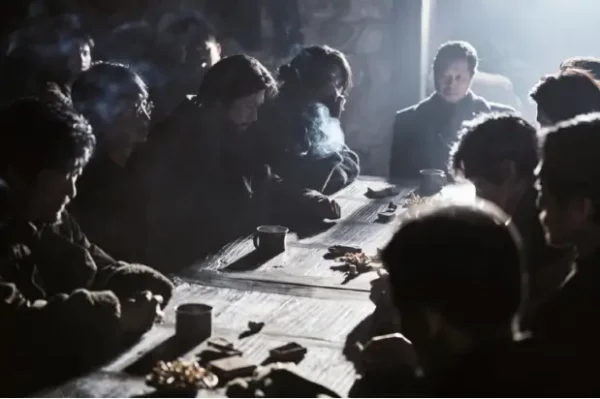
7️⃣ The Man Behind the Deed — An Jung-geun’s Faith and Philosophy
An was more than a soldier or assassin; he was a thinker and believer.
Even in captivity at Lushun (Port Arthur), he continued to write and teach.
His unfinished work, “Treatise on Peace in the East (東洋平和論)”, outlined a vision centuries ahead of its time:
Korea, China, and Japan should cooperate as equal nations.
The three countries should form a joint defense against Western imperialism.
True peace comes from education and moral development, not conquest.
“The peace of the East must be secured by Eastern people themselves.”
— Treatise on Peace in the East
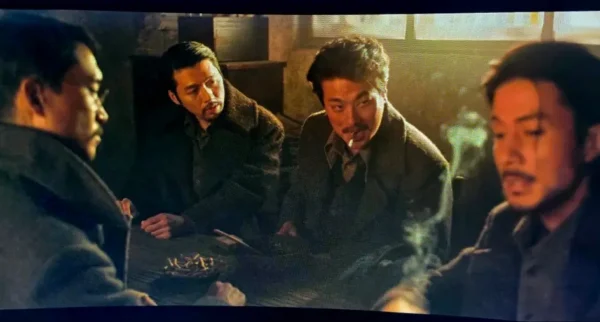
He struggled between faith and reality but never lost purpose.
“I lost my way.
Many comrades died because of my beliefs,
and I had no reason left to live.
Then I realized — my life belongs to the dead comrades.
I must live for them.”
— An Jung-geun (from the film Harbin)
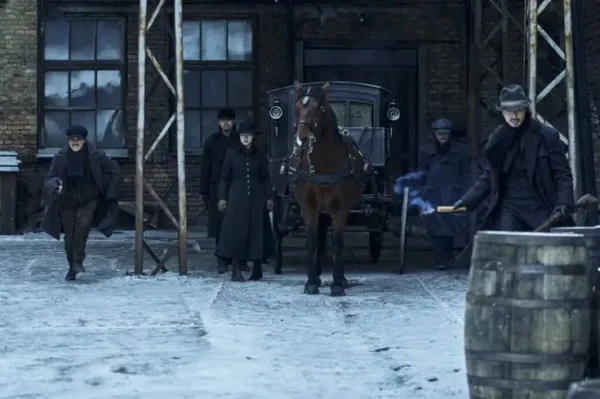
8️⃣ The Mother’s Letter — Maria Cho
When An’s mother, Maria Cho, heard that her son had been sentenced to death, she sent him a letter of astonishing courage:
“My son, you have done what is right for your country.
Do not beg for life — die bravely.
That will be your true filial duty.”
Her faith and strength became another symbol of the Korean spirit — a mother who offered her son to freedom.
9️⃣ Inside Lushun Prison — The Final Days
Awaiting execution, An refused to appeal his sentence. He spent his last months writing, teaching fellow inmates, and praying.
On March 26, 1910, at the age of thirty-two, he walked calmly to the gallows.
“Give me five more minutes.
I haven’t finished my book yet.”
His body was never returned to his family; his burial place remains unknown.
Yet his name became a banner for those who continued the fight — from Yun Bong-gil to Yu Gwan-sun.
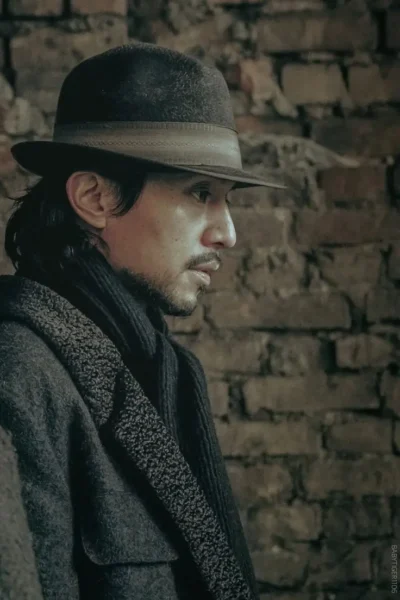
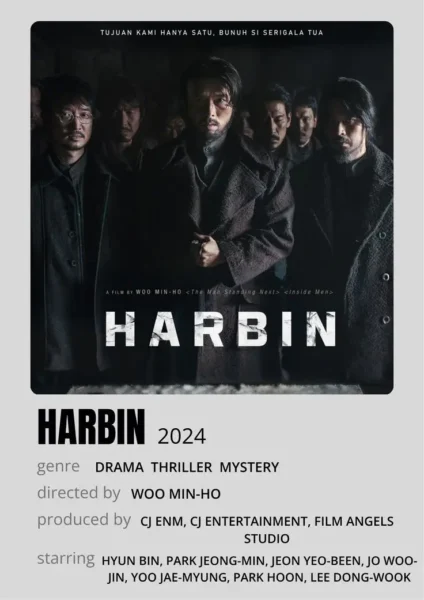
🔟 Memorable Lines from the Film Harbin (2025)
🎬 An Jung-geun (Hyun Bin)
“Darkness will thicken and the wind will blow harder.
We must light the flame.
When people gather, we will carry that flame and walk through the darkness together.”
🎬 Lee Chang-seob (Lee Dong–wook)
“They say a thousand words of international law can be silenced by a single cannon.
Will you let our comrades’ sacrifice be wasted on words?”
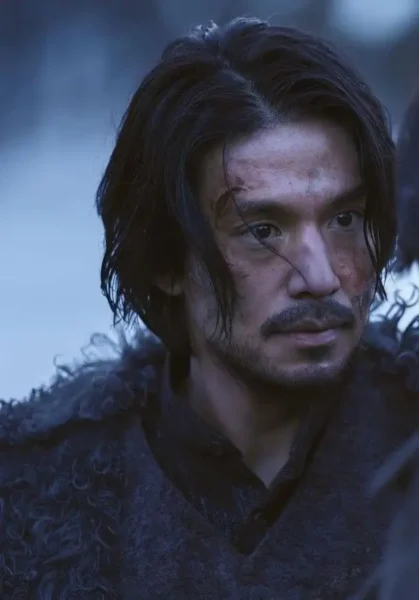
🎬 Ito Hirobumi
“Korea has been ruled by foolish kings and corrupt scholars,
but its people are the most troublesome — they find strength in crisis for reasons I cannot understand.”
🎬 An Jung-geun
“Your goal may be to kill forty million Japanese, but mine is to restore my nation’s sovereignty.”
These lines are not just fictional dialogue; they symbolize the collision of beliefs — between imperial ambition and moral conviction.
11️⃣ Legacy — A Fire That Never Dies
An Jung-geun’s act was not a crime of anger but a declaration of conscience.
He proved that true patriotism requires both sacrifice and vision.
“Freedom is not granted; it is protected by courage and conscience.”
His gun fell silent, but his voice still asks us:
“What kind of courage and justice do we live by today?”
The flame of peace he lit in Harbin still burns in the hearts of those who believe that peace and justice must walk together.
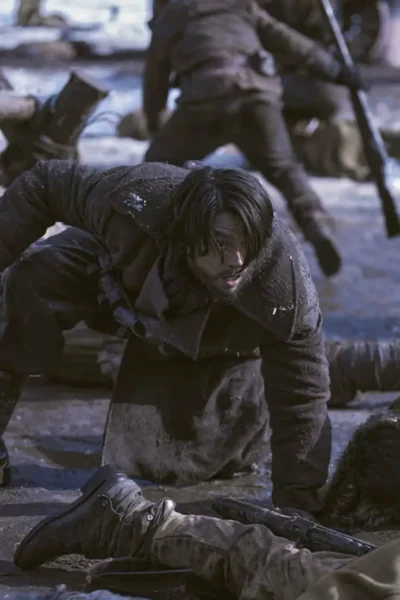
- To those inspired by An Jung-geun’s courage and ideals,
I truly recommend visiting the Thomas Ahn Memorial Hall —
a place where history breathes and his unbreakable spirit still lives on. - “Meet Baudeogi, the legendary street performer of Joseon — the spirit of K-Pop began with her. Read more on my post 👉 Anseong Namsadang Baudeogi Festival 2025”