Korea National Health Checkup 2025: My Real Experience at Sejong Chungnam National University Hospital 🏥
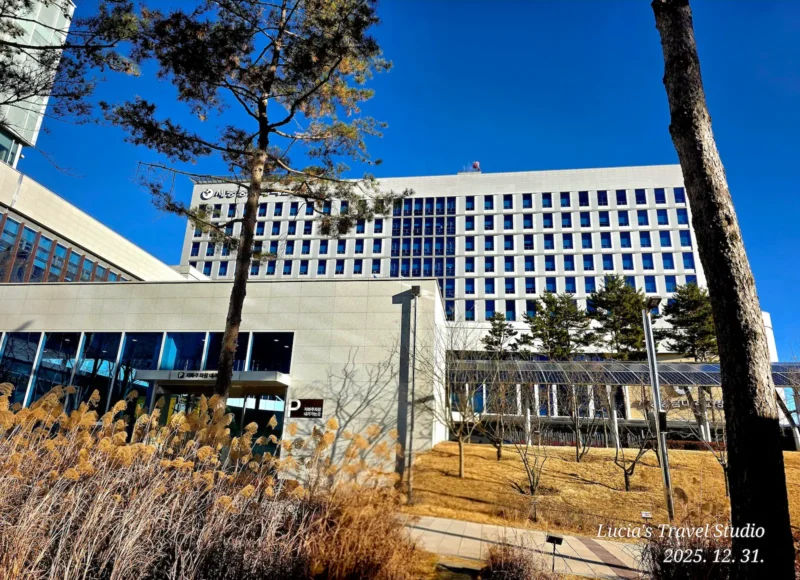
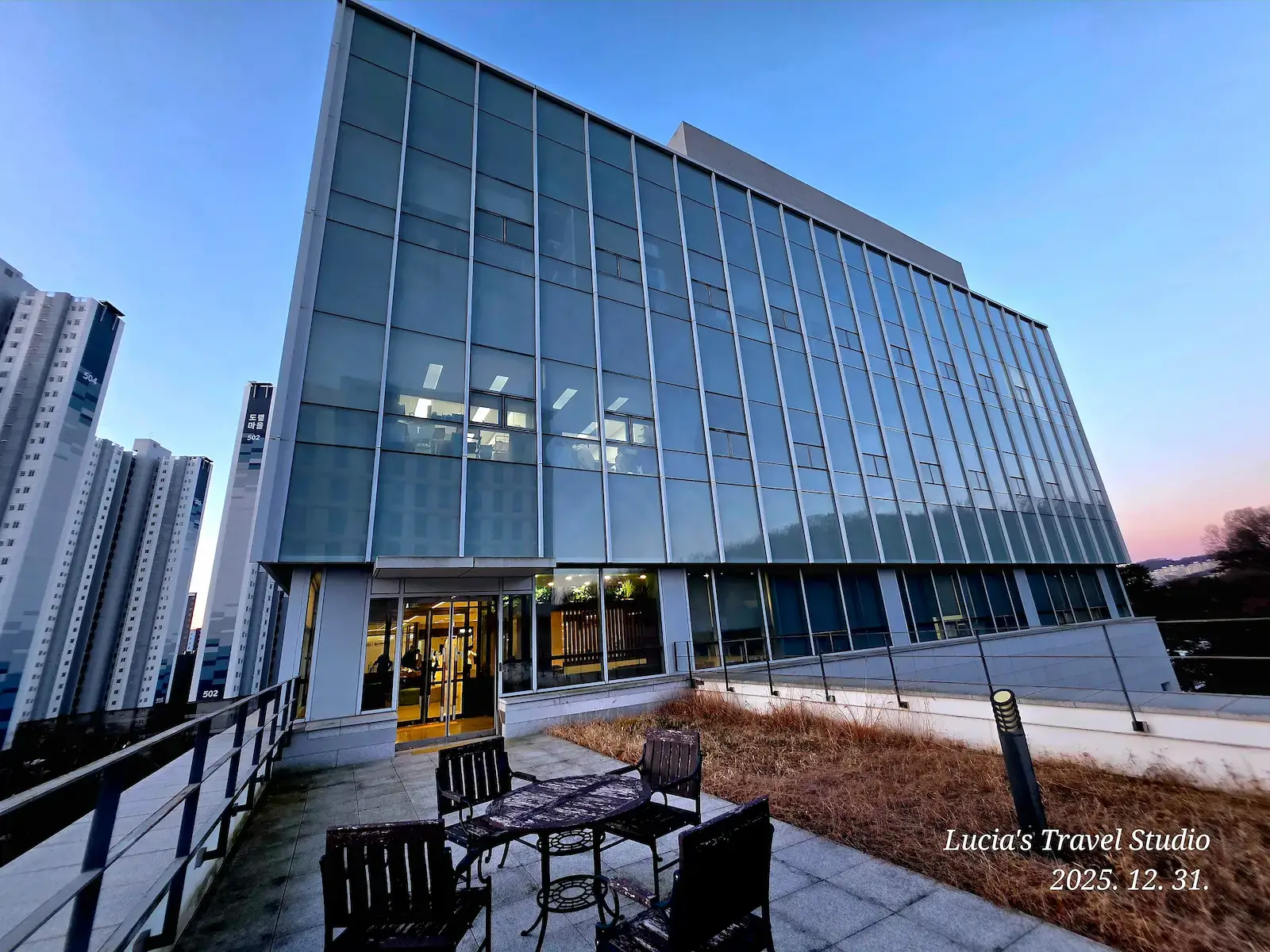
Our family’s favorite hospital is Sejong Chungnam National University Hospital (CNUH).
Although it is a tertiary-care hospital, we visit regularly.
Every two months, we see our primary doctor—a professor in Family Medicine—for routine consultations, and every two years, we receive Korea’s national health checkup, fully supported by the government.
✨ Why We Love Sejong Chungnam National University Hospital
There are clear reasons why we choose this hospital for our national health screenings:
🚗 Just a 10-minute drive from home
🧠 Modern facilities and advanced medical technology (built within the last 10 years)
🏢 Spacious, clean, and comfortable buildings
❤️ Most importantly: incredibly kind and caring medical staff
The level of care we receive here would be hard to imagine at large tertiary hospitals in Seoul.
As residents of Sejong, we feel extremely fortunate to have access to such convenient, human-centered medical services.
Korea’s medical system truly feels user-friendly — and human-friendly.




Korea National Health Checkup
Key Features of Korea National Health Checkup System
💰 Outstanding Value for Money
All Korean citizens are required to enroll in the National Health Insurance system.
For a middle-class family of four, monthly insurance contributions are typically around $150–$190 USD.
With this coverage, citizens receive affordable medical care, and most notably, a comprehensive national health checkup every two years — free of charge.
| Category | Details |
| Hospital | Sejong Chungnam National University Hospital (CNUH) |
| Basic Cost | app. $6 (Government Supported) |
| Optional Sedation | ~$110 (Stomach) / ~$150 (Colon) |
| Duration | ~1.5 to 2 hours (One-stop service) |
⚡ Incredible Efficiency
Unlike in many countries where health screenings involve visiting multiple departments over several days, Korea’s system operates as a half-day, one-stop service.
Everything is streamlined and fast.
🏨 Cutting-Edge Equipment
Major health screening centers in Korea often resemble hotel-level facilities, equipped with the latest medical technology and designed for patient comfort.




🗓 Our National Health Checkup Schedule
Both my husband and I were eligible for national health checkups this year.
November 10 — my checkup
December 31 — my husband’s checkup
We made our appointments by phone around September.
🧪 Colonoscopy Preparation in Korea (Real Experience)
Before the colonoscopy, patients are given preparation medication starting the day before the exam.
At Sejong Chungnam National University Hospital, the instructions were clear, simple, and well-organized.
The hospital provided:
Written instructions explaining what to eat and what to avoid
A bowel preparation solution, taken according to a fixed schedule
Clear reminders about timing and hydration
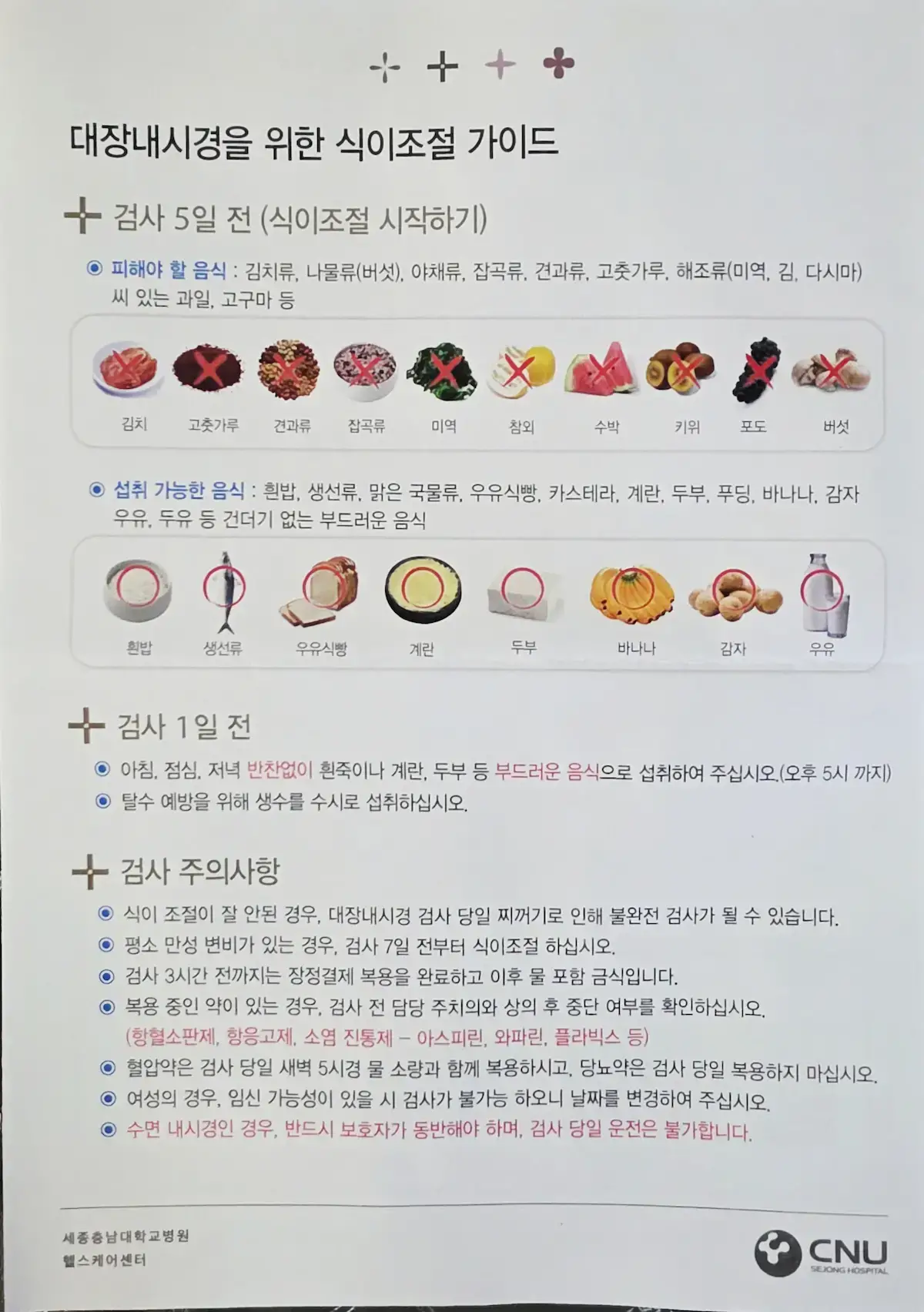
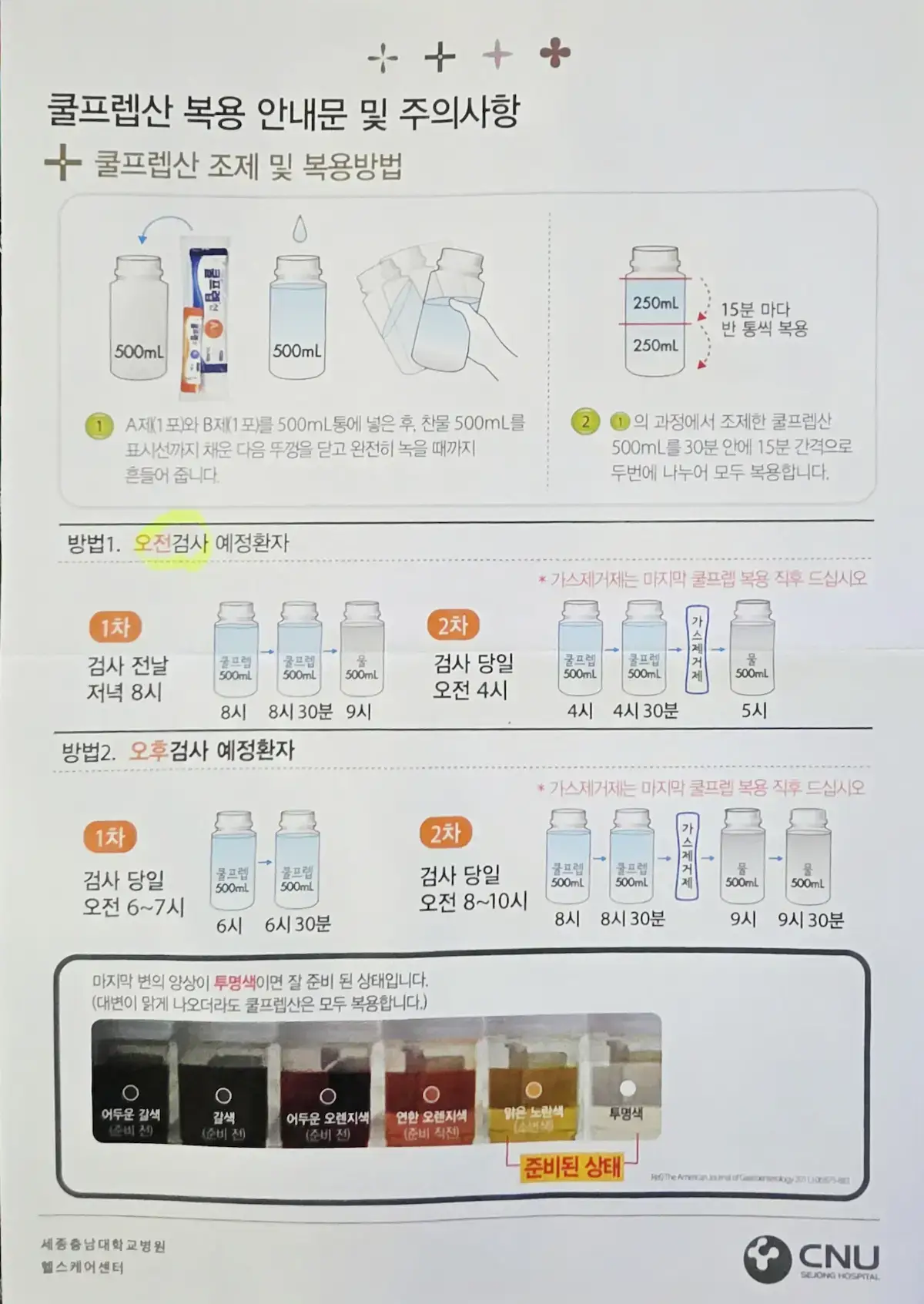
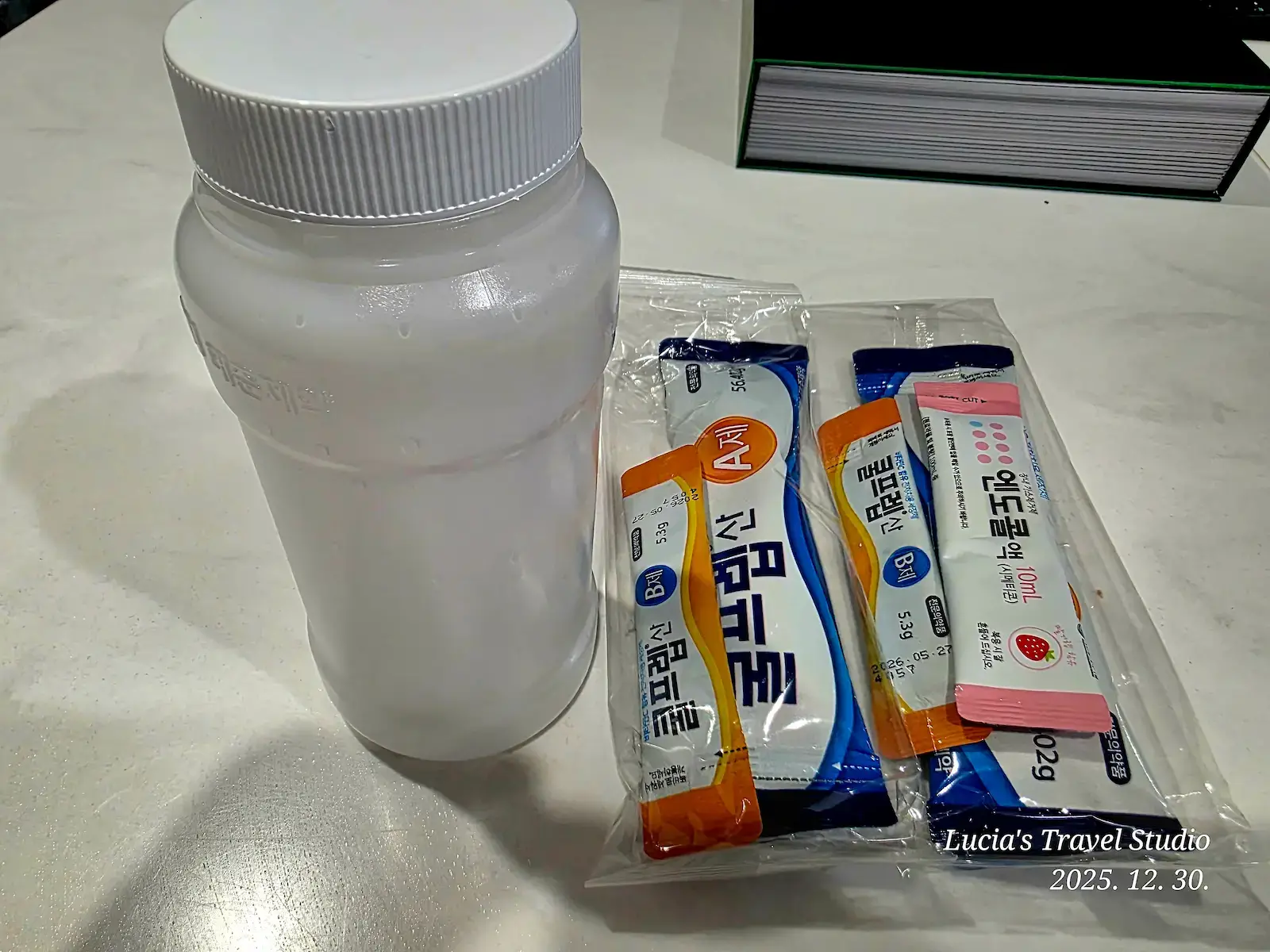
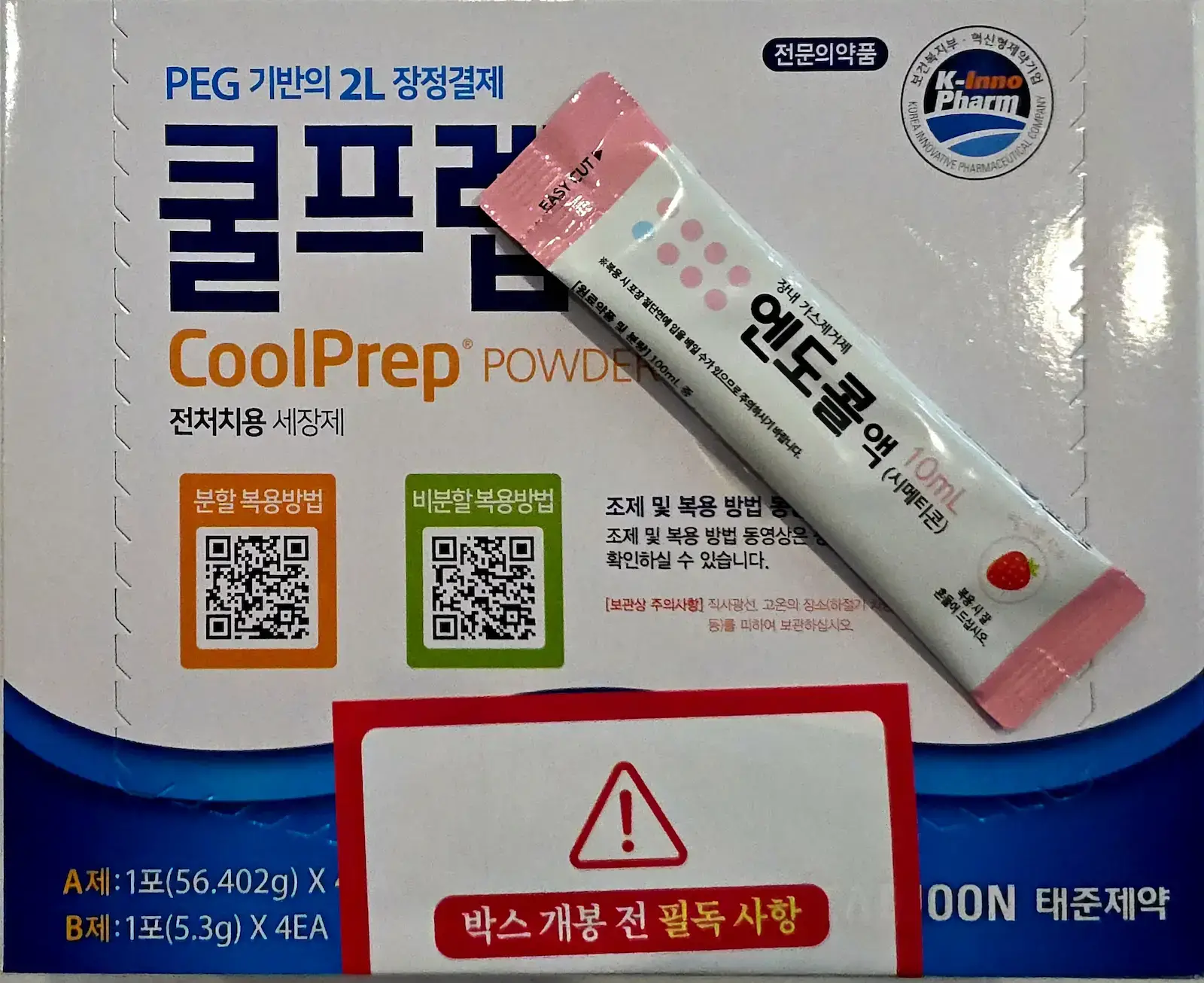
📸 Photo: Colonoscopy preparation medication provided by the hospital – Korea National Health Checkup
Everything was explained step by step, so there was very little confusion or anxiety.
While colonoscopy preparation is never pleasant anywhere in the world, the process here felt systematic and manageable, rather than overwhelming.
We also completed the online questionnaire in advance via CNUH app.
📅 December 31 — My Husband’s Checkup Day
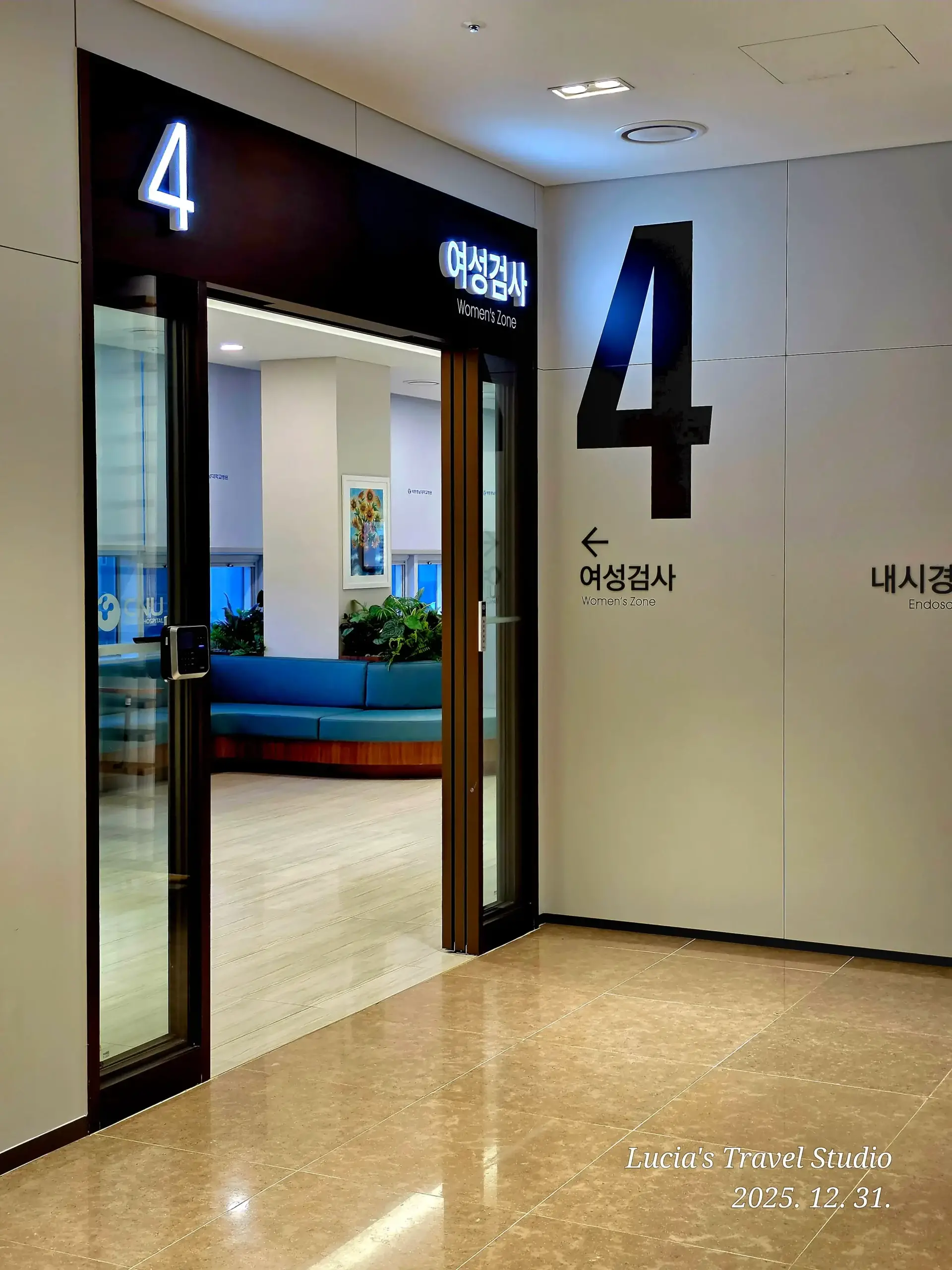
Health screenings at Sejong Chungnam National University Hospital take place on the 3rd and 4th floors of the Healthcare Center building.
🧪 Comprehensive Screening Includes:
Lifestyle and family history questionnaire / Medical consultation / Vision test / Hearing test
Body composition analysis (height, weight, waist circumference) / Chest X-ray / Blood test / Urine test
Cervical cancer & breast cancer screening (for women) / Stomach cancer & colorectal cancer screening
🔍 Optional Sedated Endoscopy (Not Included in Basic Screening · Extra Fee Applies)
Sedation is optional in Korea. If you choose a sedated endoscopy, an additional out-of-pocket fee applies.
Gastroscopy (with sedation): approx. $110 USD
Colonoscopy (with sedation): approx. $150 USD
Biopsy (if required): approx. $5 USD

This receipt is from a Korea national health checkup, including optional procedures.
Total medical cost: ₩476,575 (approx. $360 USD)
Covered by national health insurance: ₩117,235 (approx. $90 USD)
Out-of-pocket payment: ₩359,340 (approx. $270 USD) – The out-of-pocket cost mainly reflects optional sedated endoscopy, not the basic national screening.
⚙️ Fast & Smart Screening System
All tests—except imaging and endoscopy—are completed on the 4th floor within about 30 minutes.
One of the most impressive features is the tagging system.
Each patient wears a wristband and simply taps it on a screen outside each examination room for automatic check-in.
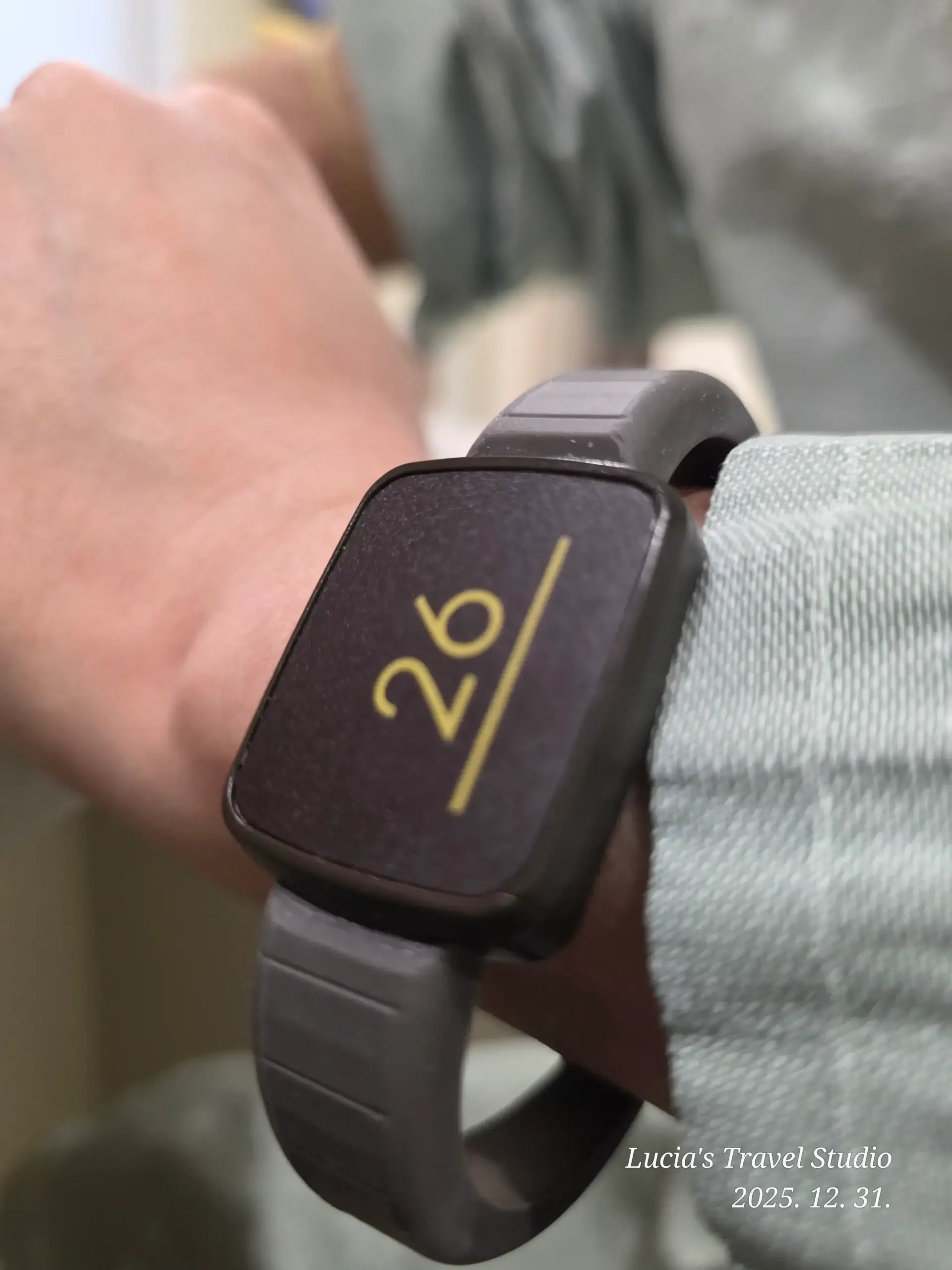
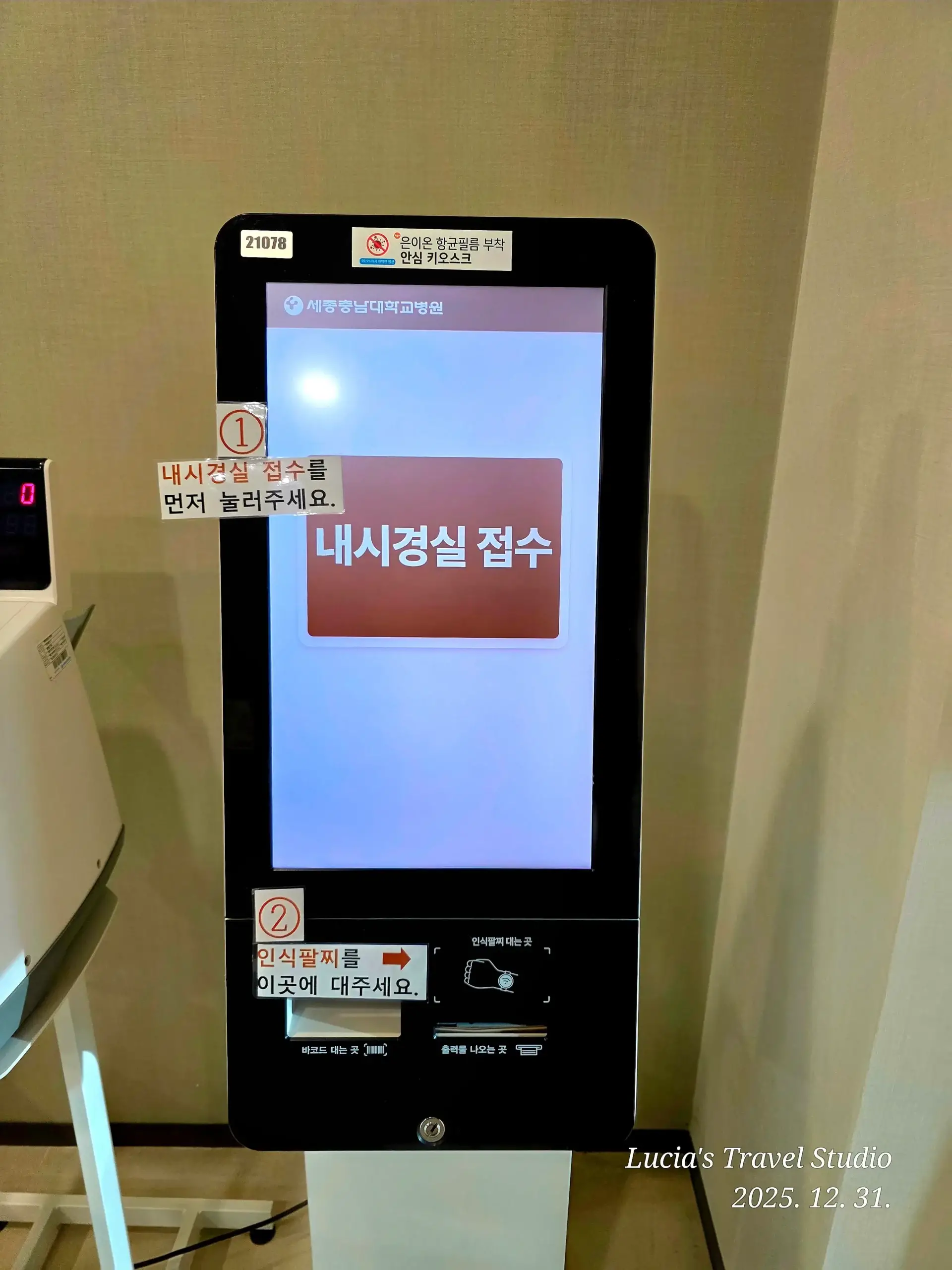
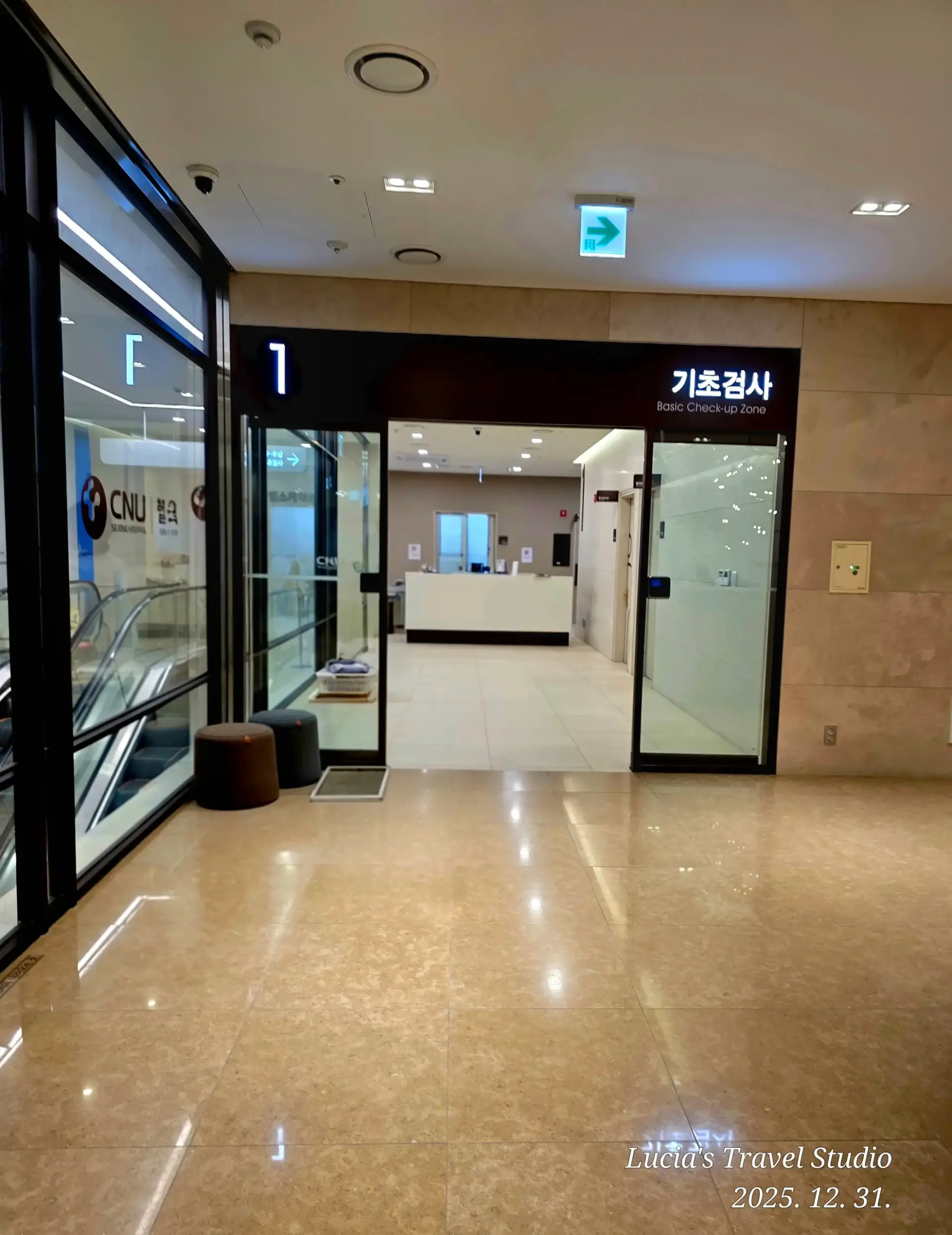
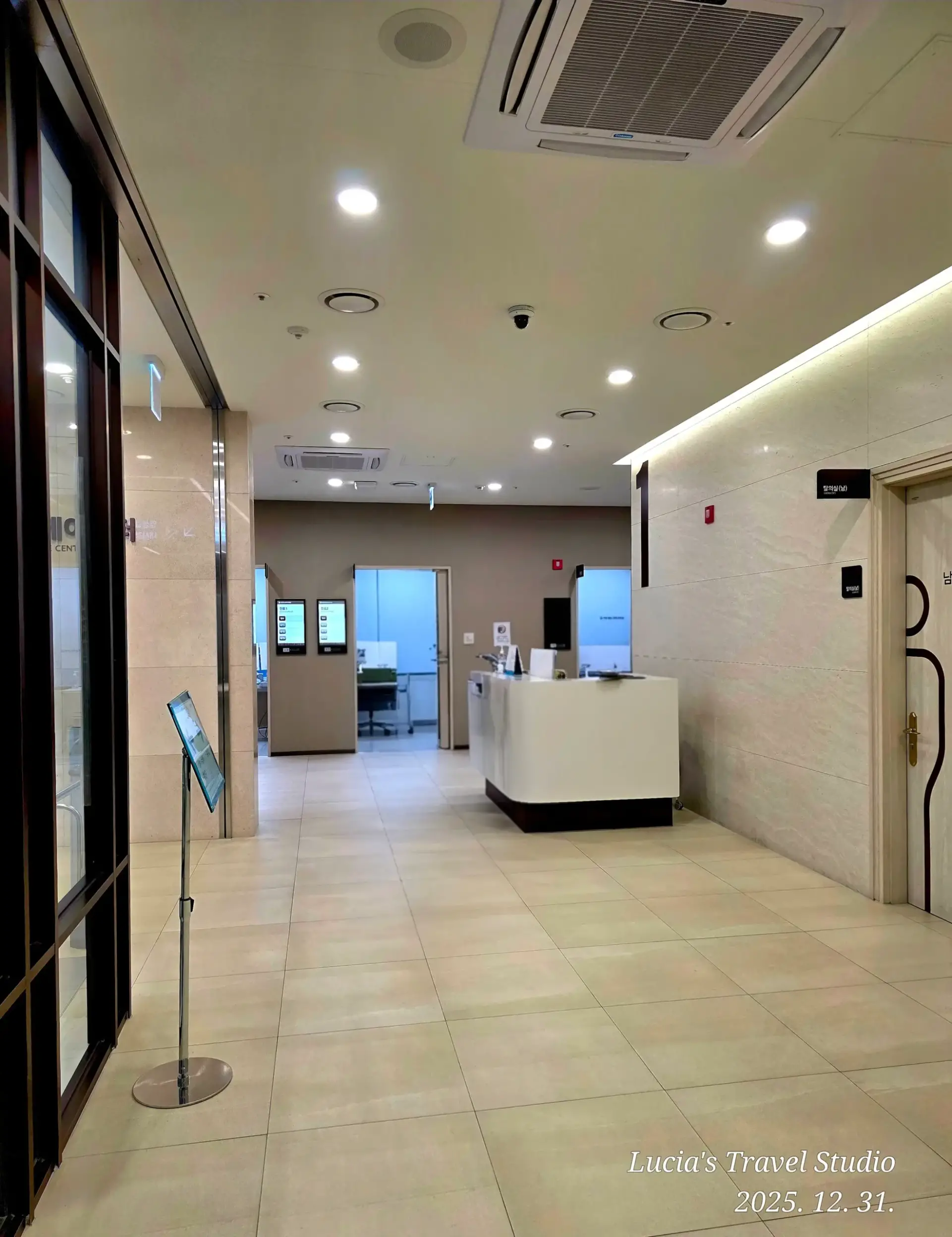
Medical staff are stationed throughout the center to guide patients efficiently, resulting in almost no waiting time.
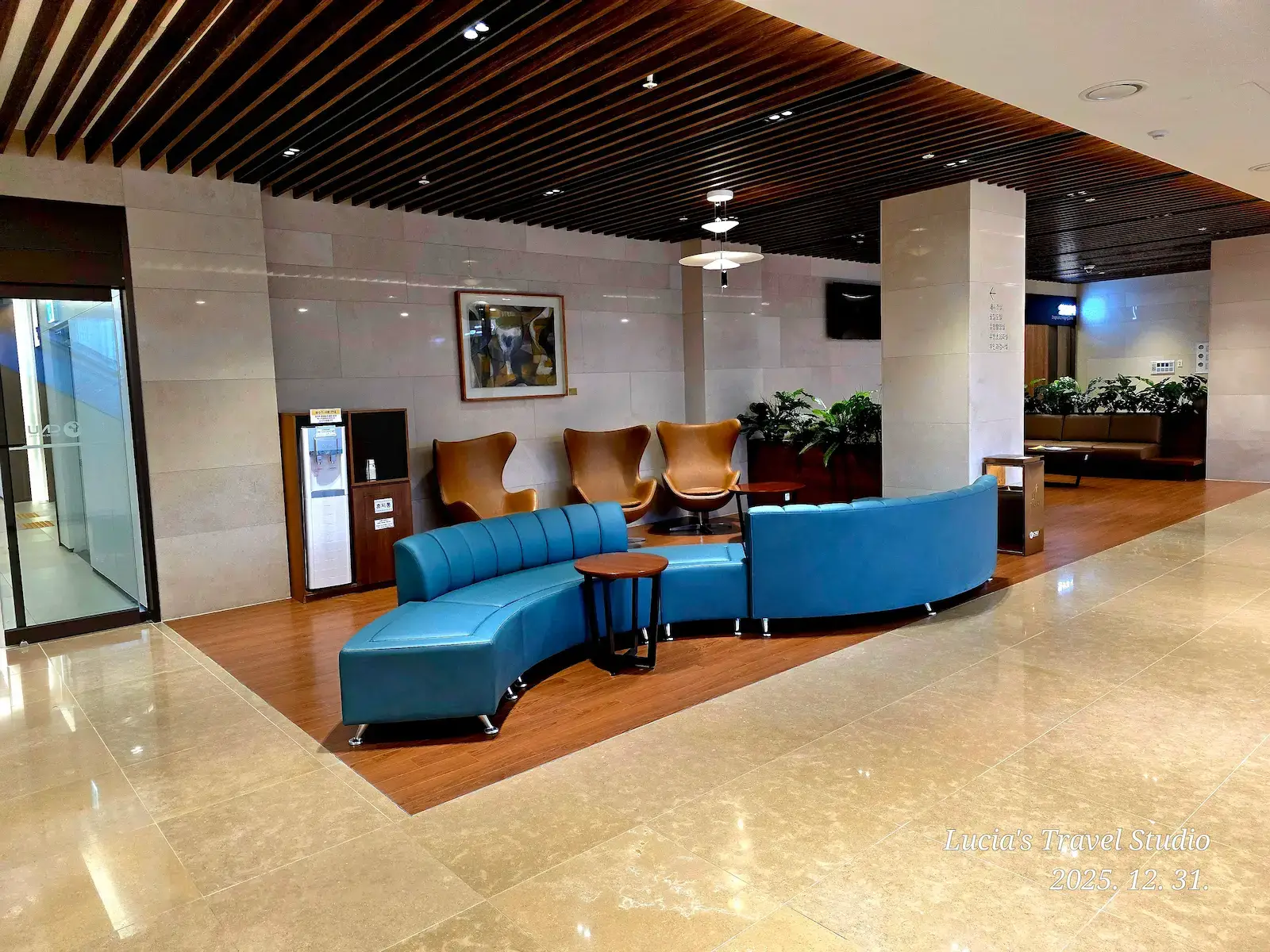
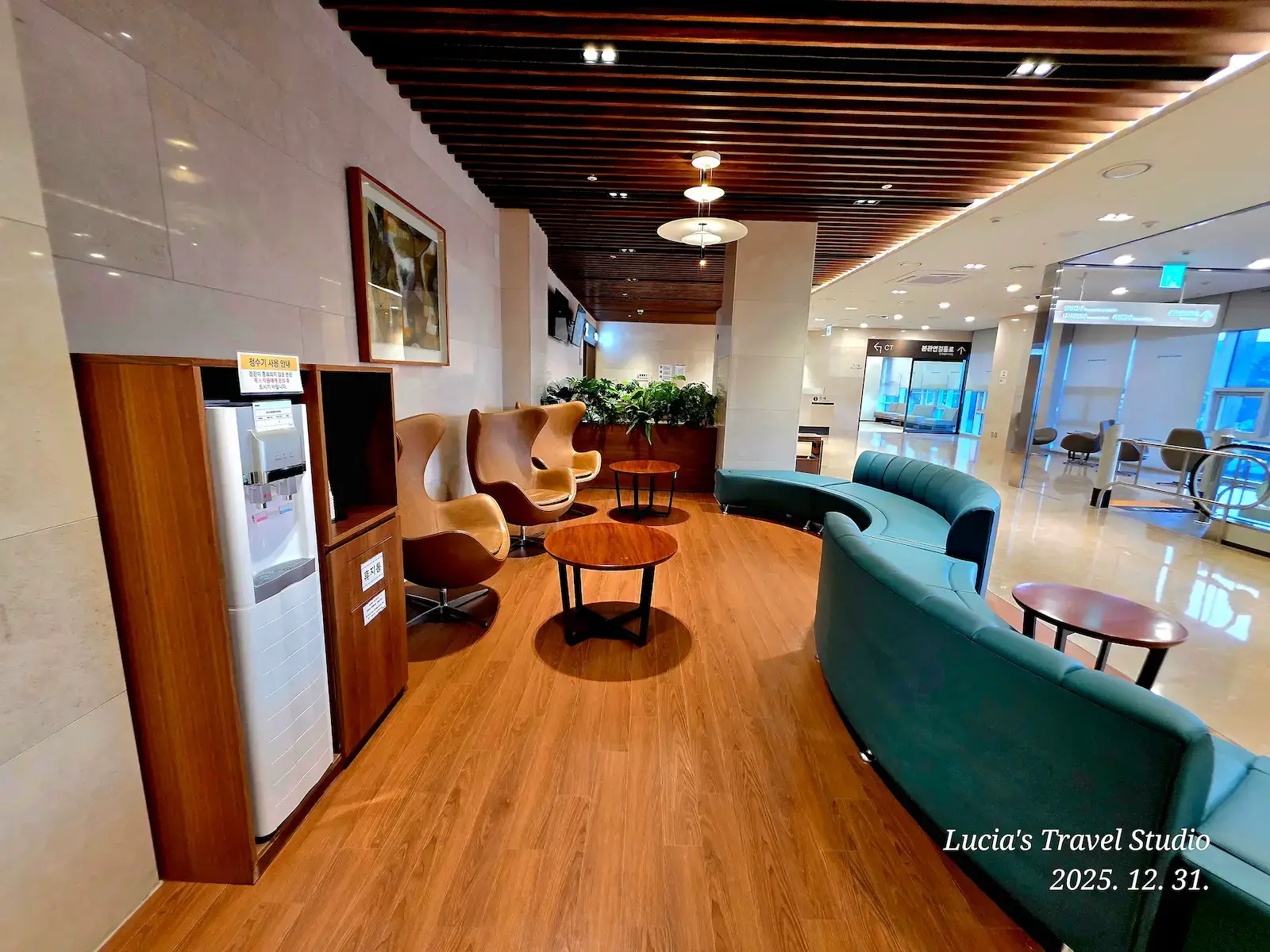
🛋 Comfortable Waiting Areas
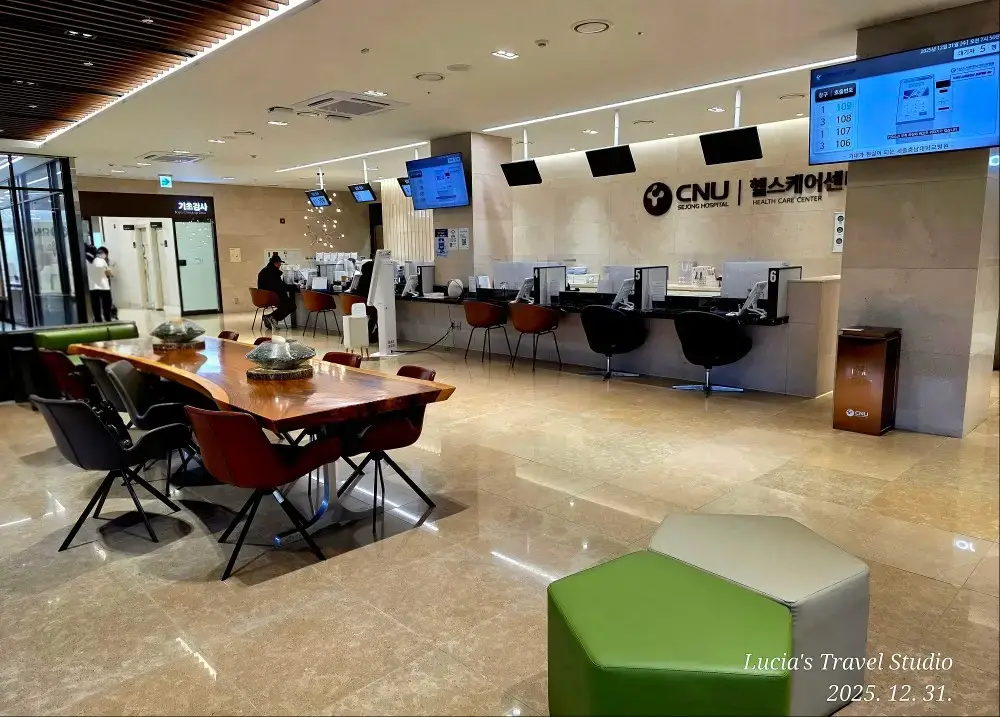
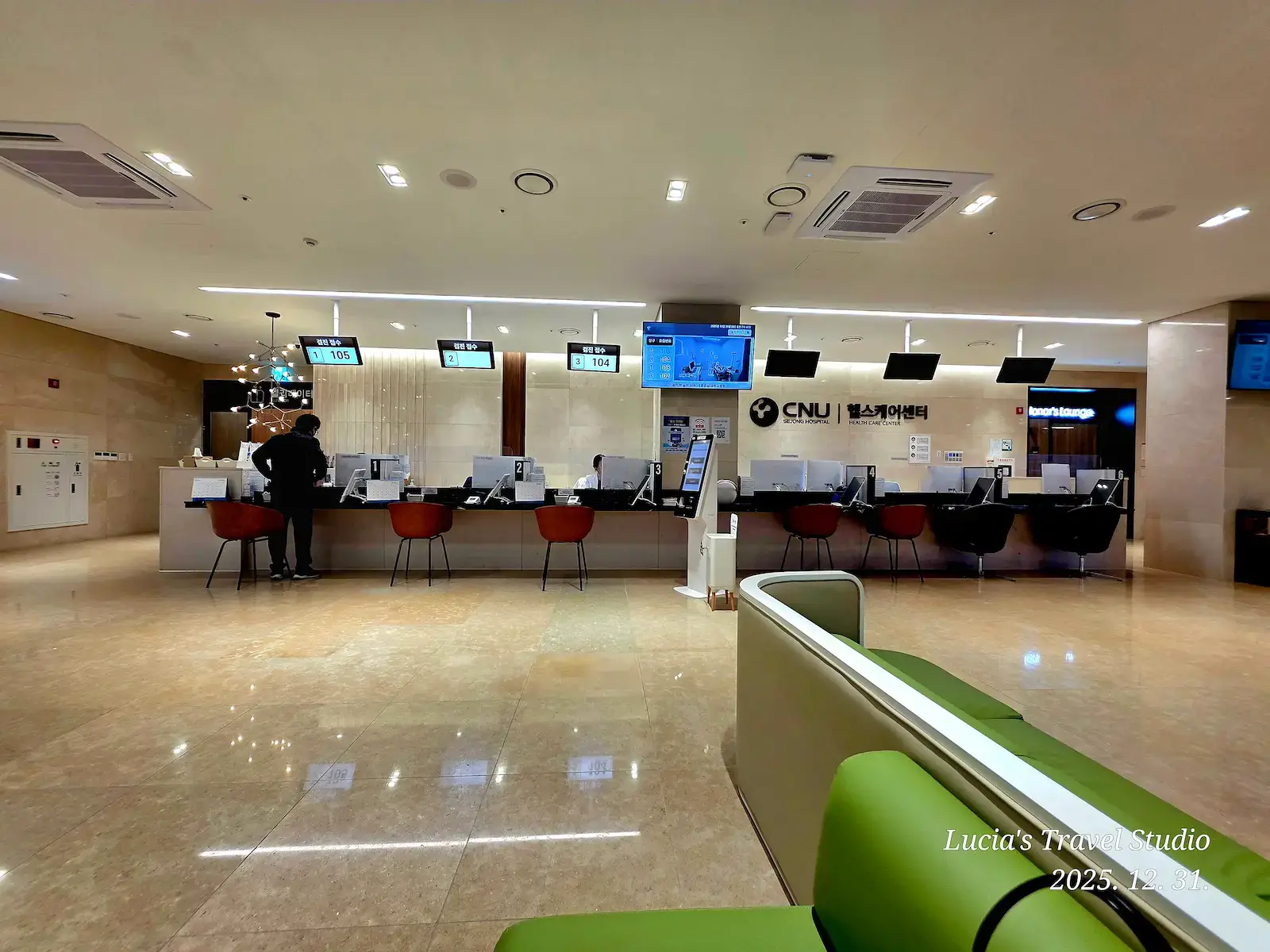
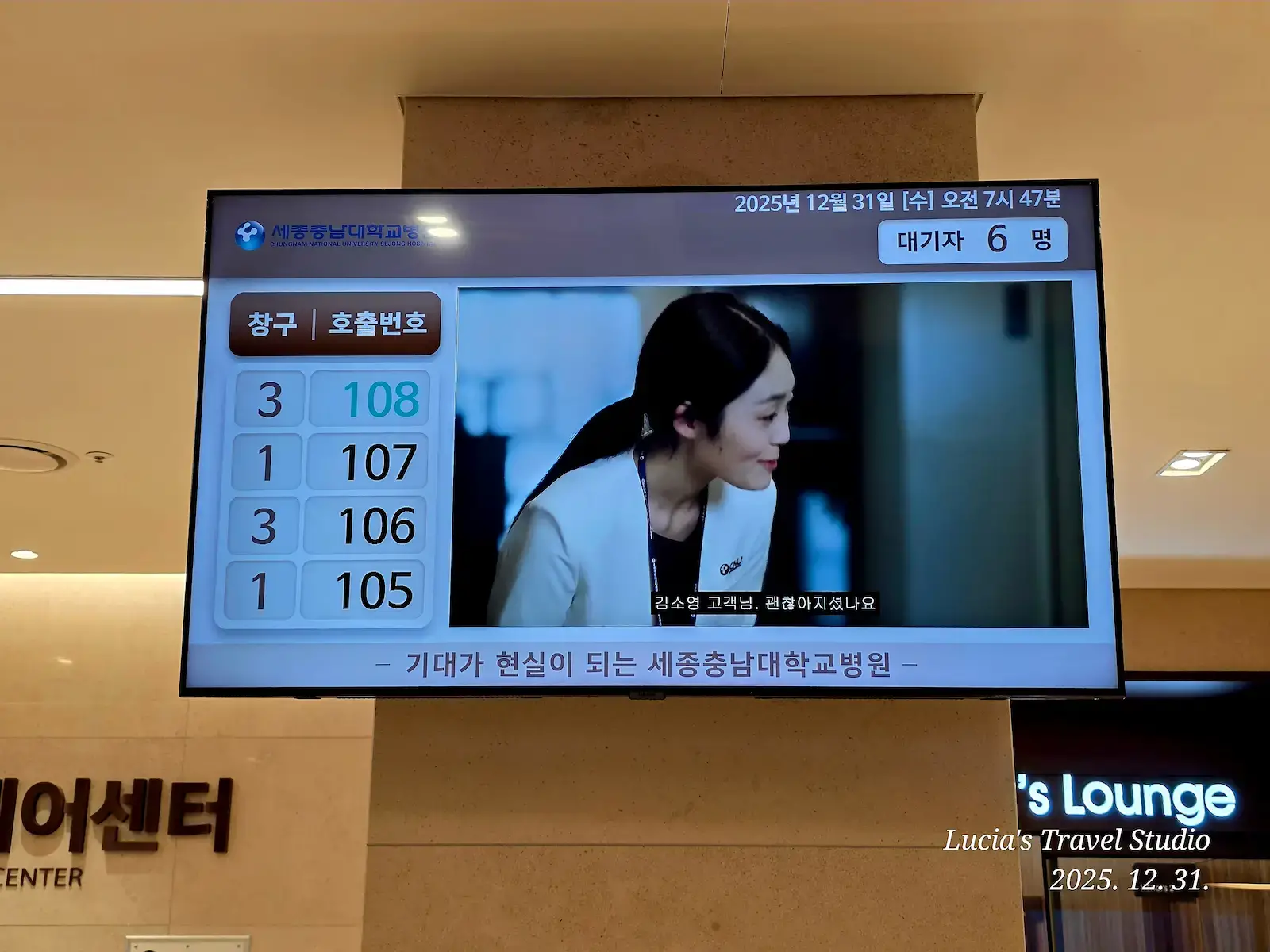
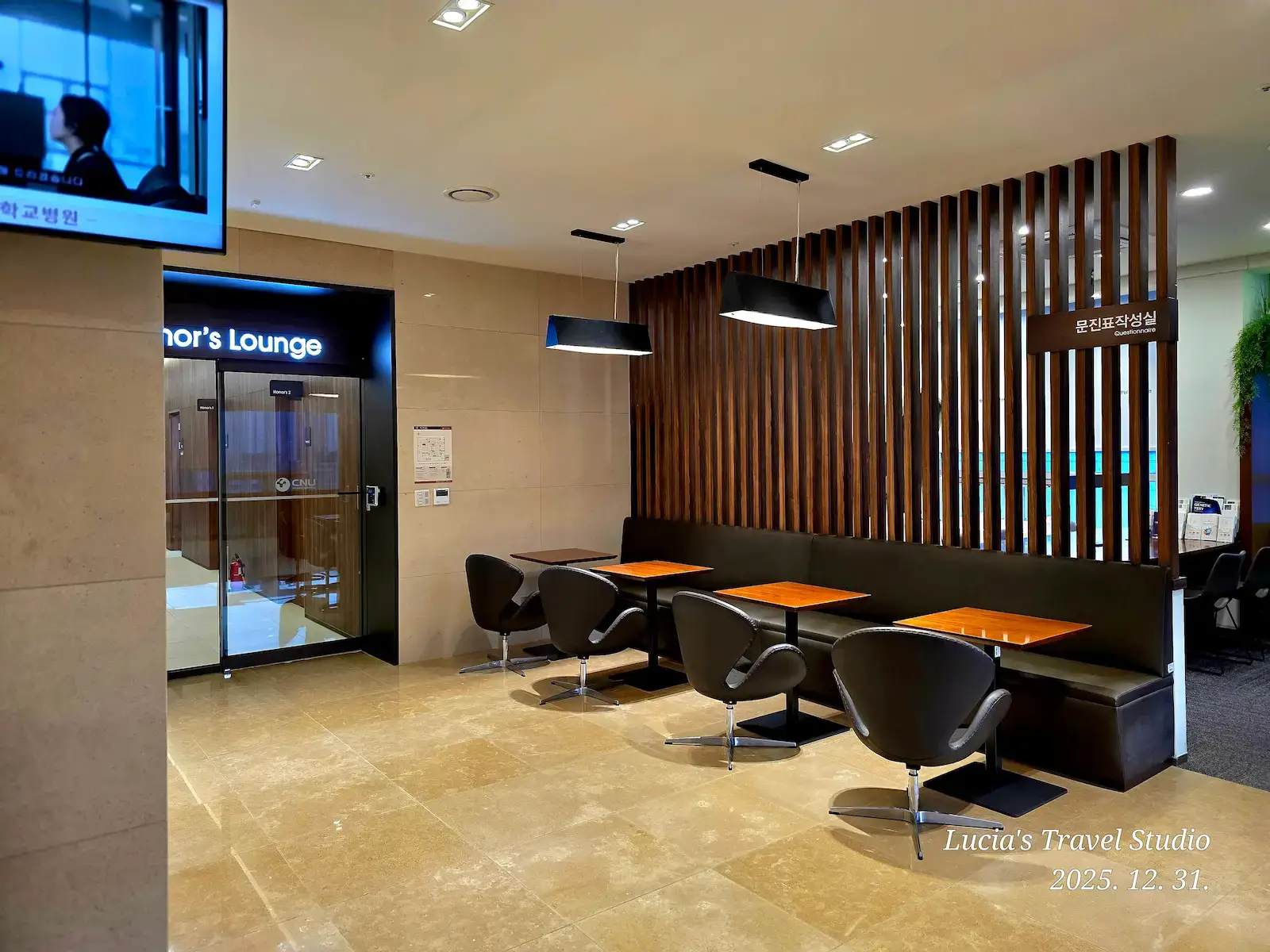
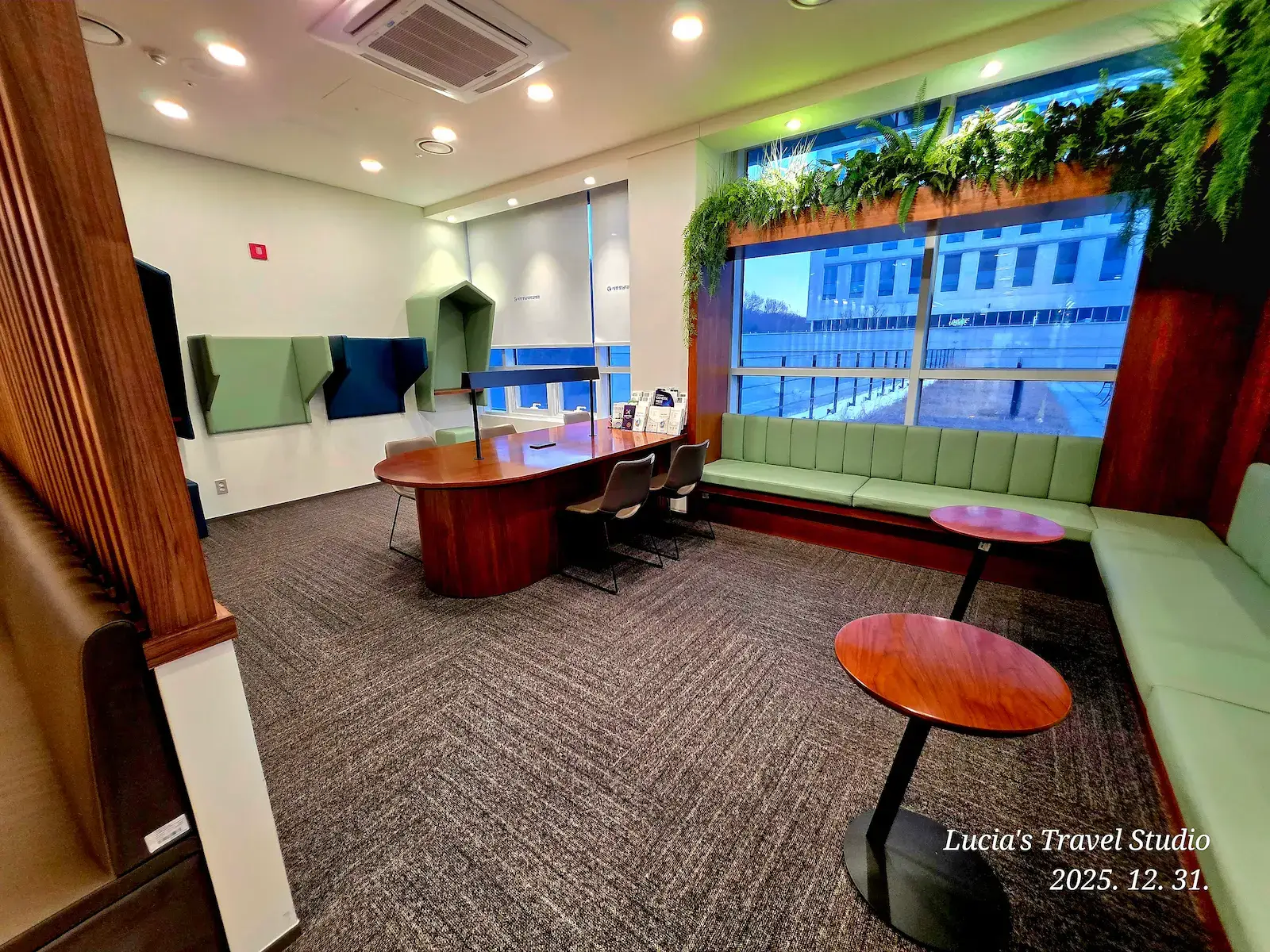
📸 Photo: 4th Floor Waiting Lounge
This is where registration and payment take place.
The space is wide, clean, quiet, and extremely comfortable.
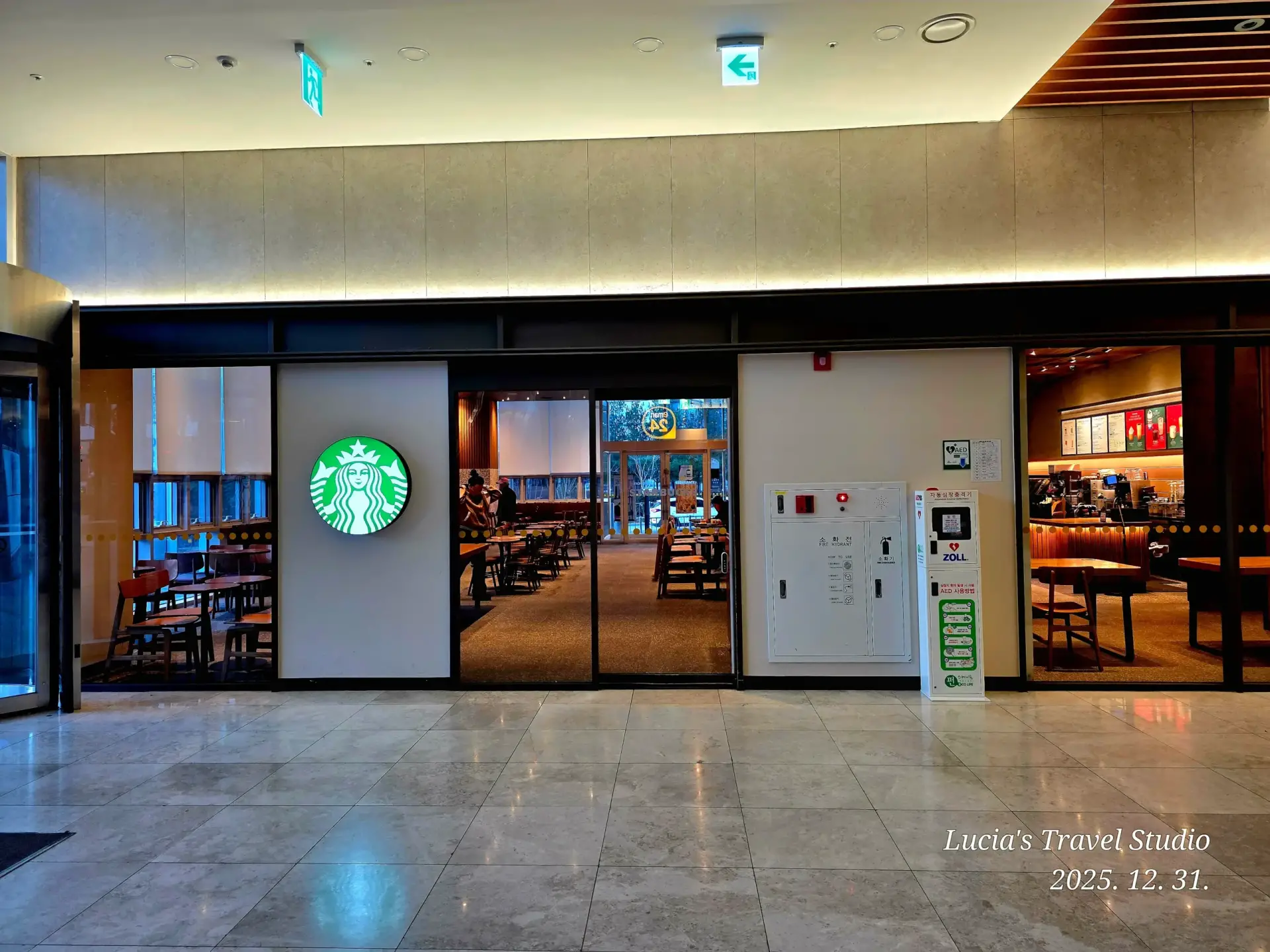


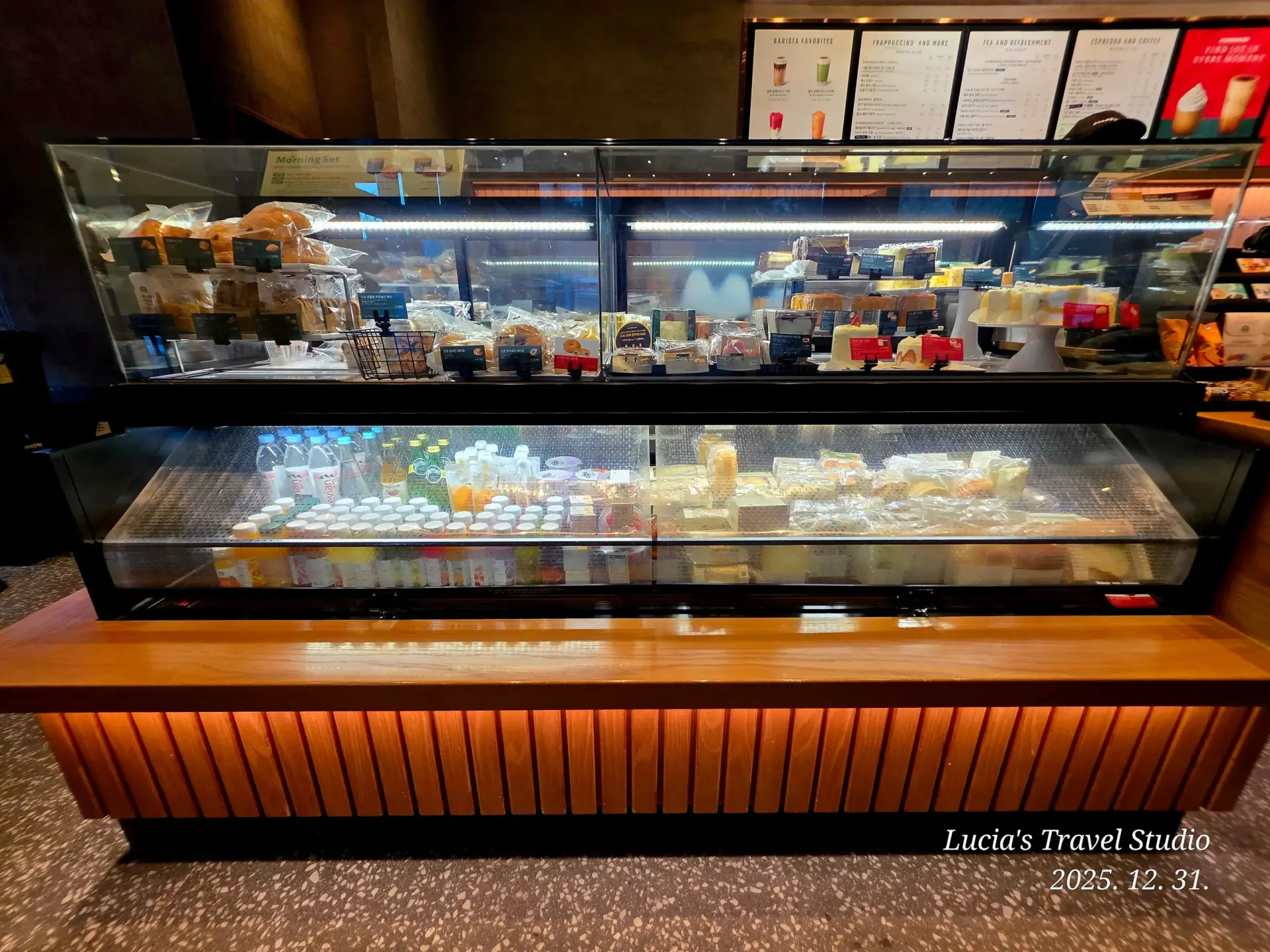

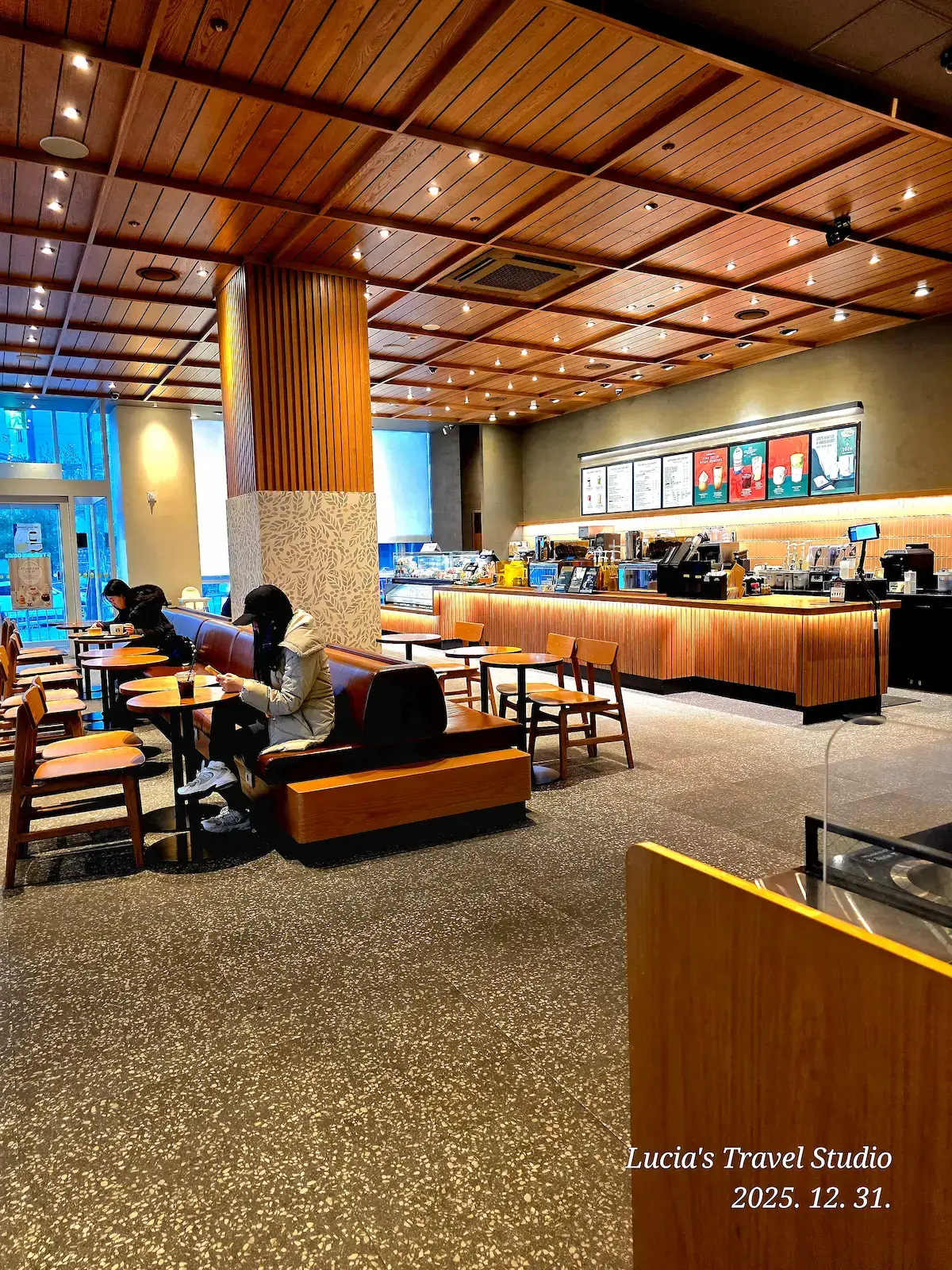
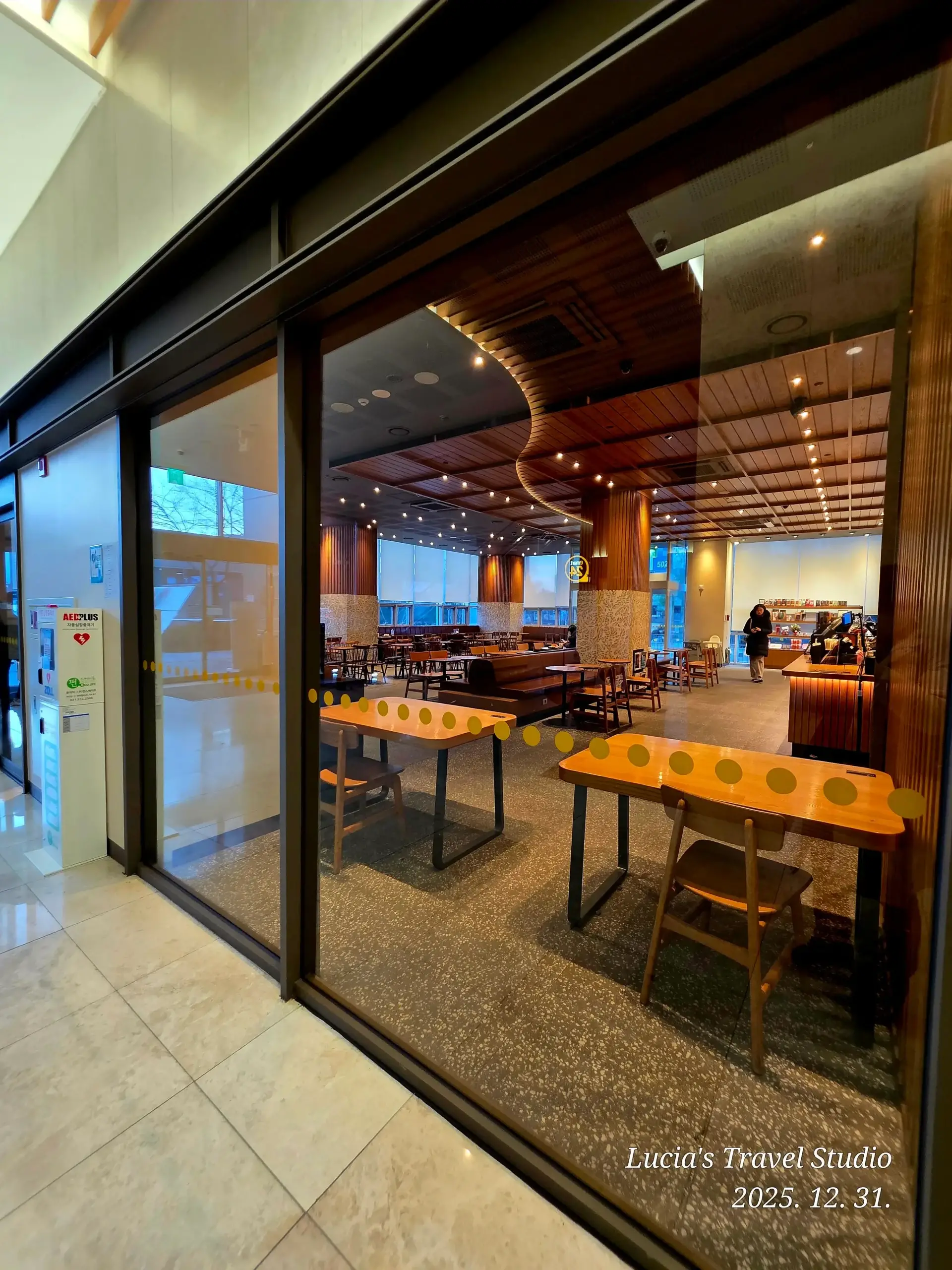
☕ While my husband was completing his tests upstairs, I went down to the Starbucks on the 1st floor to grab a latte and then waited on the 3rd floor.
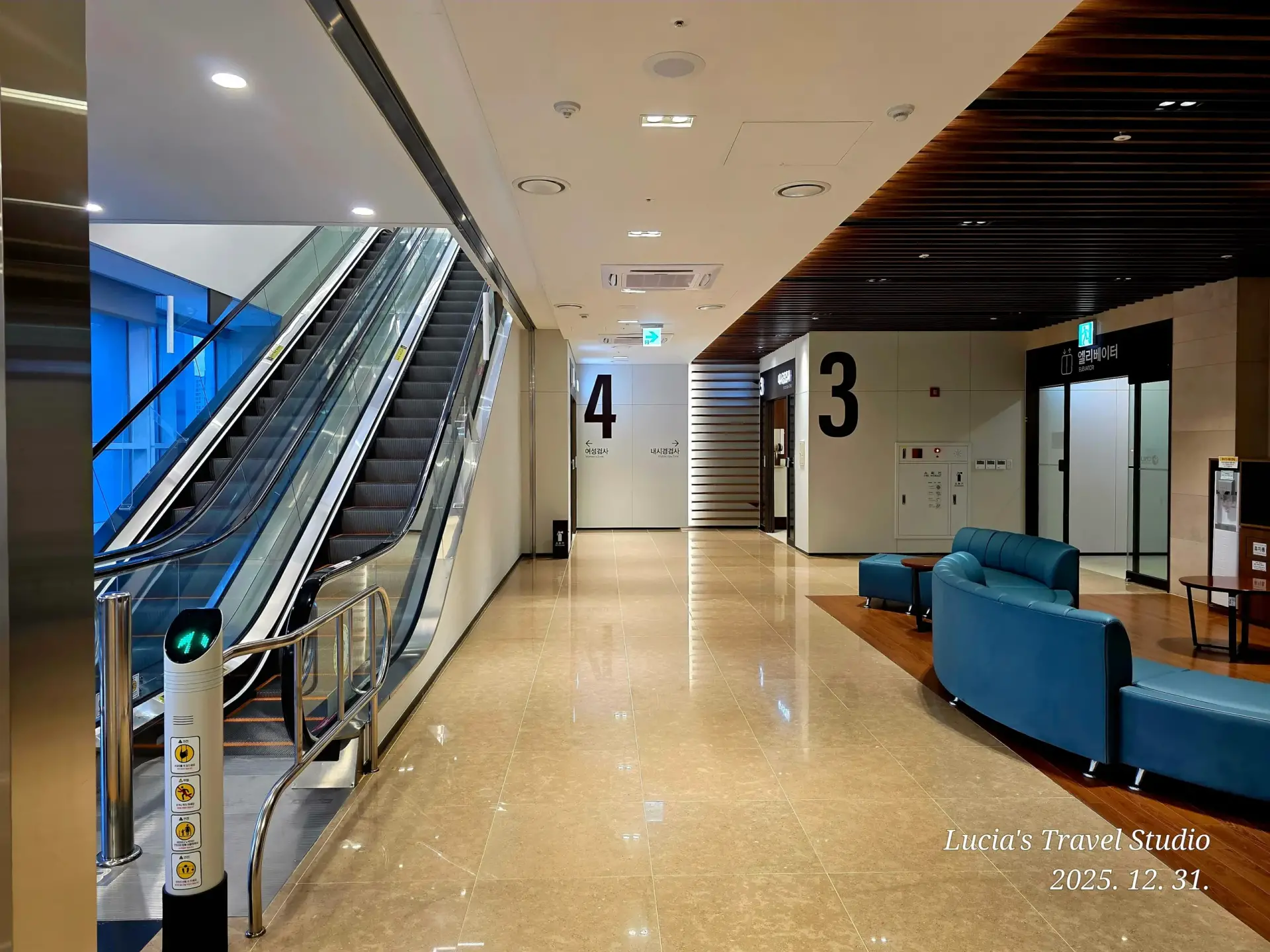
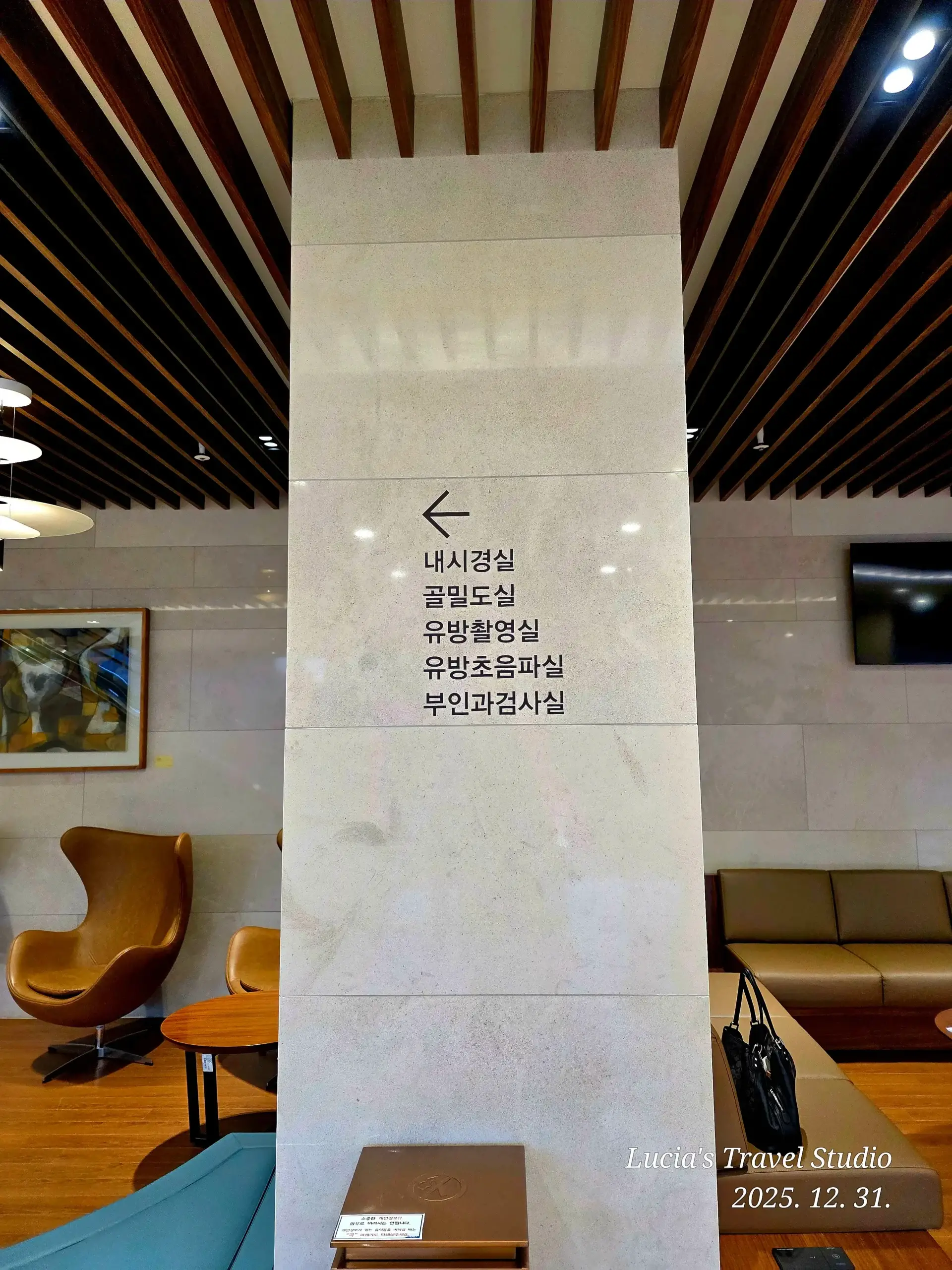

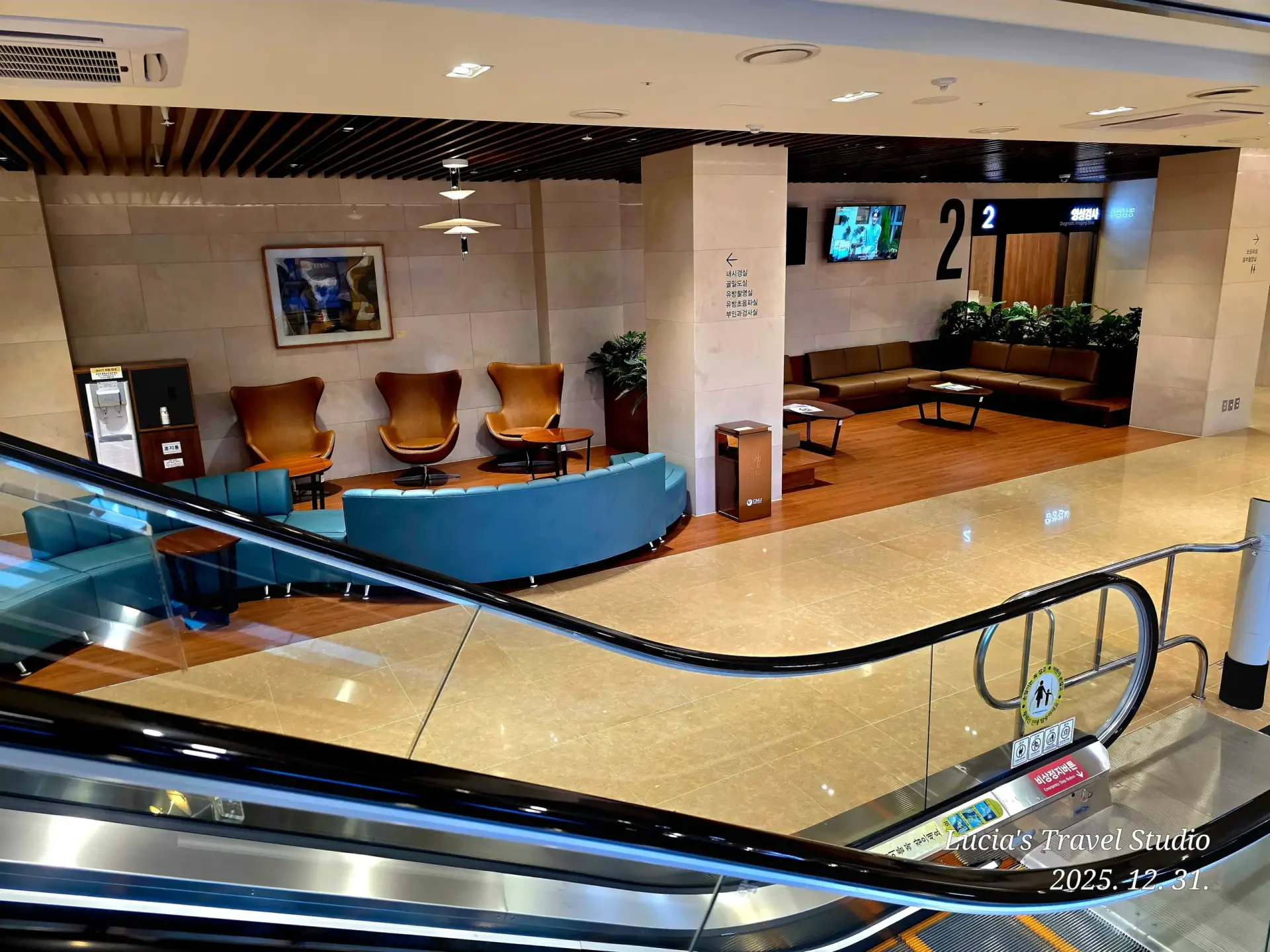
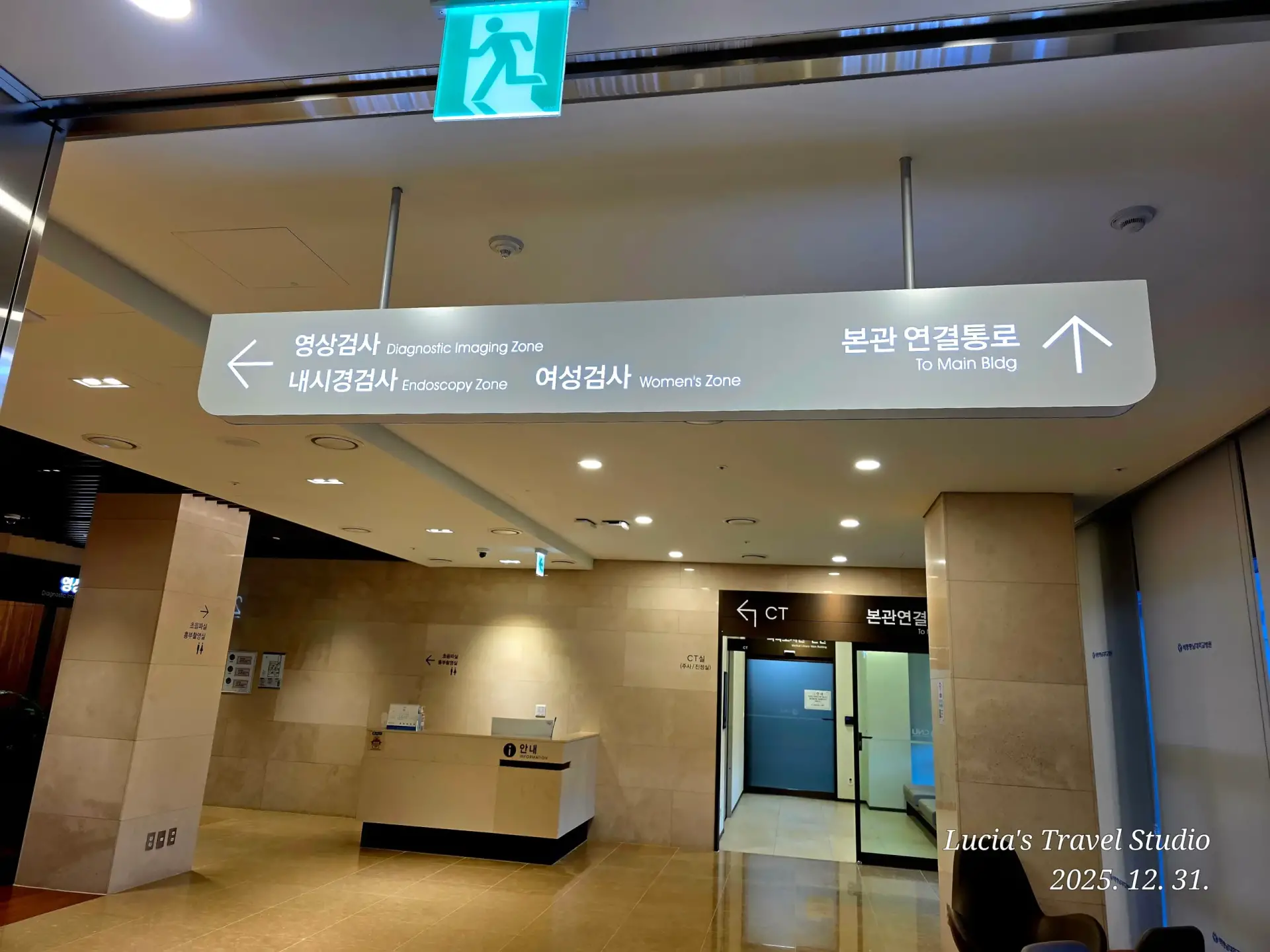
📸 Photo: 3rd Floor Imaging & Endoscopy Area
After taking the escalator down, you’ll find the imaging and endoscopy section. This floor also features a large and well-organized waiting lounge.
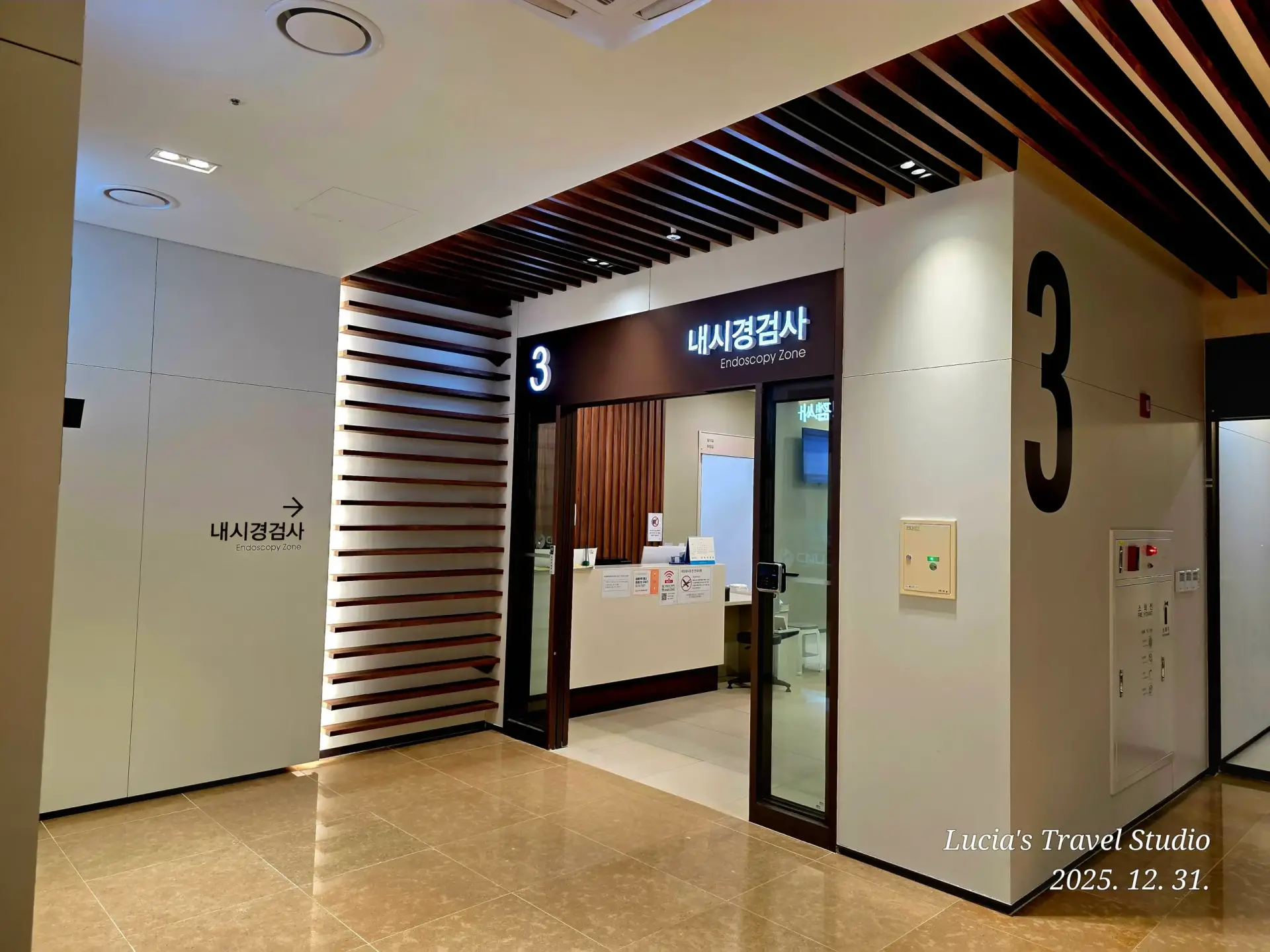
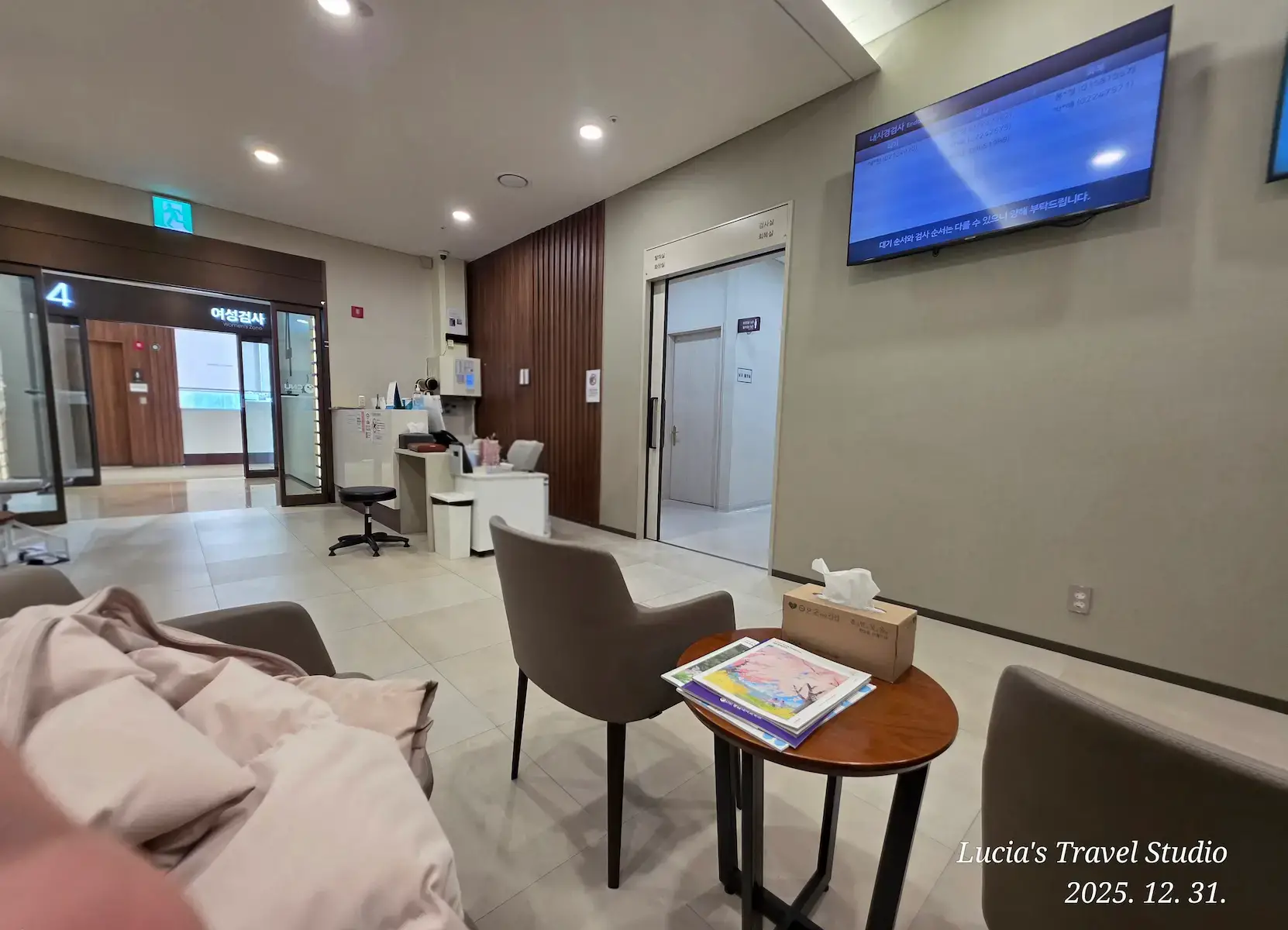
The endoscopy process is clearly displayed on a digital screen, showing each stage from waiting to recovery.
🩺 Post-Checkup Process
About 10 minutes after the endoscopy, the doctor personally explains the results to both the patient and the accompanying family member.
If further treatment or collaboration with another department is needed, appointments with Internal Medicine or Family Medicine are arranged immediately.
After all tests are completed, patients receive clear post-examination instructions.
🕢 The checkup began at 7:40 AM
🏡 We were back home by 9:10 AM
📱 Getting the Results
Most test results are available immediately through the CNUH mobile app.
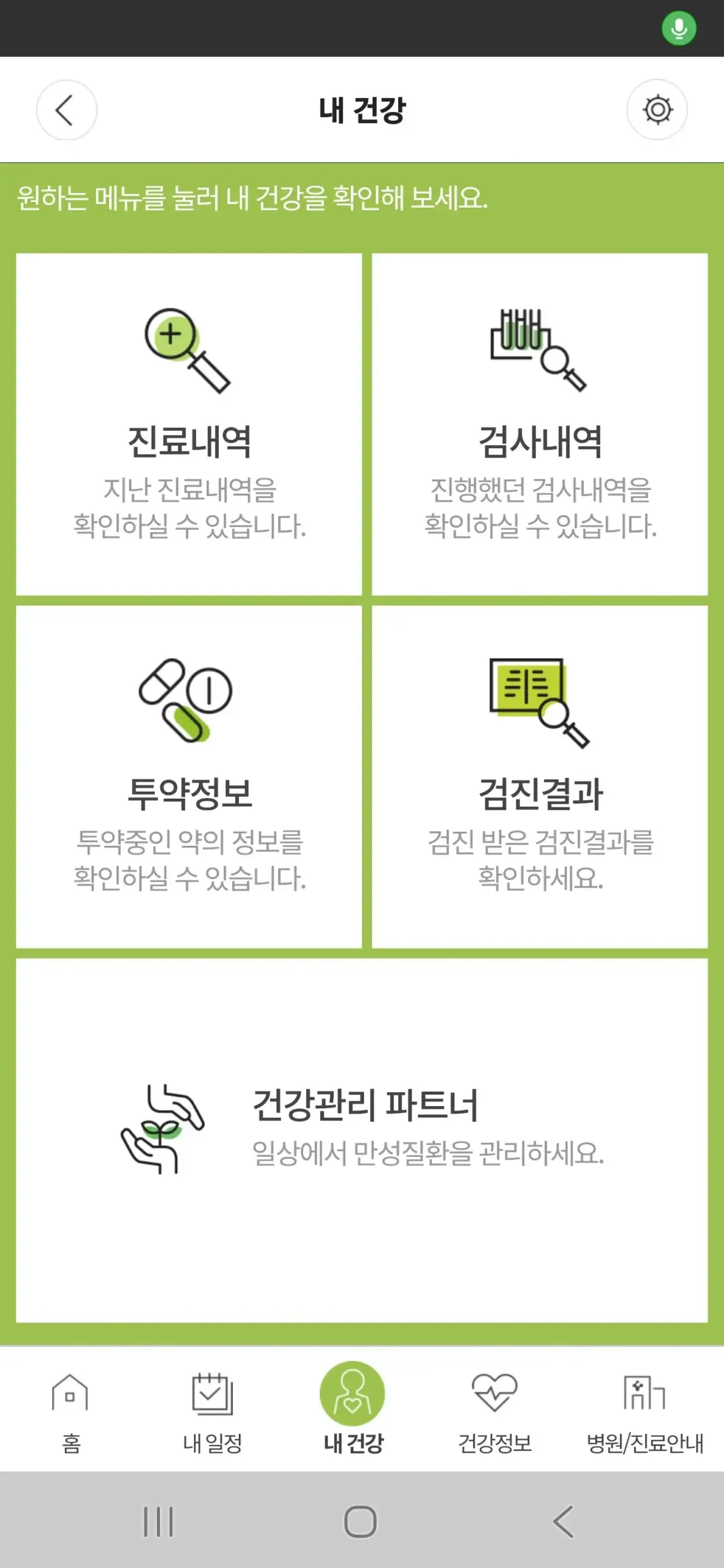
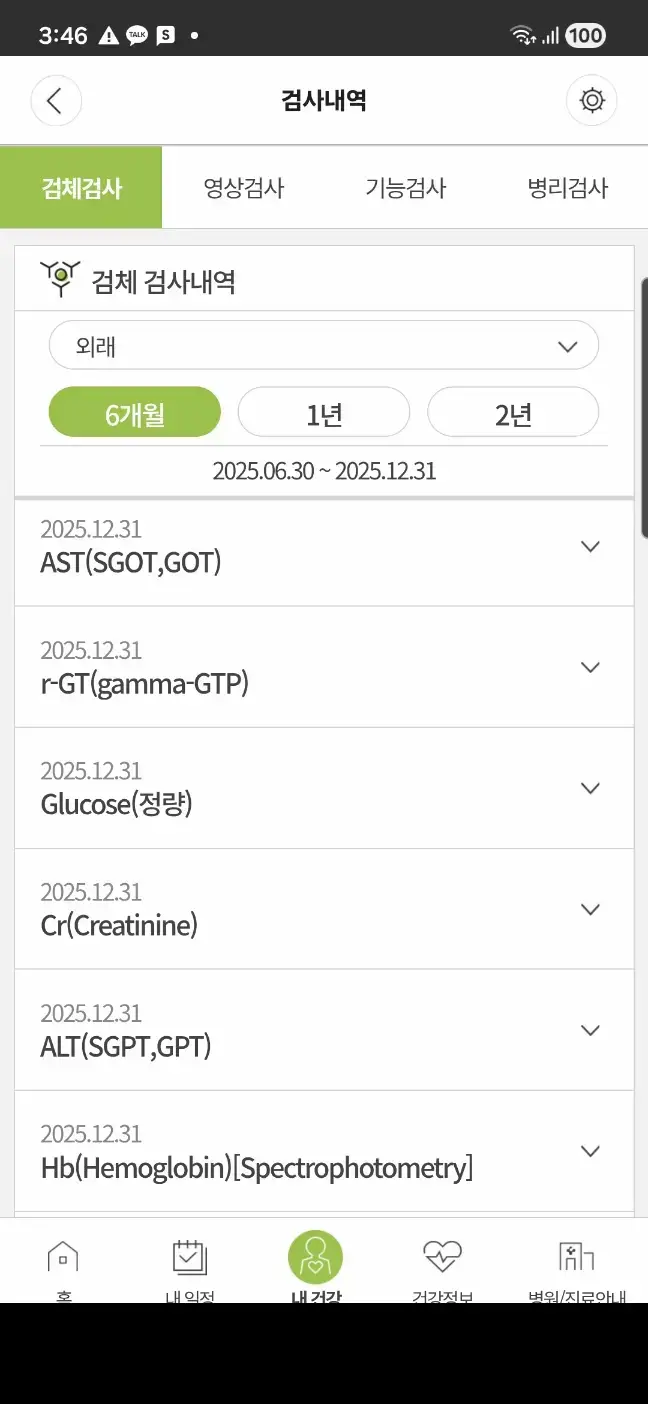
Tests that require more time are sent by mail within 1–2 weeks, and if any issues are found, follow-up appointments can be scheduled without delay.
🌱 Final Thoughts
Every time we go through this process, I’m reminded how remarkably convenient Korea’s national health checkup system truly is.
It’s not just efficient — This experience reminded me that healthcare can be both efficient and deeply human.
📌 For Foreign Readers
If you’re interested in how foreigners can safely and comfortably use Korean hospitals, check out this guide:
👉 Korean Hospital Guide For Foreigners 2026 — Complete Medical Survival Guide In Korea — Safe, Smart, And Positive Medical Tips For Foreigners In Korea
If you’re curious about a real hospital stay experience at a Korean university hospital, you can read the full story here: Korean Hospital Guide For Foreigners 2026 — Complete Medical Survival Guide In Korea