Korean food is exciting. But so is the culture around it. Knowing a few unwritten rules before you sit down will make the whole experience feel less like a minefield — and more like a genuine welcome. The core principle? Consideration for others. Everything else flows from that.
Korean Table Manners: Before the First Bite – The Art of Waiting
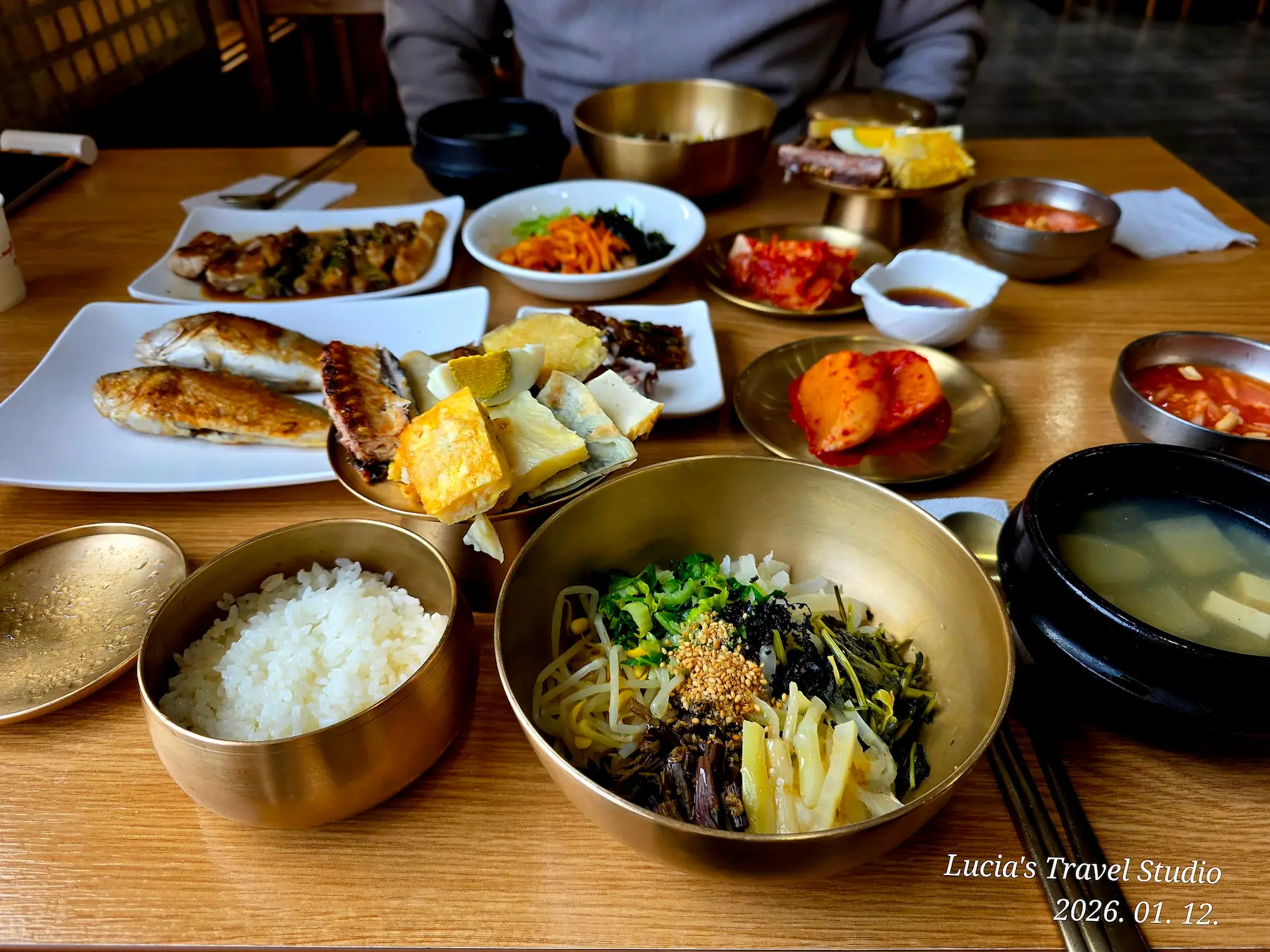
Elders Eat First
Korean dining follows an invisible order. Even when the food arrives and you’re hungry, you wait — until the oldest person at the table picks up their spoon. It’s not a rigid rule so much as a quiet expression of respect that plays out at every Korean table.
If you’re unsure, just watch. And if the elder says “어서 드세요 (eoseo deuseyo)” — “please, go ahead” — that’s your cue.
“Jal meokgesseumnida” — Say It Before You Eat
Before starting a meal, Koreans say “잘 먹겠습니다 (jal meokgesseumnida)” — roughly, “I will eat well.” It’s a small phrase that carries a lot: gratitude to whoever cooked, warmth toward those sharing the table.
Chopsticks & Spoon: The Basics

Keep the Bowls on the Table
In Japan, lifting your rice bowl to your mouth is perfectly normal. In China, it’s common too. Korea is the exception: bowls stay on the table. Use your spoon or chopsticks to bring food to your mouth, not the other way around. Lifting a bowl is considered poor manners.
One Tool at a Time
Don’t hold your spoon and chopsticks in the same hand at the same time. The spoon handles rice and soup; chopsticks handle side dishes. Alternate between them as needed — it’s a rhythm that becomes natural quickly.
Where to Rest Them
When you’re not using them, lay your spoon and chopsticks flat on the table or on a rest — not balanced on top of your bowl, and never stuck upright in rice. That’s associated with funeral rites and is considered very bad form.
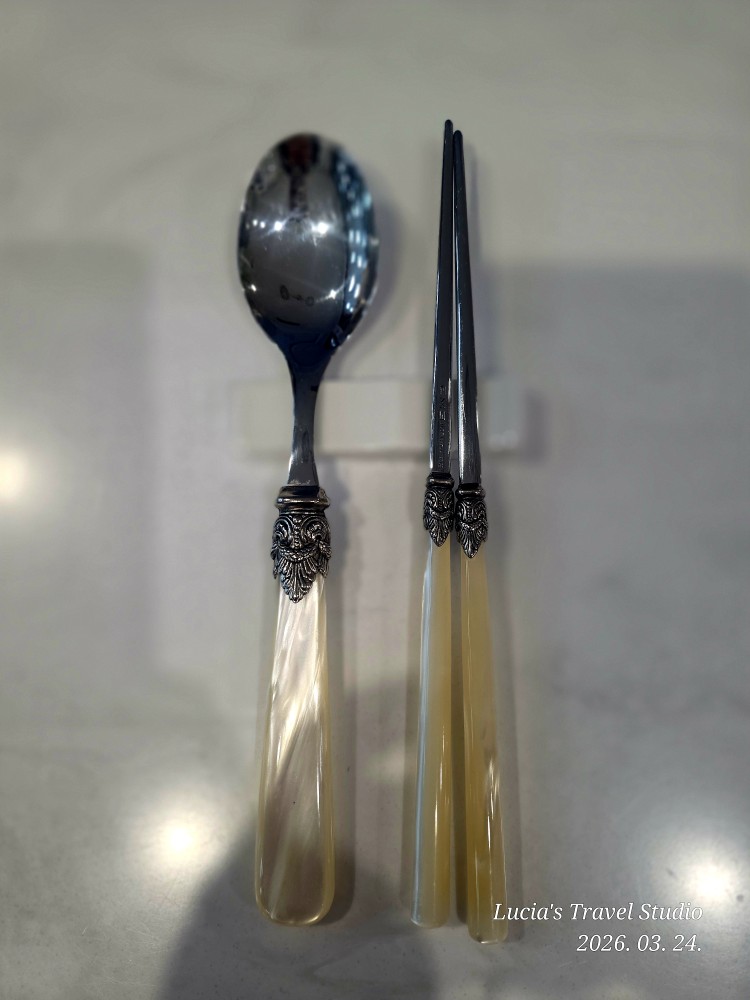
| ✔ Do | ✘ Don’t |
|---|---|
| Use your spoon for rice and soup | Stick chopsticks upright in rice |
| Keep bowls on the table | Hold spoon and chopsticks together in one hand |
| Rest utensils flat beside your bowl | Tap or scrape bowls with utensils |
Sharing Is the Point: Banchan & Jjigae
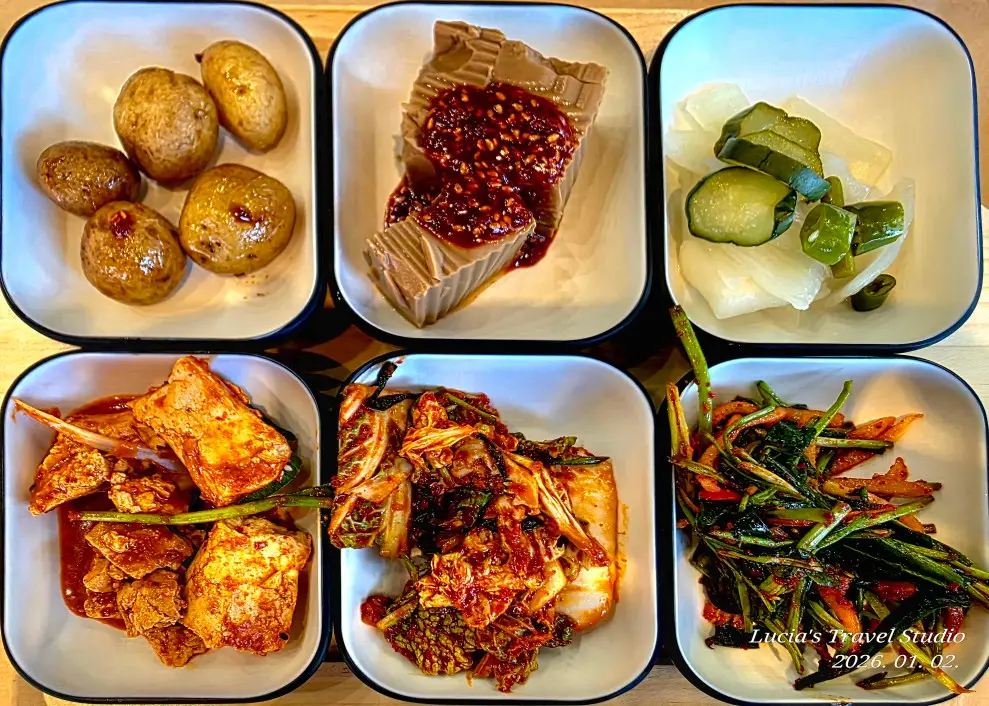
The Korean Table Is Communal
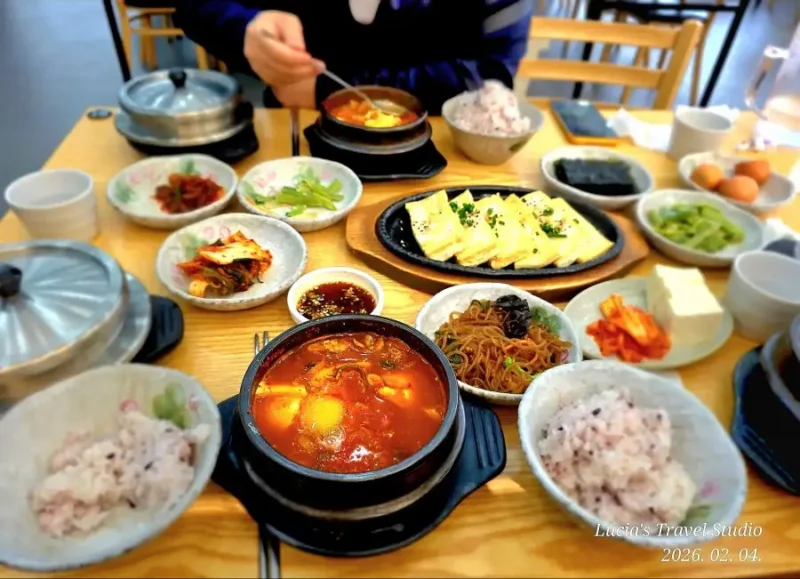
One of the most distinctive things about Korean dining is that side dishes (banchan, 반찬) are shared. The kimchi, the spinach, the fish cake — they sit in the middle and belong to everyone. So does the jjigae (stew). This communal style is part of what makes a Korean meal feel warm and connected.
If you’re unsure about sharing dishes, look for a small empty plate (앞접시, ap-jeopsi) — a personal plate for portioning out your share. More restaurants offer these now, and it’s perfectly acceptable to use one.
Don’t Rummage
Before you reach into a shared dish, decide what you want. Then pick it up cleanly in one motion. Digging through banchan to find the best piece is considered rude — especially in communal dishes. t may seem harmless, but it stands out immediately. Commit, pick, move on.
Most Korean restaurants offer free, unlimited refills on banchan. If the kimchi is gone? Ask for more. Loved the spinach namul? Get another round. There’s no extra charge, and staff take it as a compliment. It’s one of the best-kept secrets of eating in Korea.
While You Eat: What to Avoid
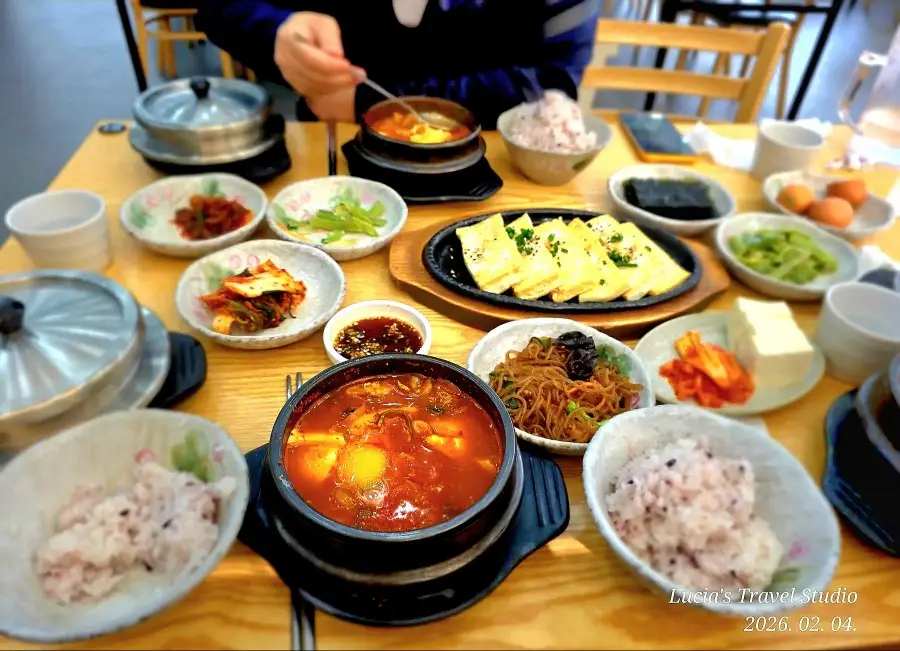
Keep It Quiet
Smacking, slurping, or making noise while chewing is considered impolite in Korea. The same goes for clanging bowls or scraping utensils against dishes. In some food cultures, sound signals enjoyment — here, it signals the opposite. Quiet eating is good eating.
Match the Pace
Try to eat at roughly the same speed as the rest of the table. Finishing dramatically early and setting down your spoon while others are still eating can feel awkward, especially with elders present. Likewise, lagging far behind slows the natural rhythm of the meal.
Practical Tips for the Restaurant
Where Are the Utensils?
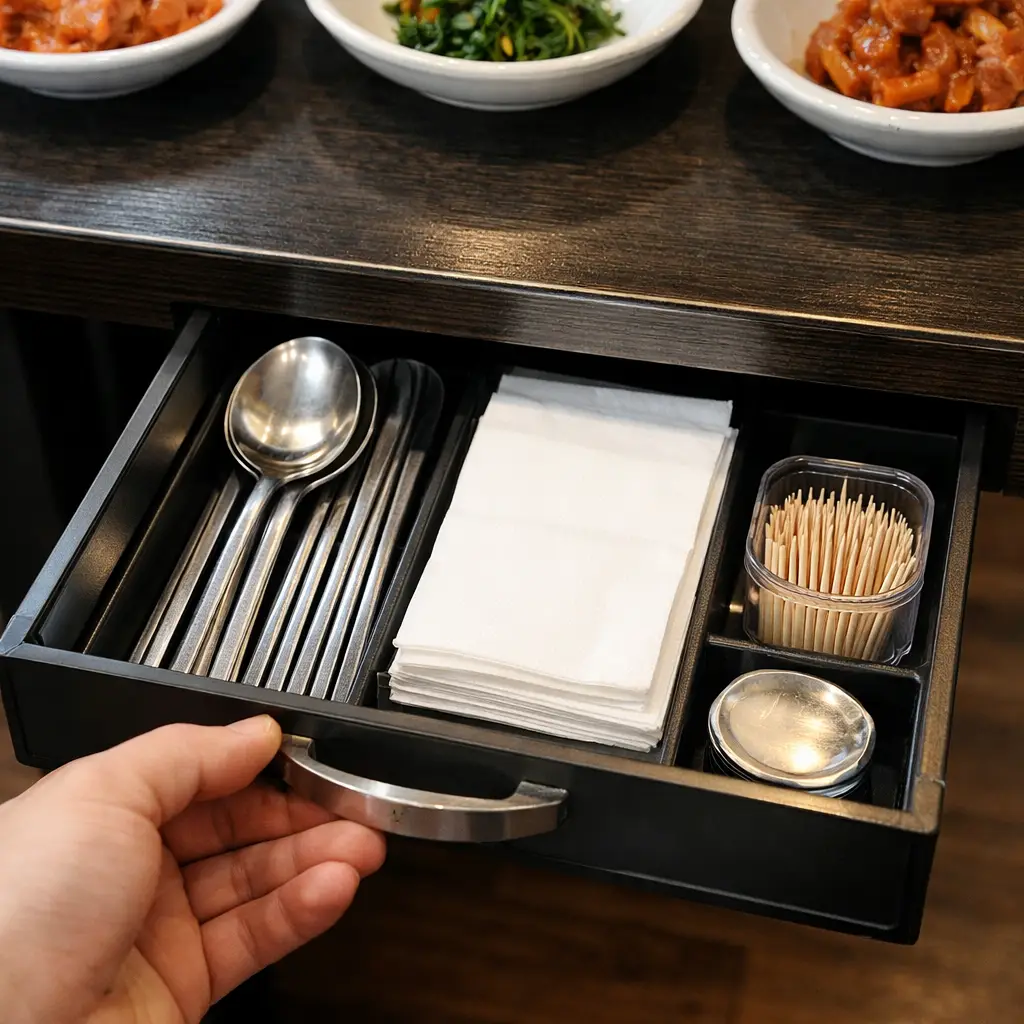
Don’t look for a server to hand you cutlery. In most Korean restaurants, spoons, chopsticks, and napkins are stored in a drawer or container at your table. Help yourself when you sit down.
The Call Bell (and the Kiosk)
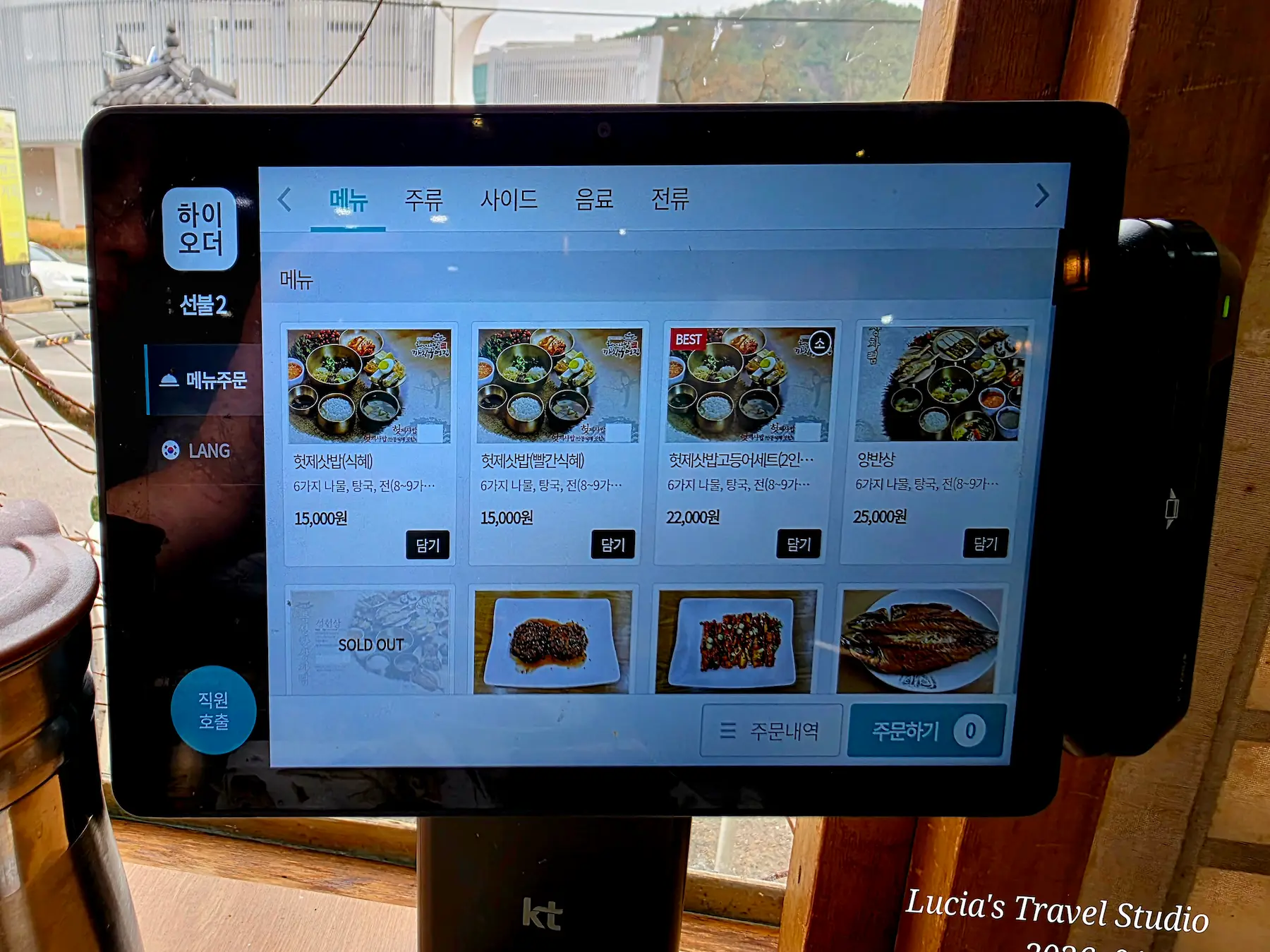
To call a server, press the small call bell on your table — a chime goes off and someone comes. You’ll find these at most traditional and casual restaurants. At newer spots, there’s often a small tabletop kiosk for ordering, refills, and even payment. Both systems coexist, so don’t be surprised either way. And calling out “여기요! (yeogiyo!)” — “Over here!” — is completely normal and not rude at all. It might feel loud at first, but everyone does it.
Self-Service & Refills
Look for a ‘셀프 (self)’ sign near water dispensers or condiment stations — that means help yourself. As mentioned above, banchan refills are free at almost every restaurant. Don’t hesitate to ask.
Wrapping Up: After the Meal
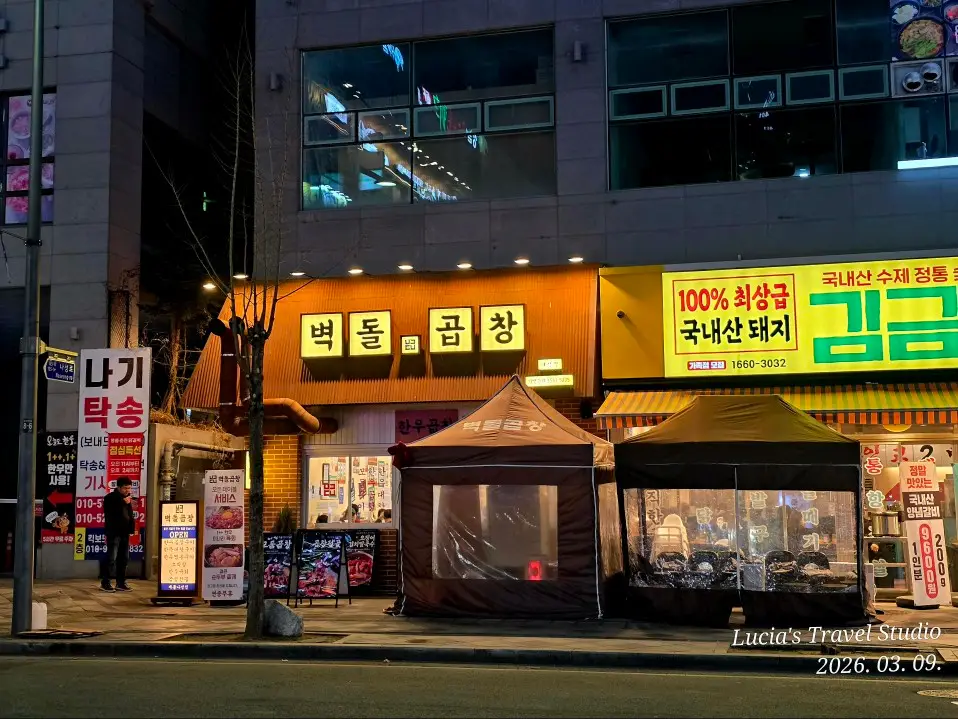
“Jal meogeosseumnida” — The Exit Phrase
When you finish, say “잘 먹었습니다 (jal meogeosseumnida)” — “I ate well.” It’s the bookend to the pre-meal greeting and signals genuine appreciation. If you used both phrases across the meal, you’ve already made a strong impression.
Paying the Bill: Dutch vs. One Person Treats
The register is usually near the entrance — payment at the table is uncommon. As for who pays:
각자 내기 — Going Dutch
Splitting the bill is normal among friends and colleagues, especially younger Koreans. Many use apps to divide it to the won.
한턱내기 — One Person Treats
A boss, senior, or elder often picks up the tab. There’s usually an unspoken rotation — it’ll come back around. Gracefully accept when someone insists.
It’s Not as Strict as It Sounds
Honestly? Modern Koreans — especially younger generations — don’t follow all of this to the letter, every time. The rules have loosened considerably.
But here’s the thing: the effort is what counts. Saying jal meokgesseumnida, waiting for the elder, using two hands when pouring a drink — these small gestures communicate something that goes beyond the act itself. They say: I see your culture, and I respect it.
Make a mistake? Smile. Most Koreans will appreciate that you tried far more than they’ll notice what you got wrong.
Korean dining is generous, communal, and full of small rituals that turn a meal into a moment. Now that you know the rhythm — pull up a chair, say those magic words, and dig in.
Read Next
| Travel GuideKorea Travel Guide For First-Time Visitors 2026 Essential Tips, Food, Festivals & Travel Planning | Driving in KoreaKorean Driving Rules (2026): 16 Critical Tips Foreign Drivers Must Know |
Experience It Yourself
Ready to put these table manners to the test? The easiest way to experience it is with a local guide. Book a real Korean dining experience in Seoul.
| 🍖 BBQ & Dining Korean Night Dining Tour Seoul Explore Seoul’s food scene after dark with a guided night dining tour. | 👩🍳 Cooking Class Korean Cooking Class with Traditional Market Tour Learn to cook authentic Korean dishes and shop at a traditional market. |
| 🏠 Home-Style Cooking Korean Home-Style Cooking Class in Gangnam Cook and eat like a local family — a hands-on class in the heart of Gangnam. | 🍶 Traditional Liquor Joseon-Style Traditional Liquor & Storytelling Discover Korea’s drinking culture through traditional liquor and history in Euljiro. |
| 🌙 Night Market Seoul Night Market Tour Sample Seoul’s best street food at night markets with a knowledgeable local guide. | |
* This post contains affiliate links. If you book through these links, I may earn a small commission at no extra cost to you. Thank you for supporting this blog!
Learn More
Want to dig deeper into Korean food culture? These are the most reliable sources we recommend.
| Food Culture Korea Tourism OrganizationThe official guide to Korean culture, food, and travel — including dining customs and regional specialties.visitkorea.or.kr ↗ | Korean Food Korean Food Promotion InstituteEverything about hansik — Korean traditional cuisine, banchan, fermented foods, and the philosophy behind the Korean table.hansik.or.kr ↗ | Korean Life Korea.net — Food & CultureAn official Korean government portal covering food traditions, etiquette, and the cultural context behind everyday Korean life.korea.net ↗ |