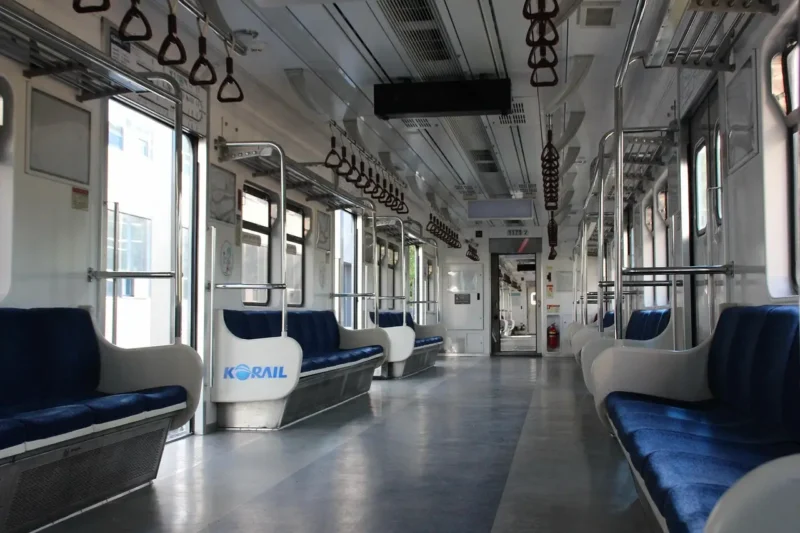
✈️ How to Use Seoul Subway: 8 Real Tips No One Tells You (2026 Local Guide)
Updated for March 2026 fares & transfer rules.
The Seoul subway is fast, affordable, and tourist-friendly — but knowing the small insider rules makes a big difference. From AREX choices to transfer windows and night buses, these tips help you navigate Seoul like a local in 2026.

If you’re visiting Seoul for the first time, knowing how to use the subway properly will make your trip much smoother.
You’ll find plenty of basic guides online — buy a T-money card, transfers are free, English signs are everywhere.
But those guides rarely tell you the small insider details that actually save time, money, and stress.
Here are eight real Seoul subway tips tourists usually discover the hard way.
📍 View the official subway map: Cyber Station in Seoul Metro
📱 Useful navigation app: Subway820
If you’re planning your trip, check my complete Korea travel guide.
1️⃣ AREX Express vs. All Stop: Which One Should You Take?
From Incheon Airport (ICN) to Seoul Station, you have two options:


AREX Express
43 minutes
11,000 KRW
Reserved seating
Direct to Seoul Station
AREX All Stop
66 minutes
4,750–5,000 KRW
Stops at 13 stations
💡 Local Insight:
If you’re staying near Hongdae, Gongdeok, or Magok, choose the All Stop train. The Express skips these stations entirely. Taking the Express and backtracking can easily add 40+ minutes.
2️⃣ The 10-Minute Exit & Re-entry Rule
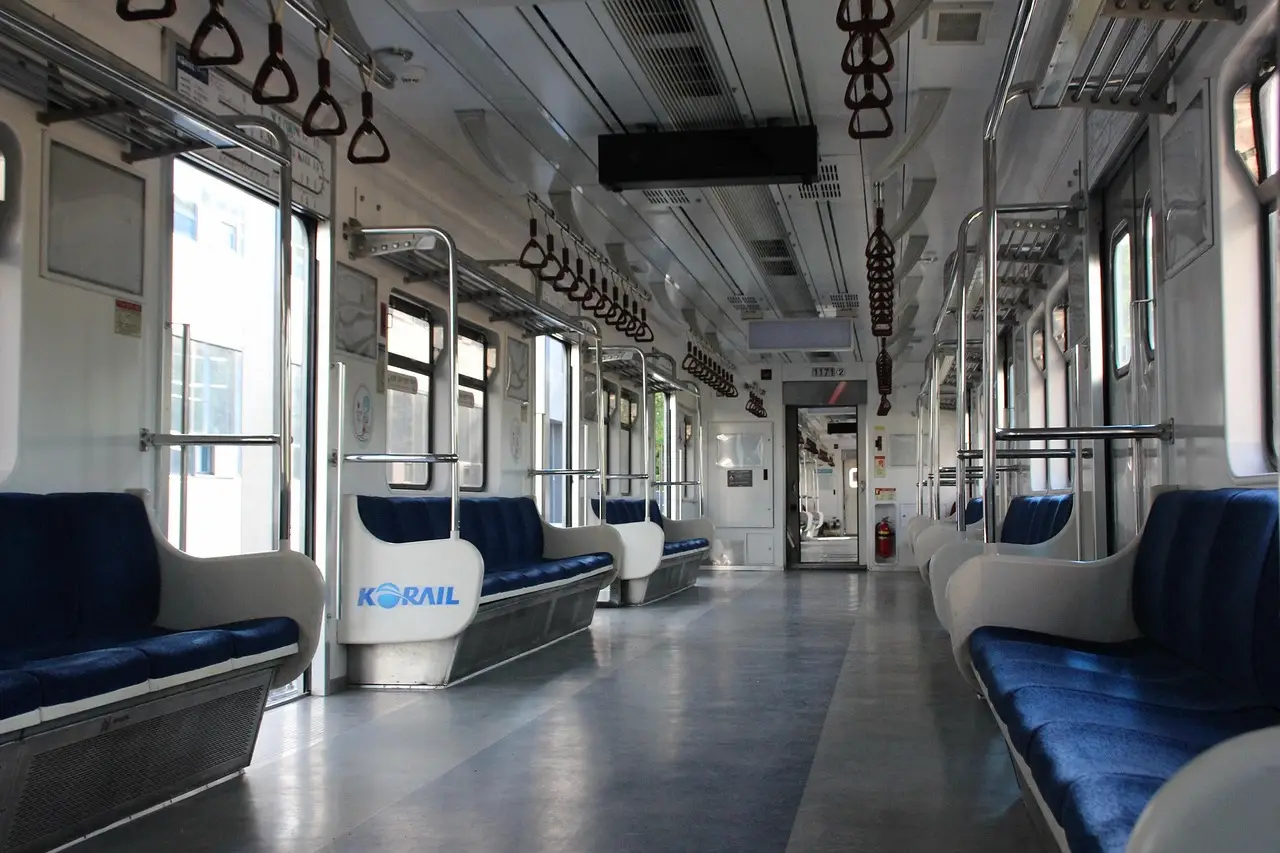
Tapped into the wrong platform? Need to step out briefly?
You can exit and re-enter the same station within 10 minutes for free (once per trip). Your card will not be charged again.
But here’s what most guides skip: at large transfer stations, the exit number matters more than you think. Different exits connect to completely different platforms — and in stations like Konkuk University or Express Bus Terminal, picking the wrong one can add a 5-minute walk underground. Before you get off, check Naver Map for the exact exit number.
3️⃣ Short-Term Climate Card (Tourist Favorite)

If you’re staying in Seoul for several days, the Climate Card is one of the best-value transportation options.
As of March 2026:
| Duration | Price |
|---|---|
| 1-Day | 5,000 KRW |
| 2-Day | 8,000 KRW |
| 3-Day | 10,000 KRW |
| 5-Day | 15,000 KRW |
| 7-Day | 20,000 KRW |
✔ Unlimited subway and bus rides within Seoul
⚠️ Does not include Ttareungi (public bike) or Han River Bus
You can purchase the physical card at tourist-friendly stations like Seoul Station (Lines 1·2·4), Gwanghwamun (Line 5), and Hongdae (Line 2).
One important detail most guides skip: the mobile Climate Card works on Android only. If you’re using an iPhone, you’ll need the physical card — so it’s best to pick one up as soon as you arrive.
4️⃣ Use the T-Locker App (또타라커)

Seoul stations are known for convenient lockers — but they fill up fast in tourist areas.
Download the T-Locker app to:
Check real-time availability
Reserve in advance
💡 In Hongdae or Gangnam, lockers are often fully booked by early afternoon on weekends.
5️⃣ The 30-Minute Transfer Rule

You can transfer between:
Subway ↔ Bus
Bus ↔ Bus
Conditions:
Use a transportation card (T-money or Climate Card)
Tap when exiting the bus
Re-enter within 30 minutes
💡 Night Bonus: Between 9 PM and 7 AM, the transfer window extends to 60 minutes.
6️⃣ Line 9 Express: Fast but Extremely Crowded

Line 9 connects Gimpo Airport to Gangnam quickly.
Yellow [Express] trains skip many stations and save time.
Green [Local] trains stop at every station.
⚠ During rush hour (8–9 AM / 6–7 PM), Express trains can be extremely crowded.
If you’re traveling with luggage, the Local train is usually more comfortable and only about 10–15 minutes slower.
Not sure if your stop is on the Express route? On the in-car map, Express-only stations are marked with a bold circle — if yours isn’t, take the Local. Major stations like Noryangjin, Dongjak, and Gubanpo are Local-only, so don’t assume the faster train will get you there.
7️⃣ Skip Google Maps — Use Naver or Kakao
While Google Maps works globally, it’s not always the most accurate option in Korea.
Naver Map and Kakao Map provide:
- The best train car position for faster transfers
- Elevator and escalator exit information
- Real-time last train updates
8️⃣ The N-Bus (Your Late-Night Lifesaver)


Most subway lines stop around midnight.
Look for night buses starting with “N” (N13, N26, N62).
They operate from 12:00 AM to 5:00 AM and connect major areas like Hongdae, Gangnam, Myeongdong, and Itaewon.
💡 The fare is slightly higher than daytime buses but dramatically cheaper than late-night taxis.
FAQs About the Seoul Subway
Is the Seoul subway safe at night?
Yes. It is one of the safest metro systems in the world, with CCTV and visible station staff.
Can I use my credit card directly at the gate?
No. You need a transportation card like T-money or the Climate Card.
What time is the last subway in Seoul?
Most lines stop between 11:30 PM and 12:30 AM, depending on direction.
Final Thoughts
The Seoul subway may look complicated at first, but once you understand these insider tips, it becomes one of the most efficient metro systems in the world.
Knowing how to use the Seoul subway properly can save you both time and money during your trip.
Have you ever taken the wrong train in Seoul? Share your story in the comments below 👇
For more Korea travel essentials, check out:
Best Korea Travel Card 2026: Complete Guide to Korail Pass Plus, T-money and WOWPASS
Reliable, Stress-Free Korea Entry Guide 2026: Visas, K-ETA Exemptions, and E-Arrival Card