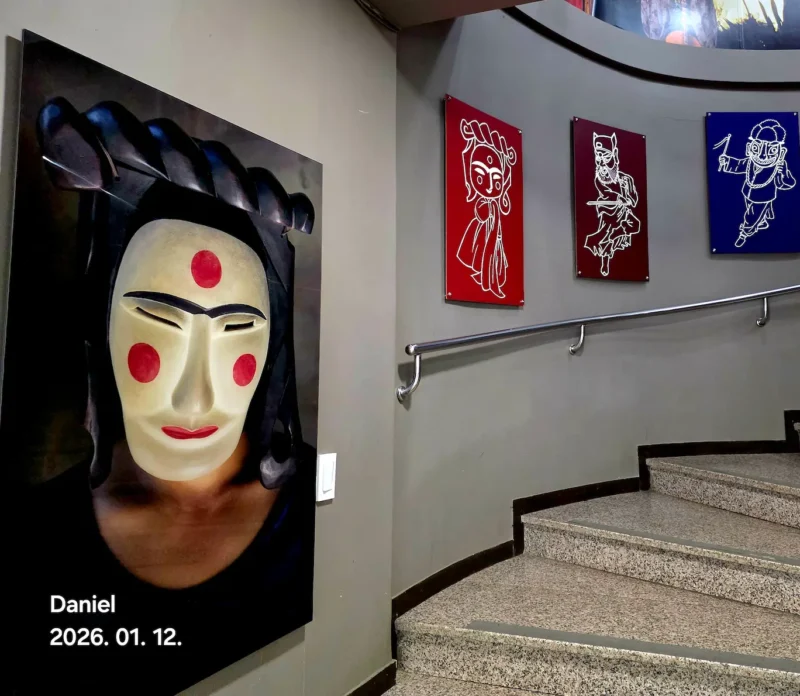
When You Hide Your Face, You Finally See the World:
Hahoe World Mask Museum in Andong
Andong Hahoe Village Series ④ · January 2026
There is a large museum building right at the entrance of Hahoe Village.
Before you pass through the village gate, this is where you should stop.
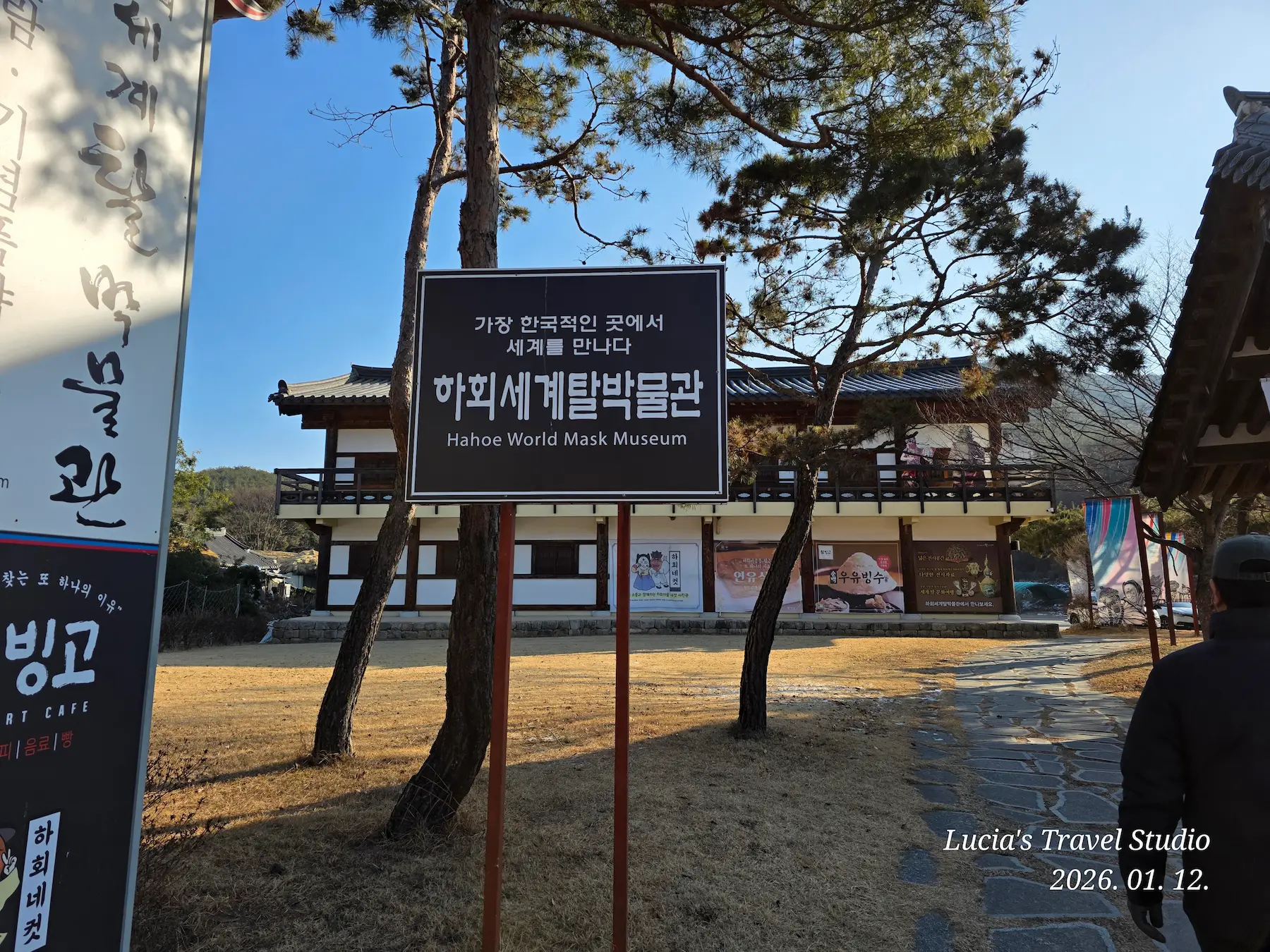
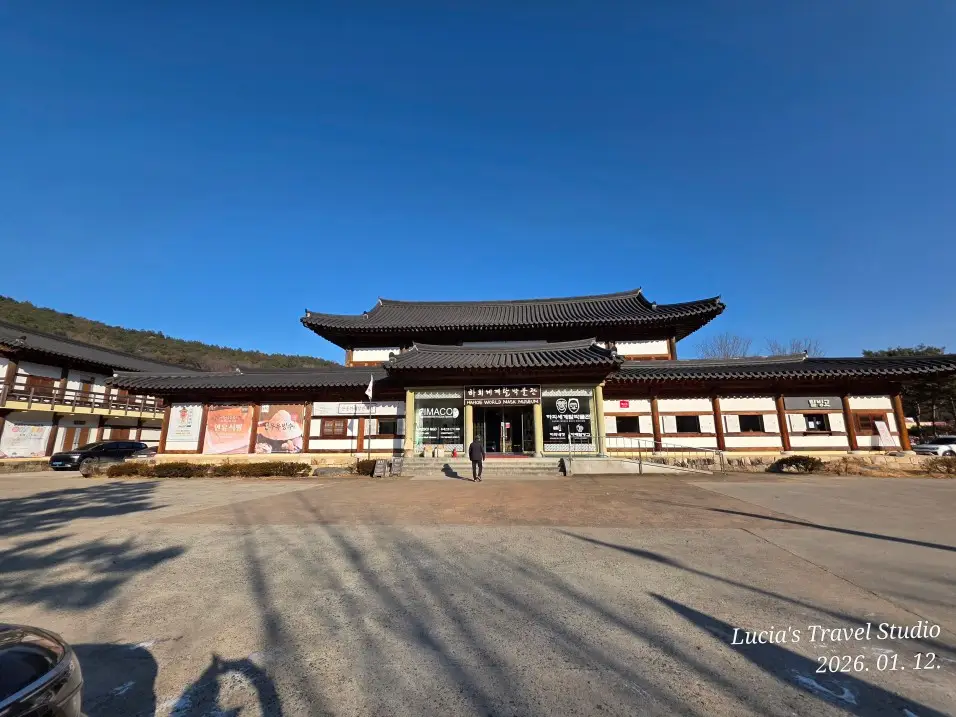
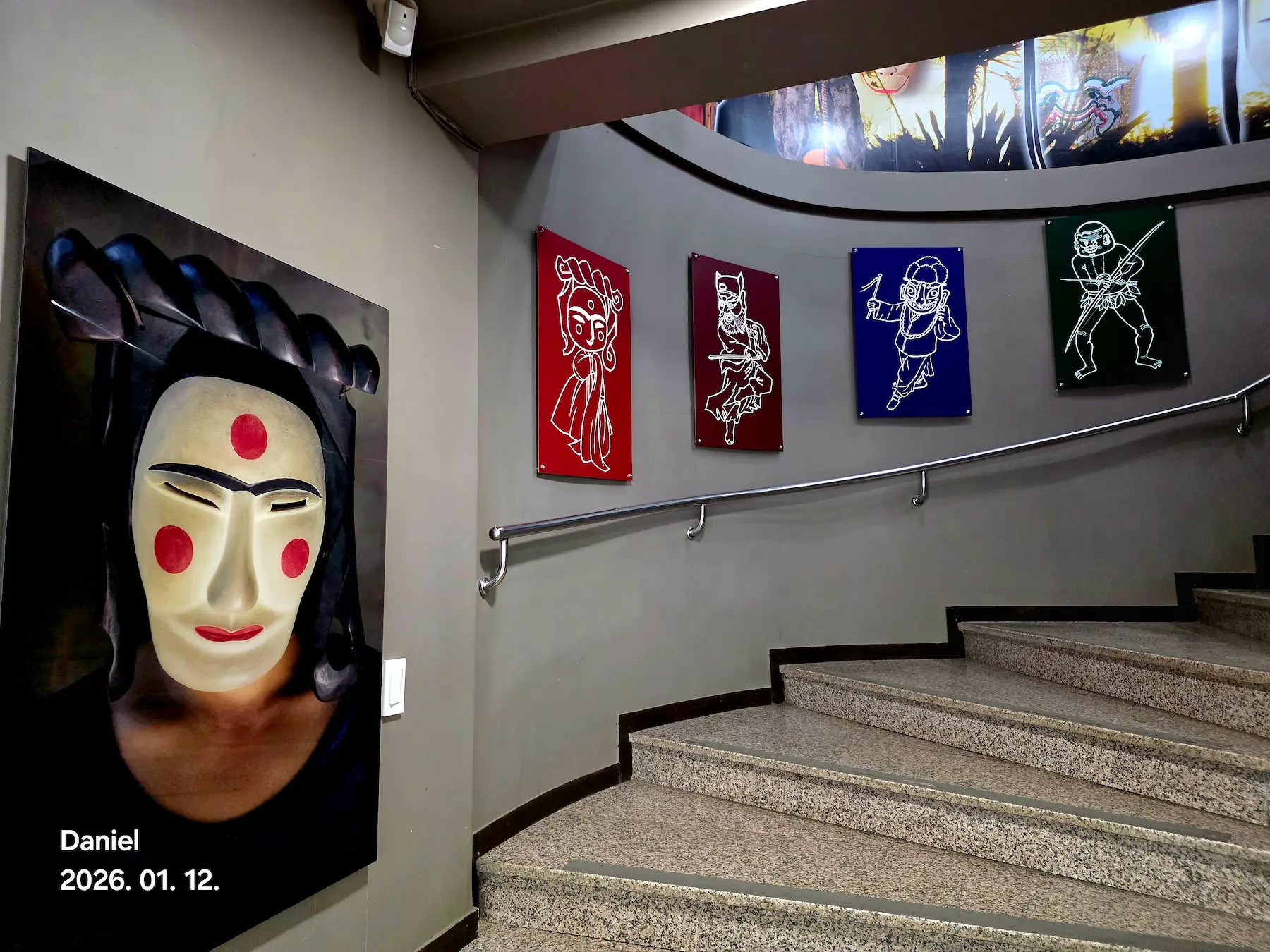
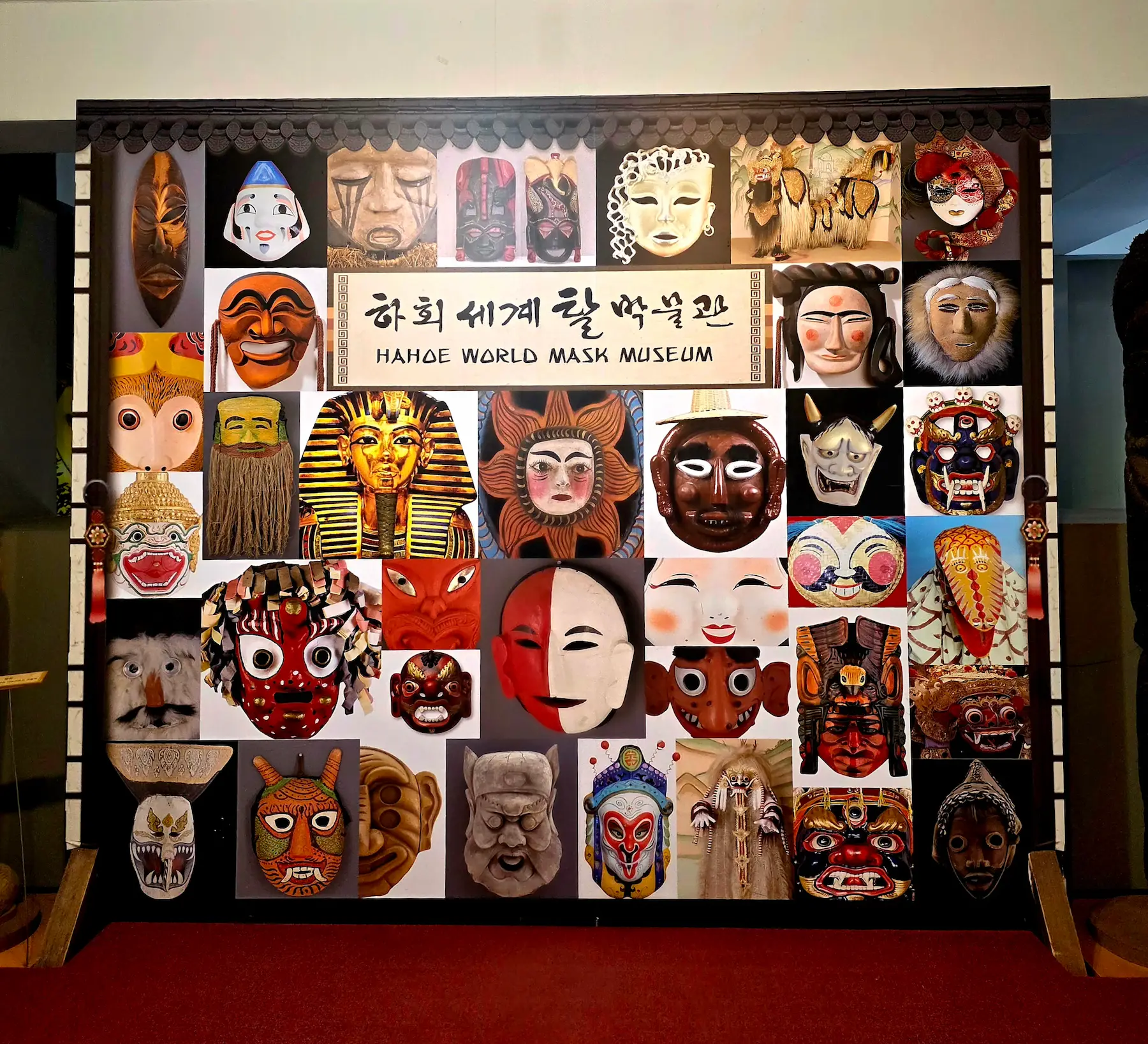
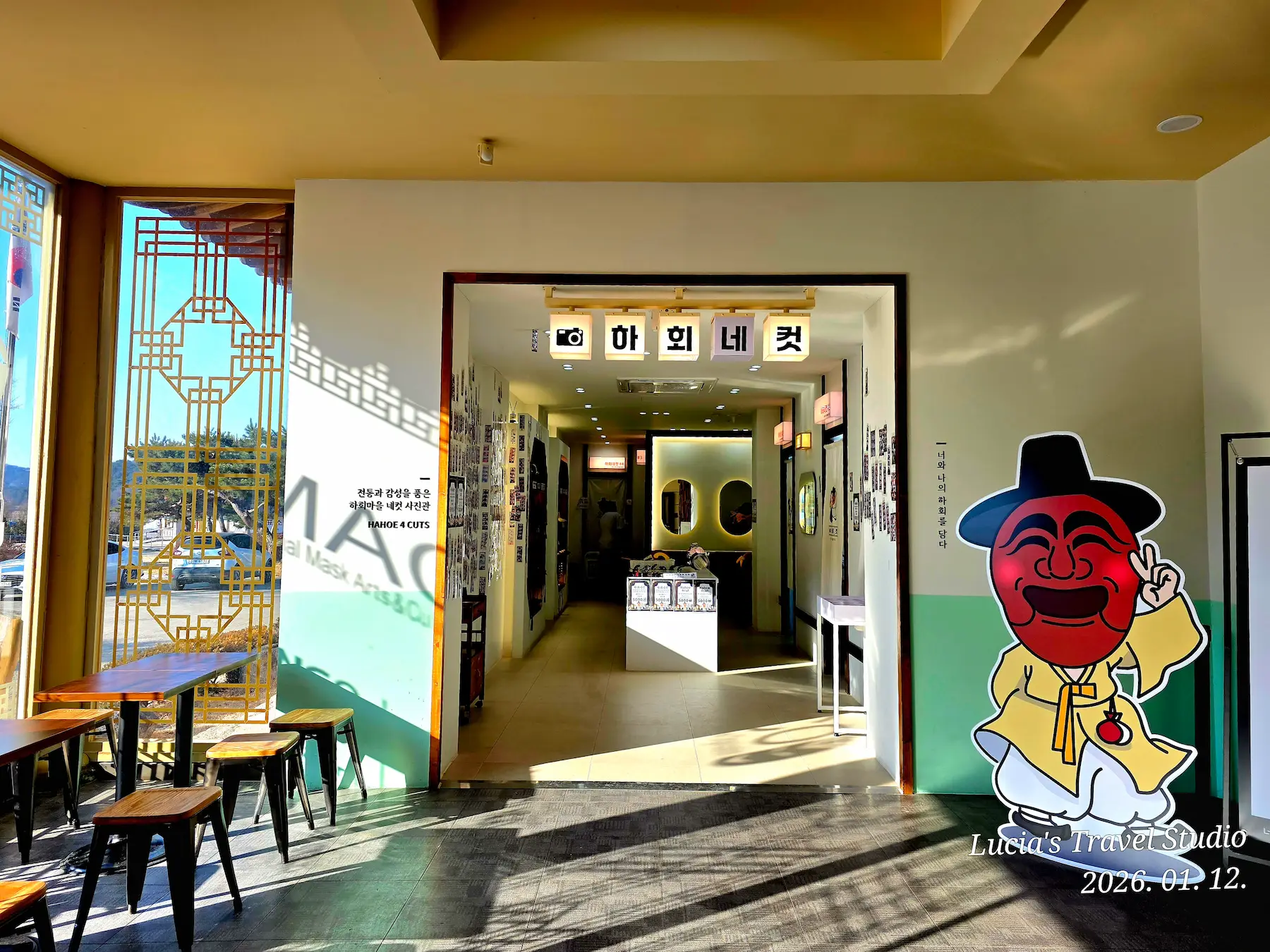
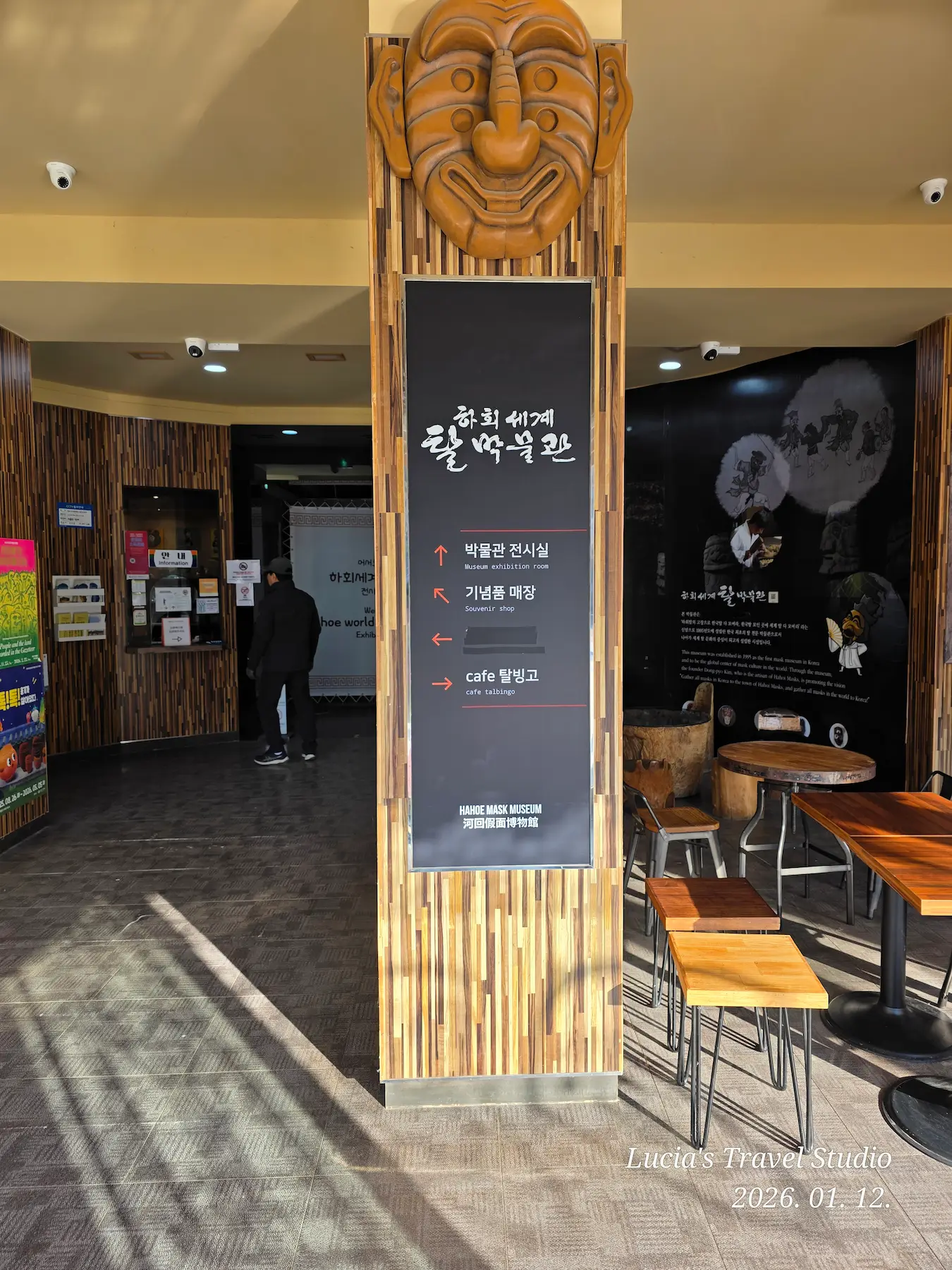
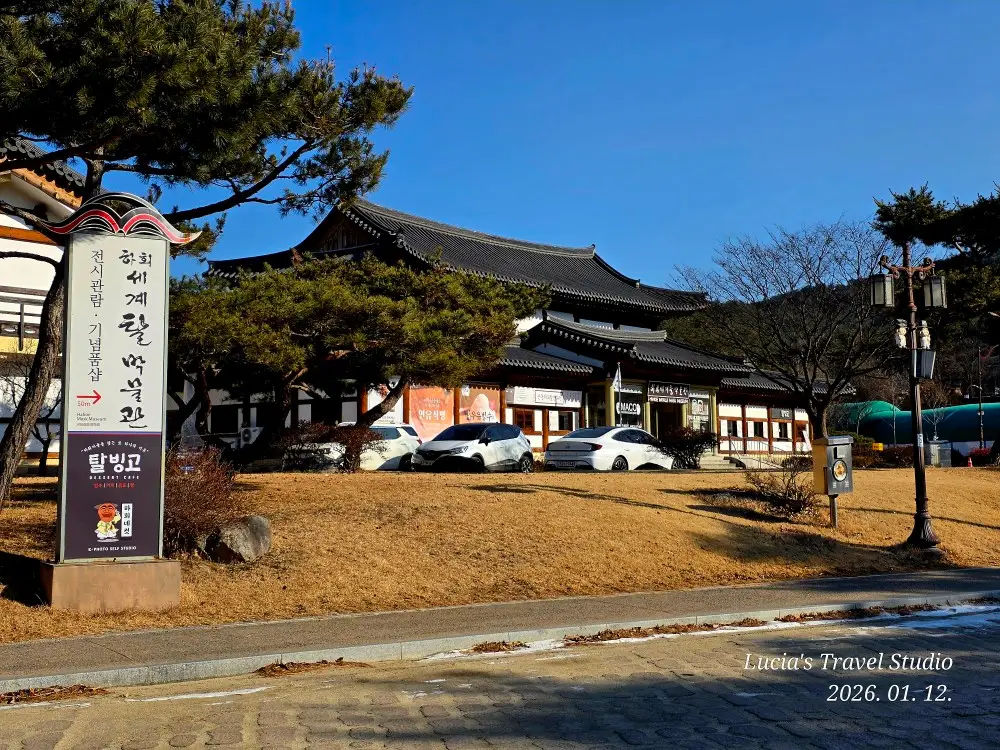
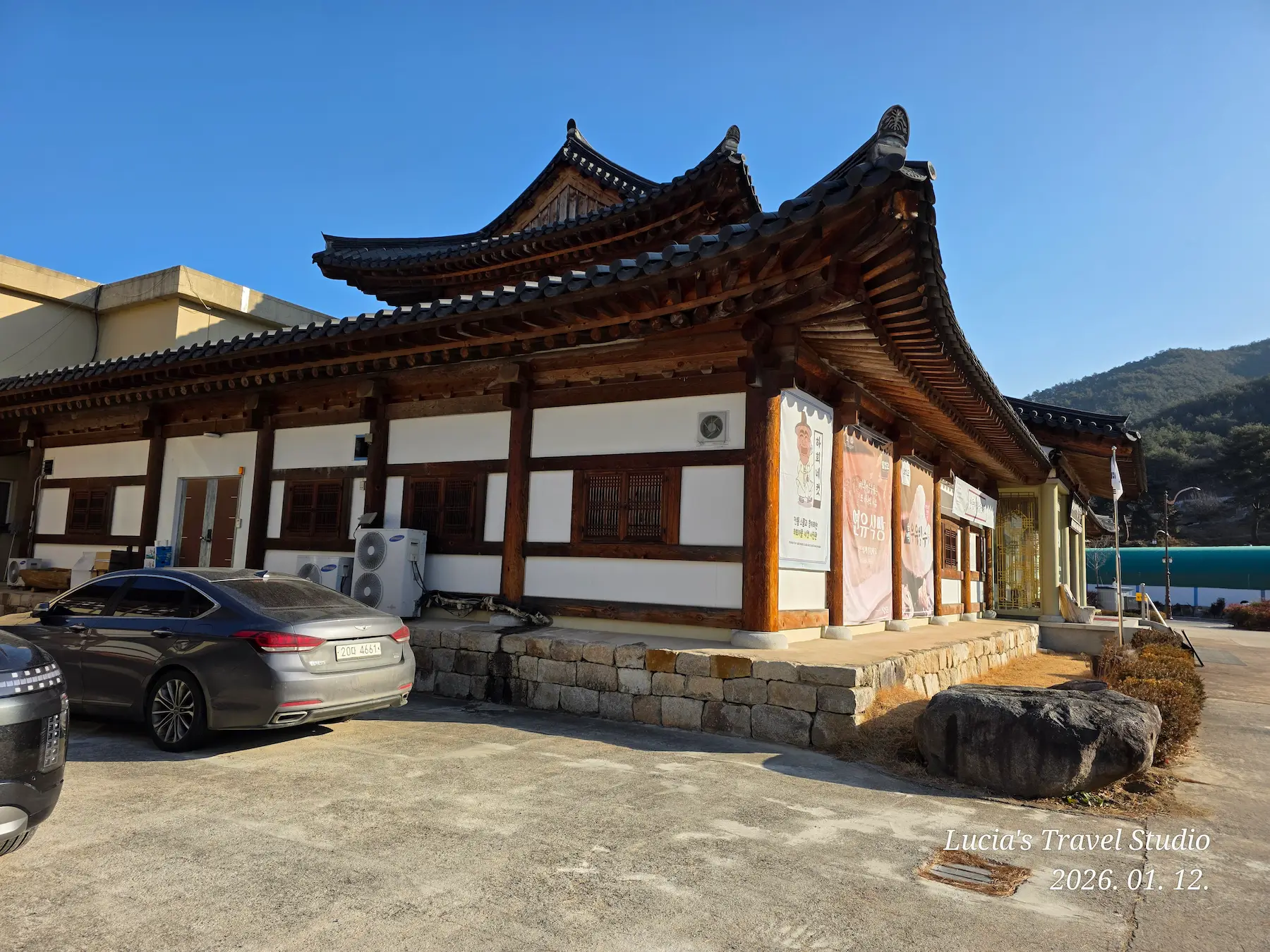


The Hahoe World Mask Museum holds over 3,300 masks from 50 countries, with a full hall dedicated to Korean mask traditions.
Admission is free, and it takes about an hour to explore.
If you plan to visit Hahoe Village, start here.
Understanding the masks first gives context to everything you see inside the village.
📍 Practical Info
| Address | 182 Hahoe-ri, Pungcheon-myeon, Andong |
| Hours | 09:30–18:00 |
| Admission | Free |
| Time needed | 60–90 minutes |
| Getting there | Bus from Andong Terminal → Hahoe Village stop (~40 min) |
🌏 Korean Hall — The Many Faces of One Nation (Hall 1)
The Korean hall opens with a map of the entire peninsula, dotted with the locations of distinct mask dance traditions — Bongsan, Gangnyeong, Hahoe, Gangneung, Suyeong, Dongrae, Jinju — many now recognized as UNESCO Intangible Cultural Heritage. Korean mask dance wasn’t a single art form. It was an ecosystem, rooted differently in every region.

Group A — Sandae Nori (Seoul & Gyeonggi)
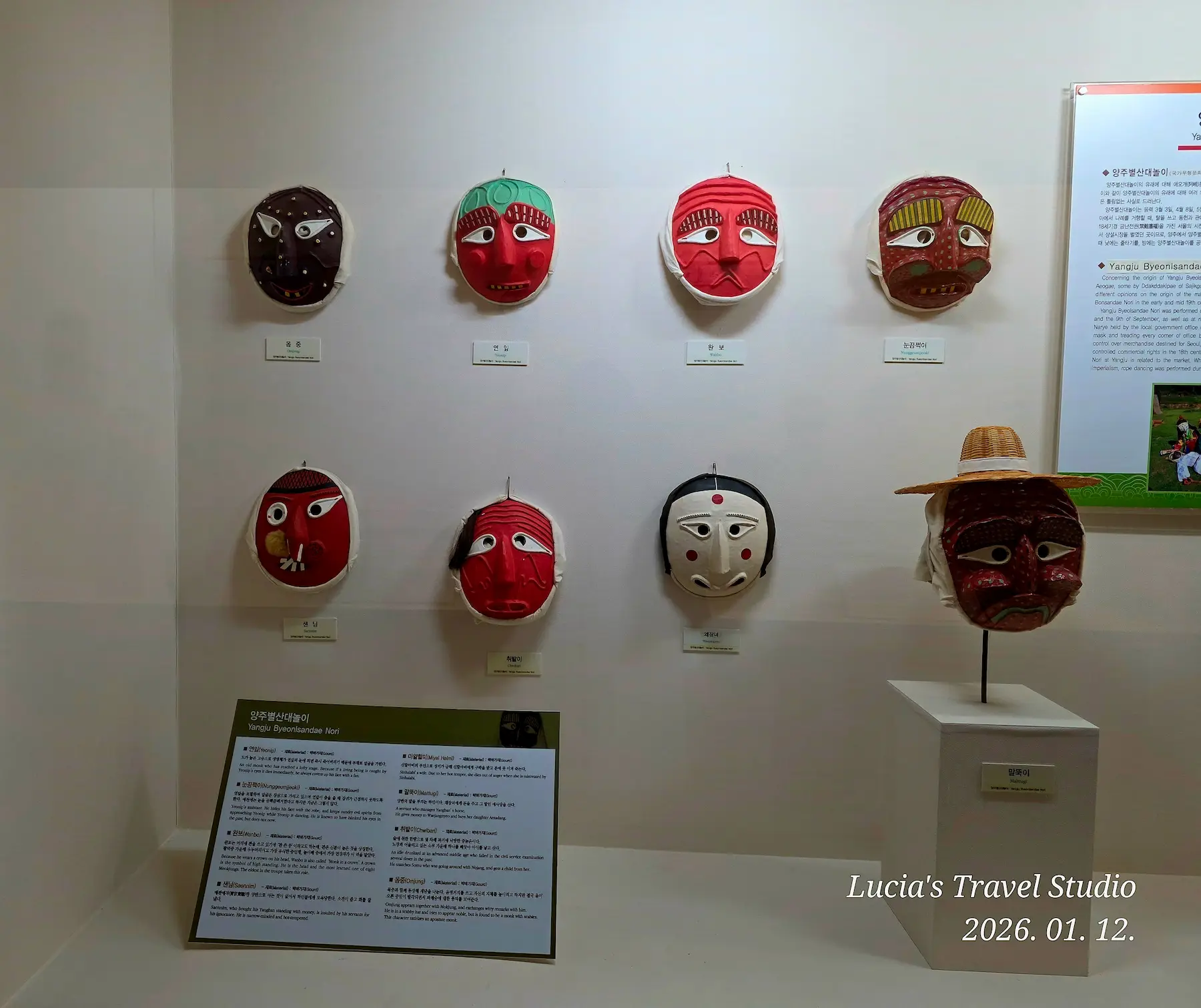
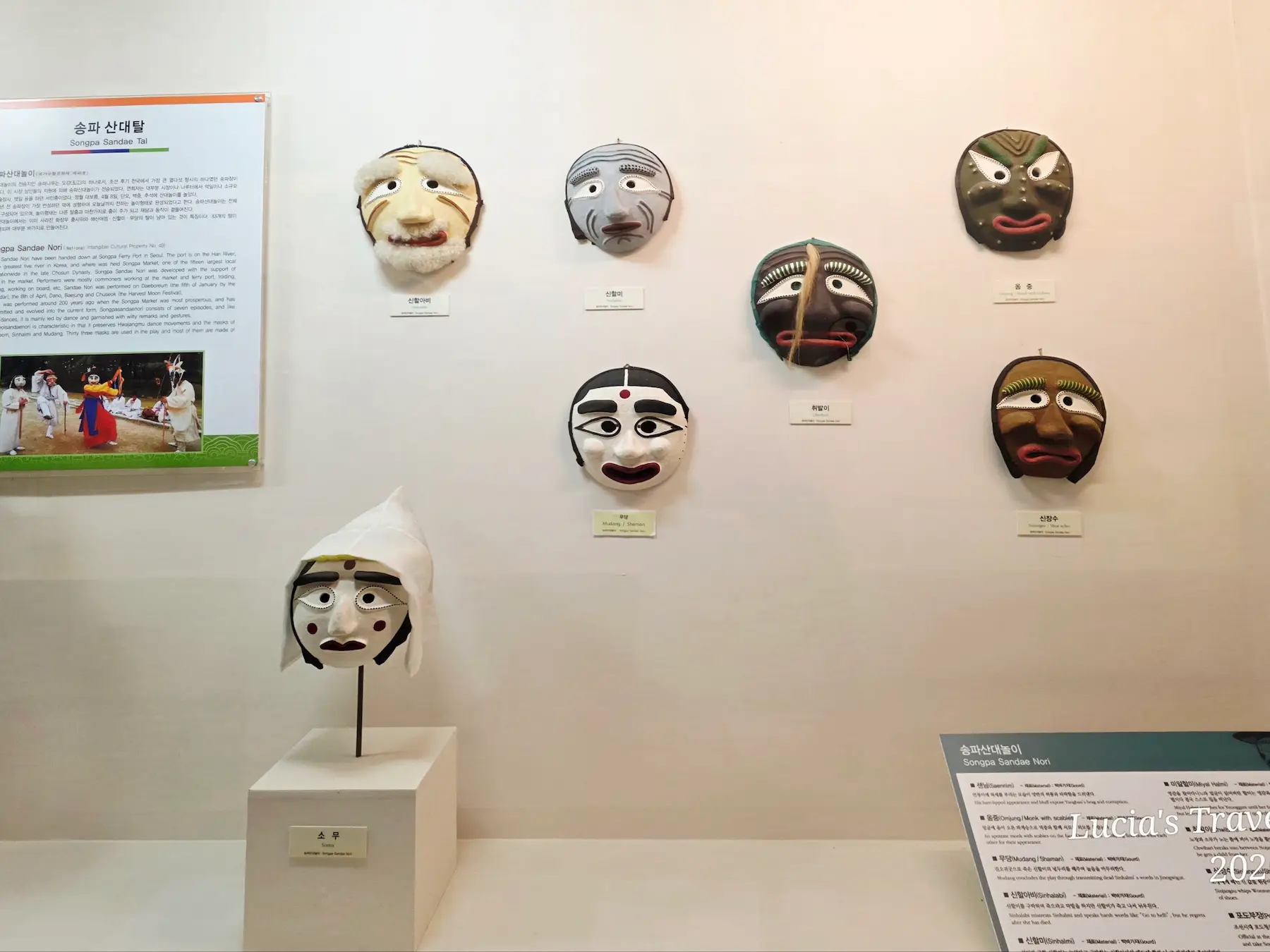
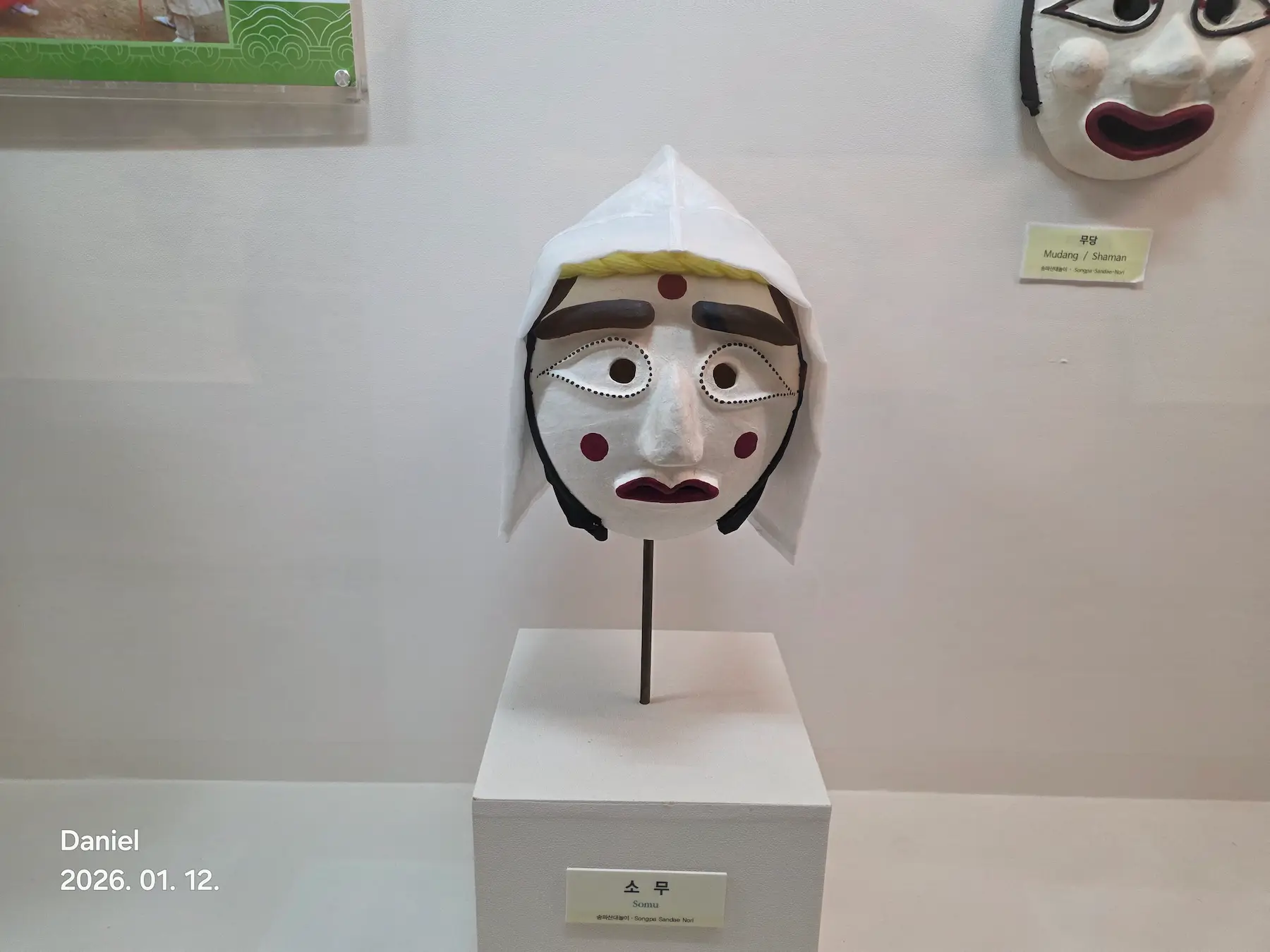


Sandae Nori is Seoul’s sharp social satire — commoners laughing at aristocrats and corrupt monks.
Simple paper or gourd masks in bold red and white bring characters like Maltugi and Yangban to life.
Recognized as National Intangible Cultural Property, but its real power lies in its fearless attitude.
Group B — Yaryu & Ogwangdae (Gyeongsang Region)
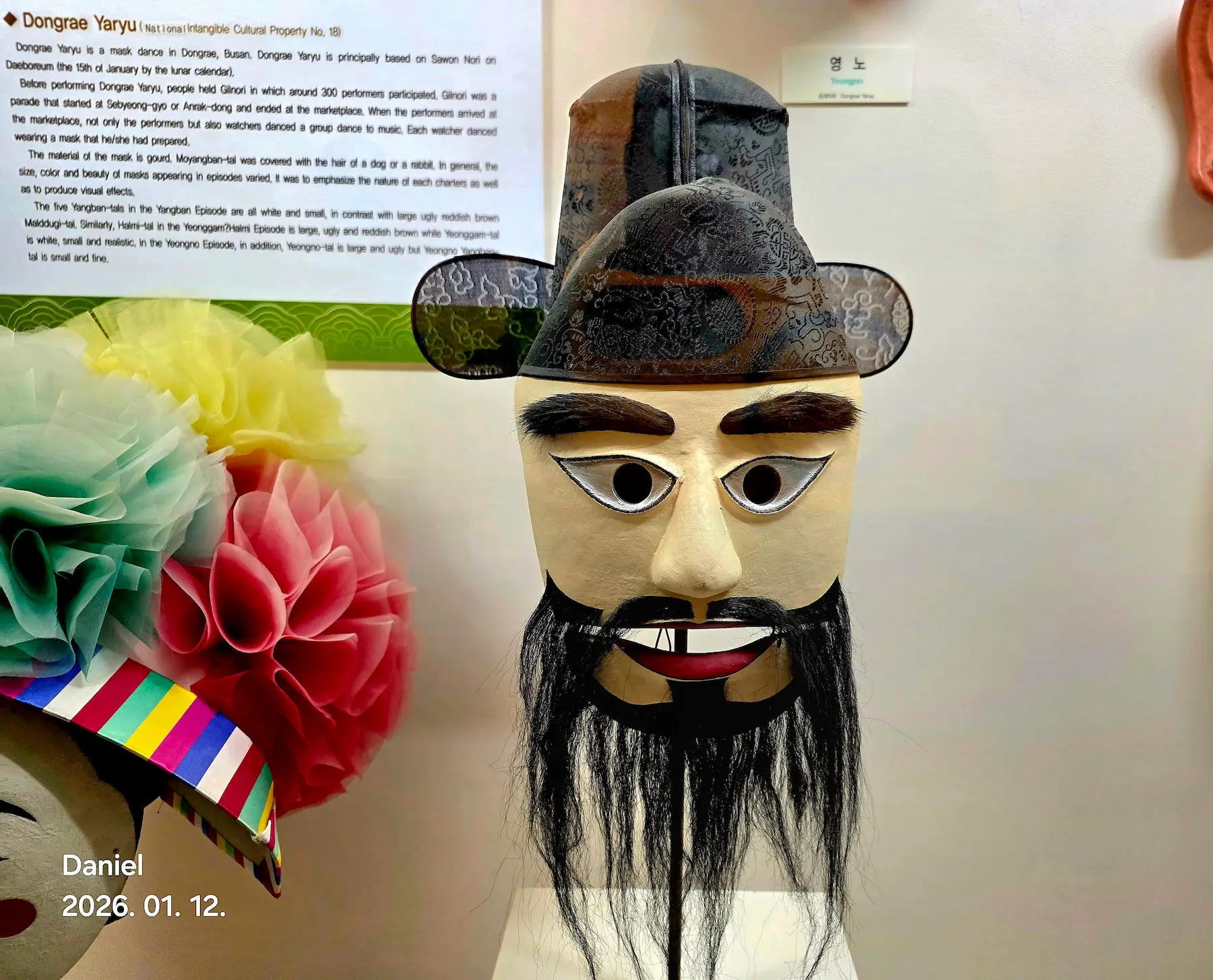
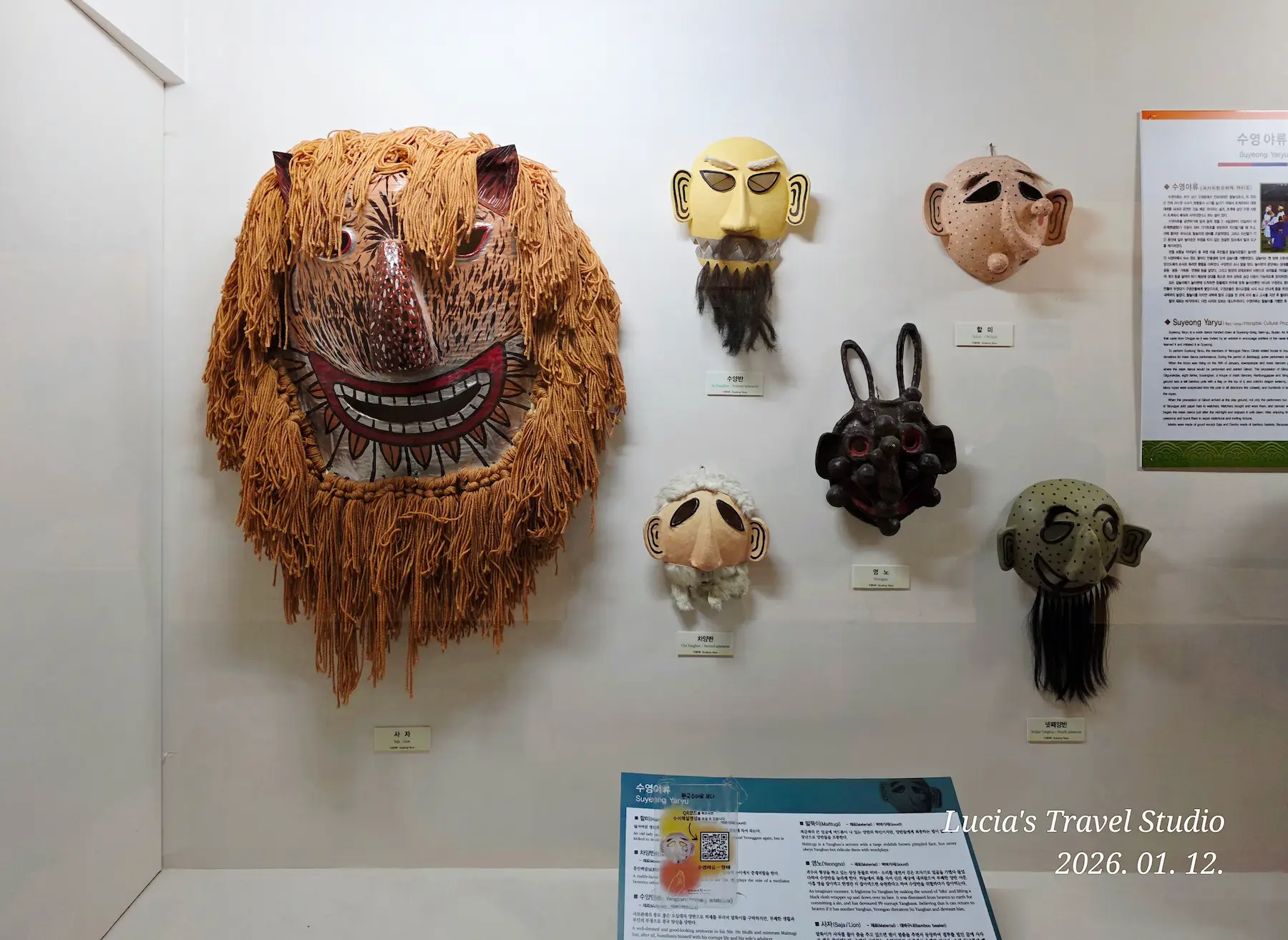
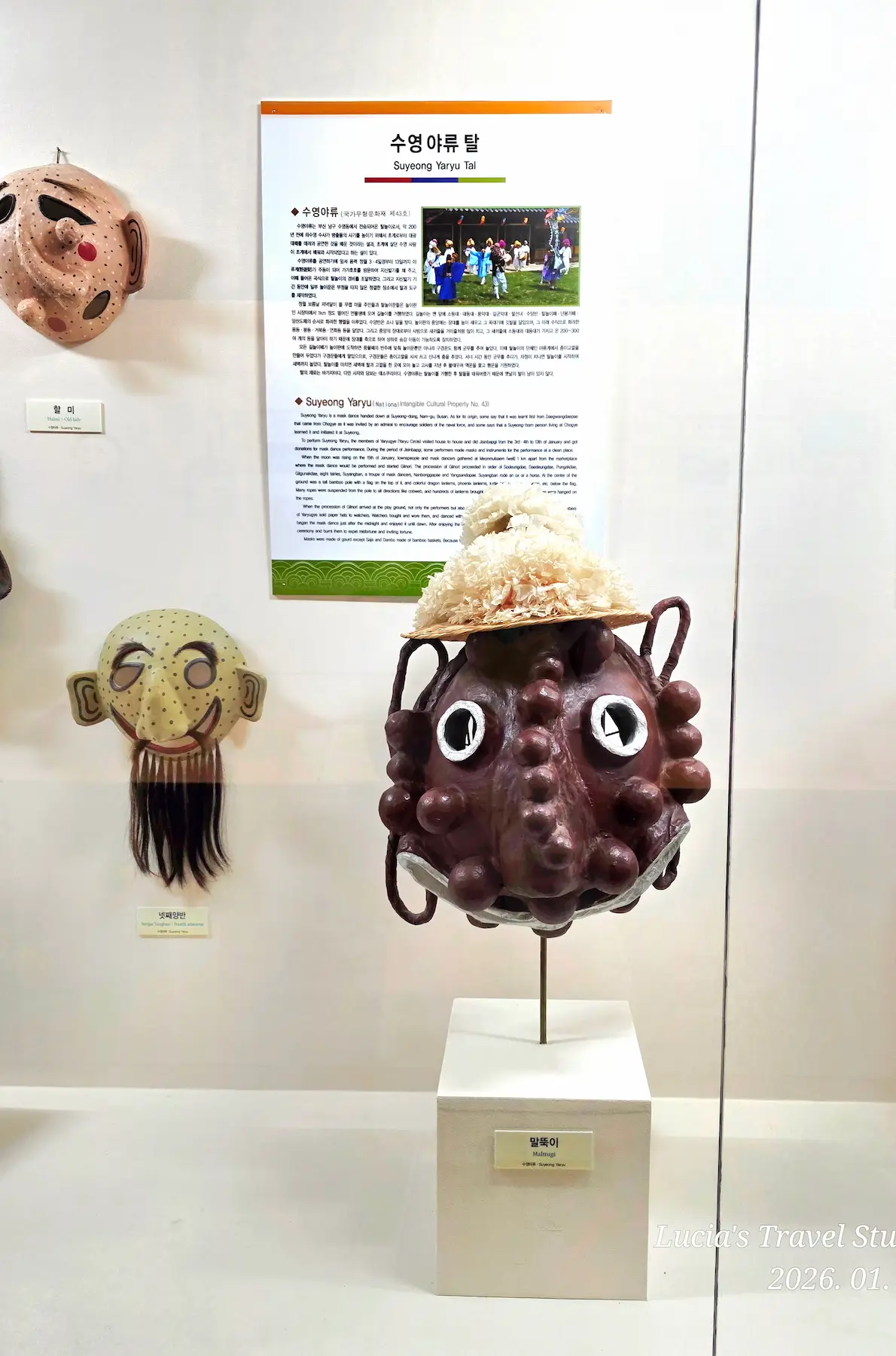
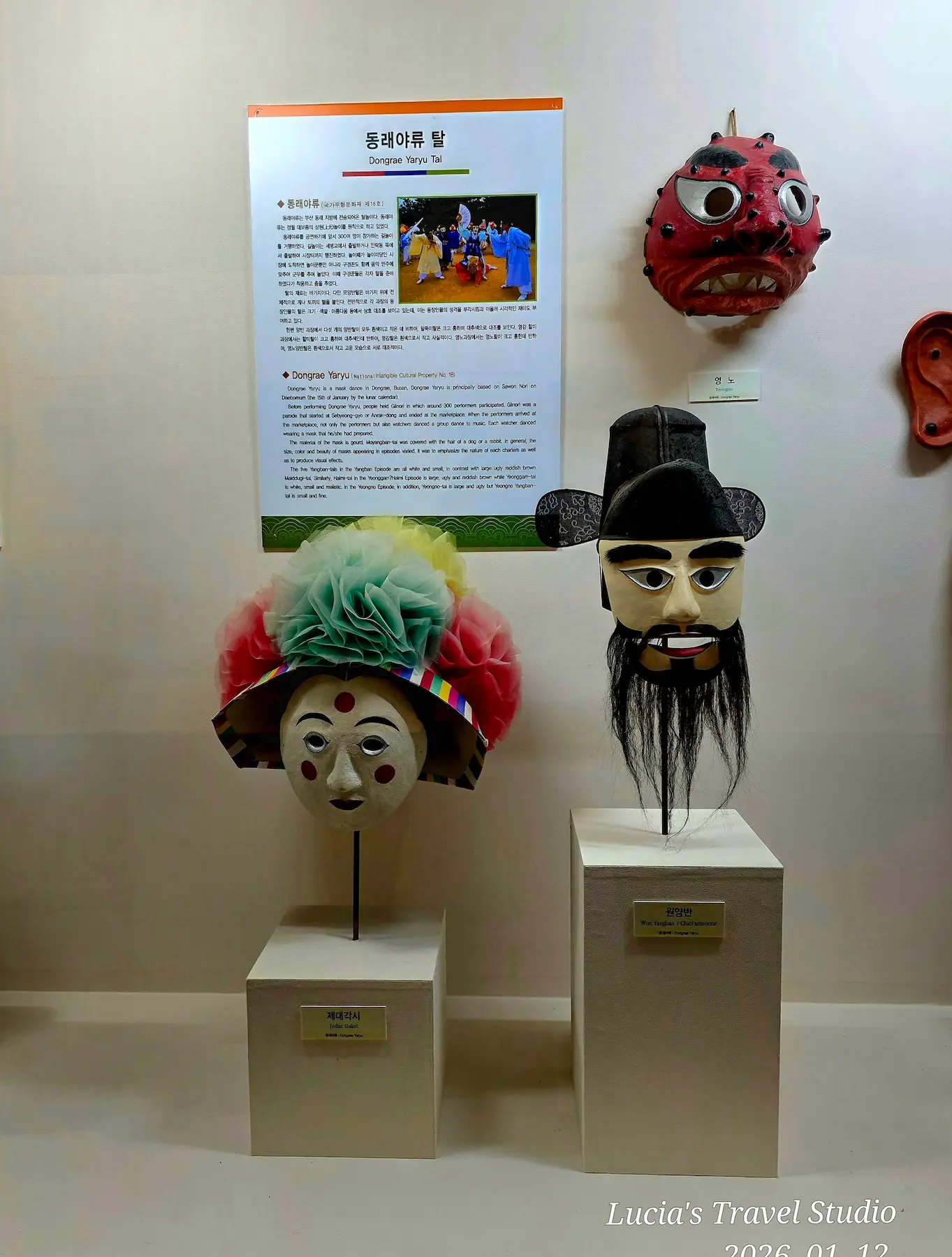
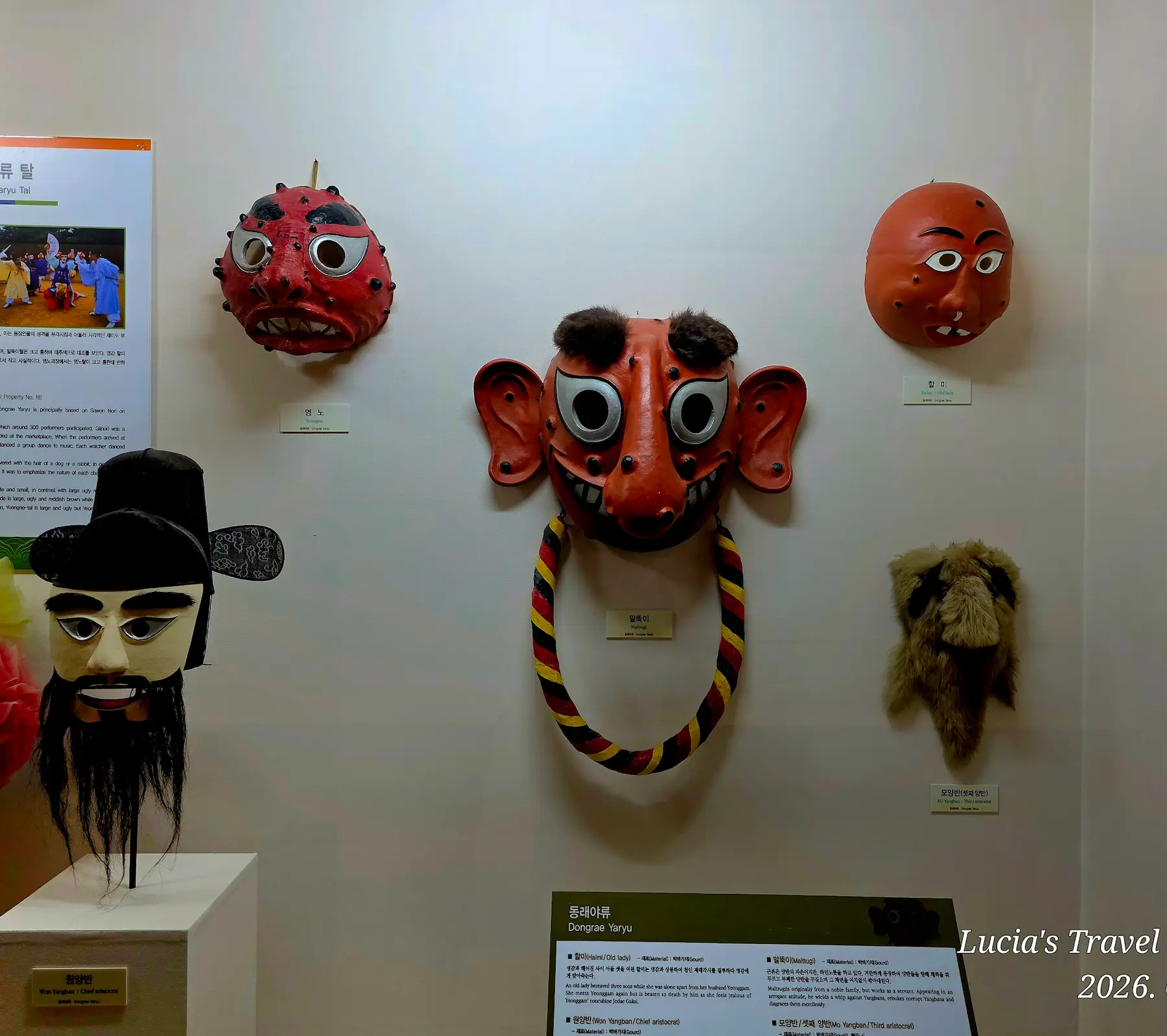
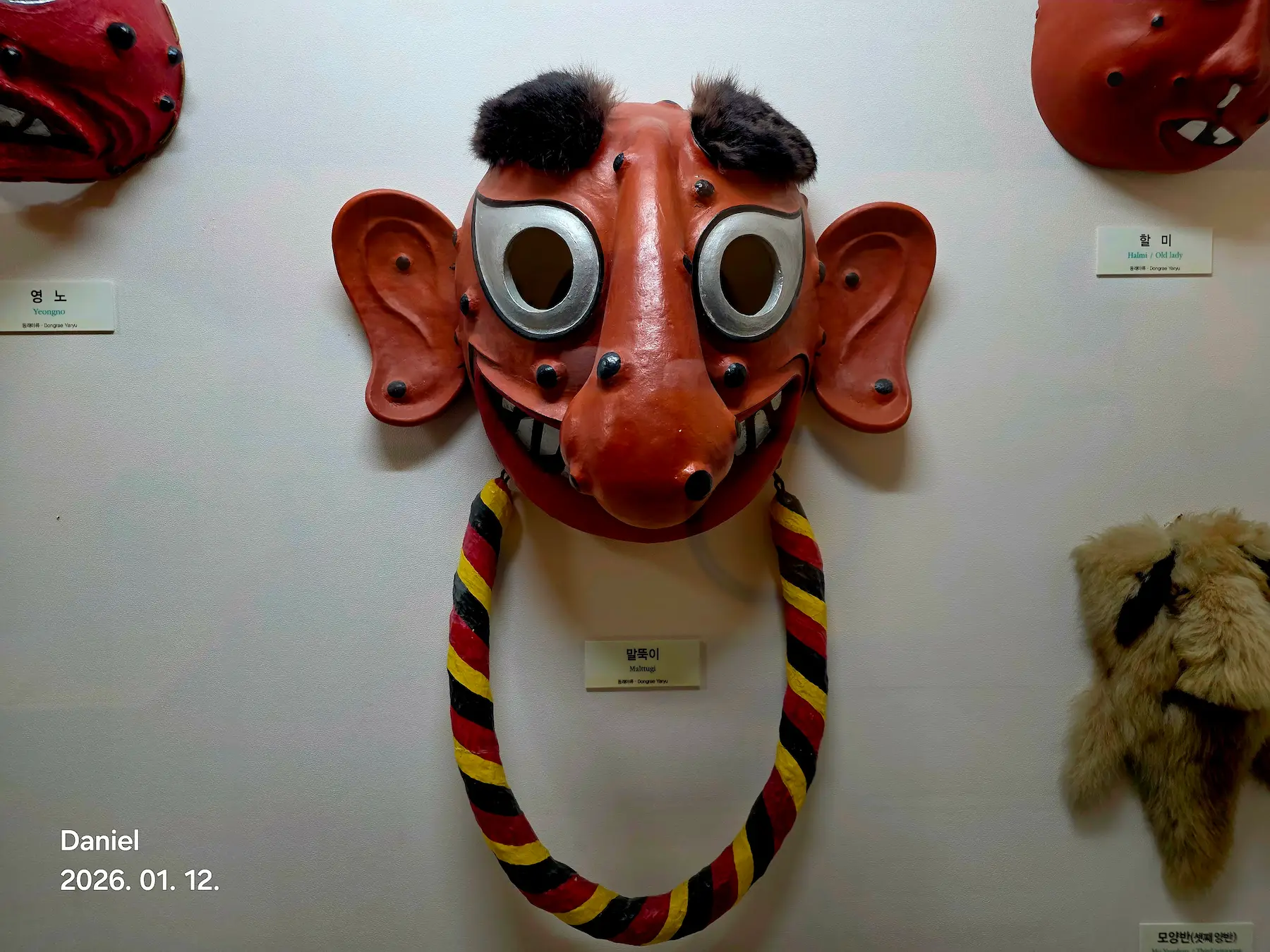
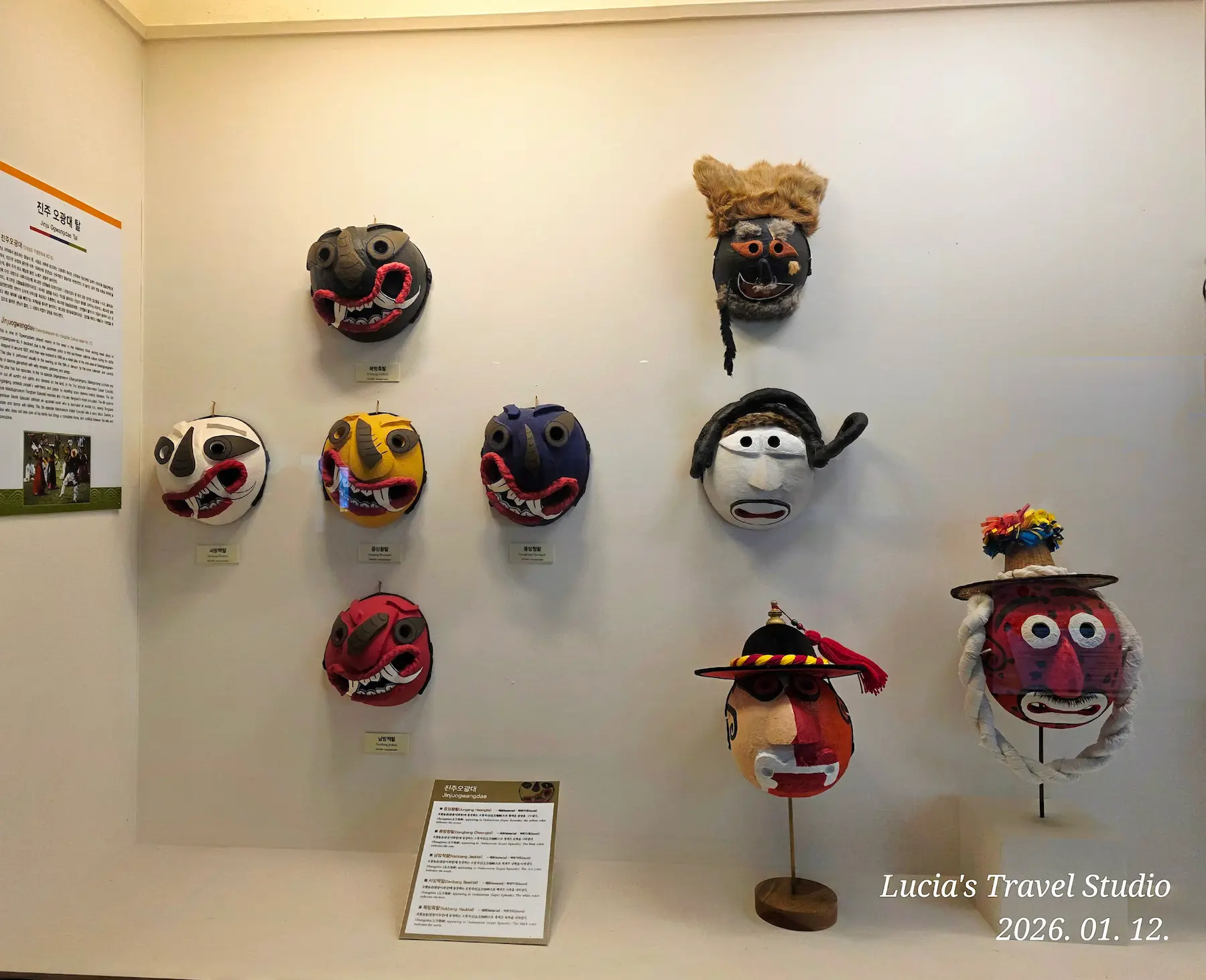
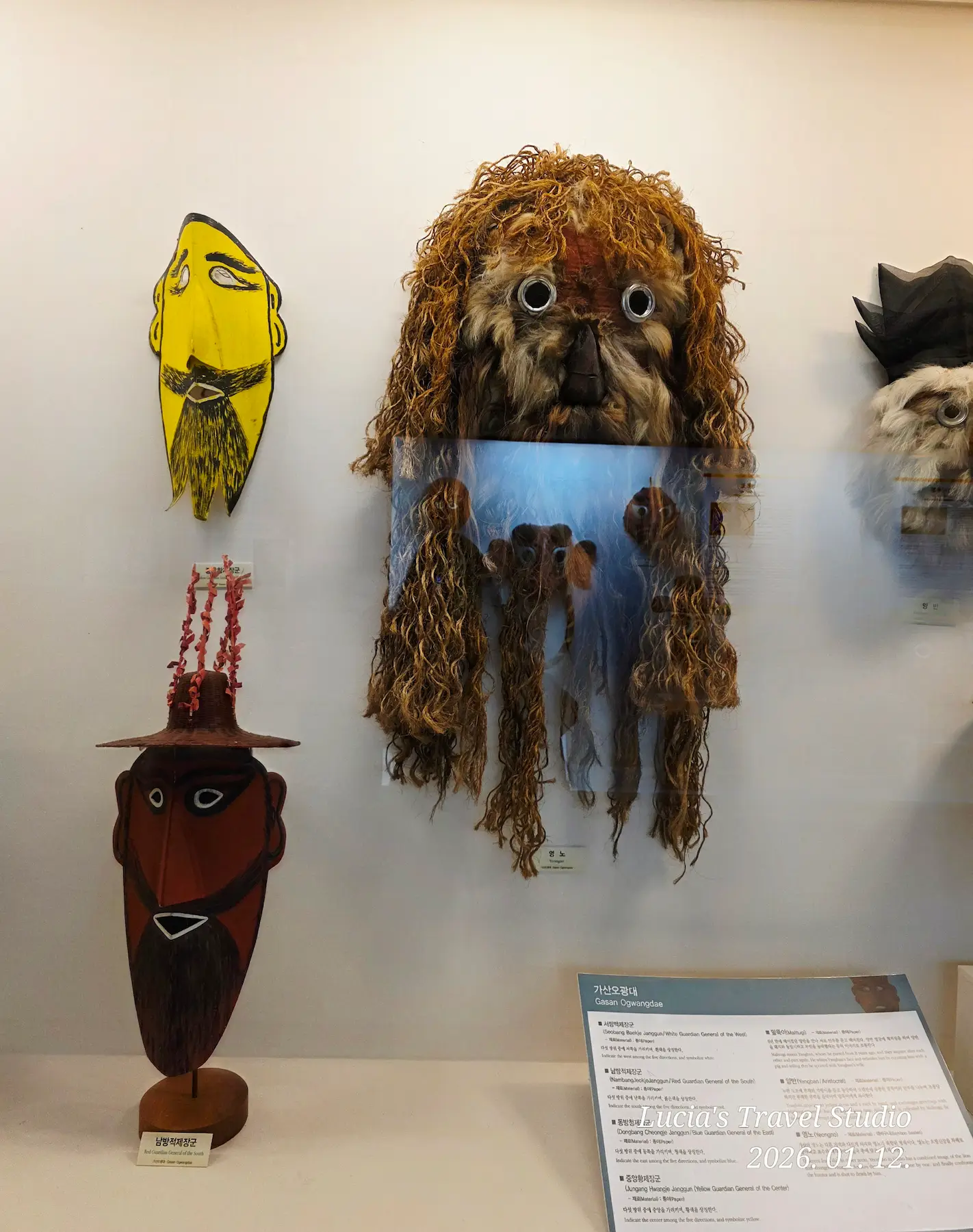
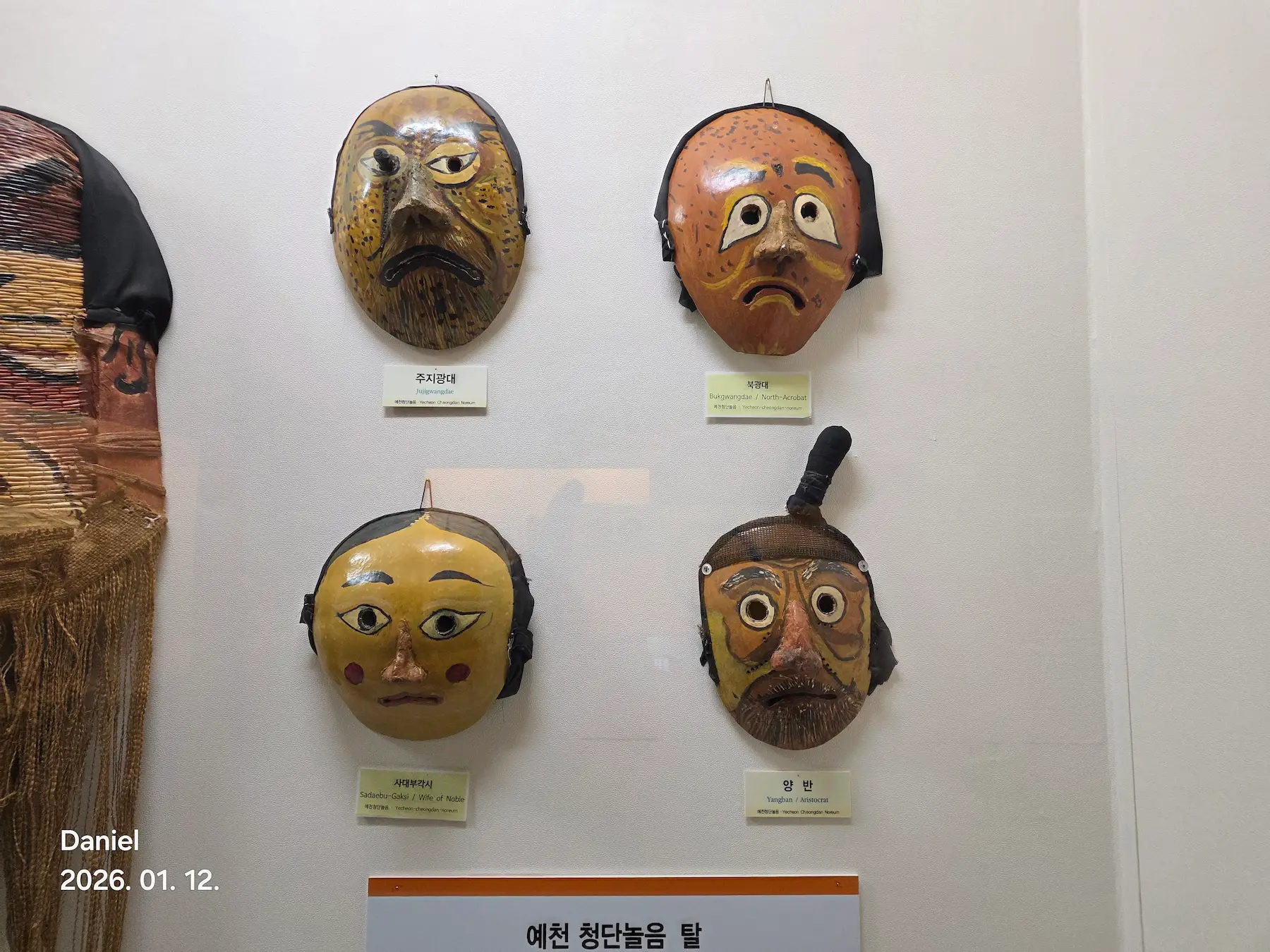
Along the southern coast, masks grow rounder, louder, more exaggerated.
Performed during Daeboreum, these village plays mix festival energy with biting social commentary.
Maltugi and the mythical Yeongno return — humor here is both celebration and critique.
Group C — Tanchum (Hwanghae & Gangwon)
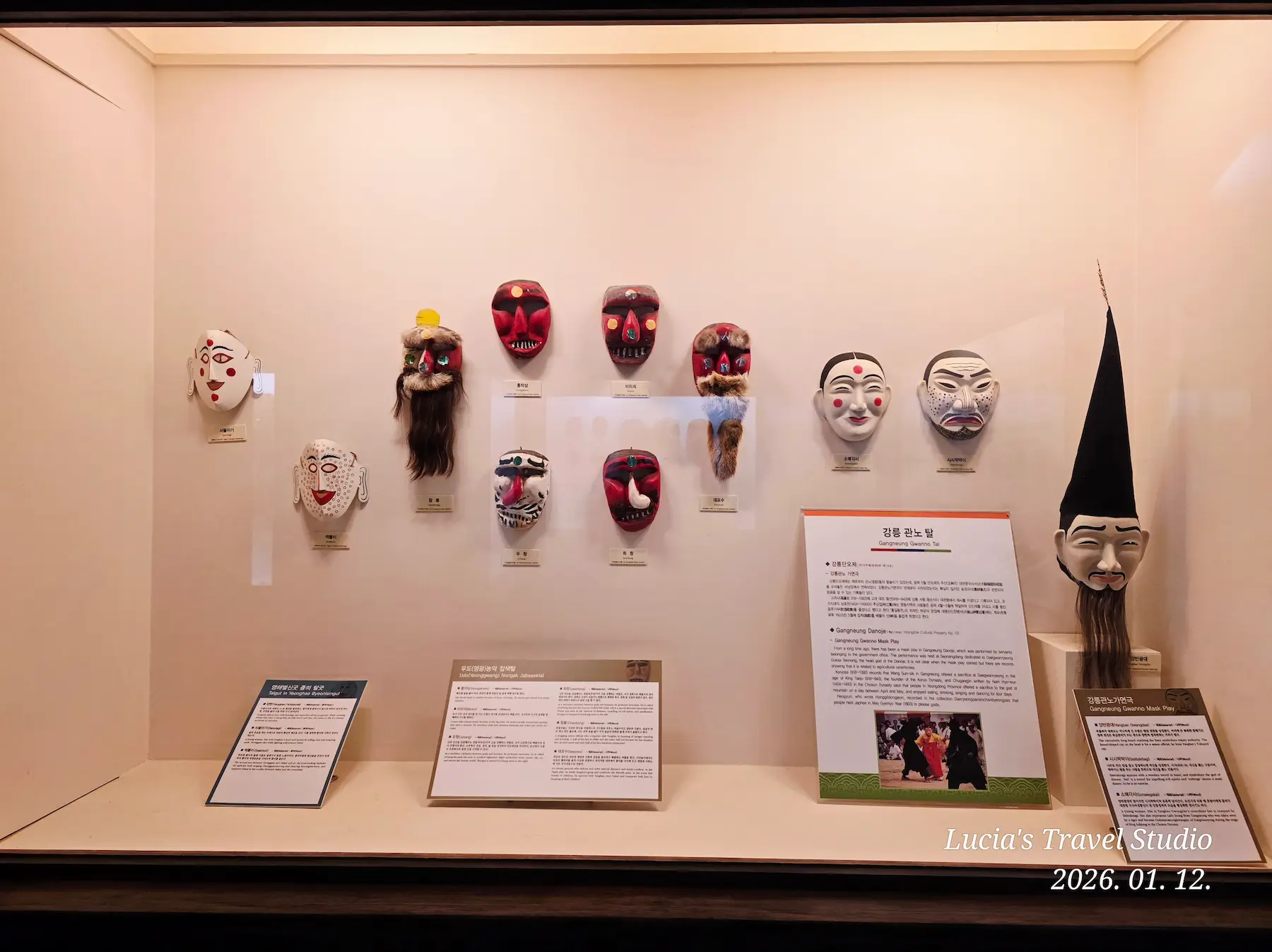
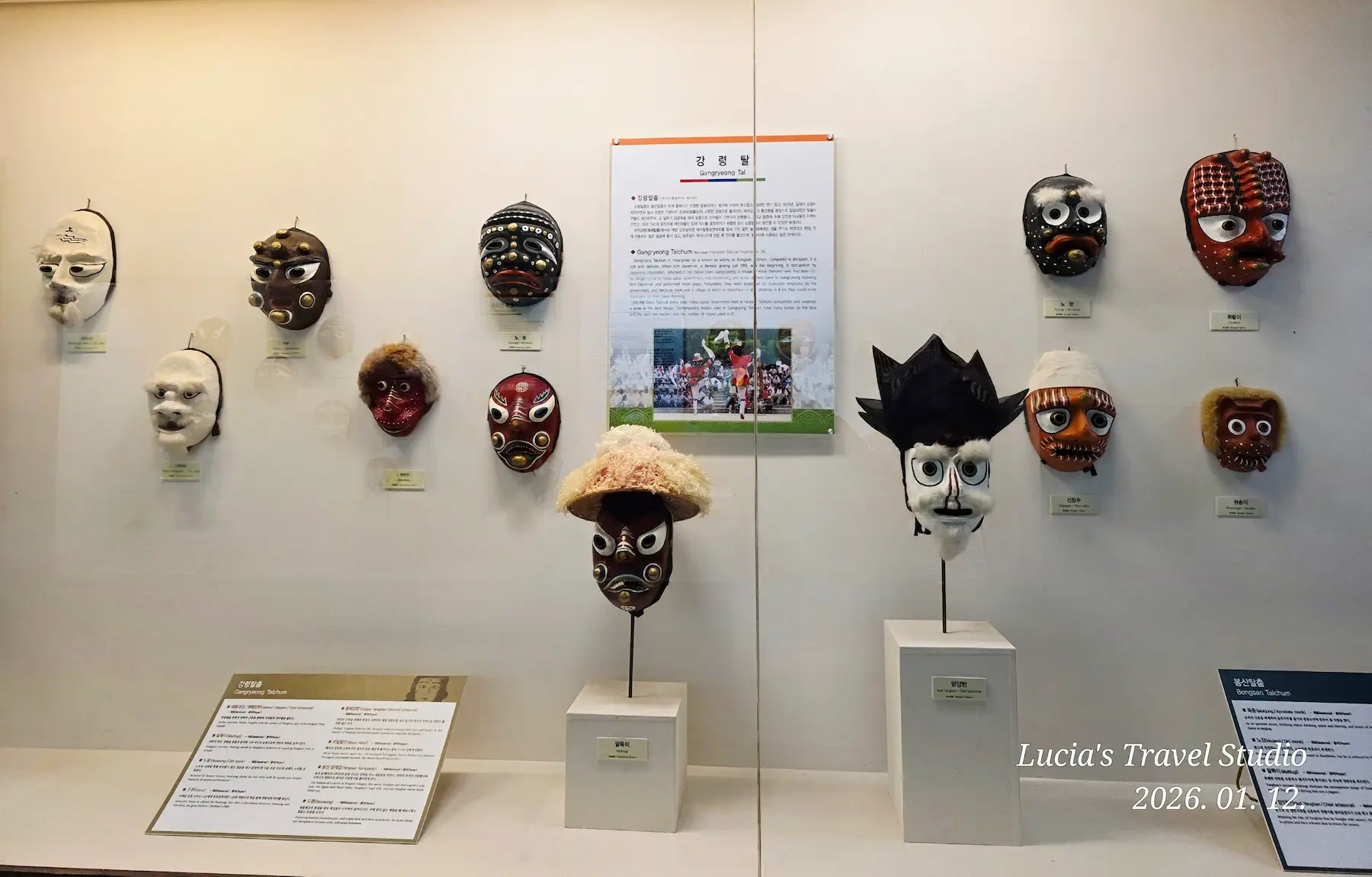
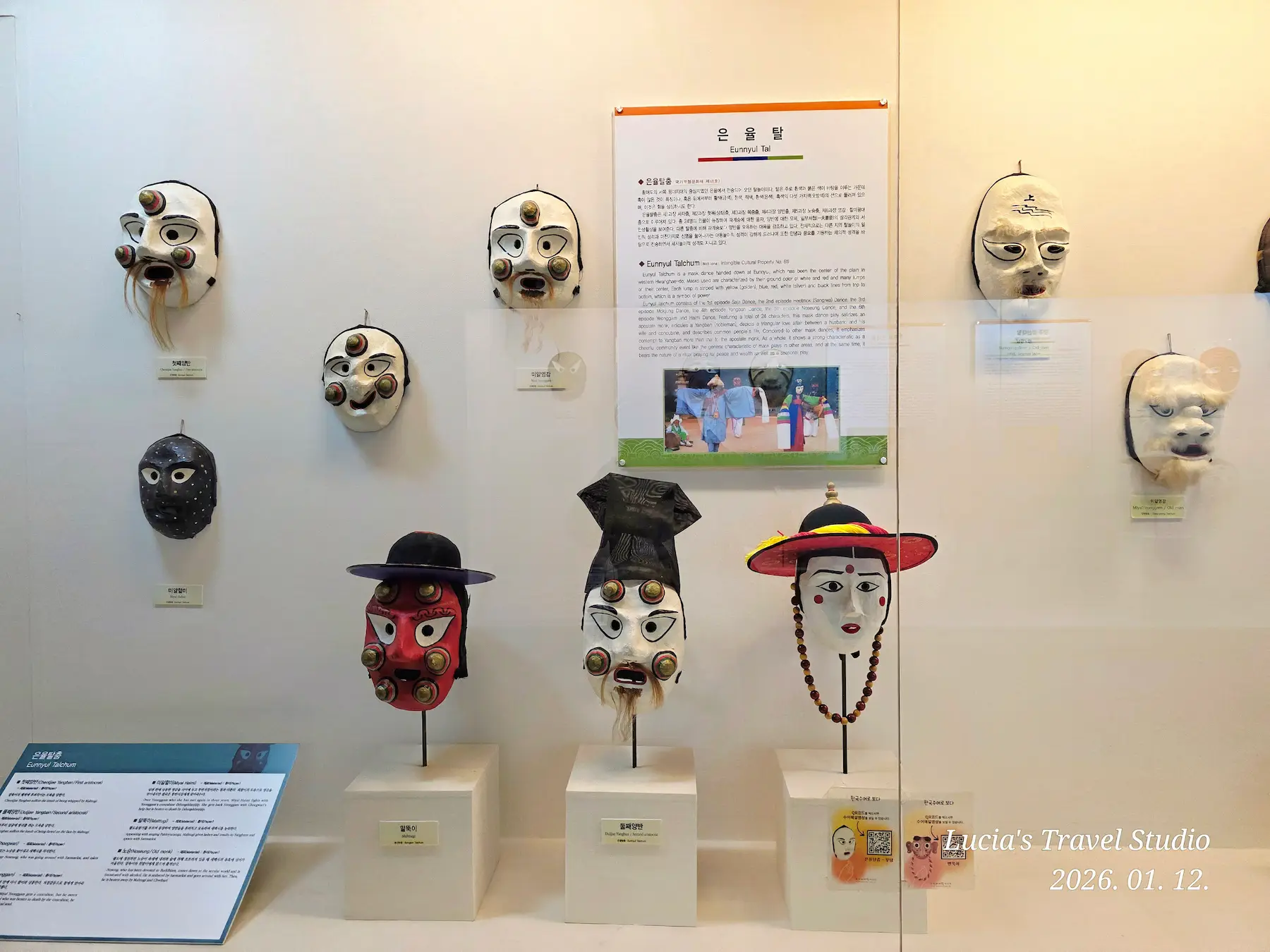
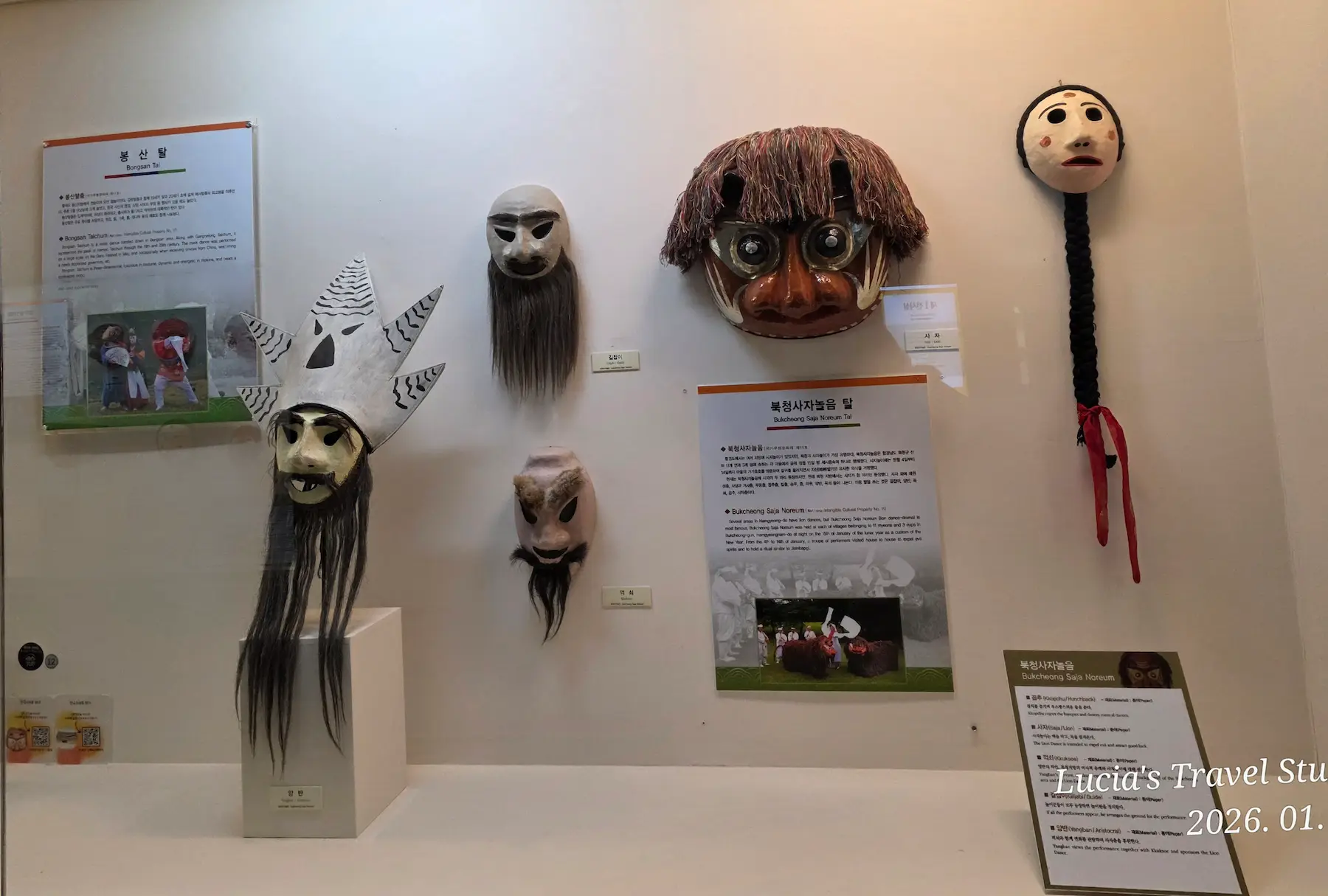
Northern traditions shimmer with vivid colors, bells, and elaborate decoration.
Bongsan, Gangryeong, and Eunyul share characters but differ in rhythm and choreography.
From the tall-hatted Gangneung Gwanno to the lion-centered Bukcheong Saja Noreum, each region shapes its own visual language.
Group D — Special & Ritual Masks
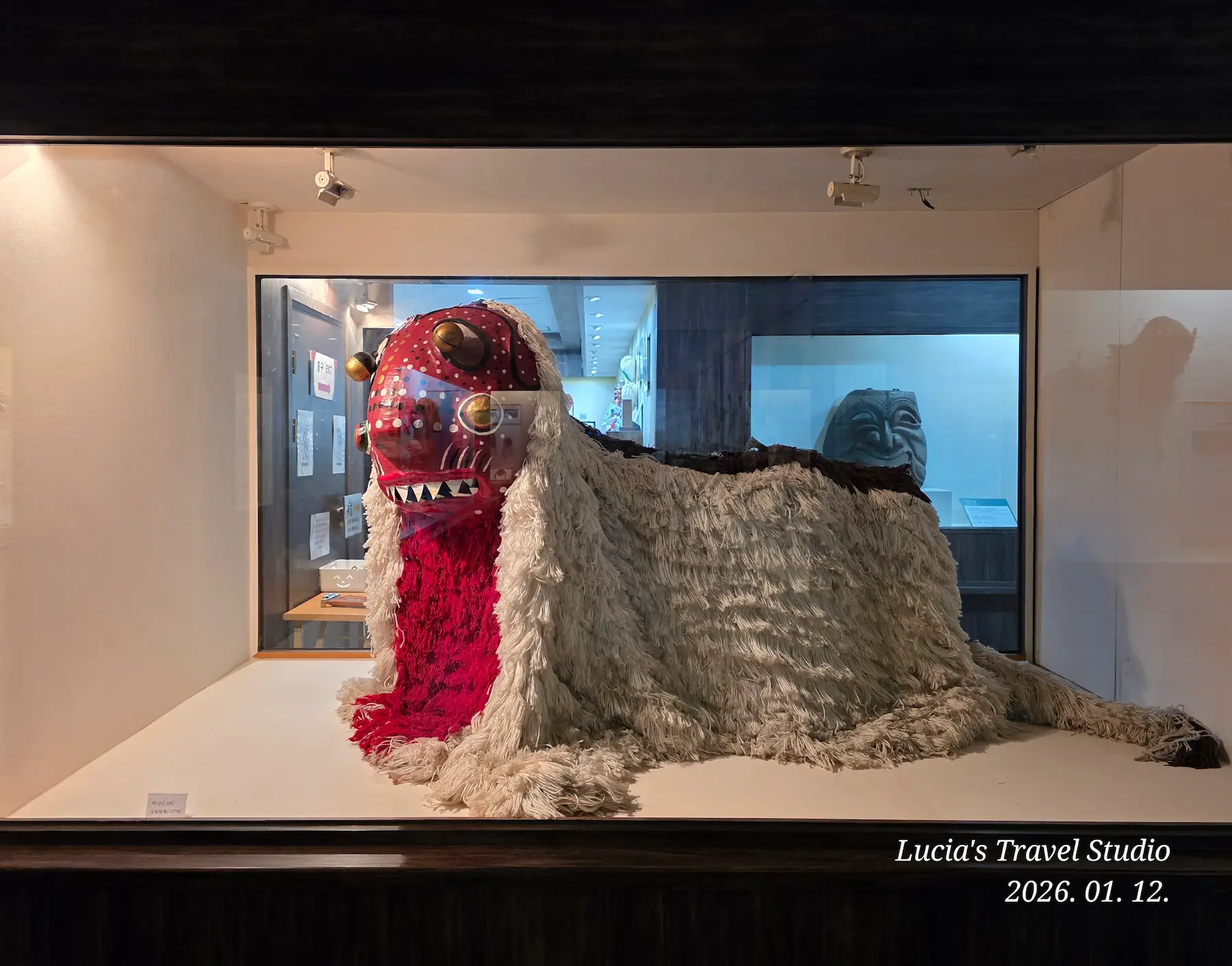
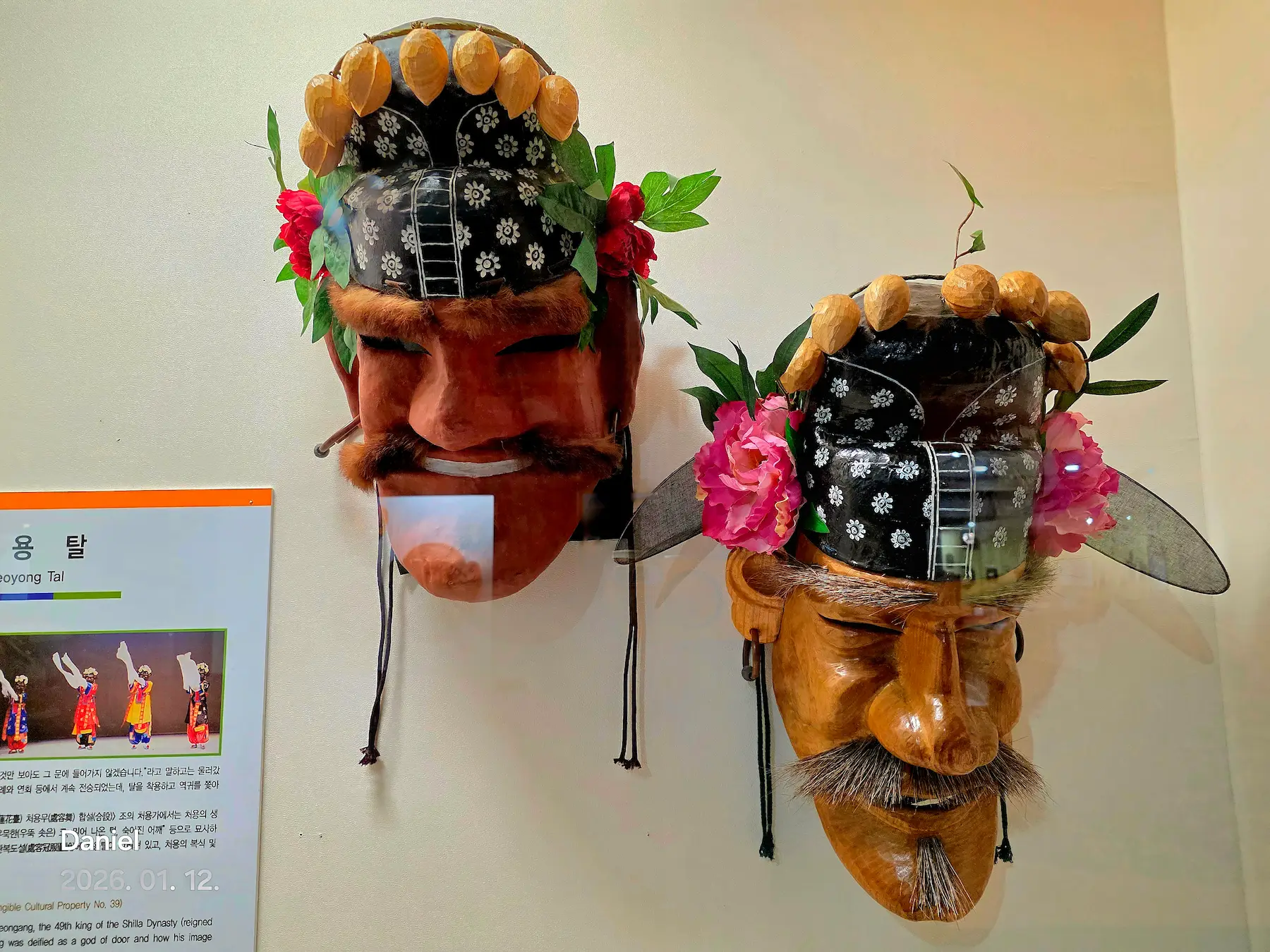
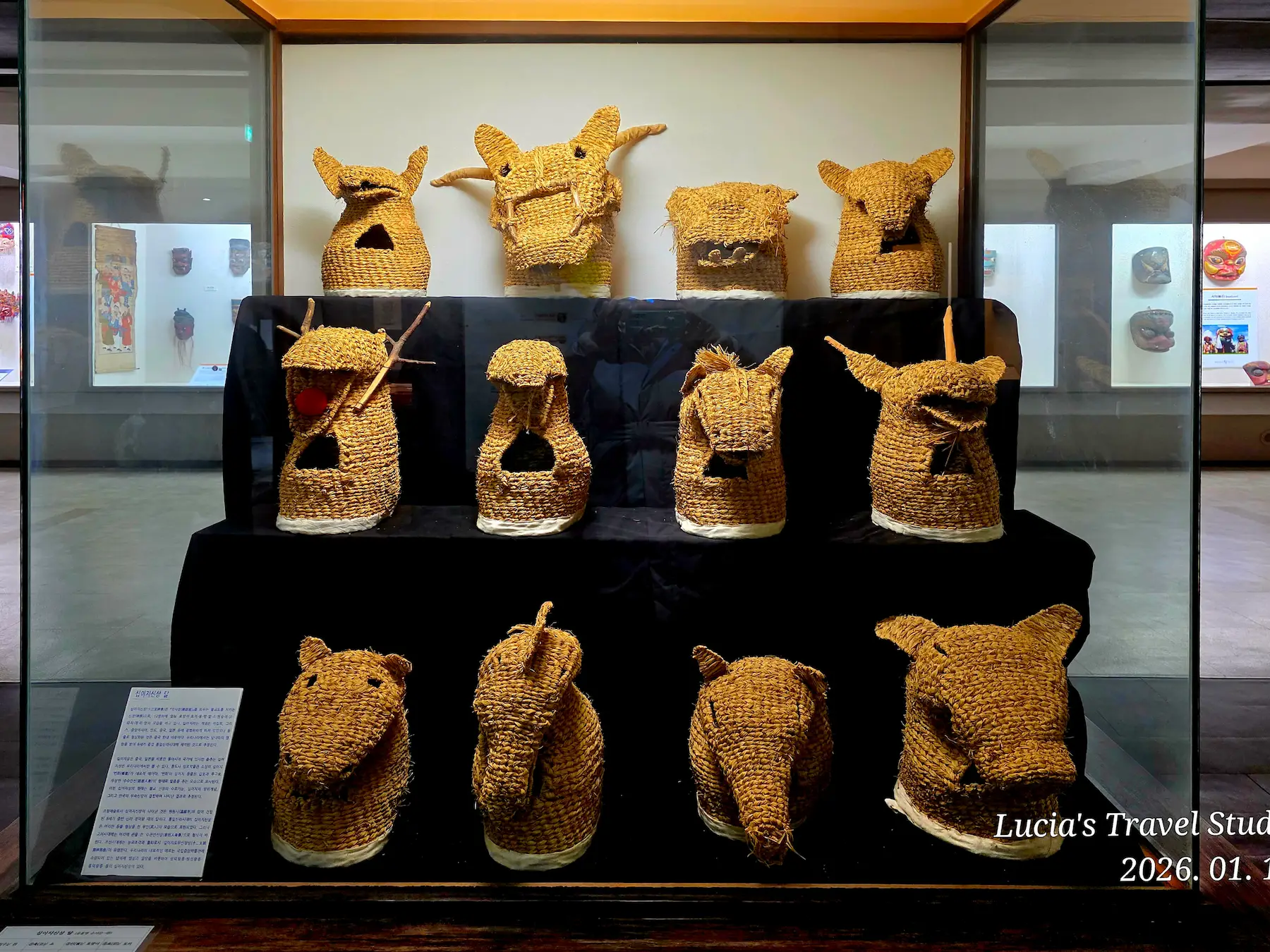
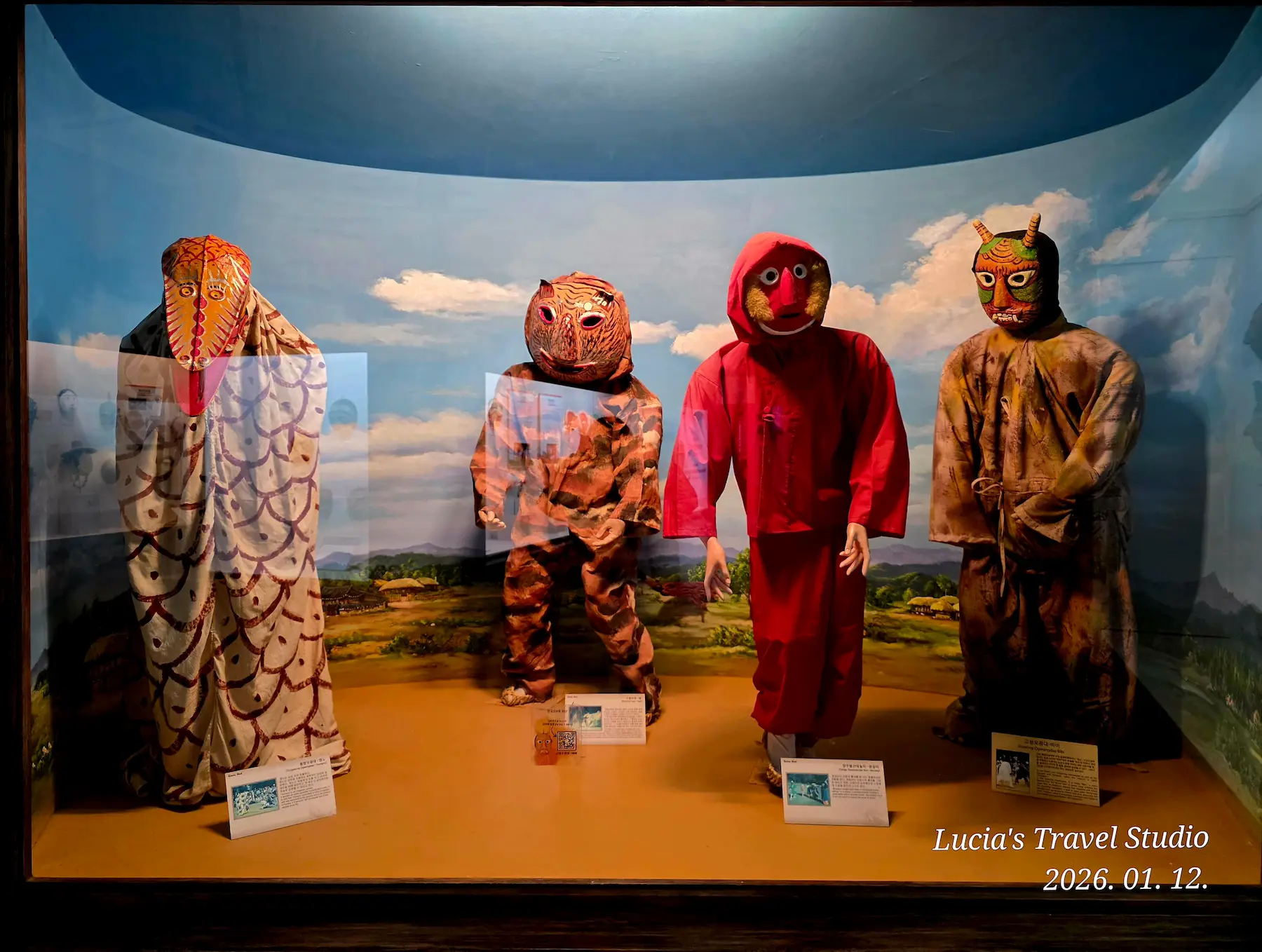
Some masks were never meant to mock, but to protect.
The Cheoyong mask and straw-woven zodiac figures guarded villages from misfortune and disease.
Here, ritual and performance merge — spirituality worn on the face.
Group E — Hahoe Masks (Andong)
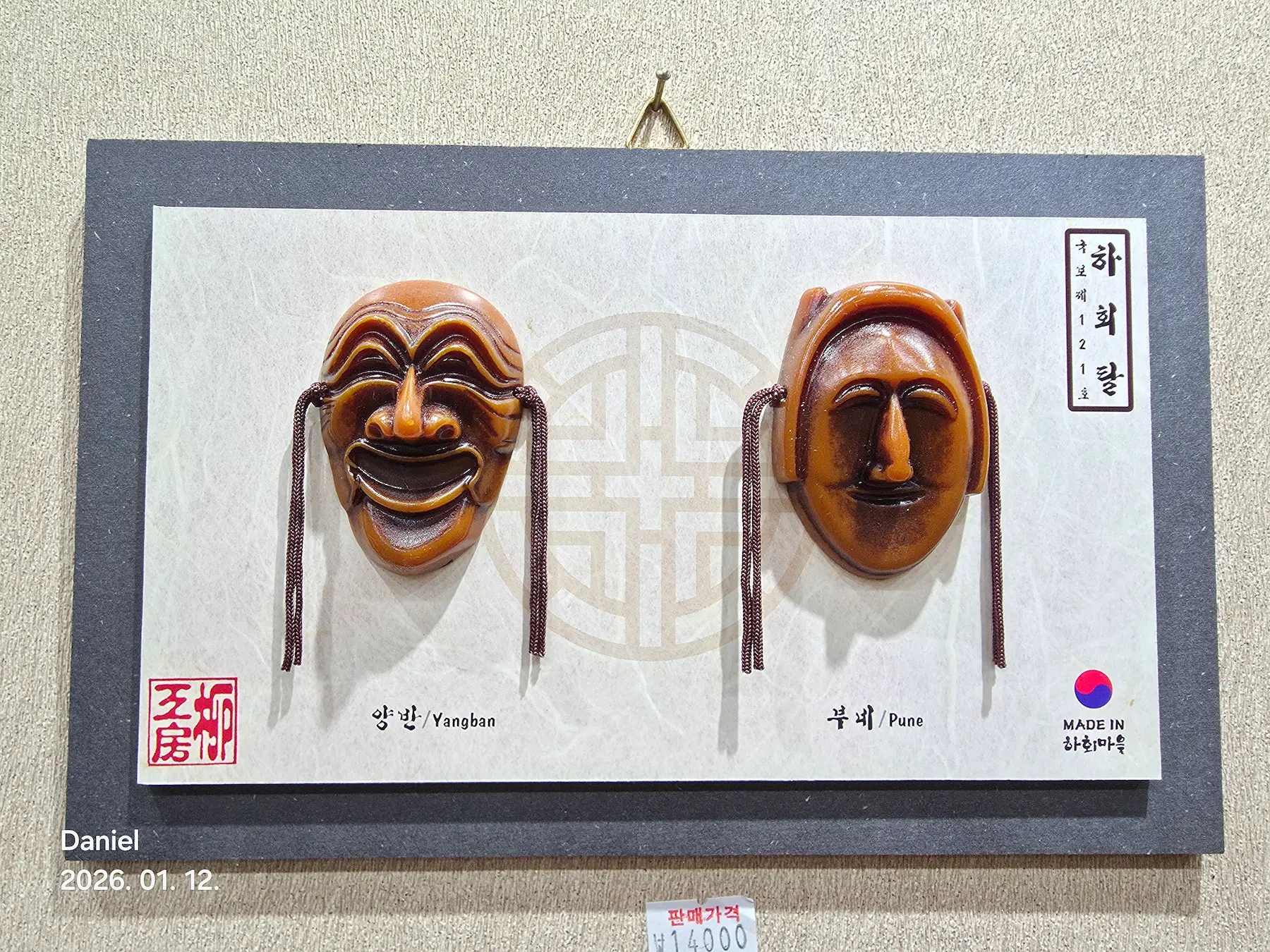

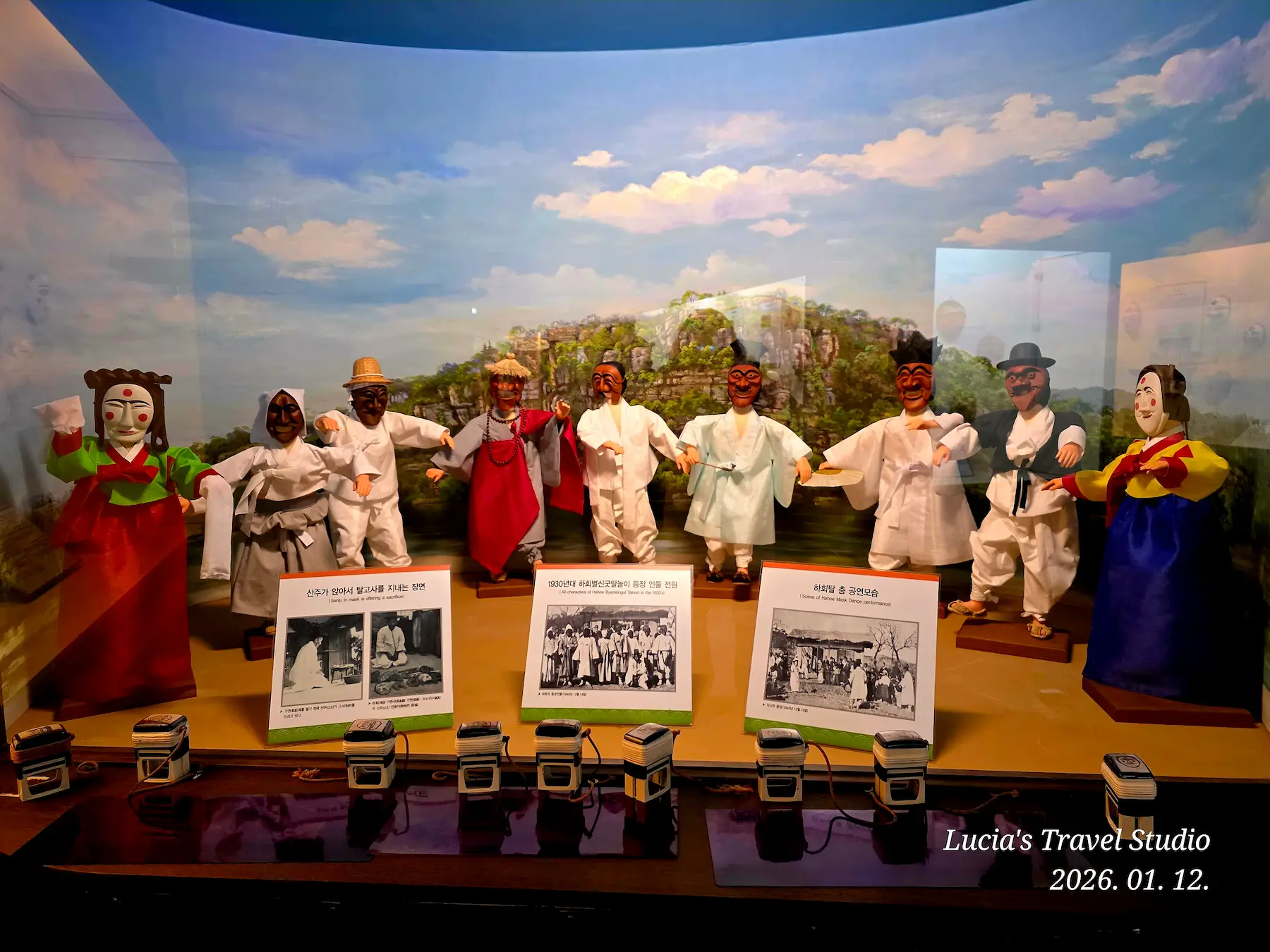
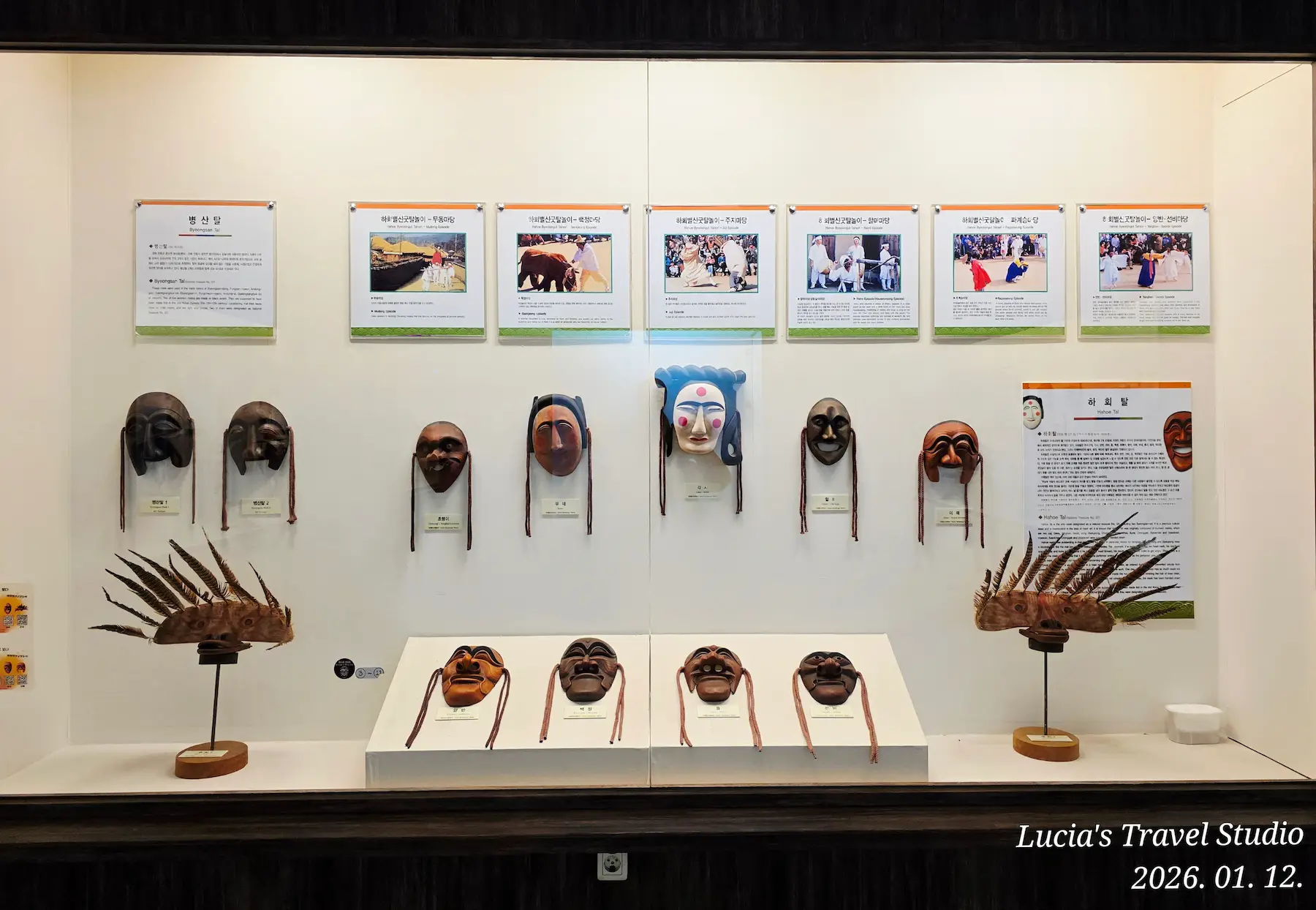
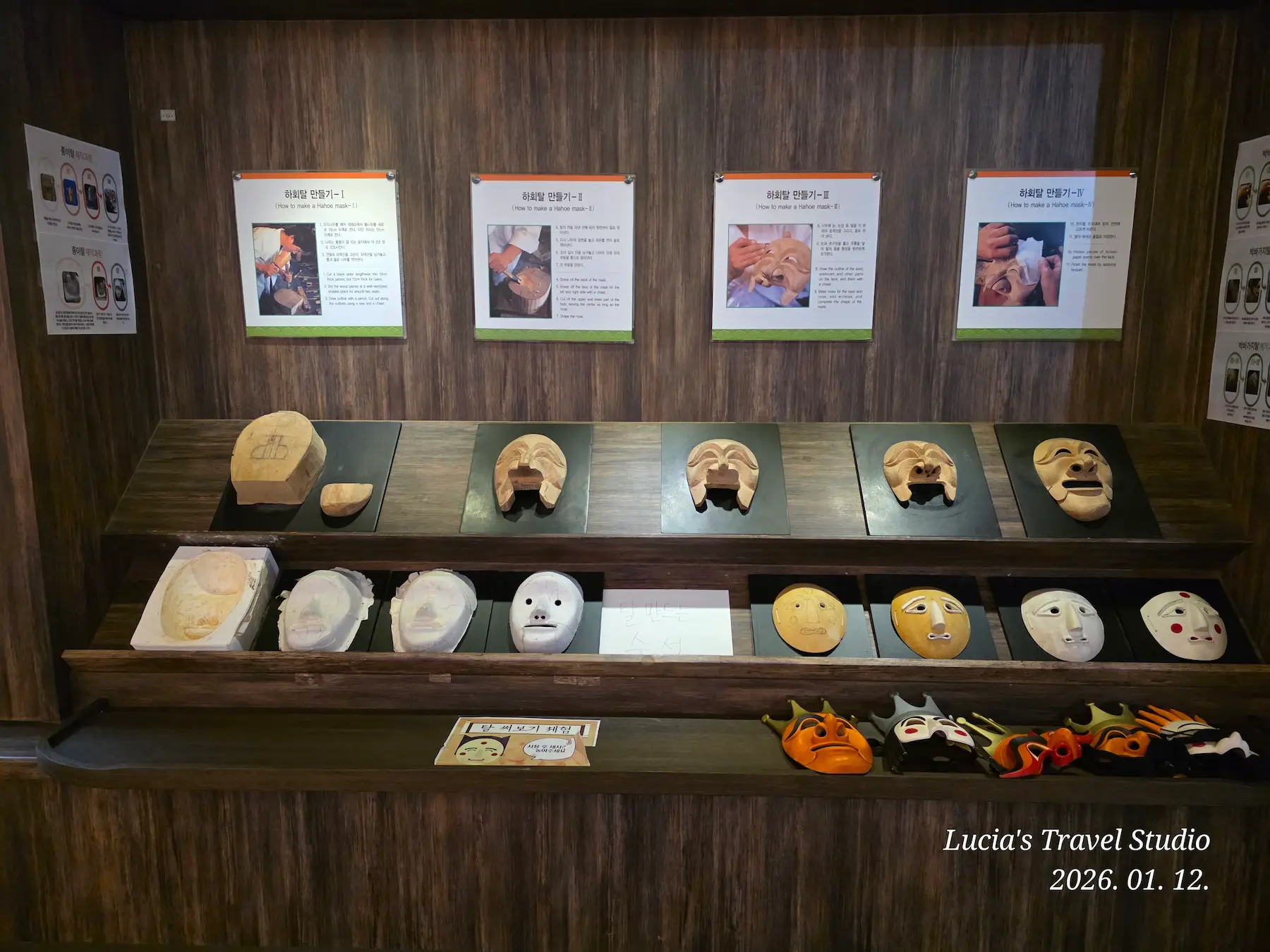
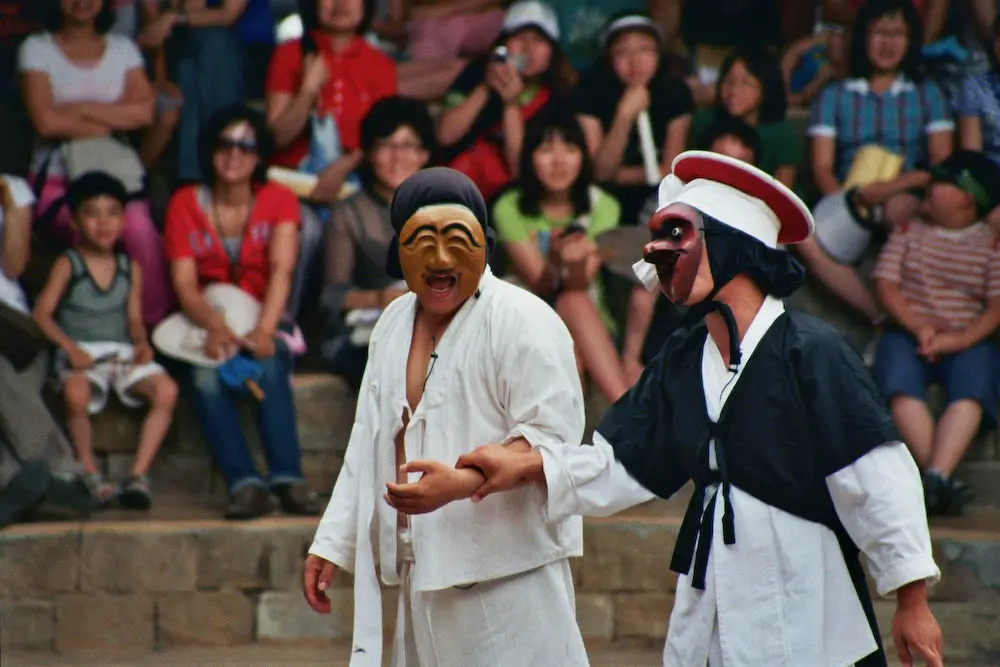
Carved in the Goryeo period and designated National Treasure No. 121, Hahoe masks feel uncannily alive.
Their detachable jaws and shifting expressions create subtle emotional depth.
In performance, satire becomes refined psychological portraiture.
Group F — Yangban & Regional Variations
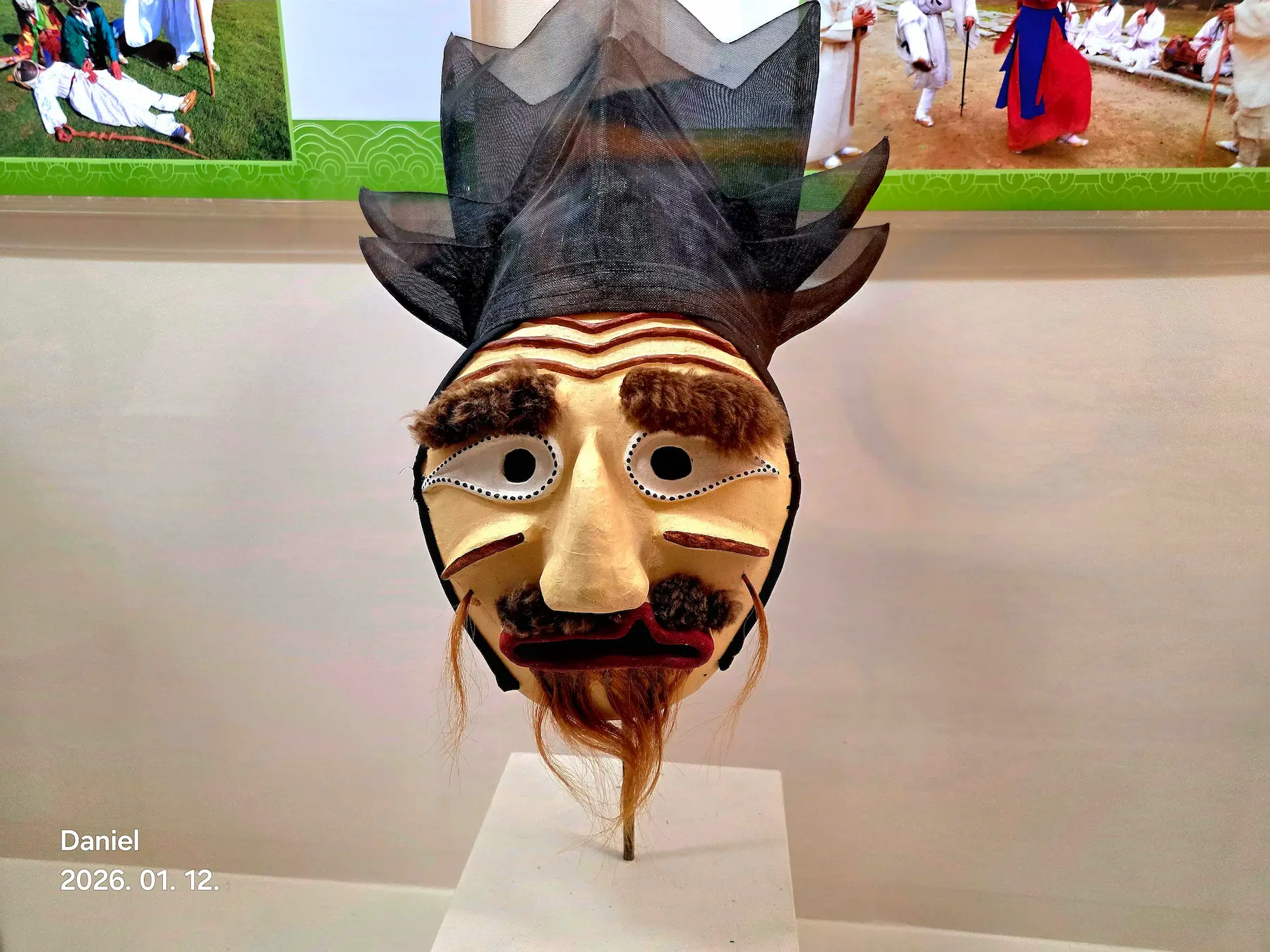
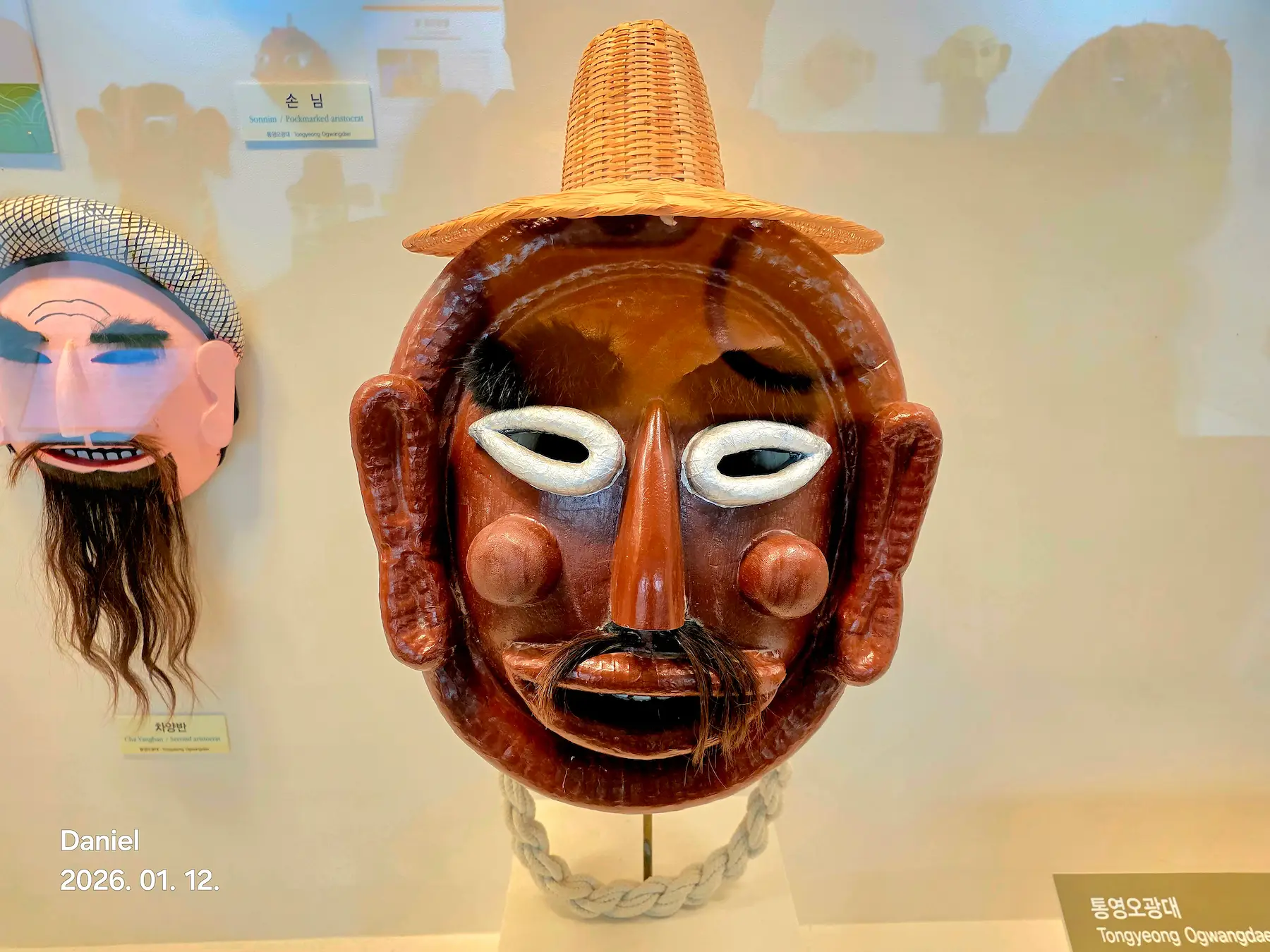
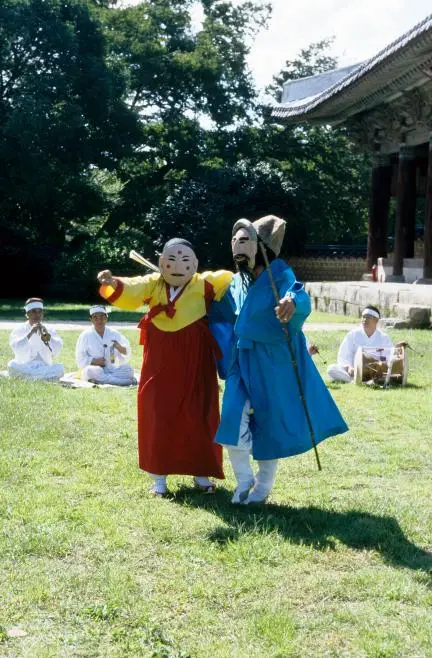
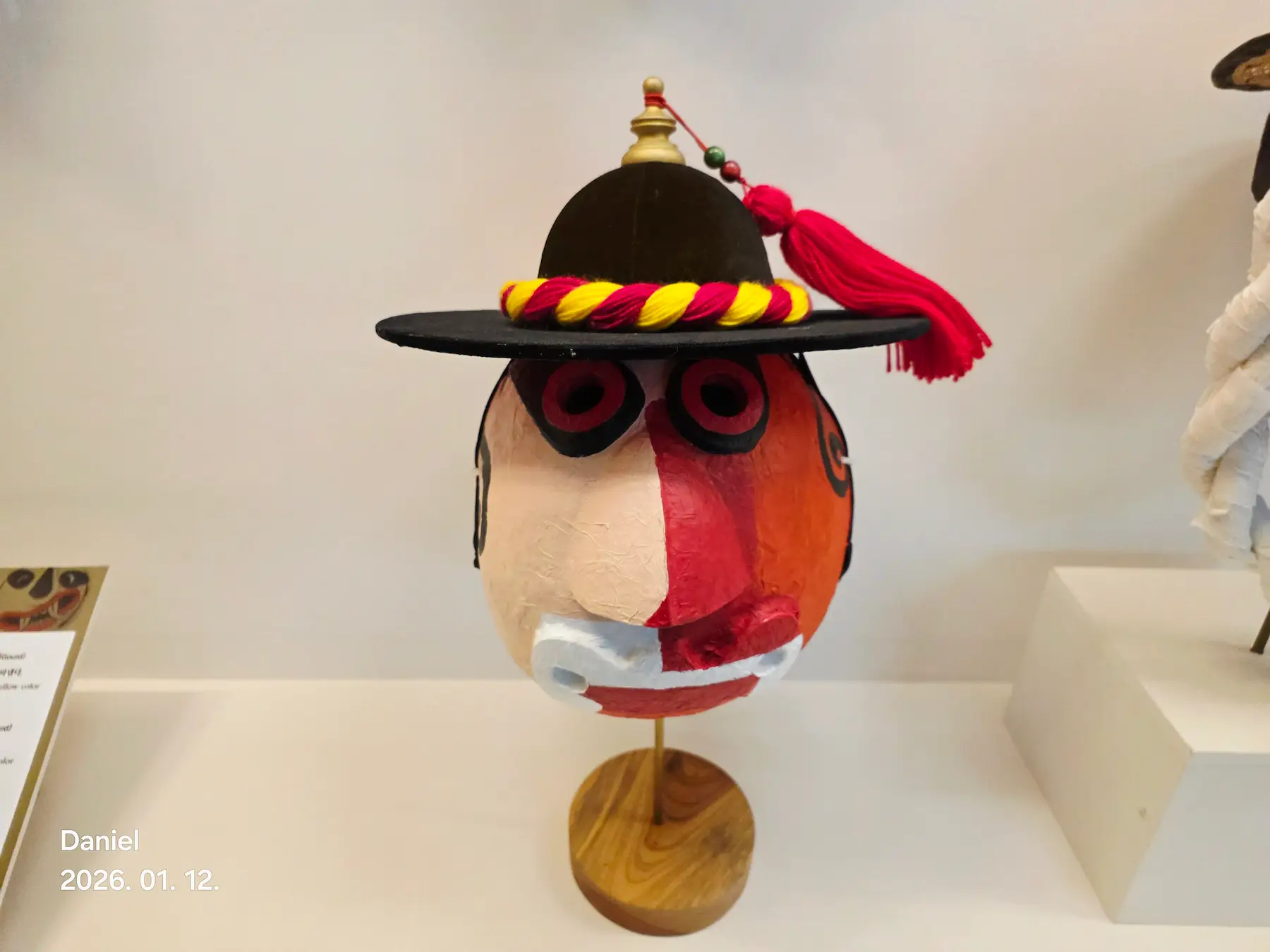
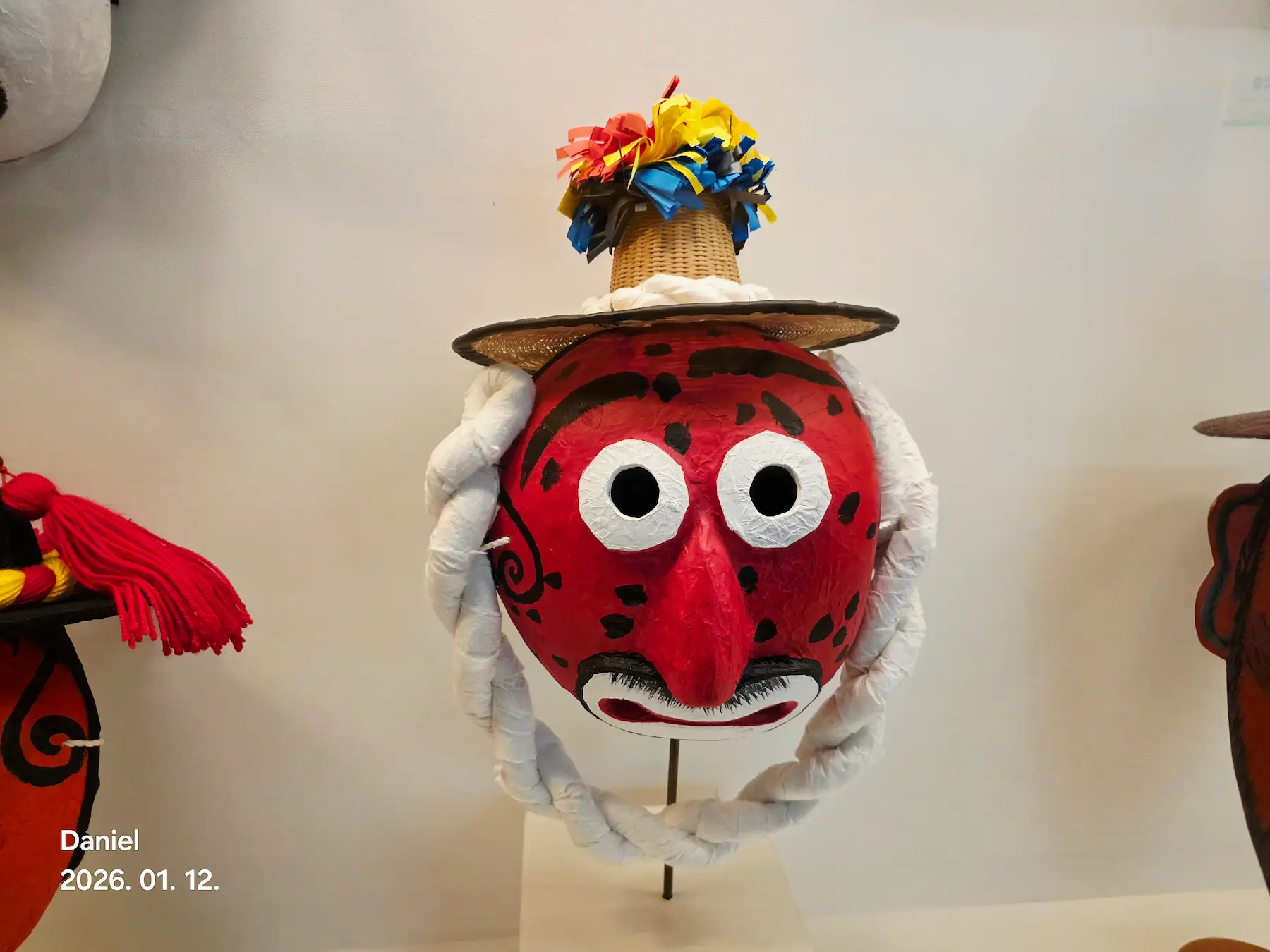
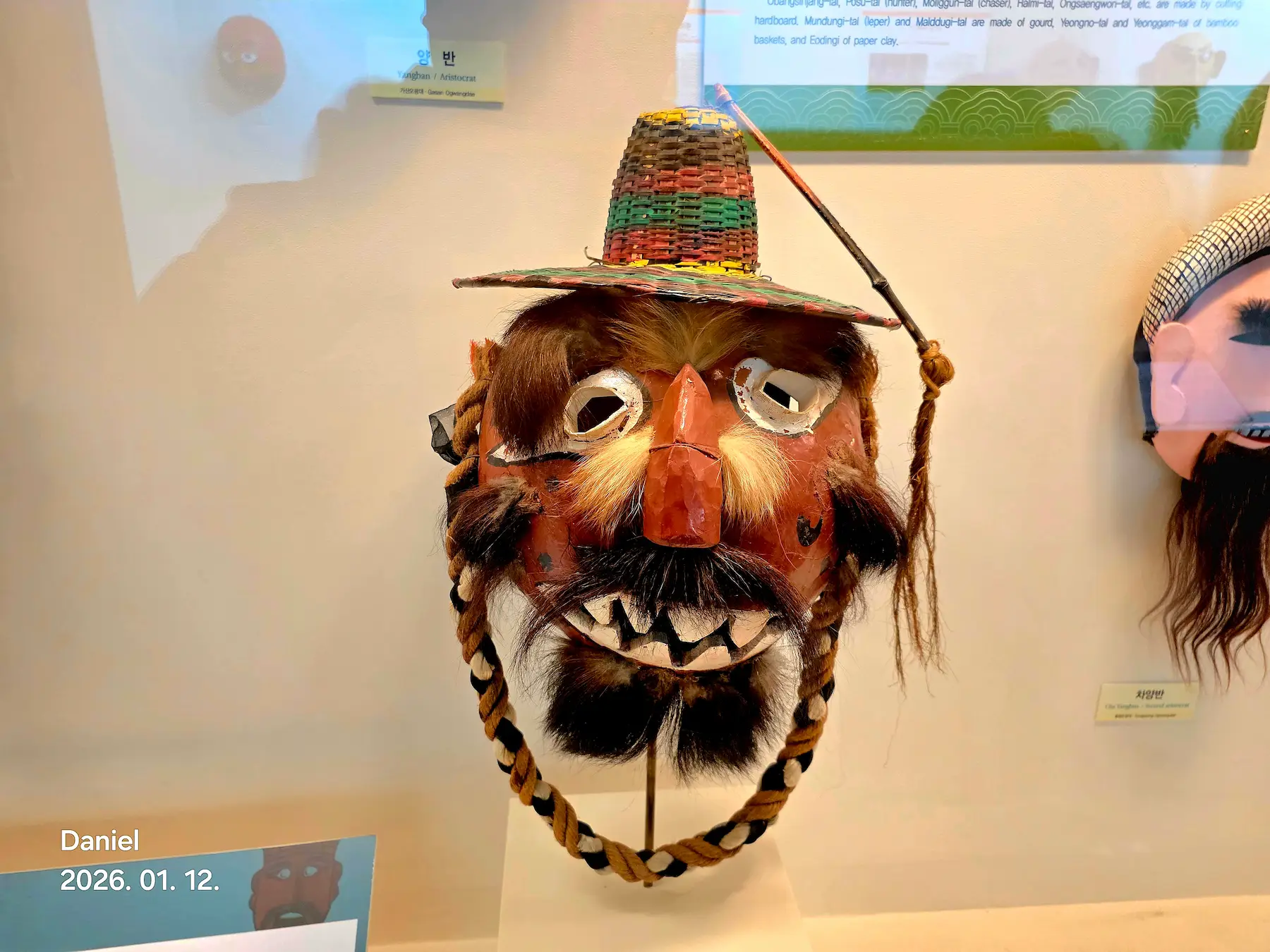
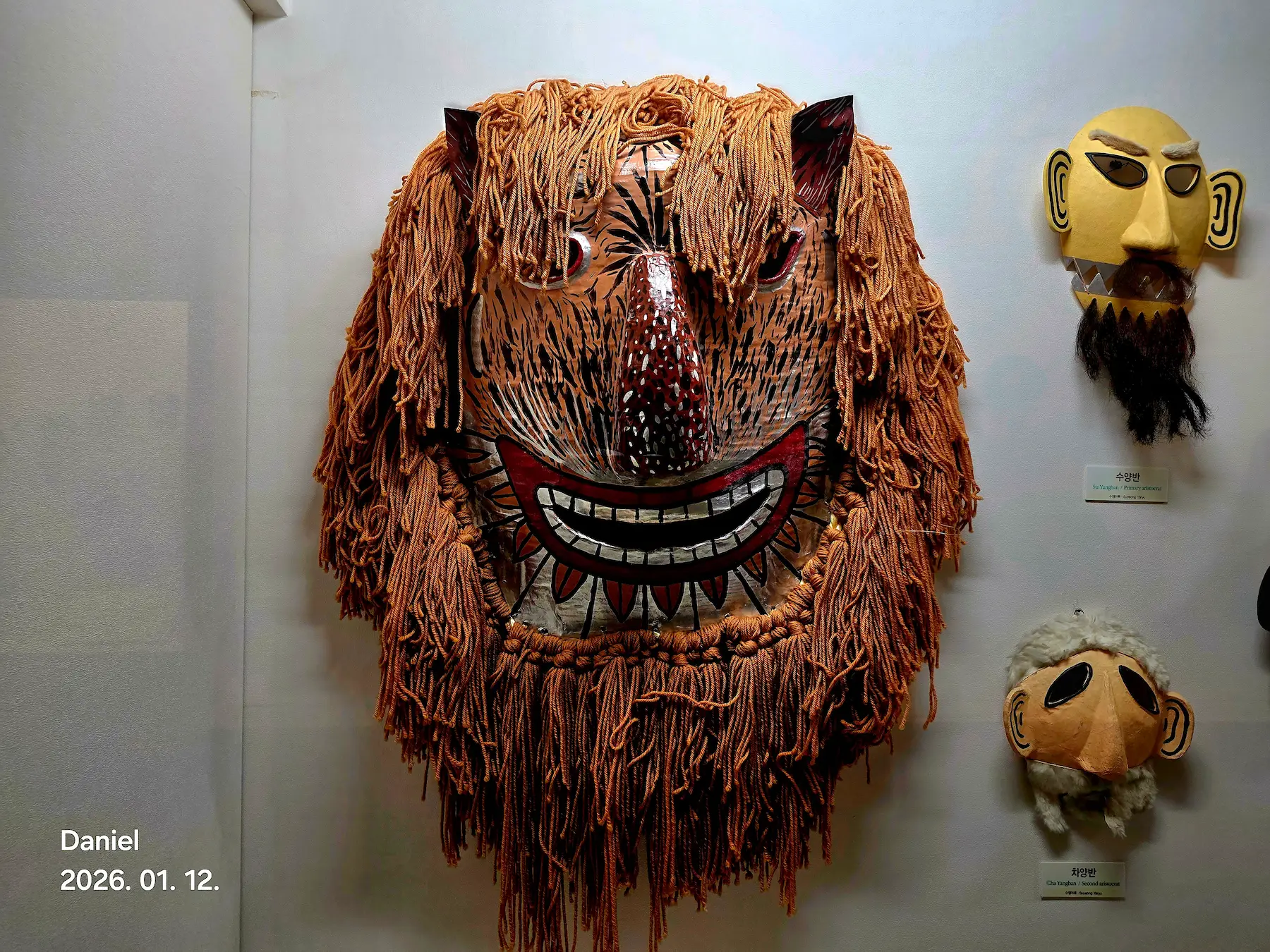
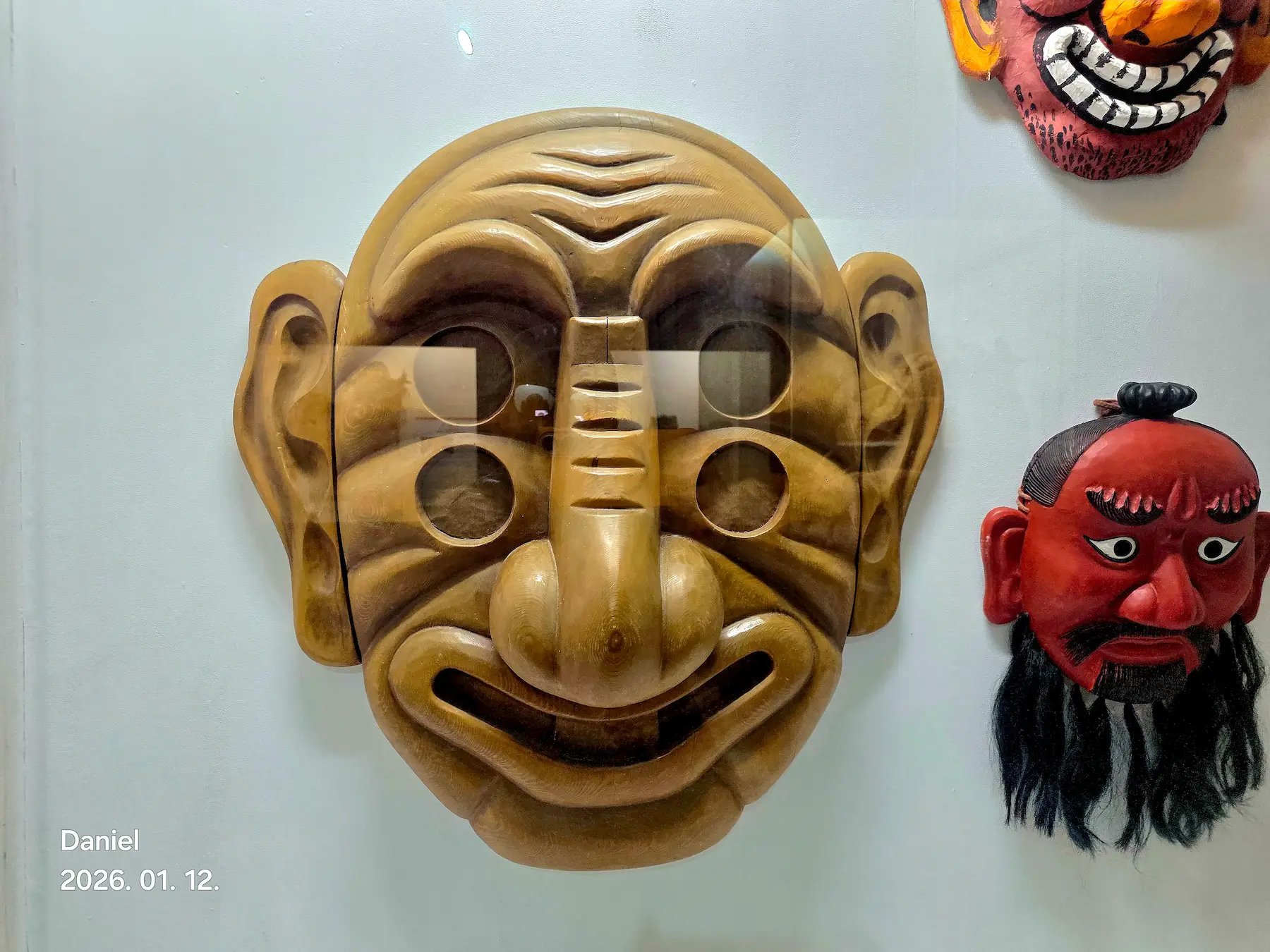


Across Korea, the Yangban — the pompous aristocrat — is the favorite target.
From split-color faces to fur-trimmed versions, each region redesigns him differently.
Same character, same satire — a democratic spirit carved in wood.
So… Is It Just a Mask?
No.
It is satire, ritual, art, and resistance.
And once you see it, it begins to see you back.
🌏 Asia — A Continent of Faces (Halls 2 & 3)
Across Asia, masks are never mere decoration.
They are sacred, theatrical, protective — and always tied to belief.
Three broad traditions shape this continent of faces.
🌏 Group 1 — Hindu & Buddhist Ritual Traditions
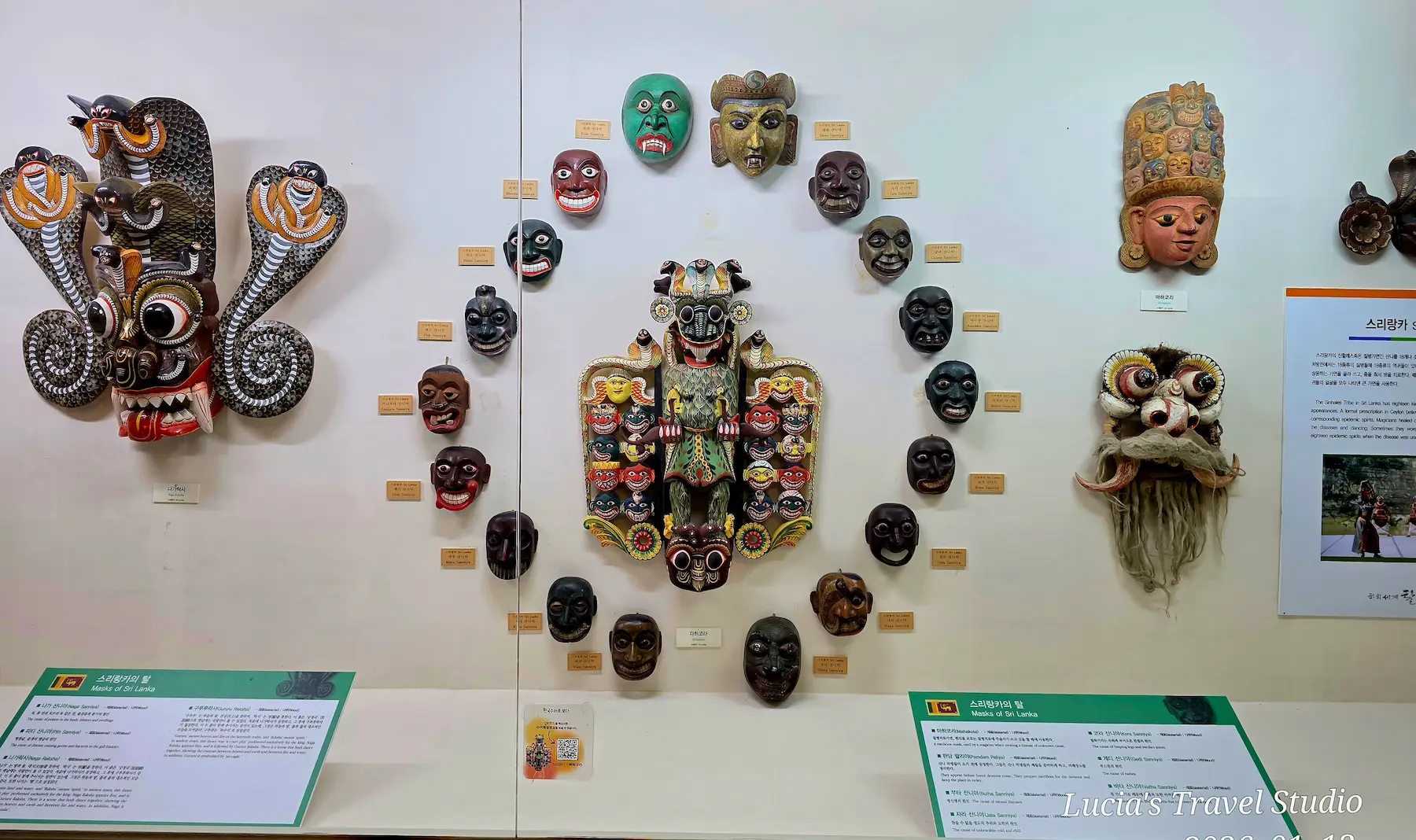
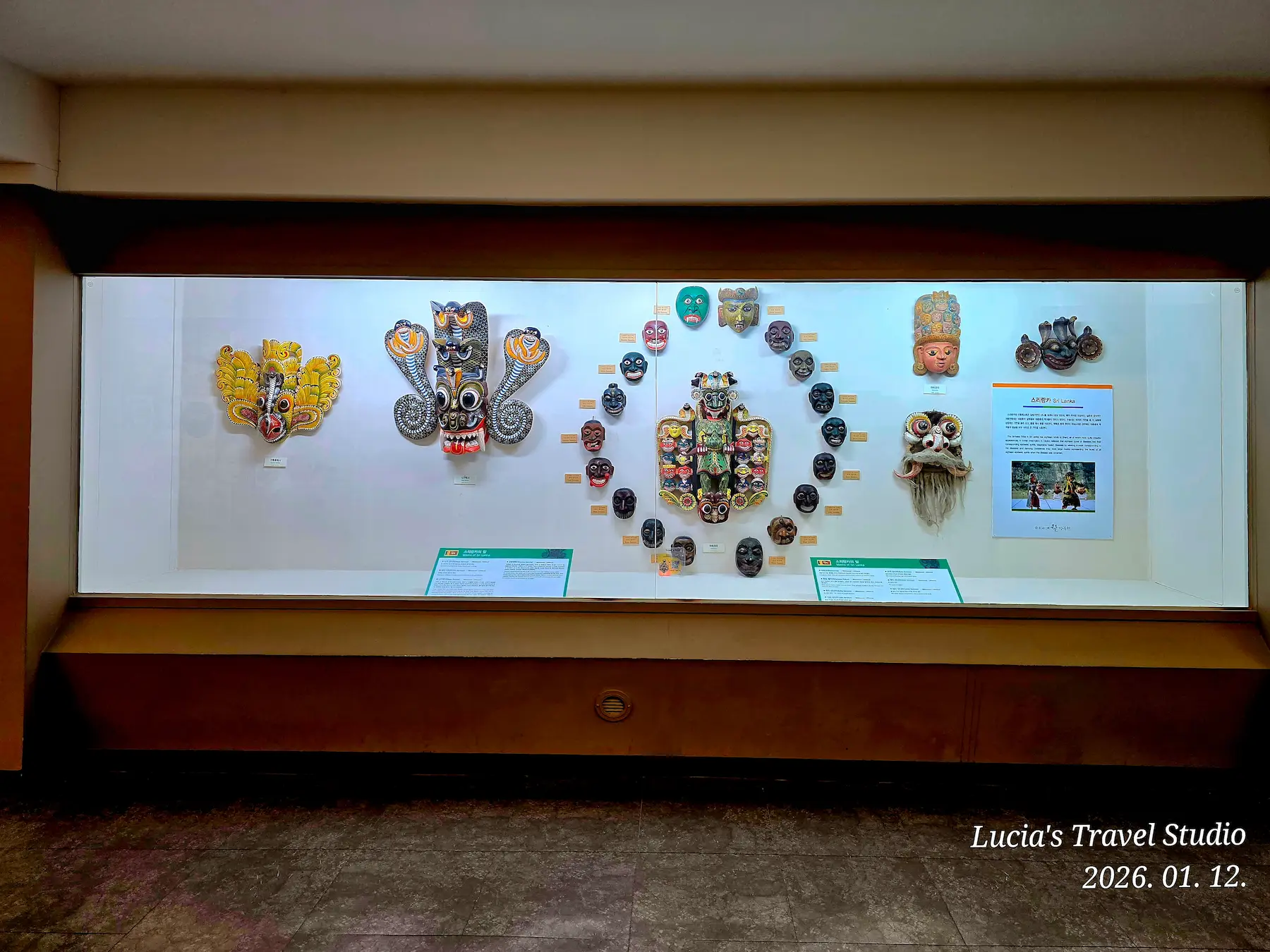
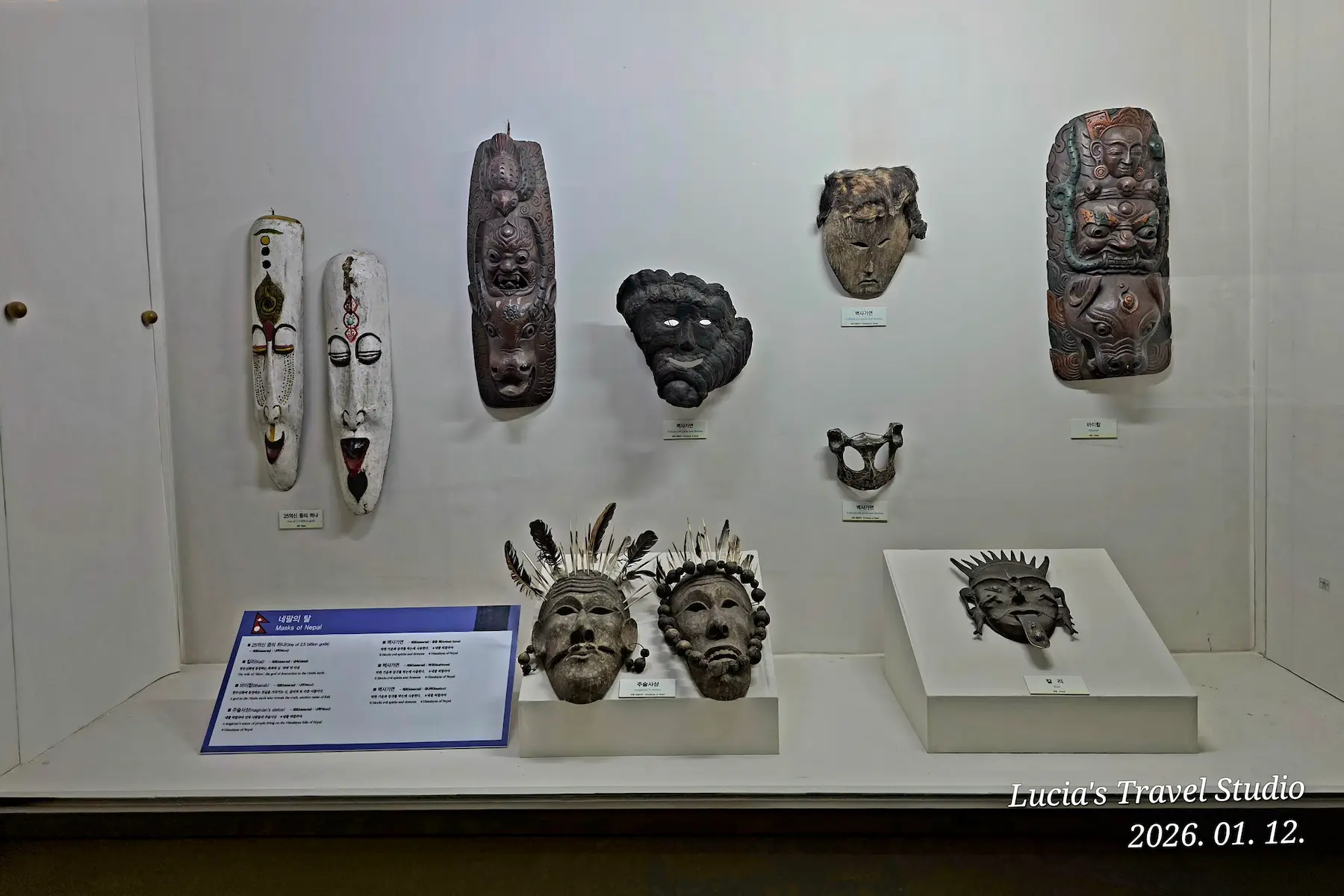
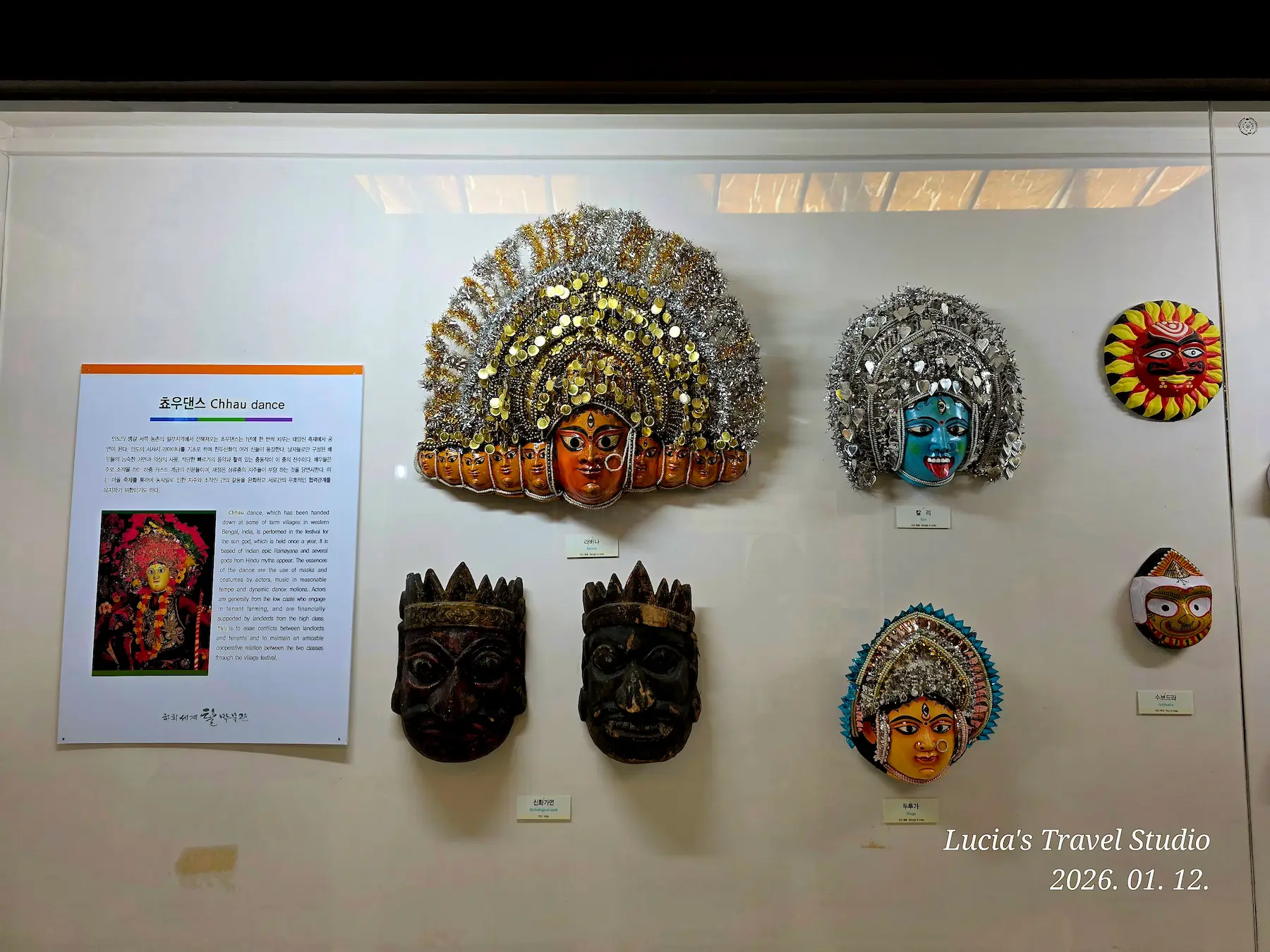
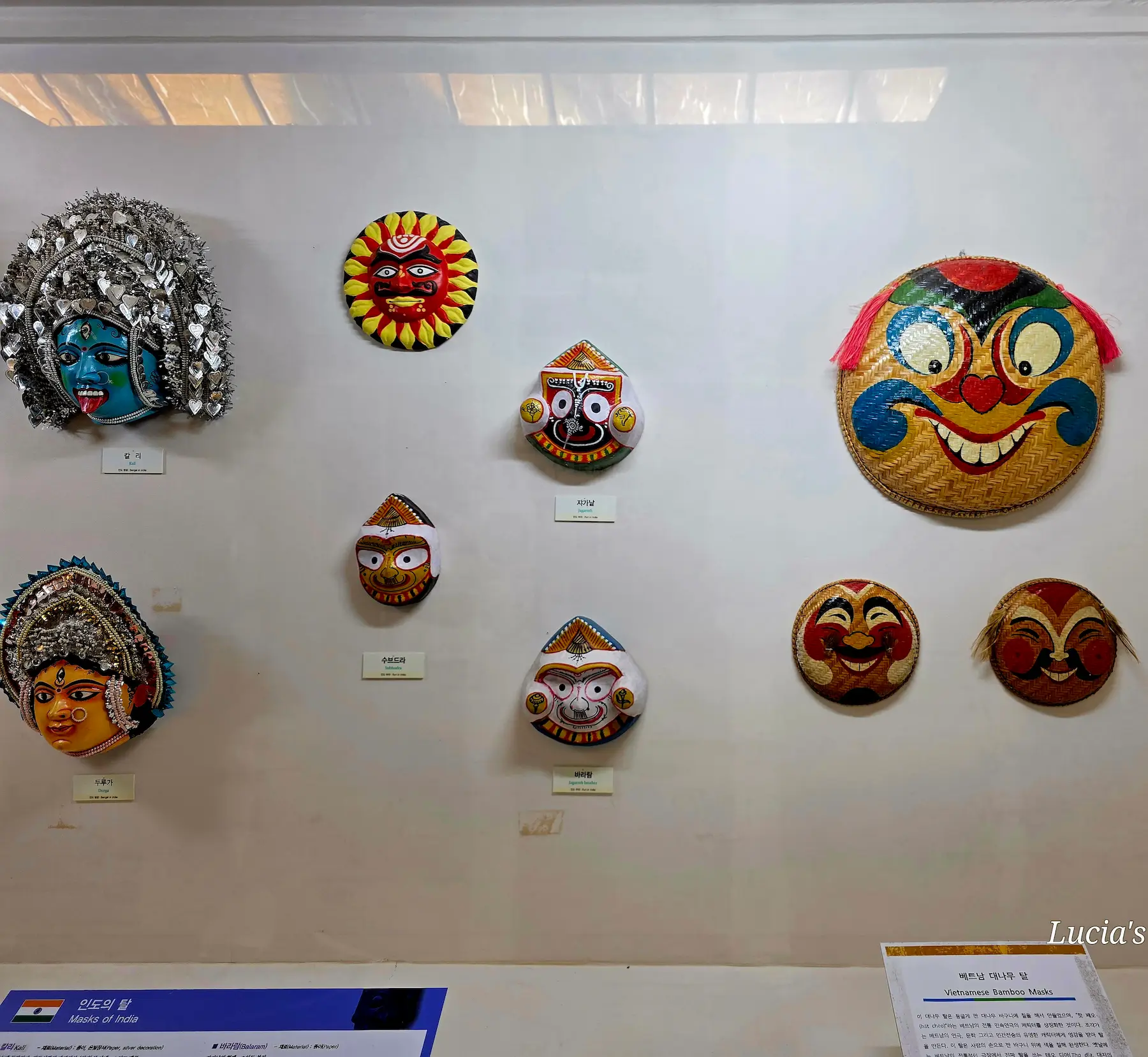
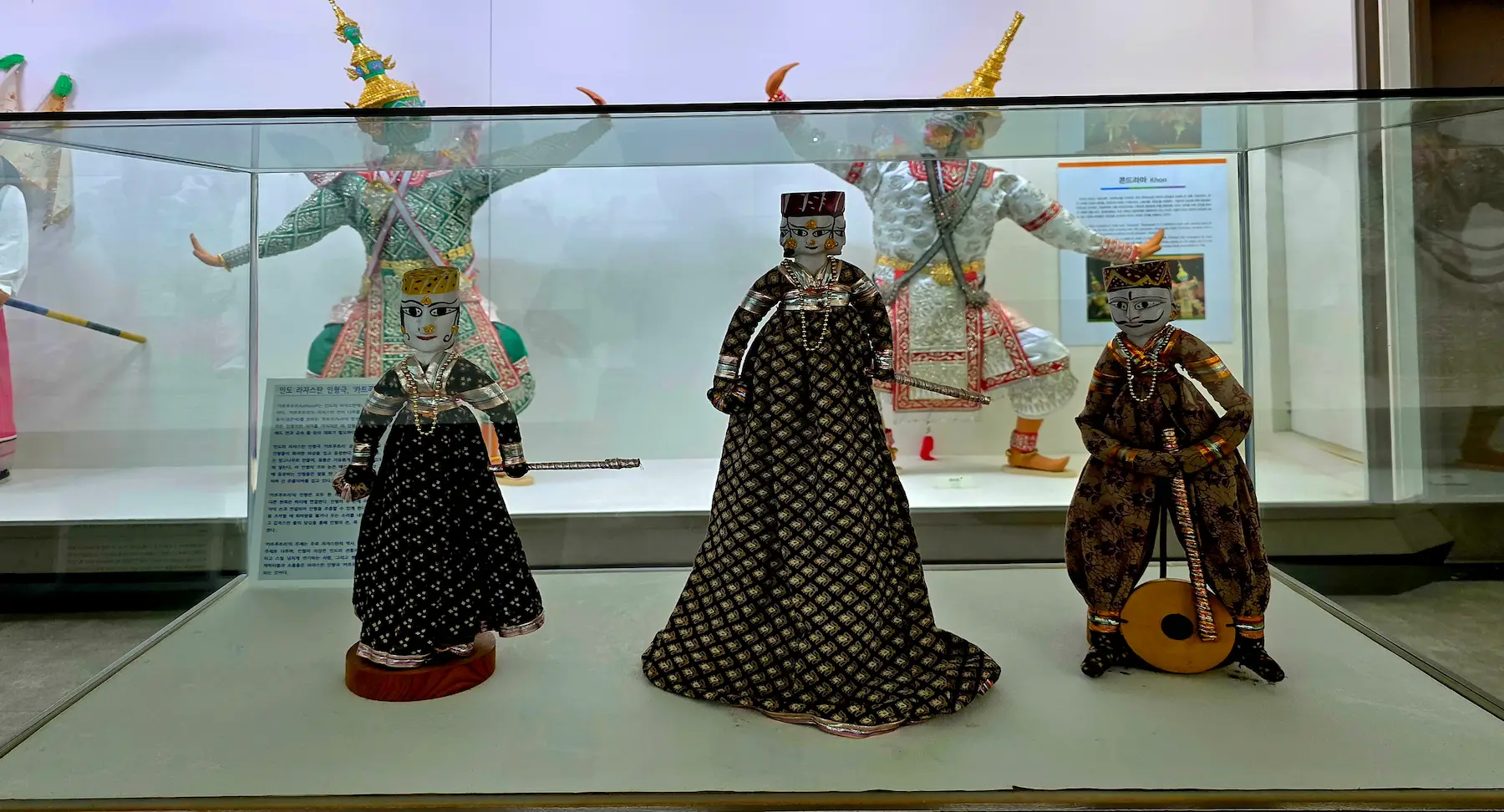
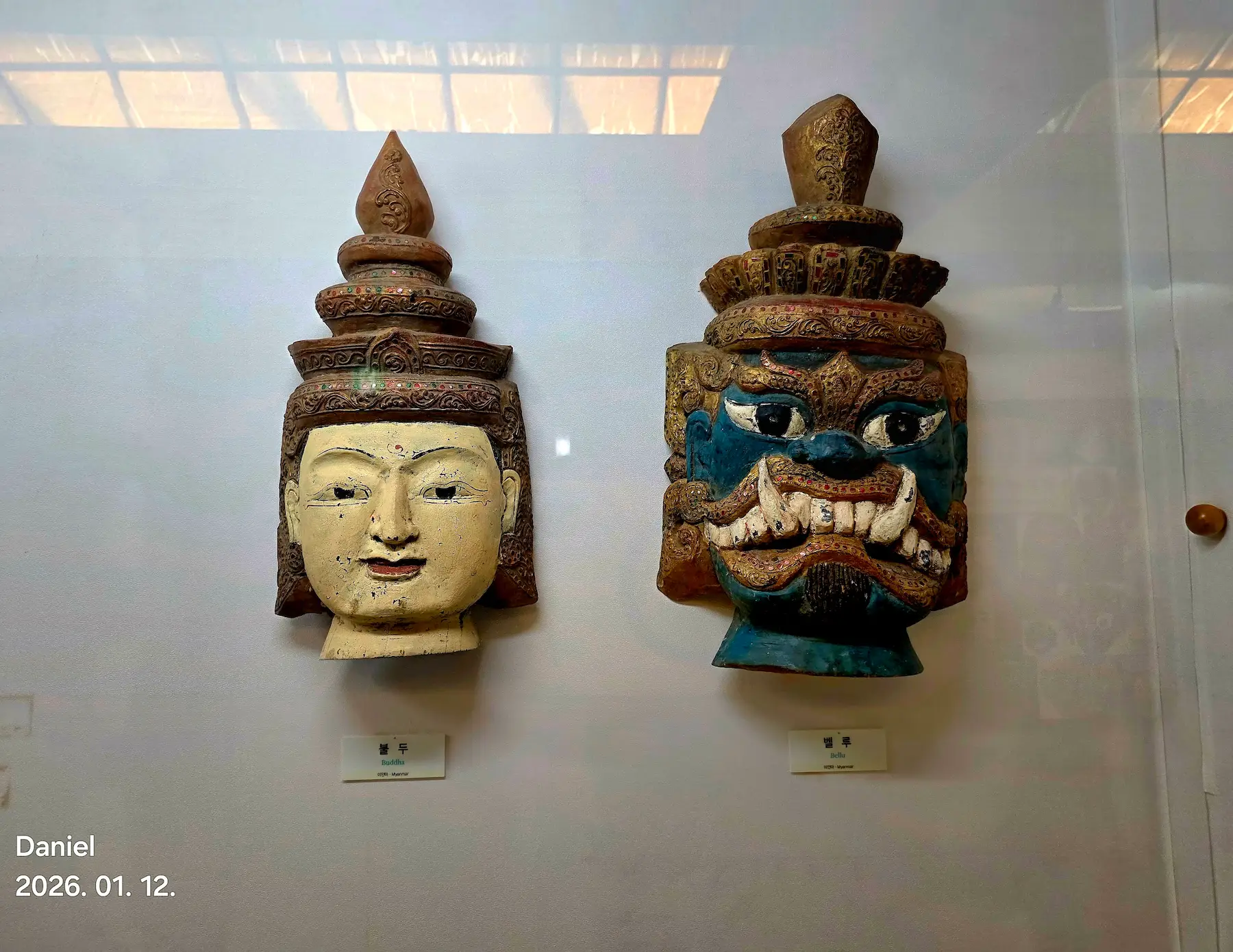
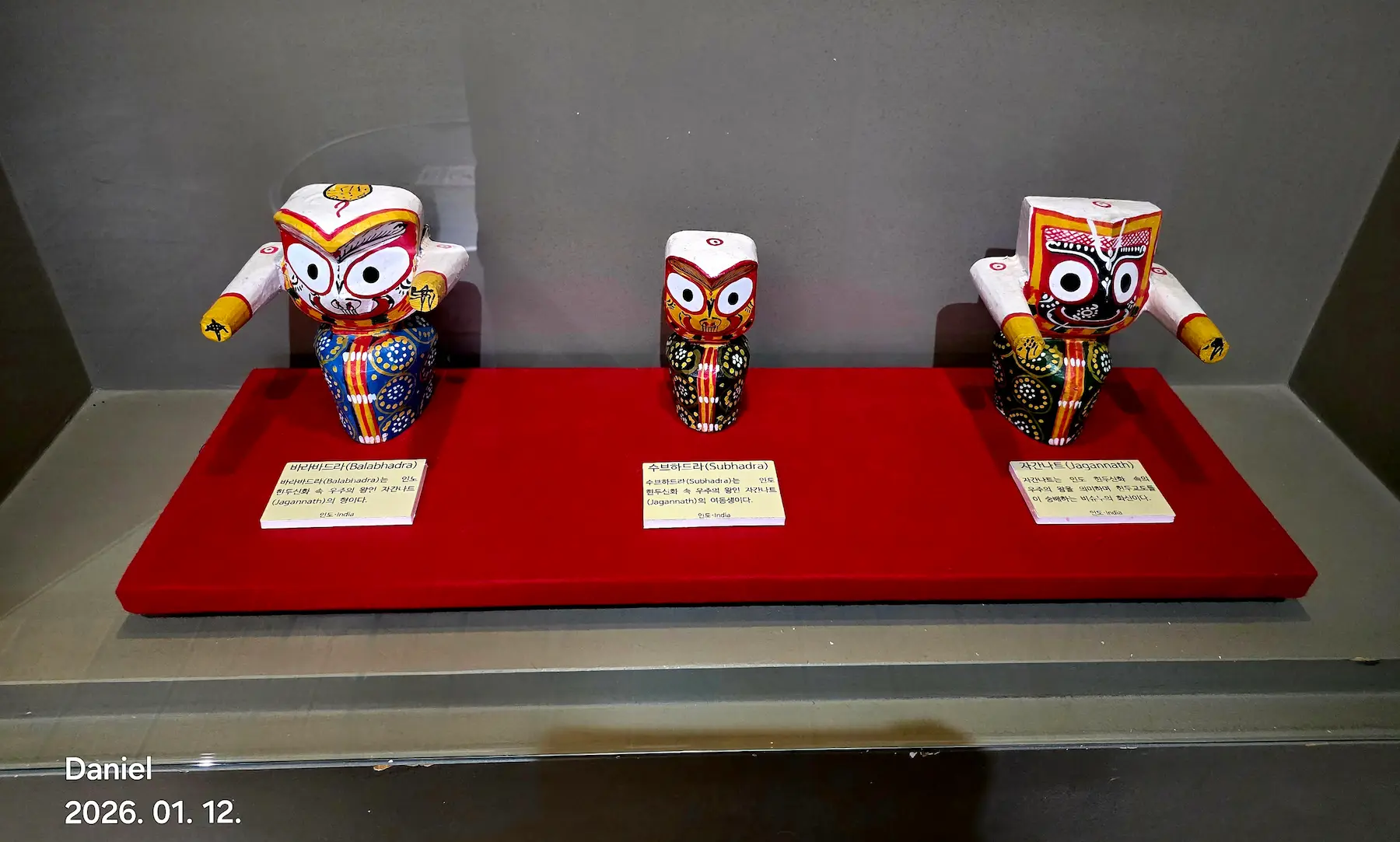
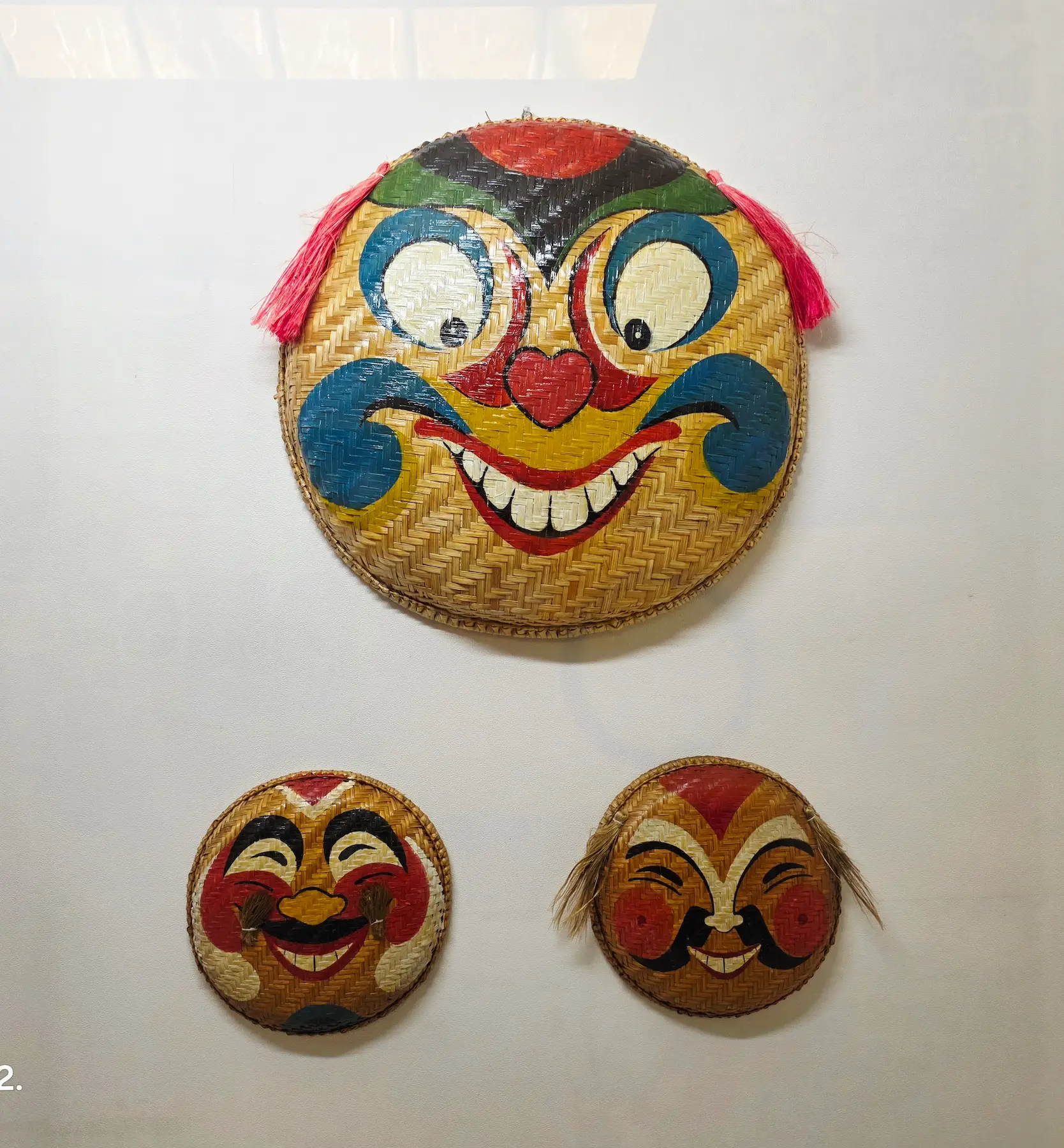
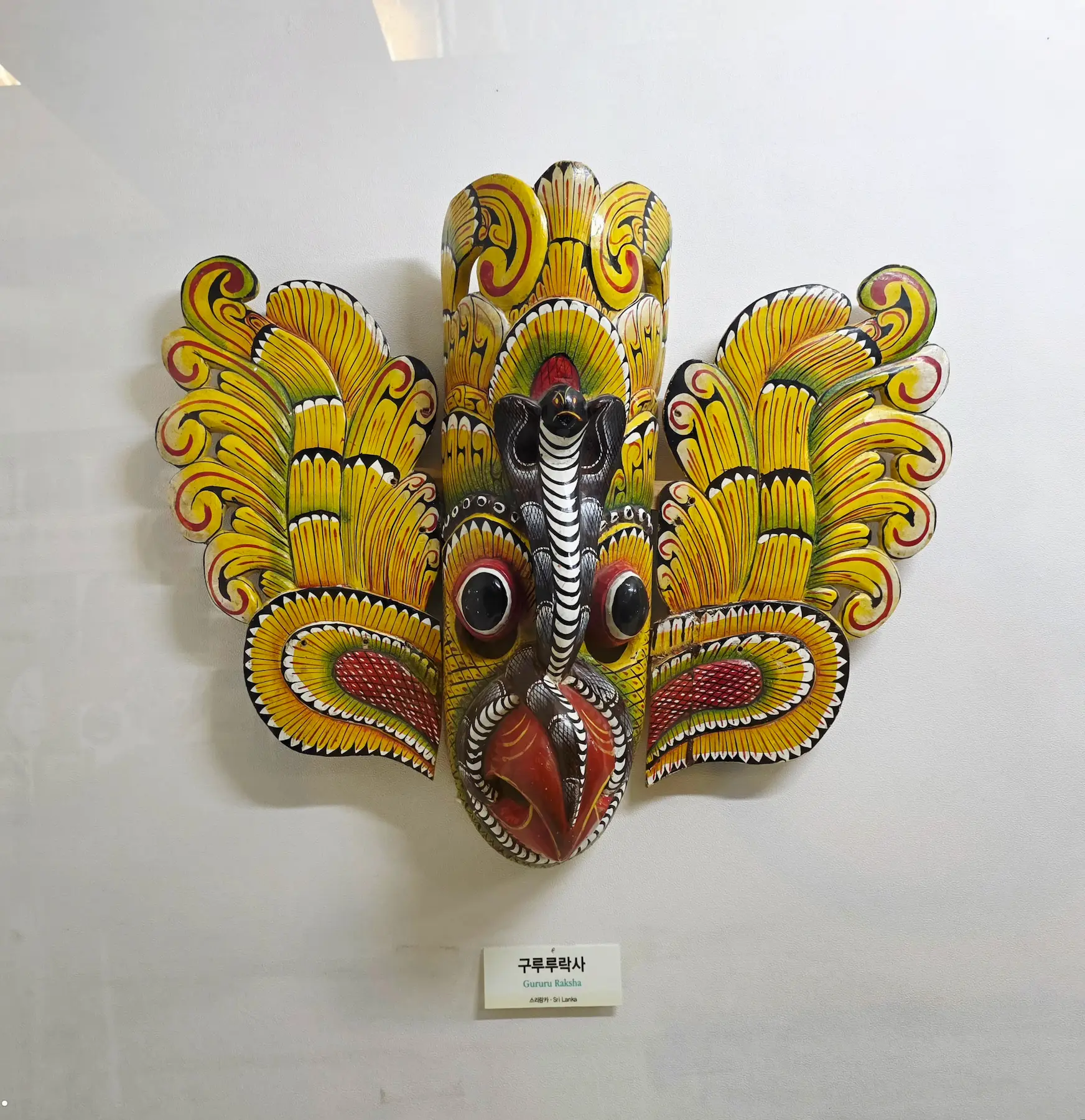
In South Asia, masks embody gods, demons, and healing spirits.
India’s Chhau and Sri Lanka’s Sanni rituals transform mythology into living ceremony.
In Nepal and Myanmar, serene Buddhas and fierce guardians reveal a balance between calm and cosmic power.
🌏 Group 2 — Court & Theater Performance Traditions
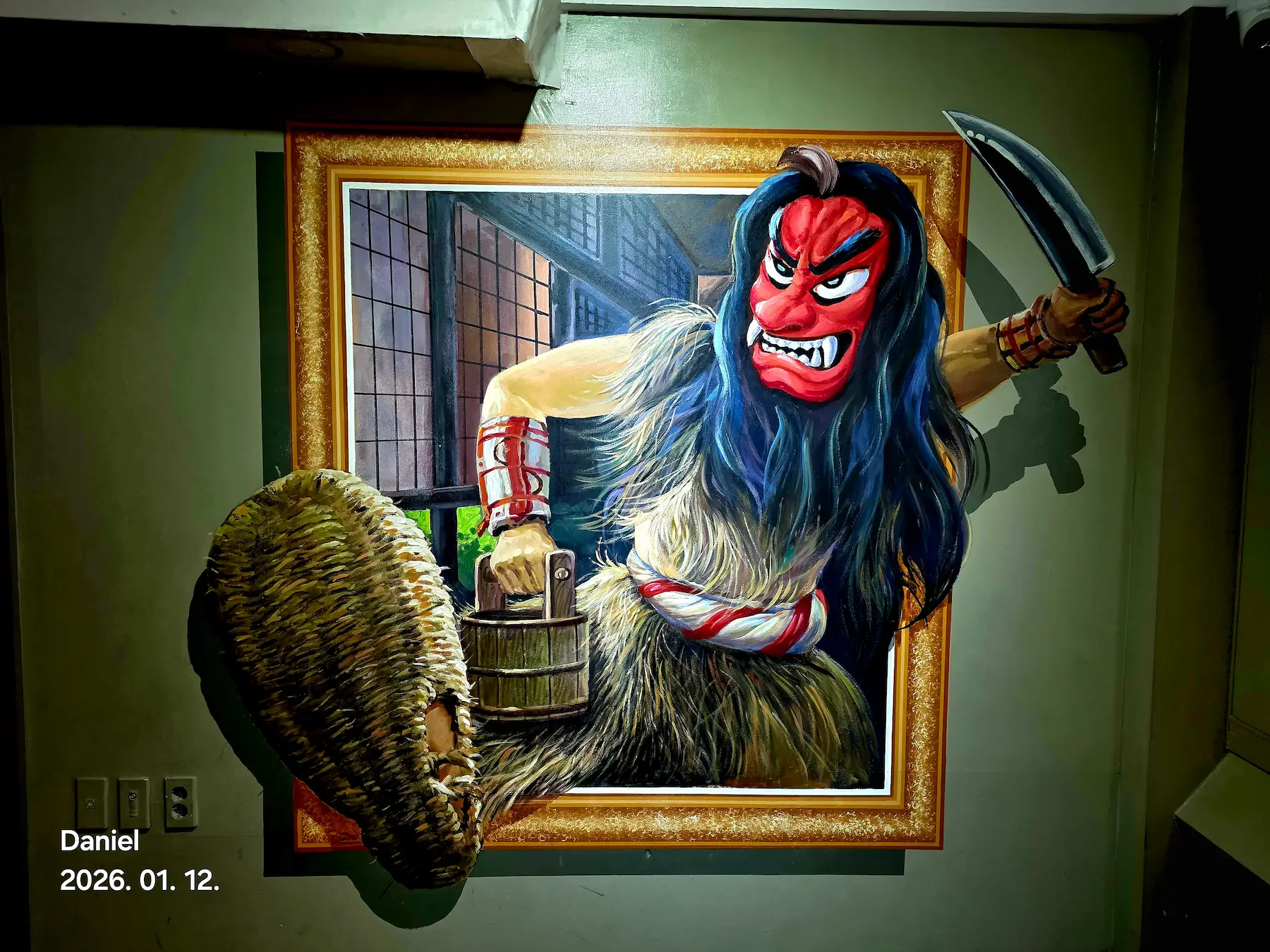
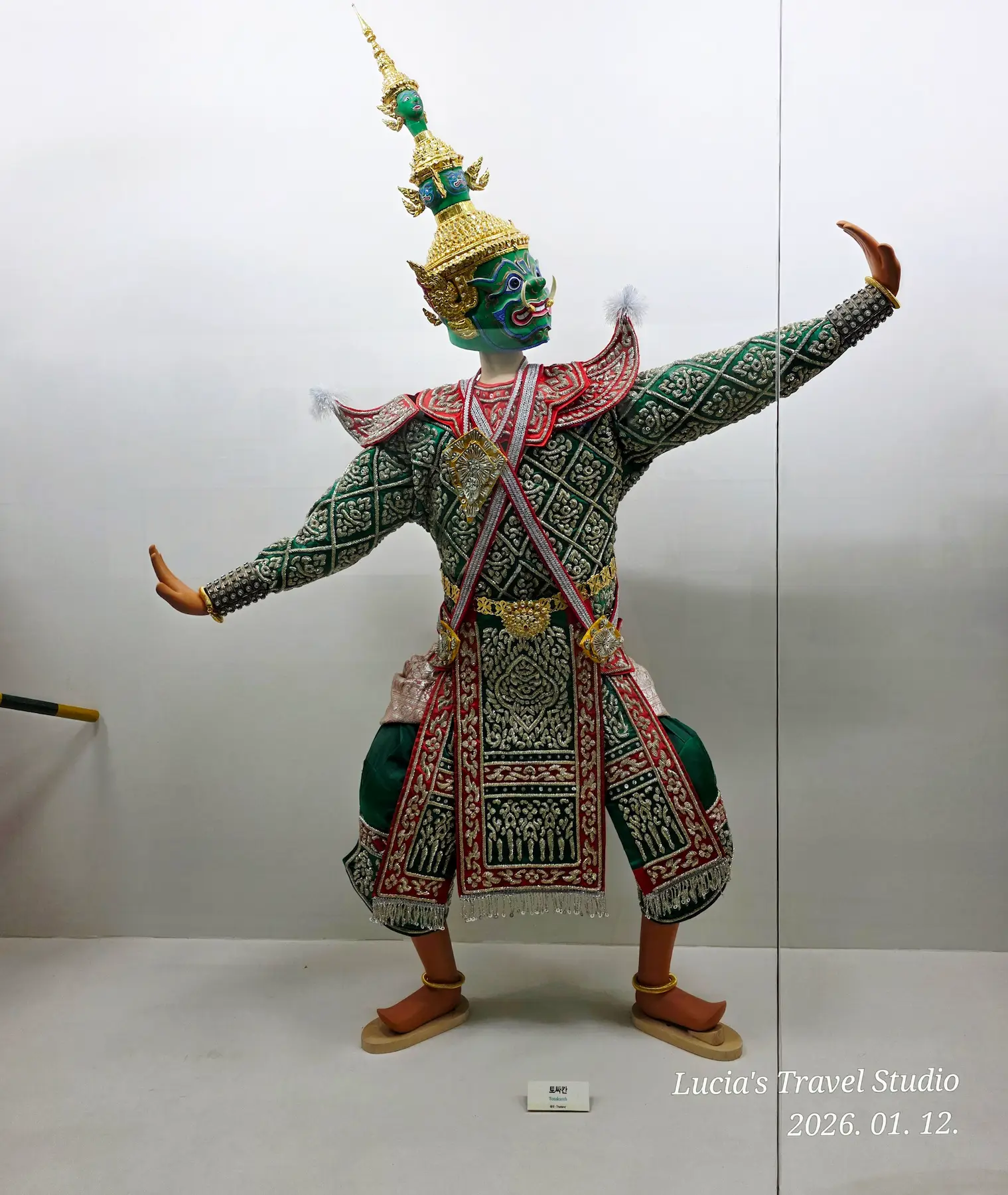
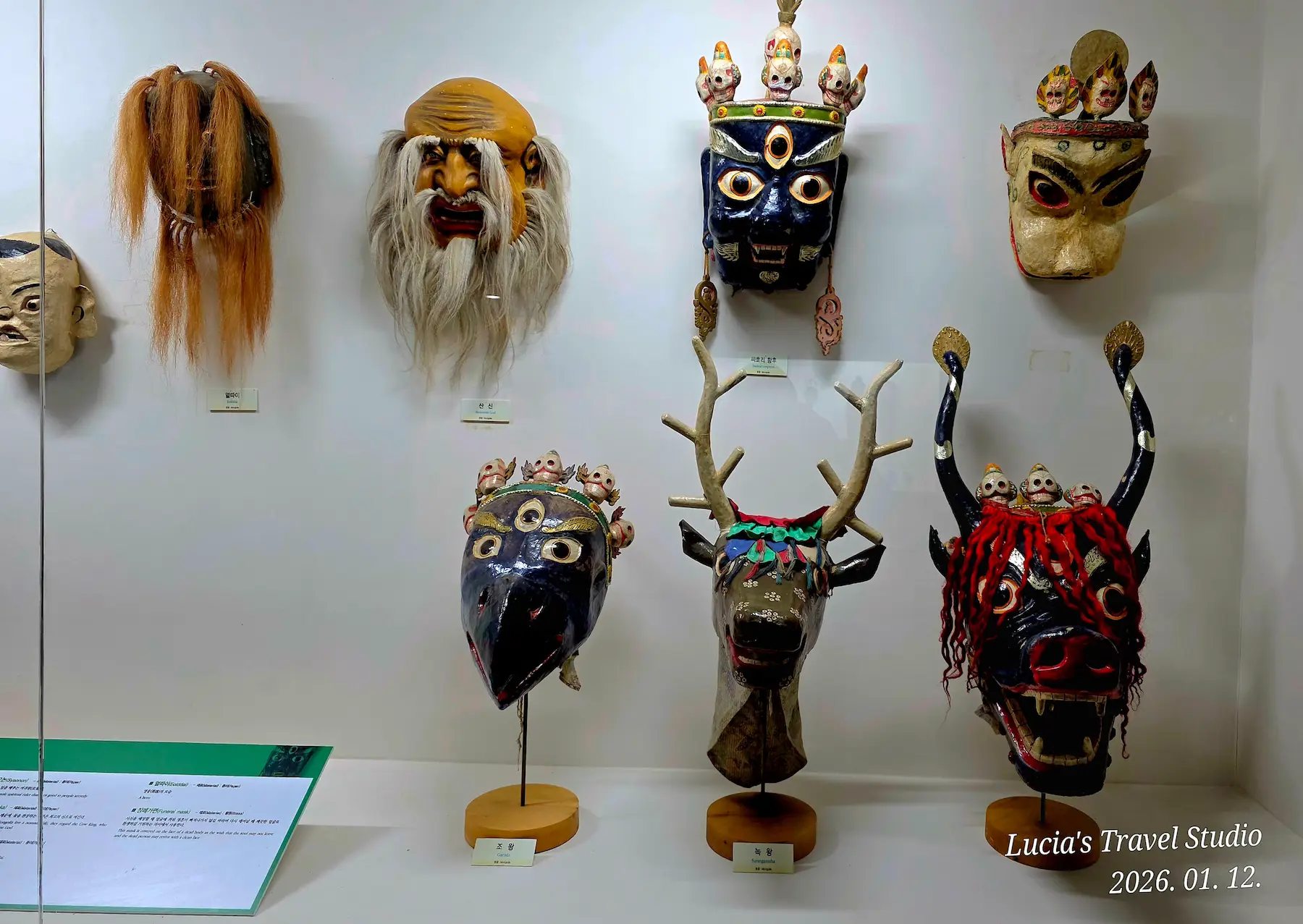
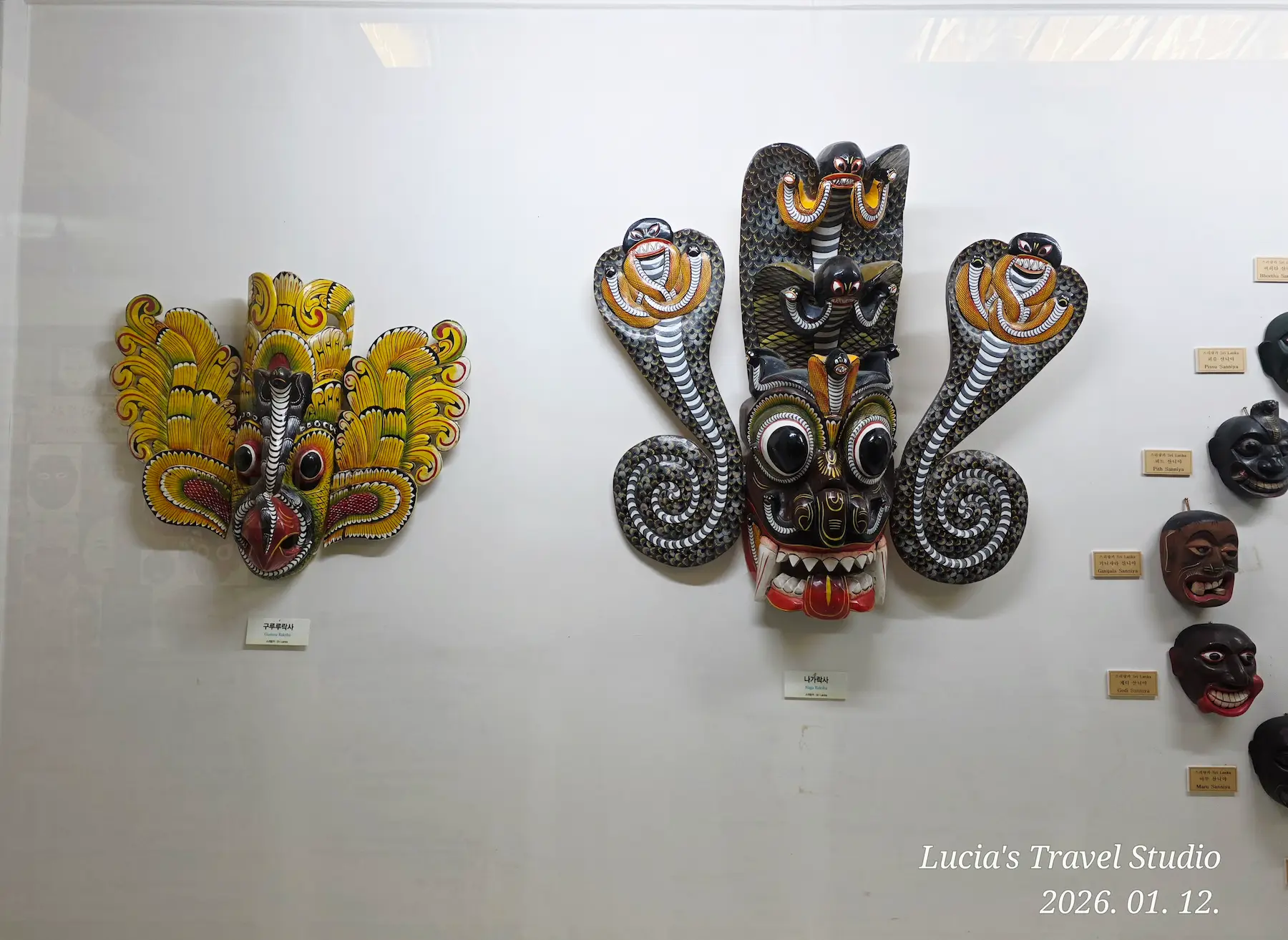
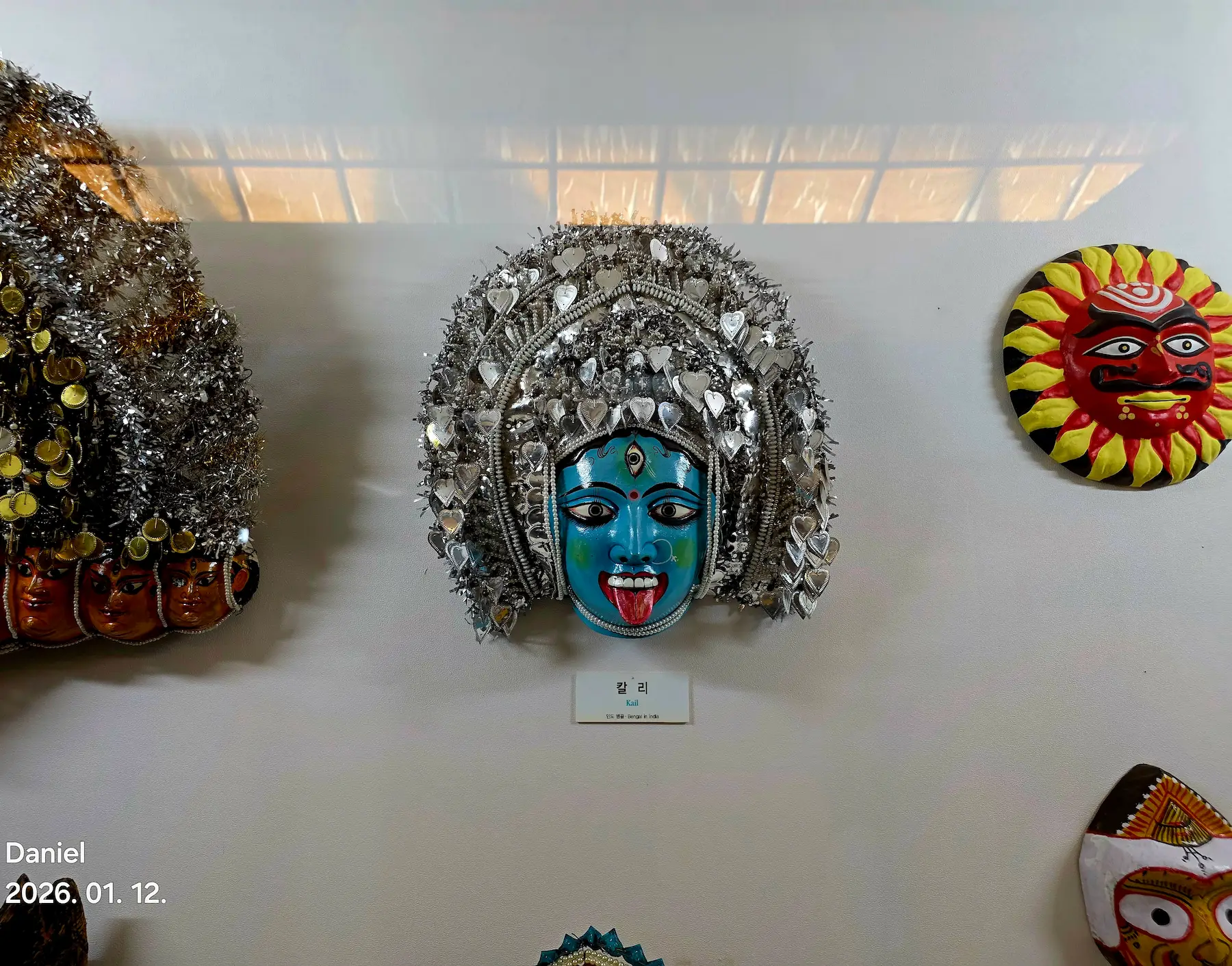
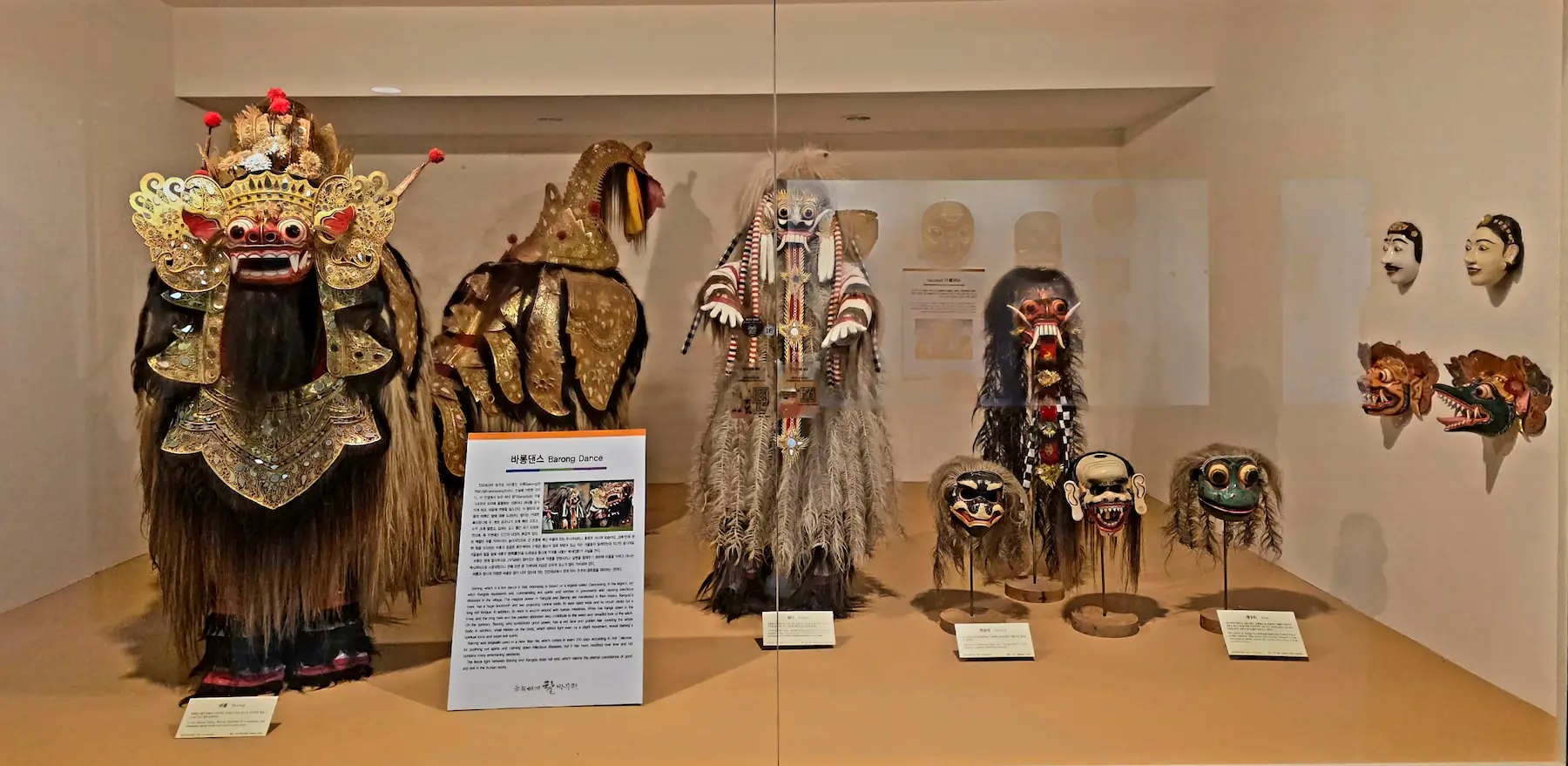
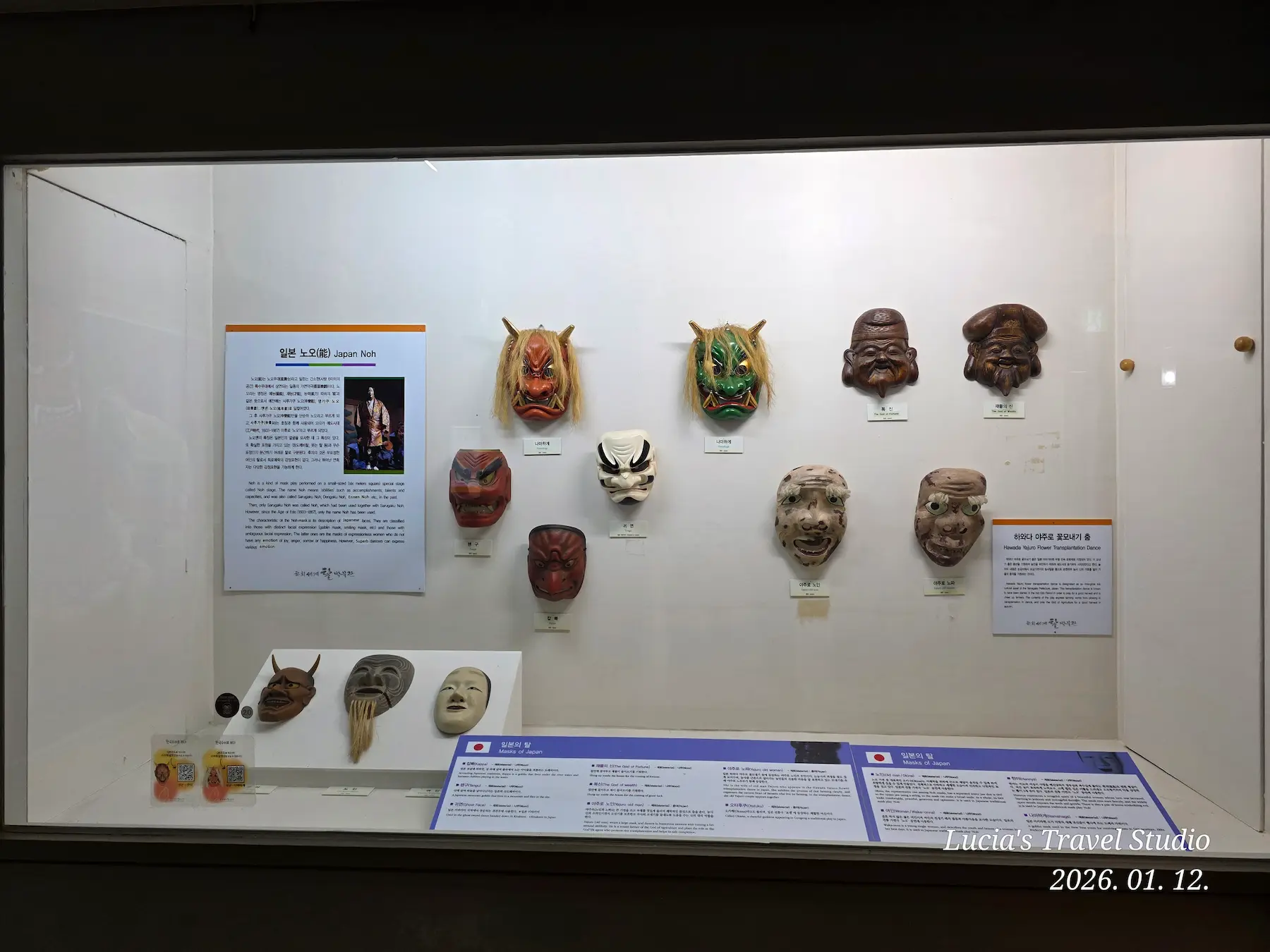
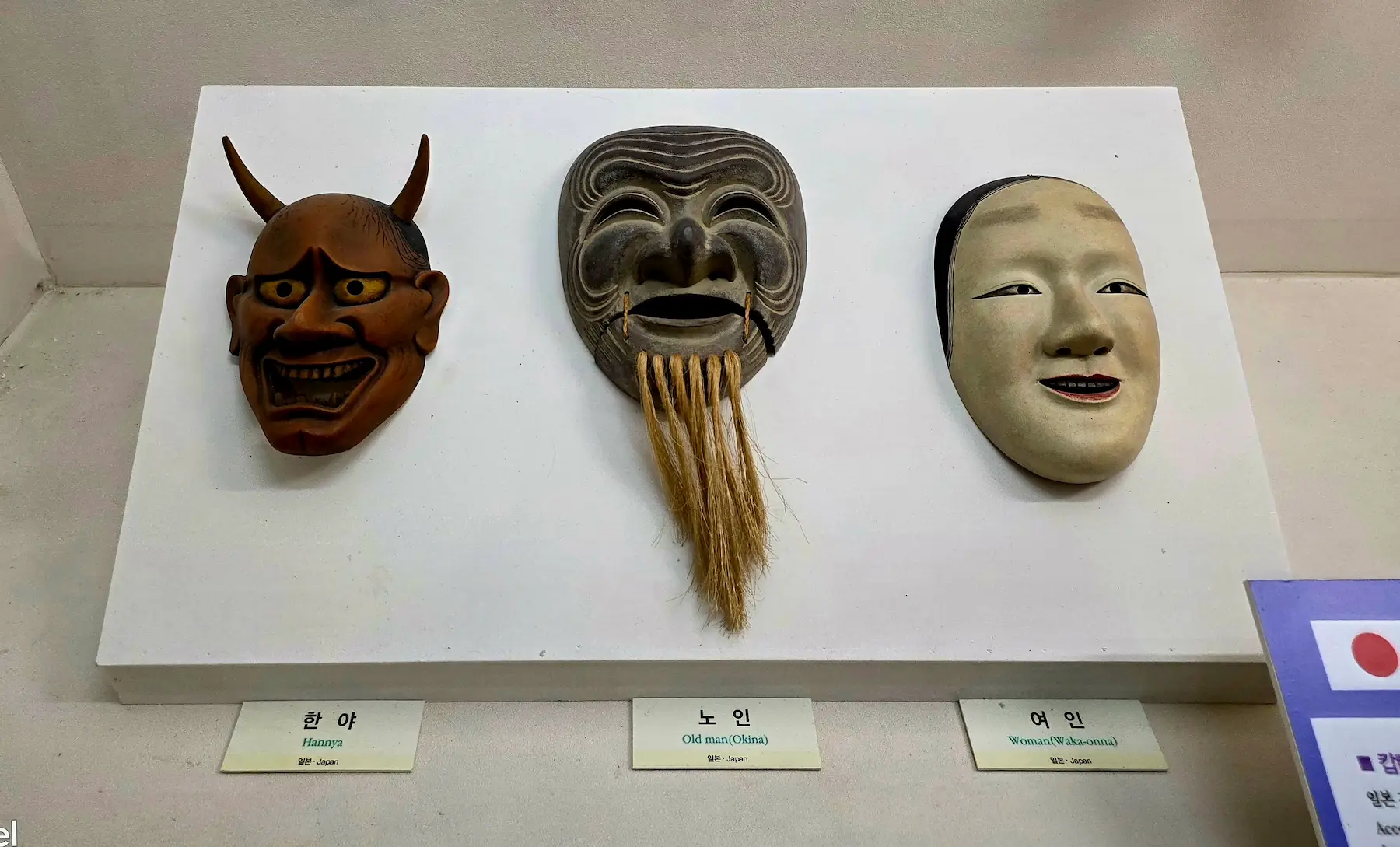
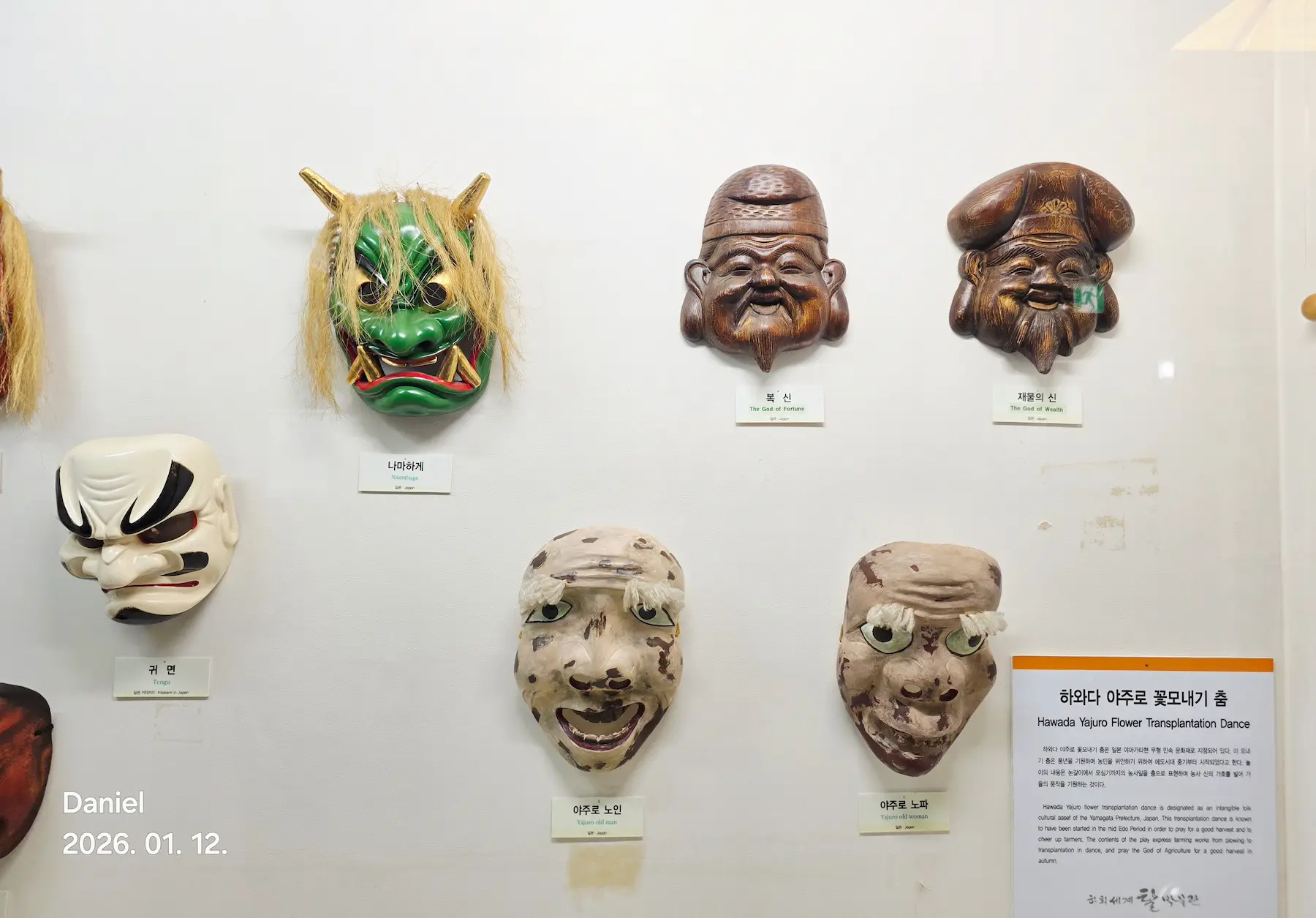
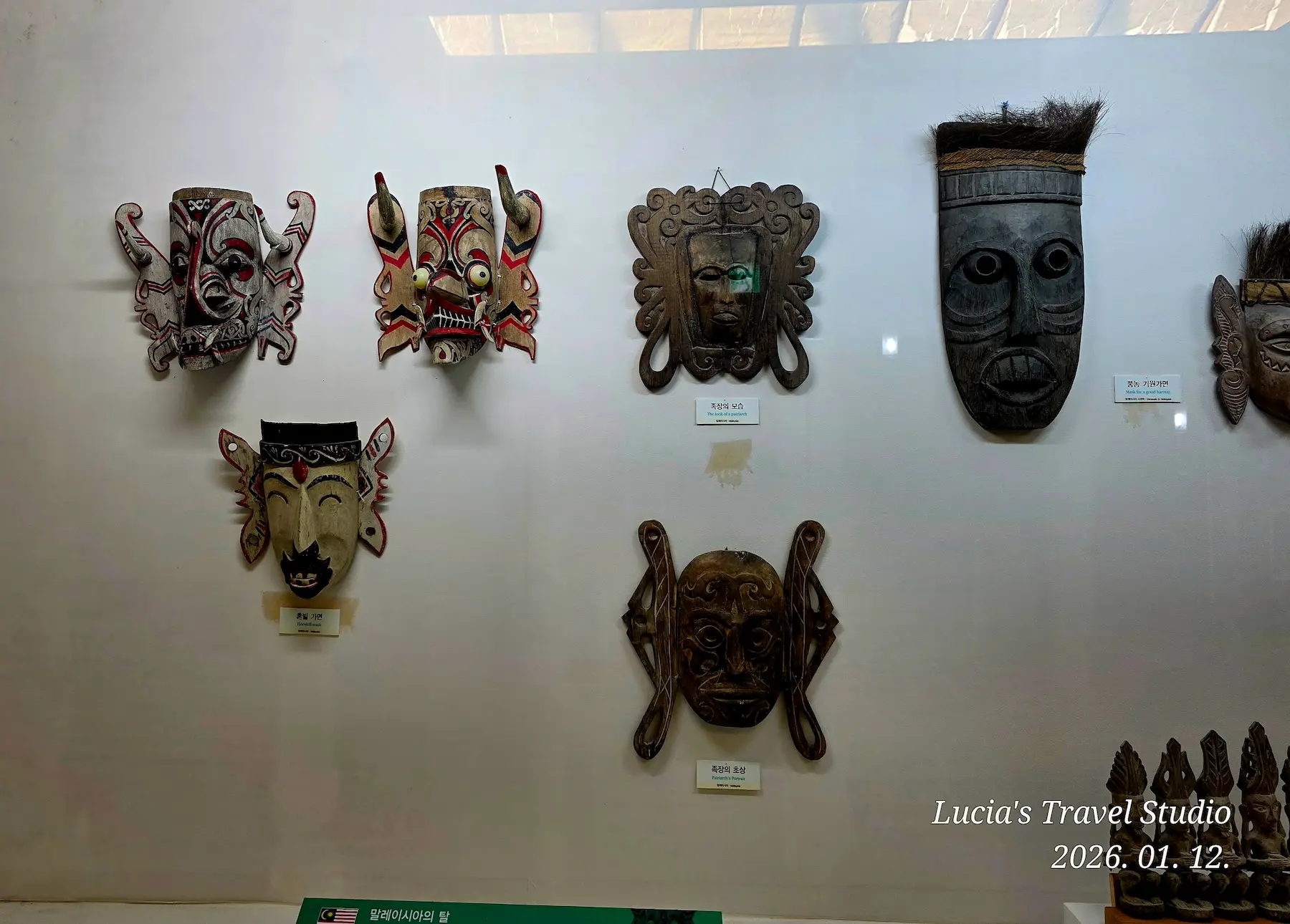
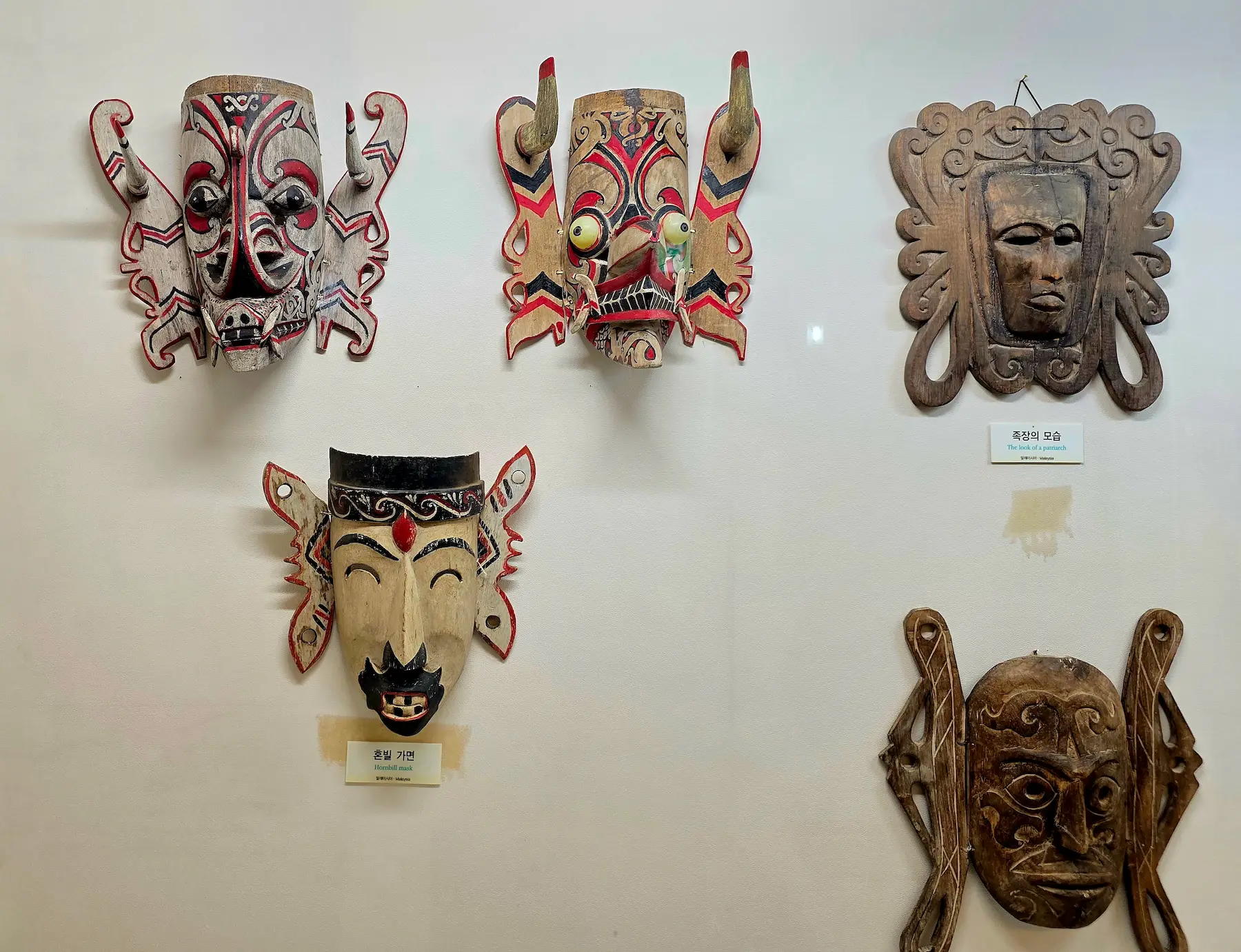
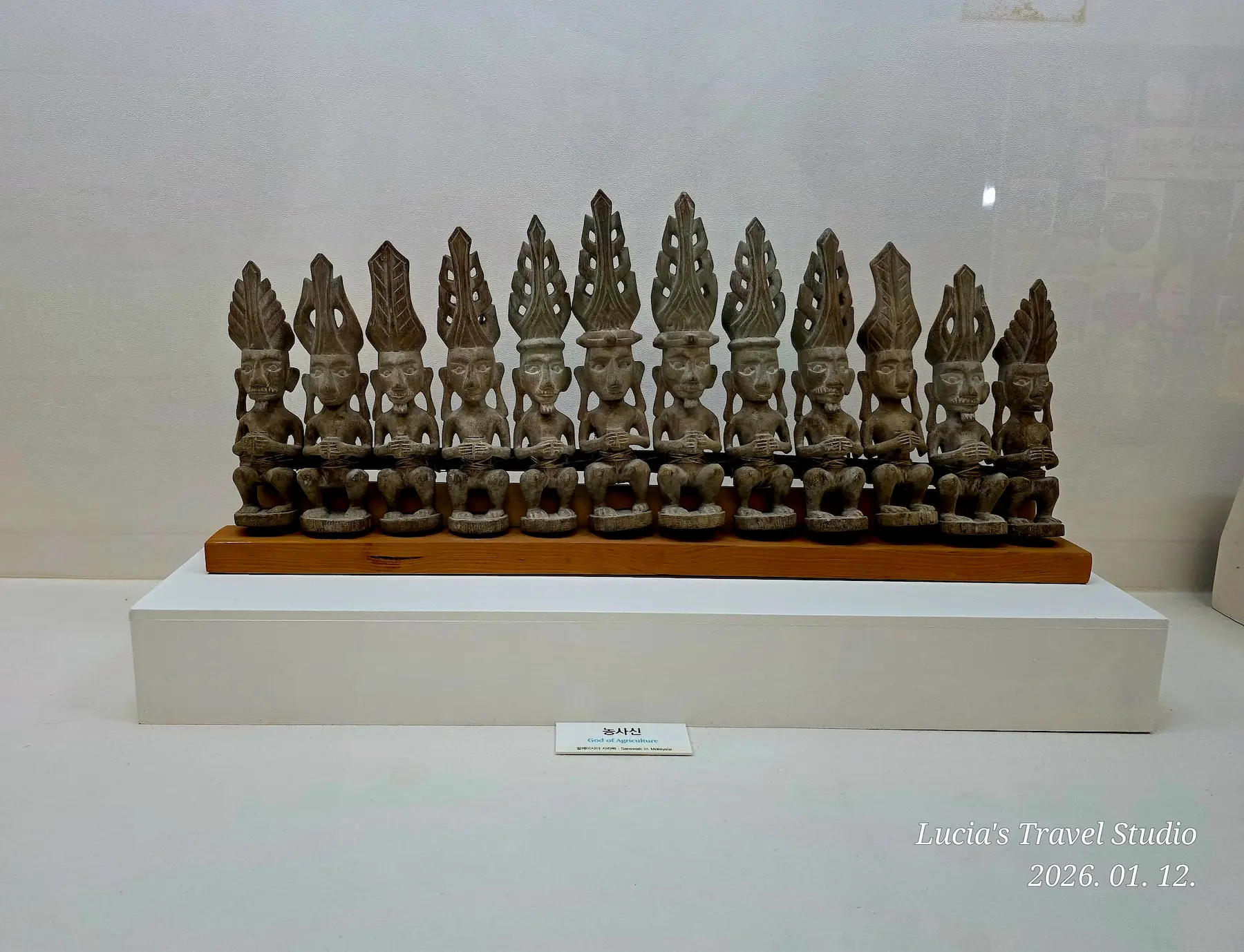
Here, masks become refined performance art.
Japan’s Noh, Bali’s Barong, and Malaysia’s Mak Yong turn carved wood into emotional precision and sacred drama.
A single tilt of the head can shift from innocence to rage — art carried across generations.
🌏 Group 3 — Shamanic, Animist & Folk Traditions
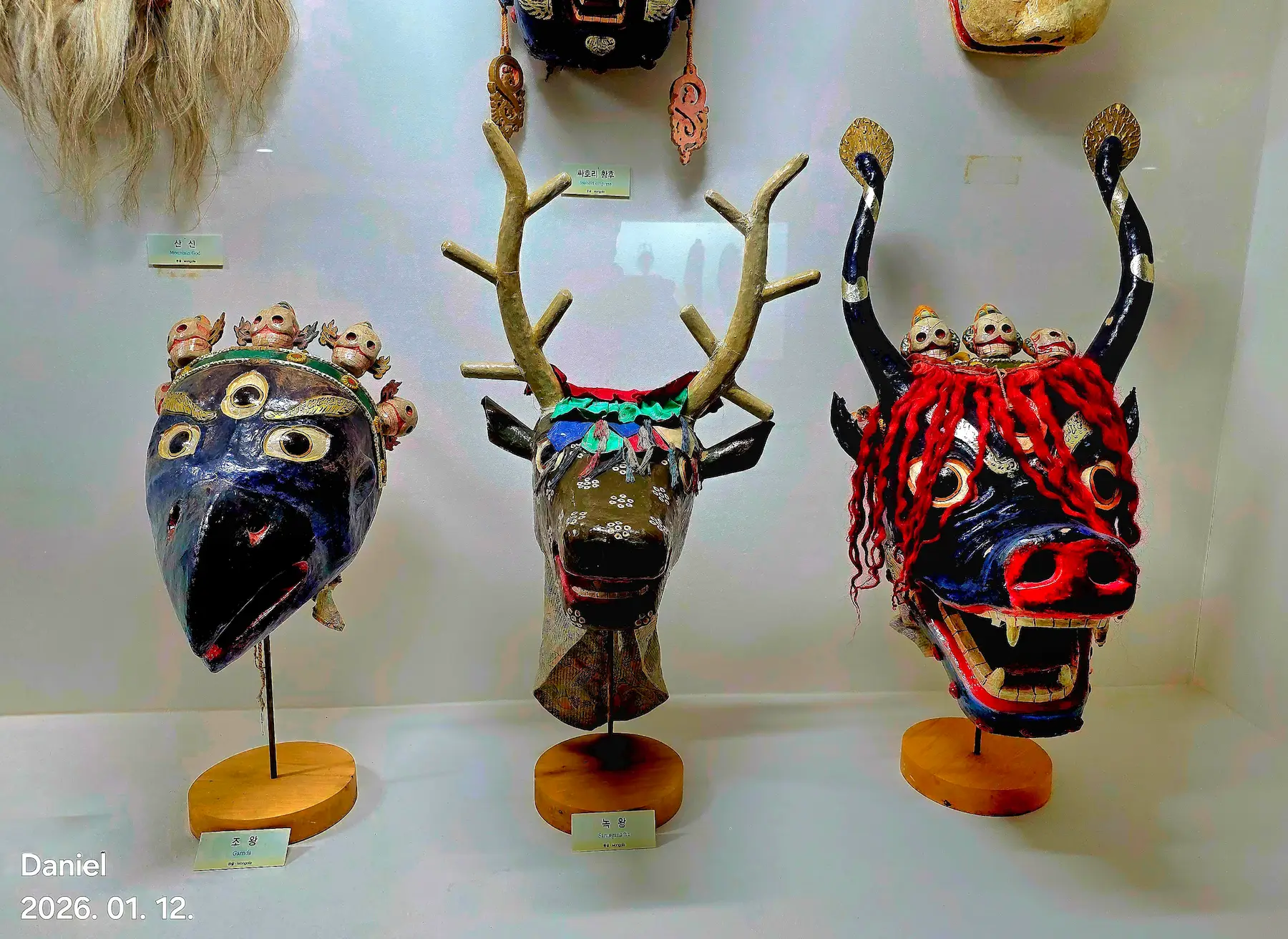
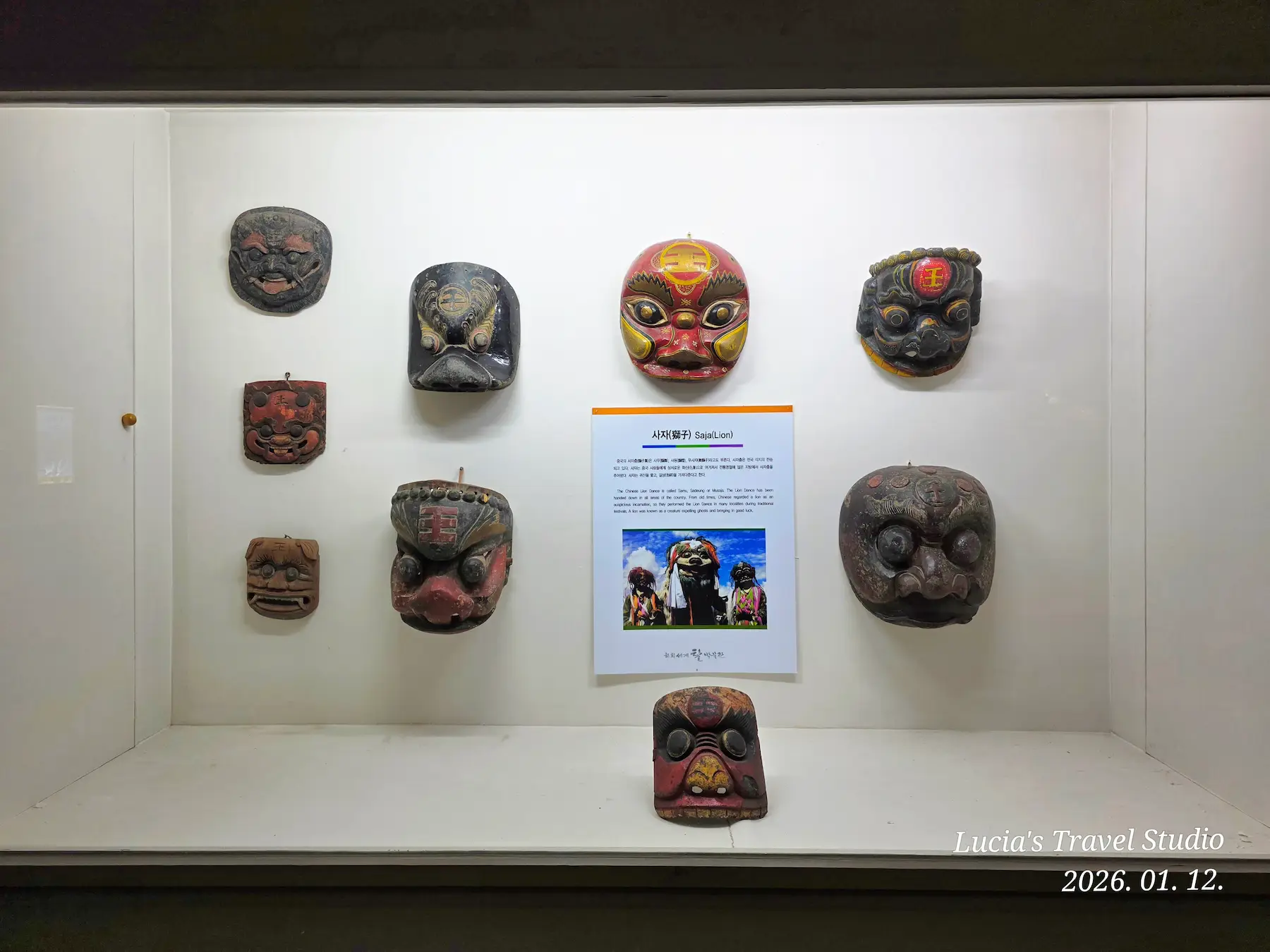
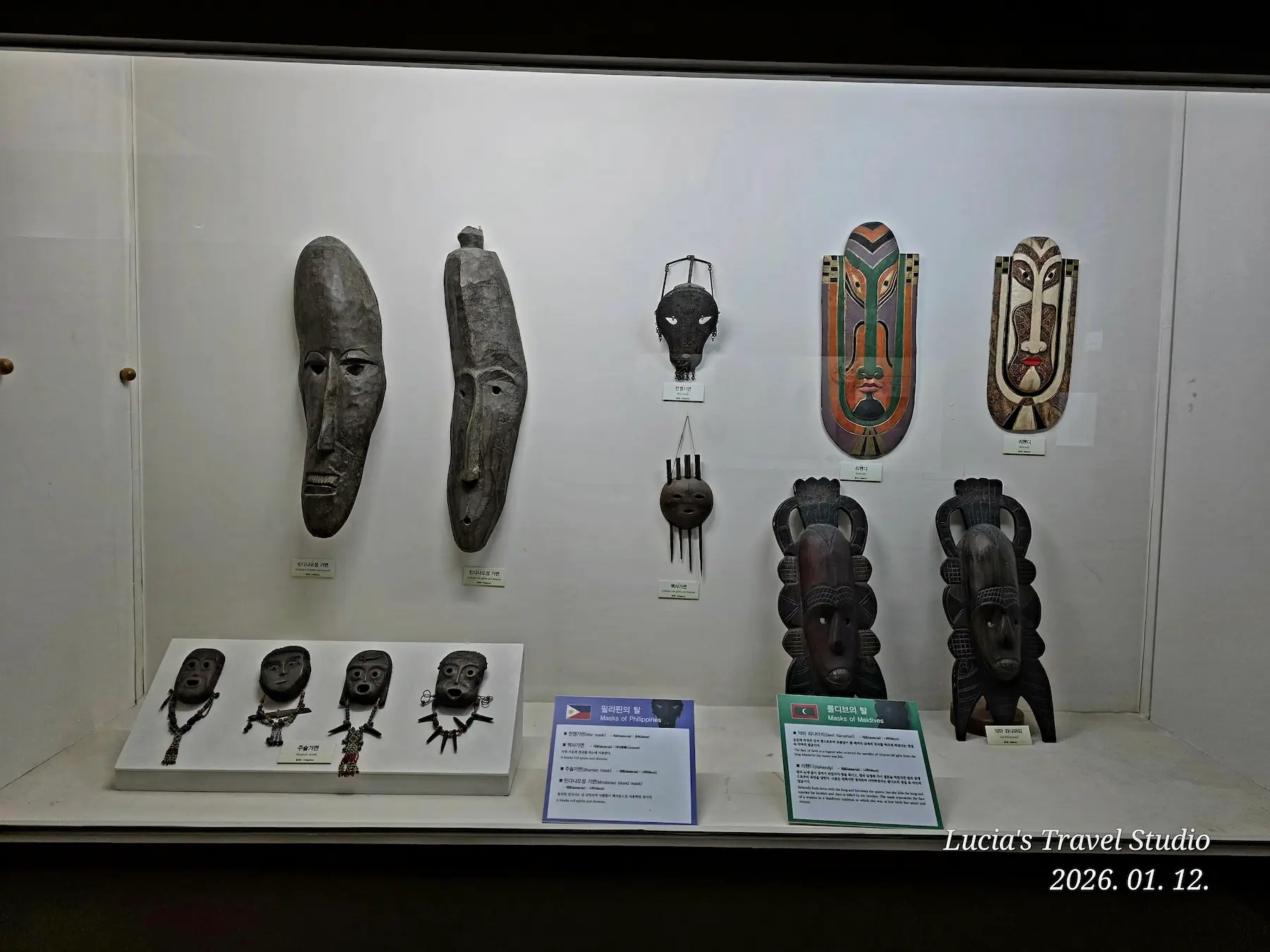
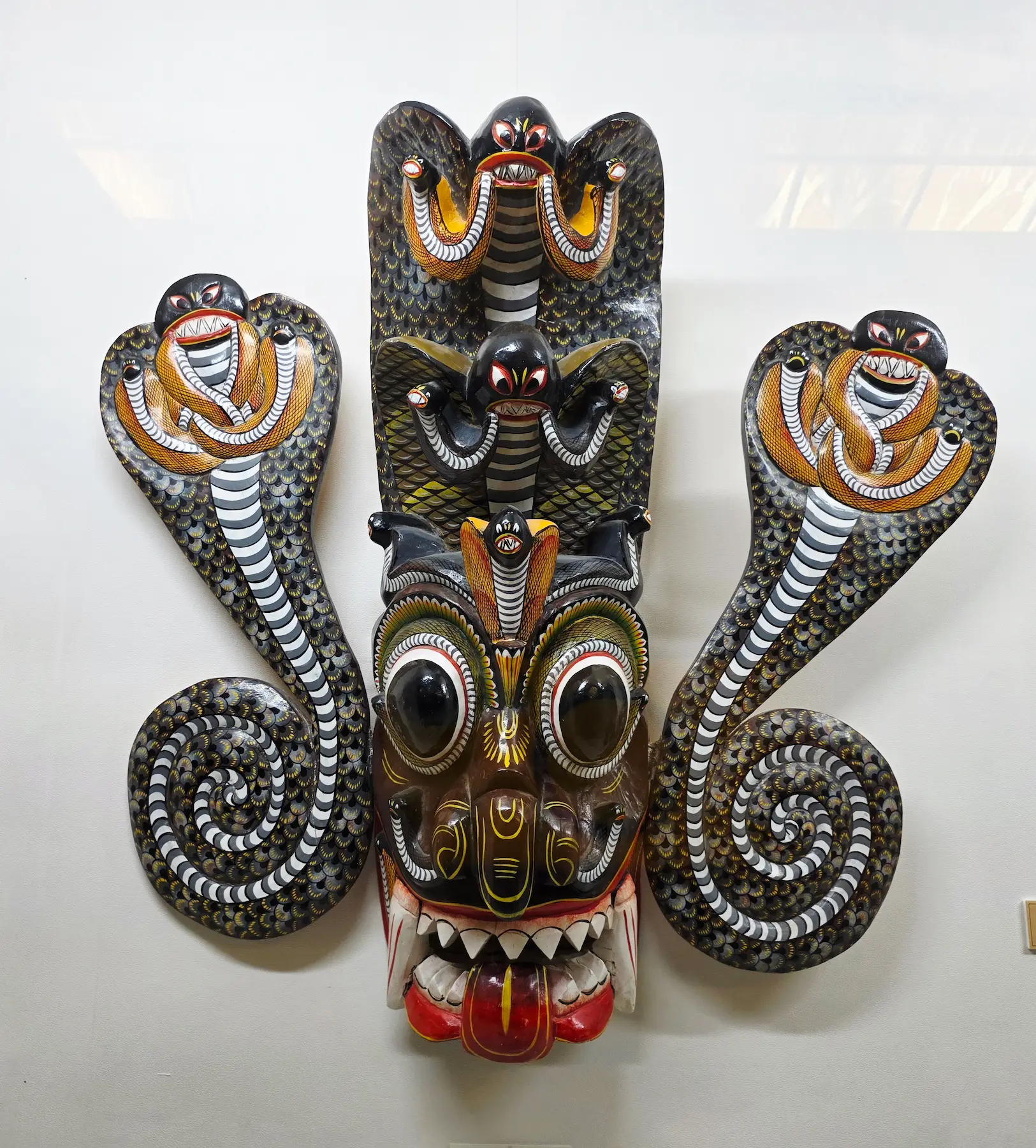
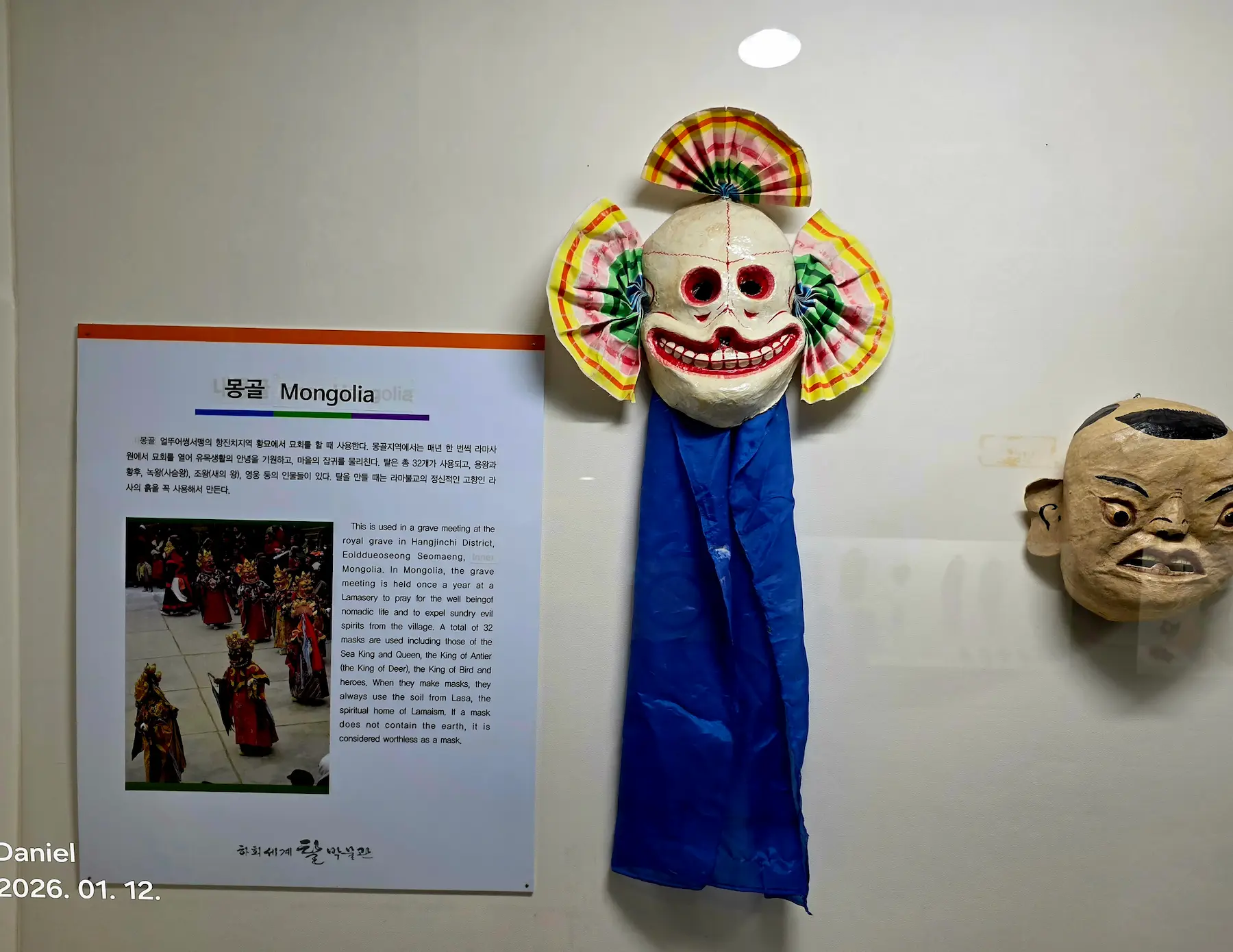
Beyond courts and epics, masks belong to village life.
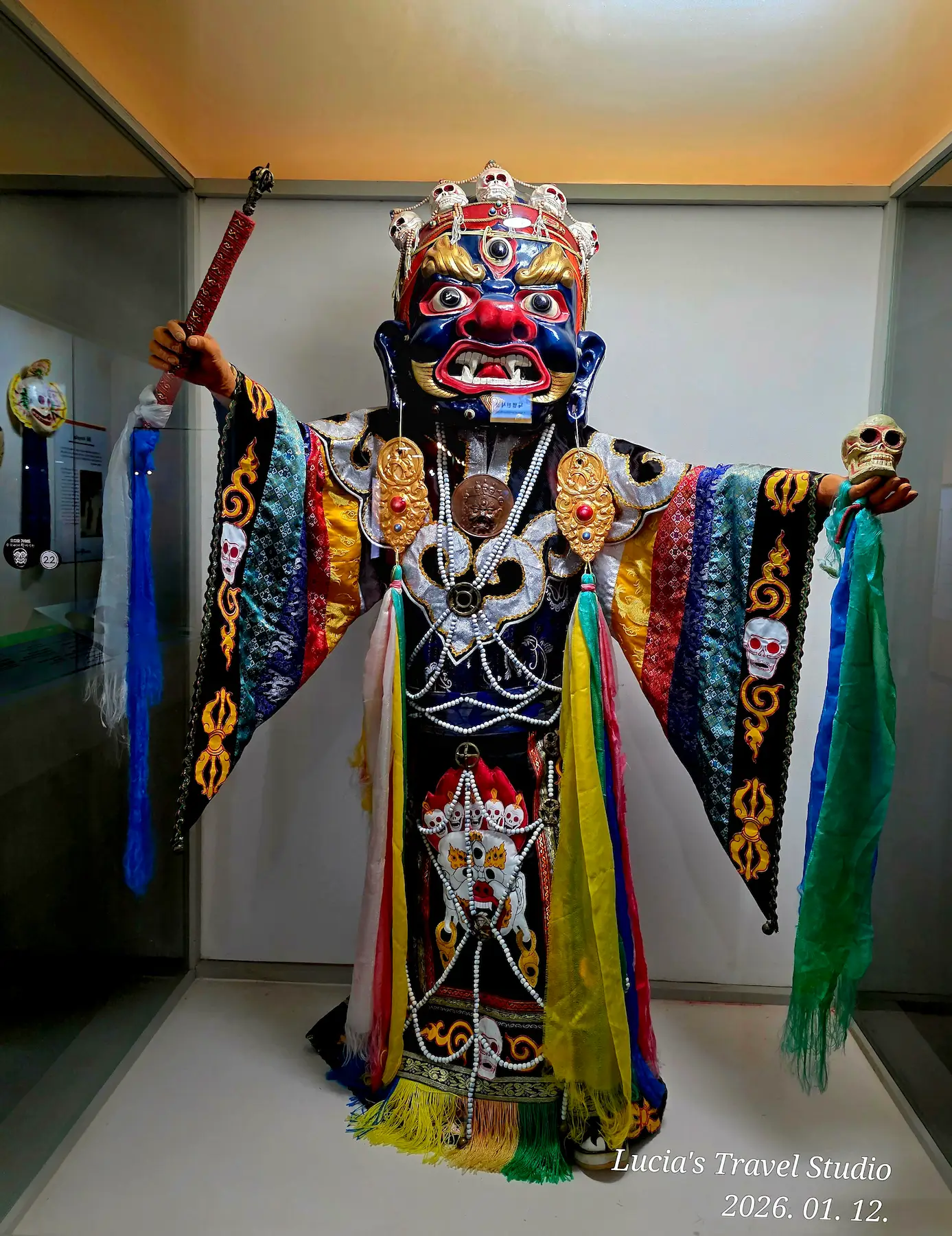
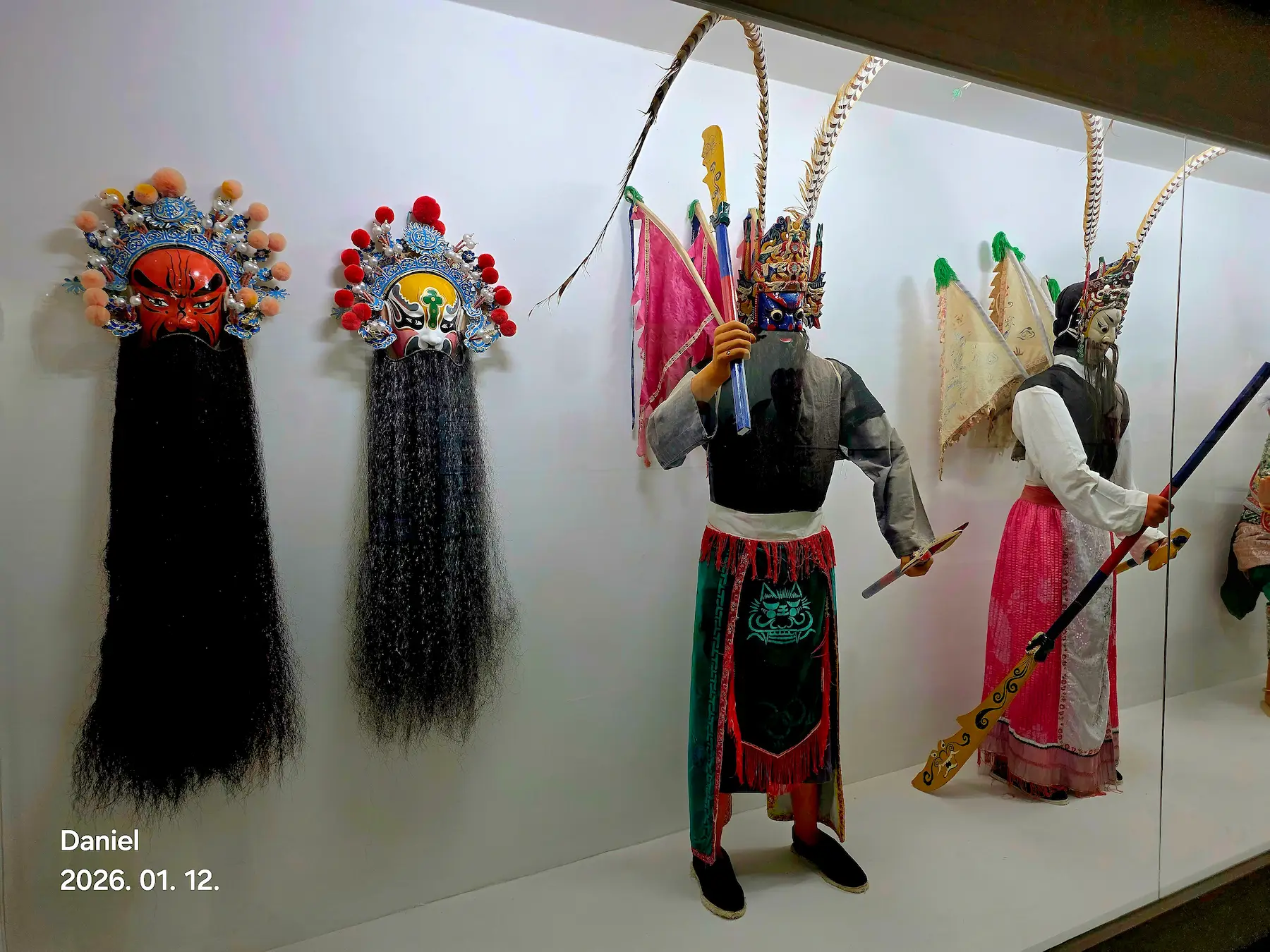
Mongolian Tsam rituals, China’s lion dances, and ancestral masks from the Philippines connect communities to spirits and survival.
In these traditions, the mask is not spectacle — it is relationship.
🗺️ Europe & the Americas — Where Masks Become Celebration
🎭 Venice Carnival — The Art of Disguise
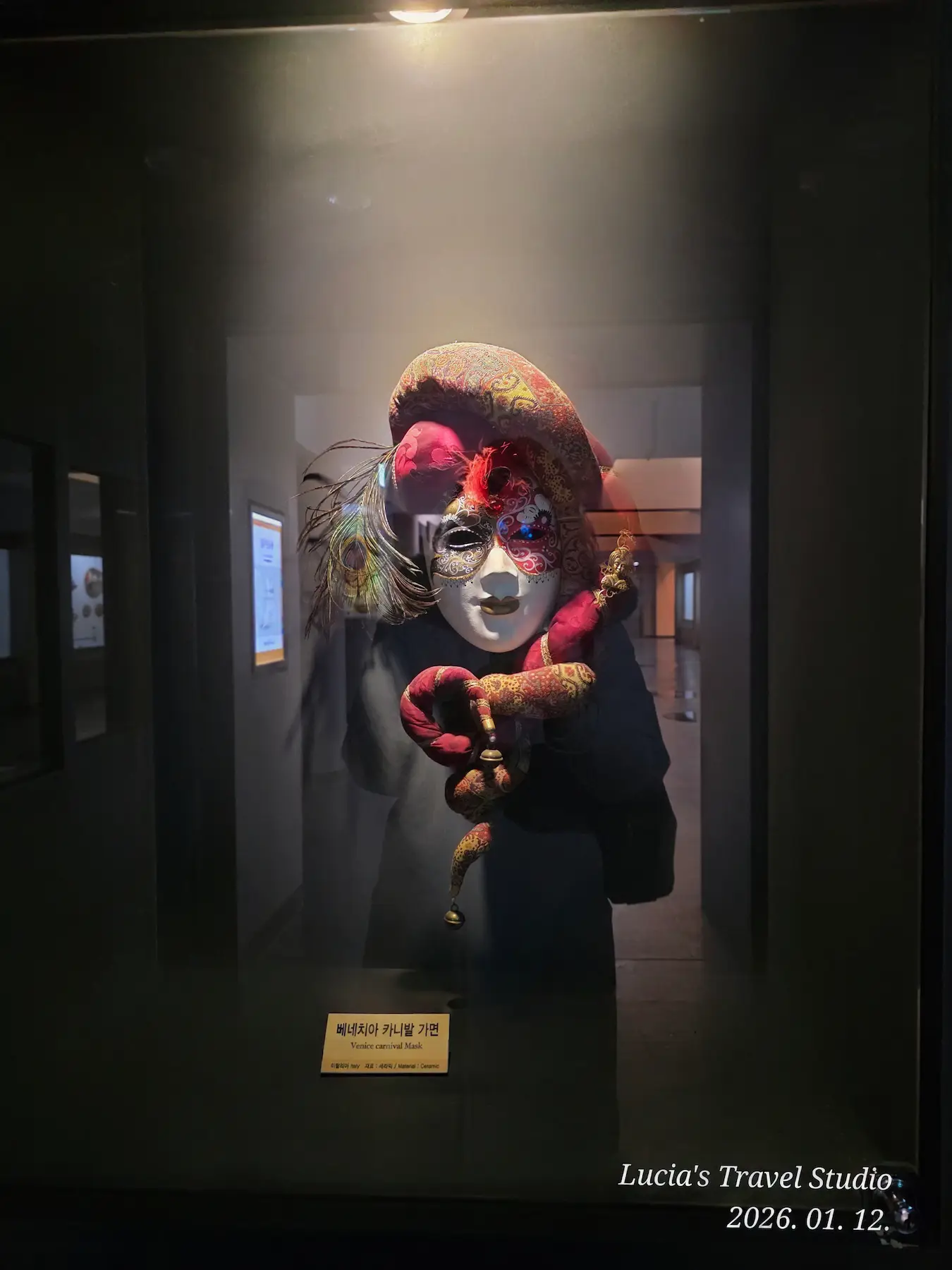
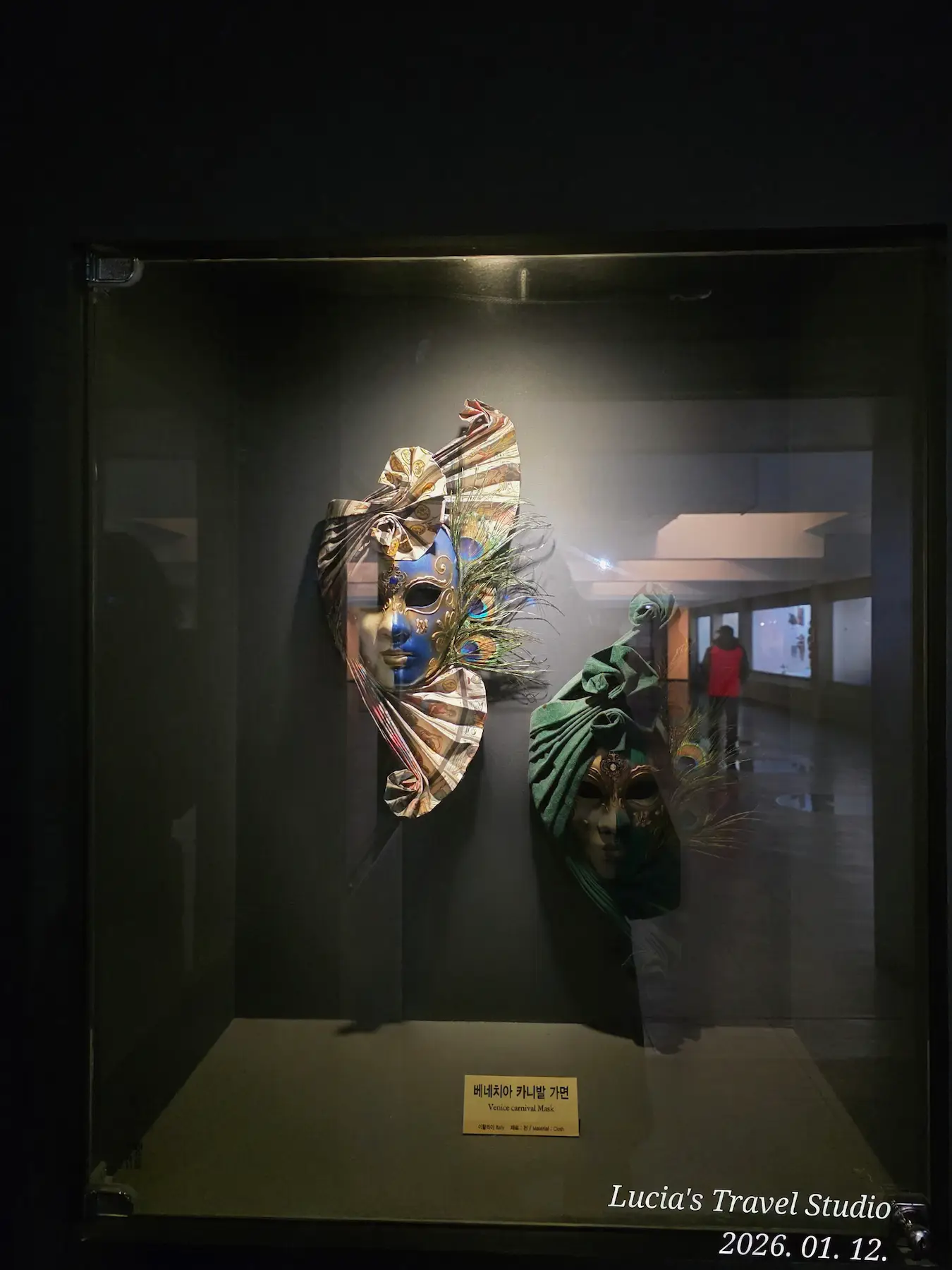
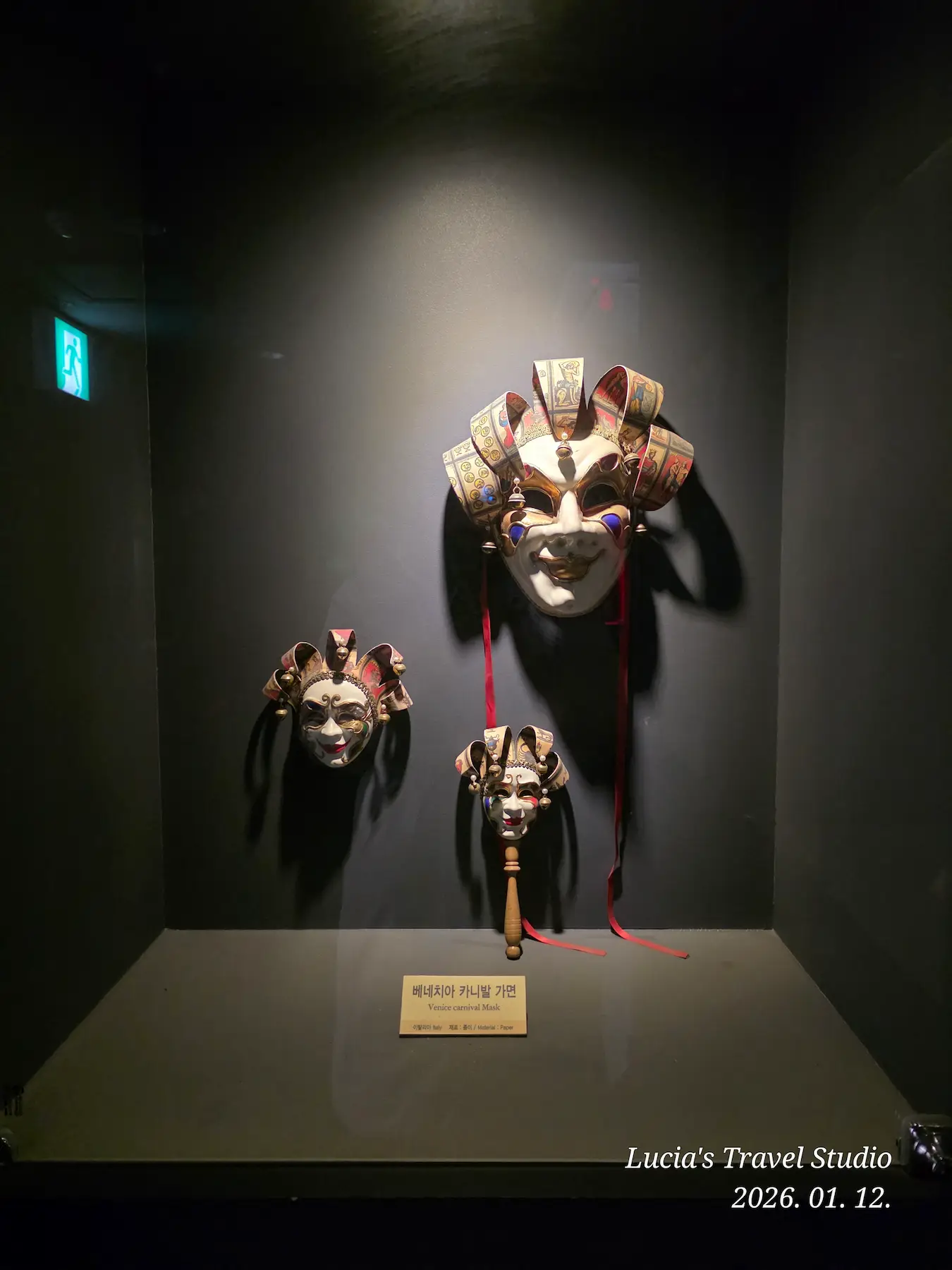
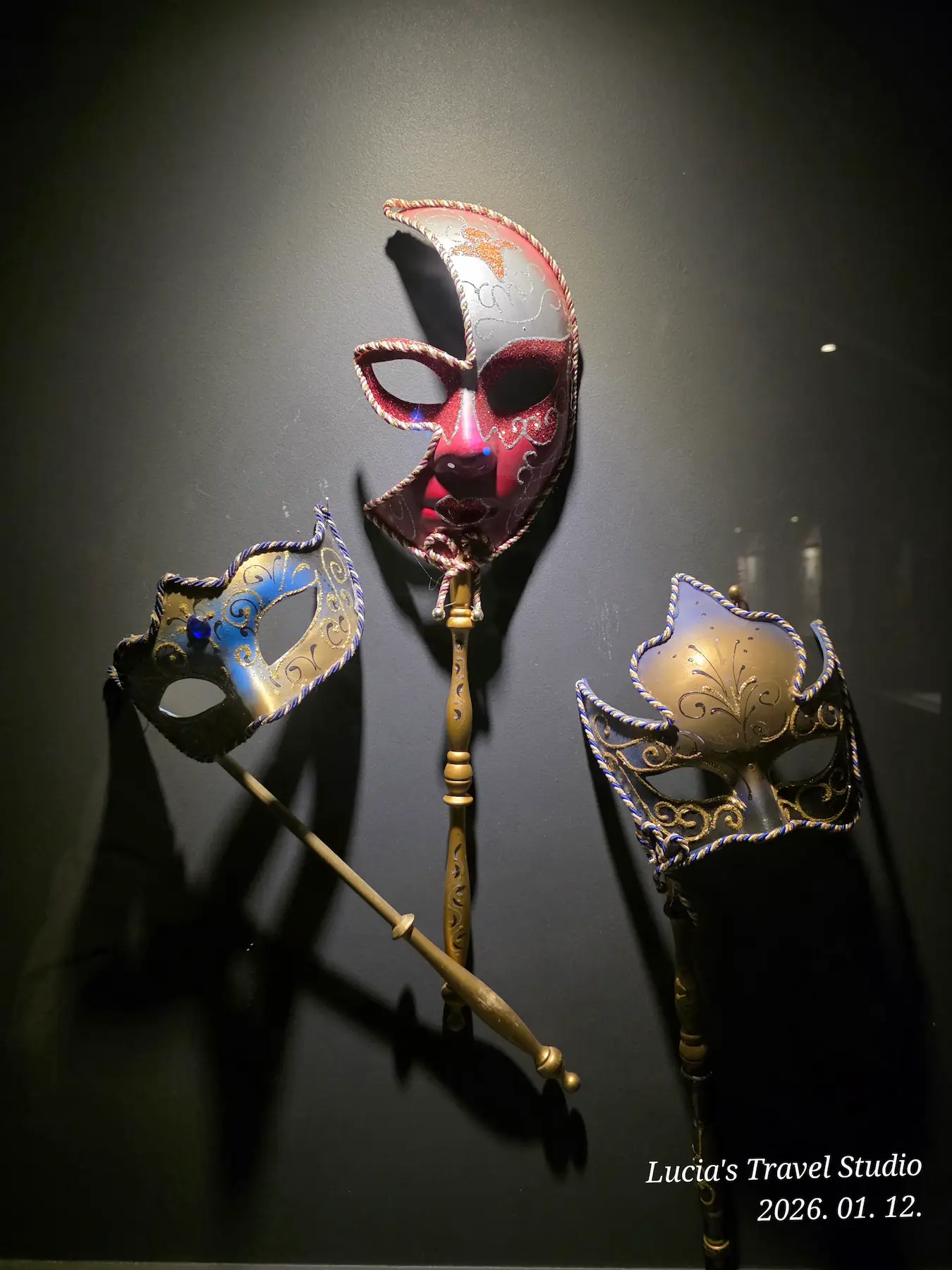
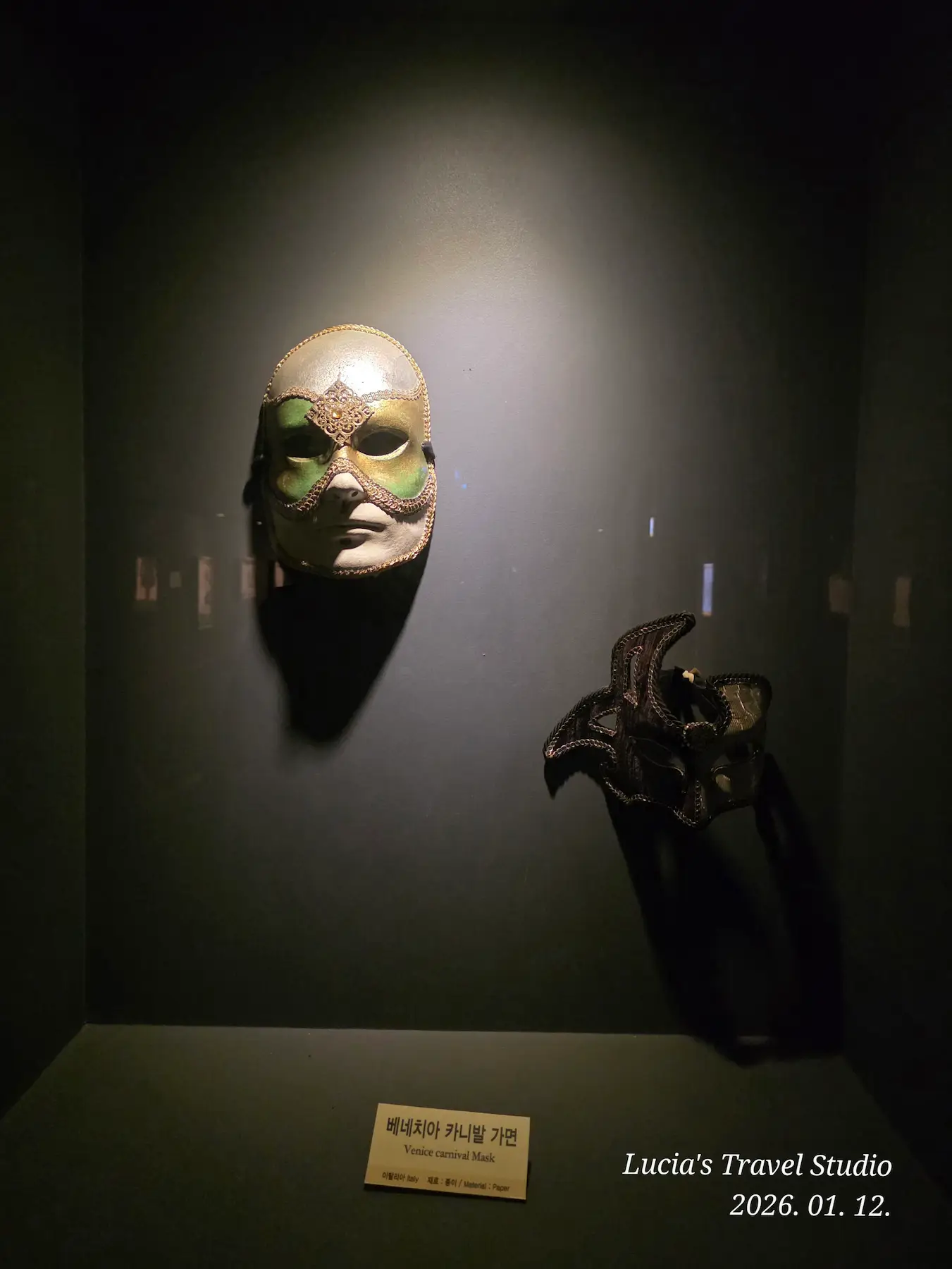
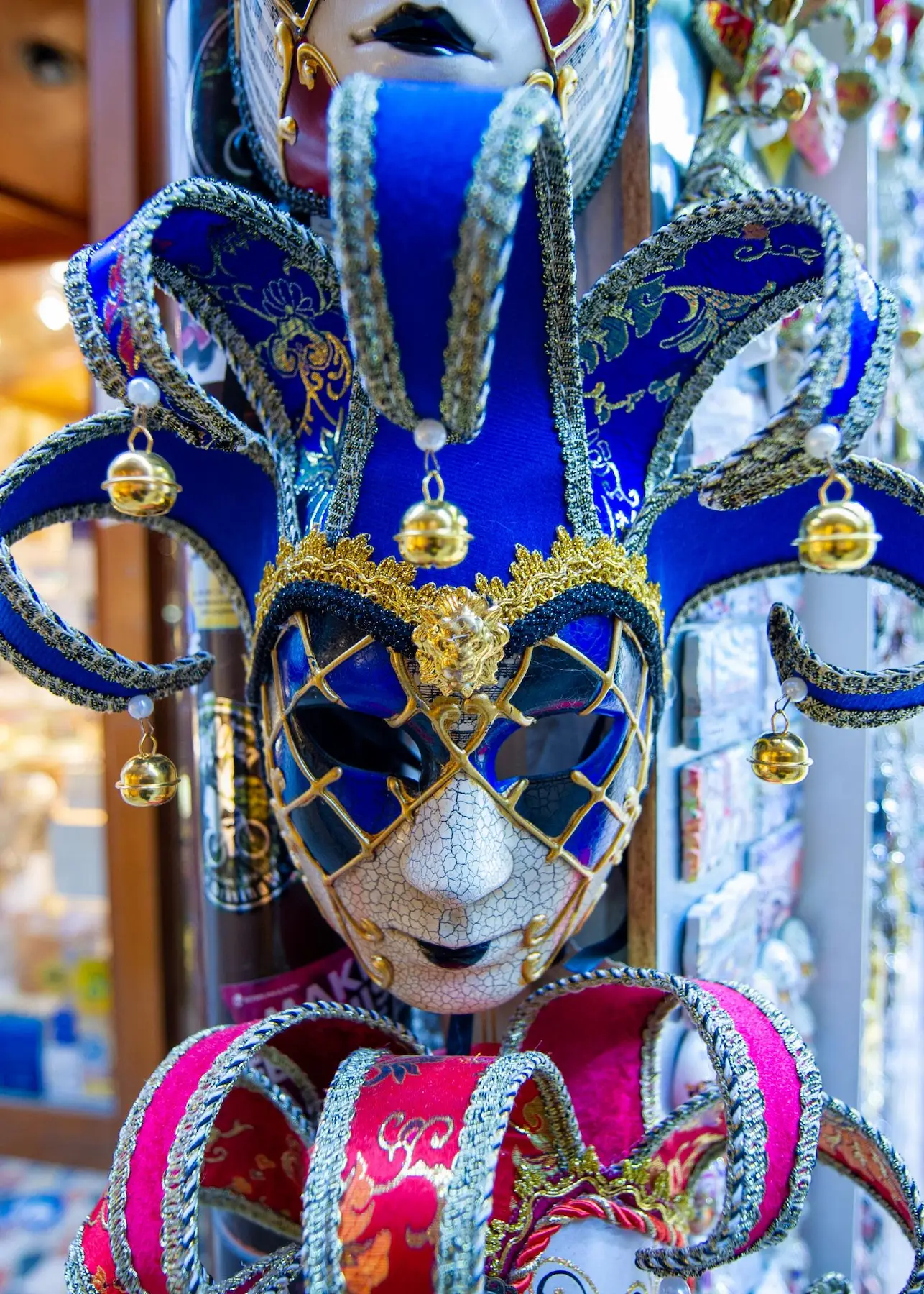
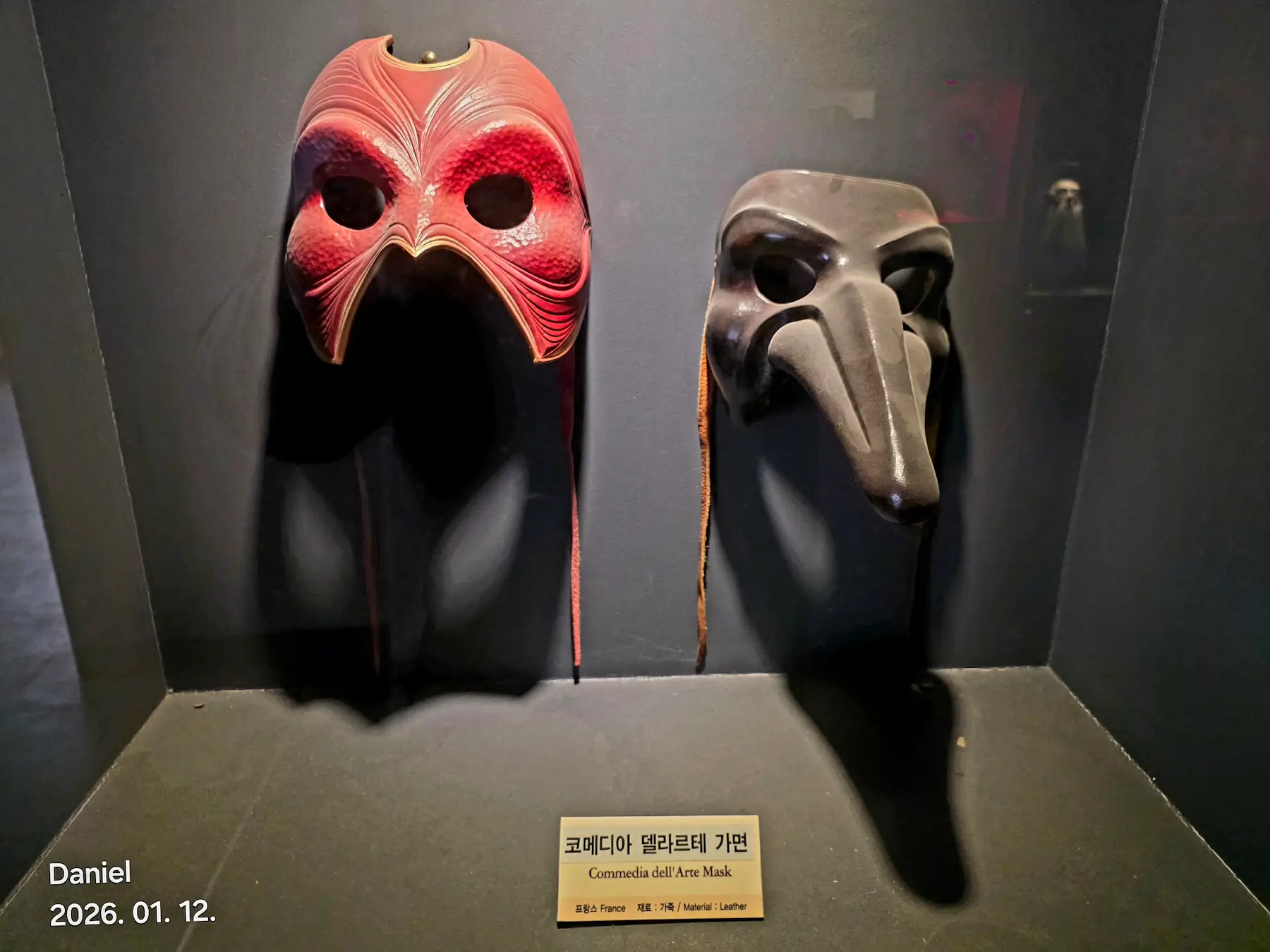
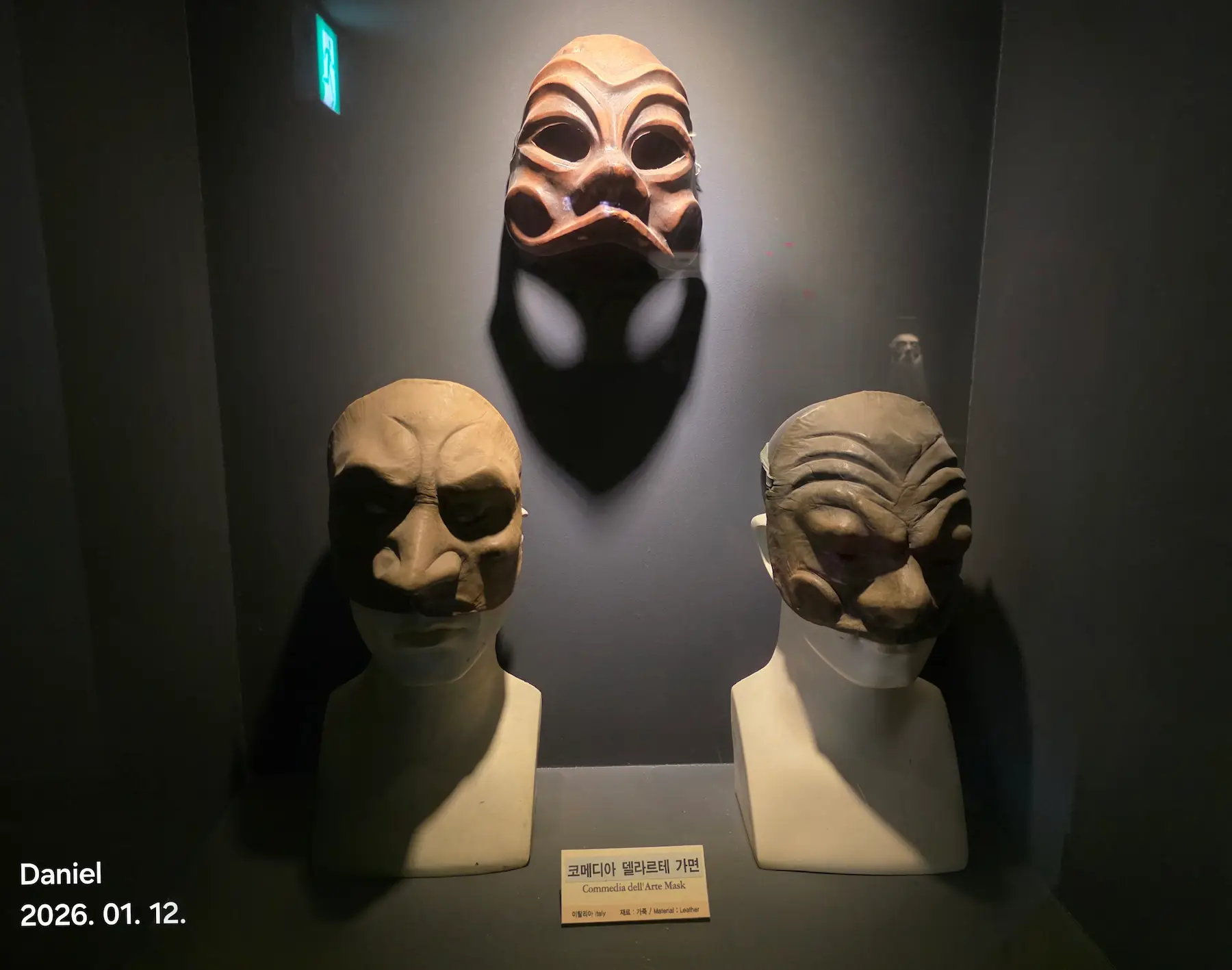
Venetian masks were about anonymity, not spirits.
Behind Bauta and Volto, social hierarchies briefly dissolved during Carnival.
For a few hours, identity became fluid — and freedom felt possible.
🎃 Halloween — Fear Becomes Fun
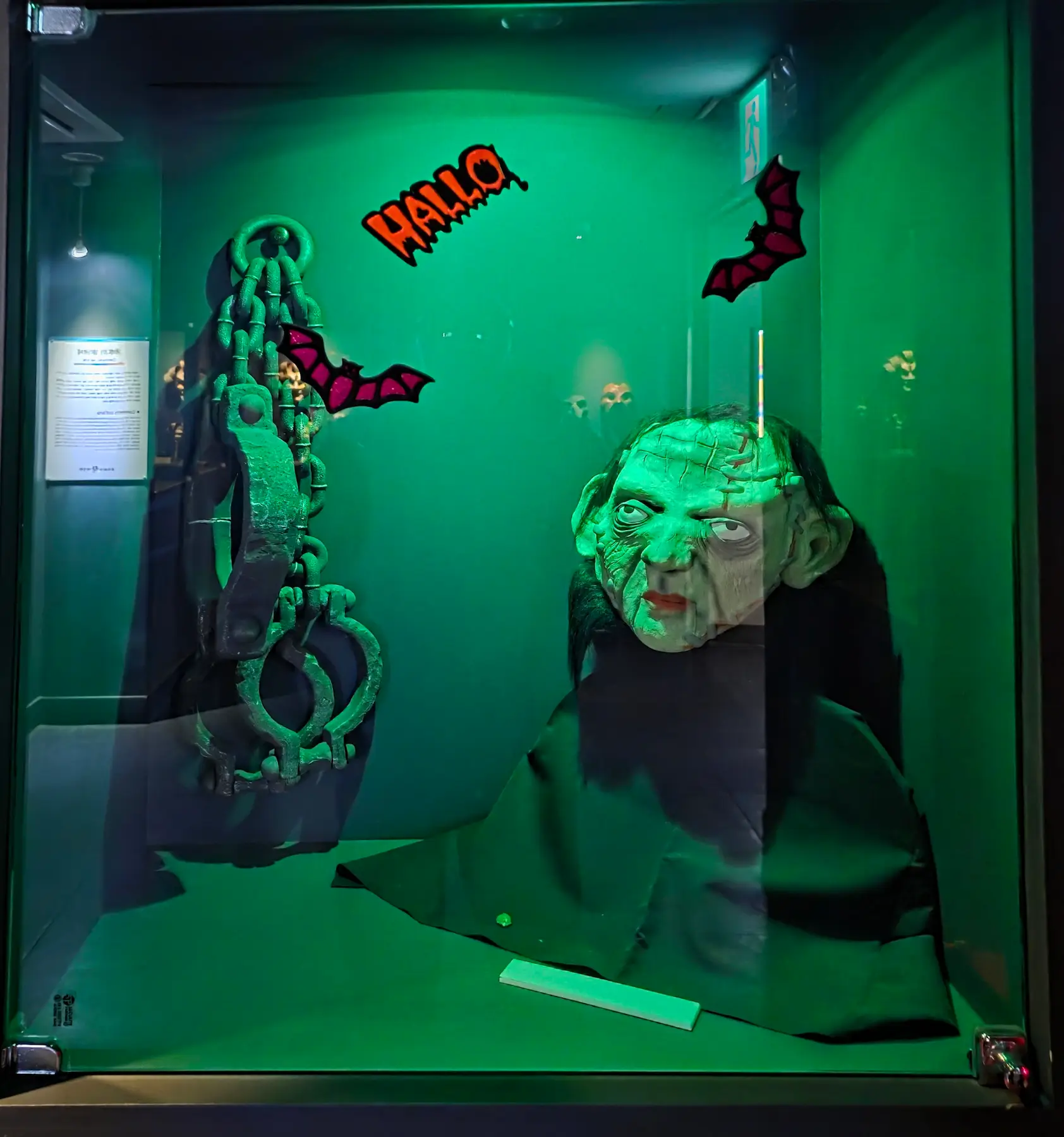
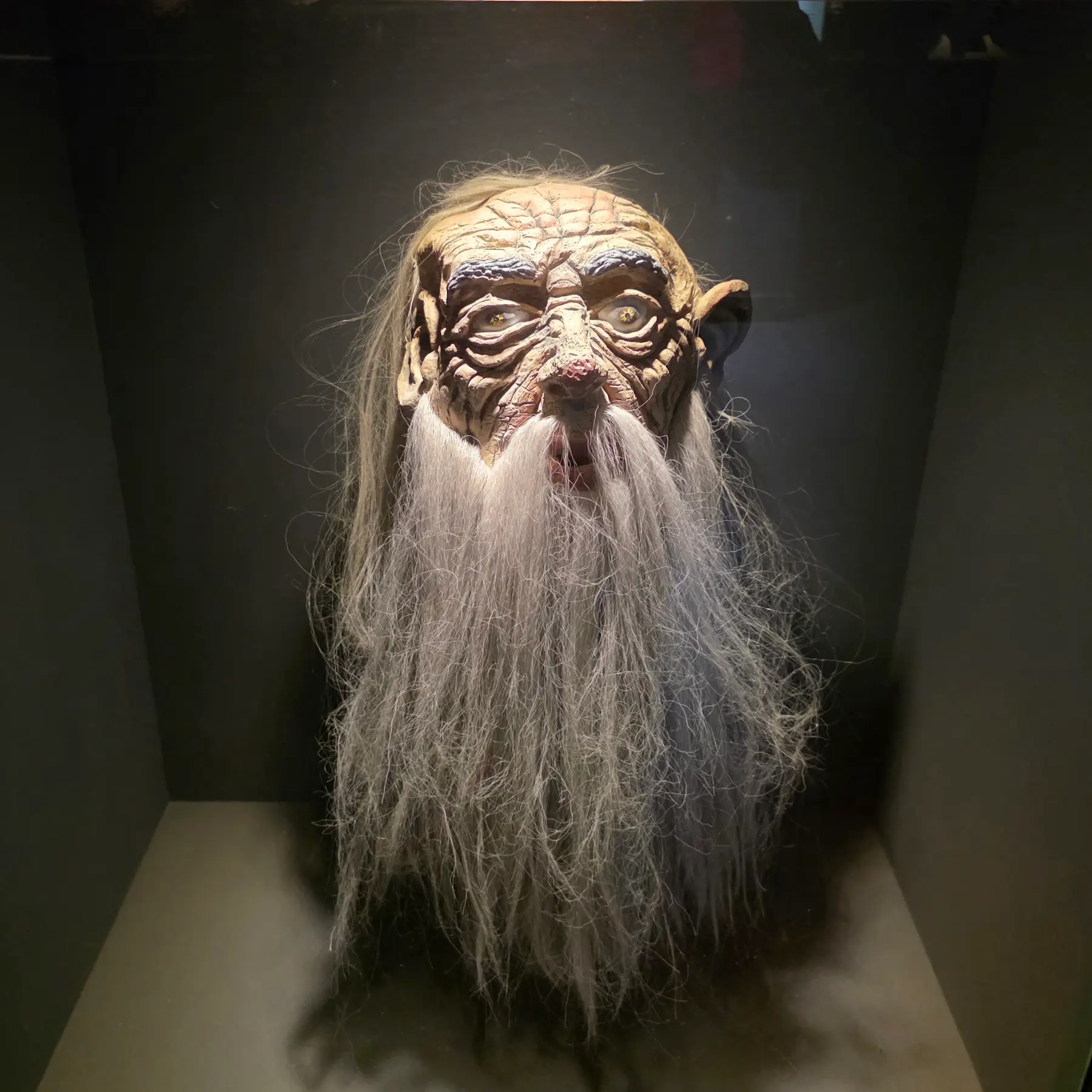
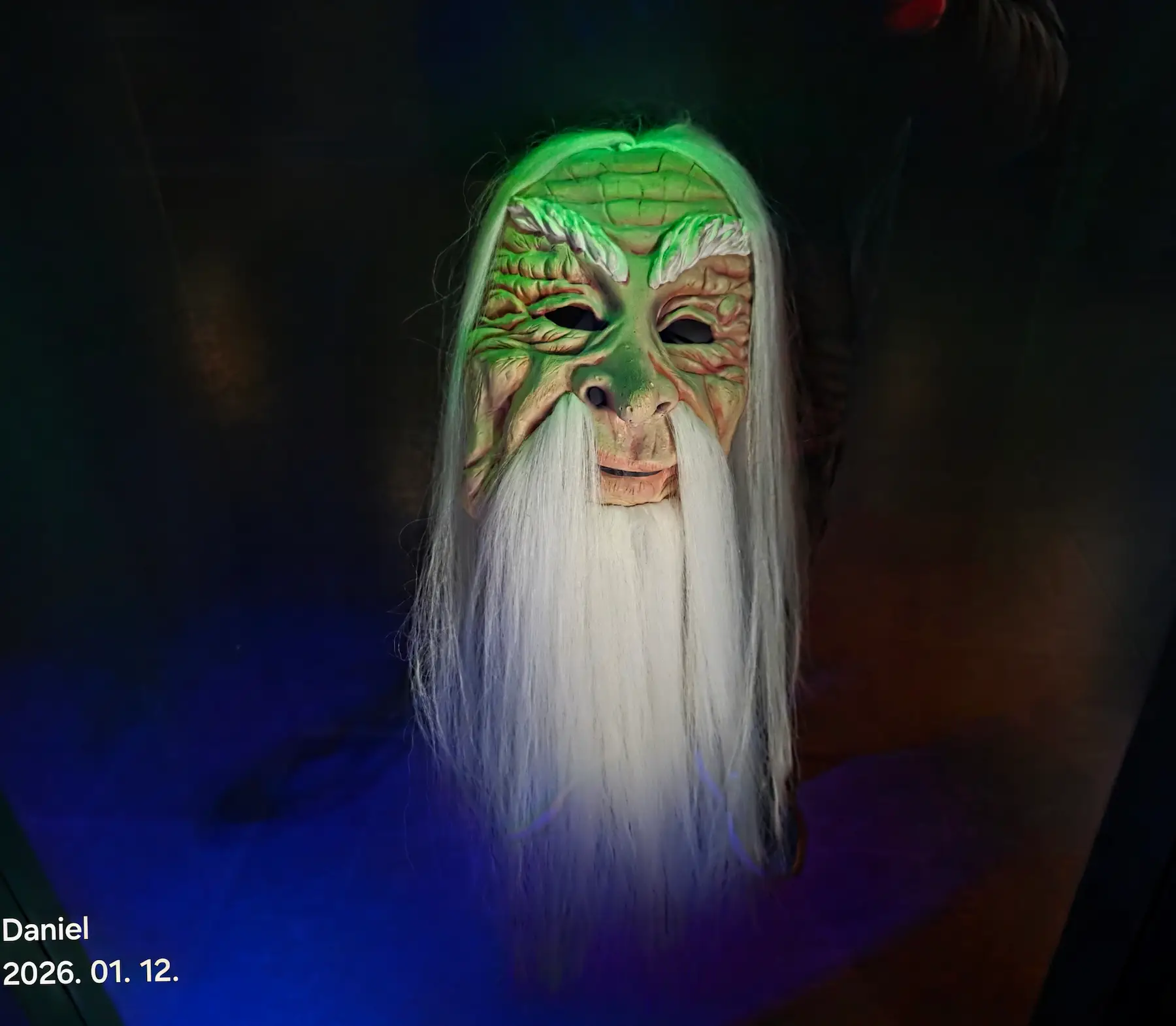
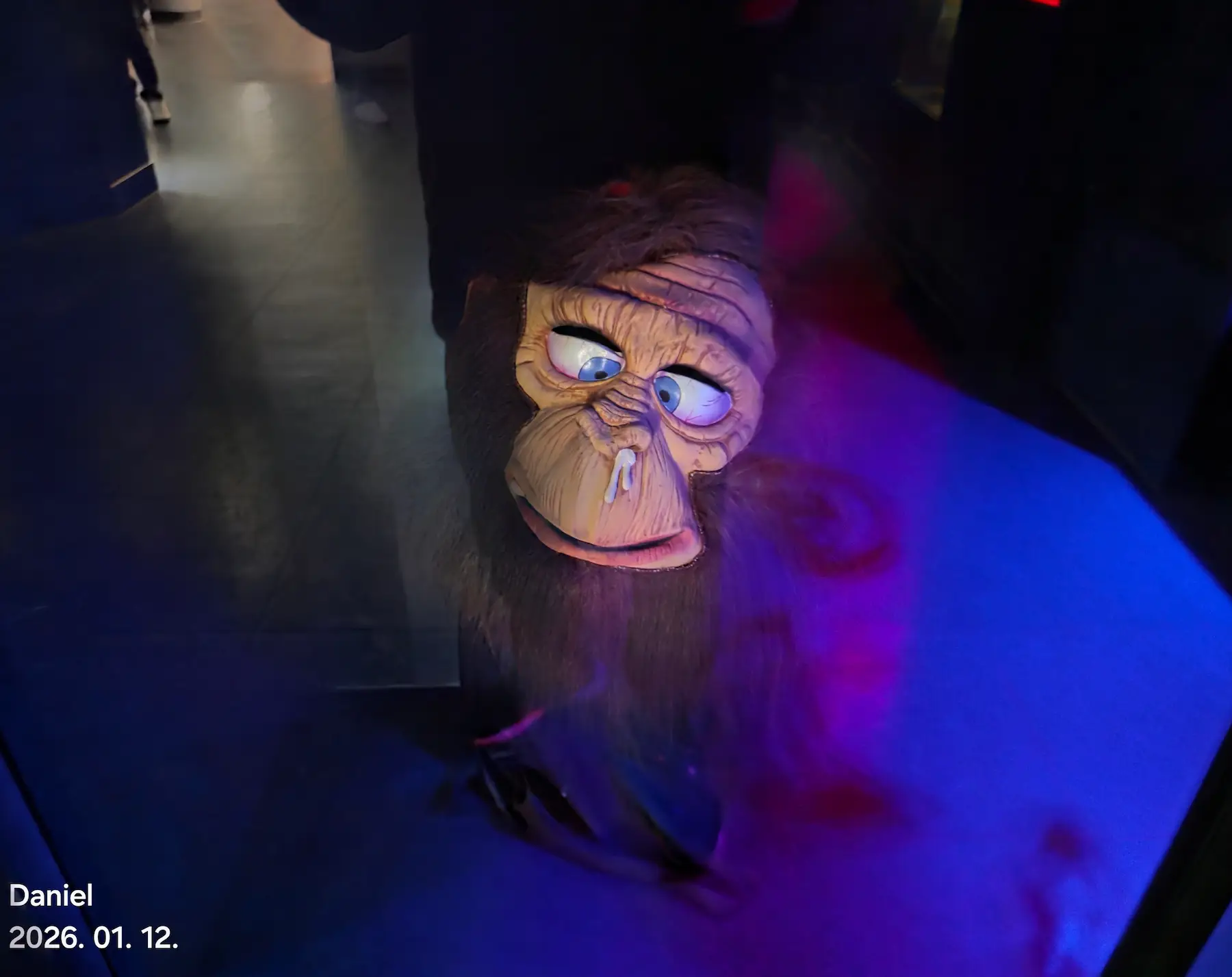
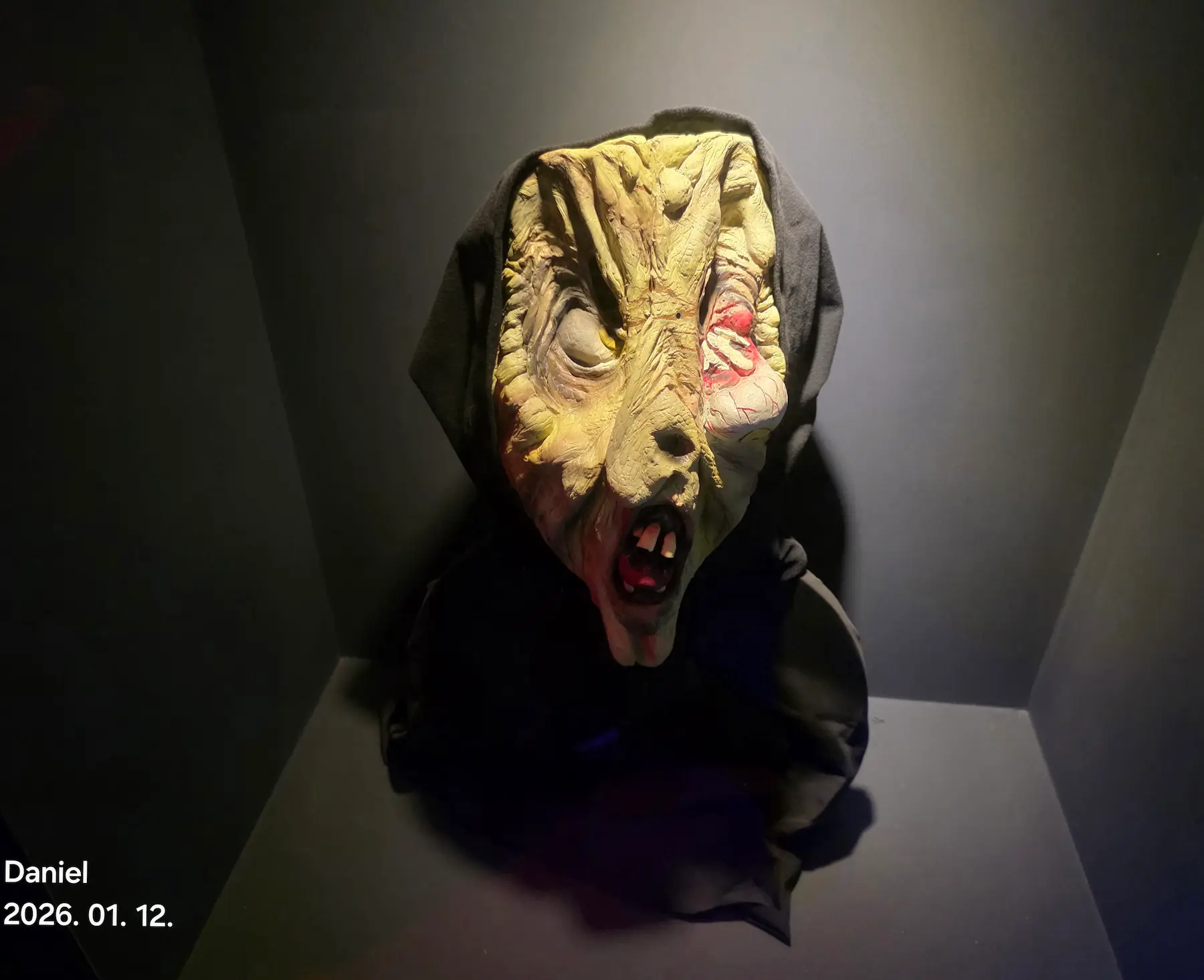
Once tied to the Celtic festival of Samhain, Halloween masks carried spiritual meaning.
Today, latex witches and zombies exist purely for entertainment.
Ancient fear survives — but now as costume culture.
🪶 Native American Masks — Spirit & Ceremony
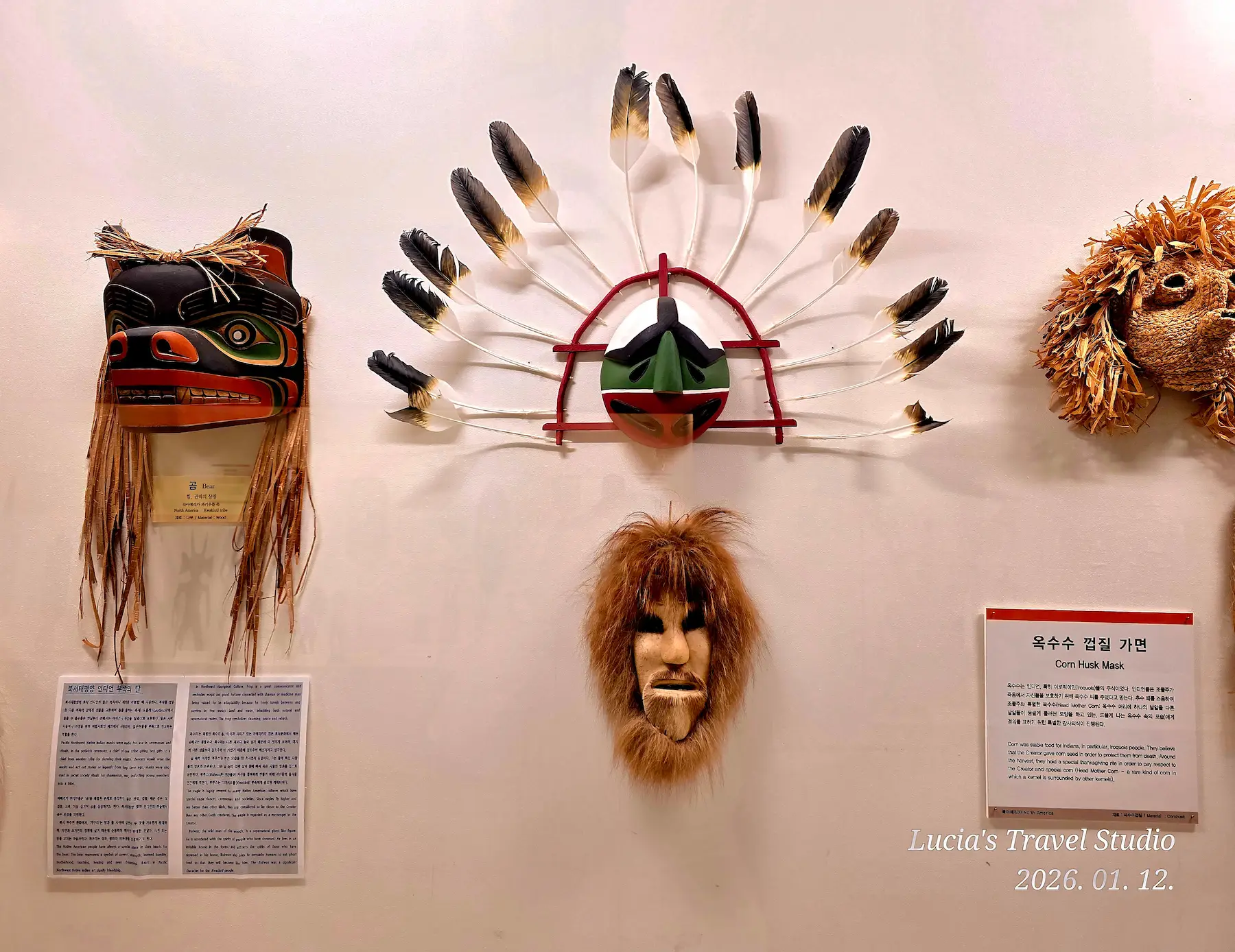
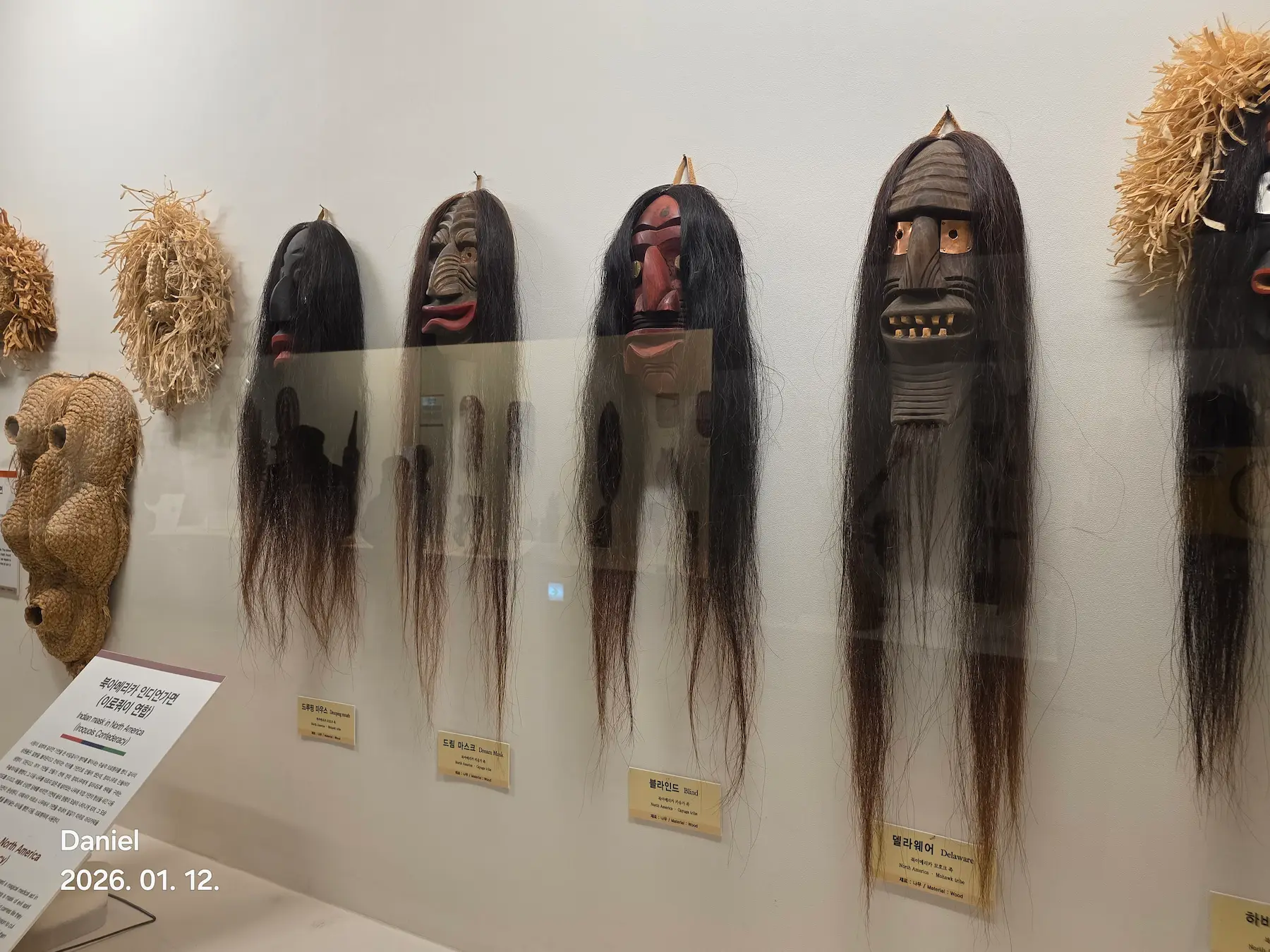
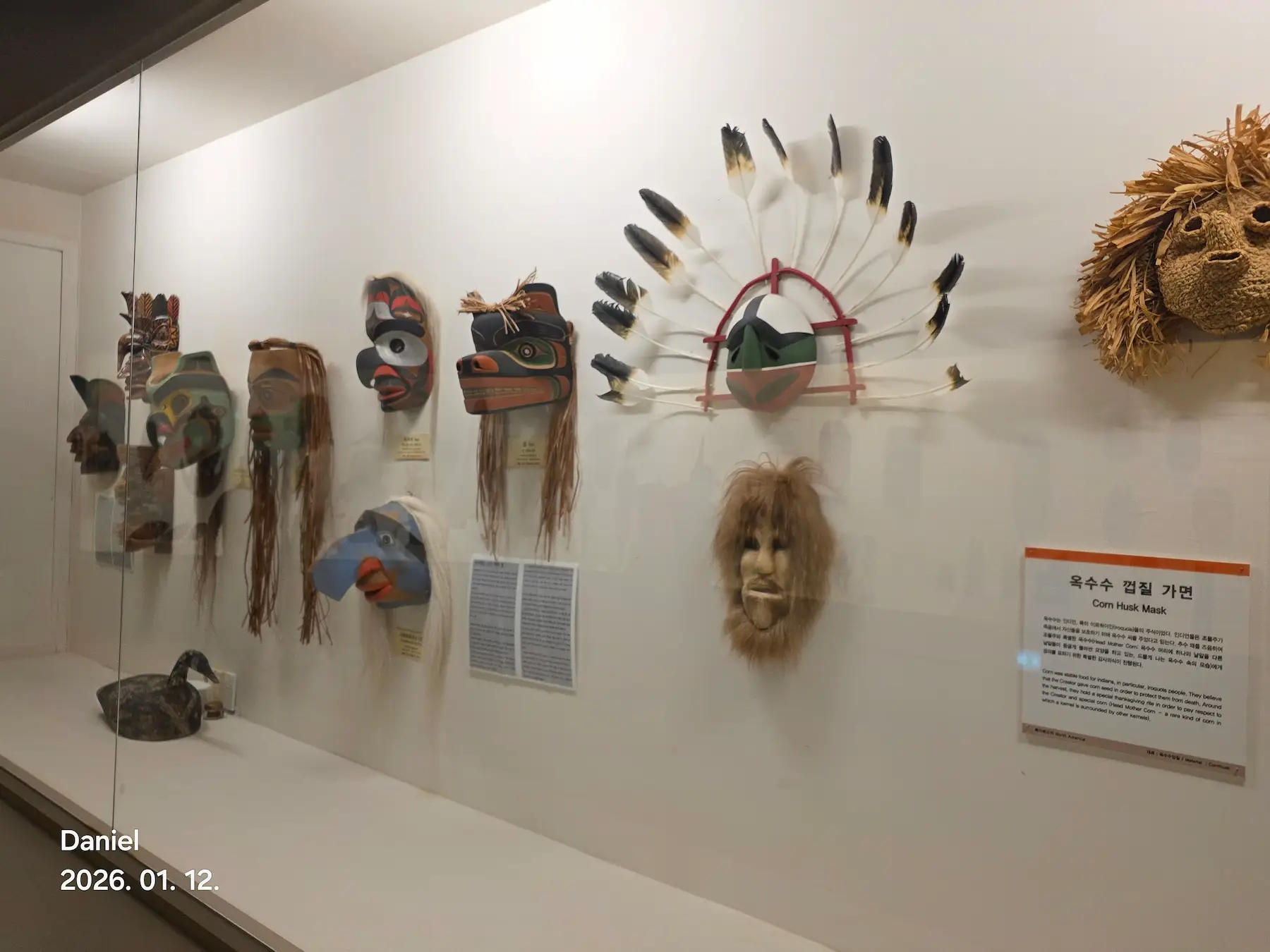
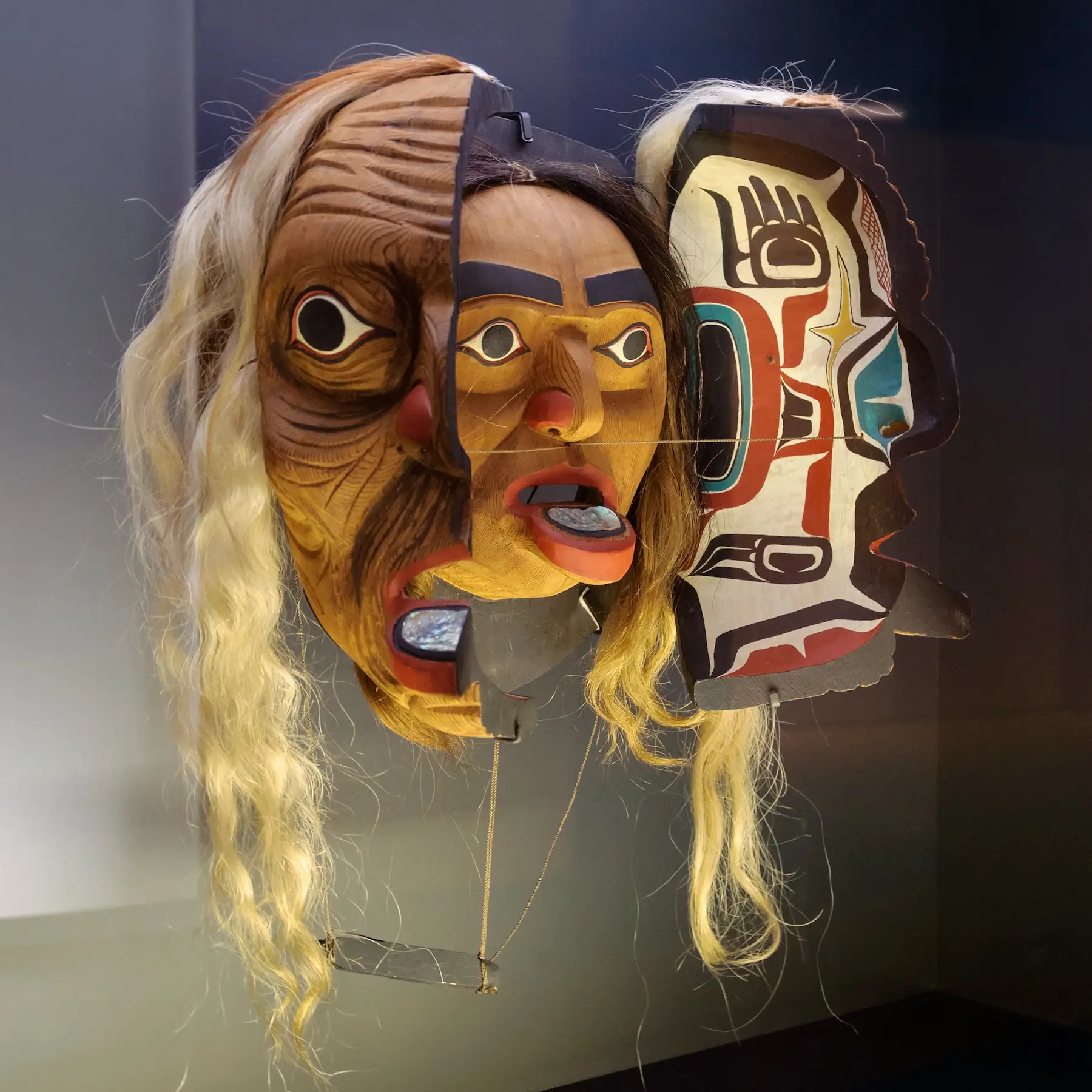
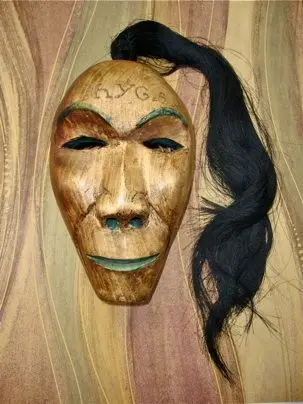
Native American masks were created for healing, ritual, and connection to ancestral forces.
Elongated wooden faces and corn husk masks reflect ties to land and seasonal cycles.
Here, the mask is not disguise — it is relationship.
💀 Mexico — Between Death and Life
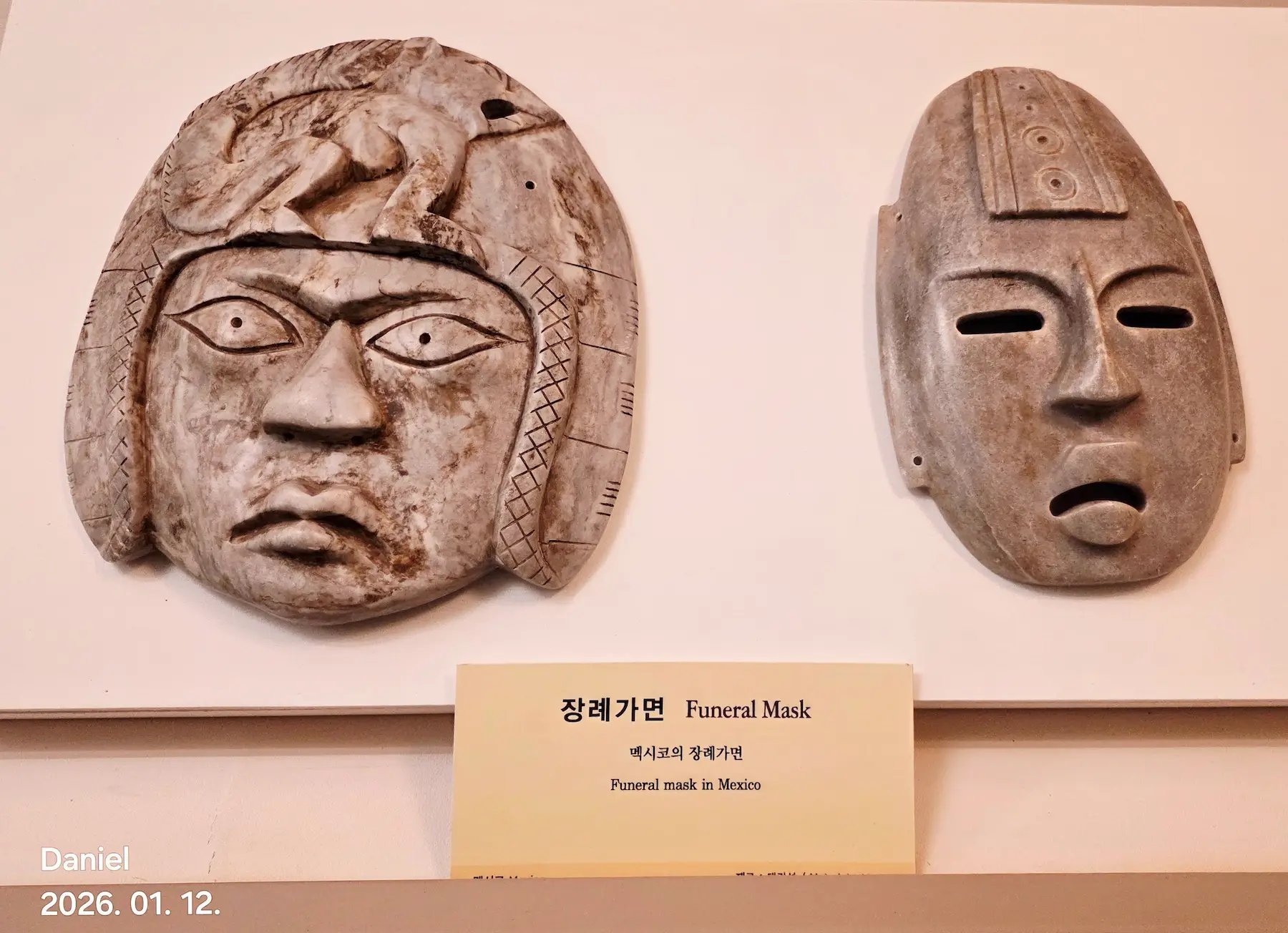
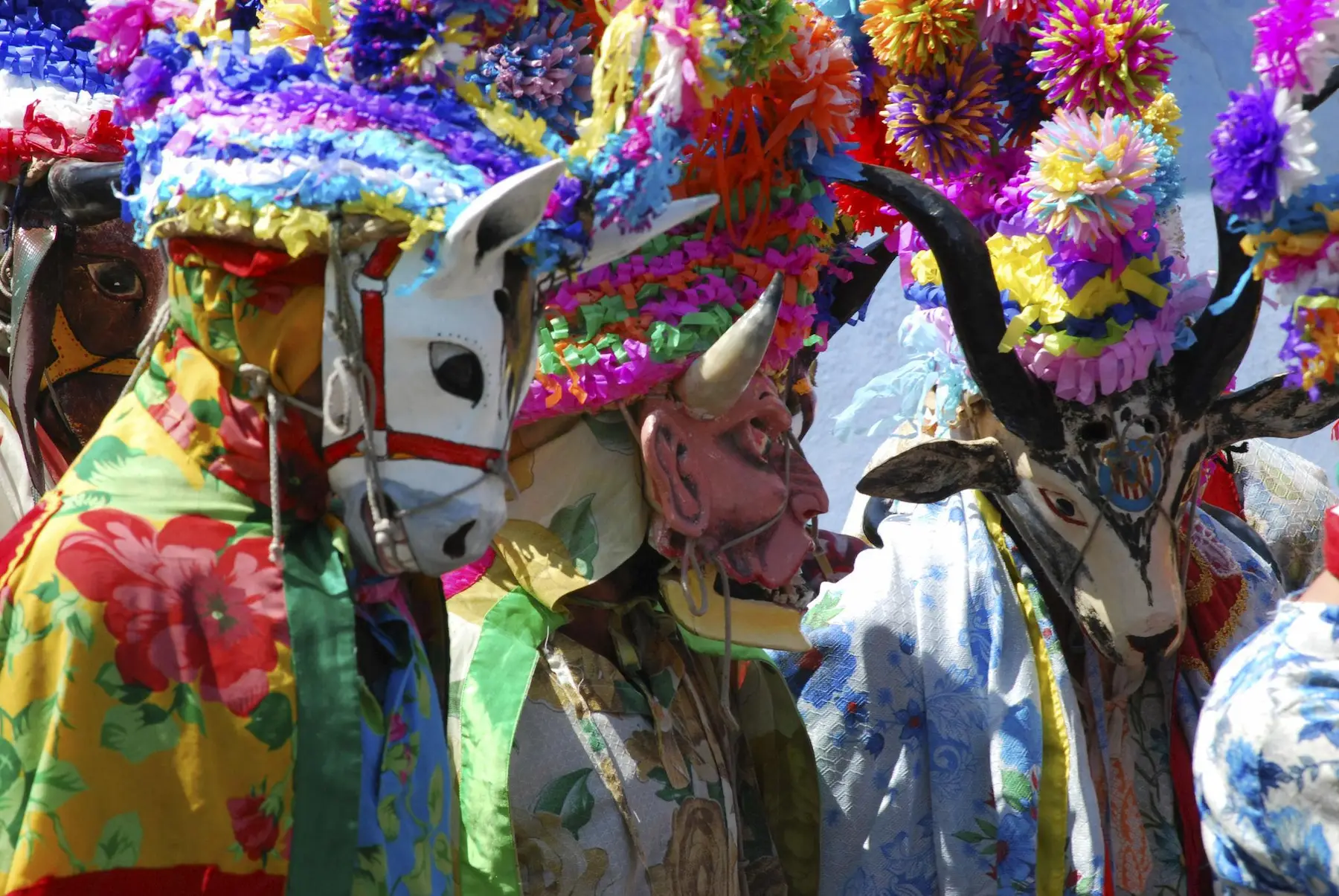
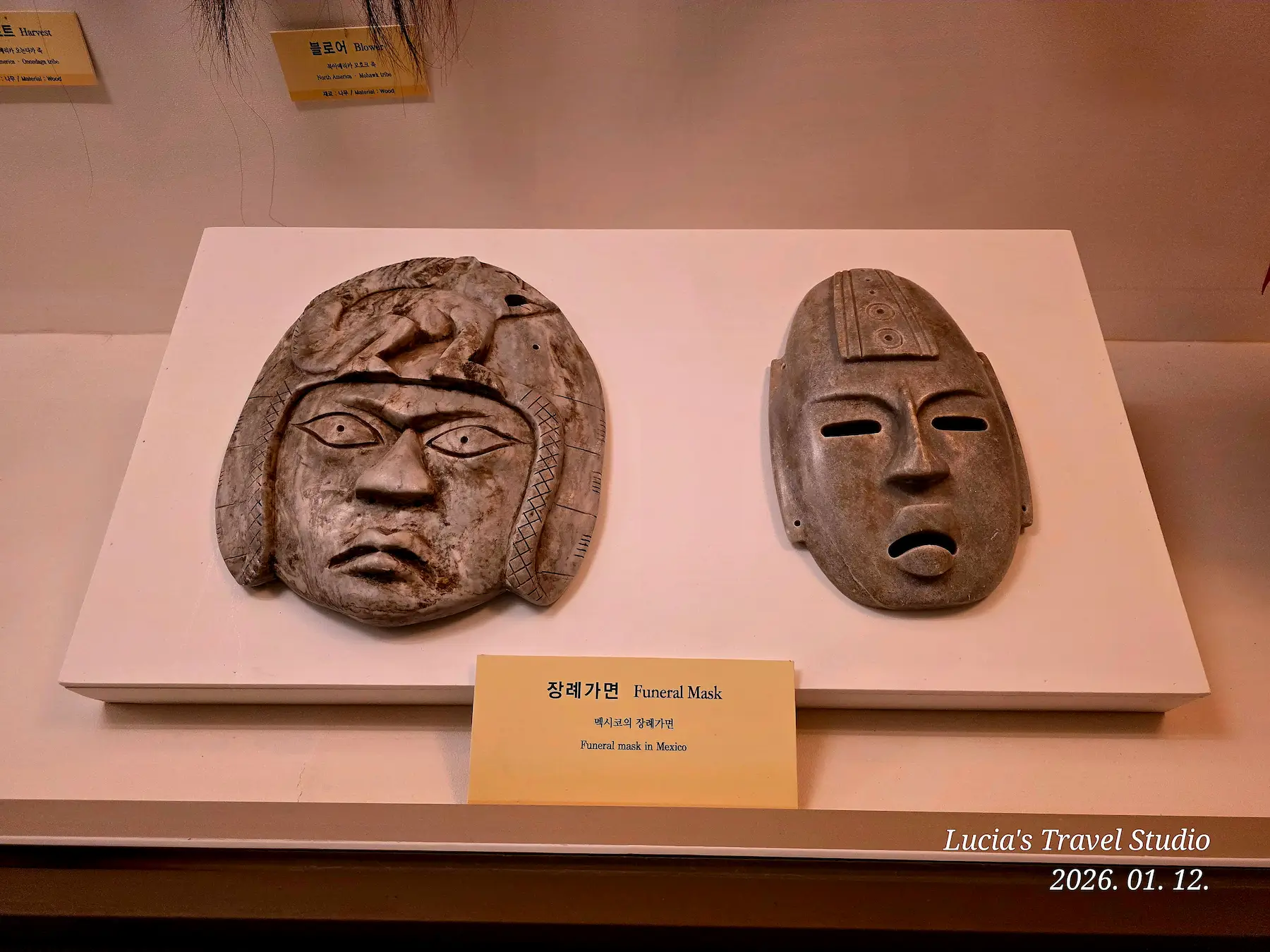
Stone funeral masks once protected the soul in the afterlife.
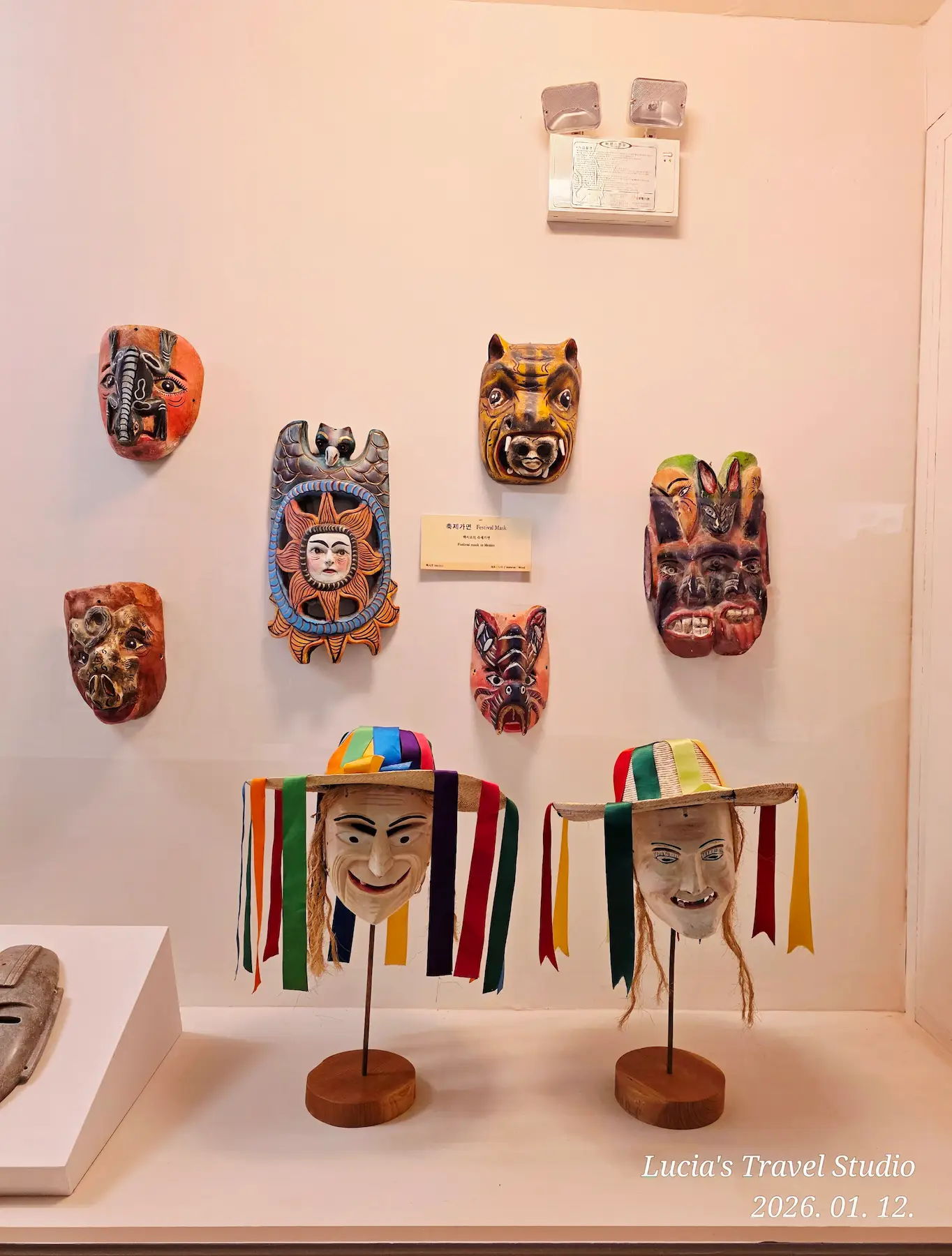
Festival masks burst with color in village celebrations and Carnival reenactments.
In Mexico, death and celebration coexist as transformation.
🌍 Africa — Presence, Not Symbol (Halls 4 & 5)
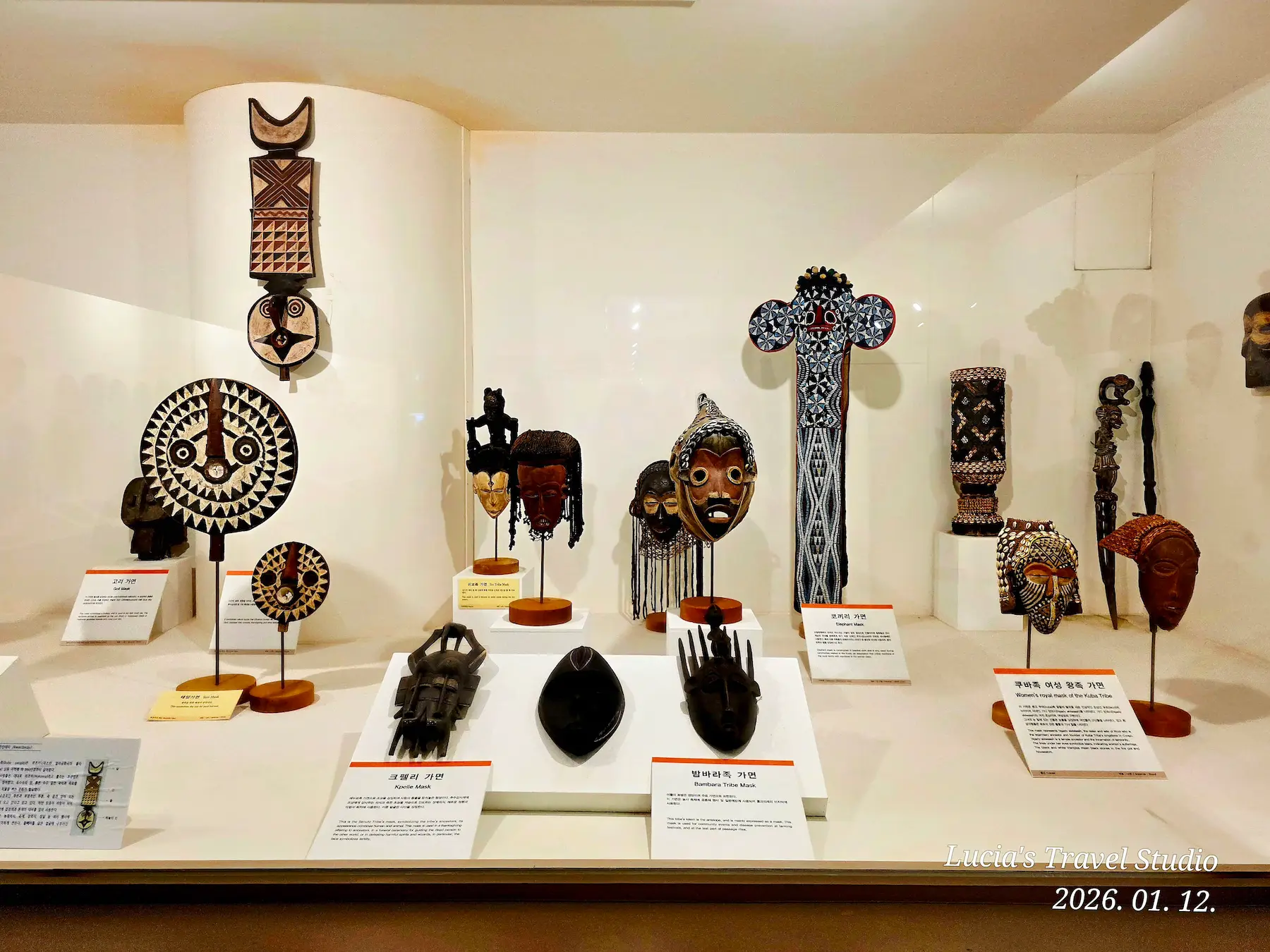

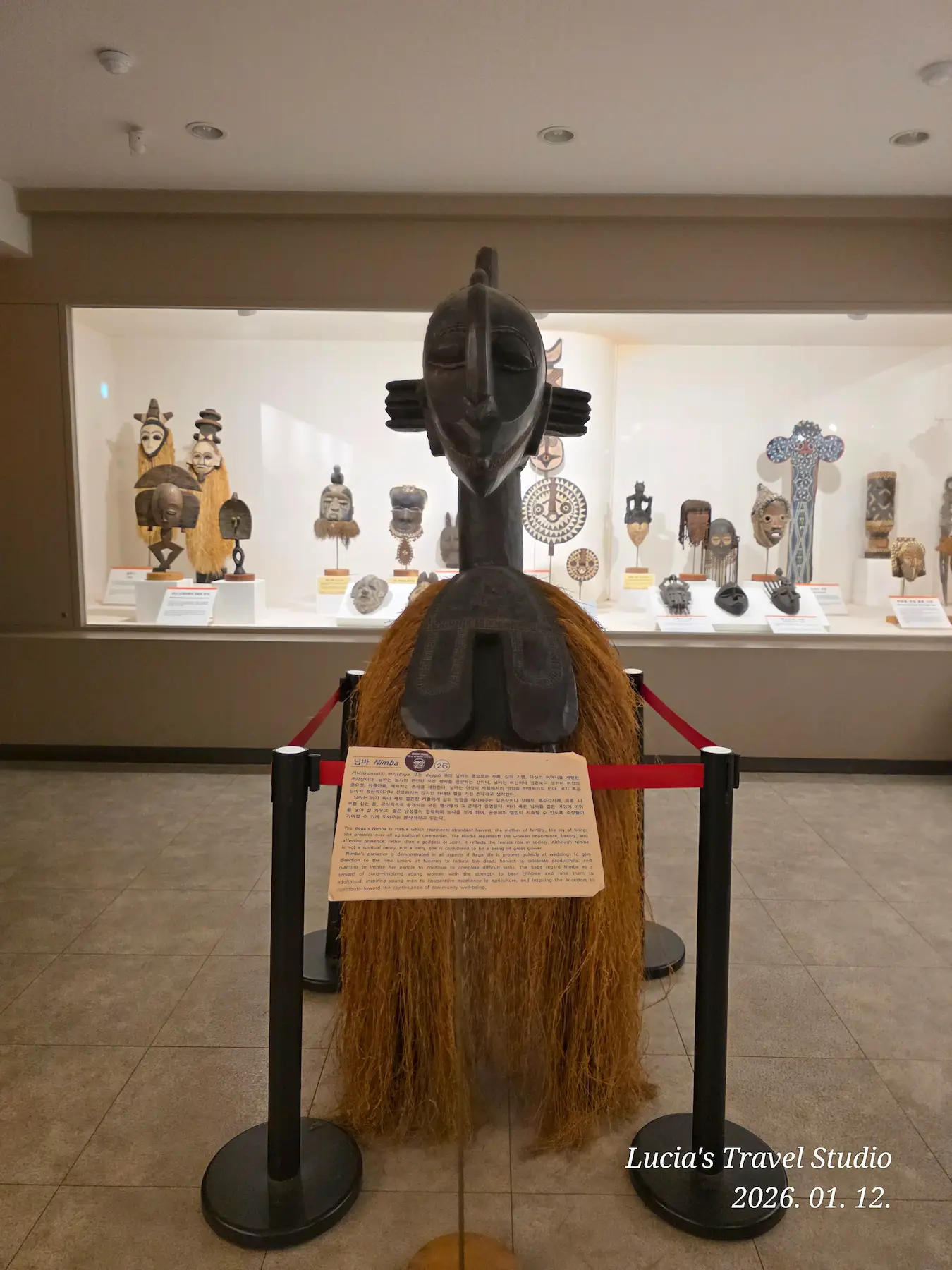
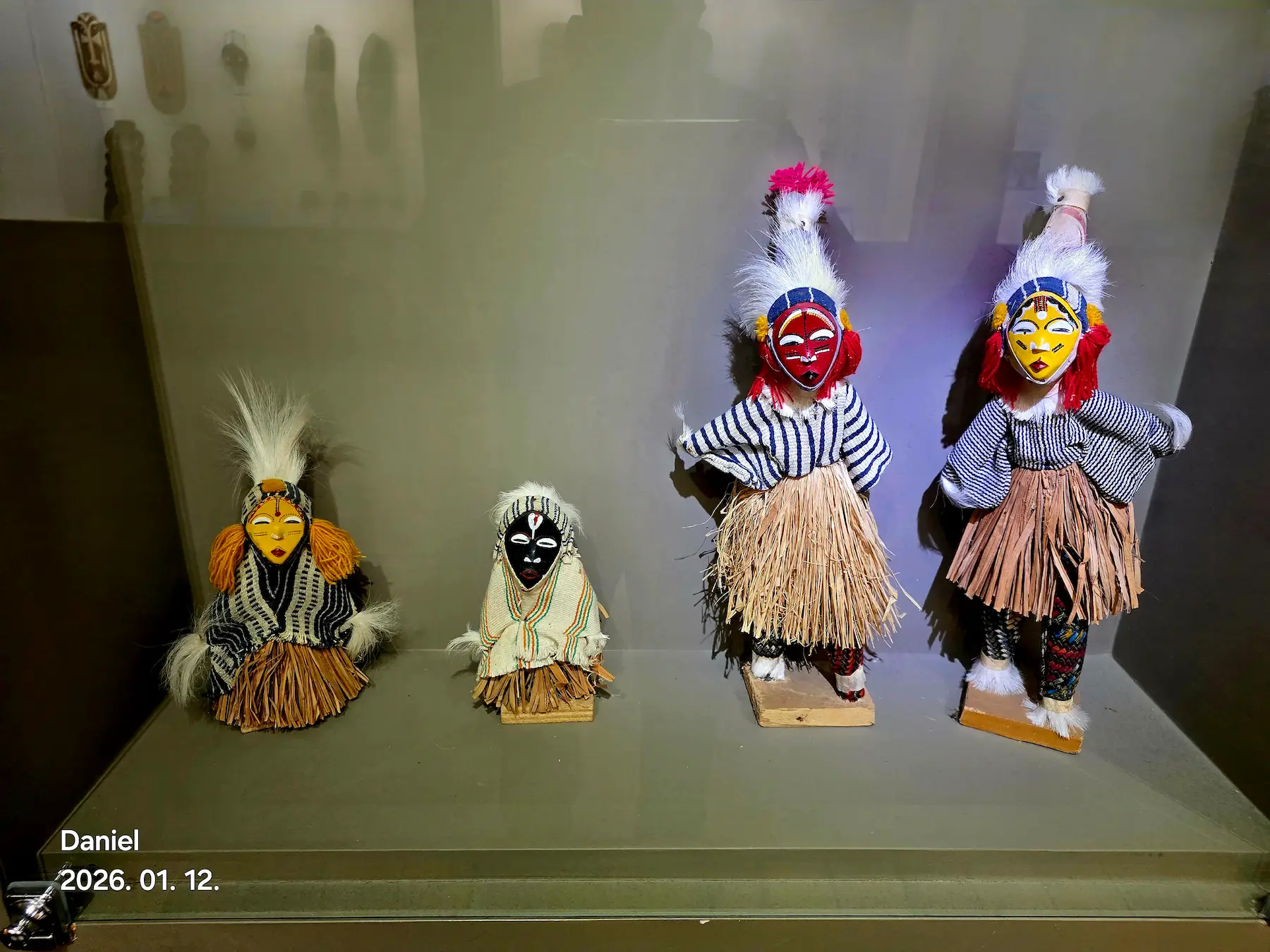
The towering Nimba of Guinea embodies fertility and survival, carried by a hidden performer.
Royal, funerary, and acrobatic masks across West and Central Africa reveal immense regional diversity.
Here, masks are not metaphors — they are living presence.
🌊 Oceania — The Ancestors Return
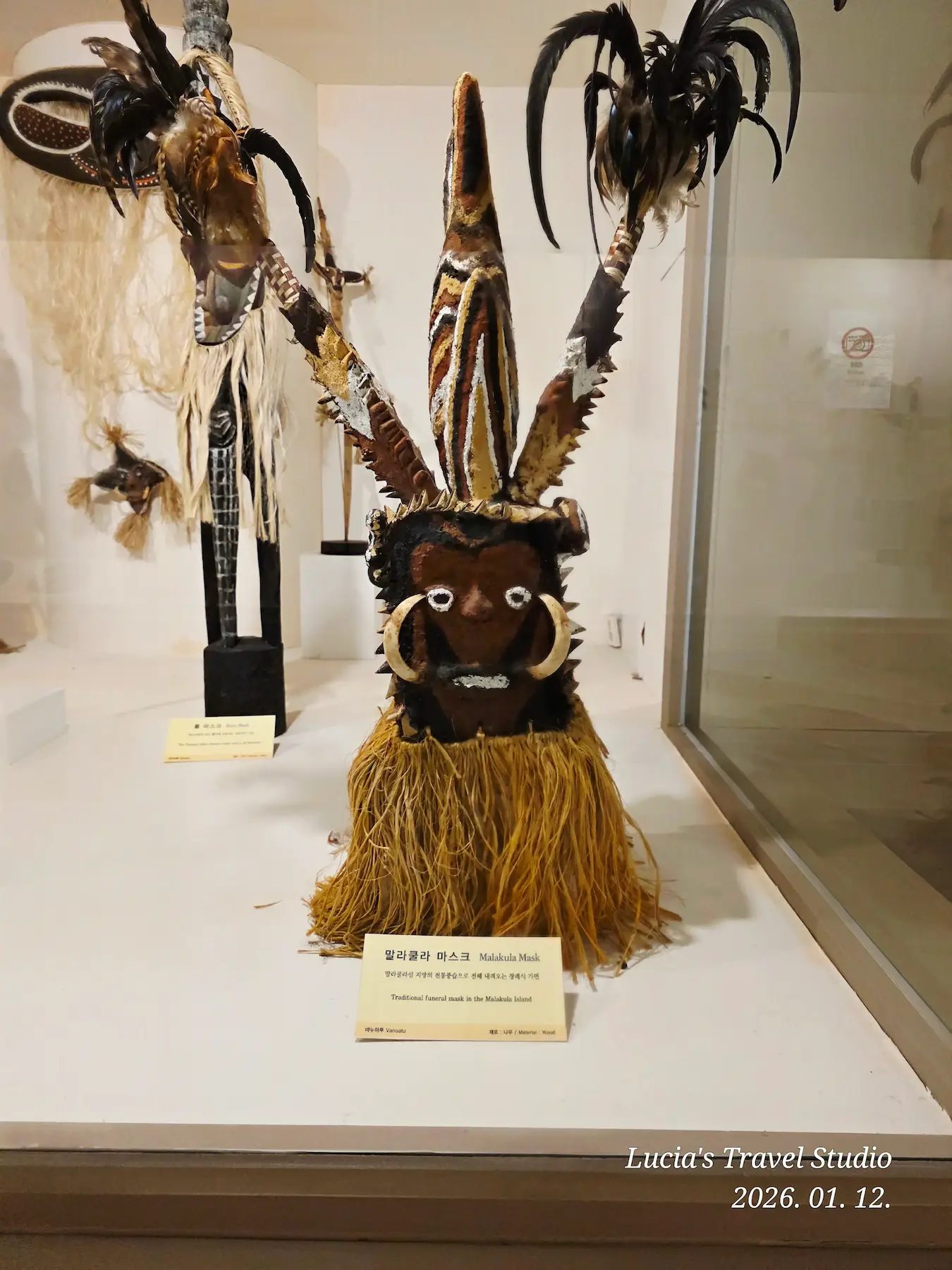
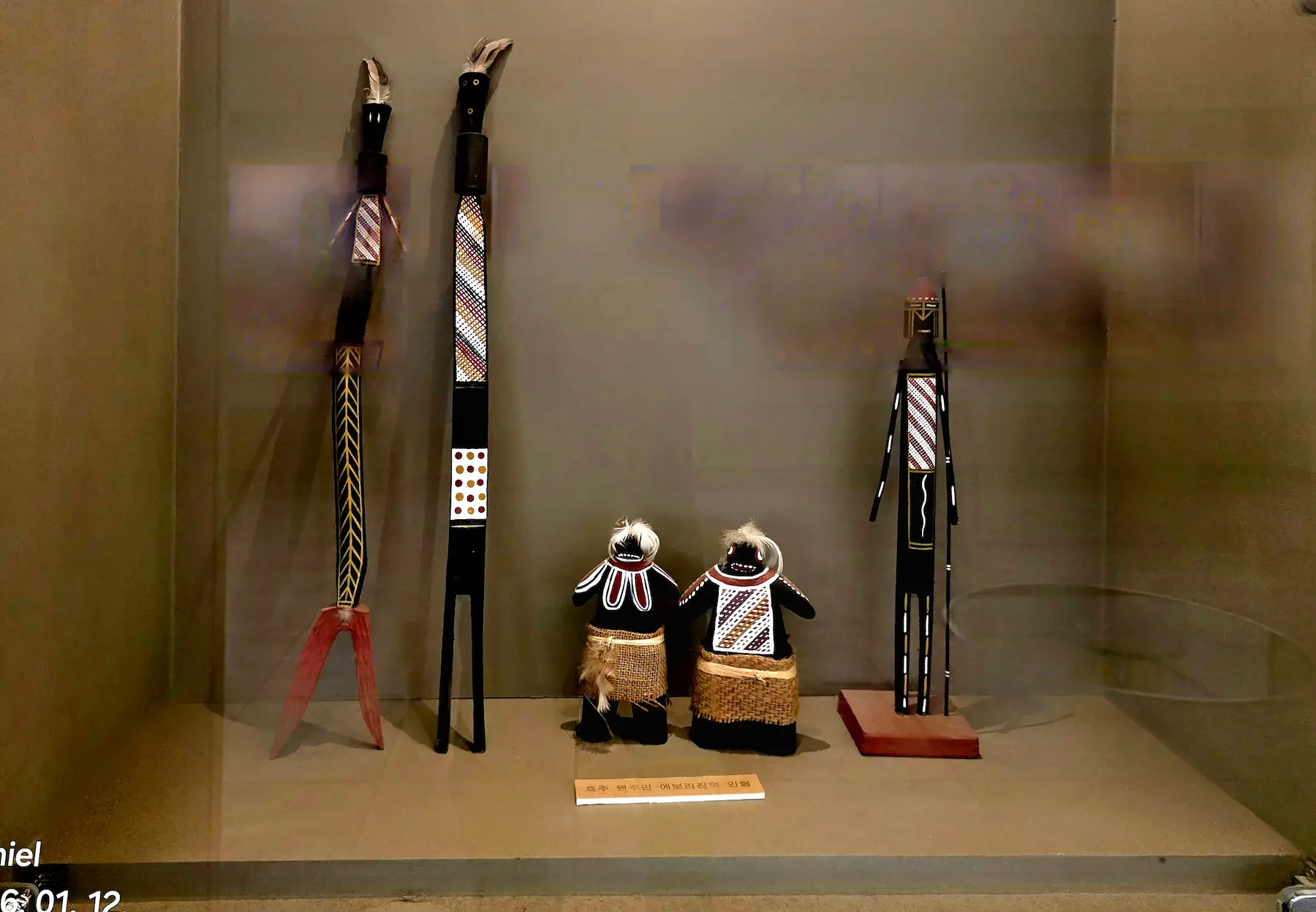
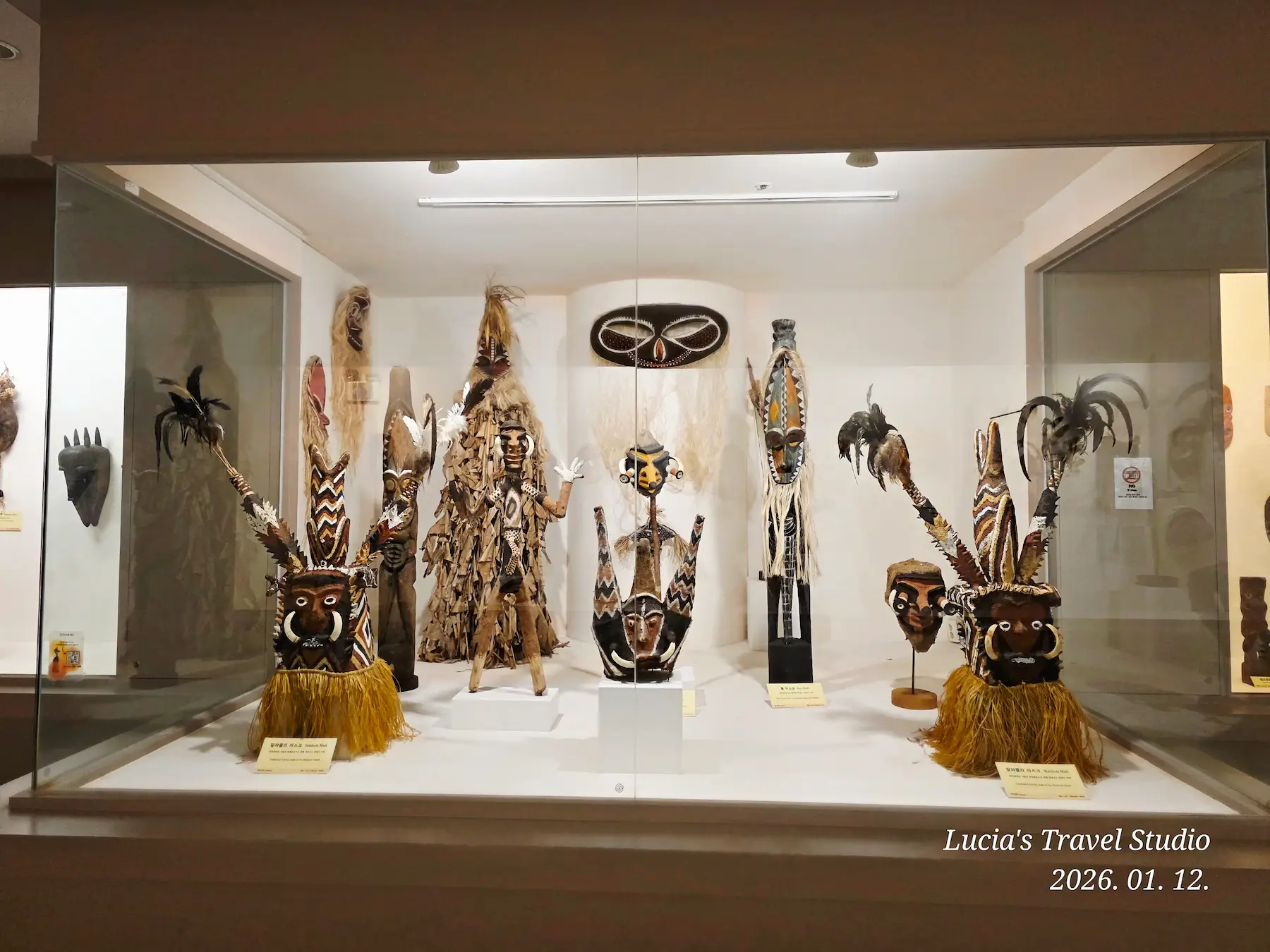
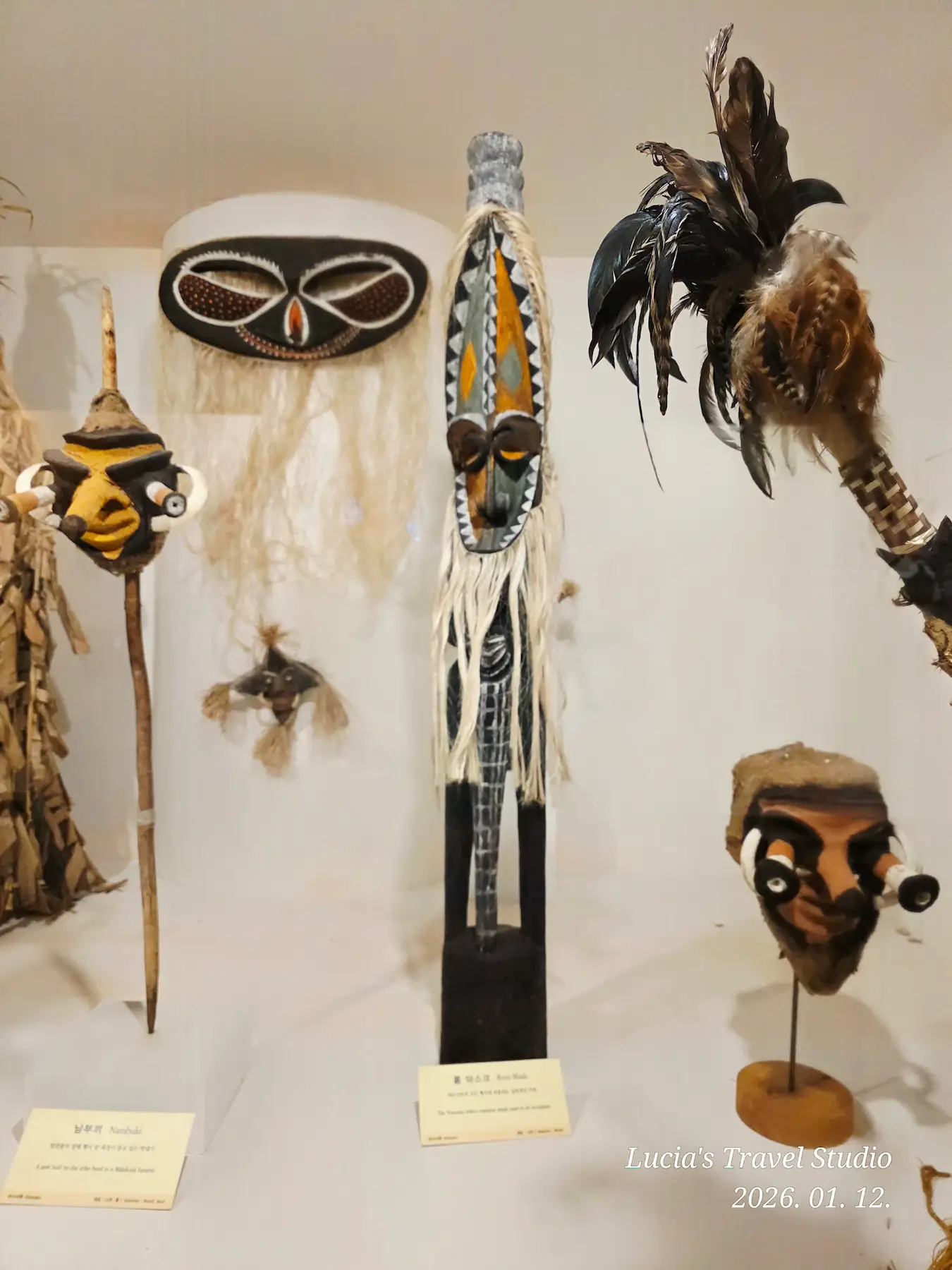
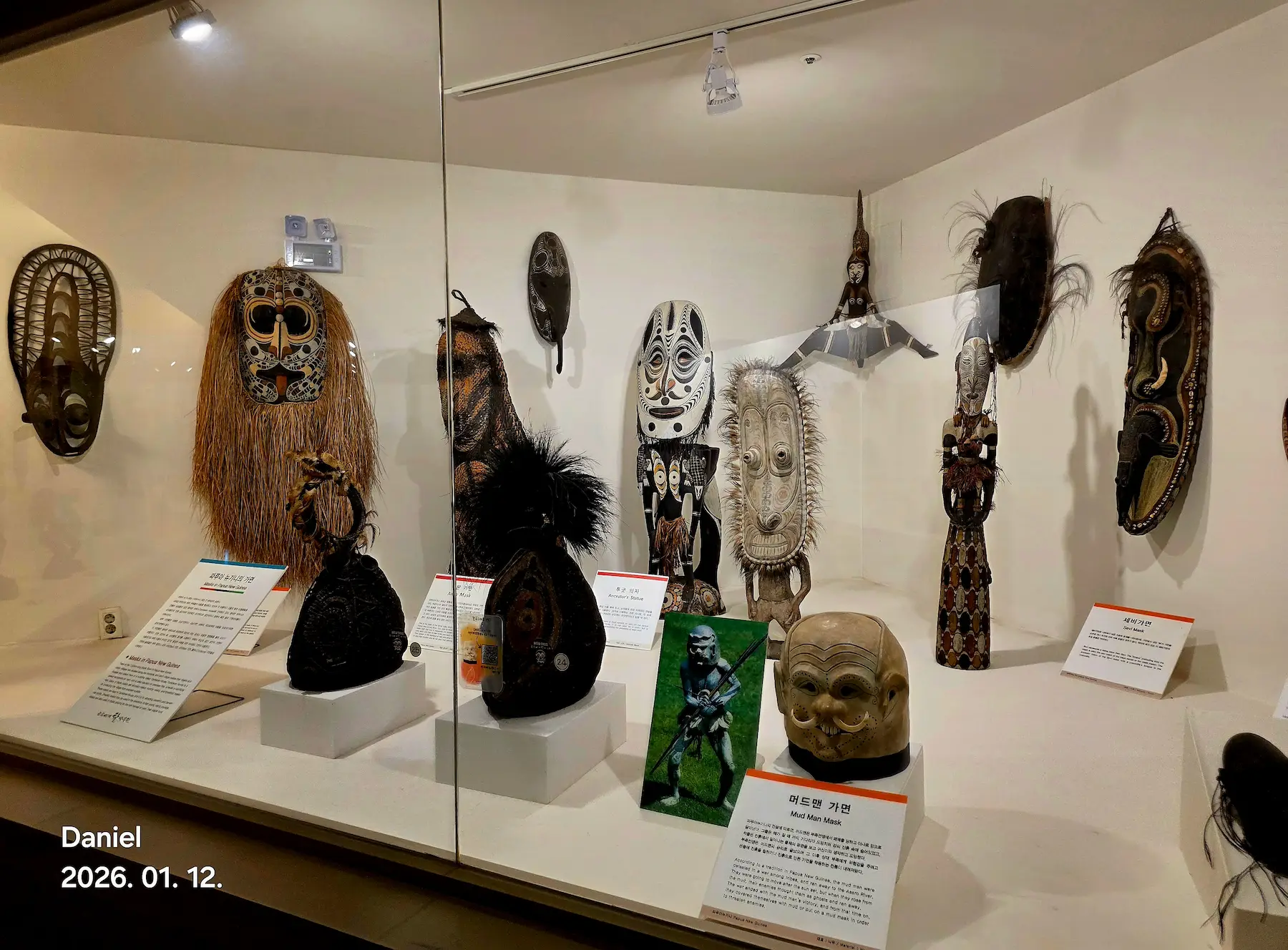
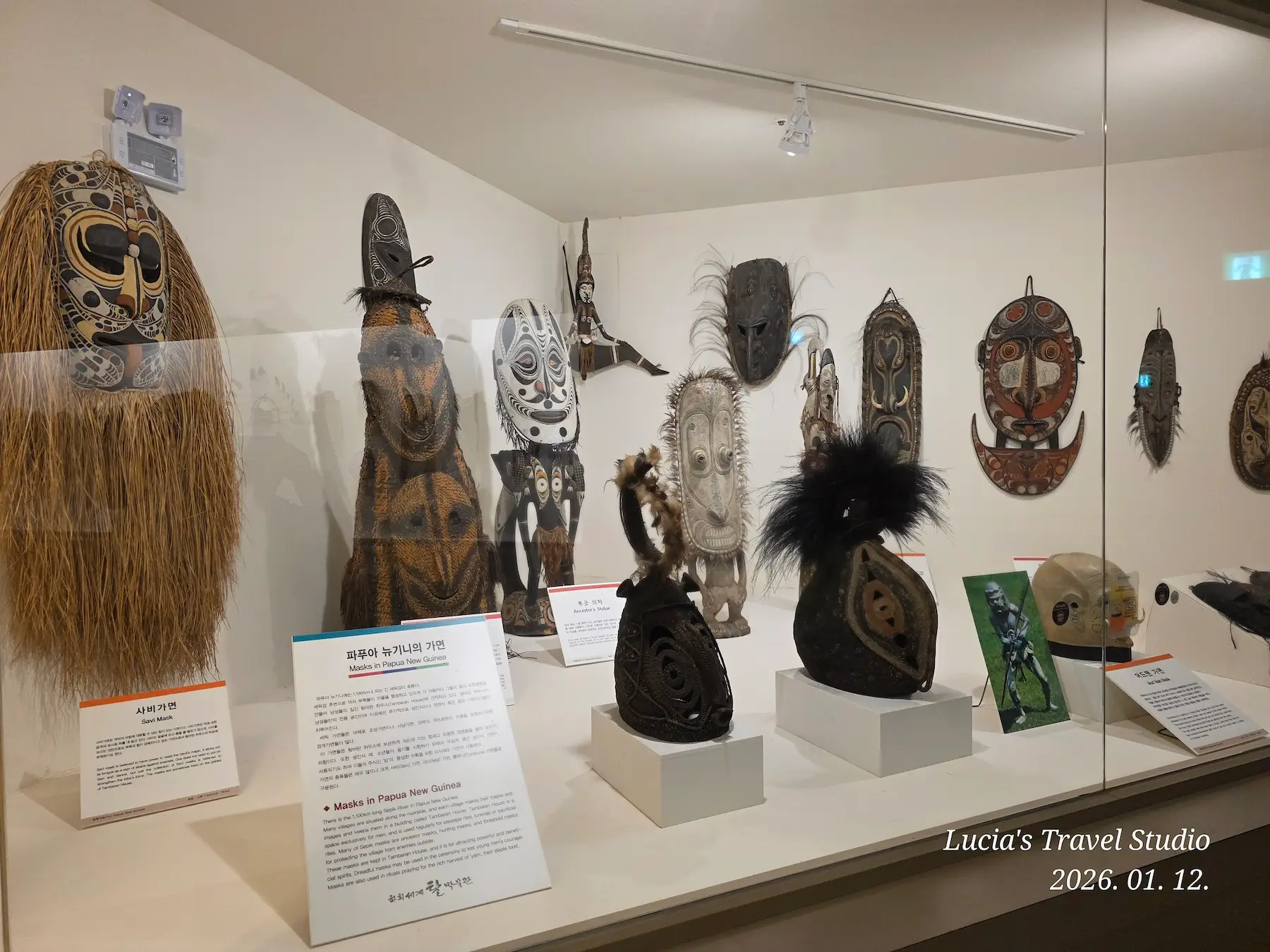
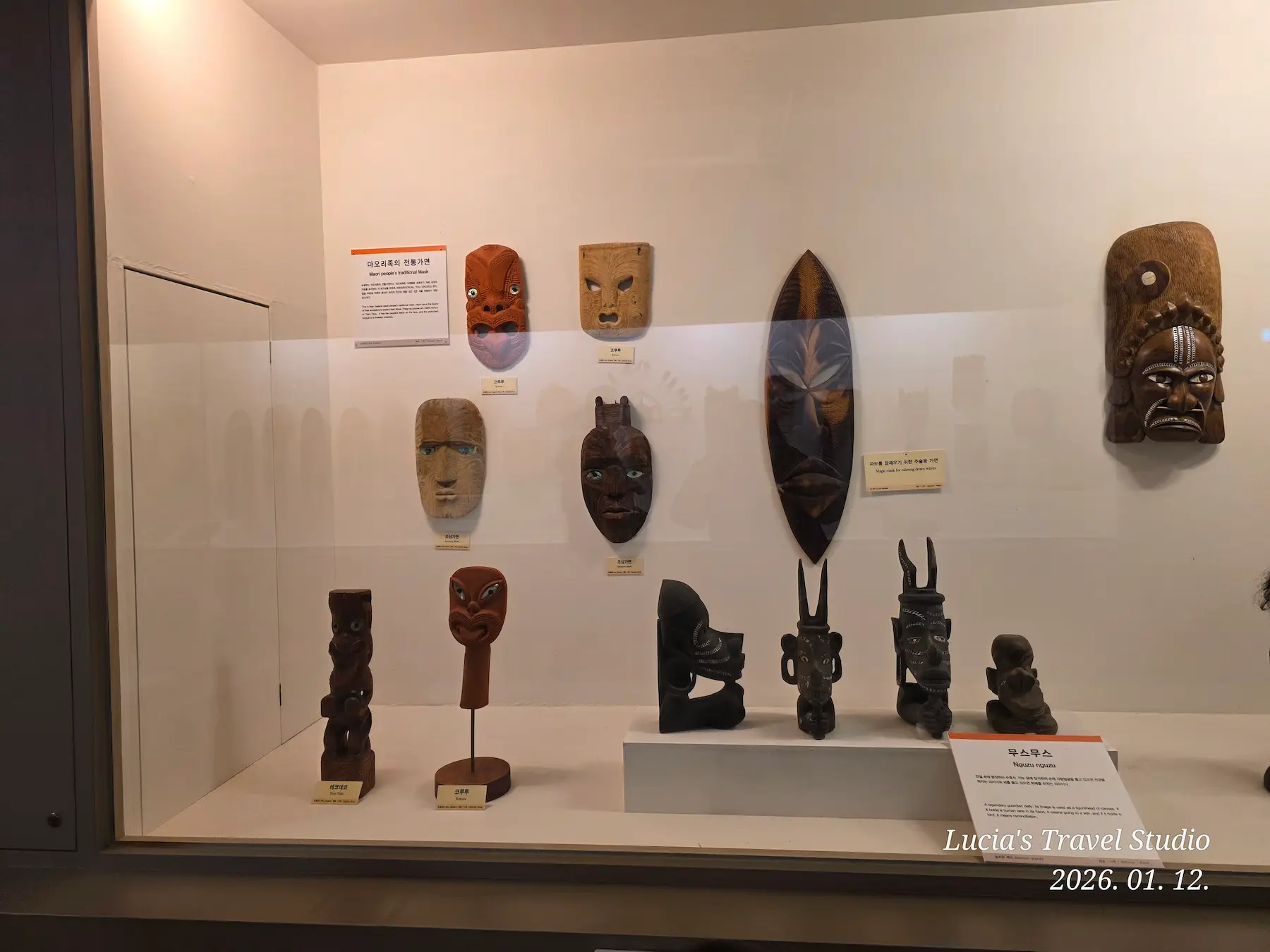
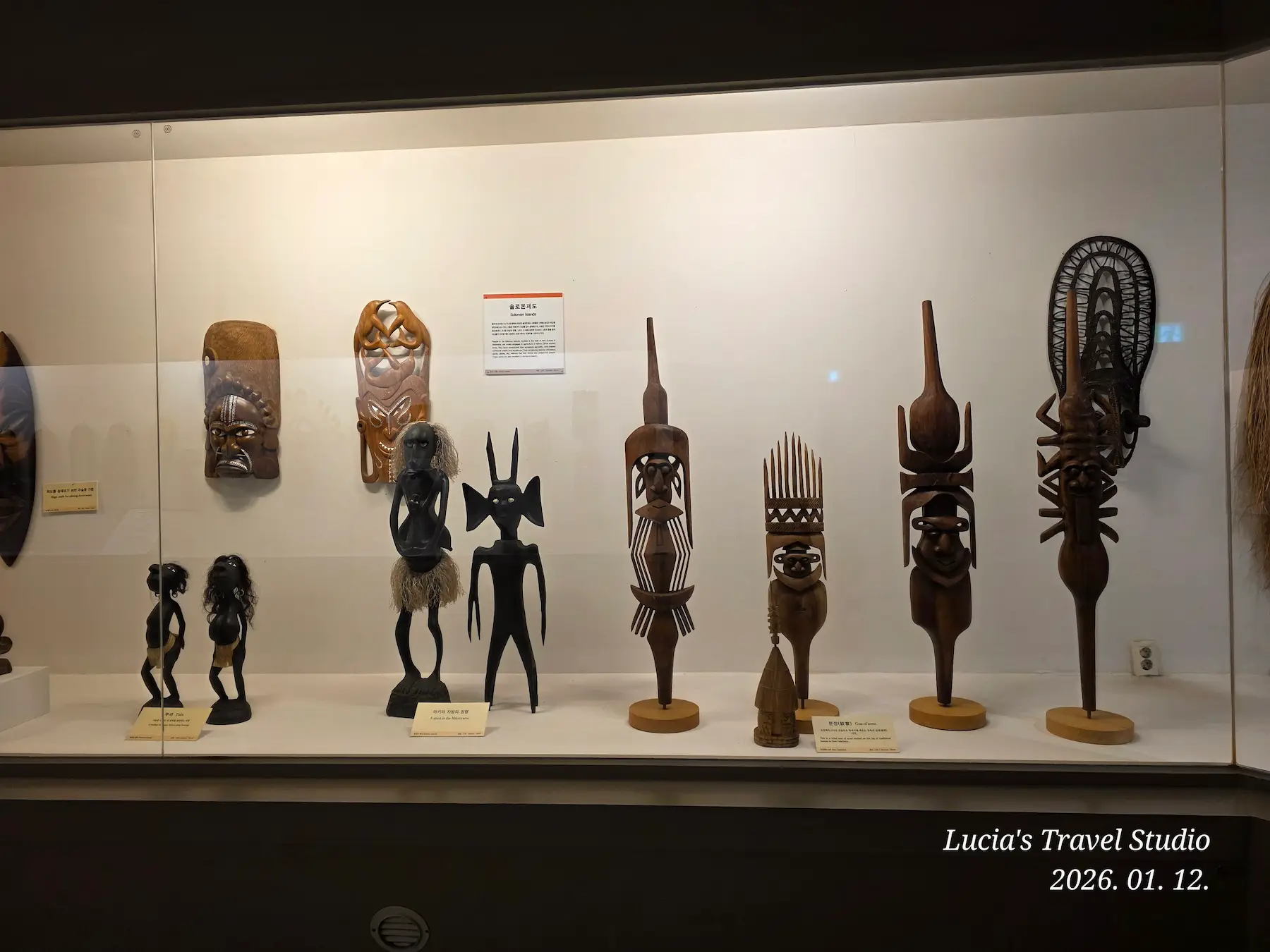
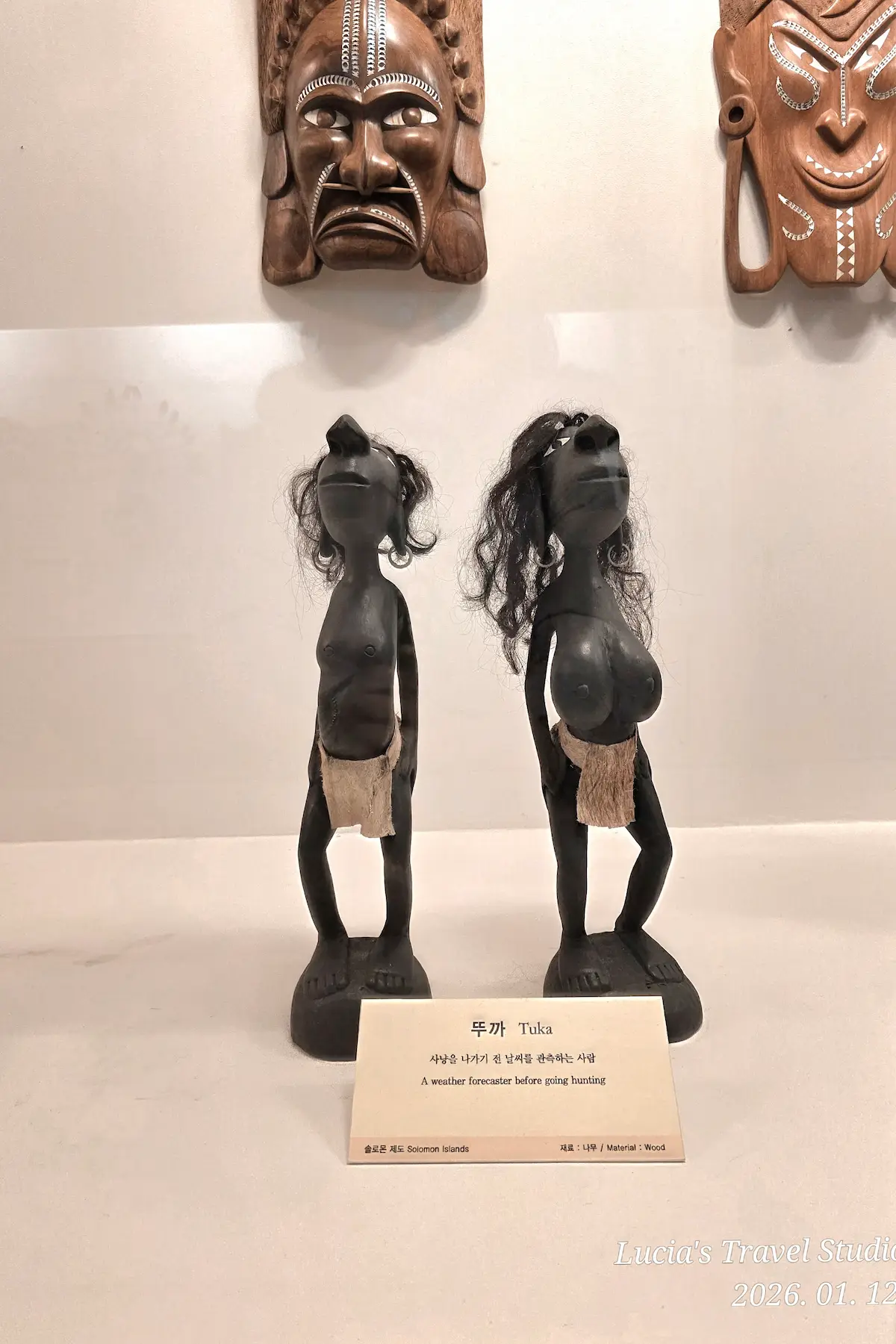
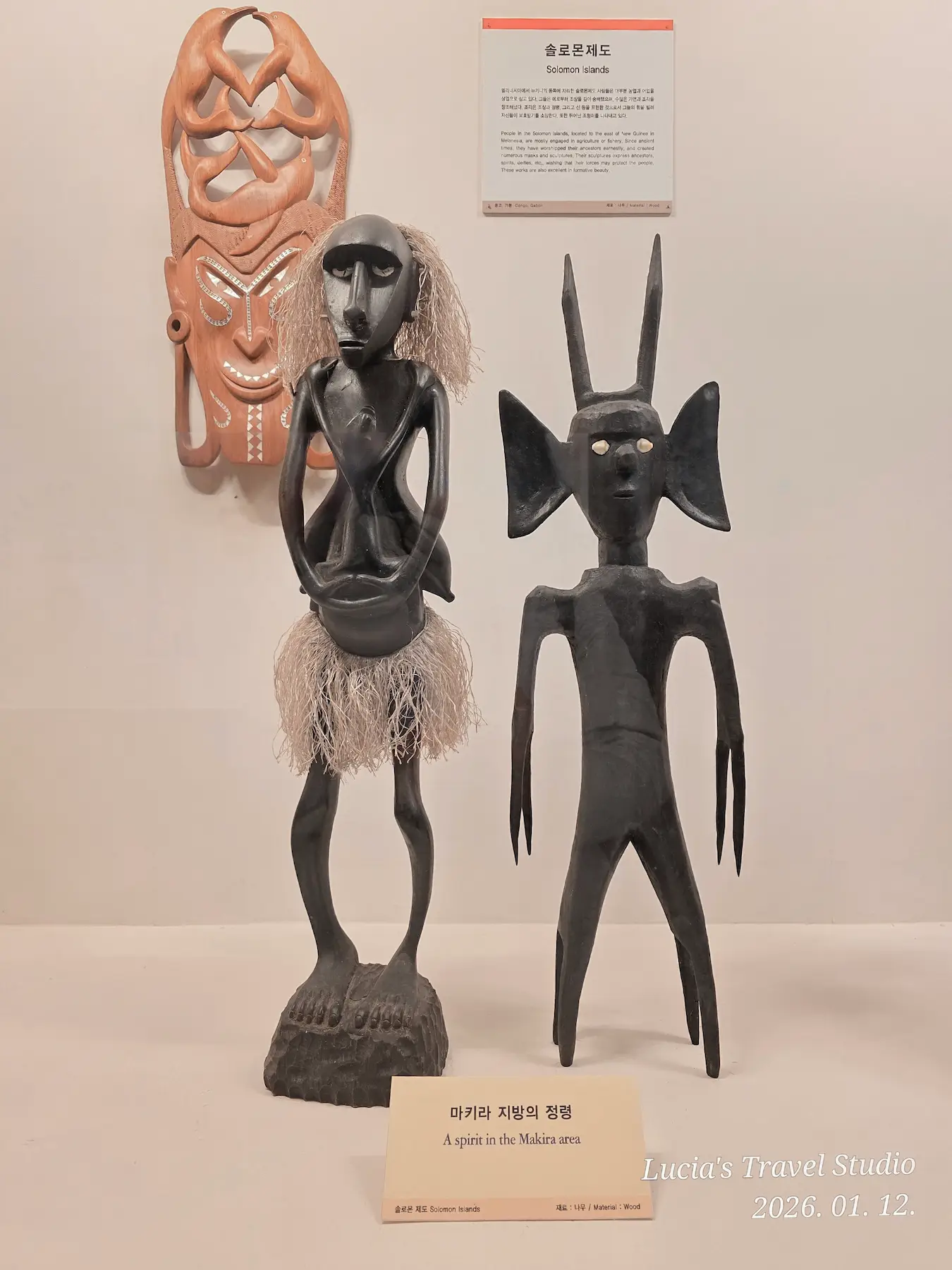
In Oceania, masks and full-body forms represent ancestors visiting the living.
From Papua New Guinea to Vanuatu and the Solomon Islands, spirits are carved, feathered, and embodied in monumental scale.
These are not costumes — they are beings that must be honored, housed, and sent back.
🛍️ Before You Leave — Stop by the Gift Shop
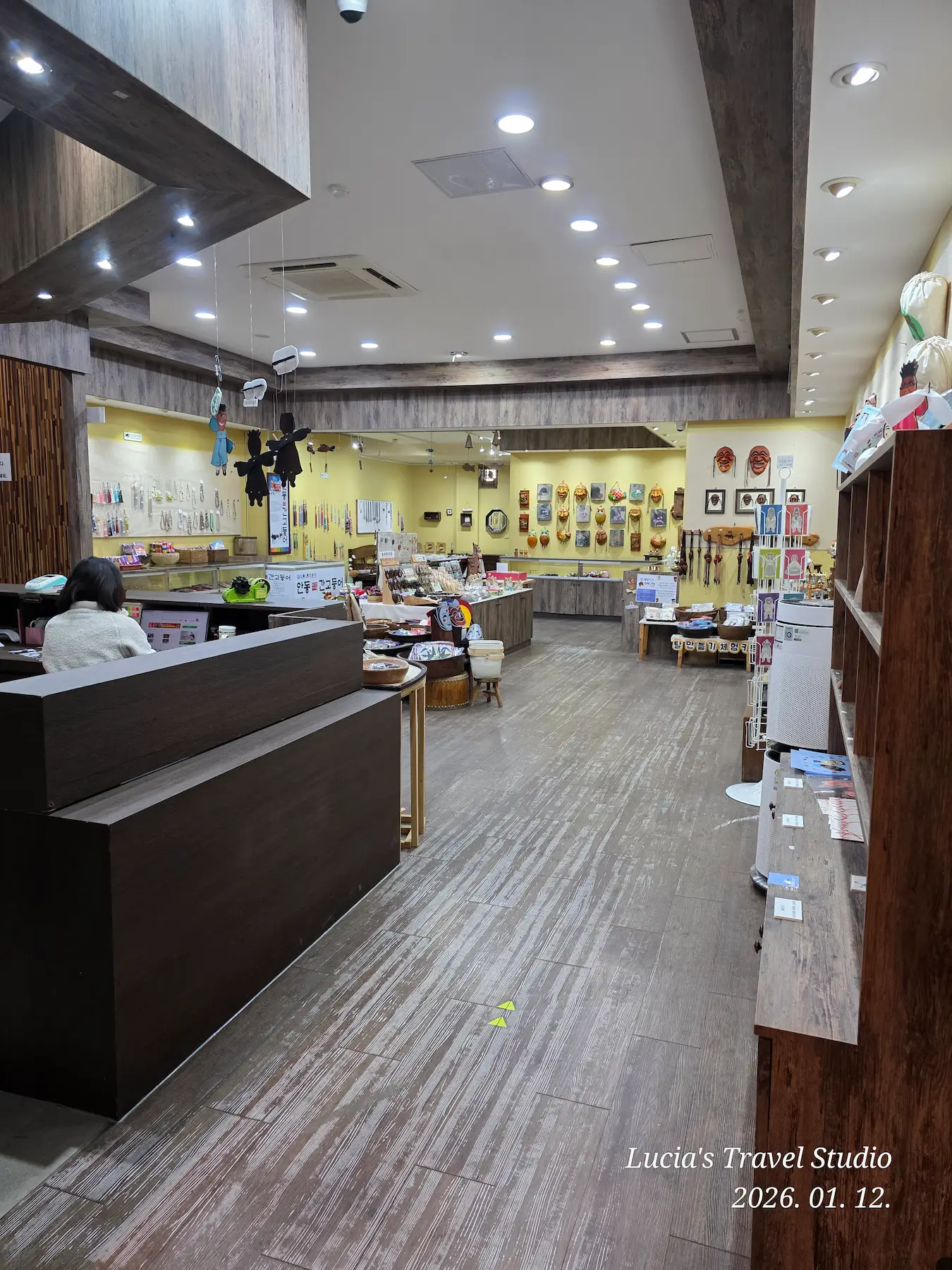
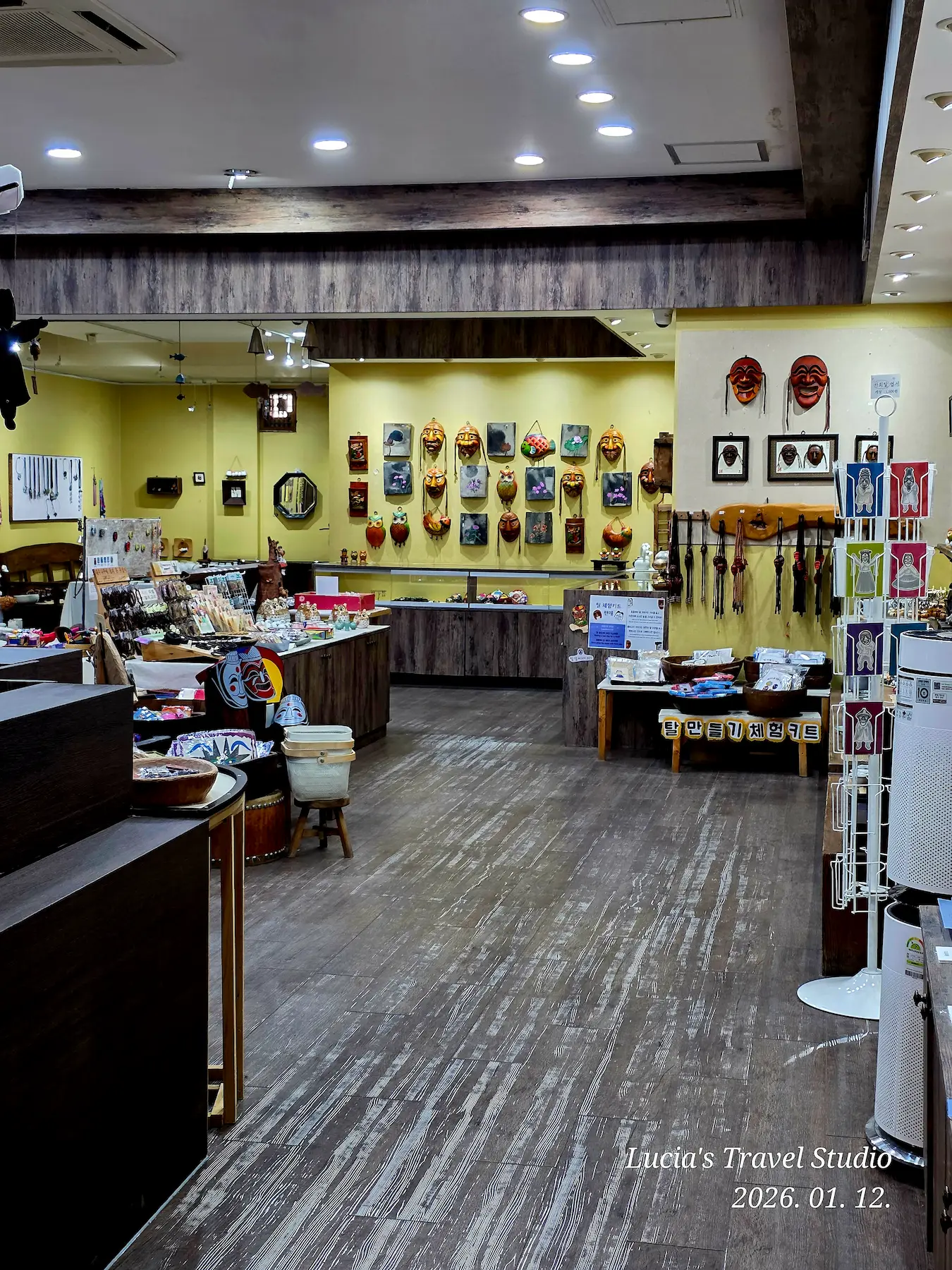

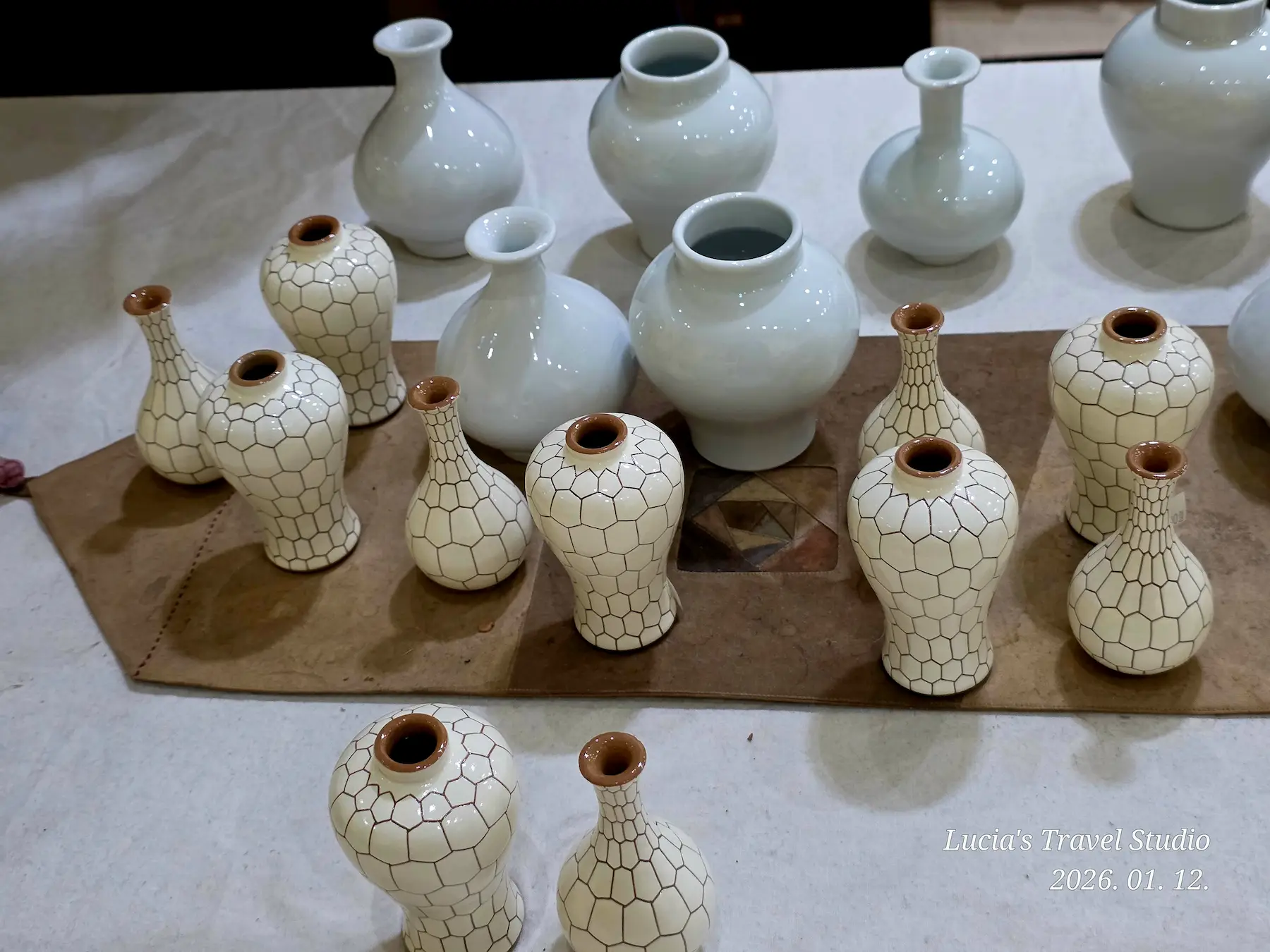
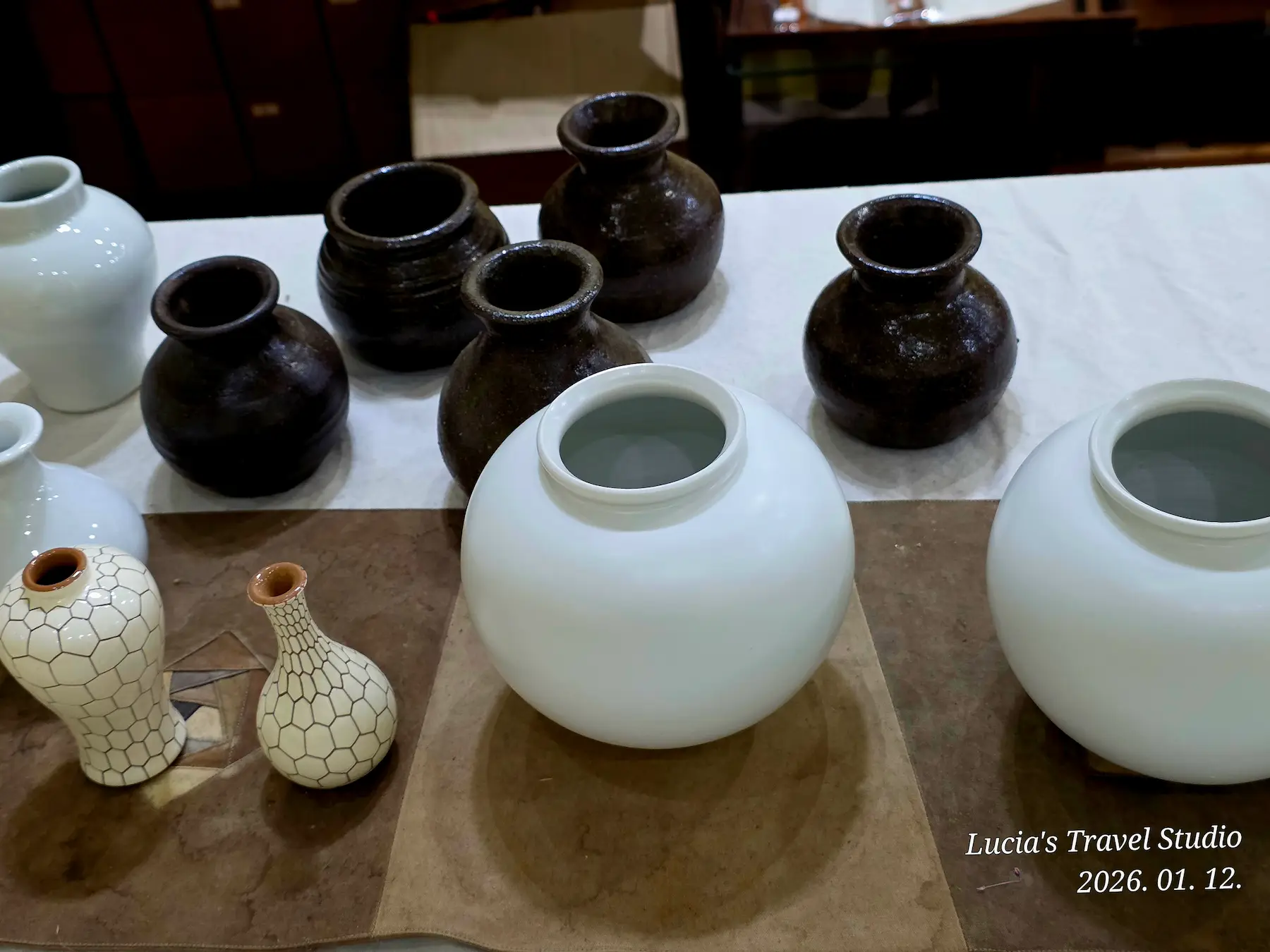


Before heading out, I stopped by the museum gift shop.
You’ll find beautifully crafted Korean traditional masks — including miniature Hahoe styles — along with colorful norigae ornaments and elegant ceramic pieces in classic white and earthy brown tones.
It’s not overly commercial or crowded.
Just a quiet space where you can take a small piece of Korean craft tradition home.
💡 Tip: Visit the museum first.
Understanding the masks changes how you see the village.
📚 Further Reading
If you’re planning a deeper trip to Andong, these guides might help:
- If you’re planning your trip, check my complete Korea travel guide.
Andong Hahoe Village Guide — Where Time Moves Gently
A detailed introduction to Korea’s most iconic folk village, its history, and what makes it feel so timeless.Andong Travel Course — Following the Filming Locations of K-drama, Mr. Sunshine
A scenic route through Andong inspired by the drama’s memorable shooting spots.Andong Traditional Food Guide — Heotjesabap & Andong Jjimdak
A closer look at the region’s signature dishes and the stories behind them.