Hospital Stay in Korea: A Life-Changing 5 Days After Spine Surgery
For two years, my husband endured constant lower back and leg pain.
After a winter trip filled with long hours of driving, the pain escalated sharply.
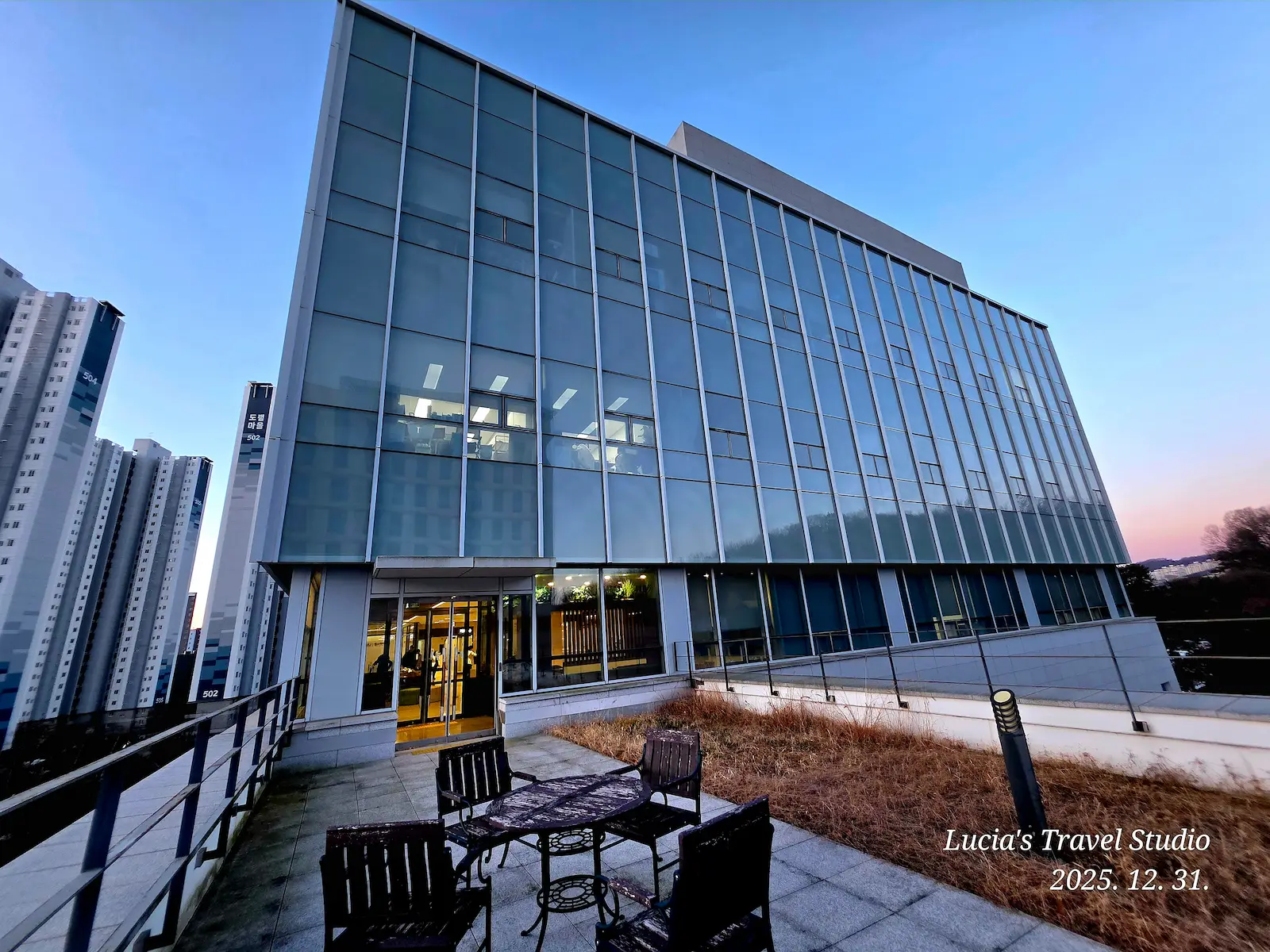
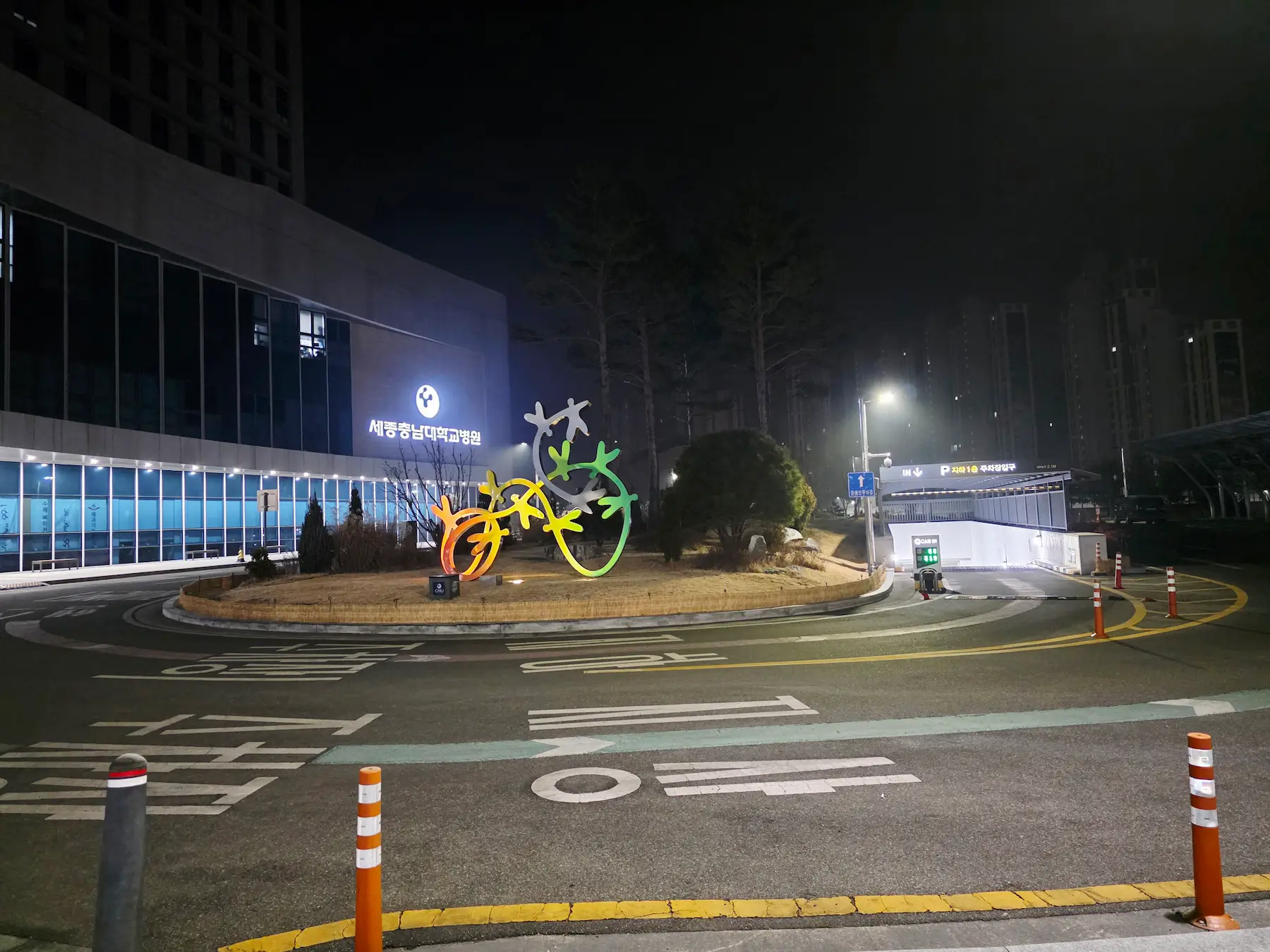
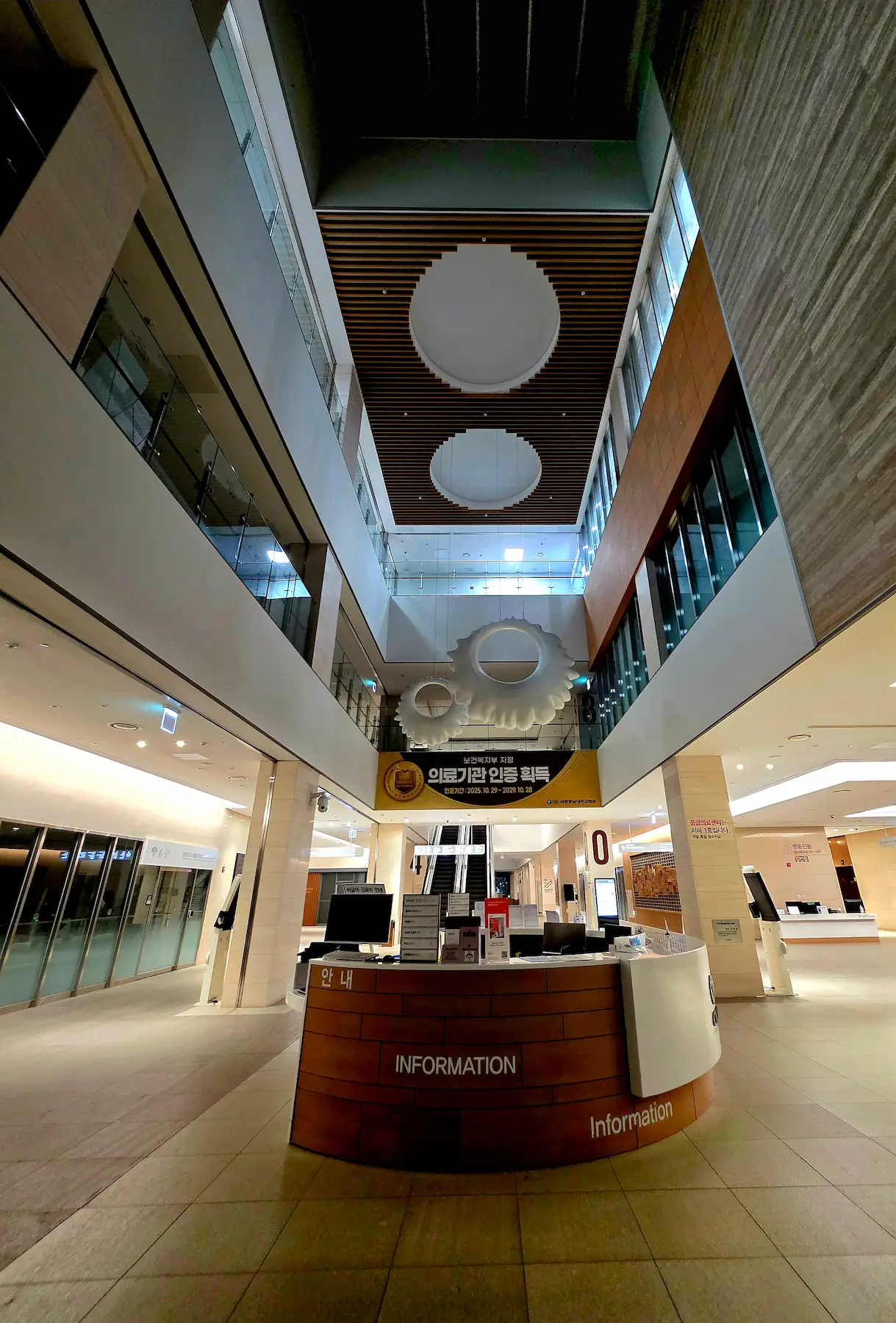
We didn’t hesitate. We booked an urgent appointment in Sejong Chungnam National University Hospital.
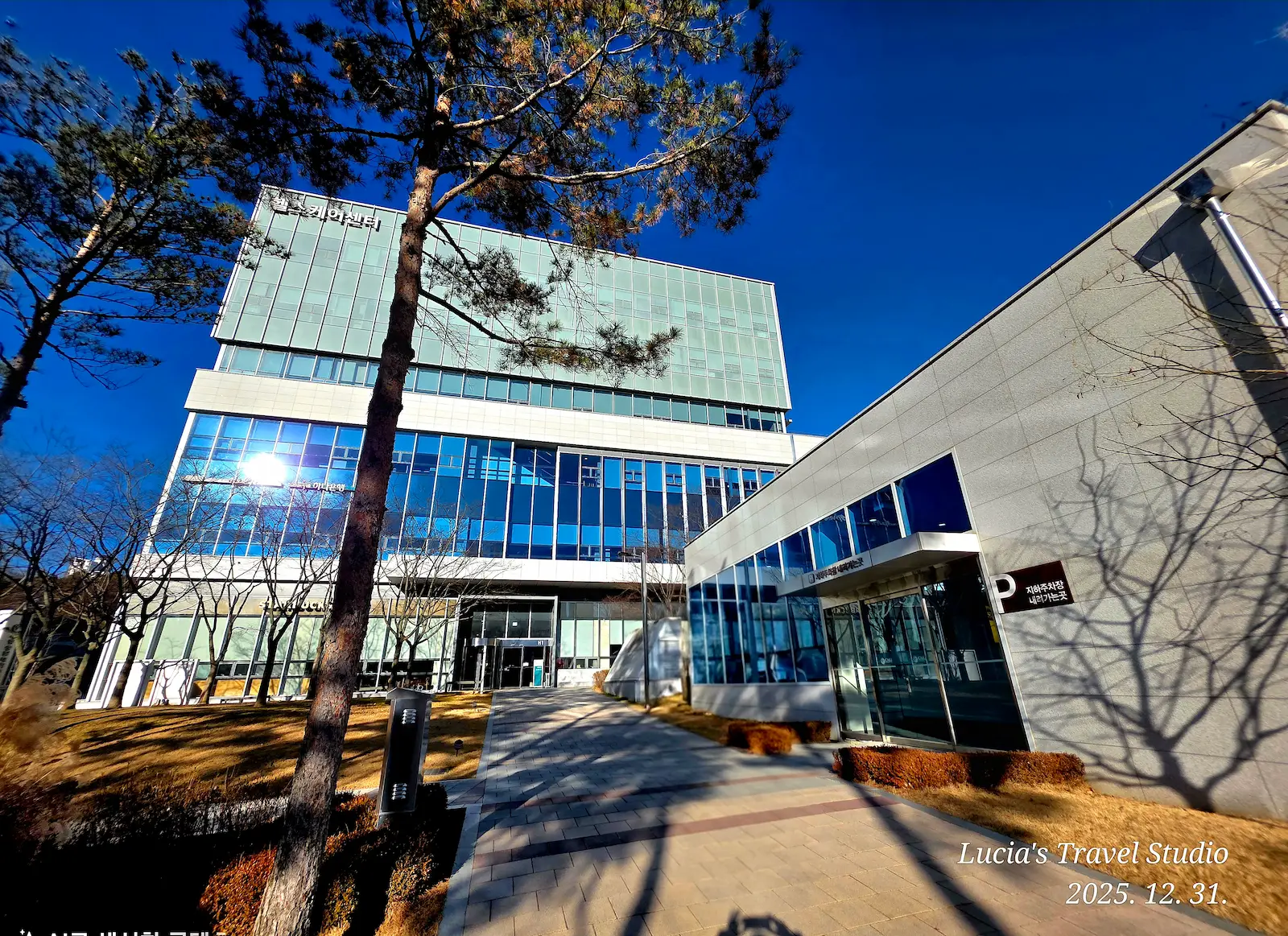
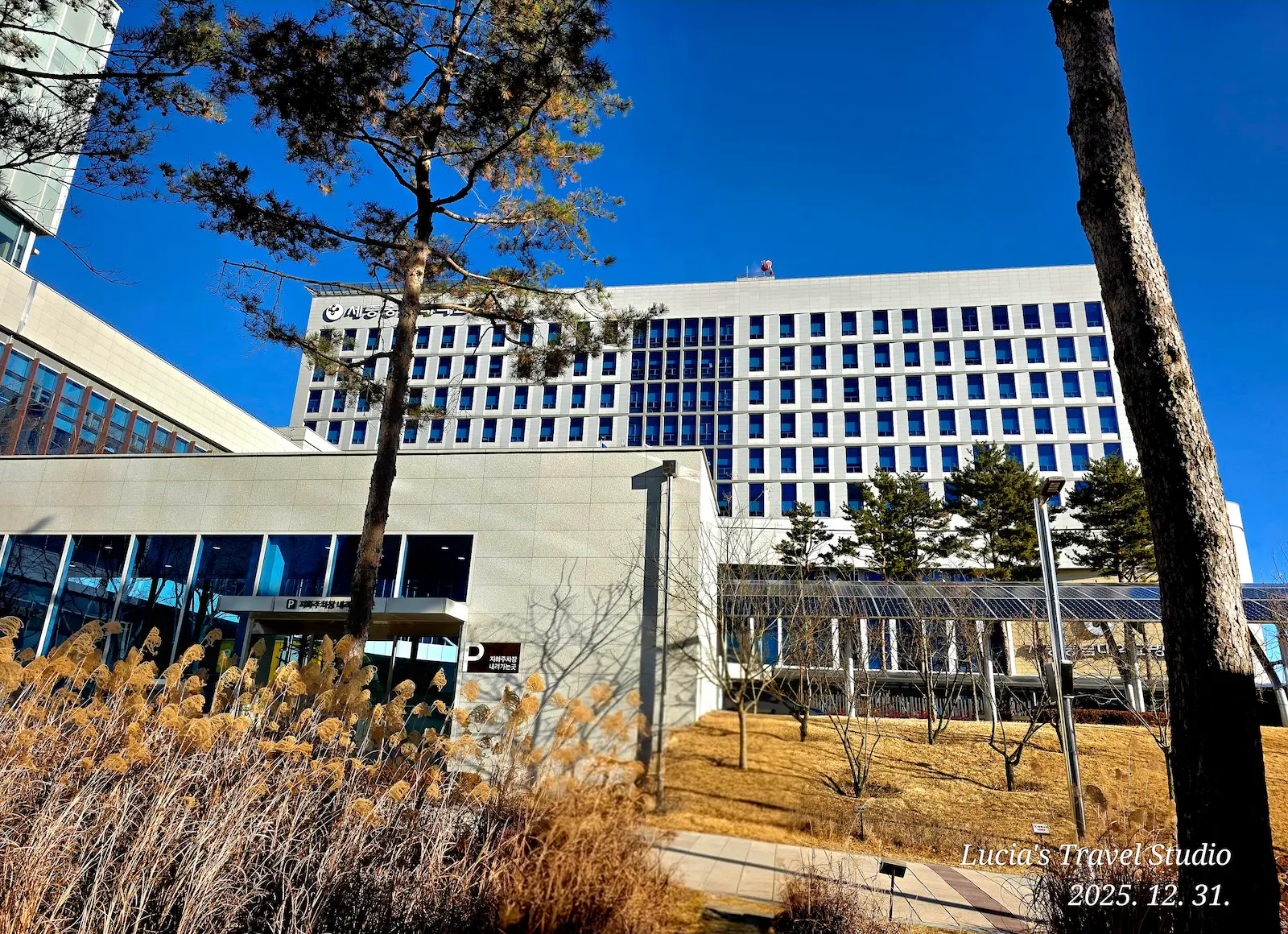


Within days — after tests and consultation — the surgery date was confirmed.
Just one week later, he was admitted.
In many countries, patients wait months for spine surgery. In Korea, the process moved quickly — and decisively.
The speed of the Korean medical system was remarkable.
There was no endless waiting. No uncertainty stretching for months.
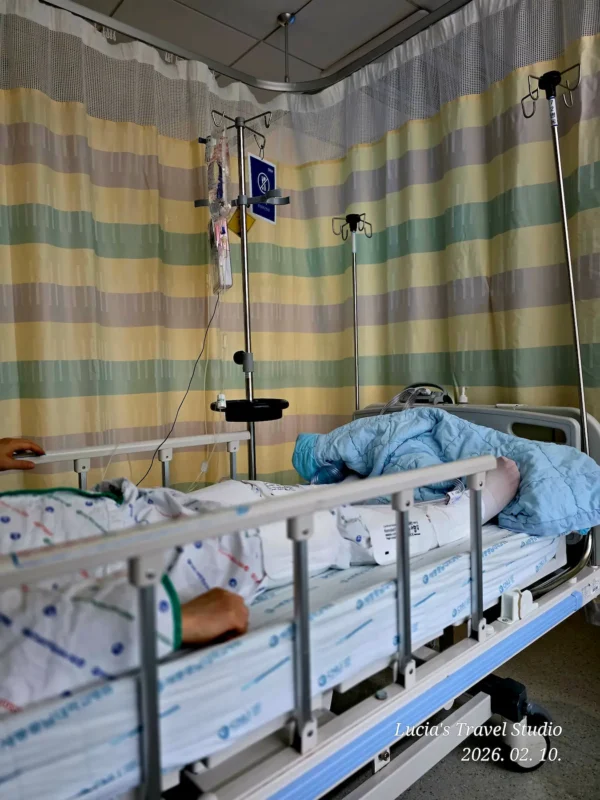
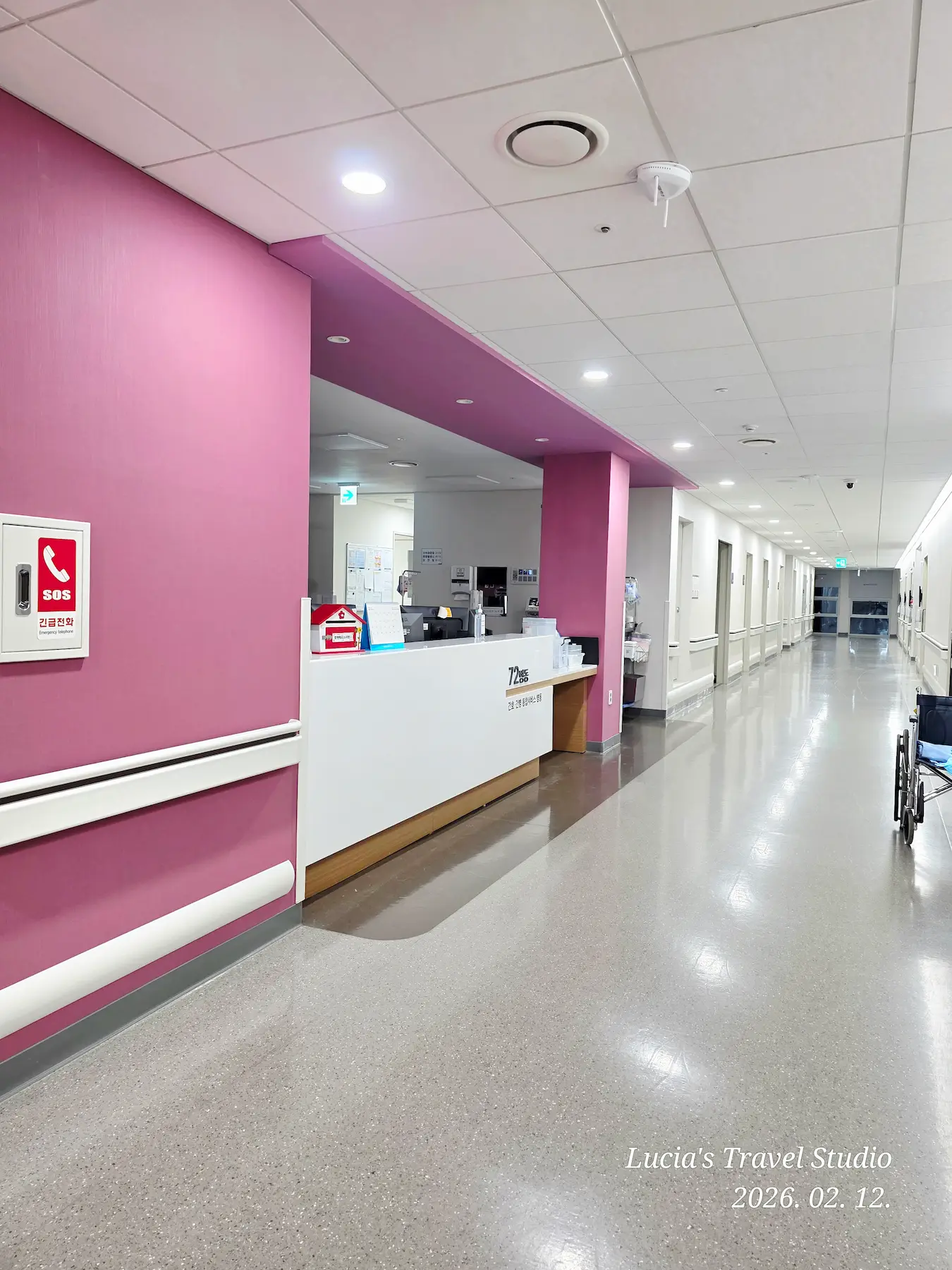
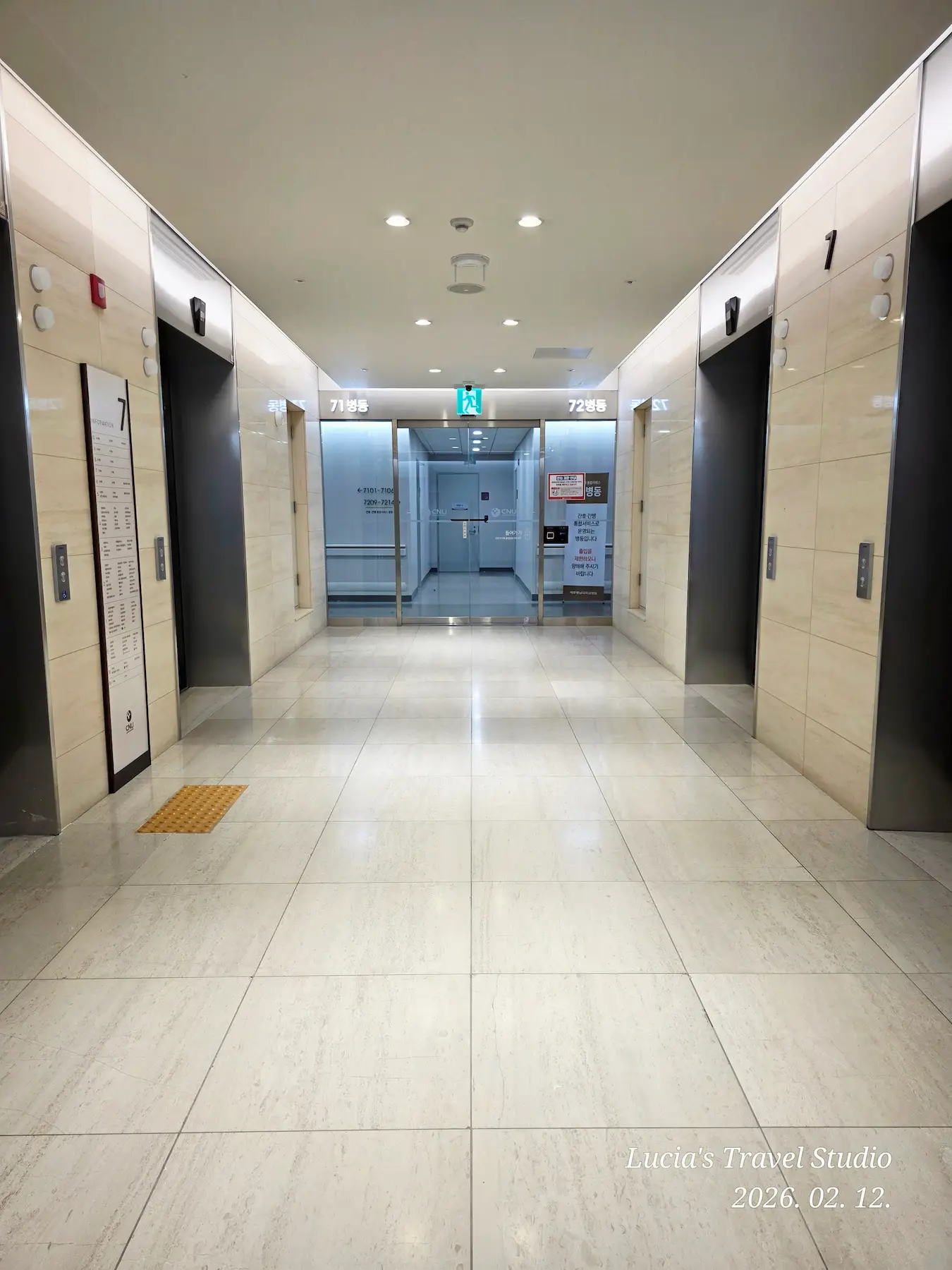
On February 10, he entered Ward 72 for L4–L5 disc surgery — the first real step toward ending two years of pain.
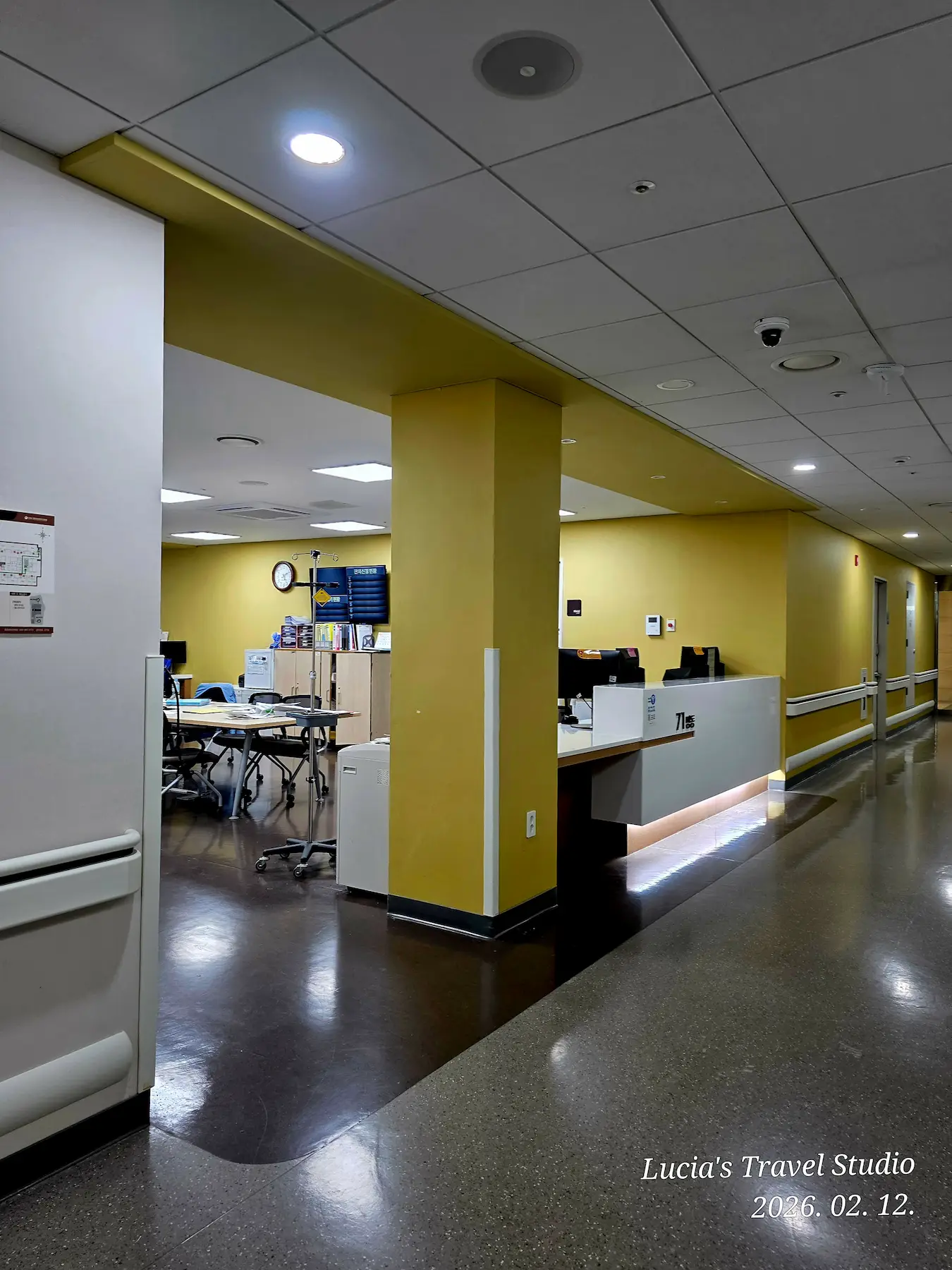
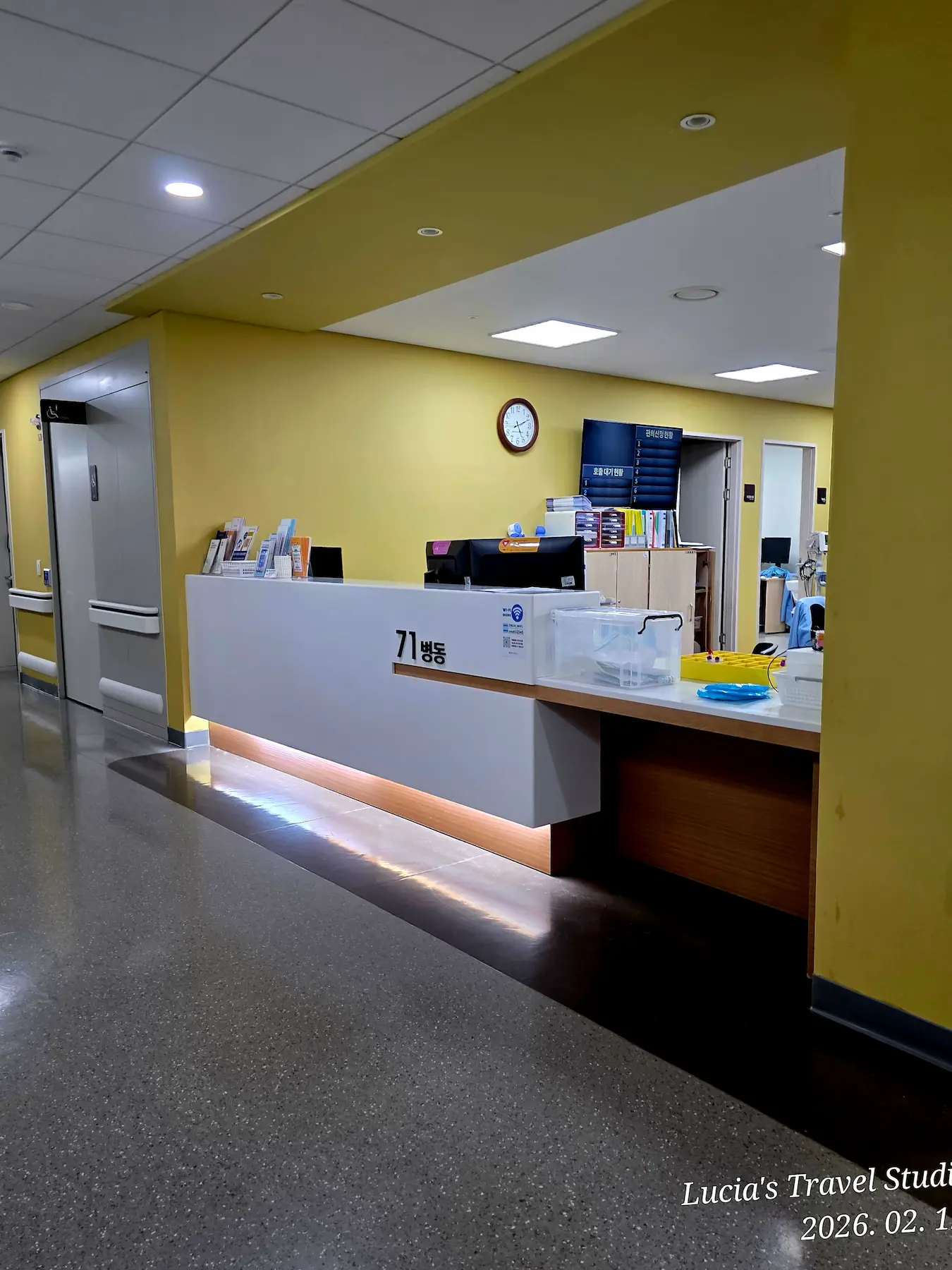
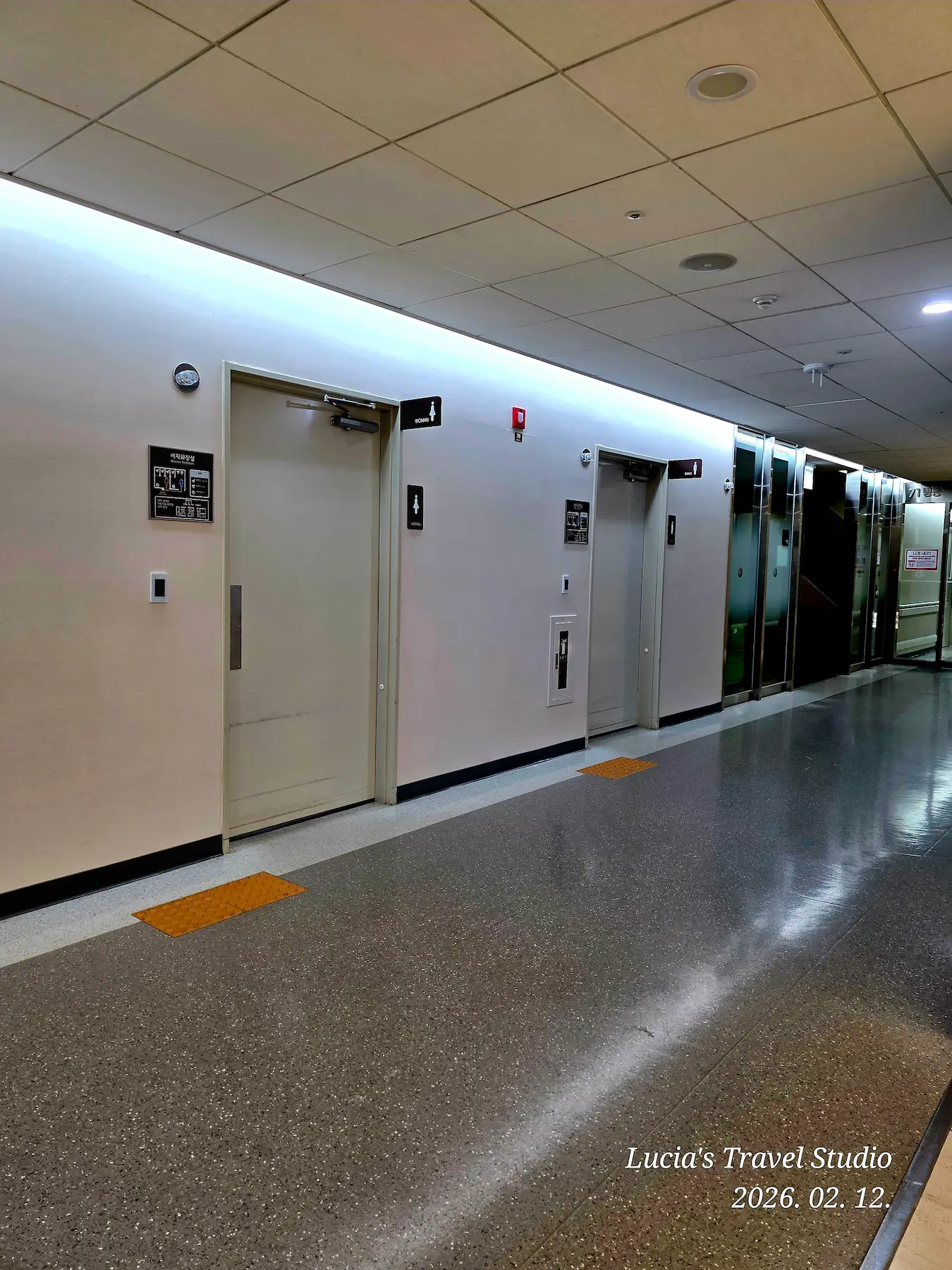
🏥 First Impressions – Ward 72
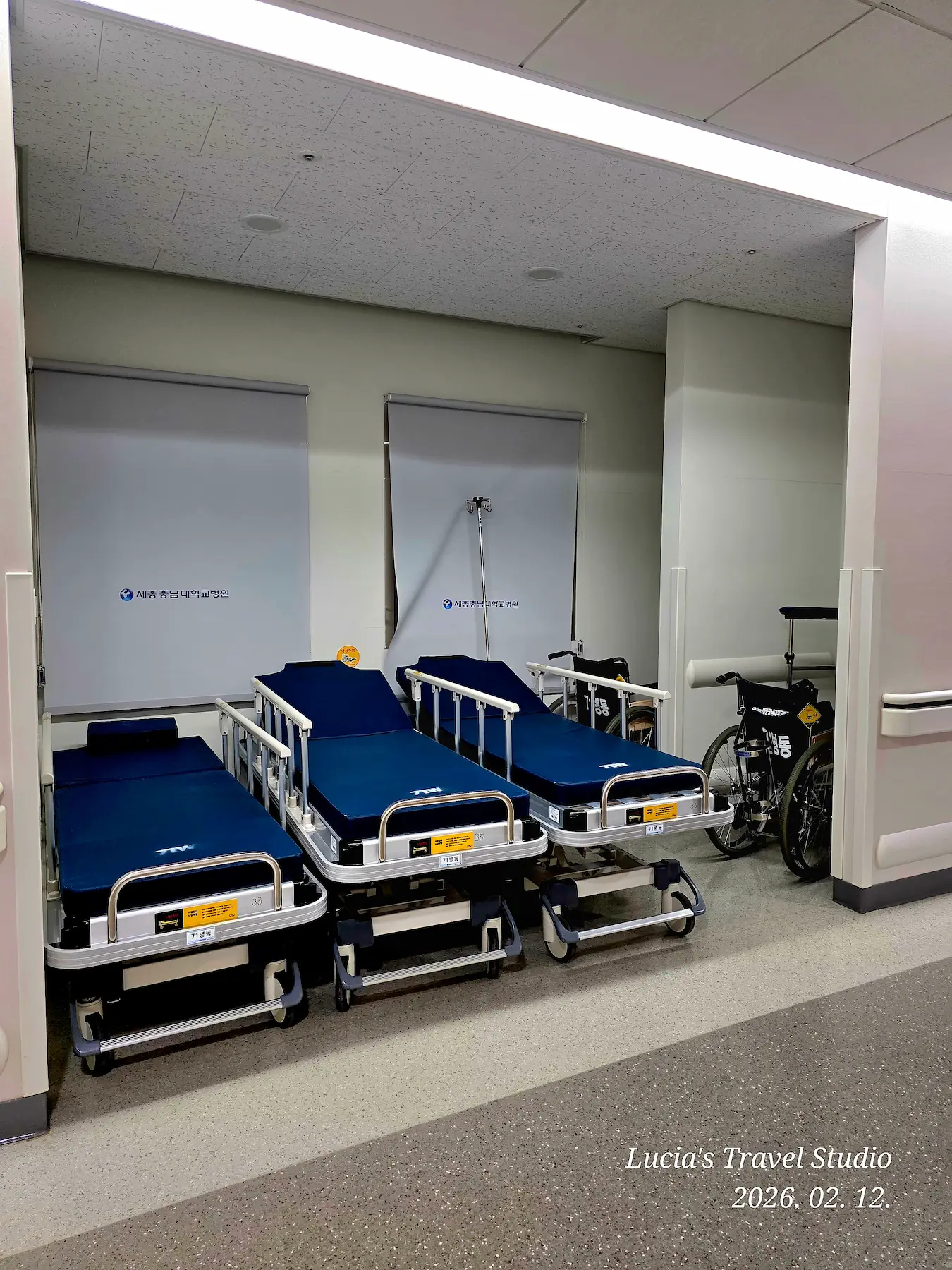
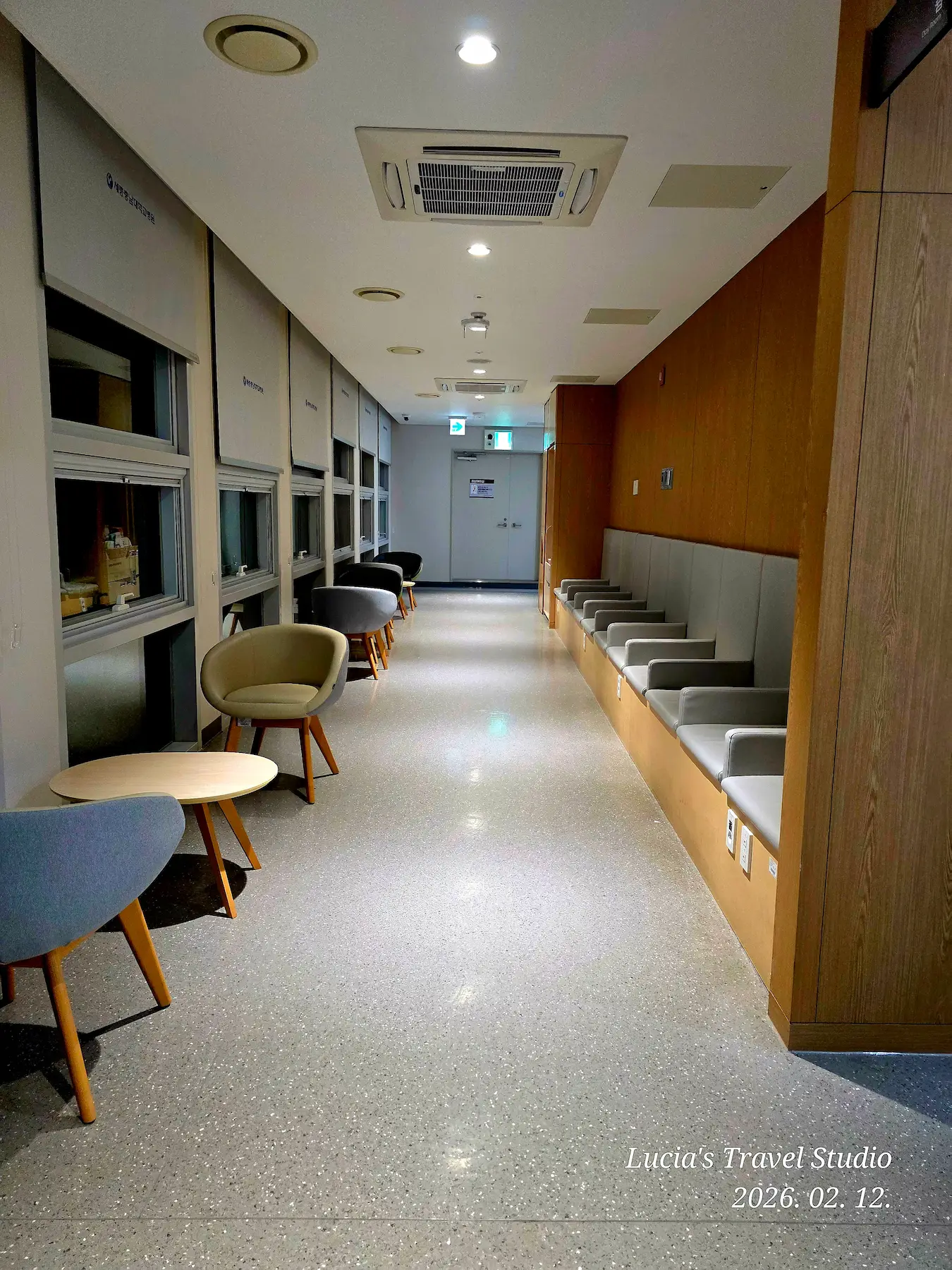
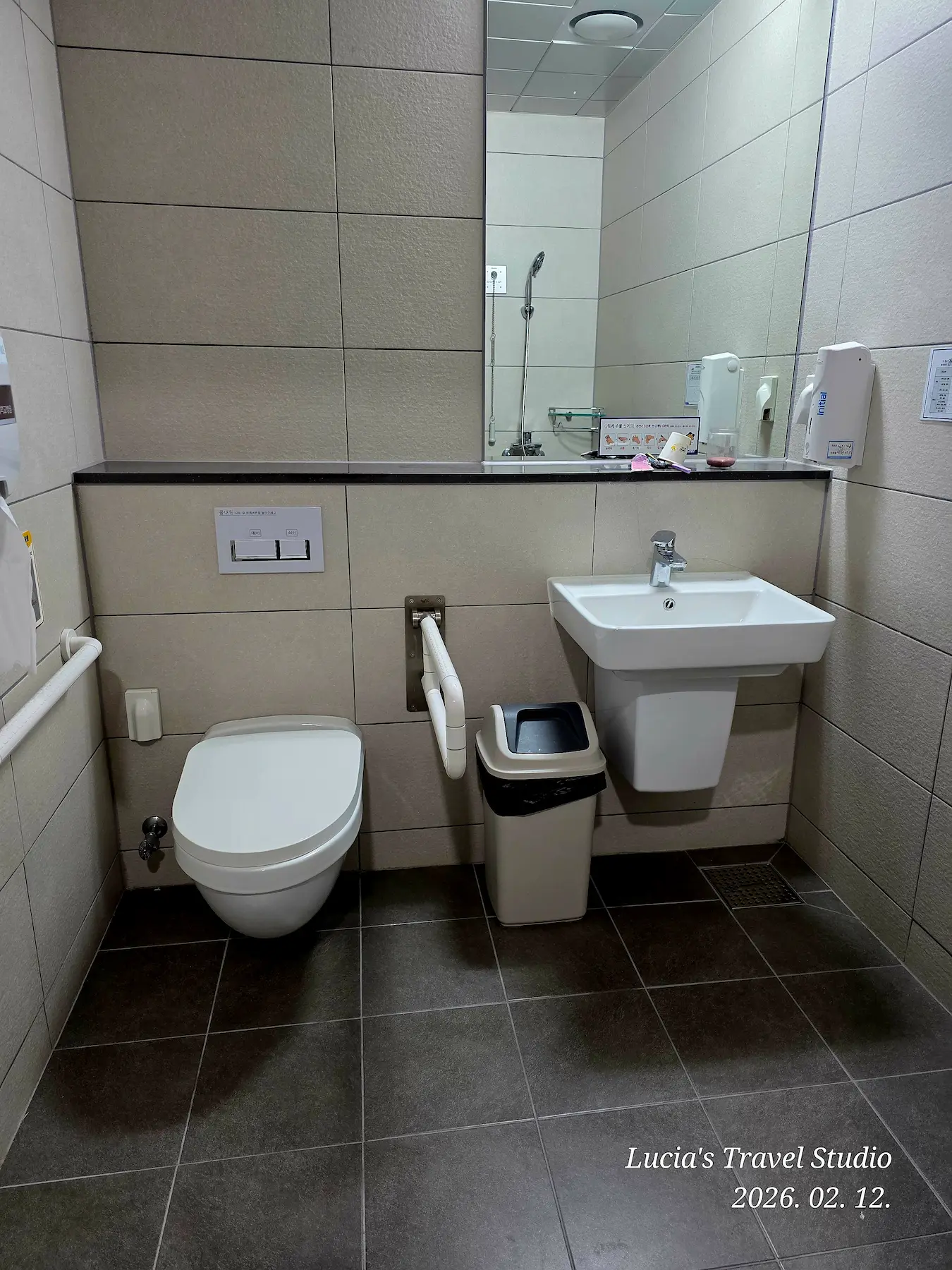
The building is relatively new and very clean.
There’s a central nurse station, and quite a few nursing students from Chungnam National University were doing clinical practice there.
The overall atmosphere felt organized, efficient, and calm.
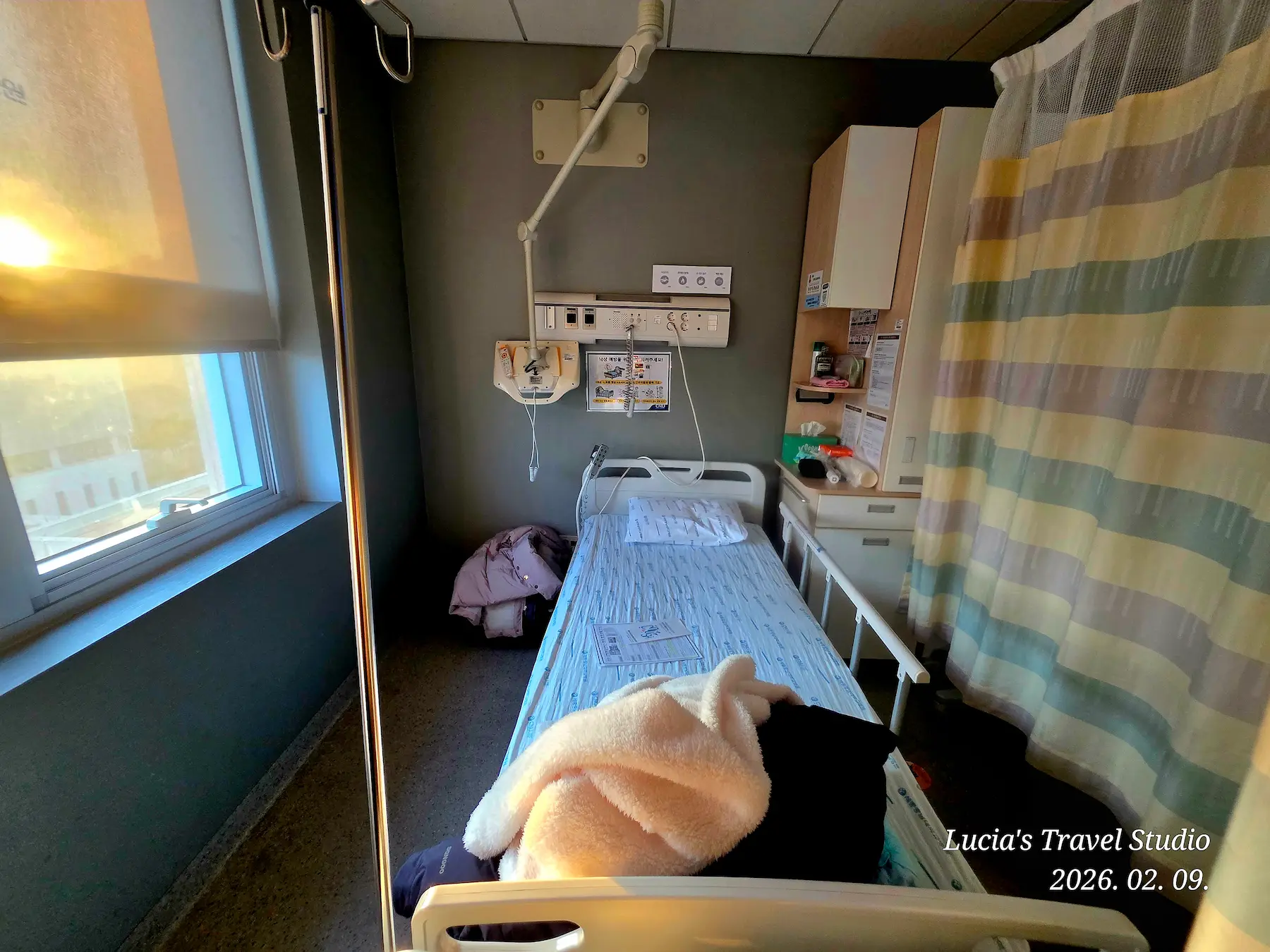
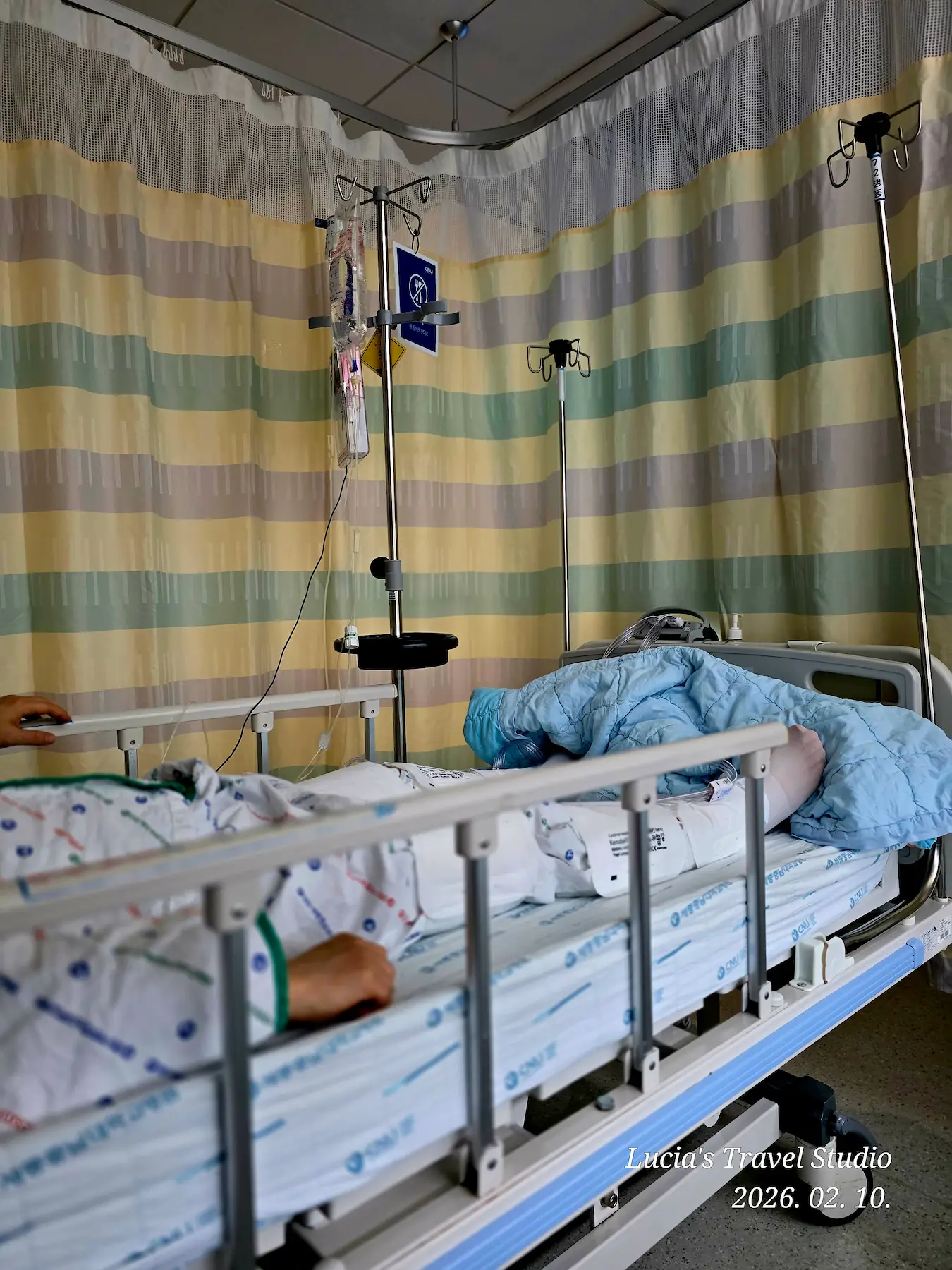
🛏 Room Setup (We Chose a 2-Person Room)
Rooms are available in single, double, or four-person options.
We chose a double room, which costs about 83,420 KRW per day (out-of-pocket).
Private and semi-private hospital rooms in Korea are often more affordable than many international visitors expect.
Each bed comes with:
A personal TV
A personal refrigerator
This setup is the same even in four-person rooms.
The space felt comfortable and reasonably private. Each patient had a clearly defined personal area.
👩 What Caregivers Actually Do
Because this is an Integrated Nursing & Care Service ward, professional caregivers assist patients with:
Meals
Washing
Basic hygiene
Family members are generally not allowed to stay full-time in this ward, except on admission, surgery, or discharge days, or in cases of critical condition.
I stayed on the first day, then went home as required.
But after surgery, he was in intense pain.
I returned that morning — and, with special permission, stayed for the next three days.
The system is structured and efficient, yet still compassionate when families truly need to be present.
🏥 Surgery Day
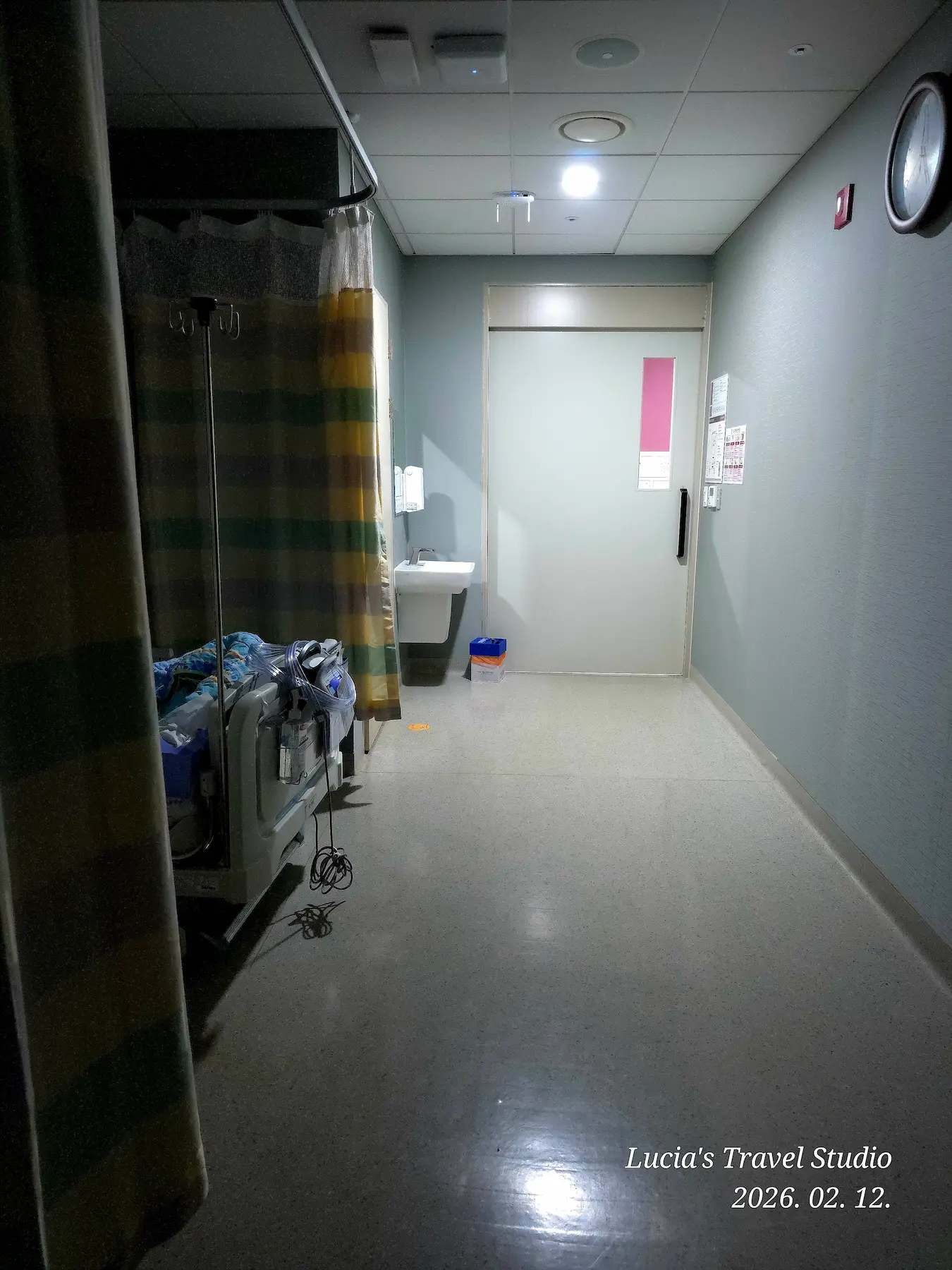
The 3rd floor houses:
Operating rooms
ICU
Recovery room
Delivery room
Family waiting area
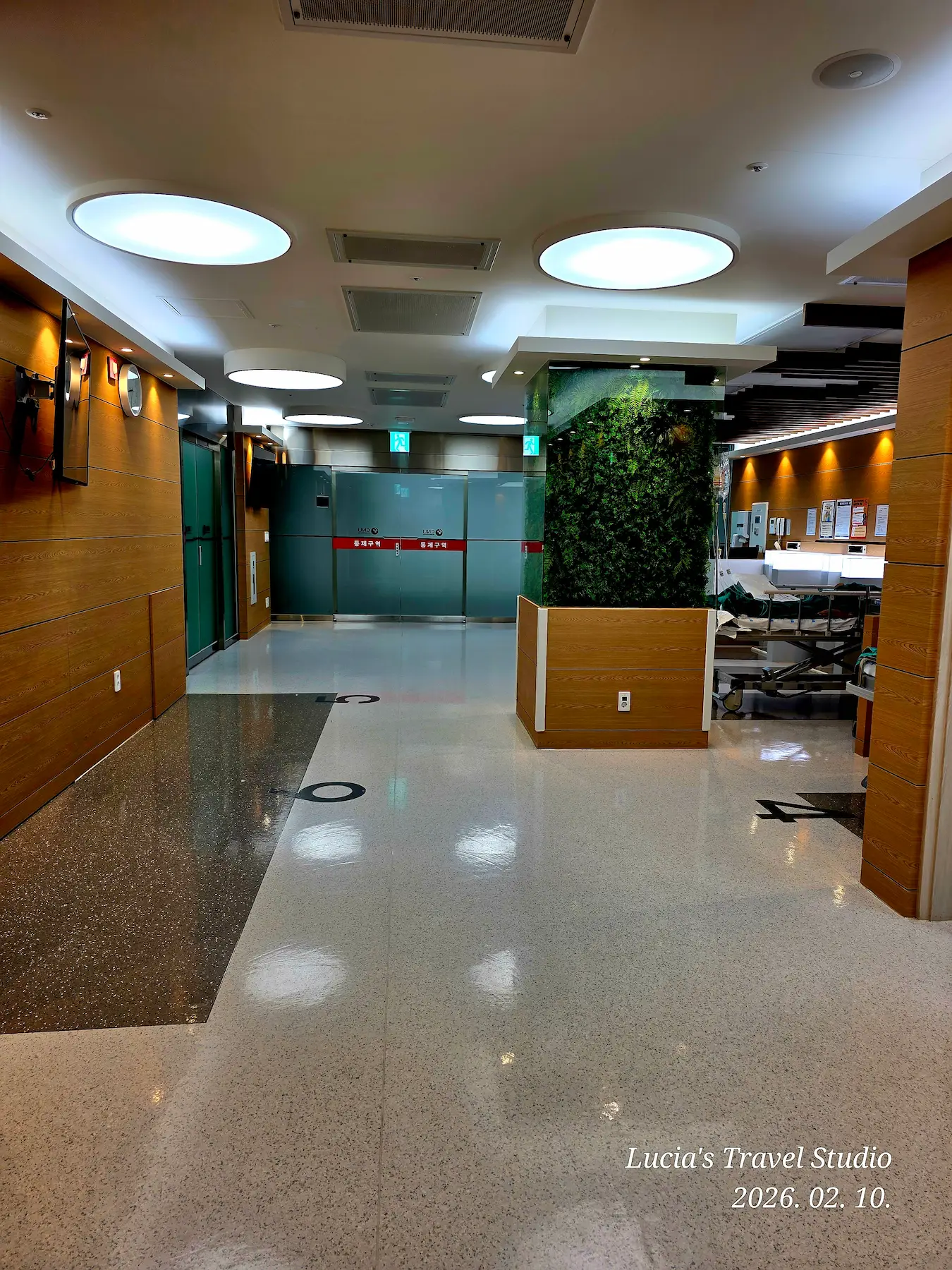
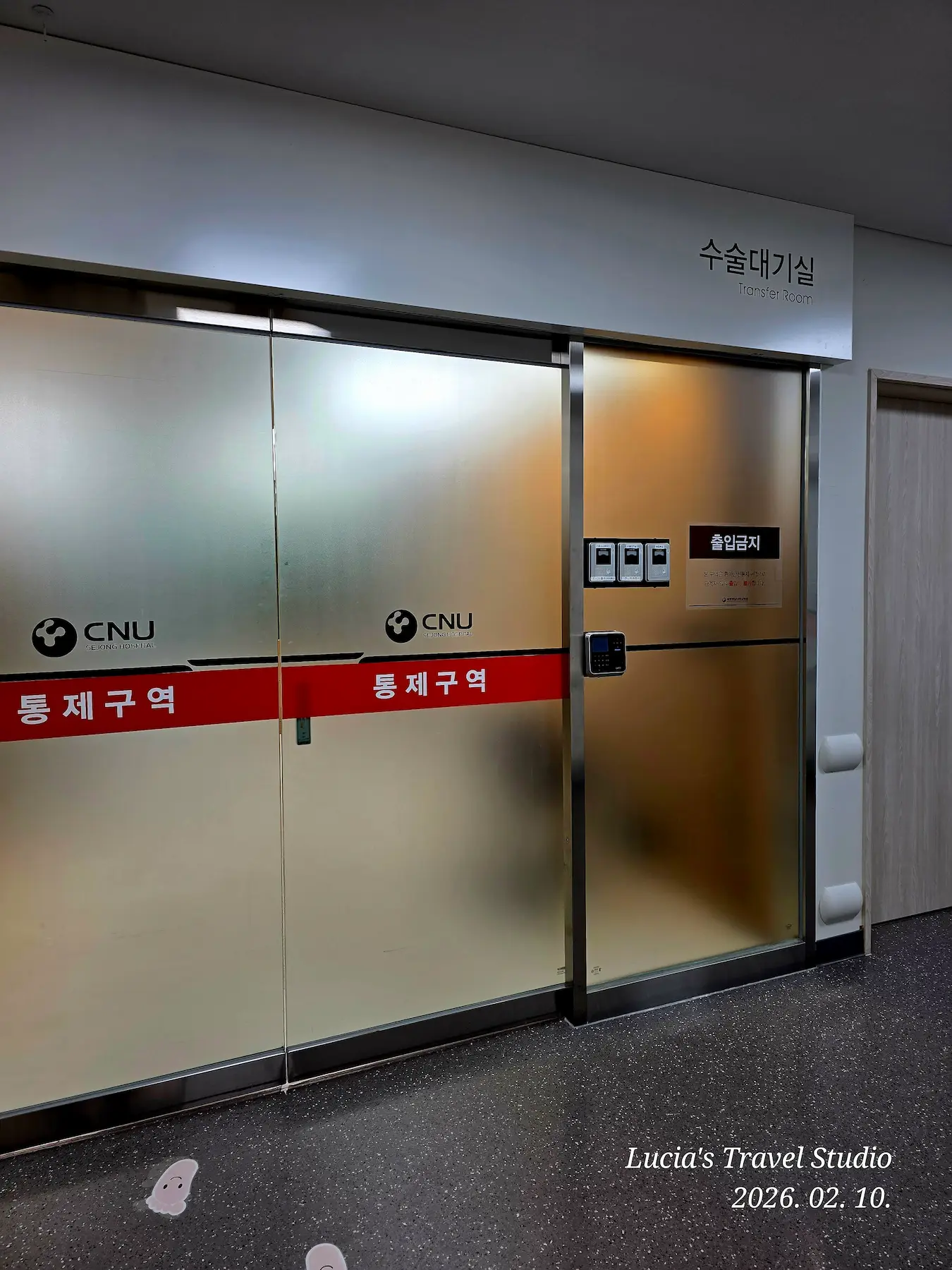
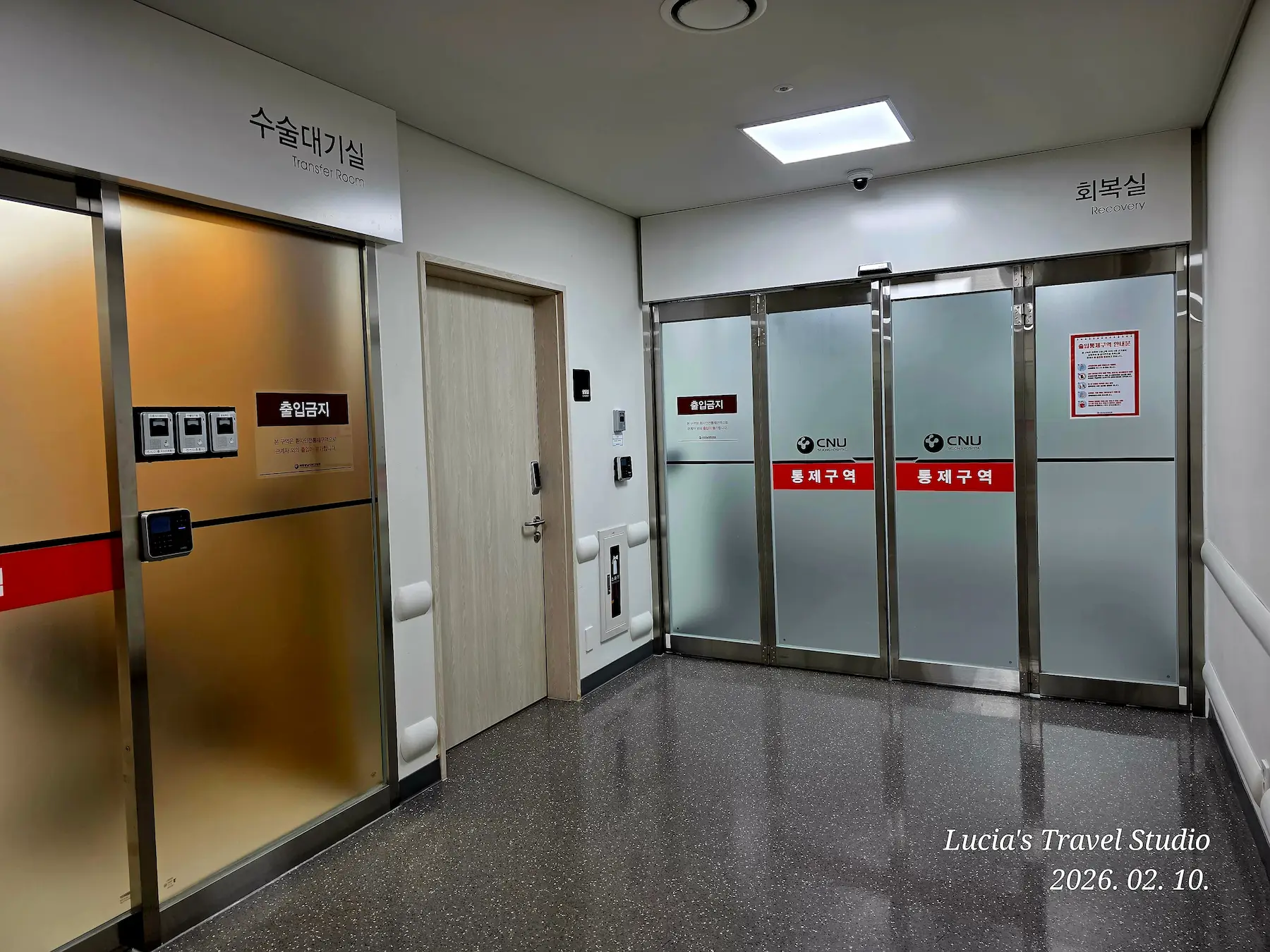
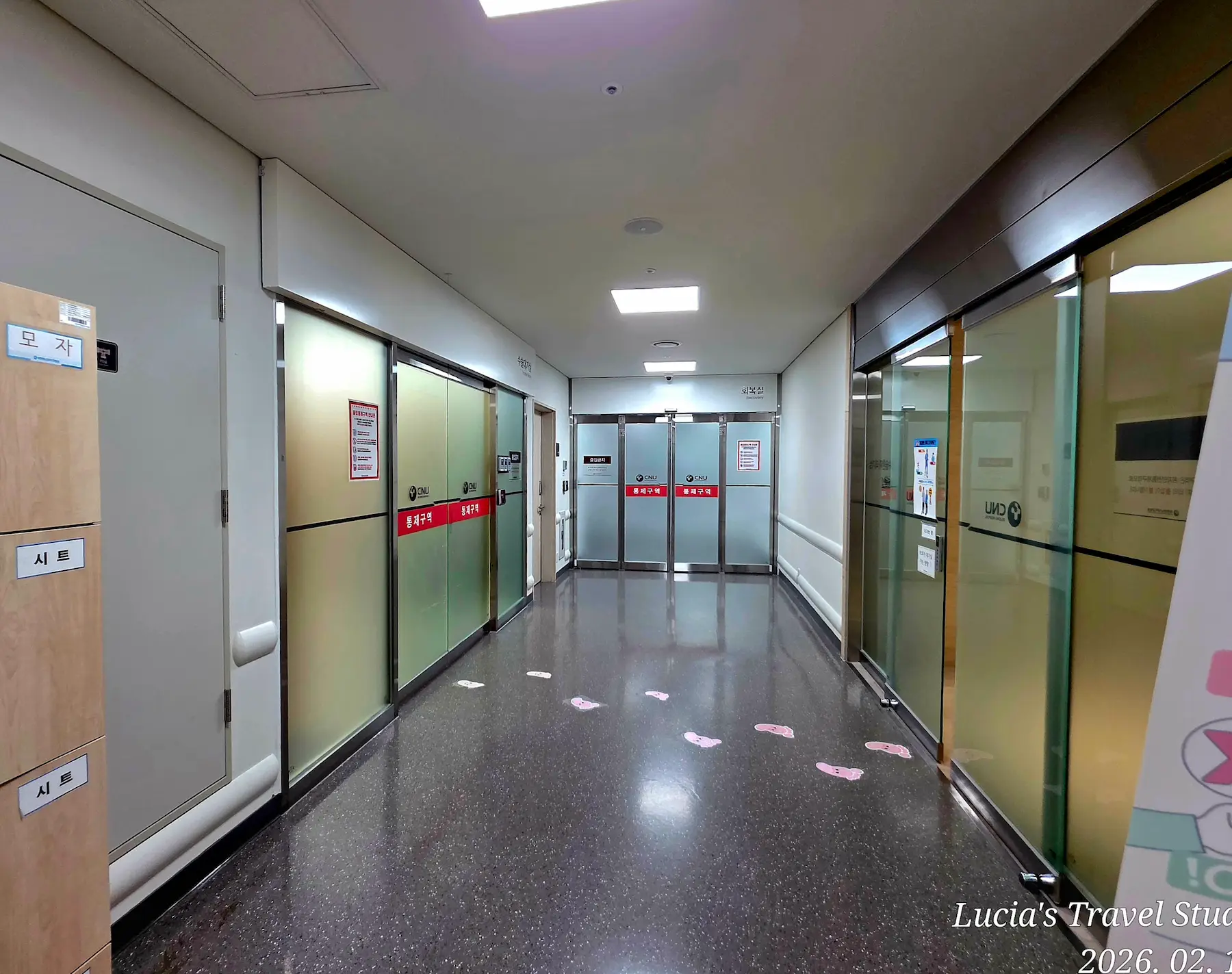
The surgery lasted about two hours.
When patients are moved from the recovery room back to their ward, caregivers in the waiting area are called to accompany them.
Seeing him come out of recovery… in visible pain… was honestly heartbreaking.
🛌 The 4 Days After Surgery and Hospital Meals
Total hospitalization: five days.
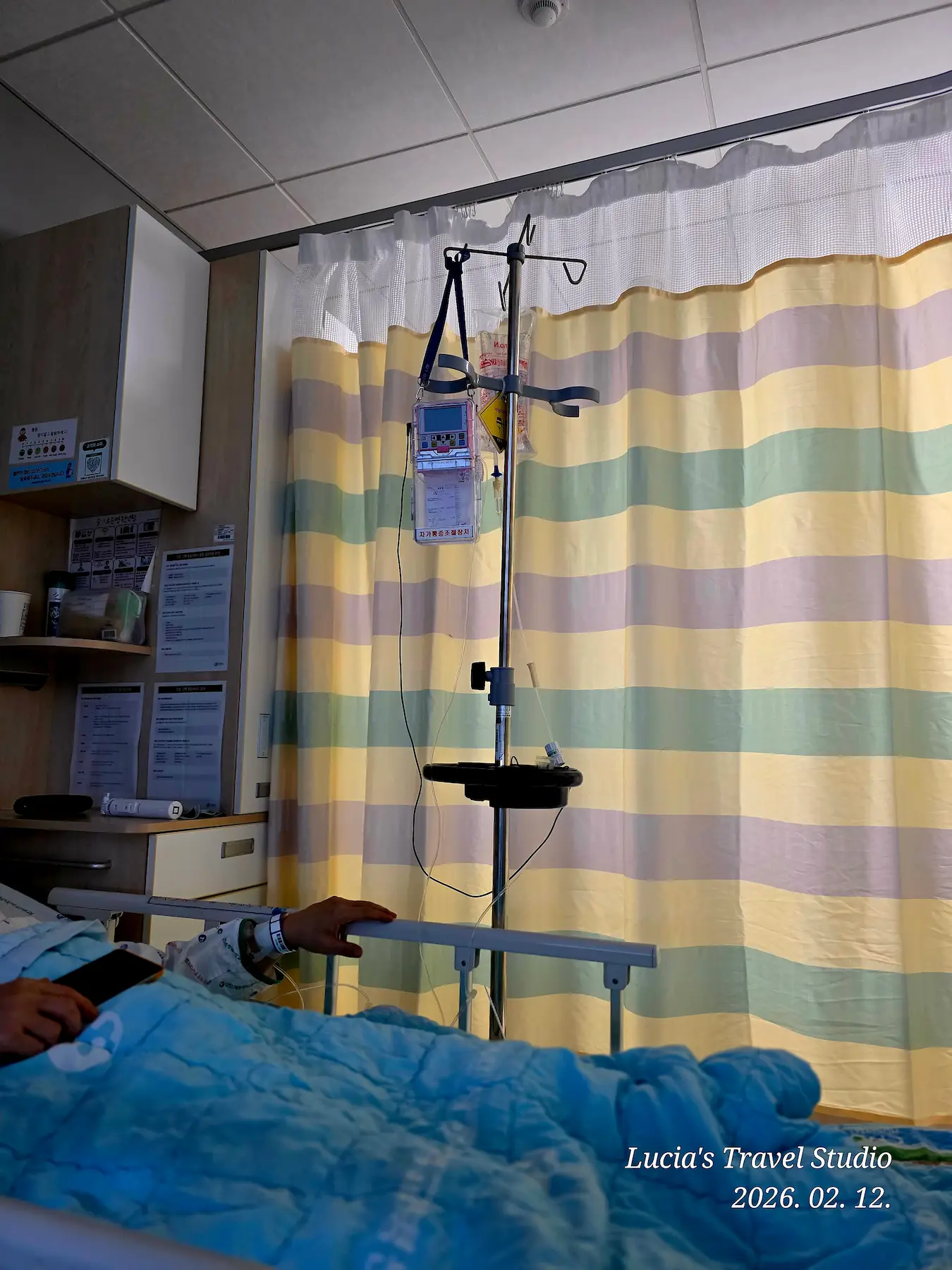
Four of those were spent recovering quietly in the ward.
During that time:
He could barely eat.
He was on a narcotic pain pump.
He practiced short walking sessions, one careful step at a time.
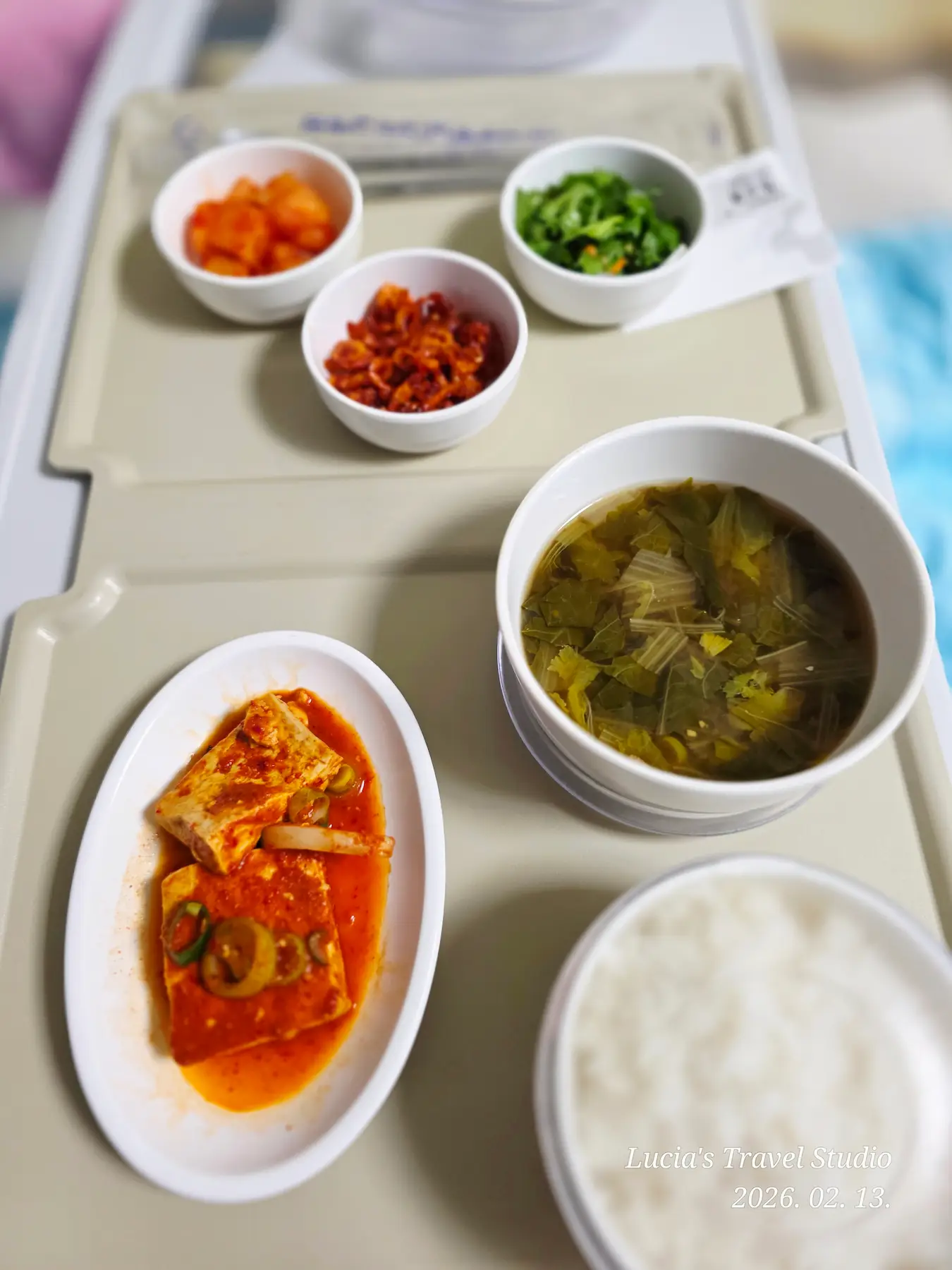
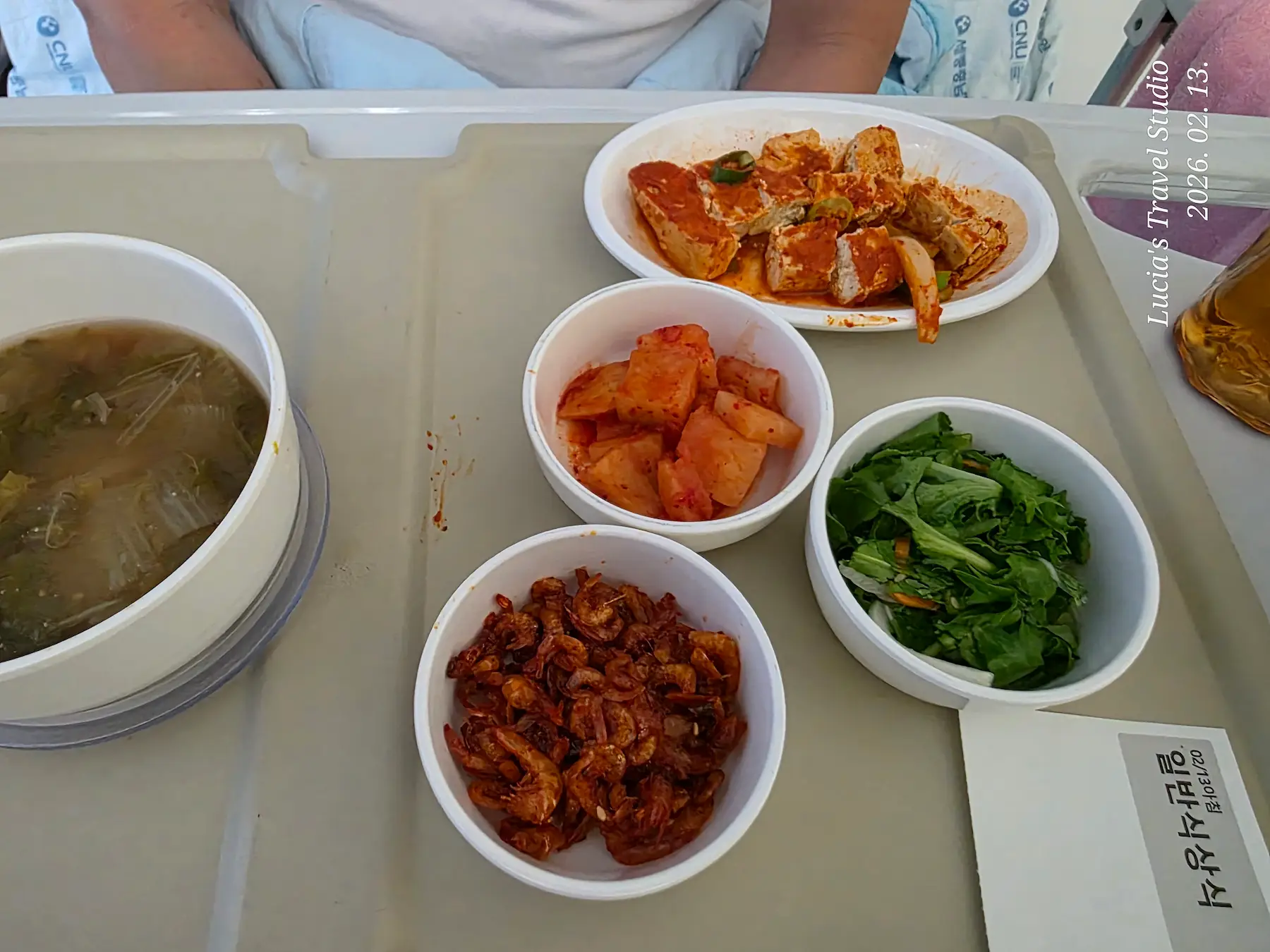
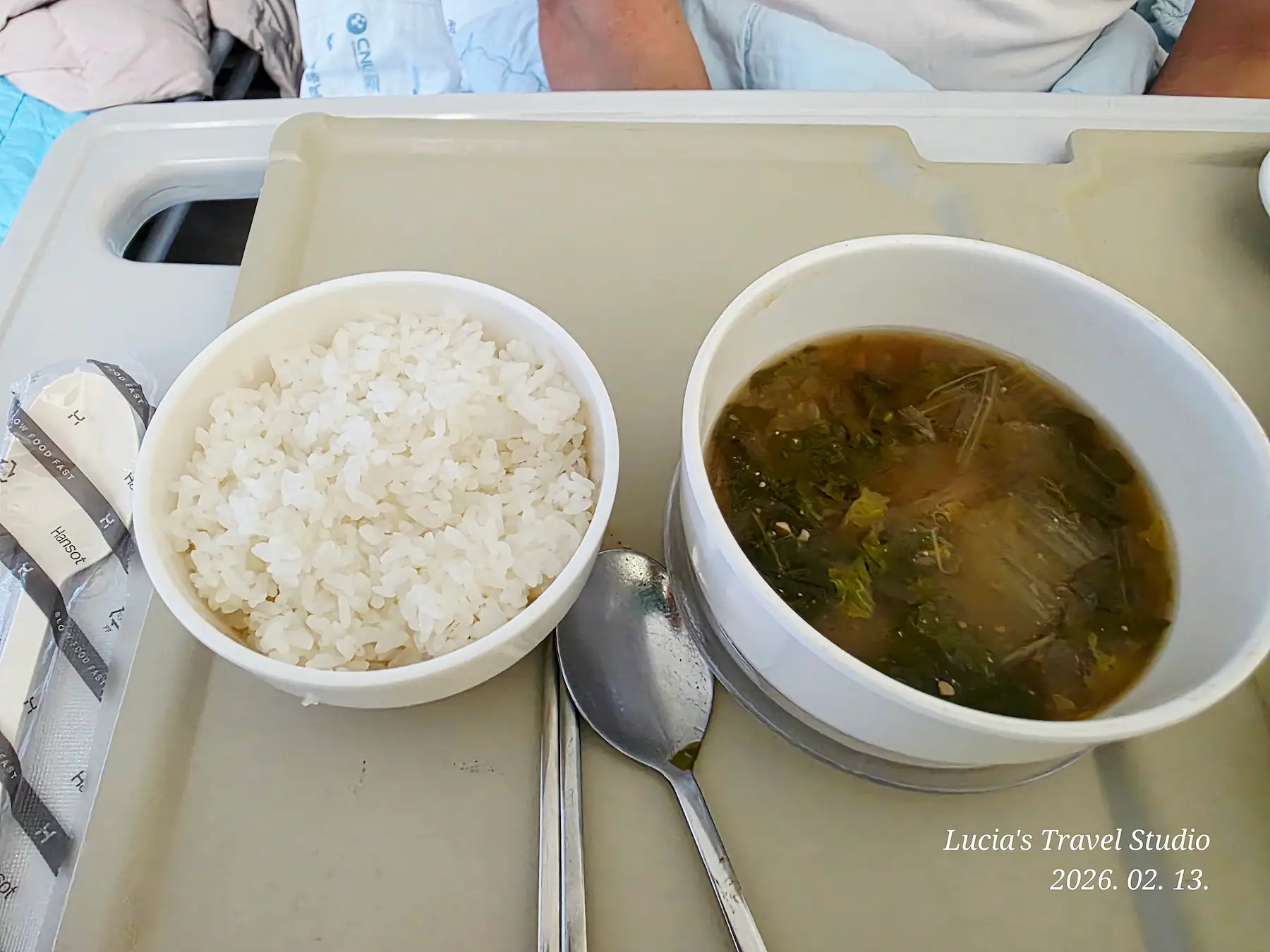
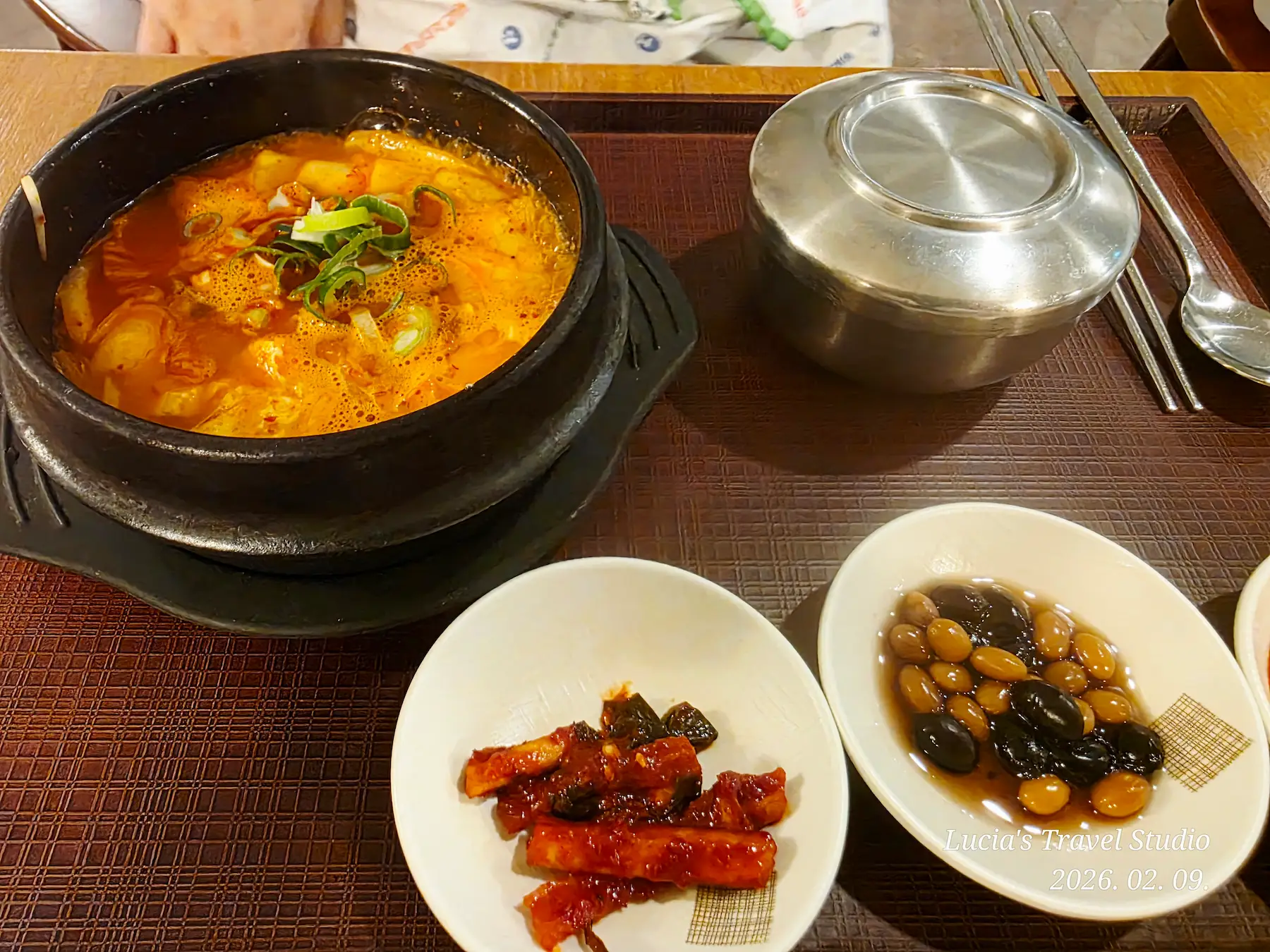
Meals were served three times a day, neatly arranged on a tray.

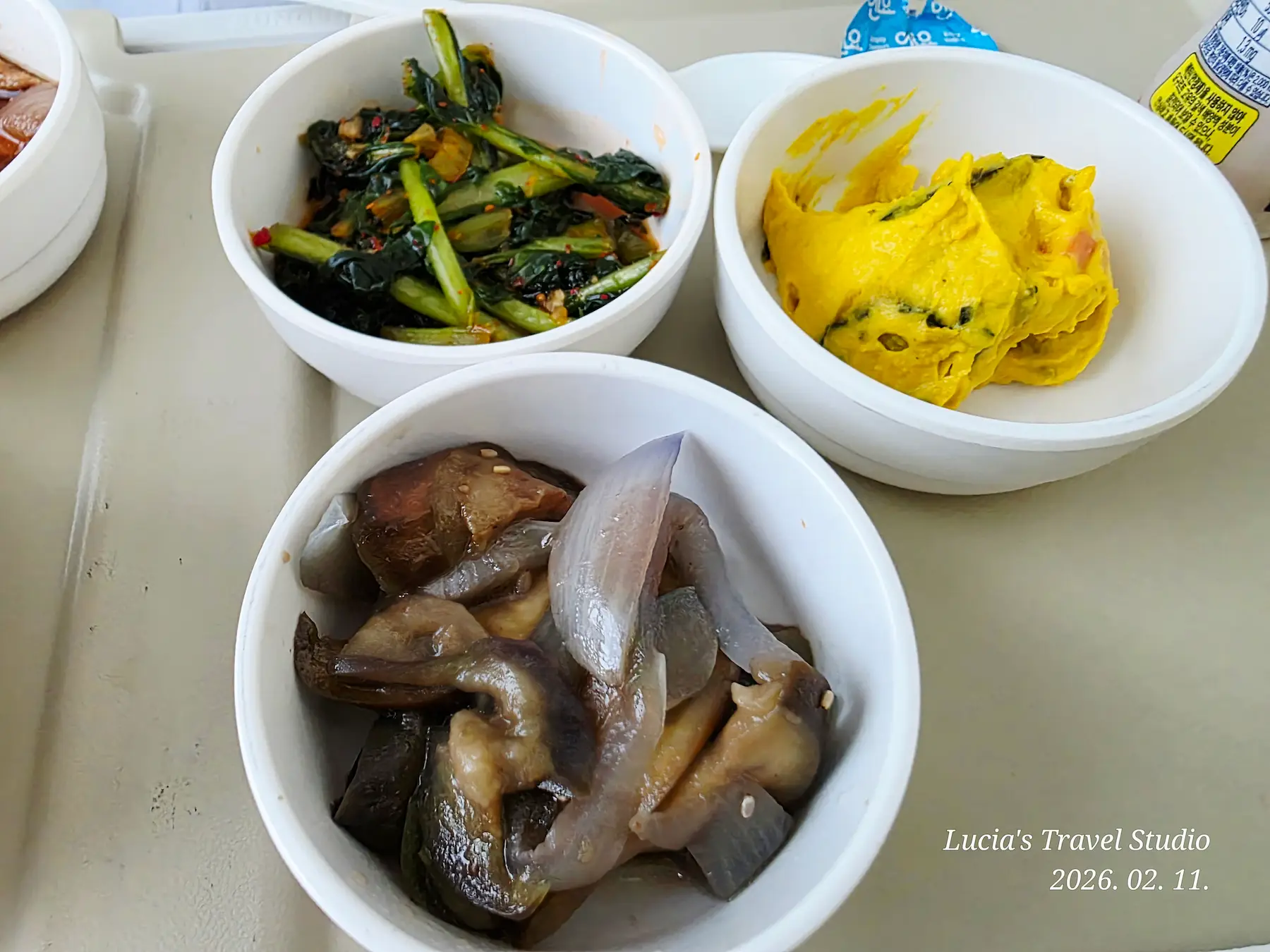
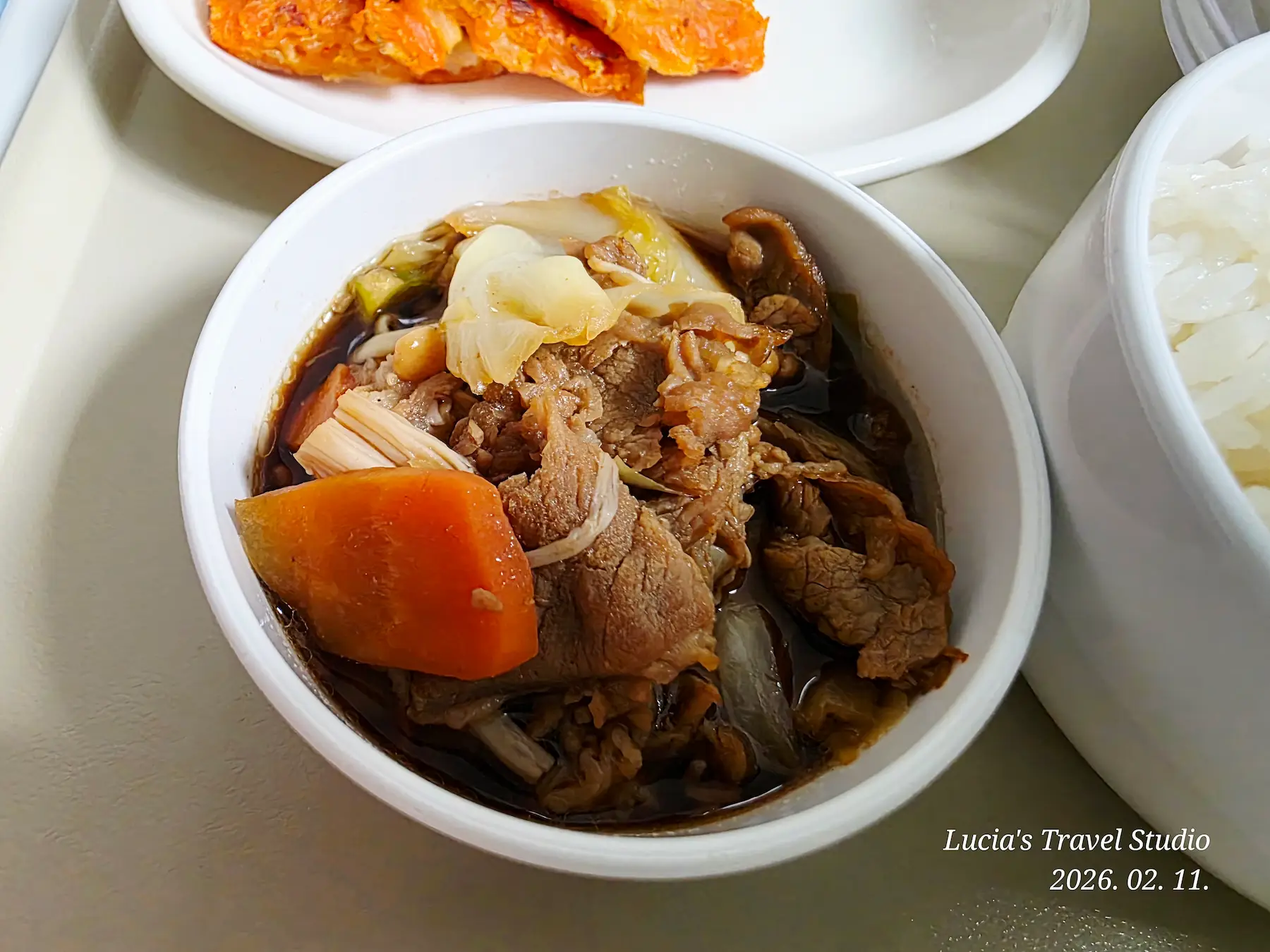
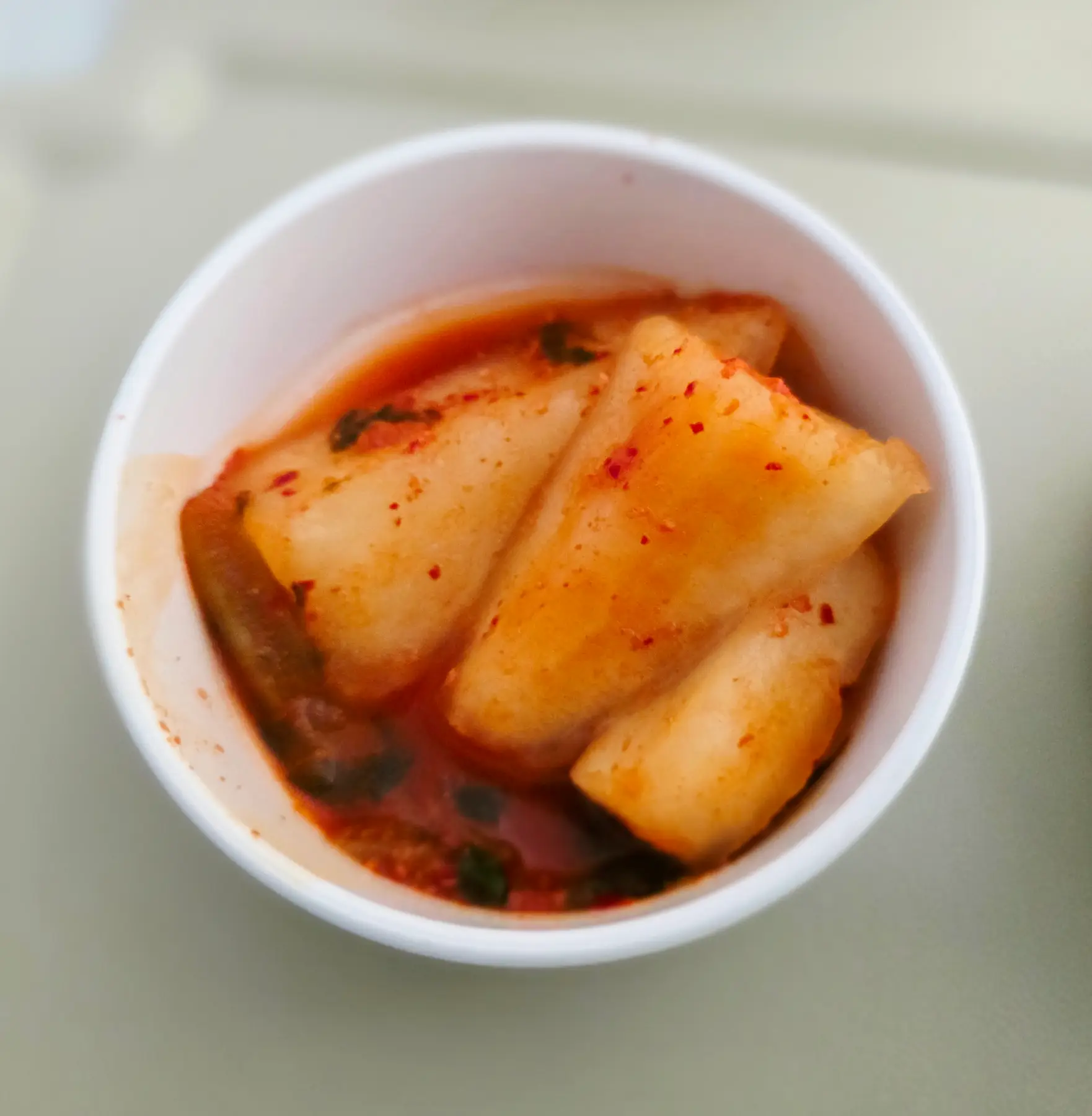

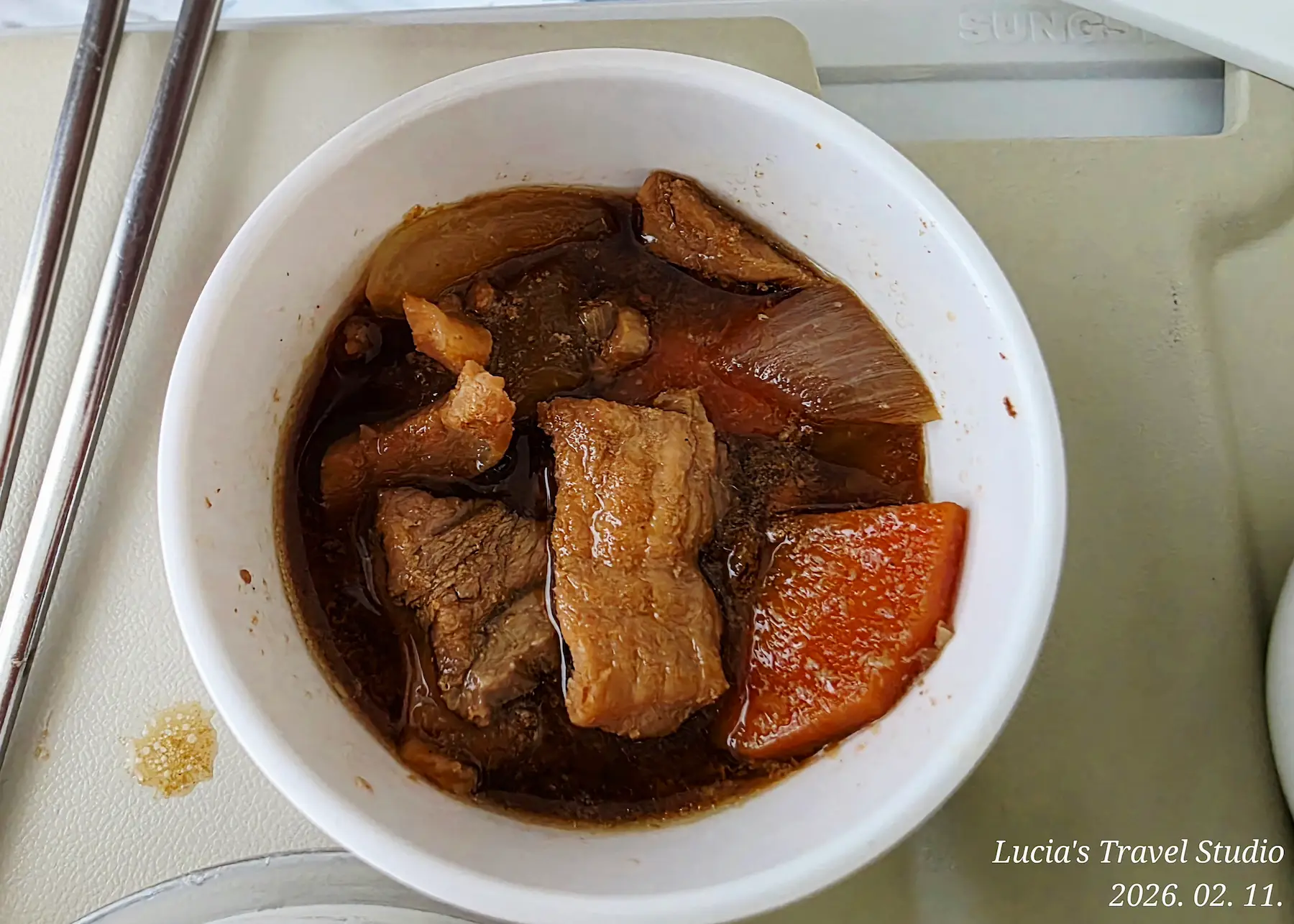
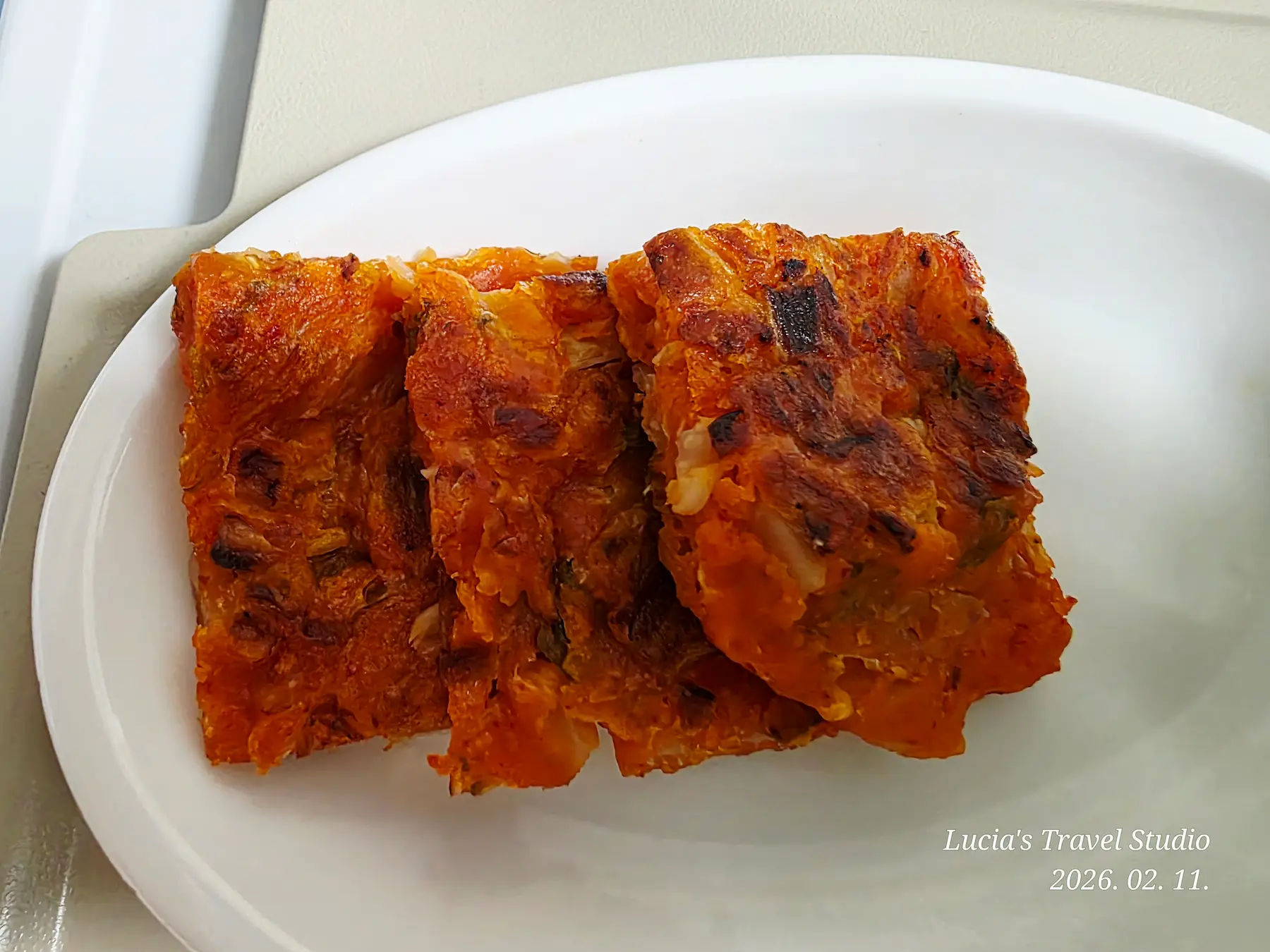
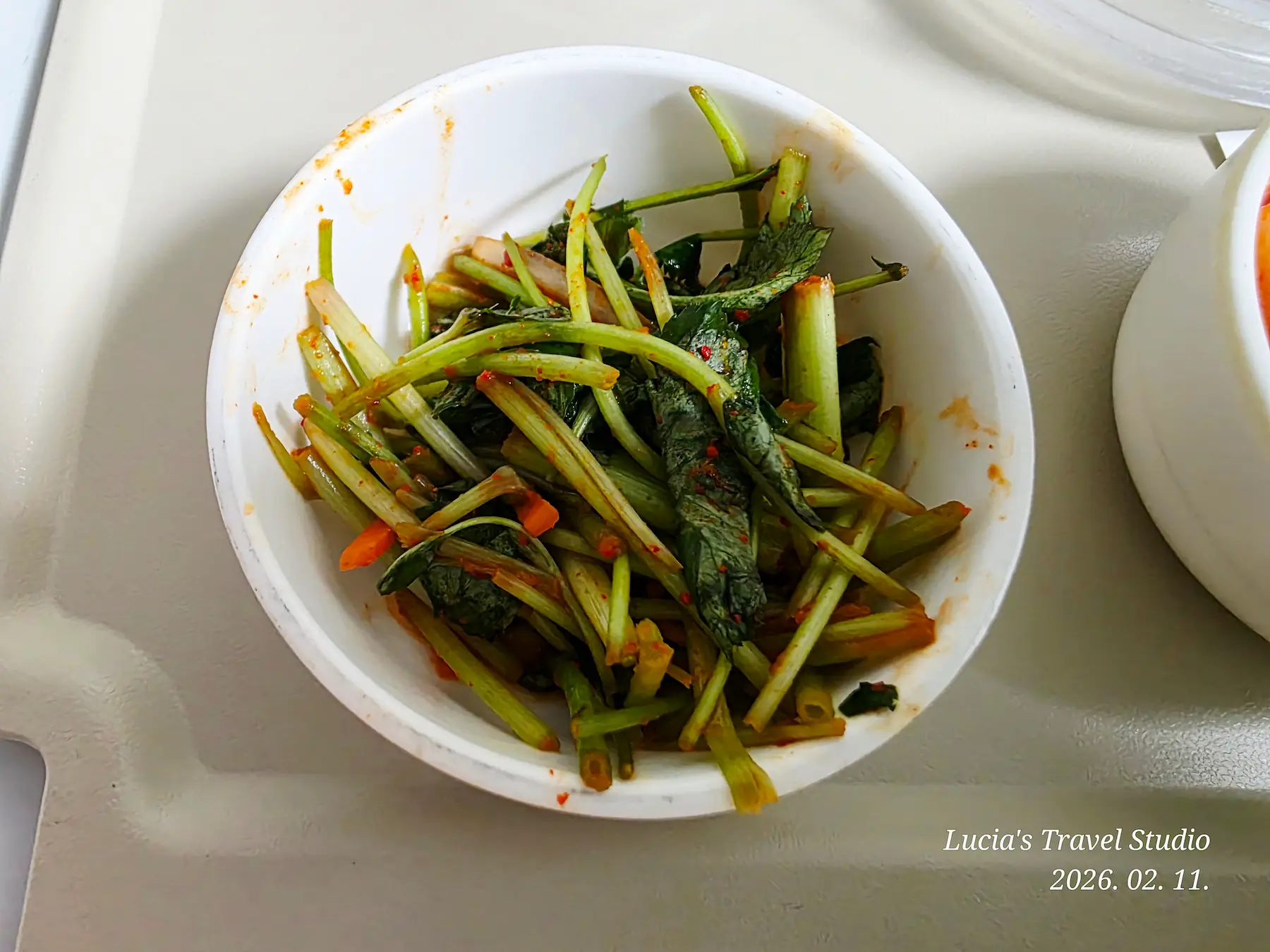

Because of the pain and medication, he couldn’t eat much — so I found myself finishing most of the meals.
Breakfast and lunch even offered a choice between two menu options, which honestly surprised me.
I remember thinking,
“He can’t eat… but I should at least keep my strength.”
So I ate — diligently, and perhaps a little apologetically.
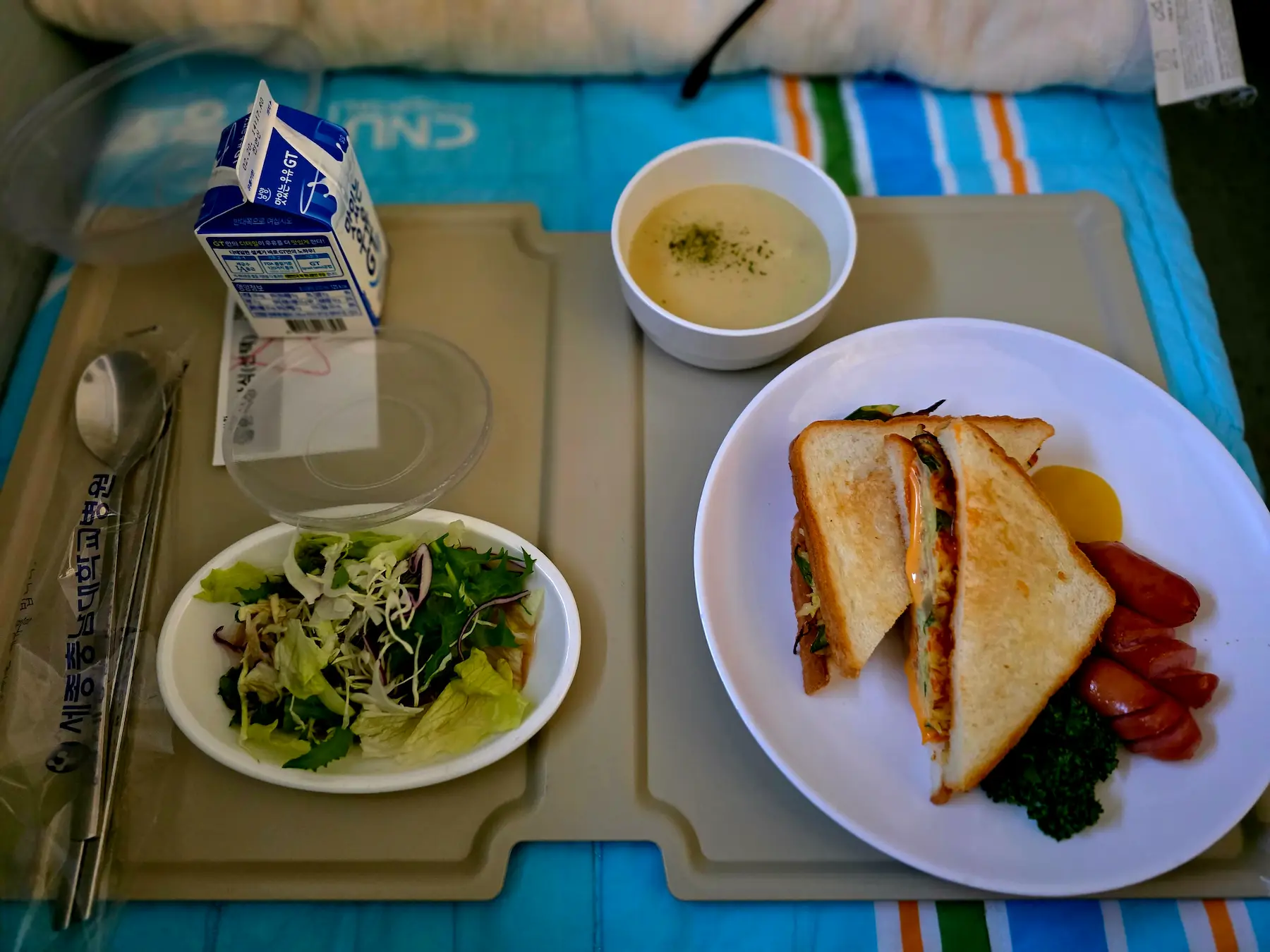
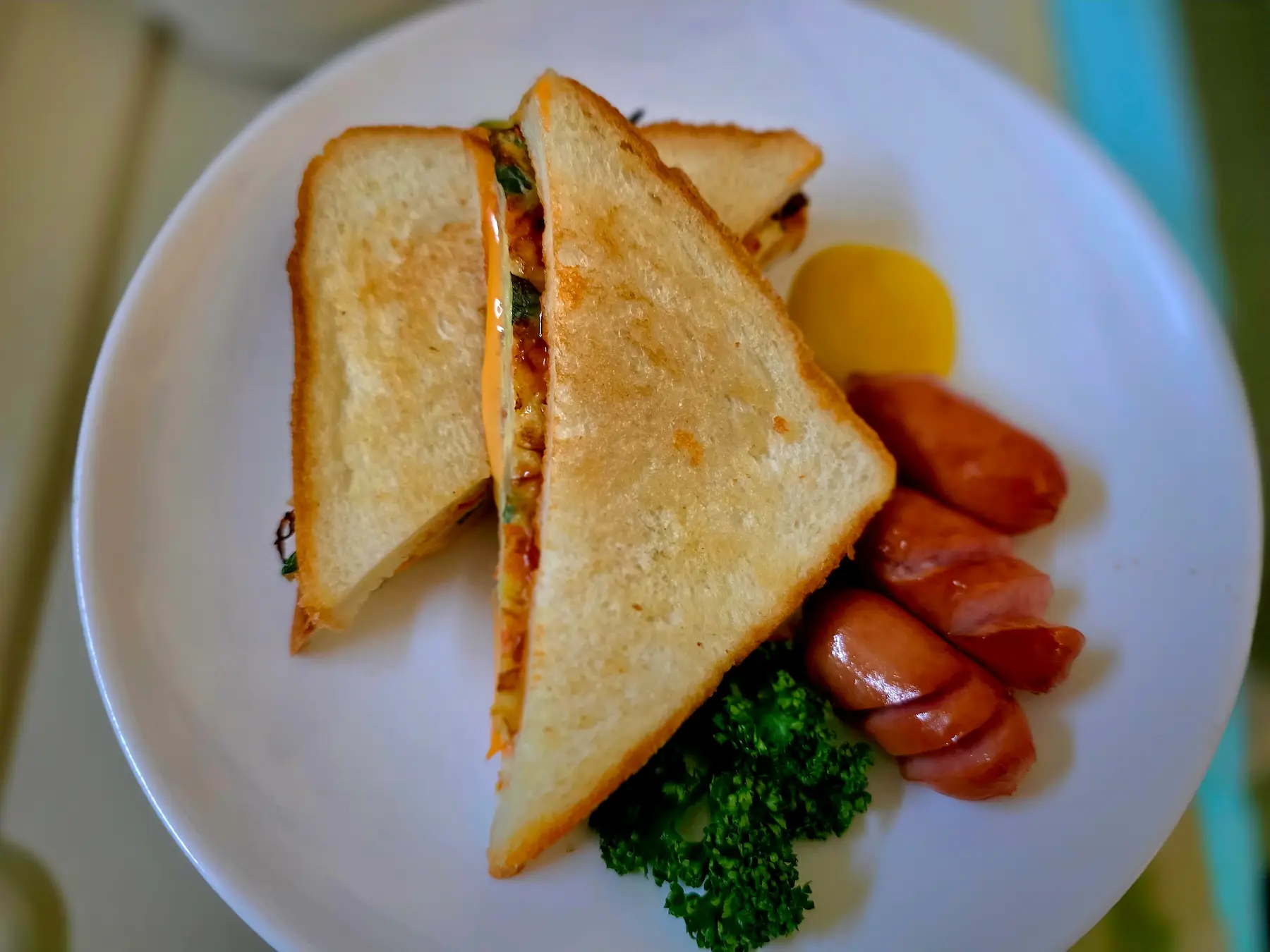
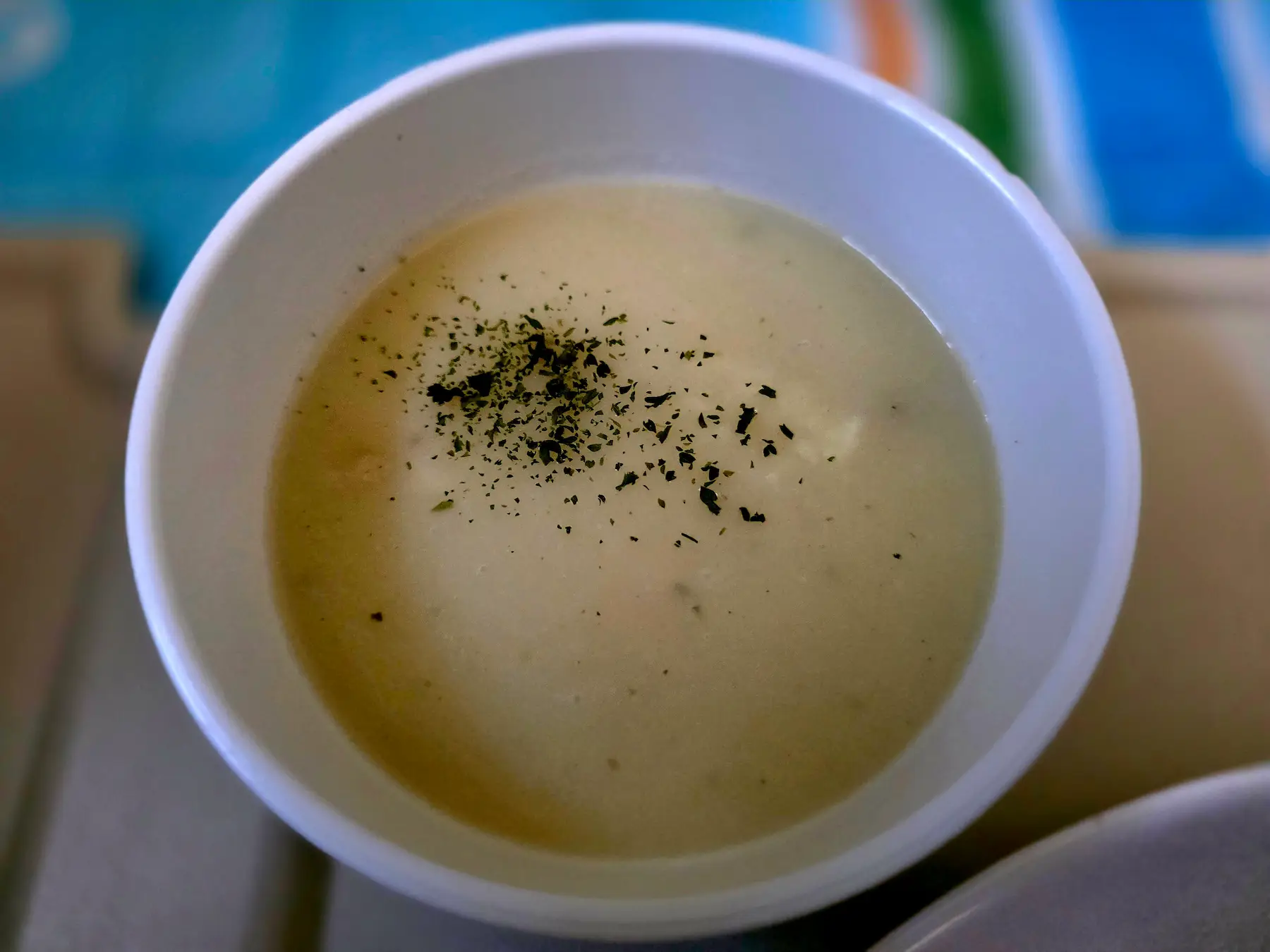
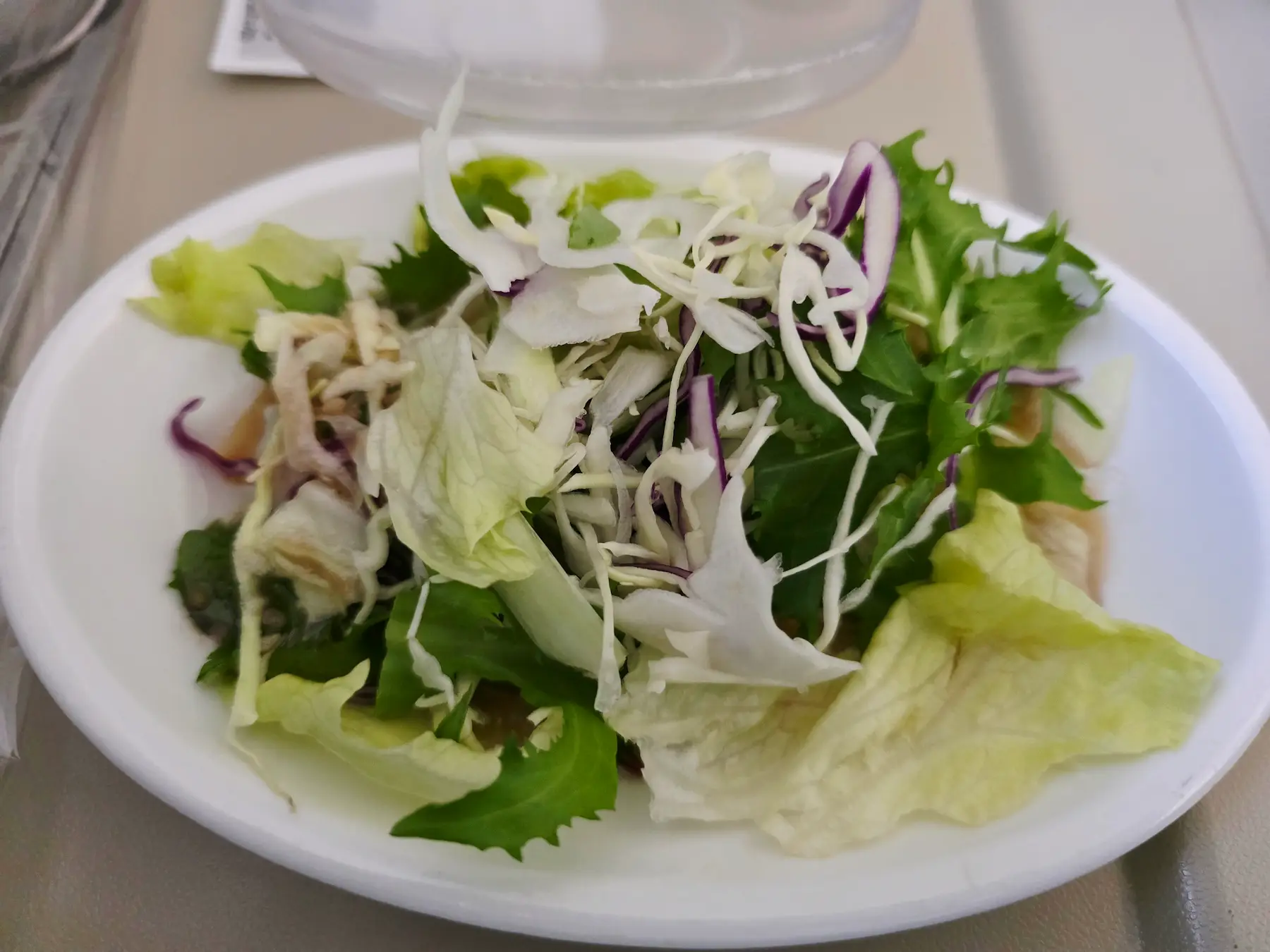
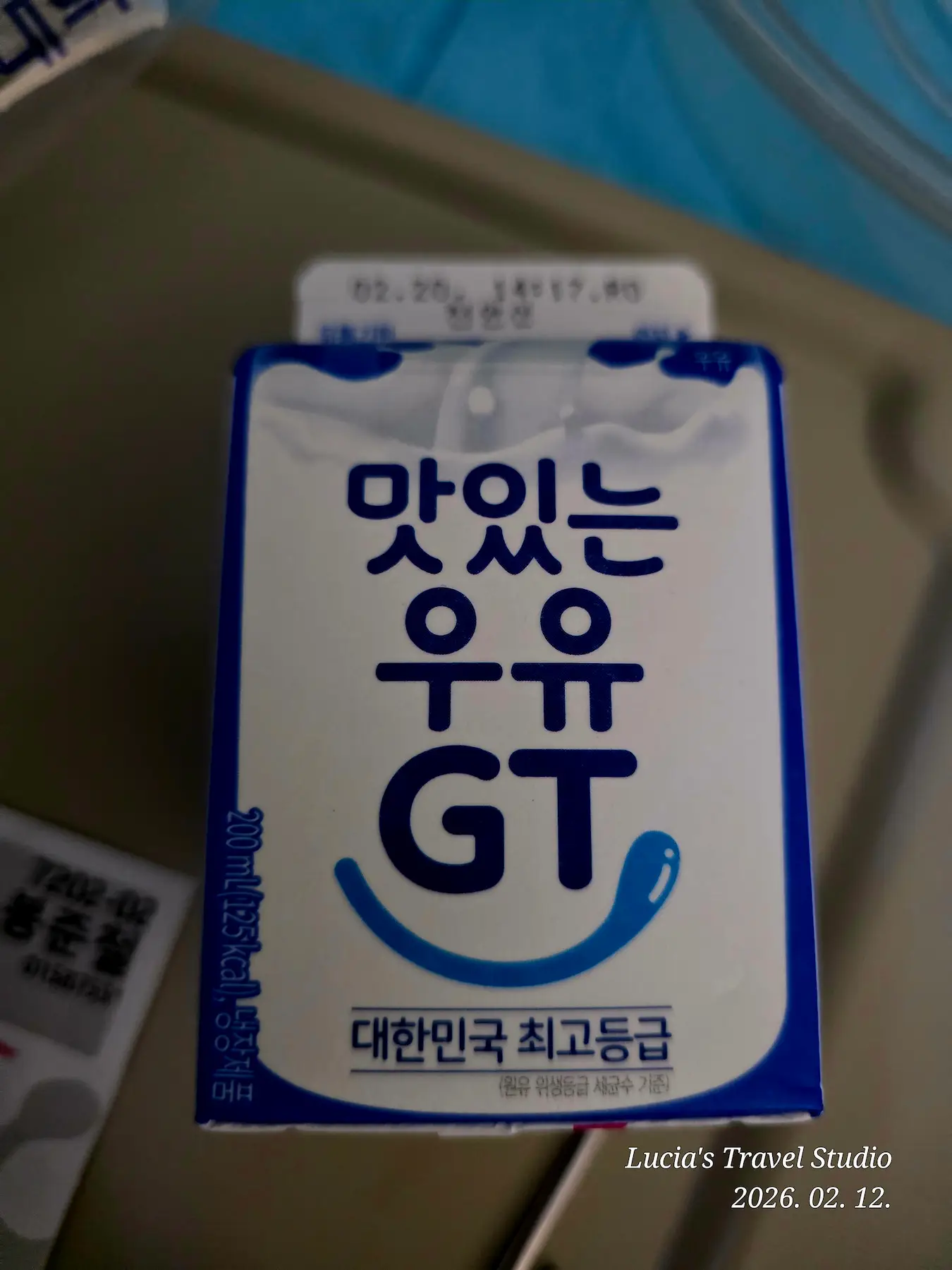
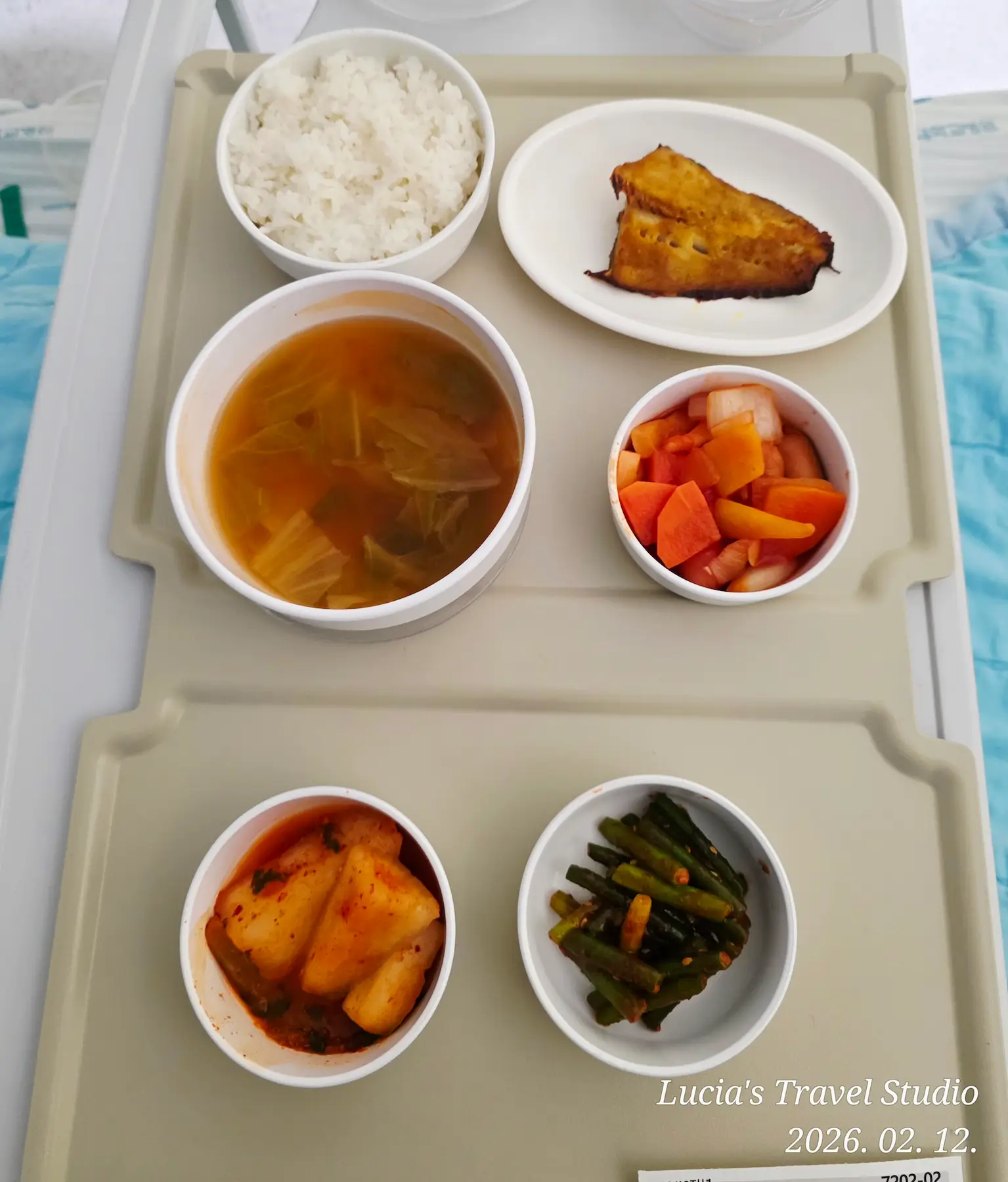
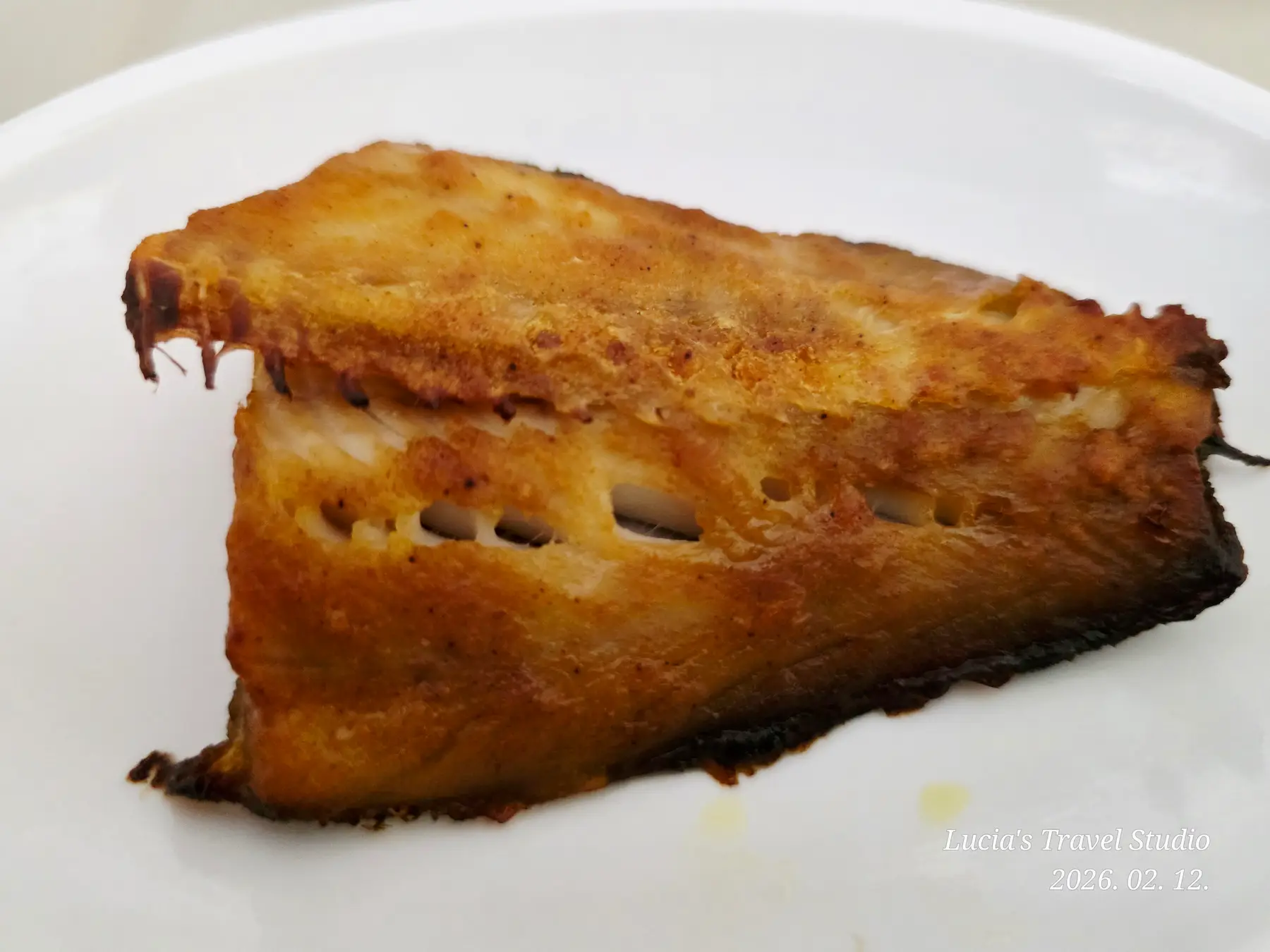
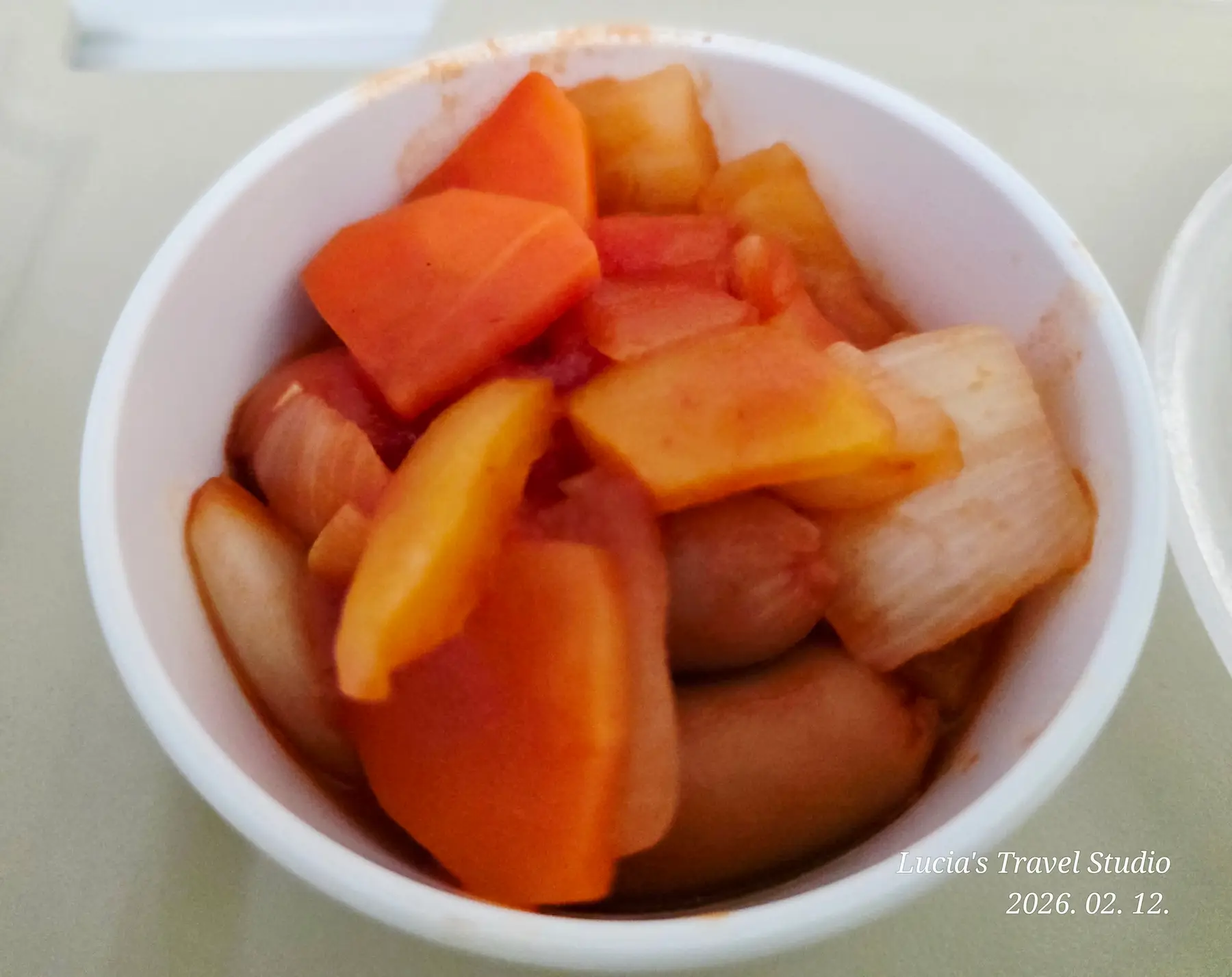
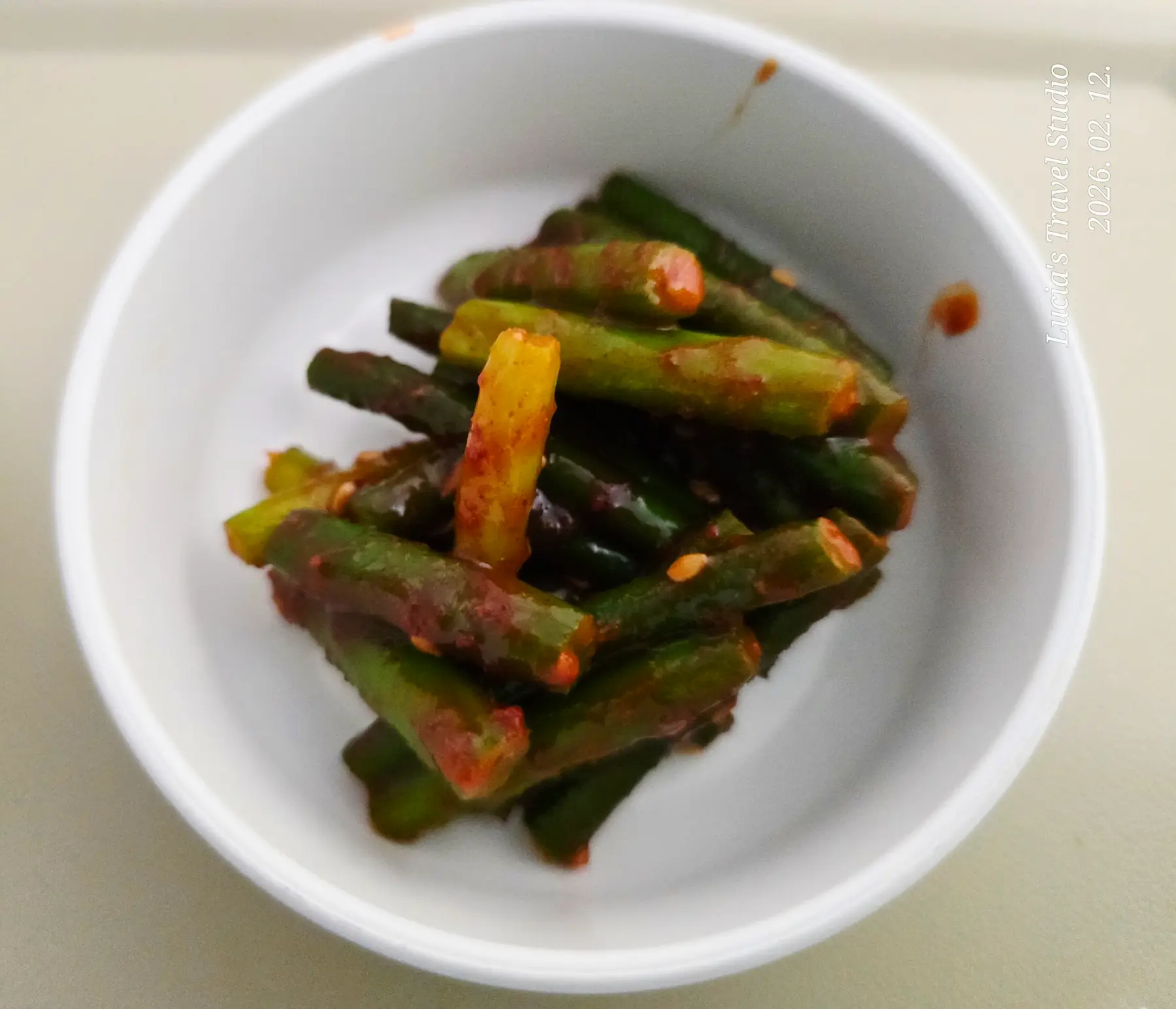
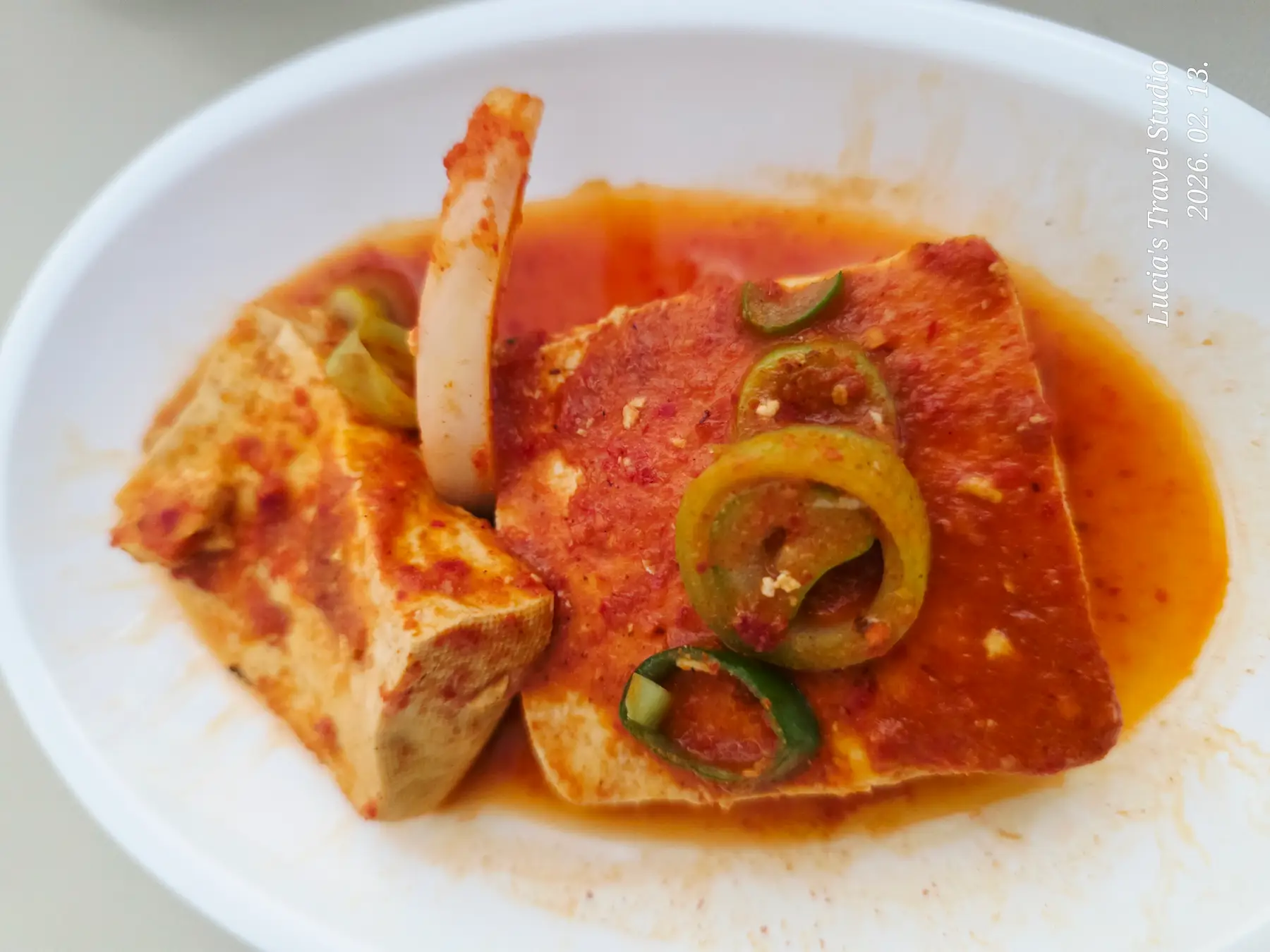
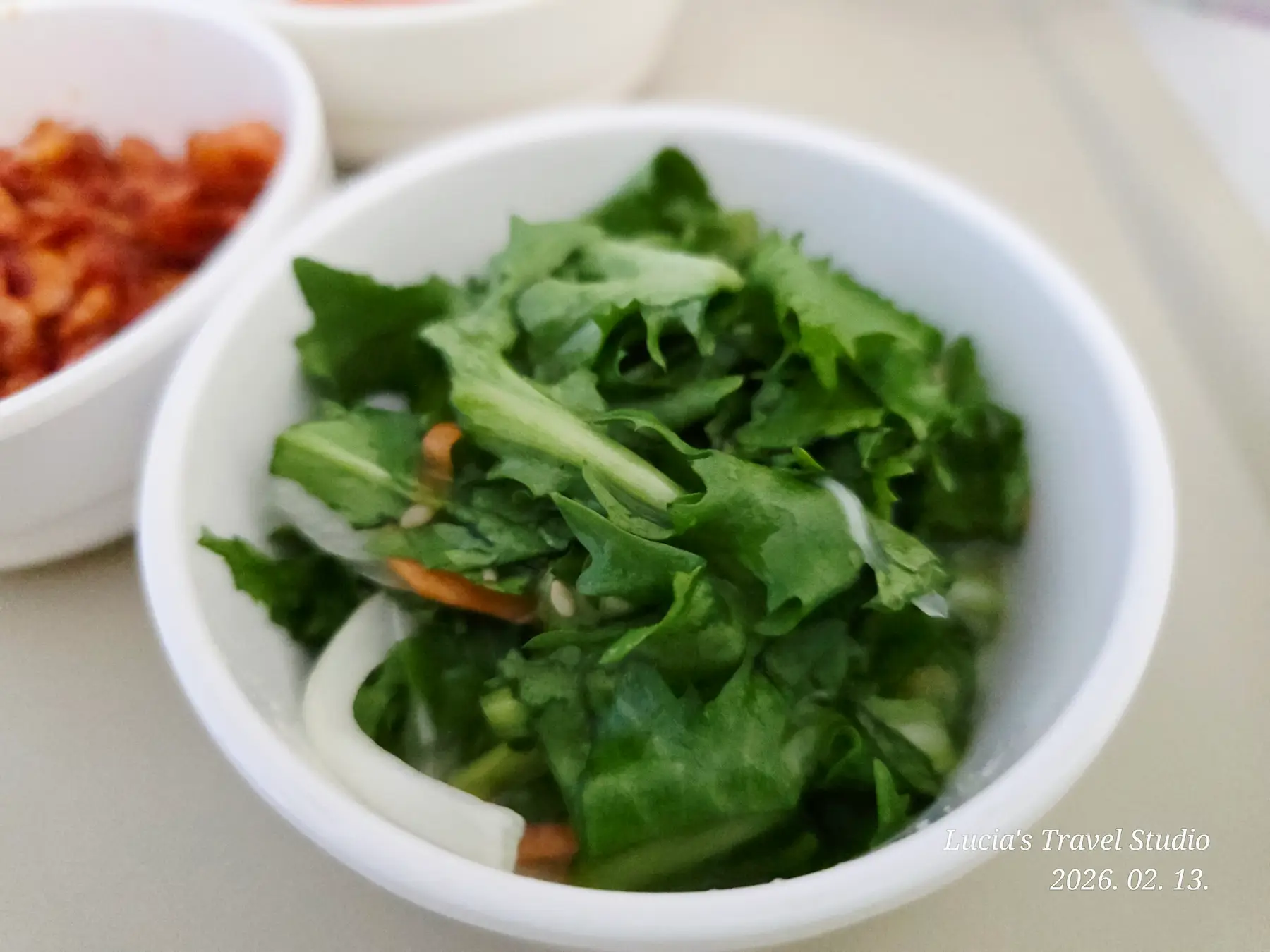
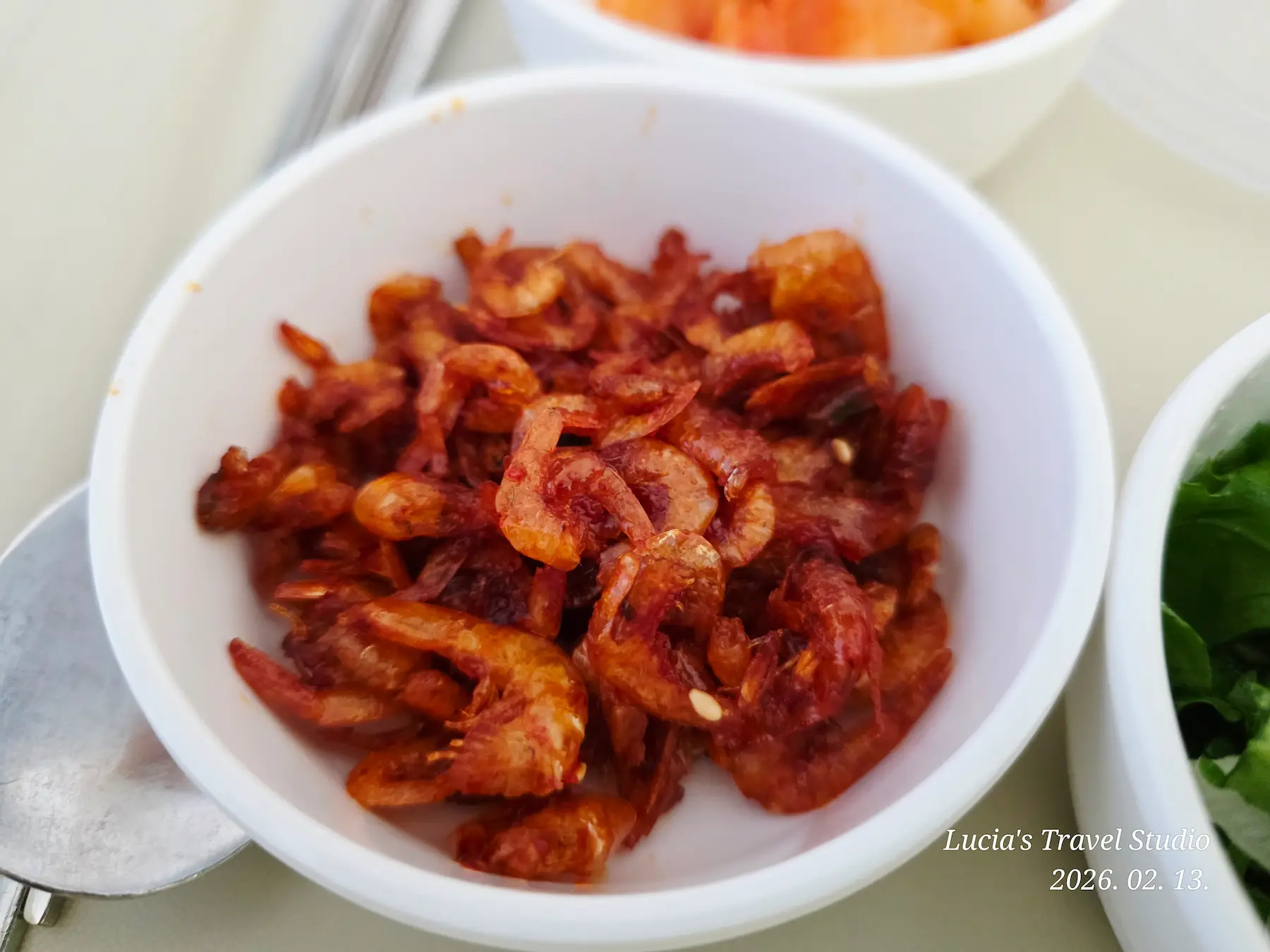
A typical hospital meal included rice, soup, four side dishes, and a small dessert.
Since this was orthopedic surgery, not a digestive condition, he received regular Korean meals rather than a restricted medical diet.
And the truth?
Korean hospital food is far better than many people imagine.
If you’re concerned about what a hospital stay in Korea will be like — especially the meals — you may be pleasantly surprised.


🥵 The Hardest Part
The ward heating worked too well.
It was very warm — almost too warm — especially in thick hospital gowns.
After his inflammation levels dropped significantly,
the professor approved discharge.
On Friday, we took a taxi home.
There’s nothing quite like coming back home after a hospital stay.
☕ Convenience Inside the Hospital
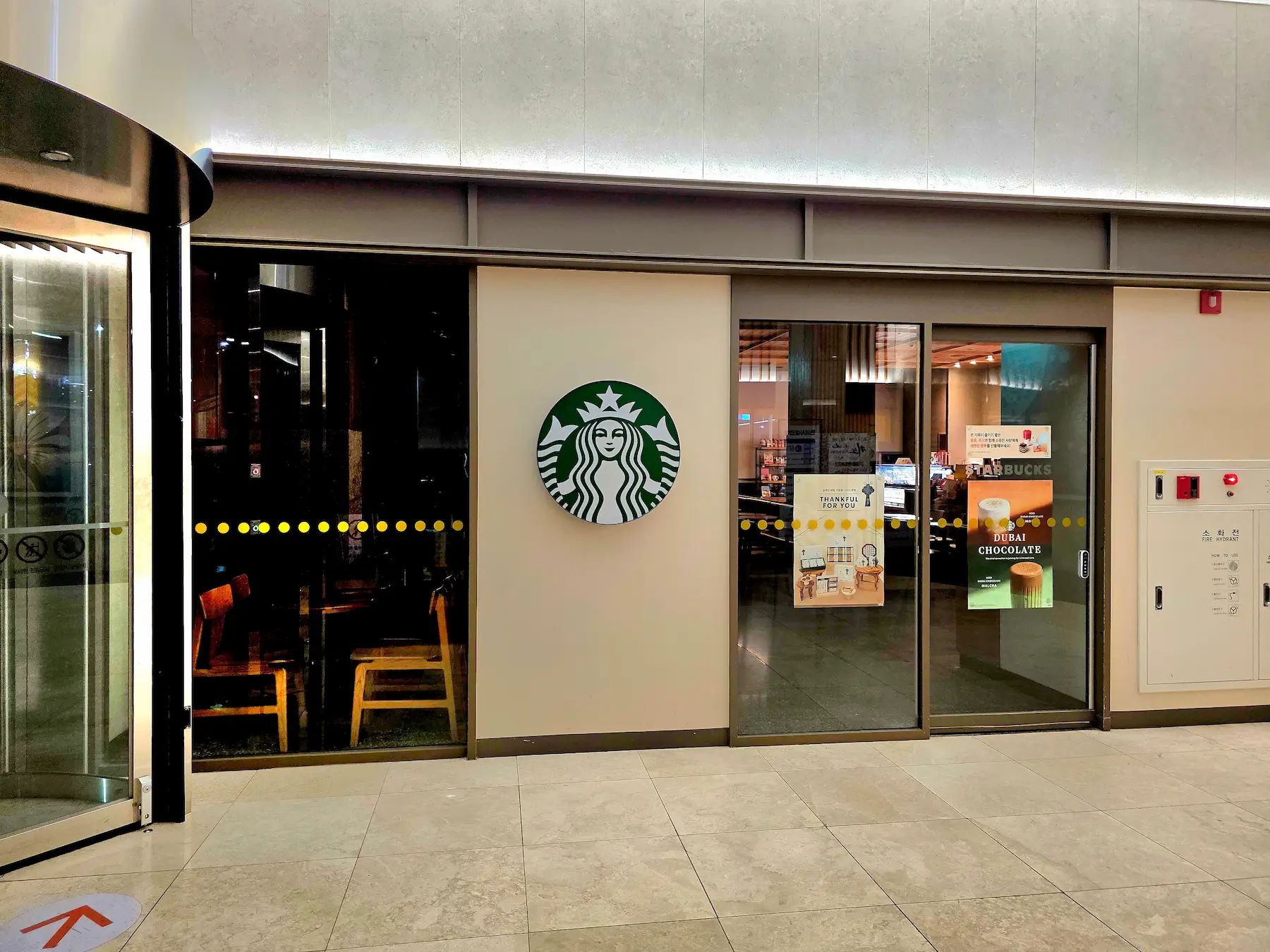
On the 1st floor:
Convenience store
Starbucks
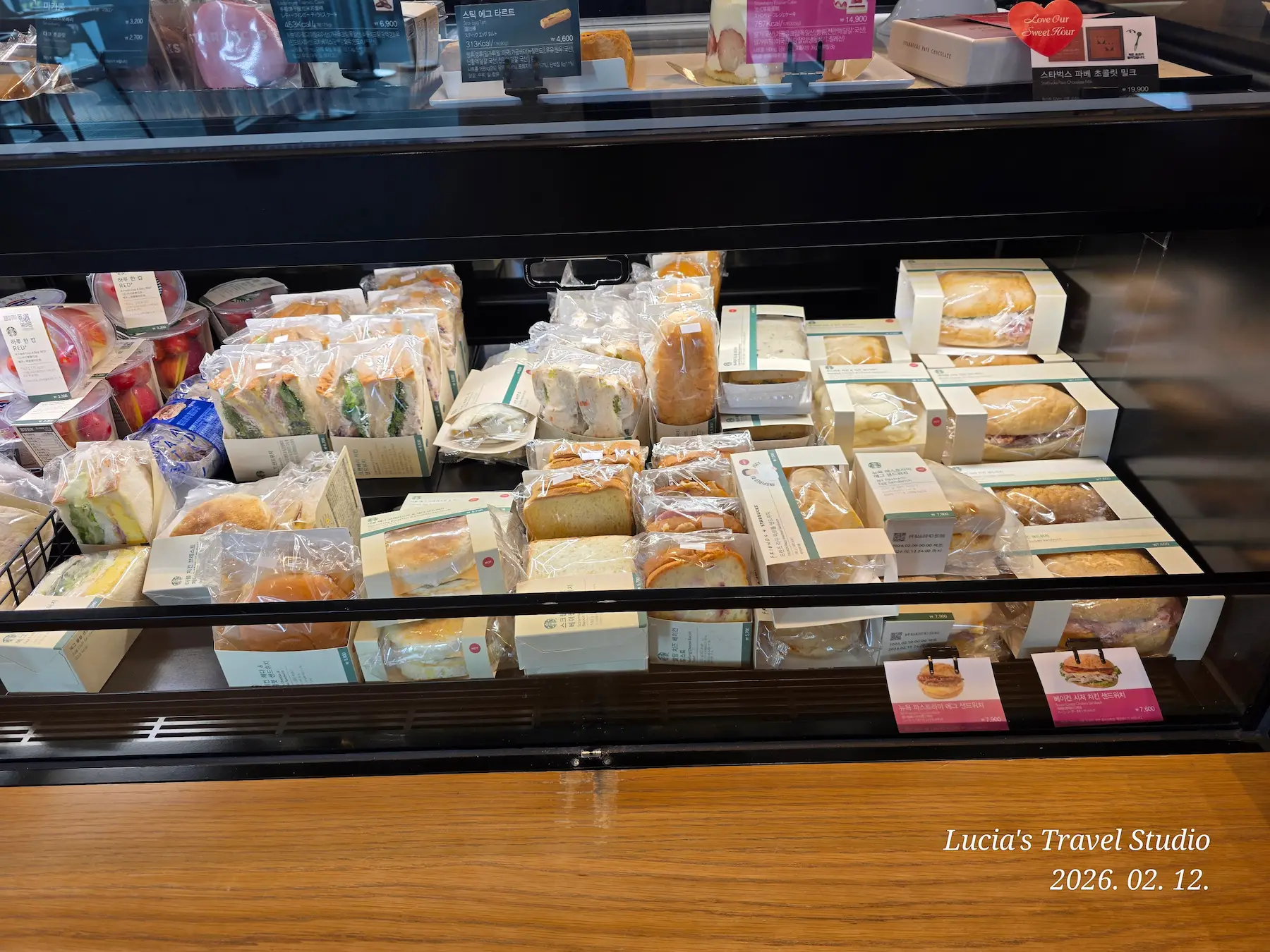
Bakery
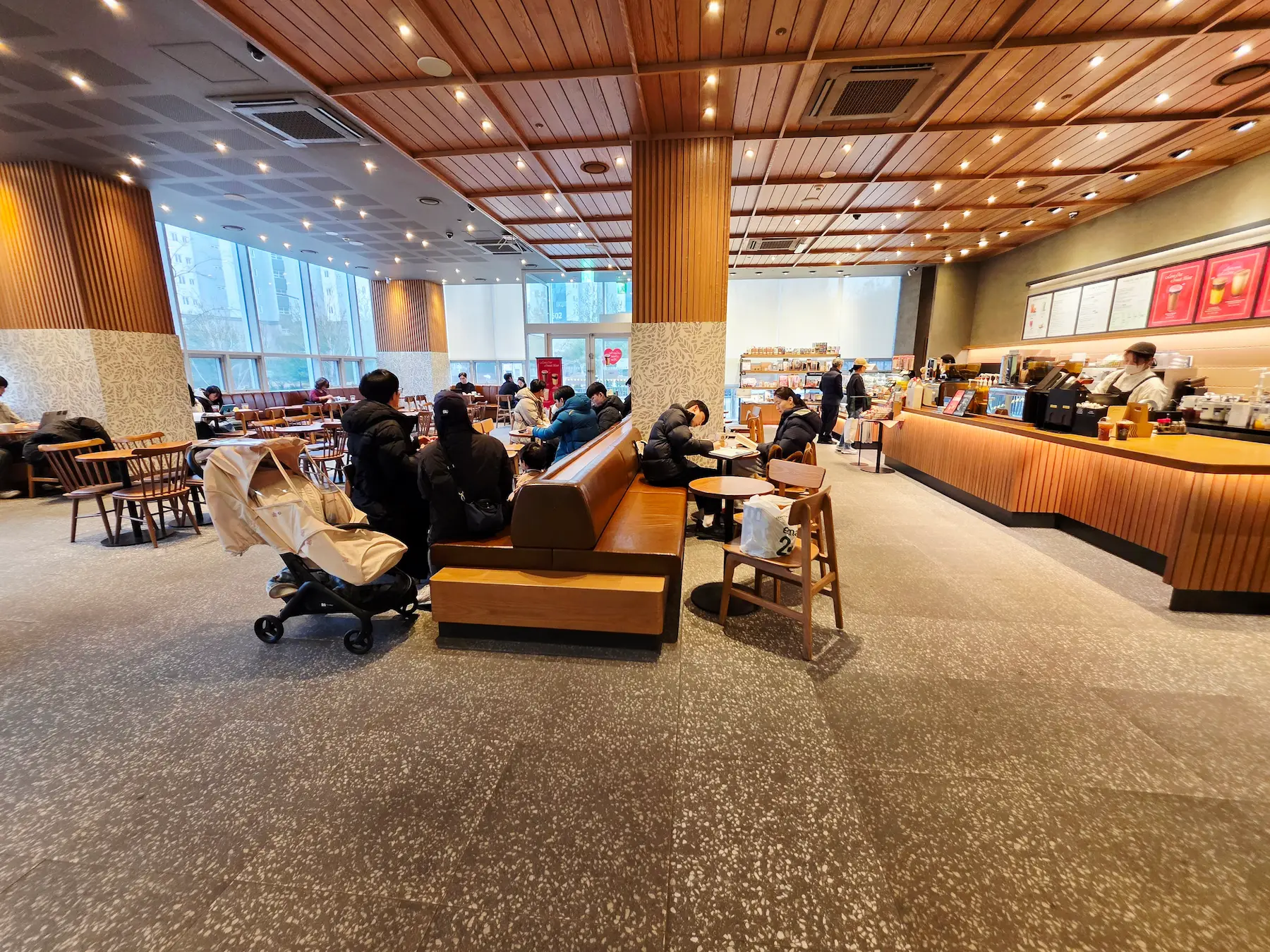
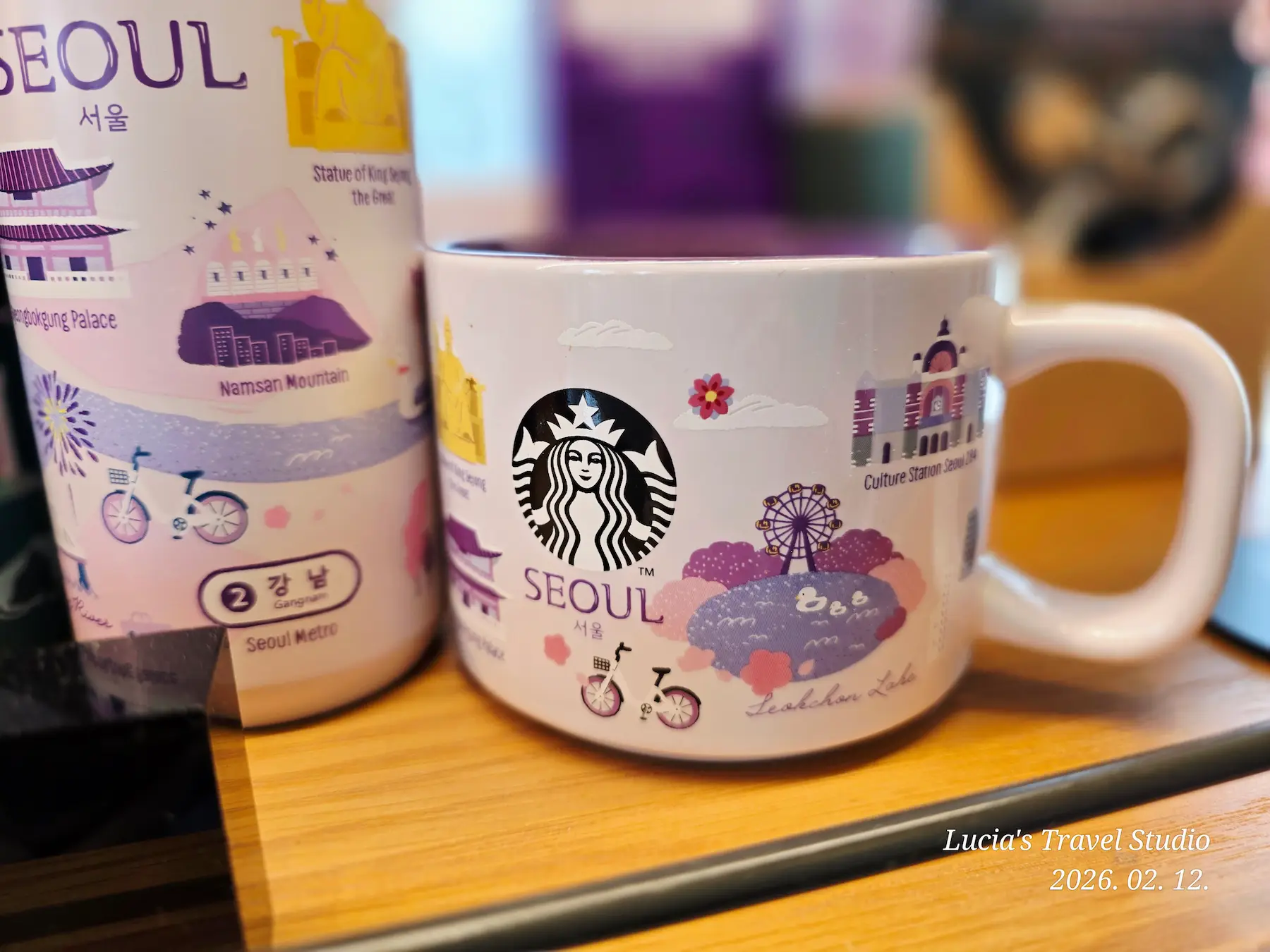


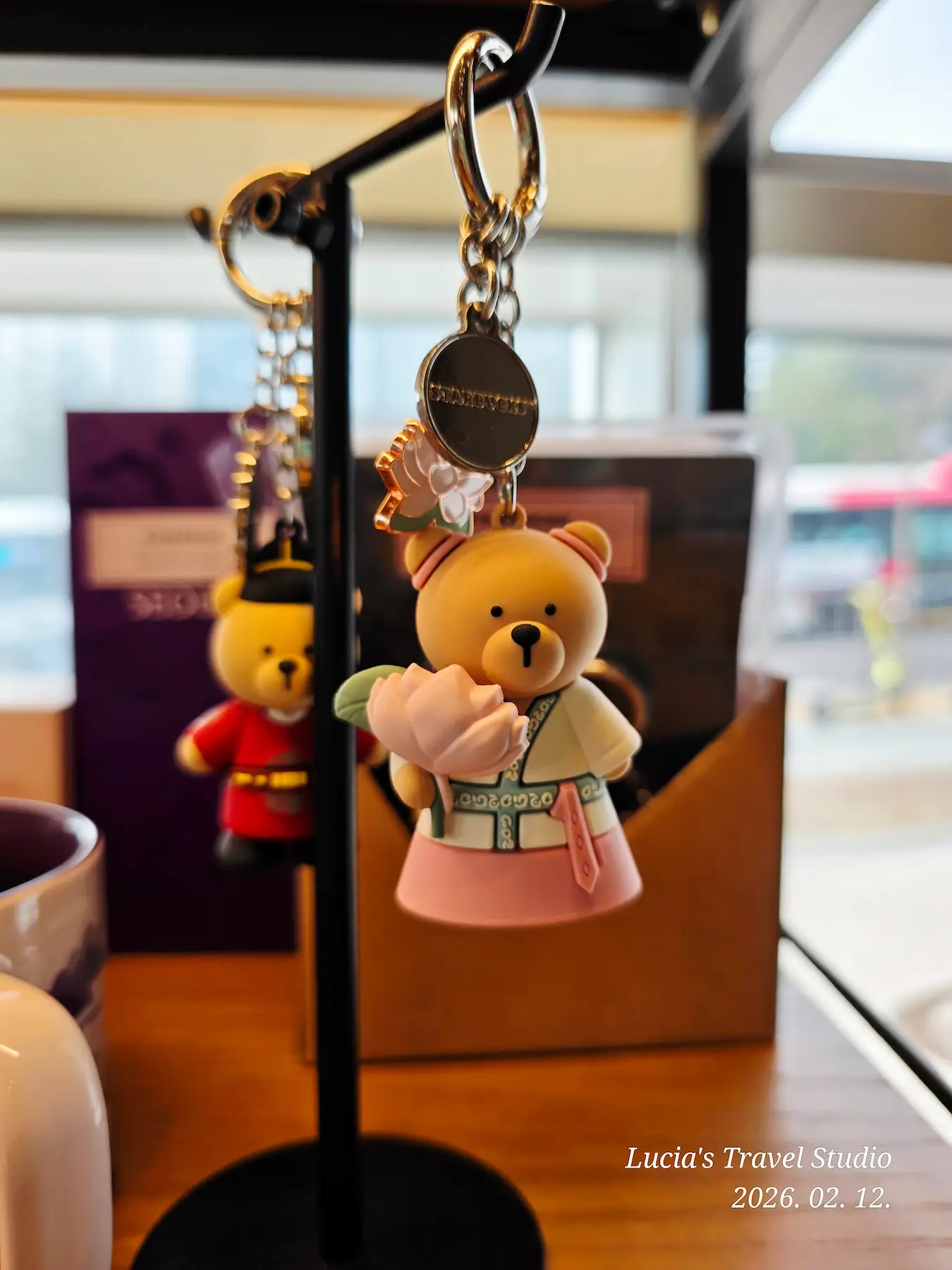


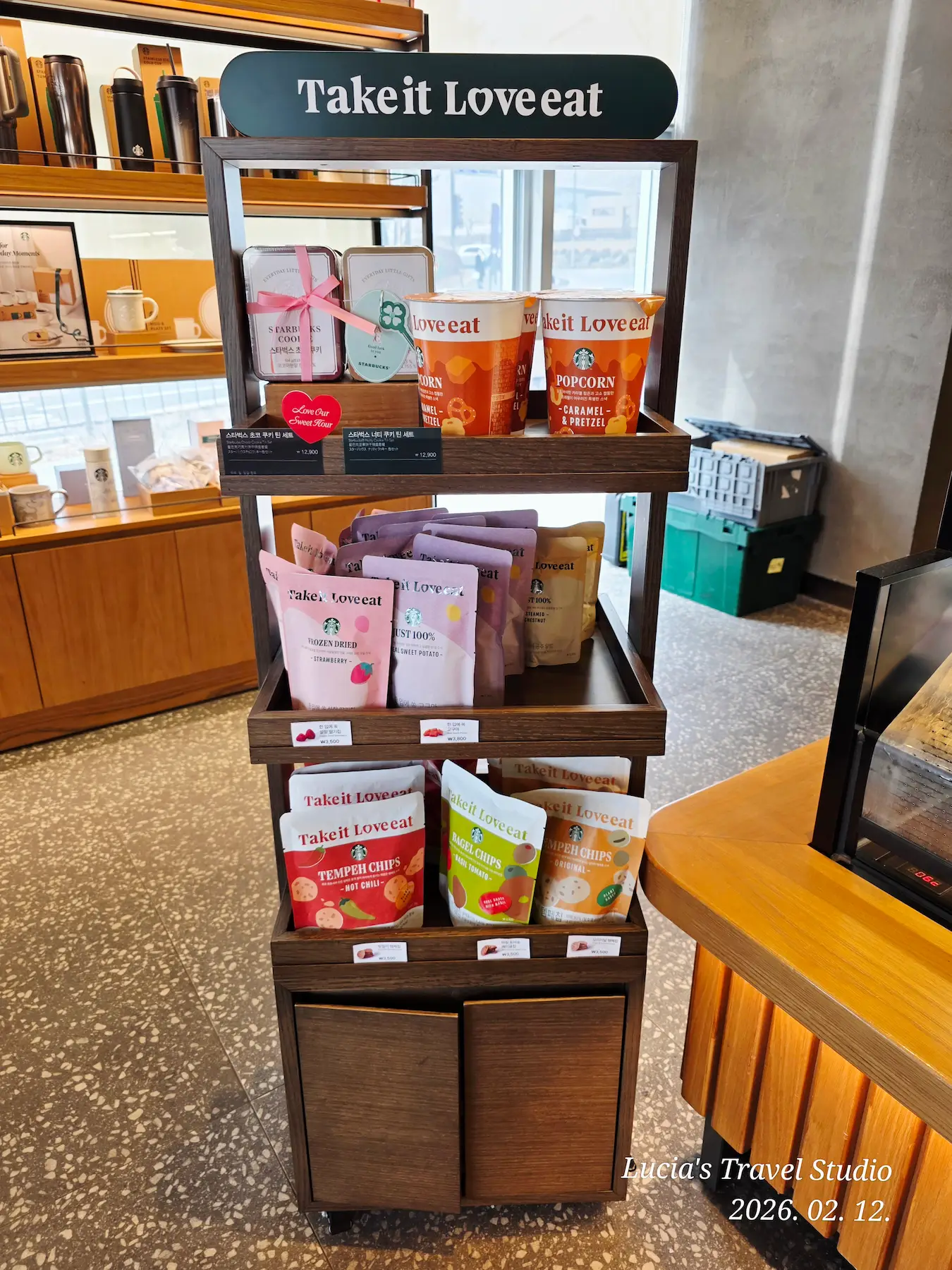
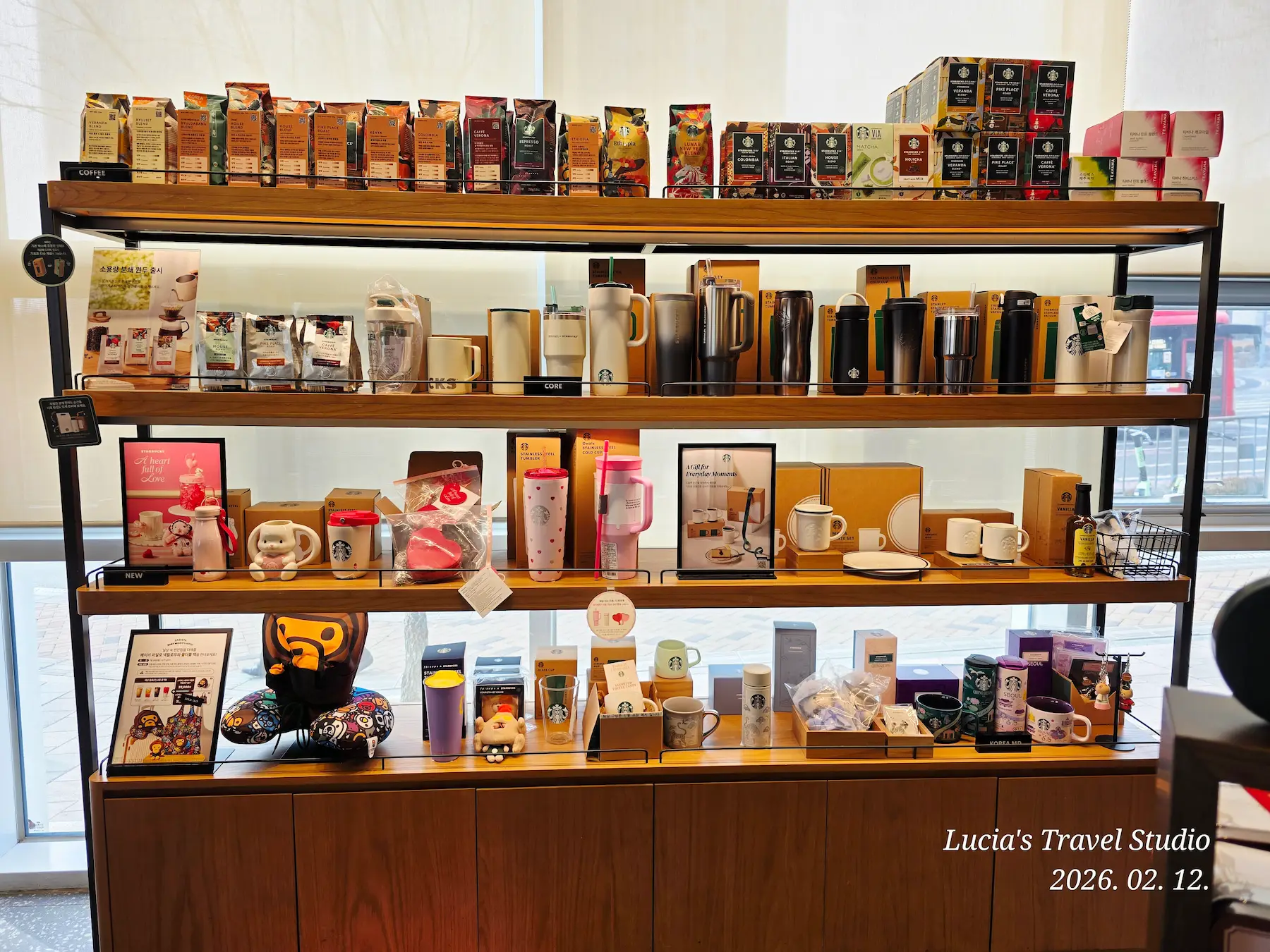
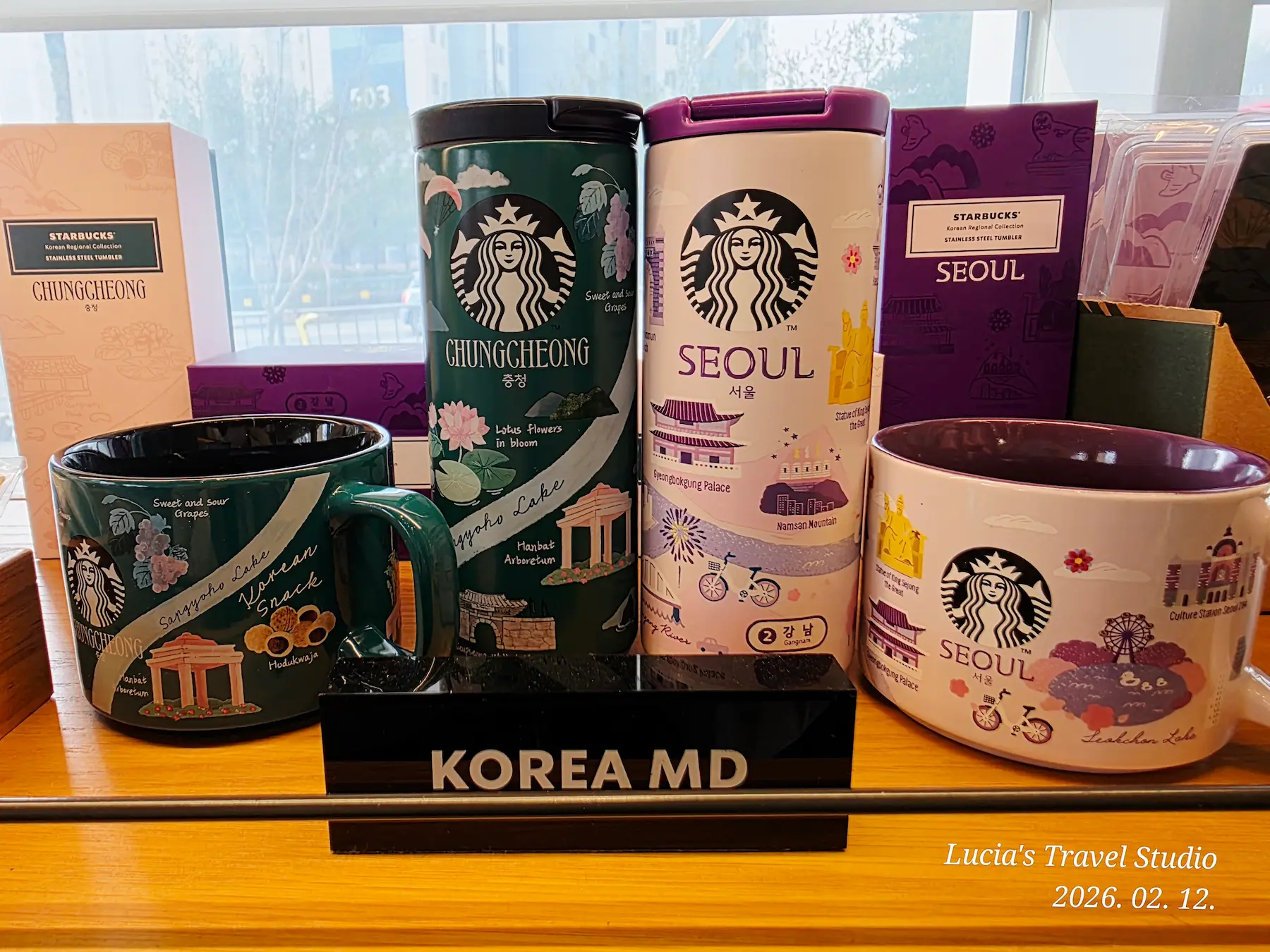
In the basement:
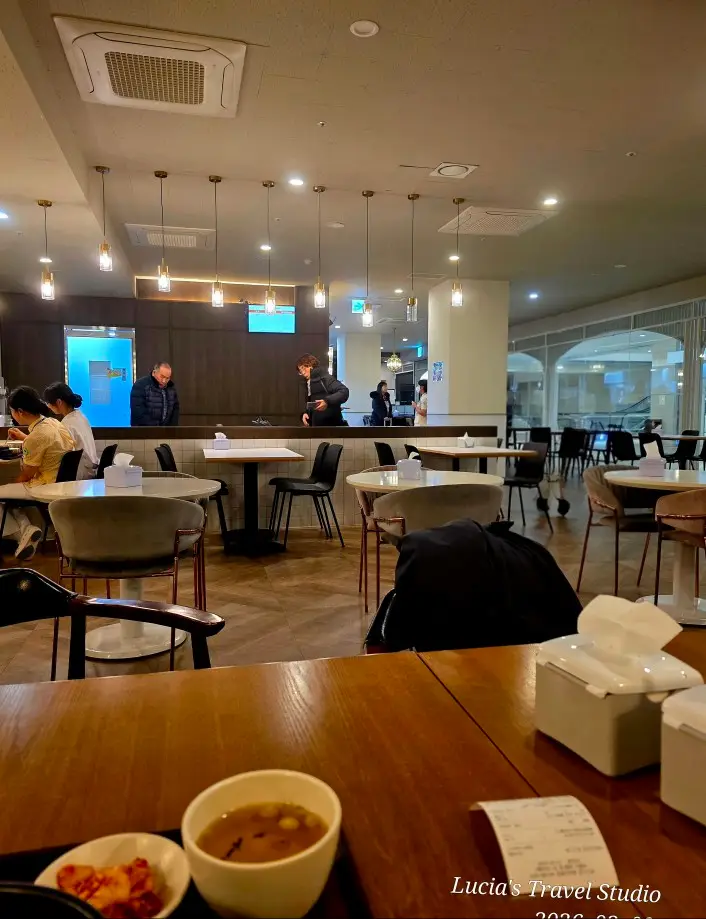
Food court
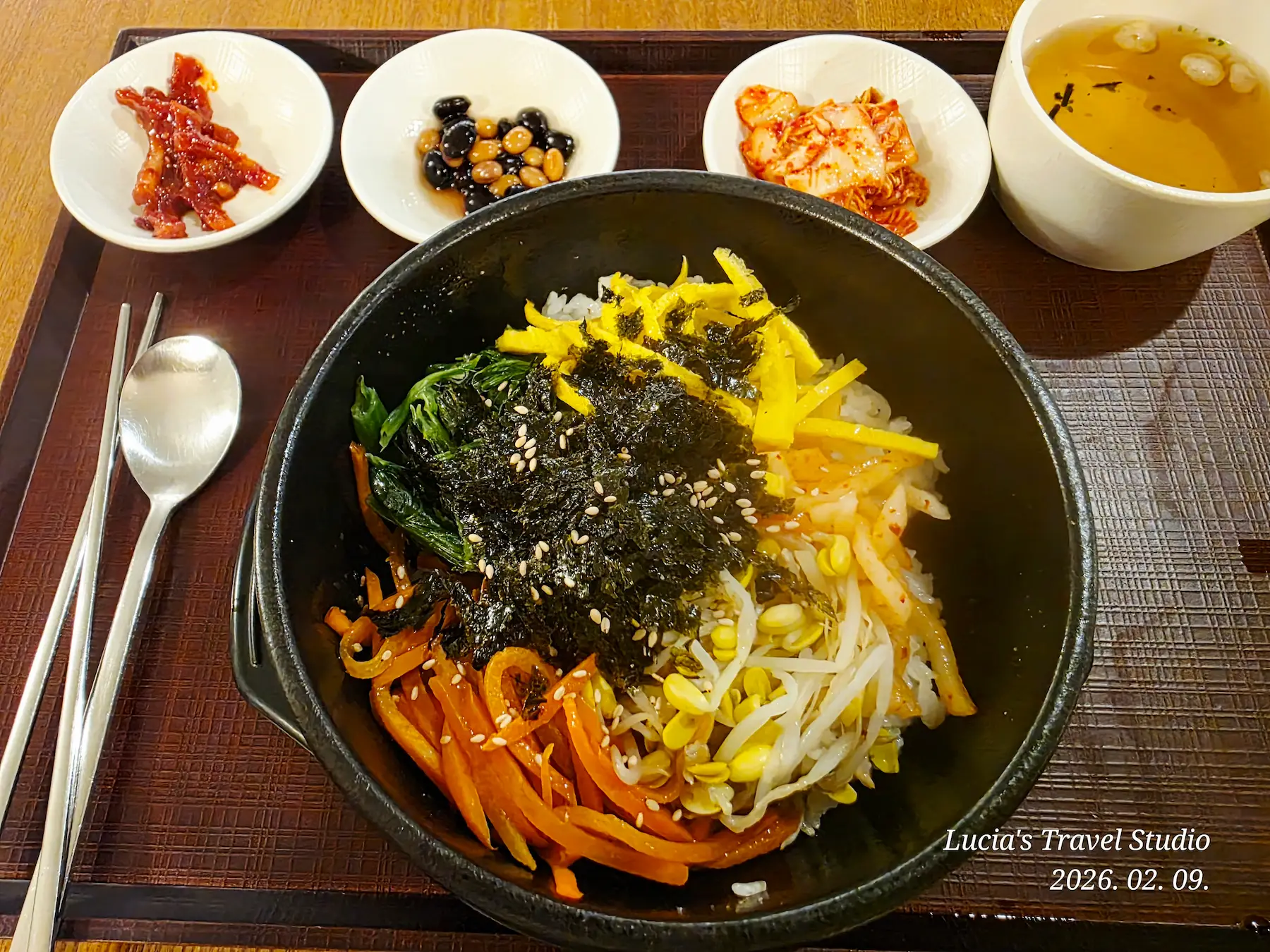
On the 7th floor ward:
Caregiver lounge
Pantry area
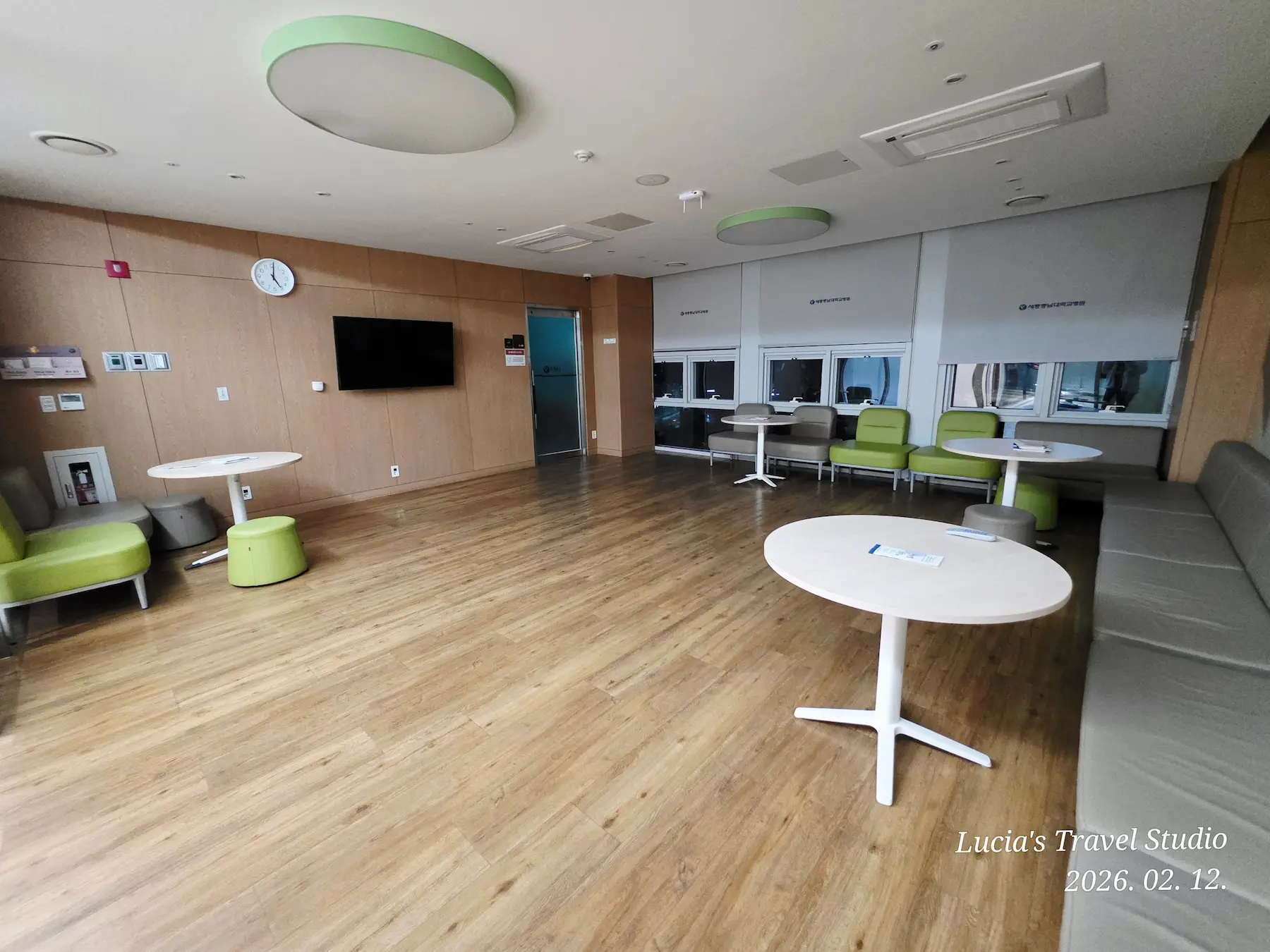
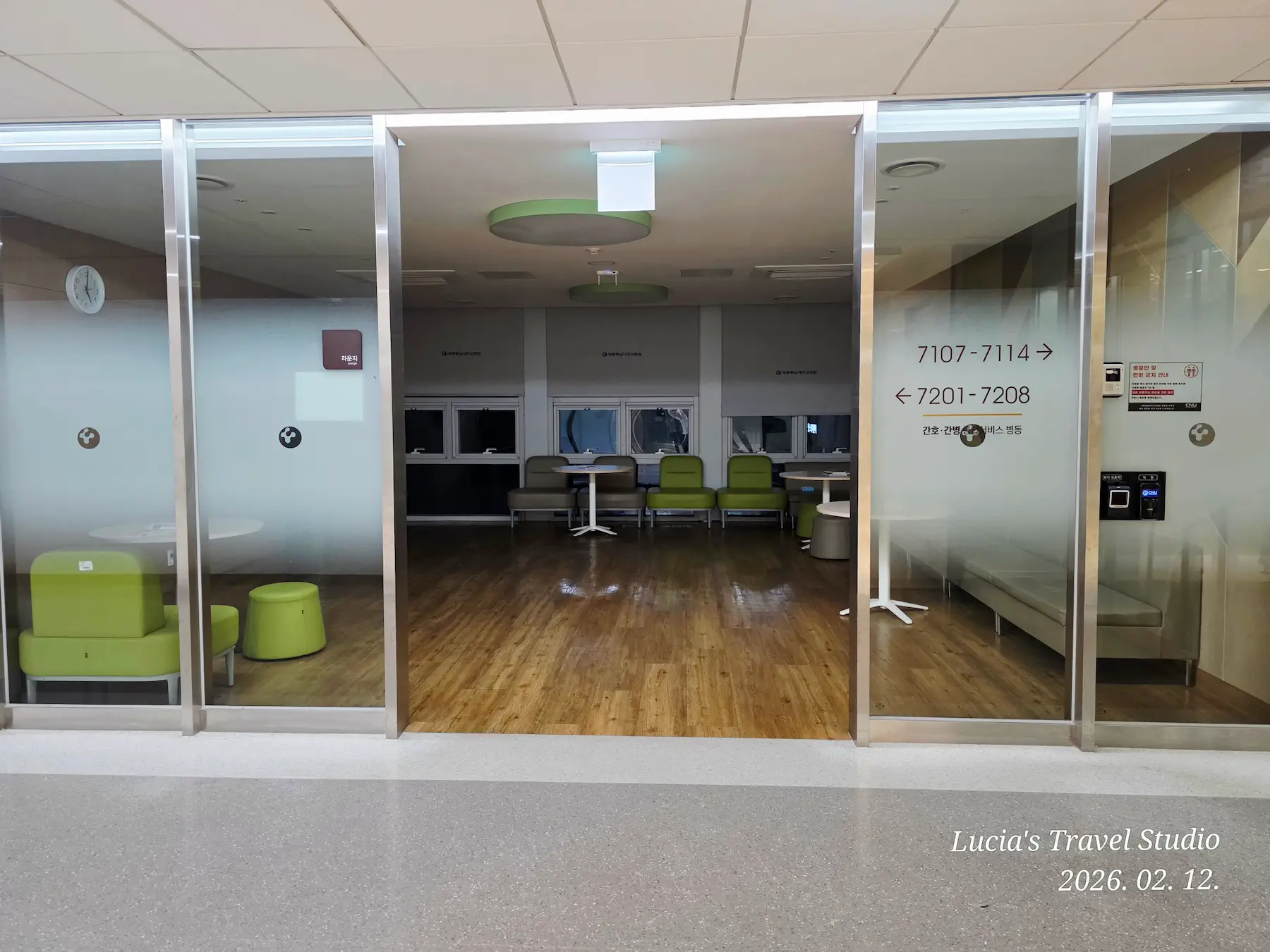
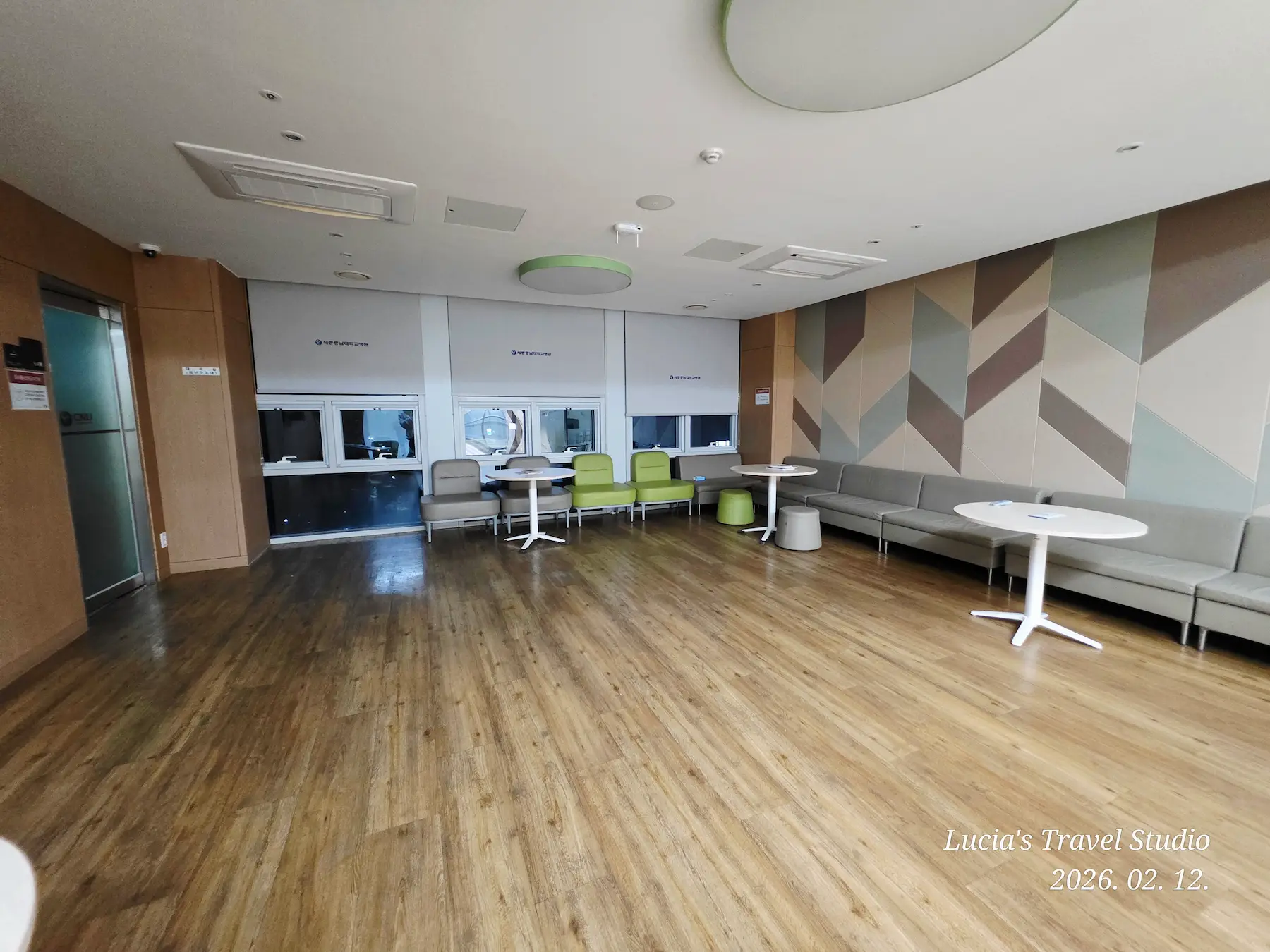
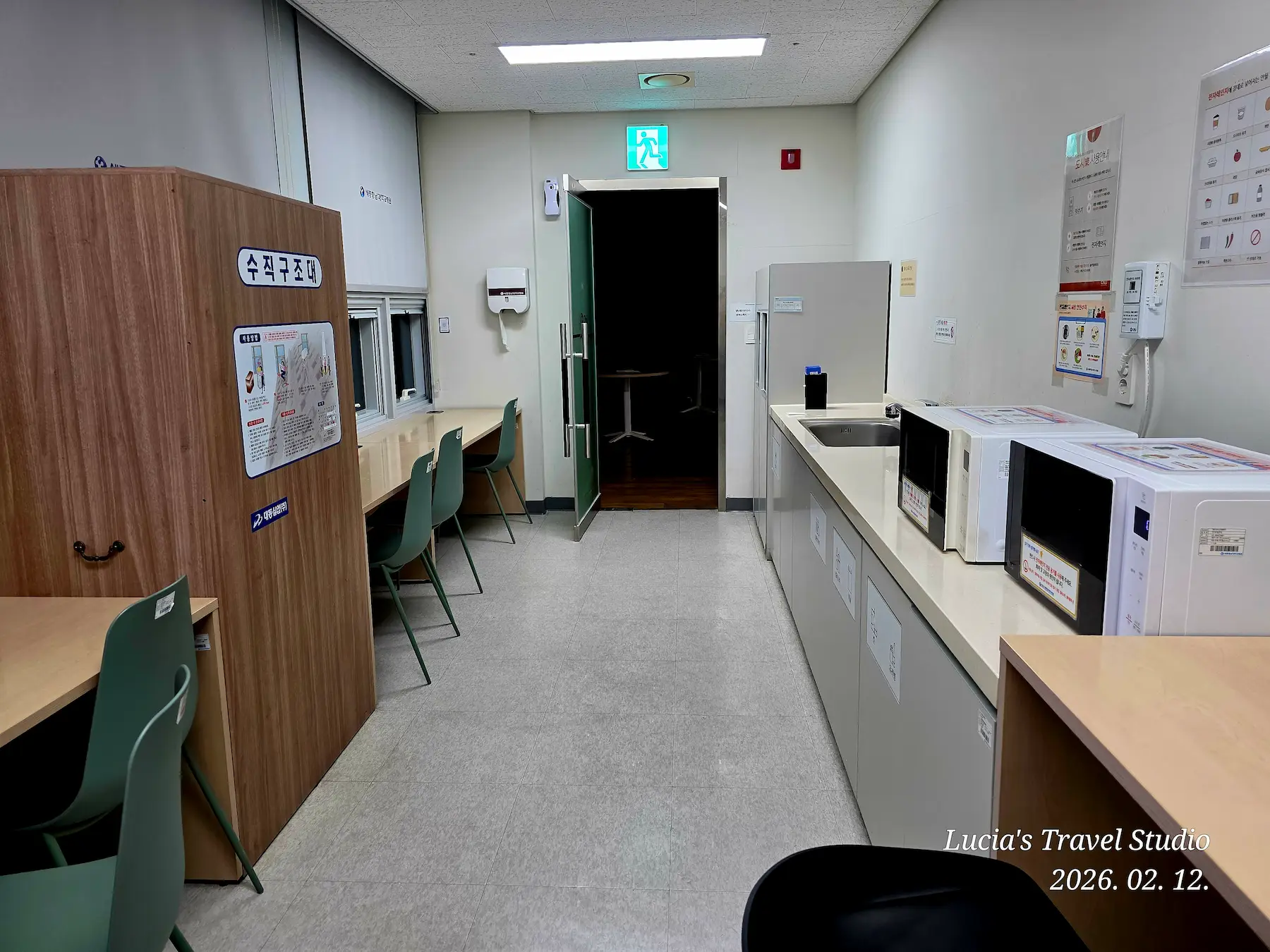
Finding meals or snacks was never a problem during our hospital stay in Korea.
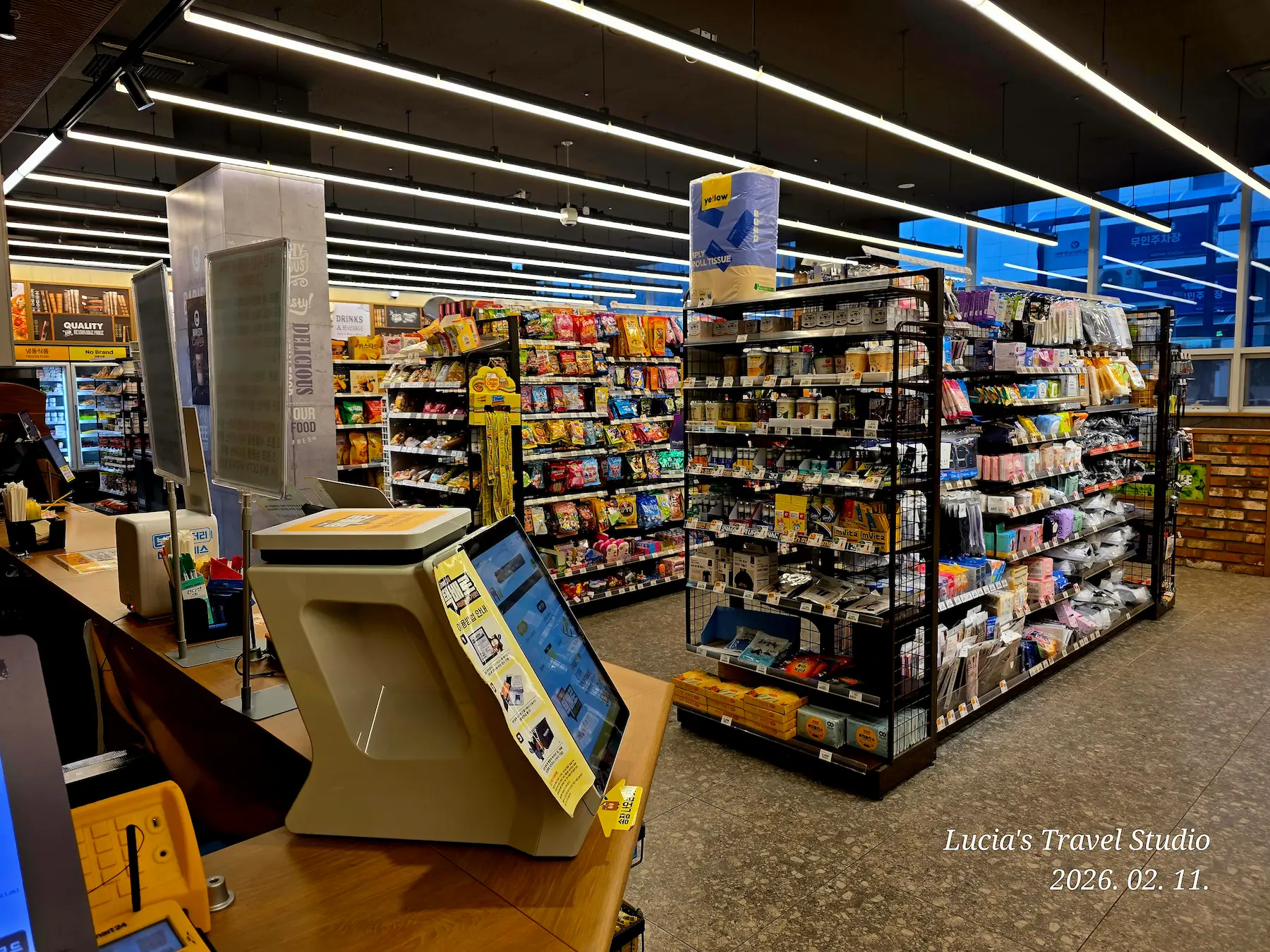
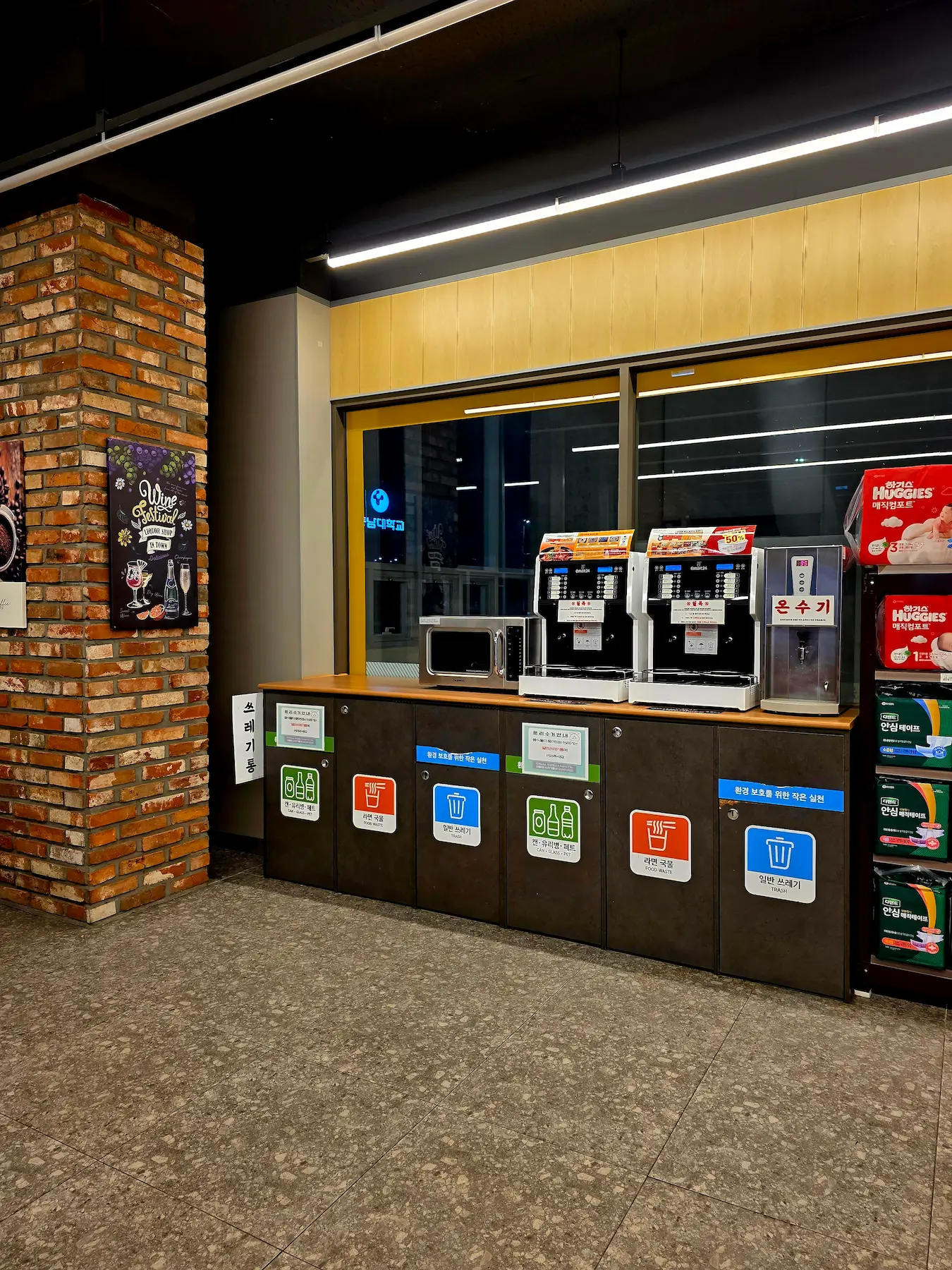
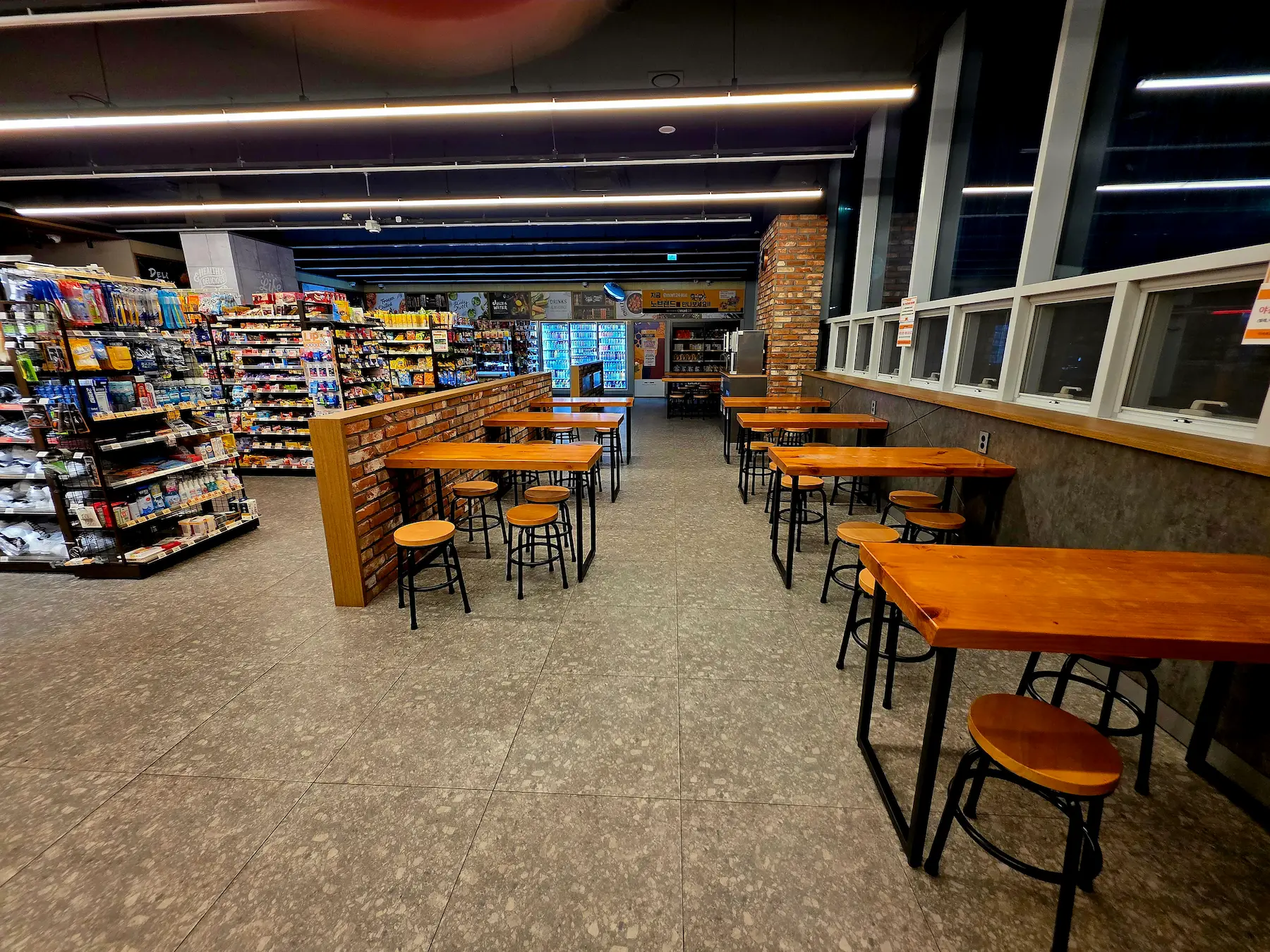
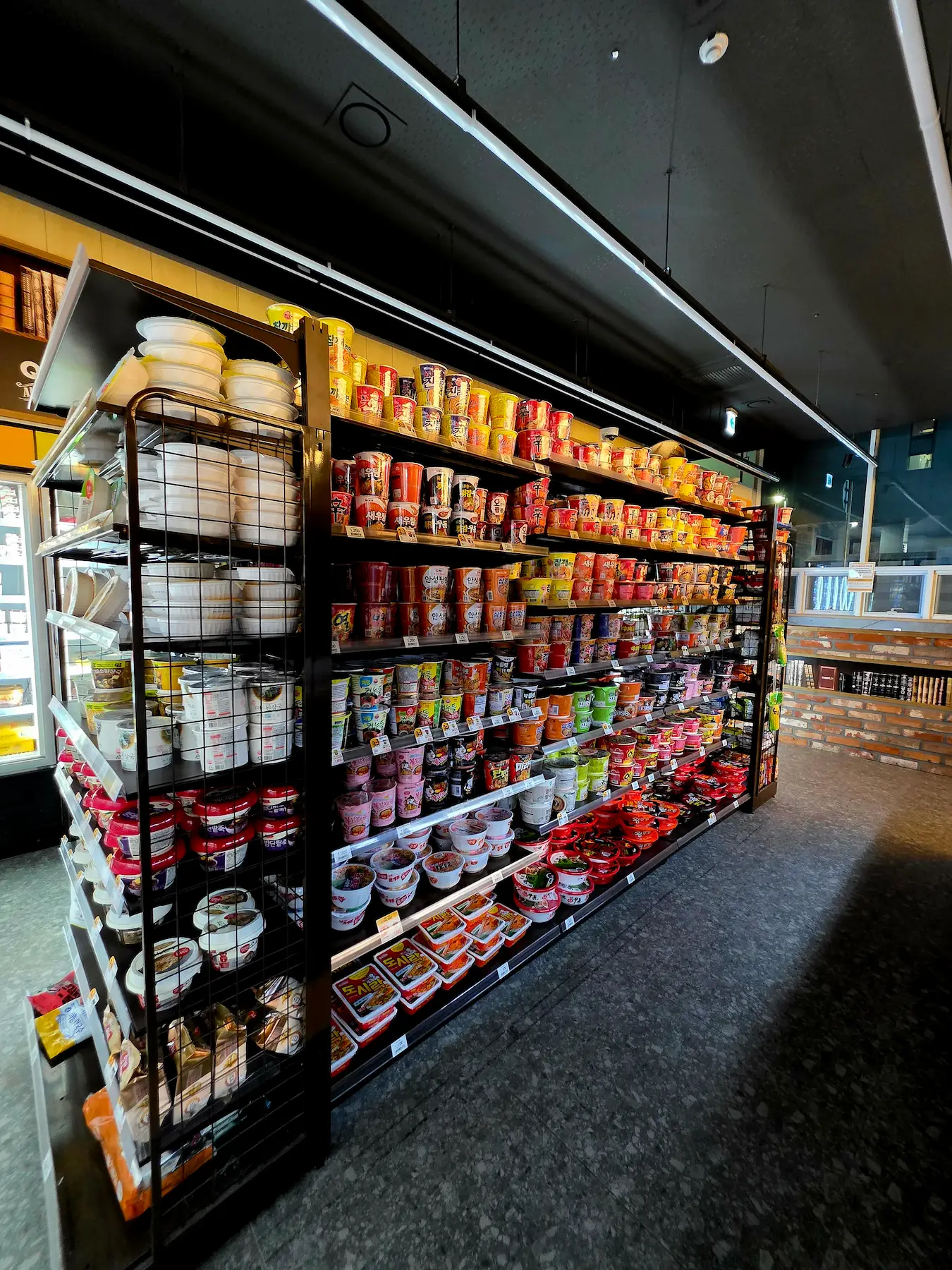
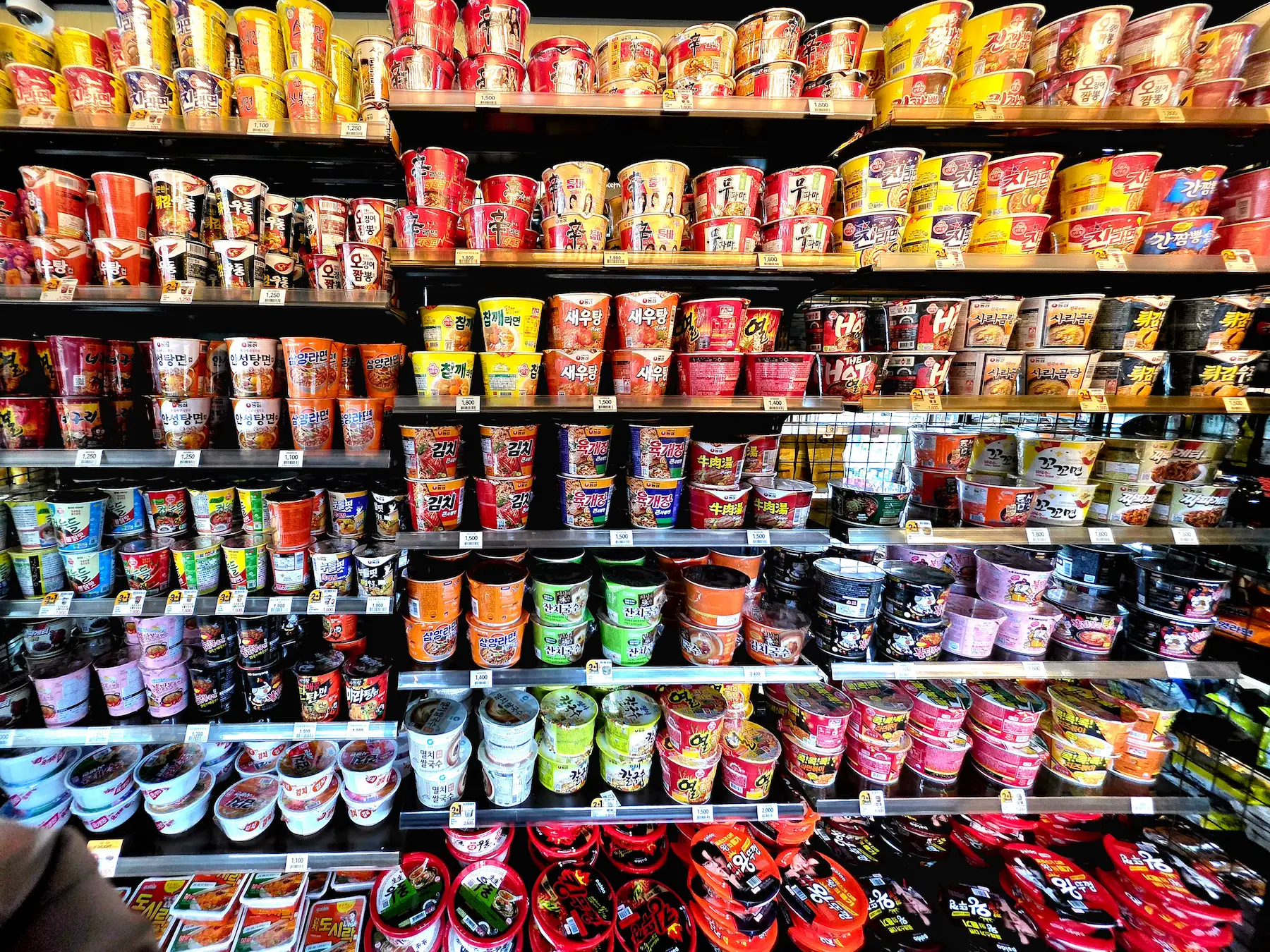
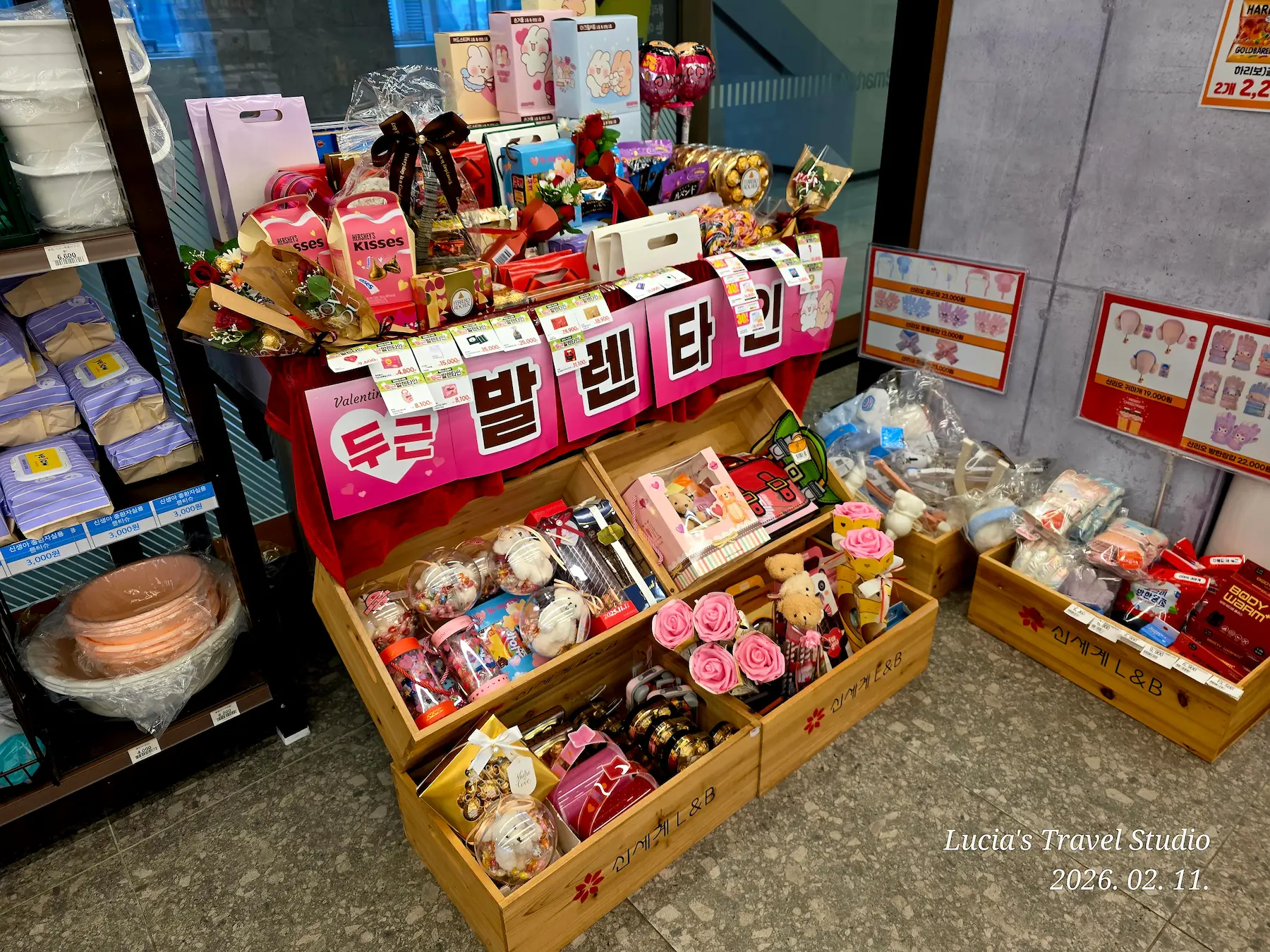
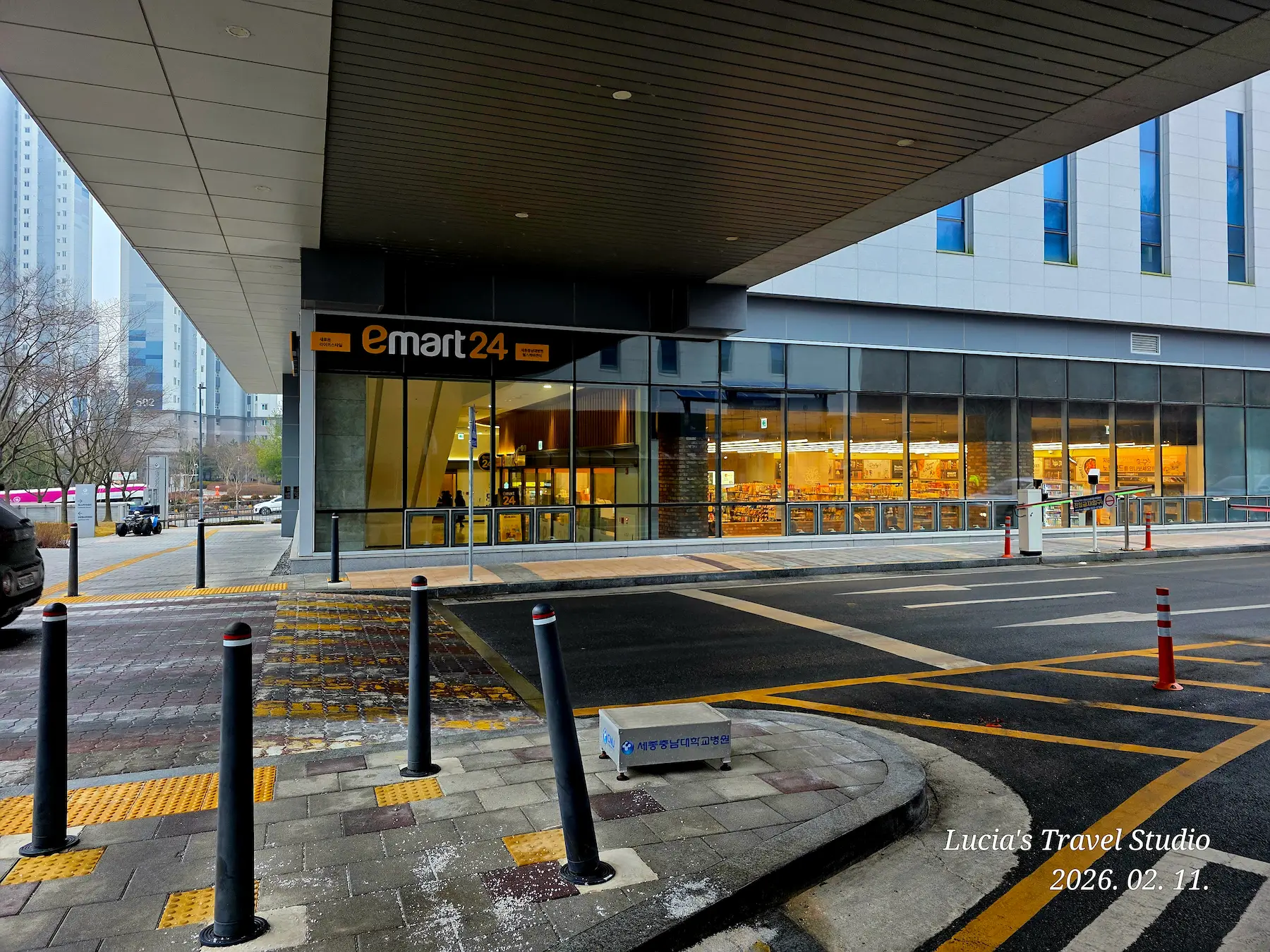
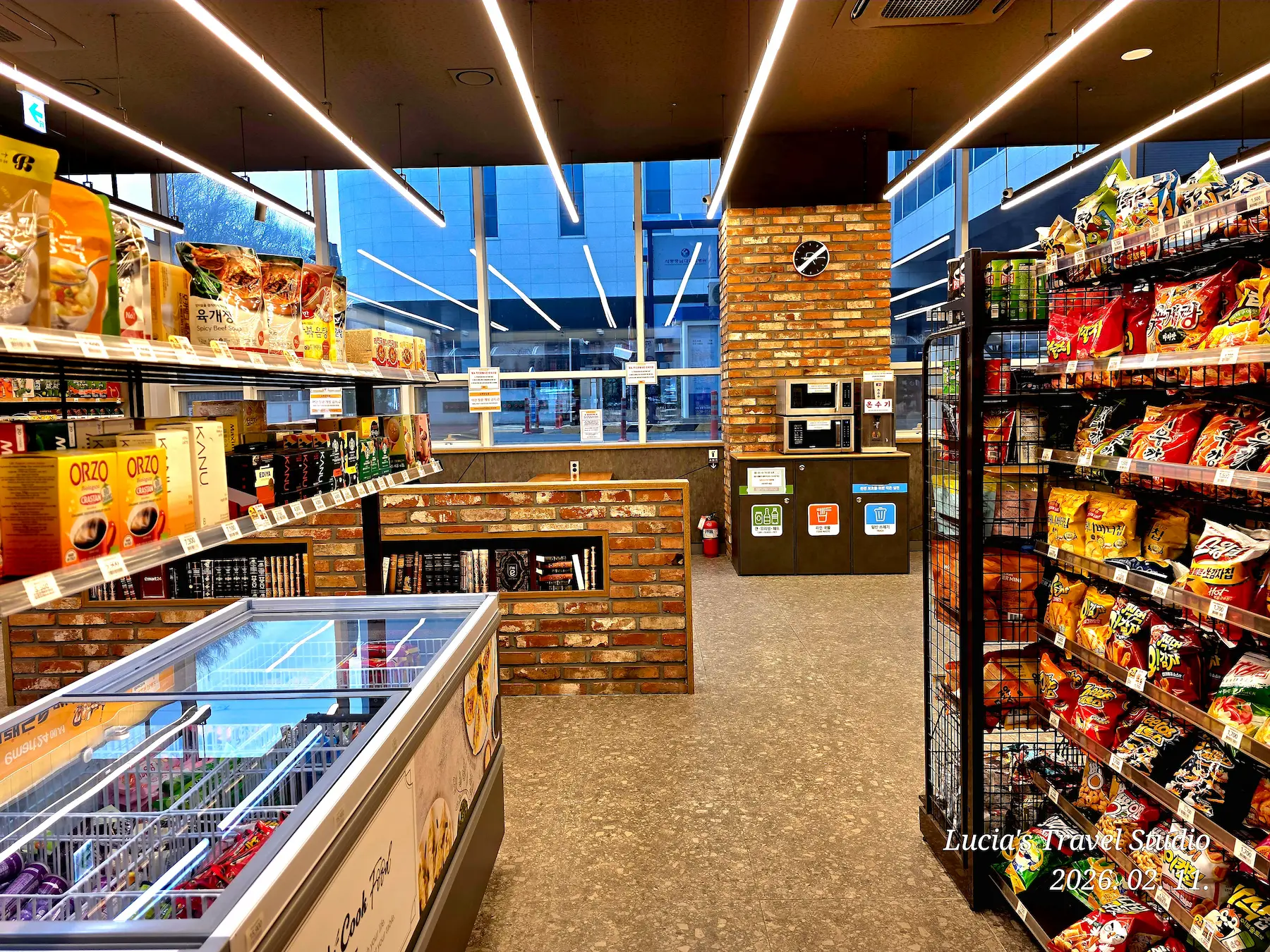
One night, I went down to the convenience store past midnight.
It was operating on an unmanned system.
Entry was simple — swipe a credit card to enter, select what you need, complete self-checkout, and leave.
Inside, there were café-style tables where visitors could sit and eat comfortably.
It felt surprisingly modern and efficient.
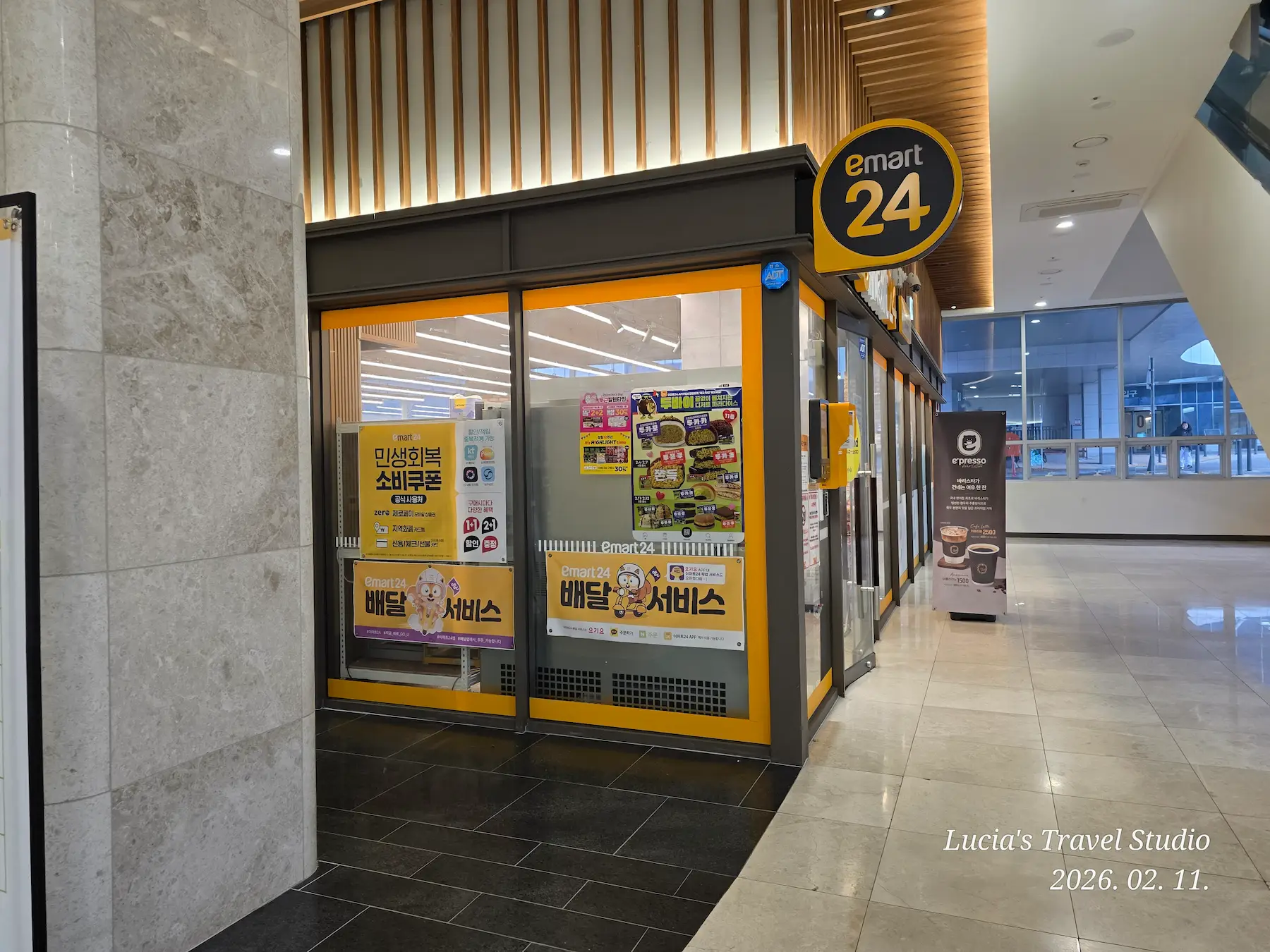
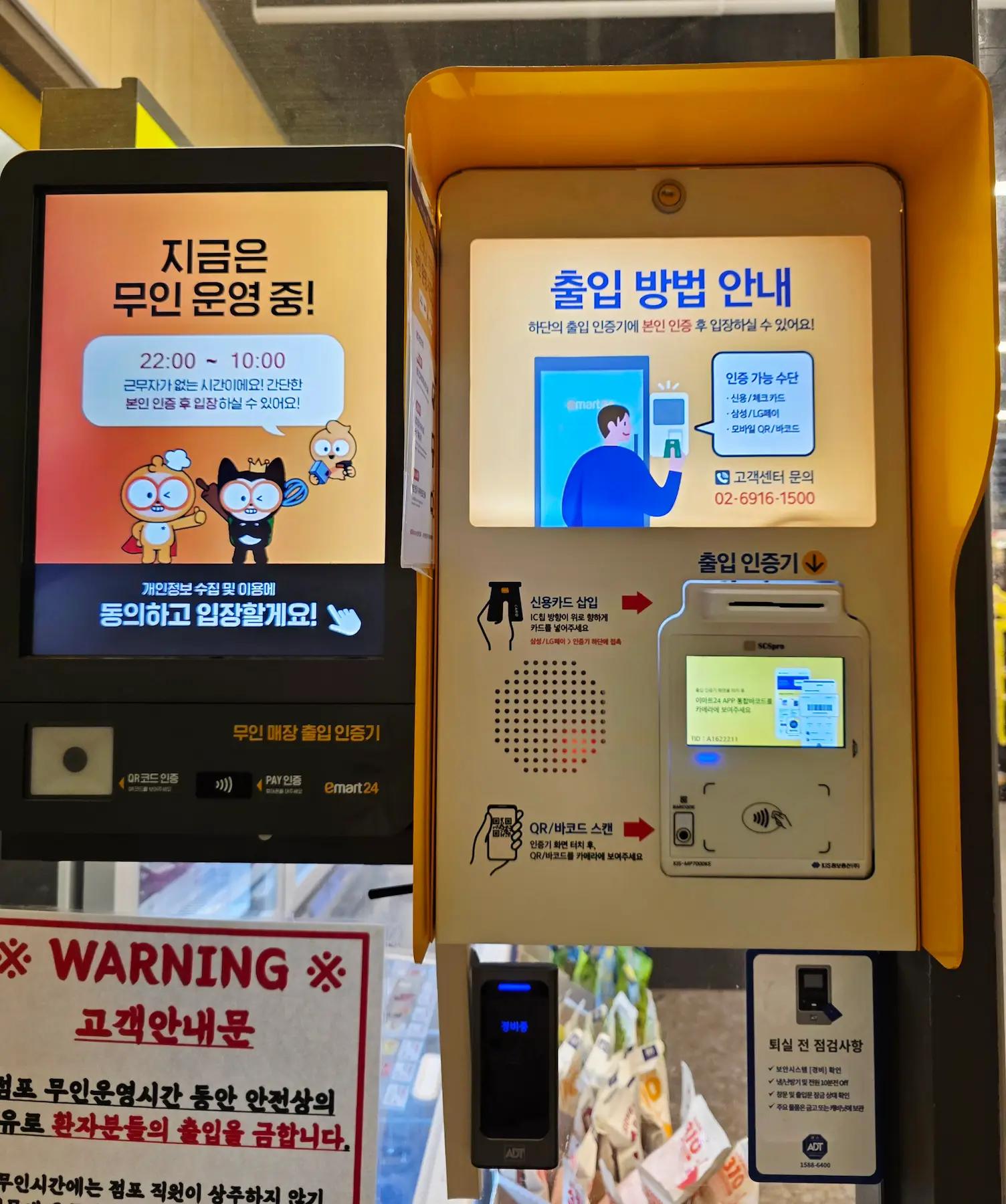
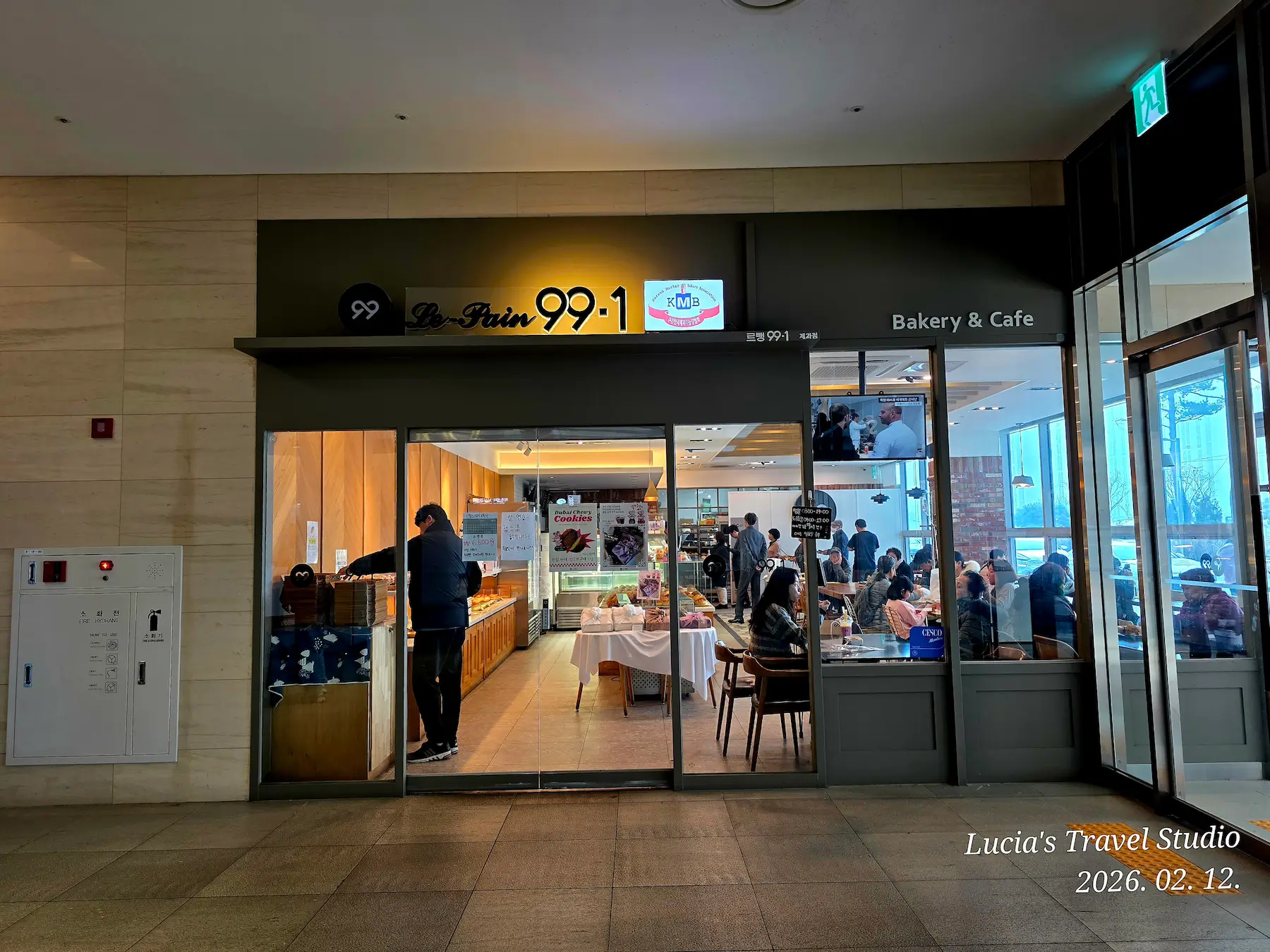
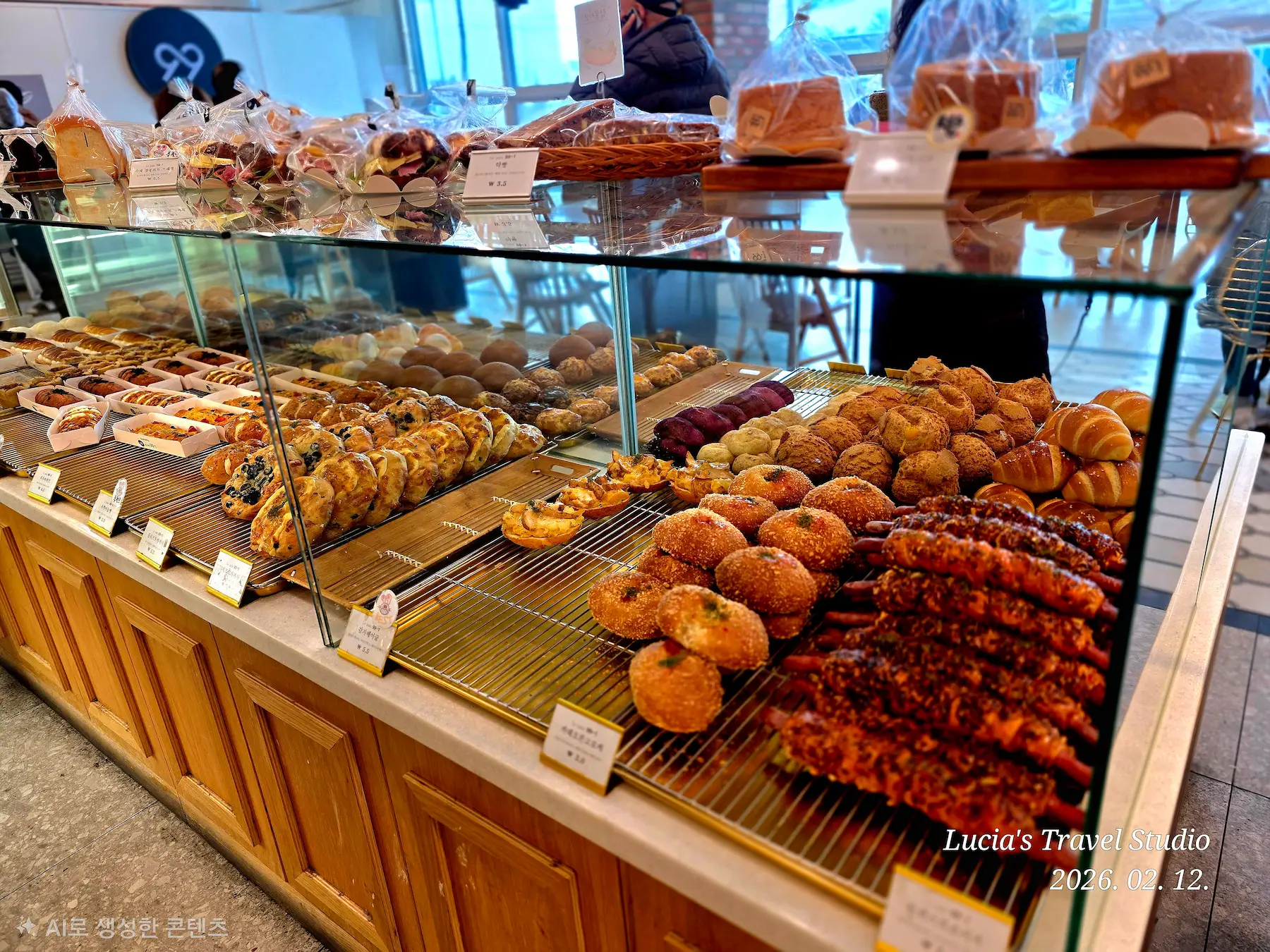
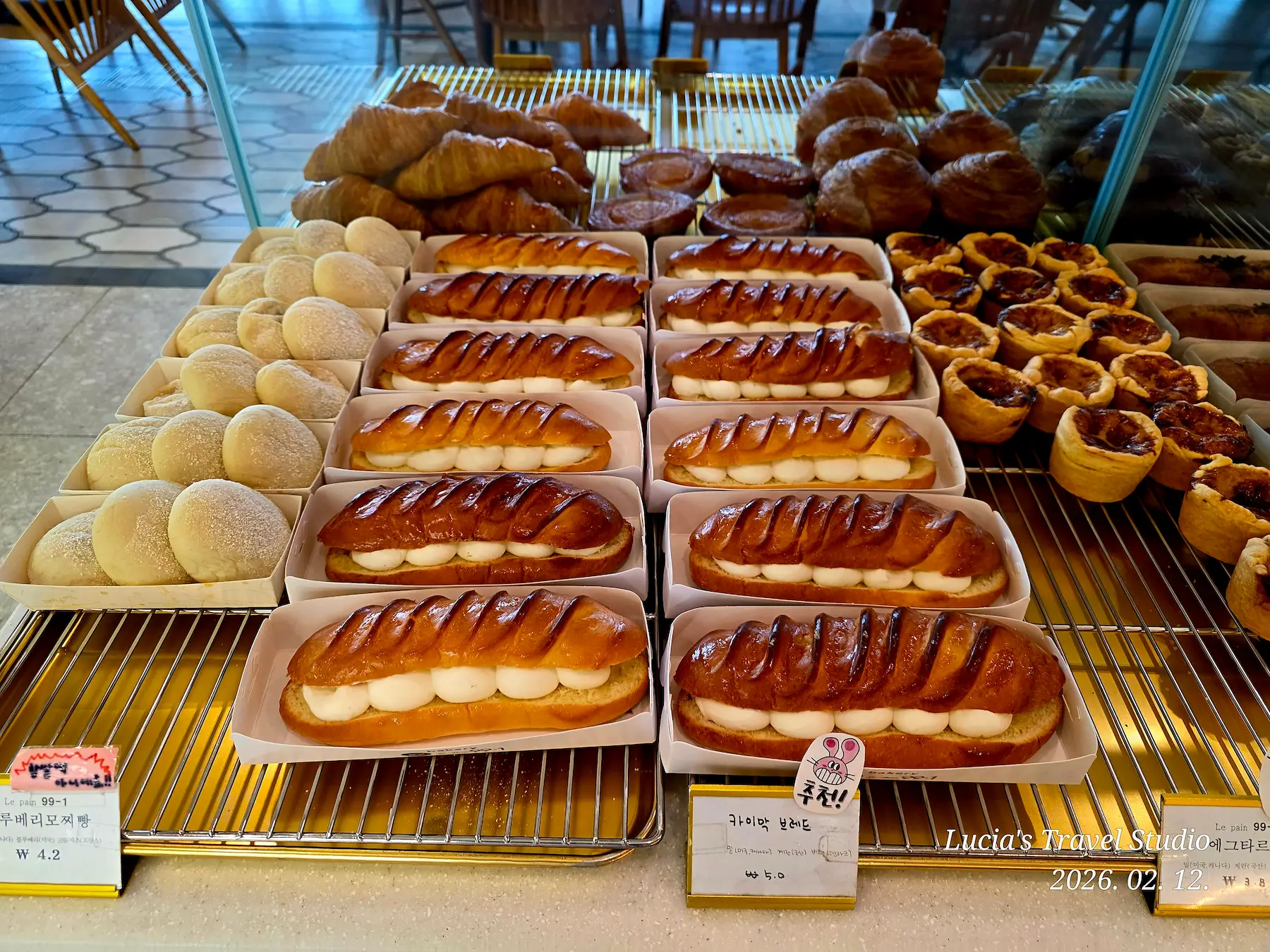
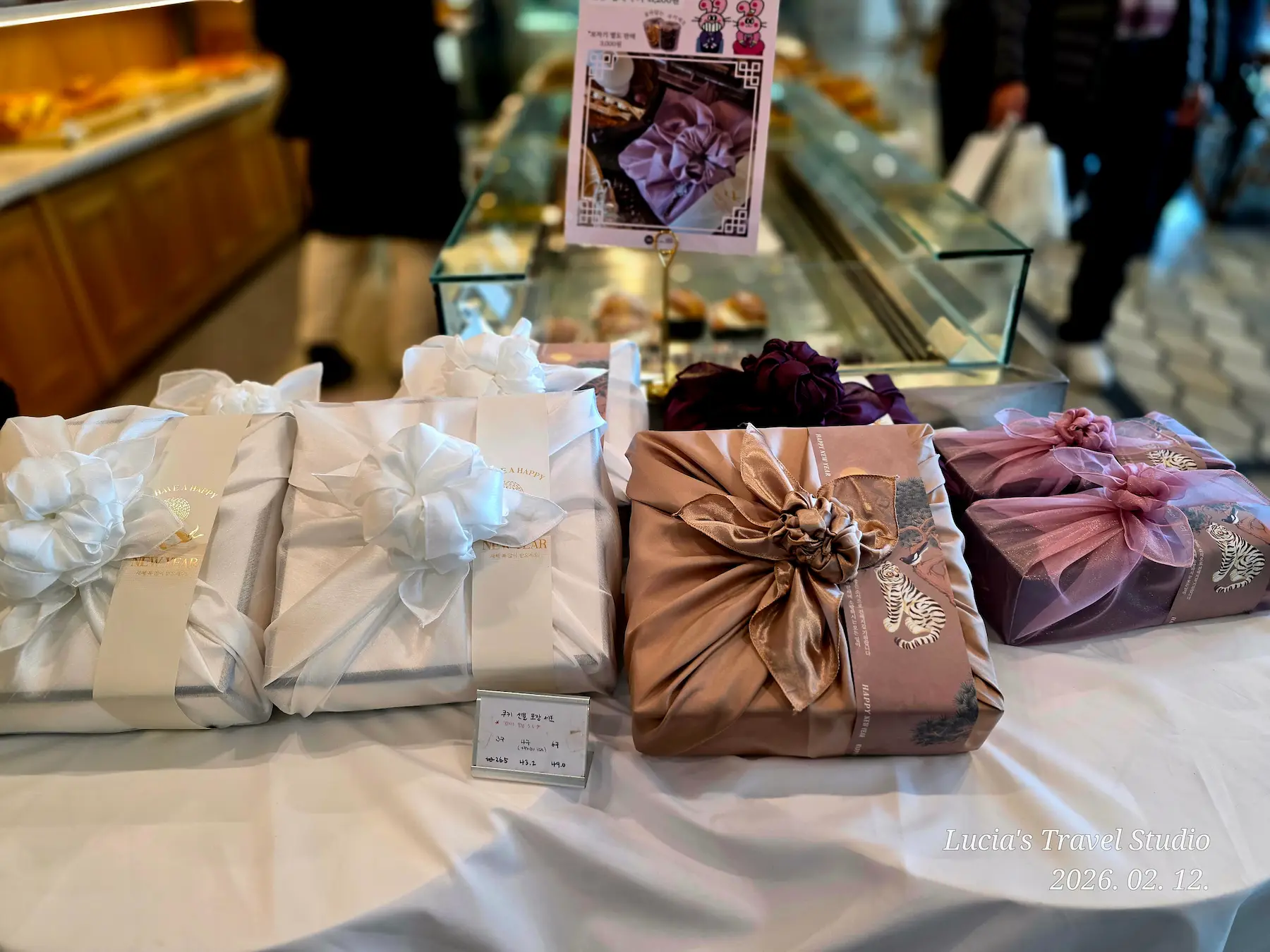
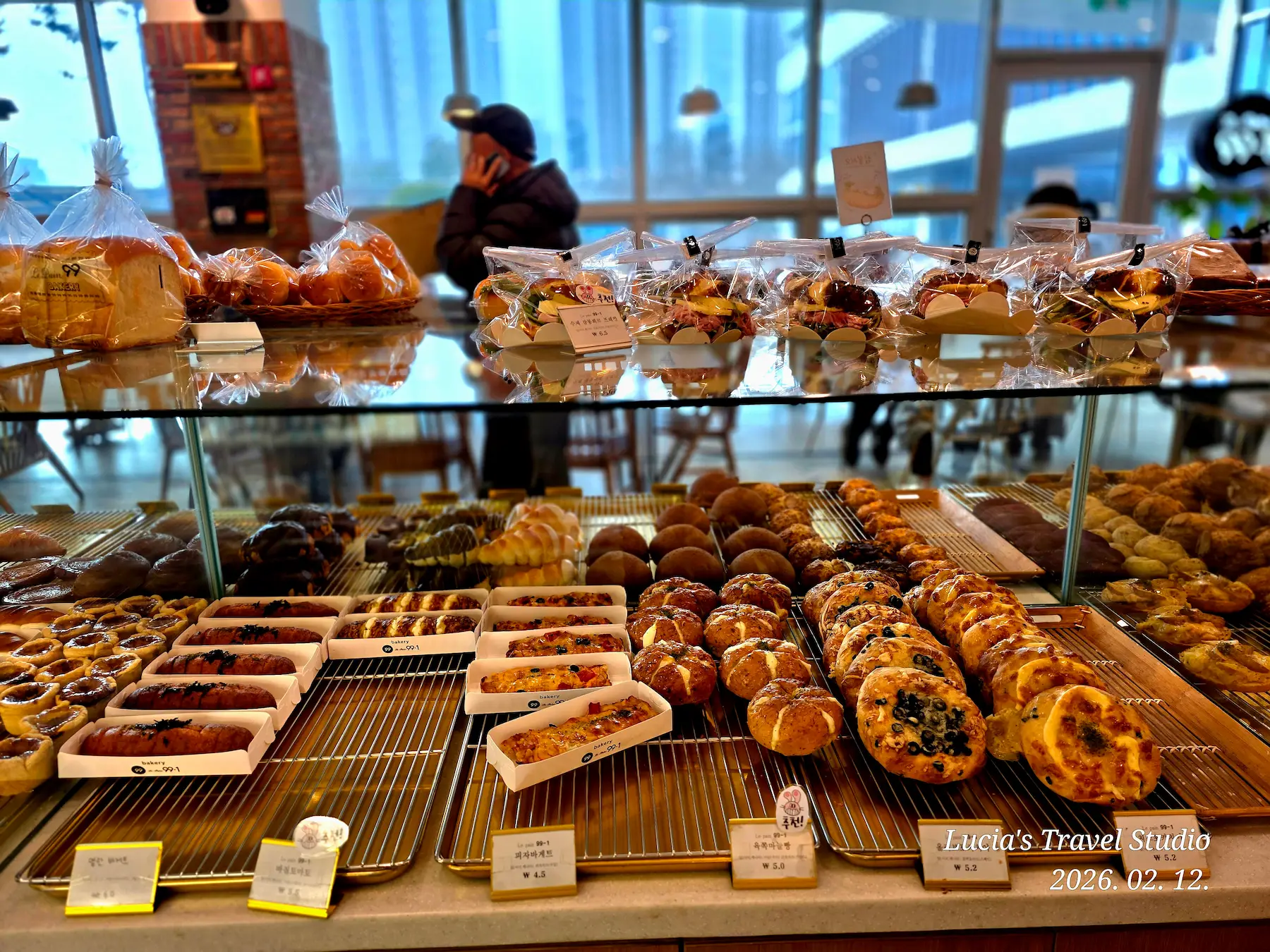
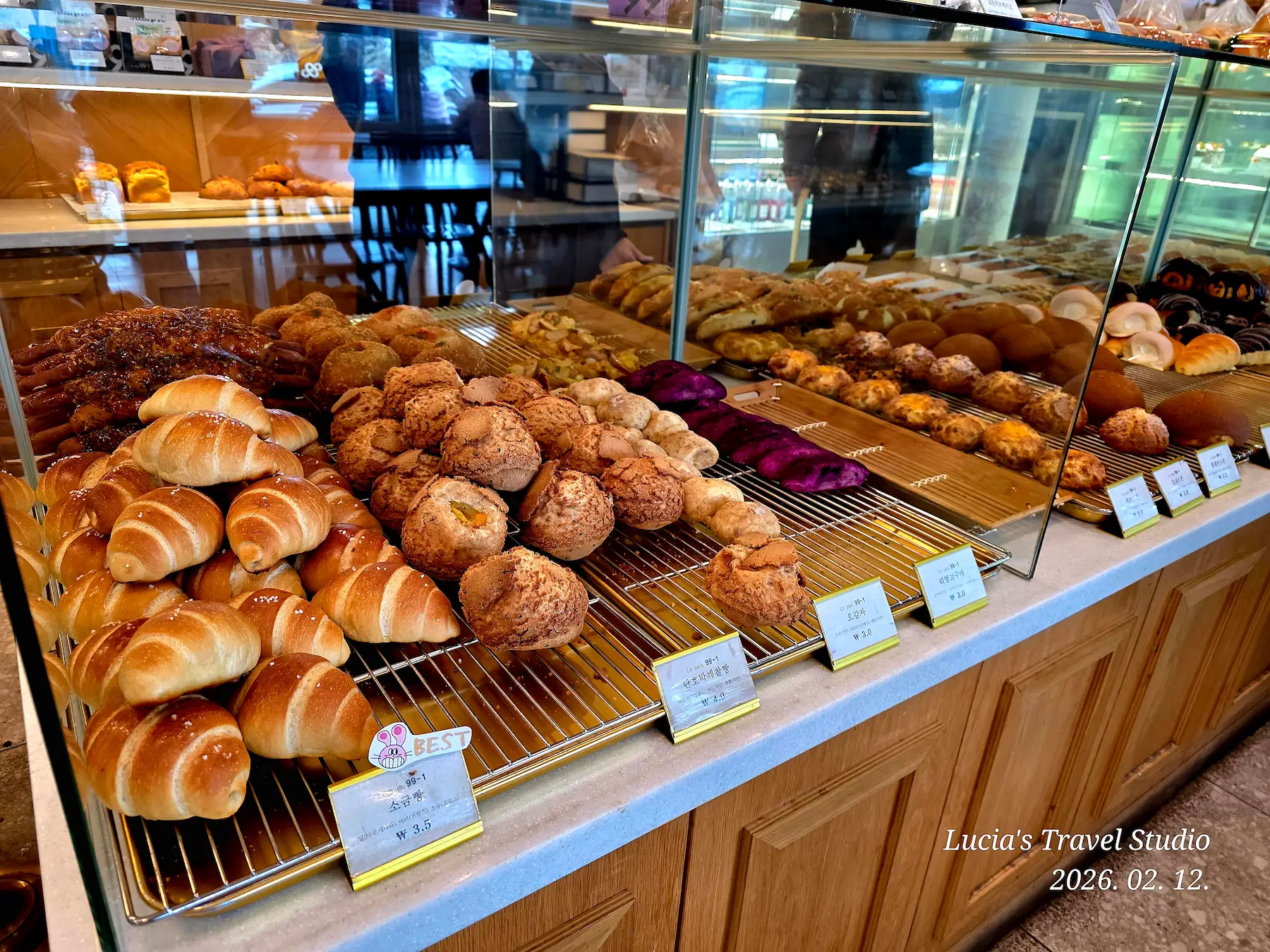
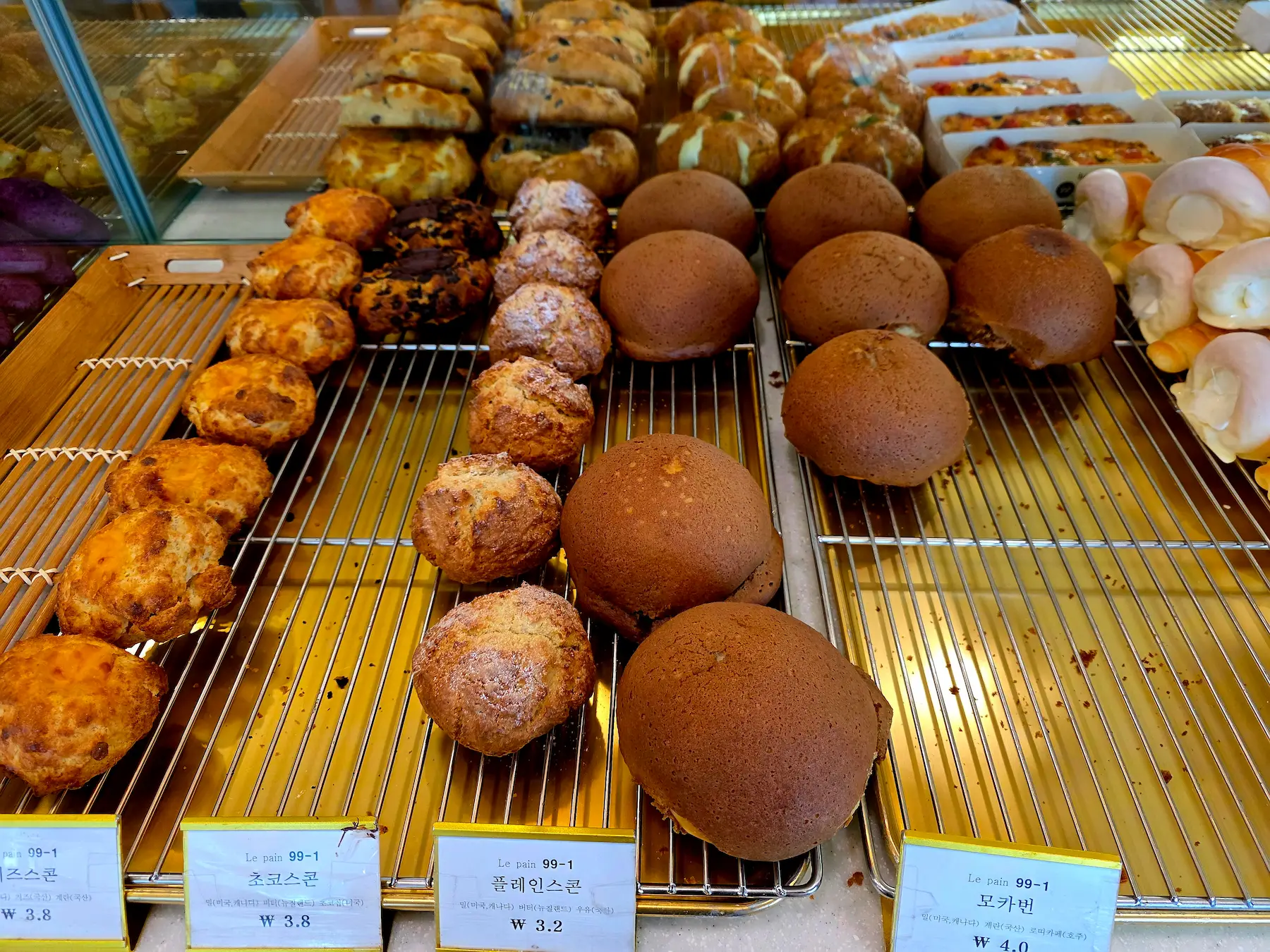
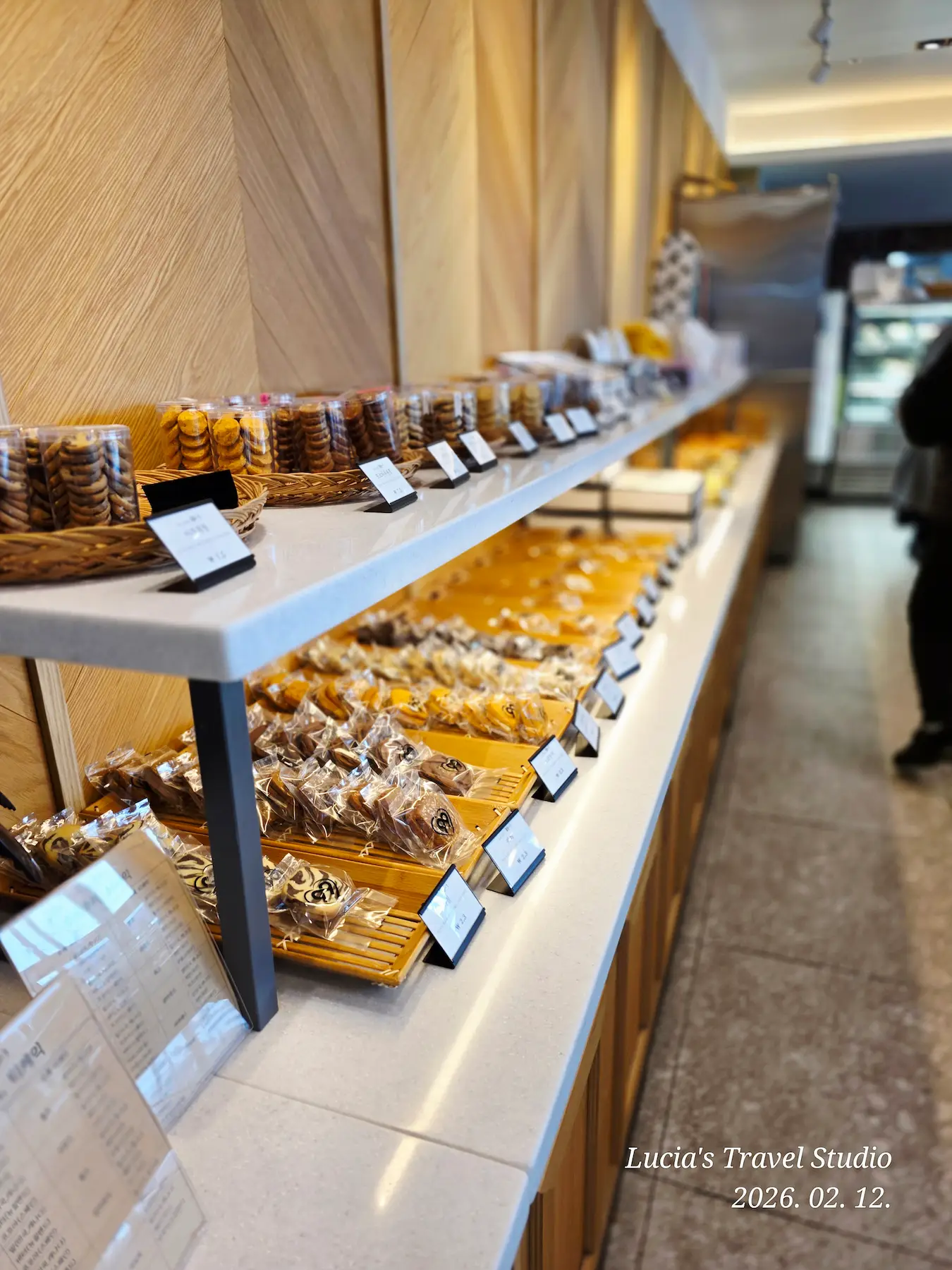
The bakery on the first floor was equally memorable.
The display was filled with beautifully baked bread — warm, inviting, and far beyond what I expected inside a hospital.
I remember thinking that when we return for follow-up visits, we might come back just for that bakery.
Even in the middle of surgery and recovery, small comforts like these made the experience feel less overwhelming.



💰 Cost Breakdown
Disc surgery + 5 days of hospitalization
Total medical bill: approximately 4.5 million KRW(around $3,300 USD)
With private health insurance,
about 80–90% is expected to be reimbursed.
🚖 Discharge Day – The Final Steps
On the day of discharge, once the billing review was completed, the final amount was sent directly to both the patient’s and caregiver’s mobile phones.
Families typically go down to the billing office on the first floor to complete payment.
(At Chungnam National University Hospital, we use an automatic “Hi-Pass” payment system, so we didn’t even need to stop by the office.)
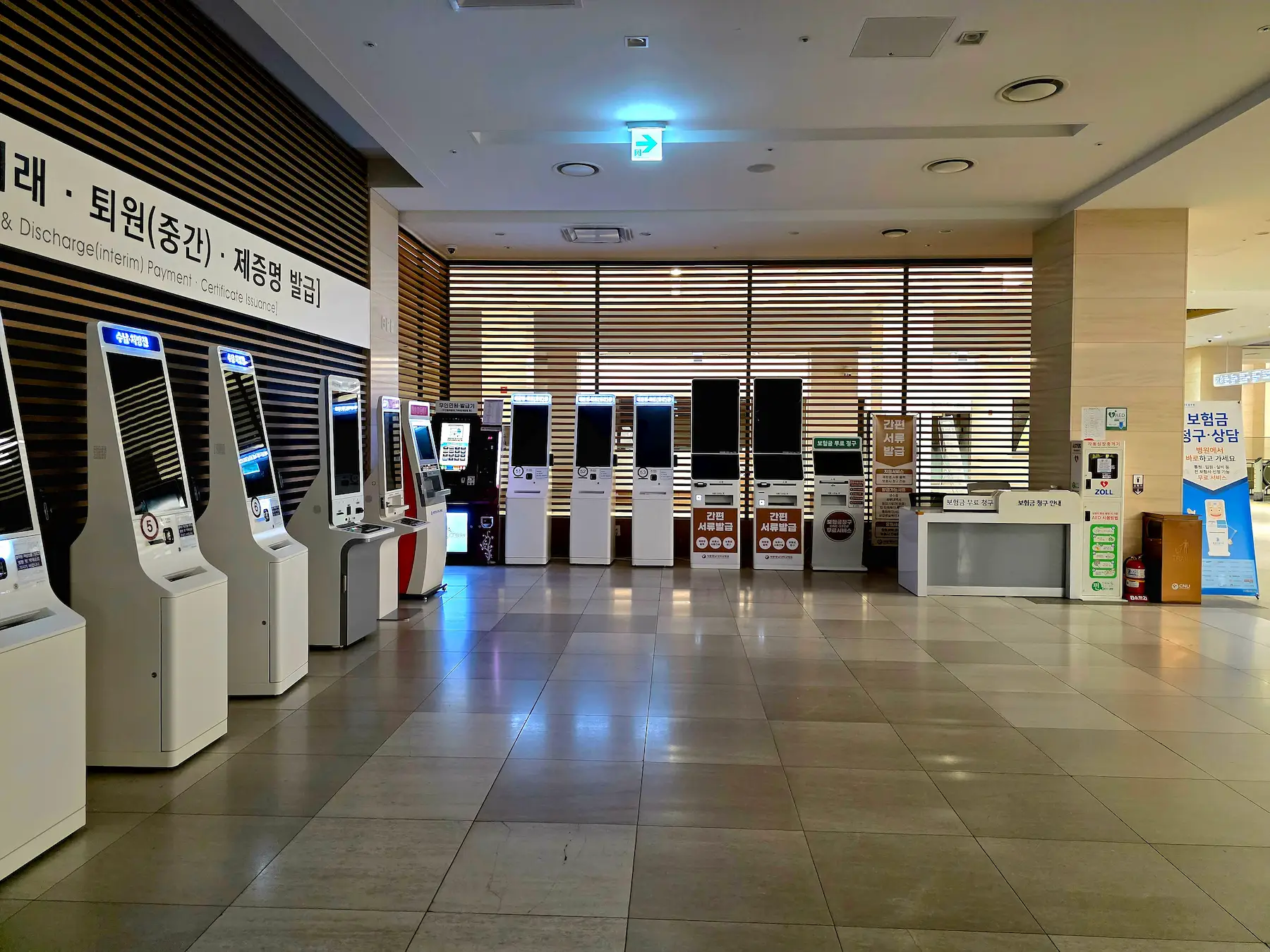
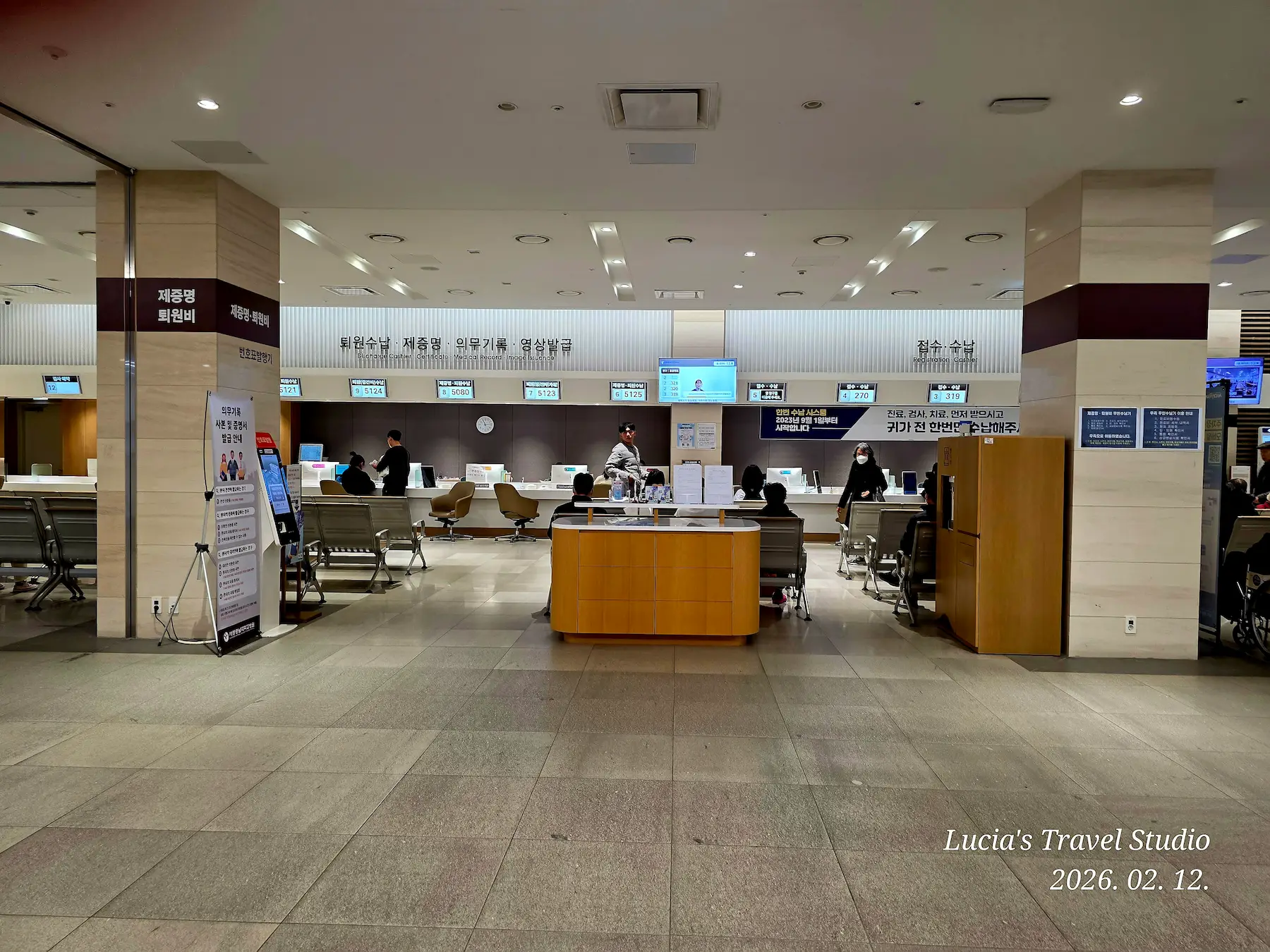
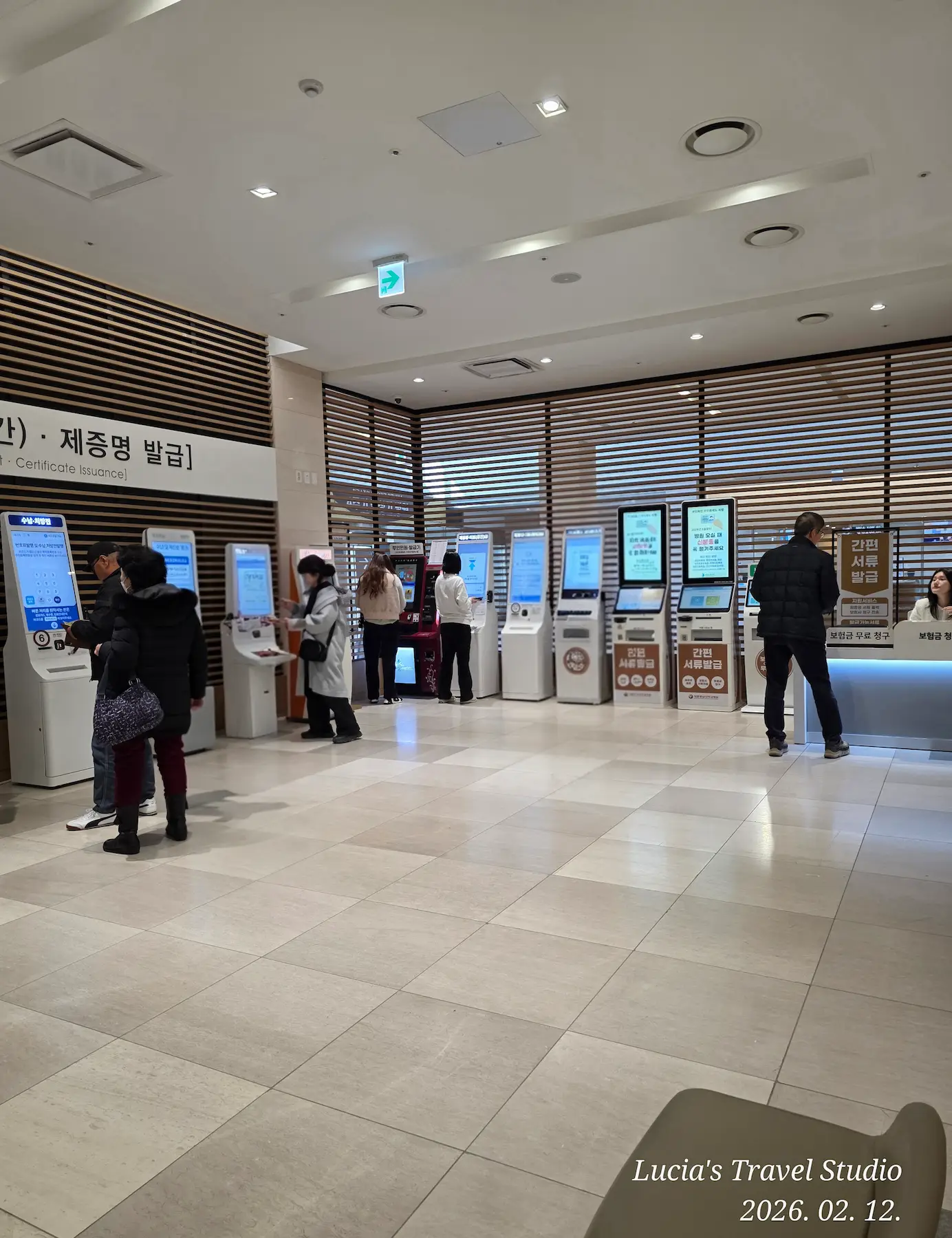
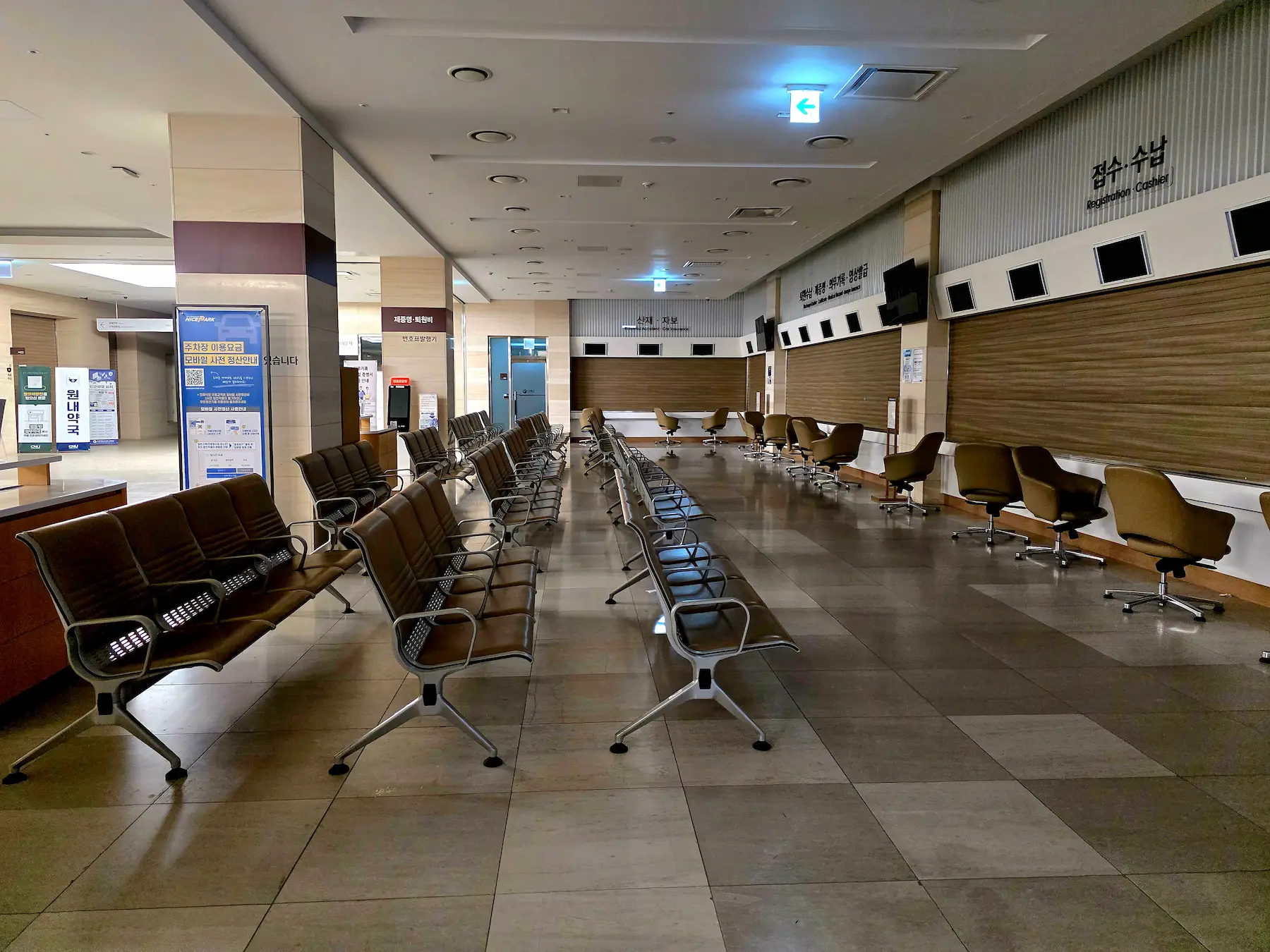
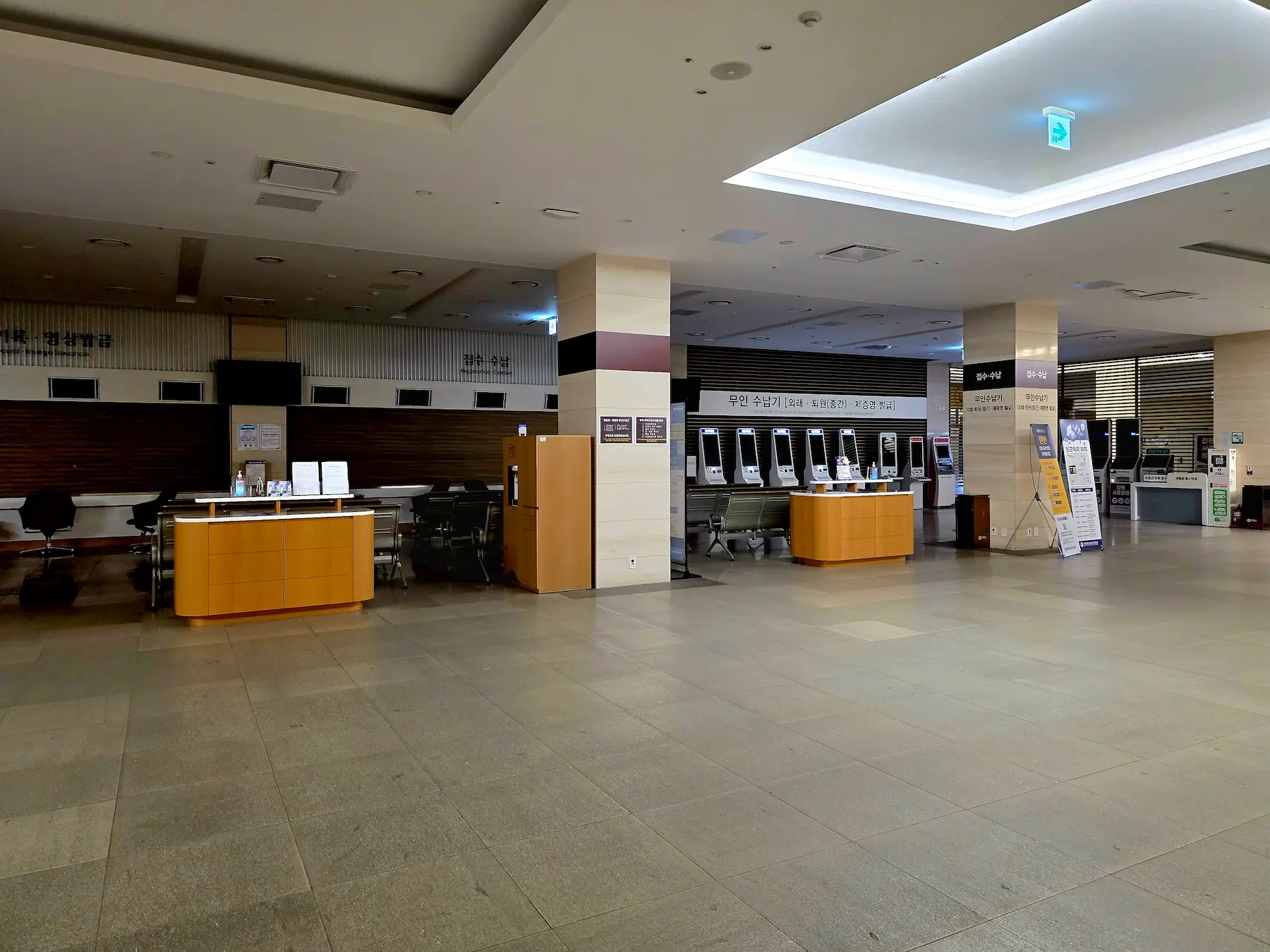
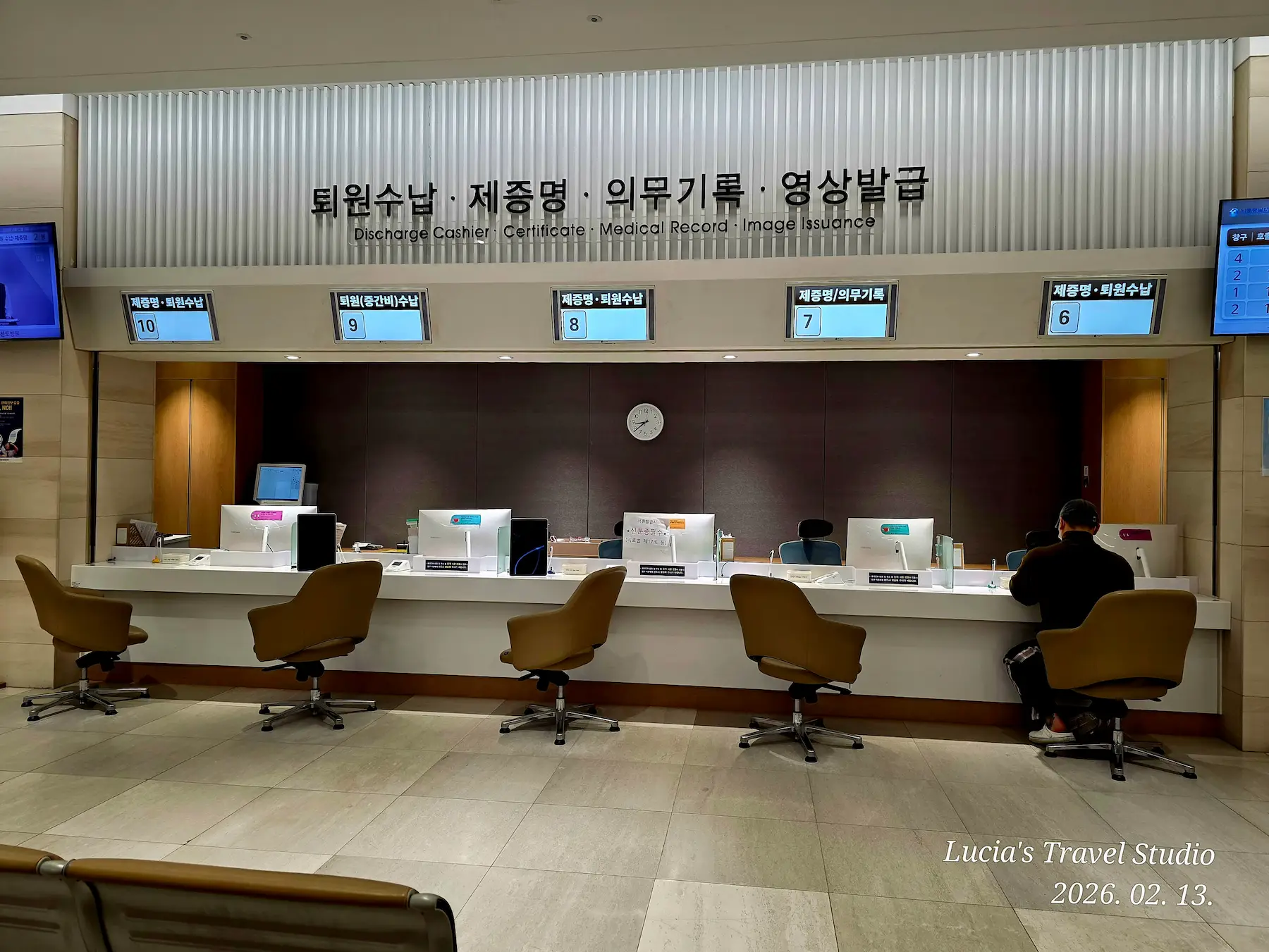
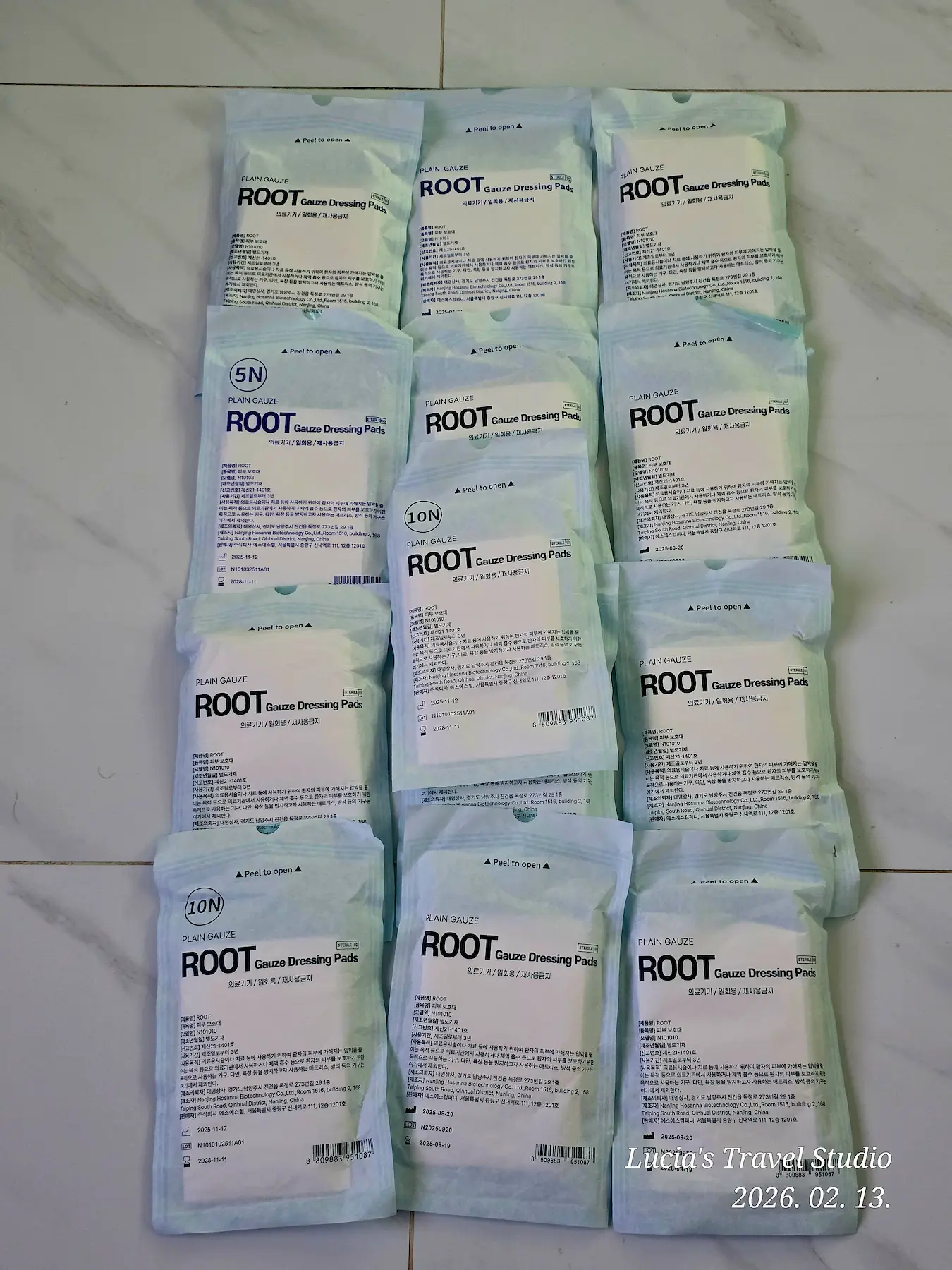
After payment, the ward’s nurse station provides discharge supplies — medications, gauze, and other necessary items.
Wheelchairs can also be borrowed to assist patients when leaving the hospital.
The process was smooth, organized, and surprisingly fast — another reminder of how efficient hospital systems in Korea can be.
🏠 Going Home
We took a Kakao Taxi home.
He still had post-surgical discomfort, of course.
But the deep lower back and leg pain that had followed him for two years was significantly reduced.
That alone made everything worth it.
At home, he began gentle walking practice.
With home-cooked meals and steady movement, recovery would come — step by step.
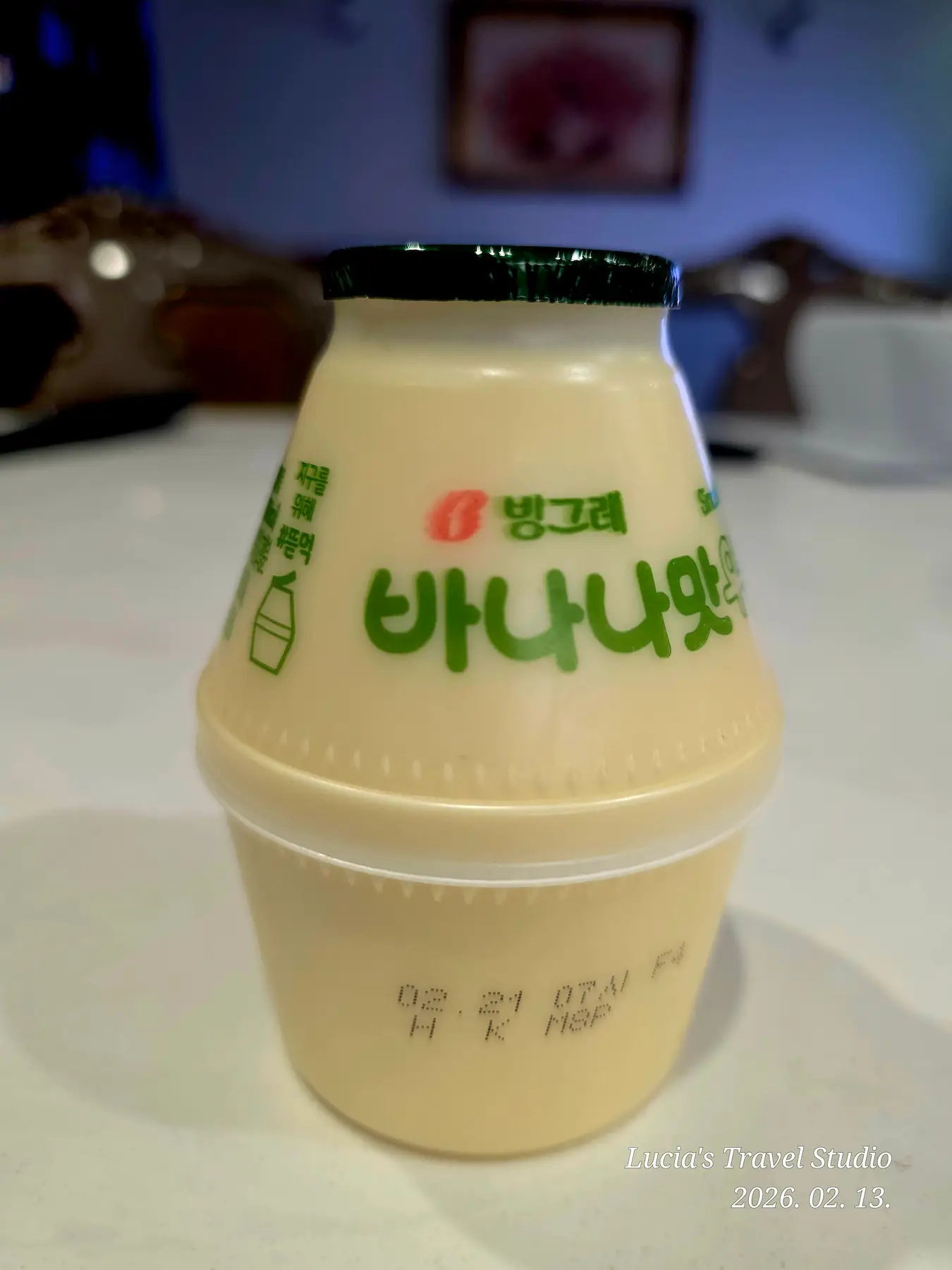
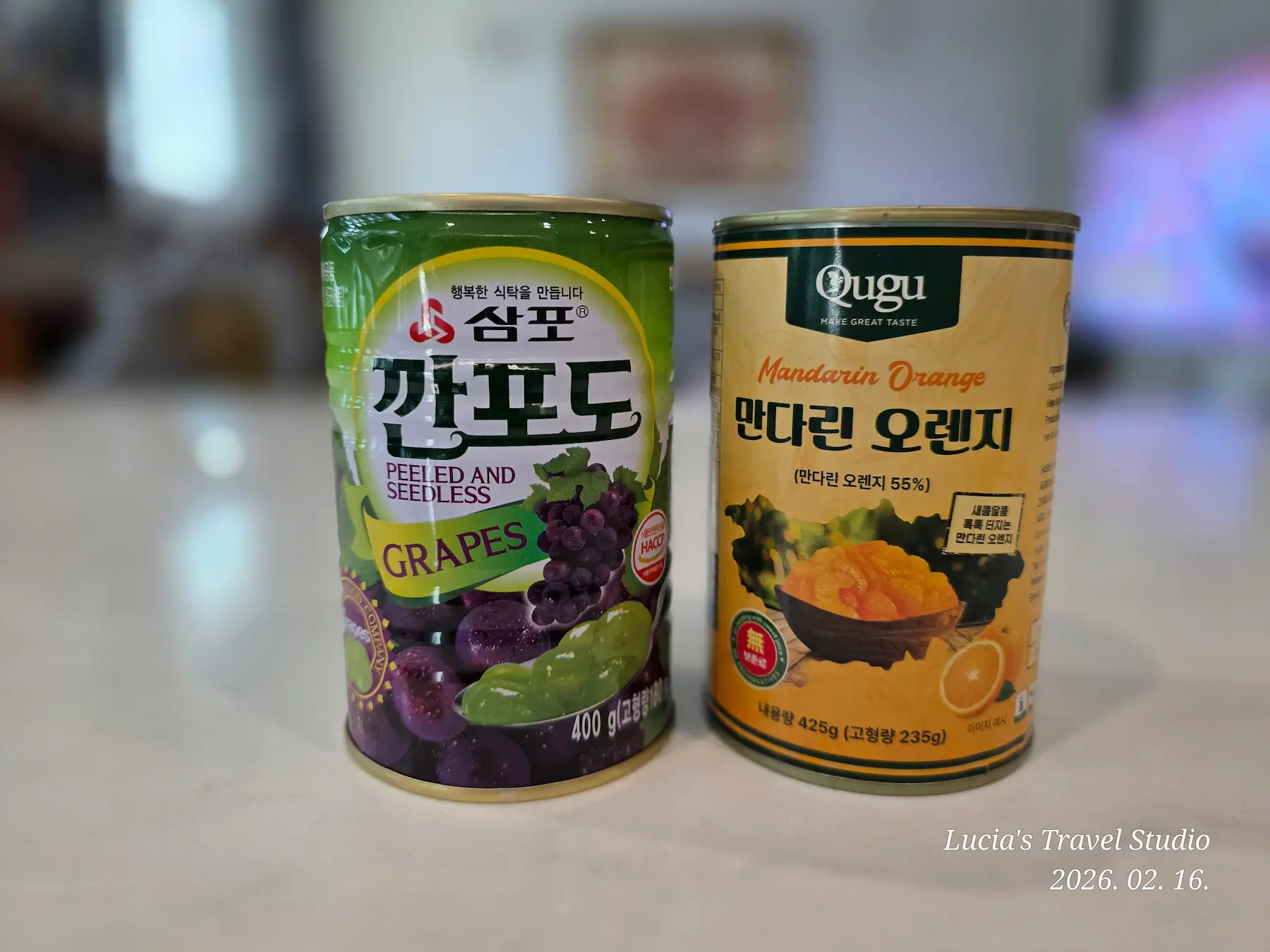
On the way back, we bought a small comfort from childhood: banana milk and canned grapes.
When we were sick as children, our parents would bring us these simple treats.
Somehow, they still feel like healing.
Sitting at home, eating familiar “go-to” comfort food after five days in the hospital, we felt something we hadn’t felt in a while:
Relief.
Gratitude.
Hope.
Sometimes, a life-changing recovery doesn’t look dramatic.
Sometimes, it looks like coming home. And sometimes, that is enough.
👟 One Practical Tip
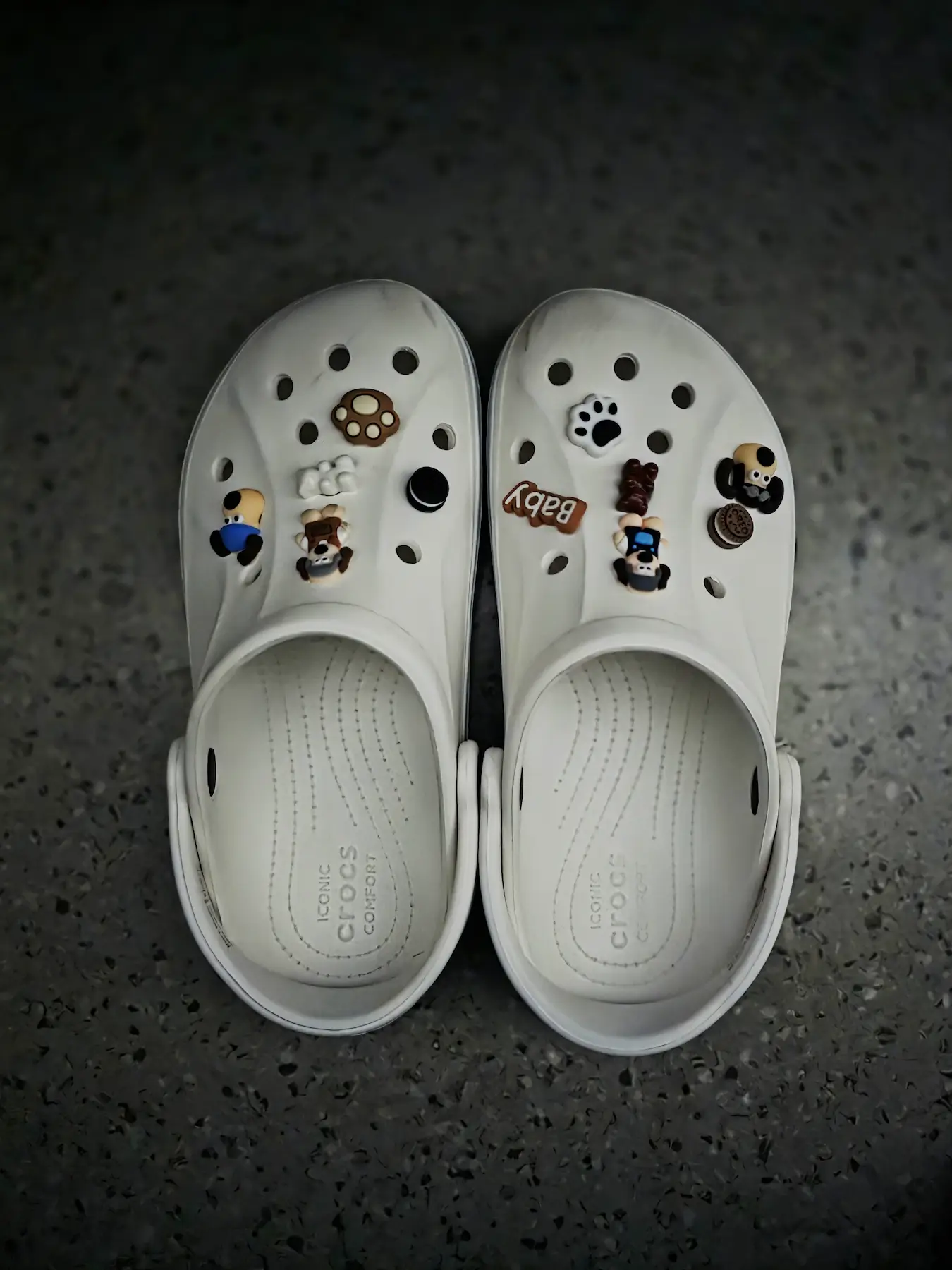
In Korean hospitals, most patients wear Crocs — comfortable, washable, and easy to slip on and off. They are practically the unofficial hospital uniform.
It’s also helpful to bring a few personal items, such as:
A personal towel
No-rinse shampoo
Paper cups
Wet wipes
While these can be purchased at the hospital convenience store, having them prepared in advance makes the stay more comfortable.
🌍 For Foreign Visitors
If you are a foreign patient planning a consultation at Sejong Chungnam National University Hospital, appointments can typically be made through:
Medical Services → Appointment for Consultation → Online Appointment: Appointment for Consultation > Appointment > Medical Services > Chungnam National University Sejong Hospital
Most large university hospitals in Korea have dedicated international patient services, so it’s worth checking the hospital’s official website for English-language booking options.
🔎 Curious About Korea’s Healthcare System?
If you’re interested in how Korea’s medical system works beyond surgery and hospitalization, you might also want to read:
Korea National Health Checkup 2025: Surprising Insights From My Real Hospital Experience
In that post, I share what I learned about Korea’s national health screening system — how affordable it is, how efficient the process feels, and what truly surprised me during my visit.
Together, these experiences offer a broader look at what healthcare in Korea is really like — not just in emergencies, but in preventive care as well.